Backpacking the Boy Scout Trail in Joshua Tree National Park
Earlier this year, for Valentine's Day, we finally spent our first full and successful night in the backcountry of Joshua Tree National Park. We'd tried to #OptOutside with the REI crowd on Black Friday the previous year, but freezing temperatures sent us back to the car before midnight. This trip was our chance to do it right.
Before heading out, we upgraded our sleeping pads, picked up warmer 15-degree sleeping bags, and added thermal base layers to our gear. Those upgrades made all the difference. One lesson we learned quickly was to keep dirty hiking clothes out of the sleeping bag and have a dedicated set of thermal layers just for sleeping (courtesy of poison oak). Desert temperatures drop fast after sunset, and having warm, dry clothes waiting at camp makes a huge difference in how well you sleep.
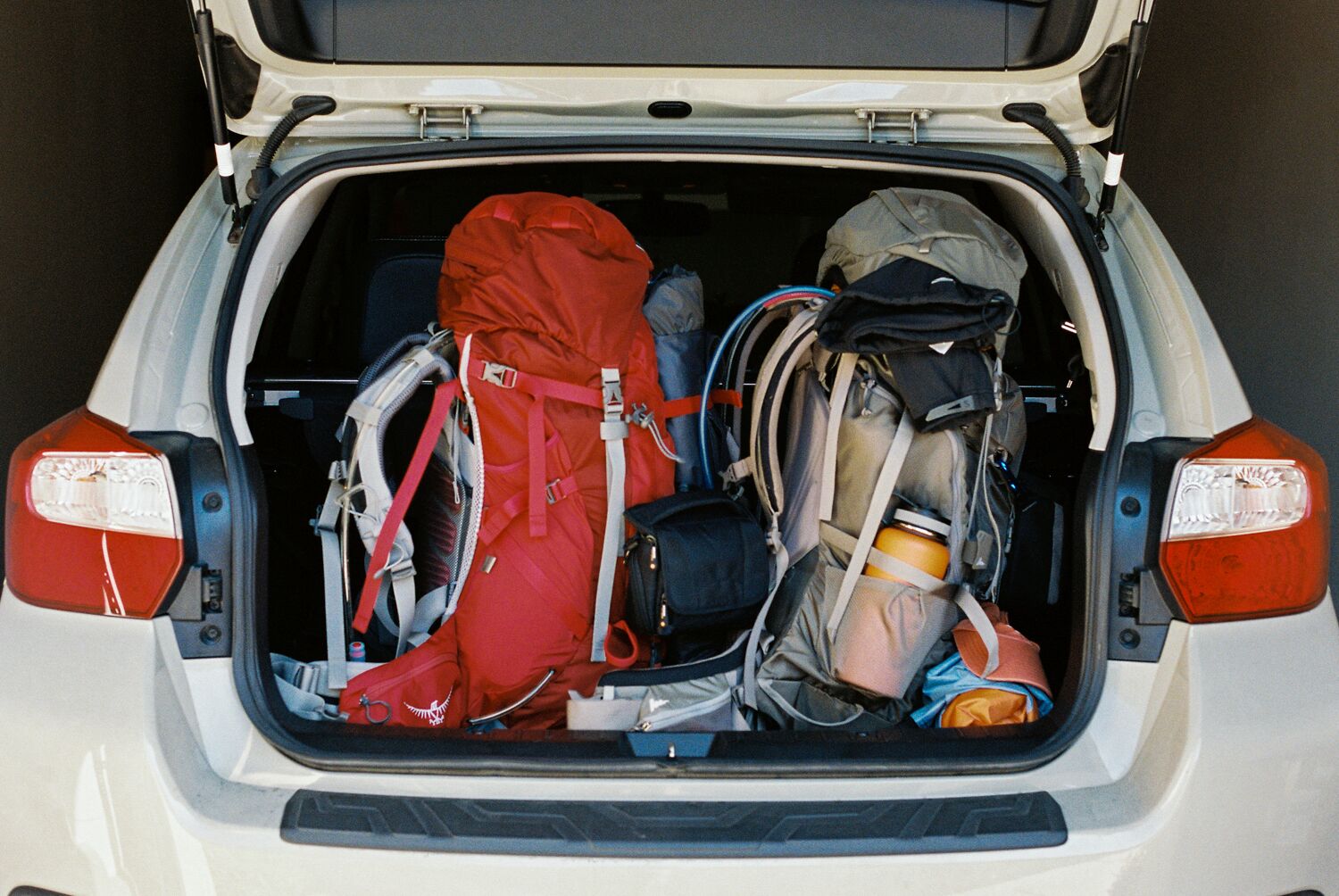
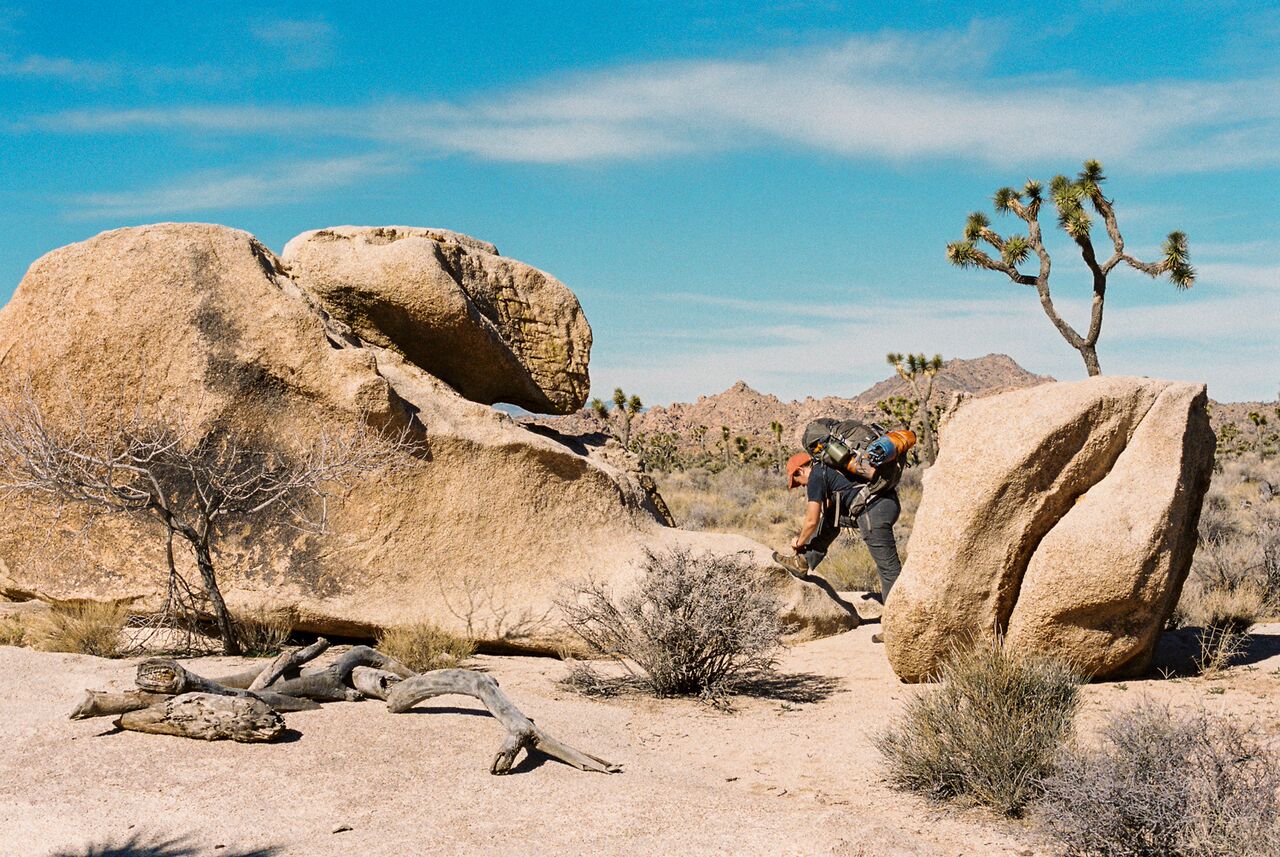
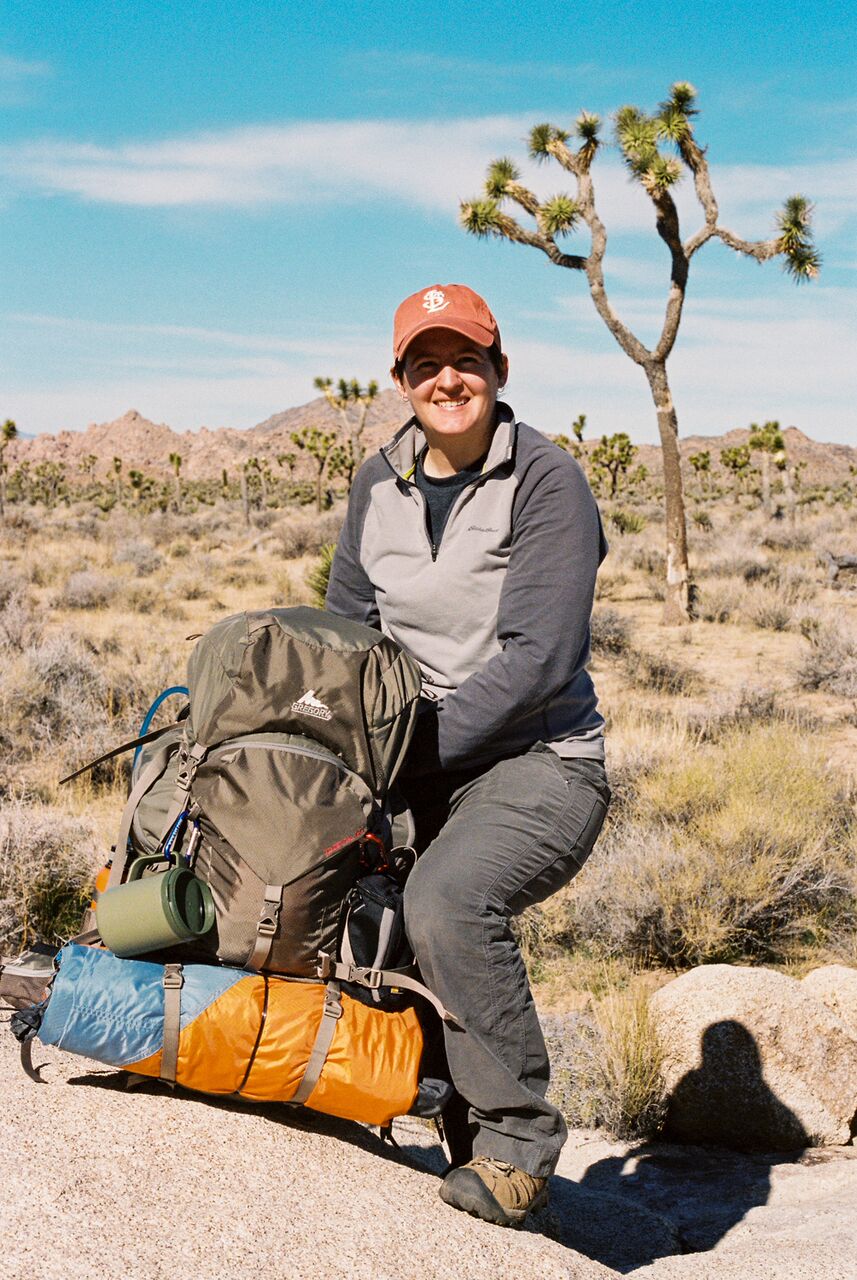
Since this was a backpacking overnight, we kept things simple and chose a short section of the Boy Scout Trail. The destination wasn't really the point. We just wanted the experience of spending a night out in the desert. We started from the Boy Scout Trail backcountry registration board around 3:00 p.m. on February 13. Even then, the parking lot was nearly full, which isn't surprising since this is one of the park's most popular trails.
One of the things I love about backpacking in Joshua Tree is how straightforward the backcountry camping system is. You register at one of the designated backcountry boards, fill out your permit, and head out on the trail (check the rules of your trail of choice, of course).
Keep in mind, you are hiking into true desert wilderness. There isn't any water available along the trail, the sun can be relentless, and despite their name, Joshua trees provide very little shade during the hottest part of the day. Fires are not allowed in the backcountry, please protect this land and abide by that important rule.
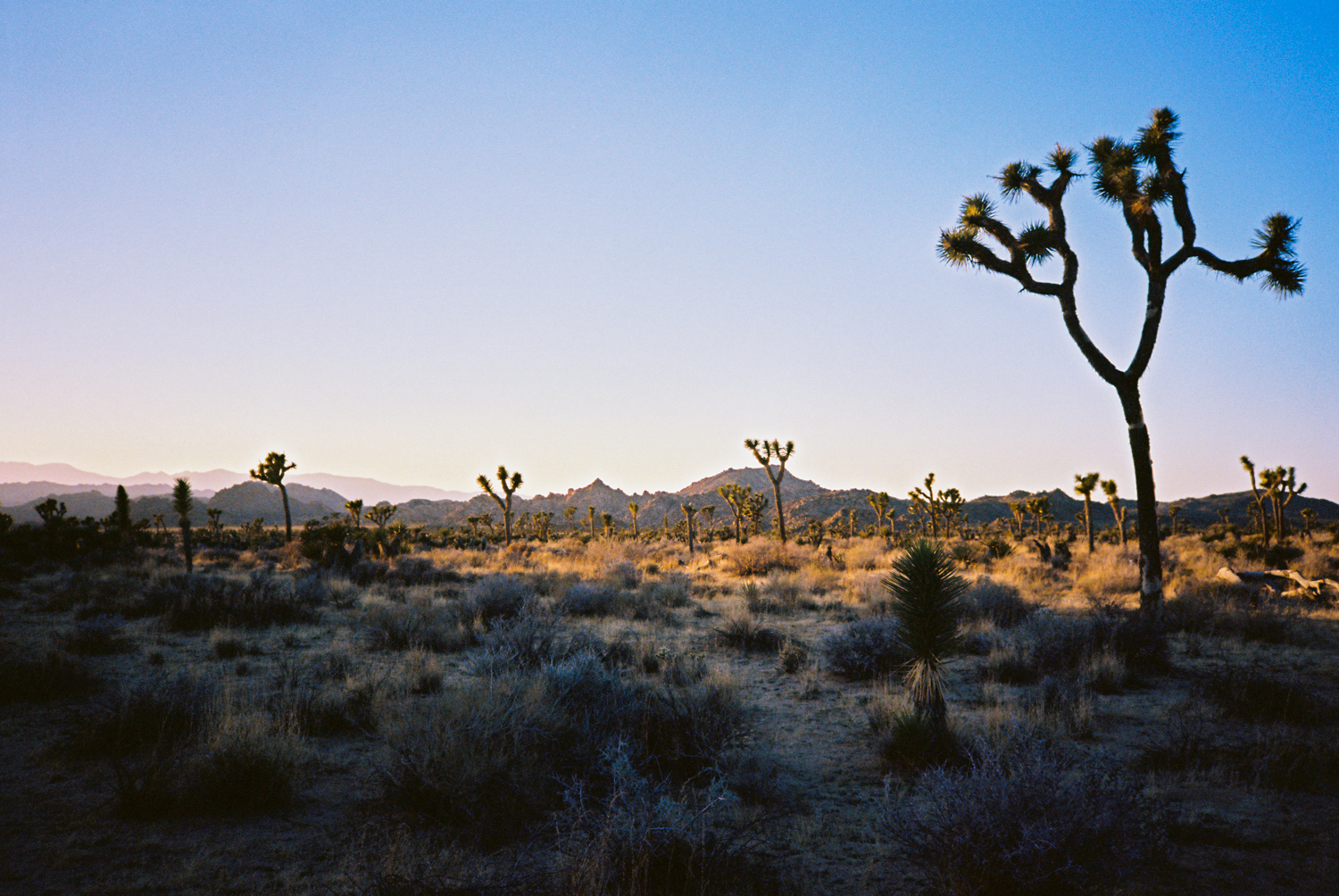
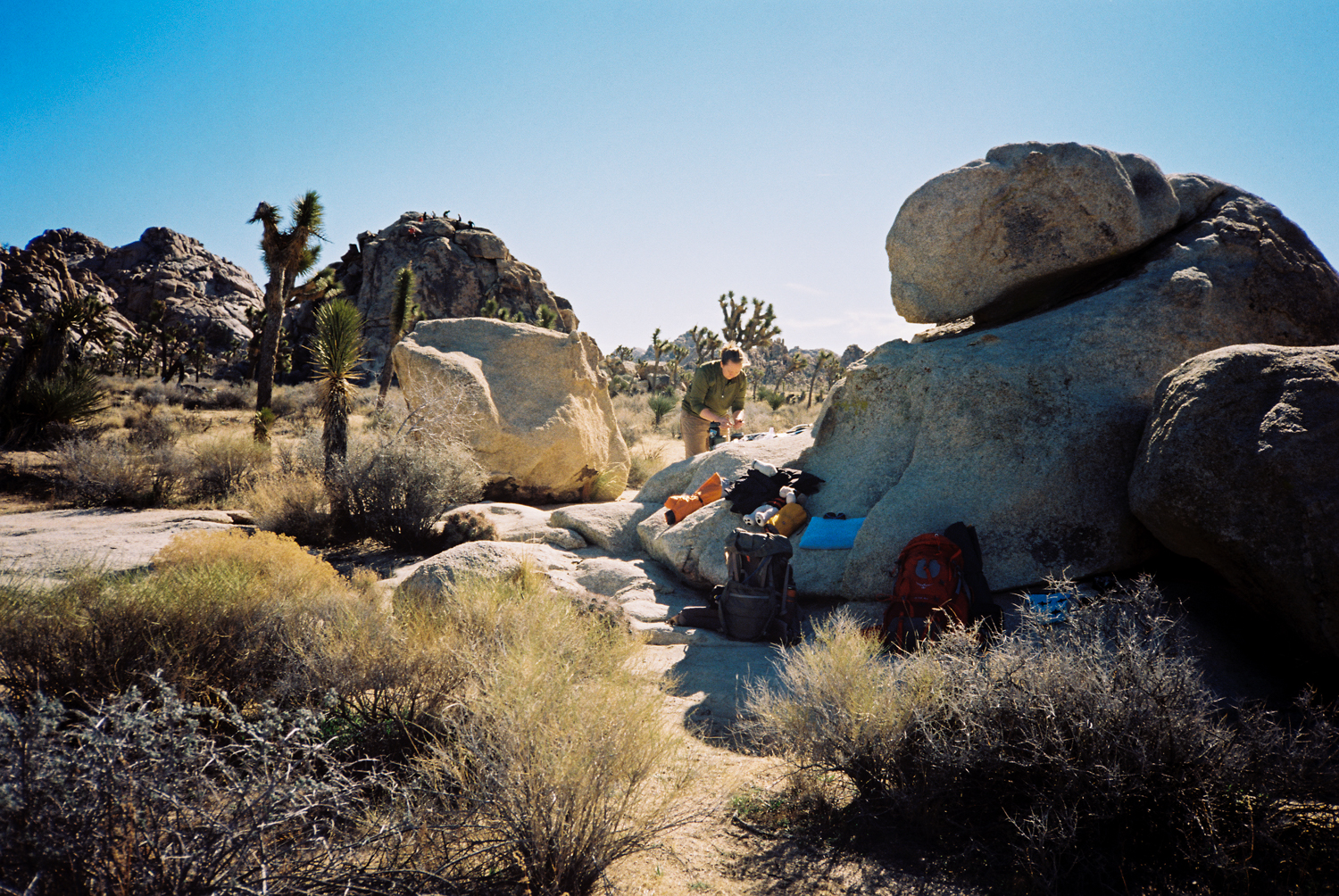
We hiked out to look for a sheltered campsite among the rocks. At this point, the Wonderland of Rocks sits to the right of the trail. That area is designated for day use only, so overnight camping isn't allowed there. Staying to the left of the trail, we found several quiet spots tucked among the granite formations that made great campsites.
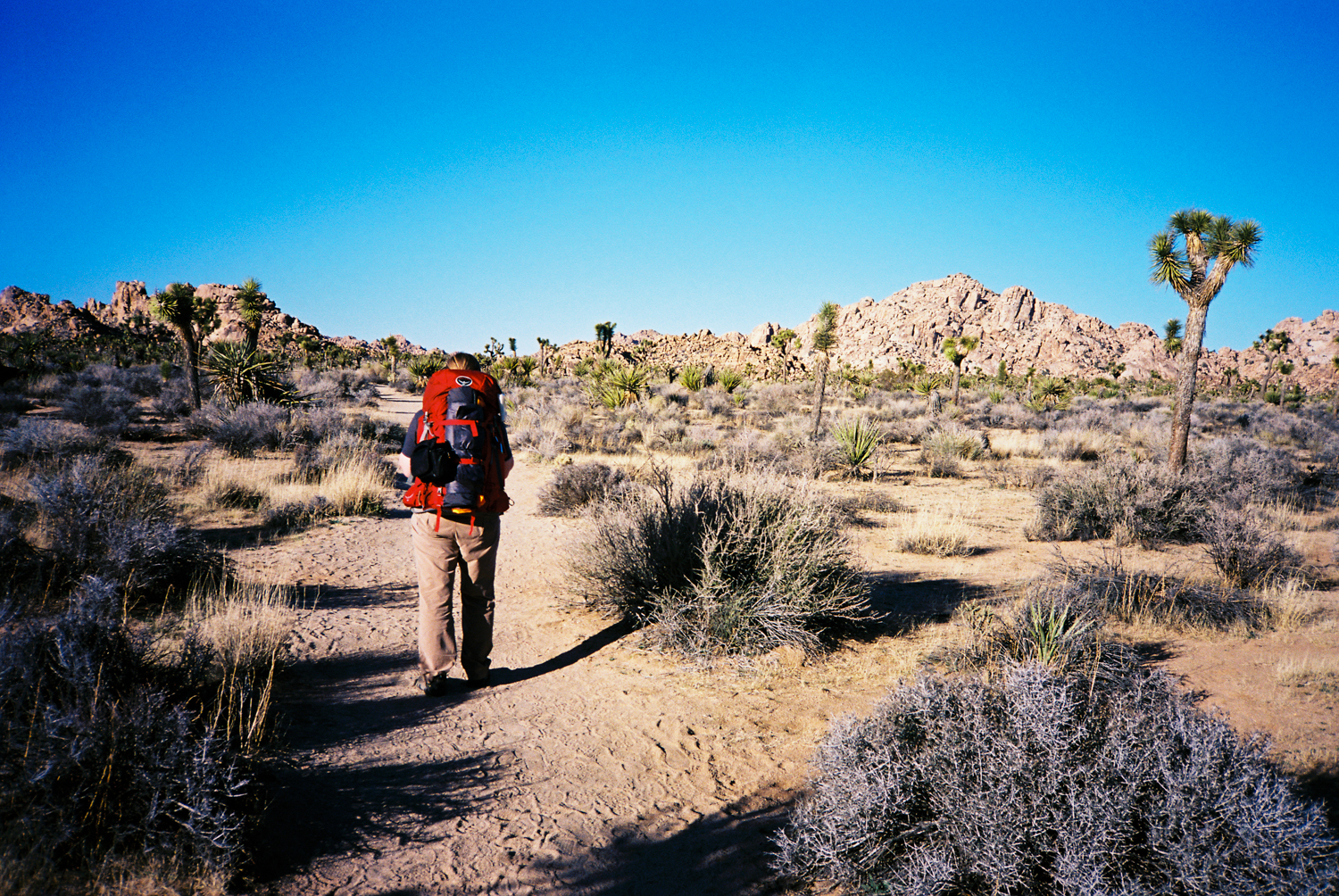
The backcountry camping rules are refreshingly simple. Camp a specific distance from the road and a specific distance from any trail. Check the distance on the trail you choose, as it does vary from park to park and sometimes trail to trail in one park. After wandering away from the trail for a bit, we found a rock formation that provided a little protection from the wind and pitched our tent beside it.

We spent the rest of the afternoon exploring the surrounding rocks before climbing up to watch the sun set over the desert. Joshua Tree sunsets always seem to make the granite glow, and it was the perfect way to end our first evening in the backcountry.


Once darkness settled in, we fired up the Jetboil, boiled some water, and made an warm freeze-dried Pineapple Orange Chicken meal. It wasn't my favorite freeze-dried dinner, but after hiking and setting up camp, it tasted pretty good and definitely warmed us up.
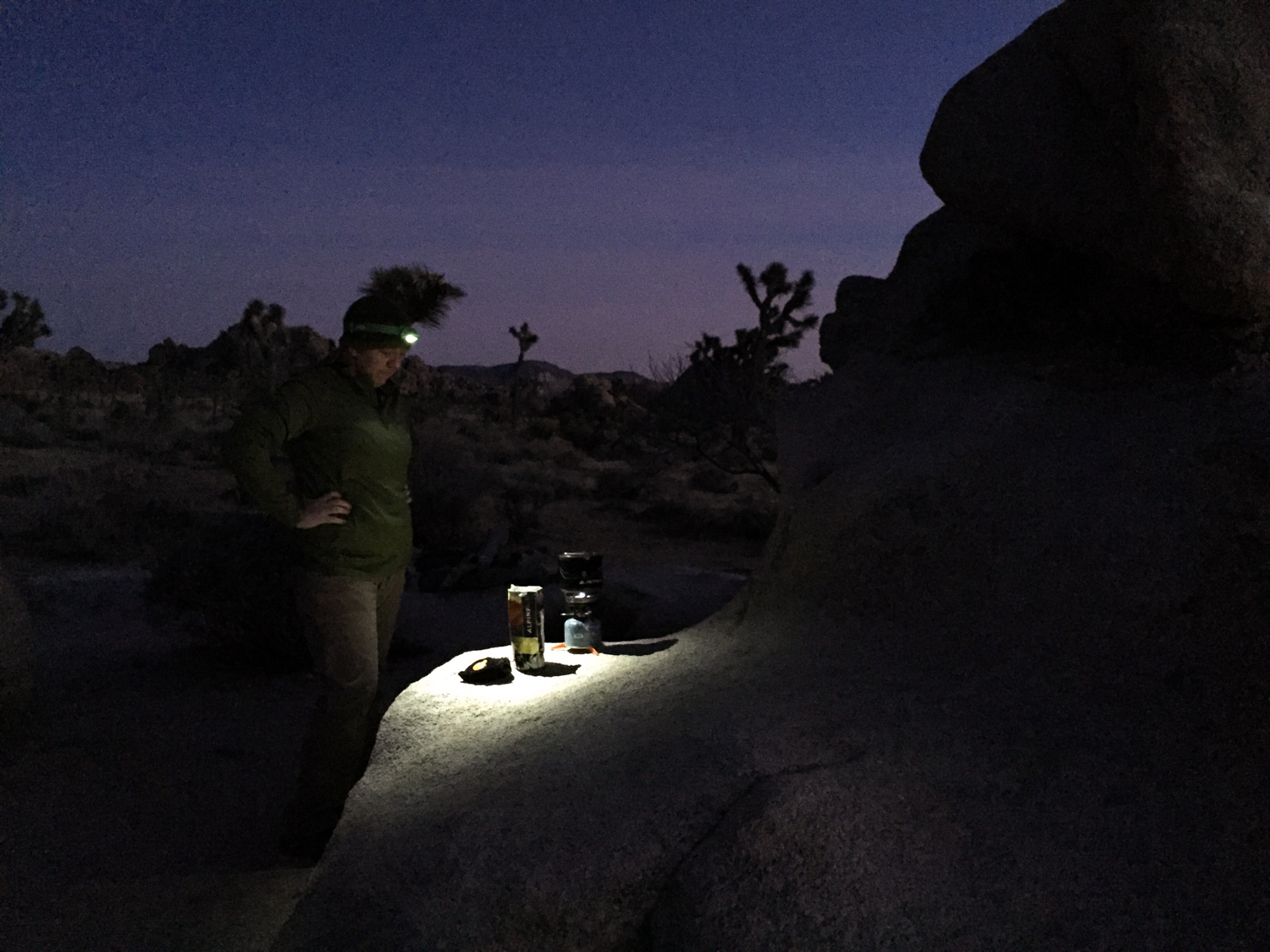
Sleeping in the backcountry is an entirely different experience than camping in a campground. The silence was incredible. We both slept well and didn't crawl out of the tent until a little after sunrise.
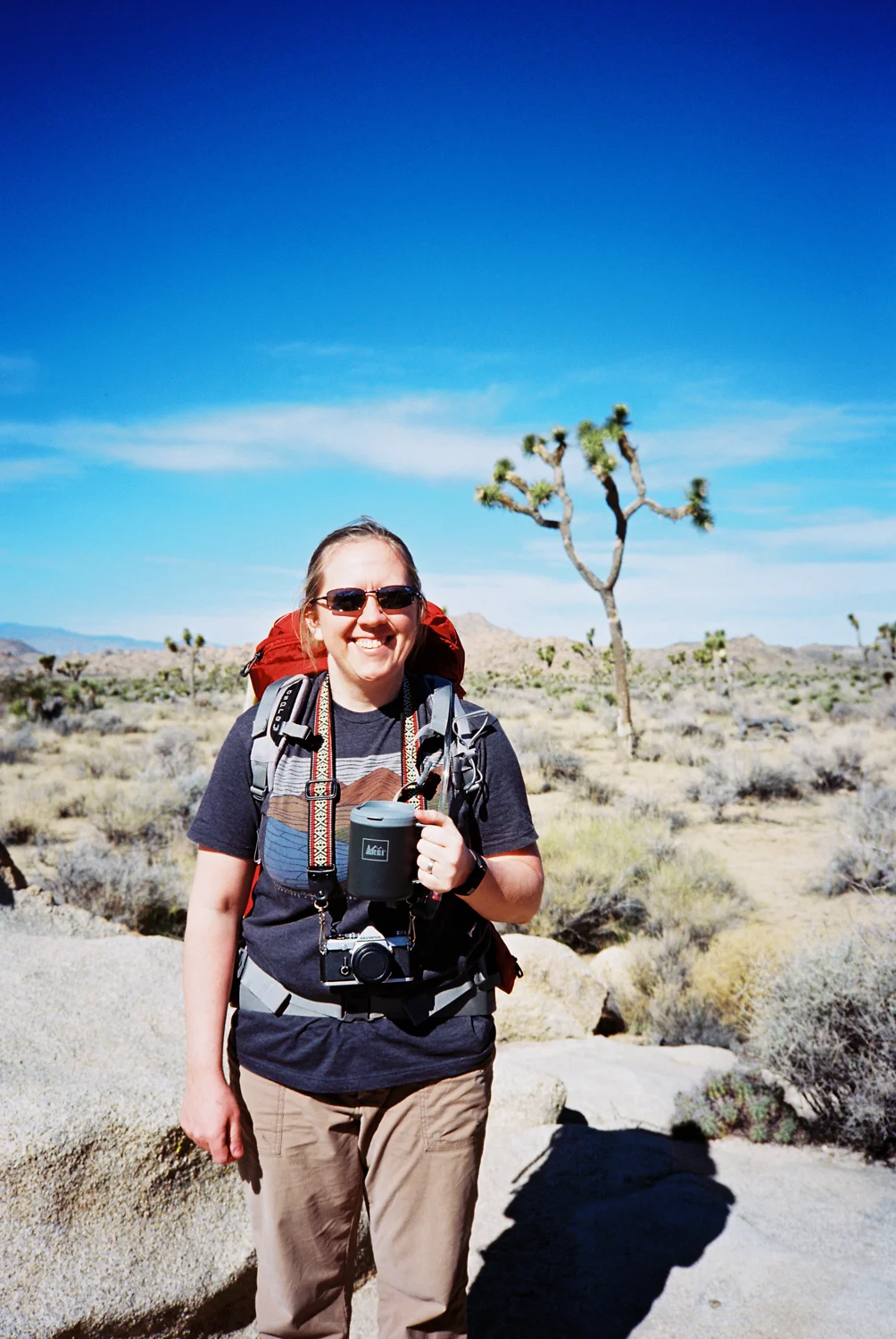
For breakfast, we made coffee with instant coffee packets. They're lightweight and already include creamer and sugar, making them perfect for backpacking. We paired that with premade oatmeal before climbing onto a nearby rock to watch the desert slowly wake up. Sitting there with a warm cup of coffee as the first light reached the boulders is still one of our favorite camping memories from Joshua Tree.
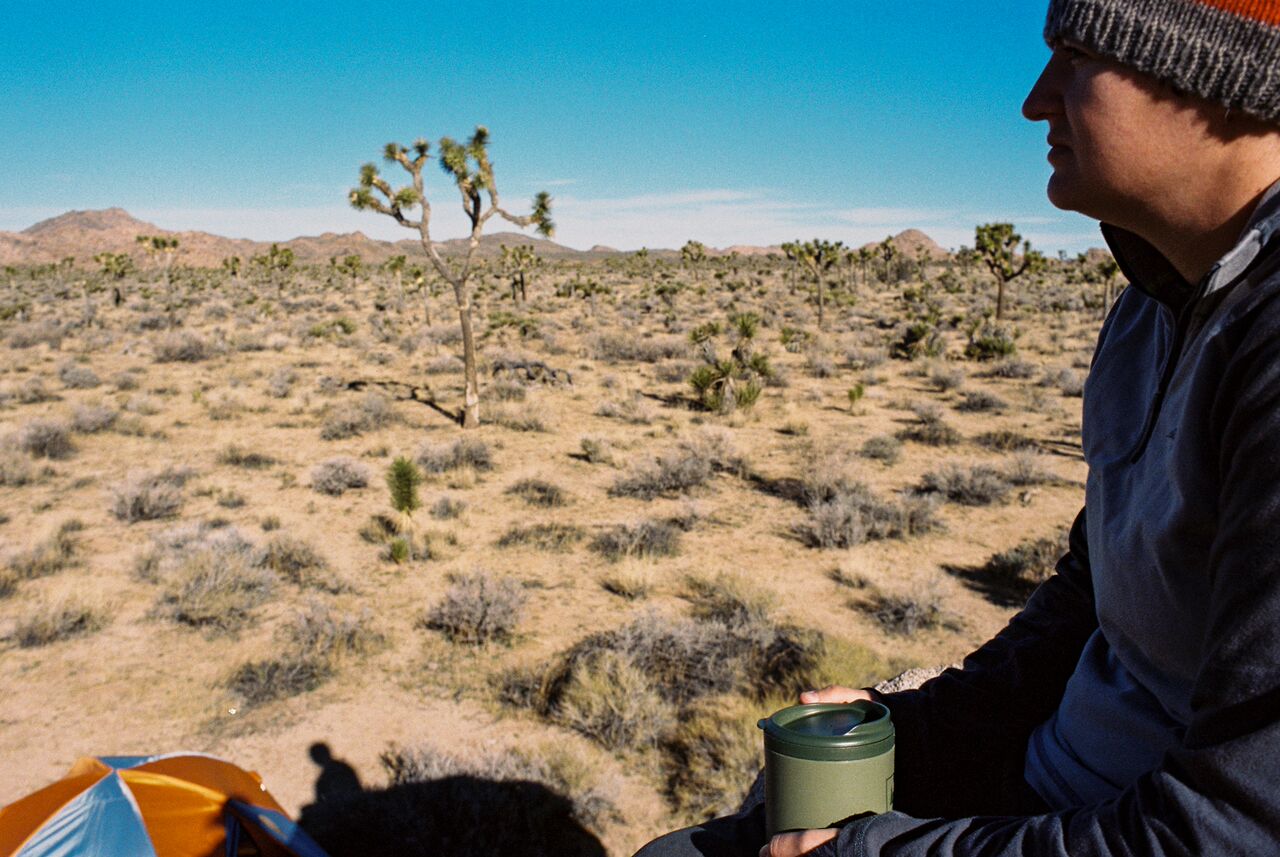
After a slow morning, we packed up camp, made sure we left no trace, and hiked the short distance back to the car. It was a simple overnight trip, but it gave us the confidence to start planning longer backpacking adventures!