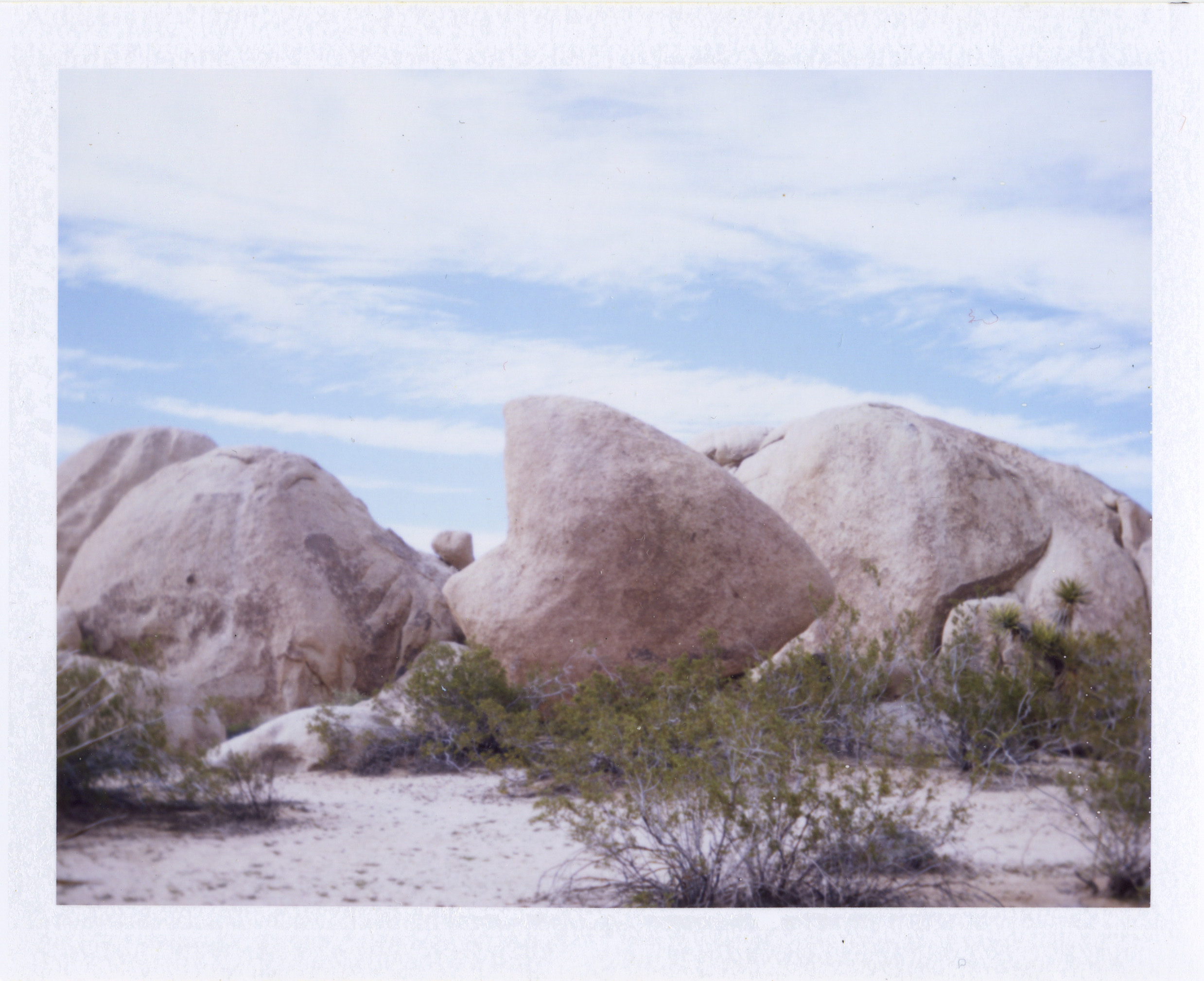

We shoot film, and we love it. I learned photography on film, beginning in childhood and continuing through college. As digital cameras became more capable and accessible, I eventually “upgraded” and film slipped out of my regular routine.
Digital cameras can do remarkable things, and we use our digital kits often. Film still found its way back into my camera bag several years ago. Returning to it reminded me that the two formats create very different experiences, even when I am photographing the same subjects.
Learn the Basics
Film helped me understand the basic mechanics of photography. Many older cameras require you to take control of the exposure, which makes the relationship between aperture, shutter speed, and film speed much more immediate.
You cannot change your ISO with a dial when the light shifts. The film loaded in the camera determines the speed until the roll is finished, so you learn to work within its limits. Manual focusing also asks you to look more carefully before pressing the shutter.
A film camera does not necessarily teach these things better than a digital camera, but it gives you fewer ways to avoid them. Each frame costs something, and you cannot immediately check the back of the camera to see whether you got it right.
Slow Down
A roll of film usually gives you 24 or 36 exposures. Knowing that changes the way I move through a place.
I spend more time watching the light, checking the edges of the frame, and waiting for the moment I actually want. I become more aware of what a particular film might do with the colors or contrast in front of me.
This slower pace is especially welcome on a hike or backpacking trip. Carrying a small film camera gives me a reason to pause and look closely instead of making dozens of nearly identical photographs and sorting through them later.
Spend Less Time Editing
Digital photography often leaves me with a large collection of files to sort and edit. Film creates a much smaller group of photographs, and the scans usually arrive with much of the character already present.
I might adjust the exposure or contrast and remove a few spots of dust, but I rarely feel the need to transform the image. The color, grain, and imperfections are part of what attracted me to that particular film in the first place.
Shooting fewer frames also means spending less time deciding between tiny variations of the same photograph. Sometimes I only have one version, and that is the photograph.
The Science Feels Like Magic
One of my favorite parts of film photography is the wait.
I press the shutter, finish the roll, and send it away. Several days later, the photographs finally appear. By then, I may have forgotten some of the frames I made, so opening the scans feels a little like finding photographs from someone else’s trip.
The process becomes even more fascinating when you develop film yourself. Mixing chemicals, watching the timer, and carefully unrolling a finished strip of negatives makes the photograph feel tangible in a way that a digital file never quite does. Seeing those tiny images appear on the film is science, but it still feels like magic.
Older Cameras Can Be More Affordable
A film camera can be an inexpensive way to experiment with photography, particularly if you find one at a thrift store, garage sale, or in a relative’s closet.
Kim and I both started with Canon AE-1 cameras, and we would still recommend them as approachable 35mm cameras. They offer manual control along with shutter-priority automatic exposure, which makes them useful for learning without requiring every photograph to be completely manual.
Prices for popular vintage cameras vary widely, so it helps to shop carefully and account for the possibility of maintenance. A cheap camera is not much of a bargain if the shutter is unreliable or the light seals have deteriorated.
KEH Camera is one place to look for used film equipment. It carries a large assortment of cameras and lenses, with condition grades that make buying older gear less uncertain than picking up an untested camera.
Finding Film and Developing It
The question we hear most often on the street or trail is where we find film and whether anyone still develops it.
Film is readily available online. We have purchased it from Freestyle Photo, B&H Photo, and the Film Photography Project. We especially enjoy supporting the Film Photography Project because it offers familiar stocks alongside unusual films and hard-to-find formats.
For developing, we use The Darkroom in Southern California. We have even had an opportunity to tour the lab and see how the film is handled.
We mail our rolls to the lab, then receive digital scans while the negatives are returned to us. Mistakes occasionally happen, especially when experimenting with an unfamiliar camera. If a submitted roll produces no images, The Darkroom provides a voucher toward processing another roll, which softens the disappointment of receiving a blank set of scans.
Why Film Stays in Our Camera Bags
Film changes the rhythm of making a photograph. I slow down, pay closer attention to color and light, and accept that I will not know exactly what I captured until later.
There is something satisfying about carrying a small camera on a backpacking trip, making a limited number of photographs, and eventually holding the negatives that recorded them. The process leaves room for surprises, including uneven exposures, missed focus, strange colors, and the occasional frame that looks better than I imagined when I pressed the shutter.
Film is not always faster, cheaper, or more convenient than digital photography. We shoot it because the experience feels different, and because waiting to see what we made is still a little magical.