Three Seasons in the Desert: Joshua Tree with Zoe
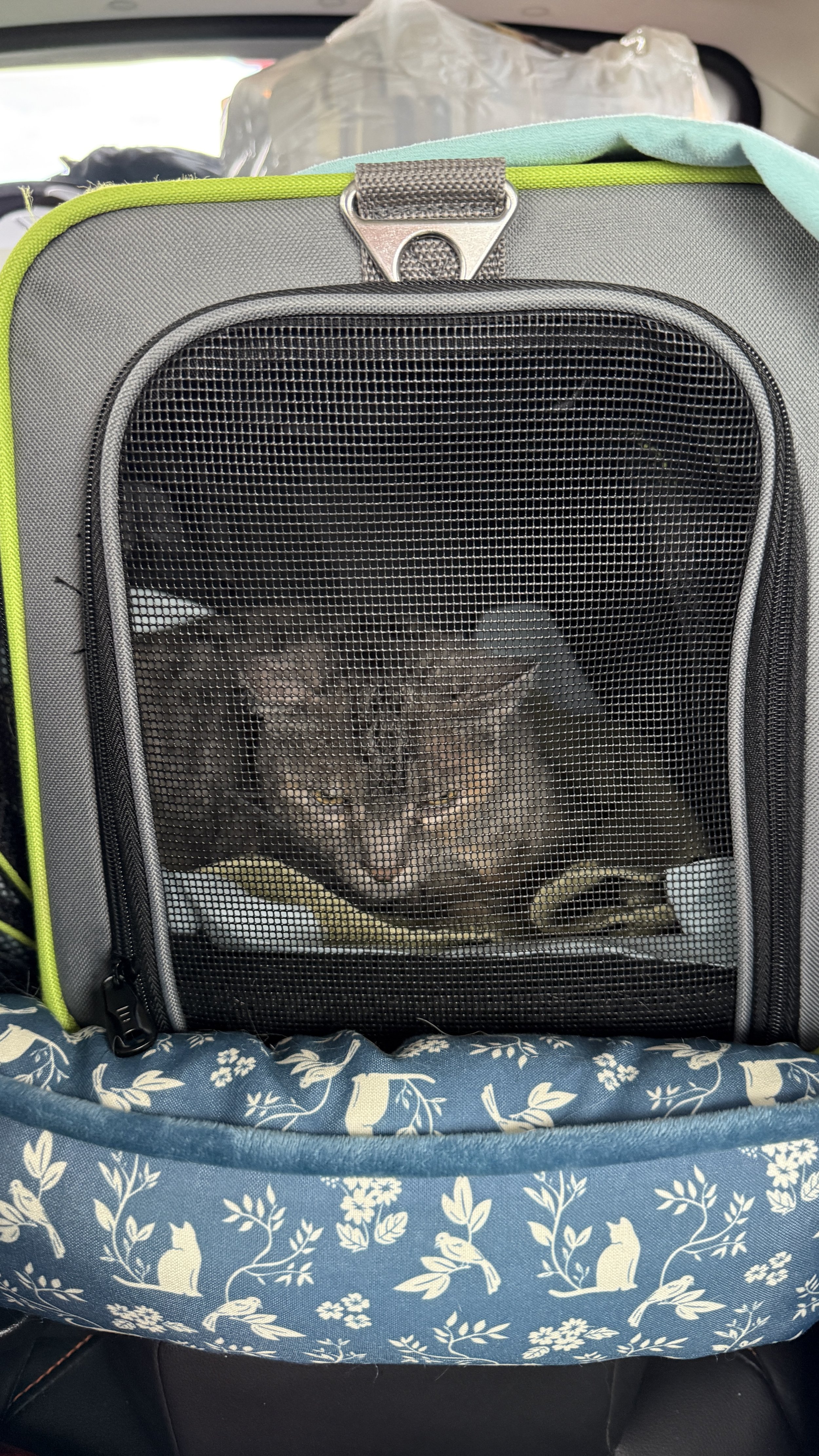
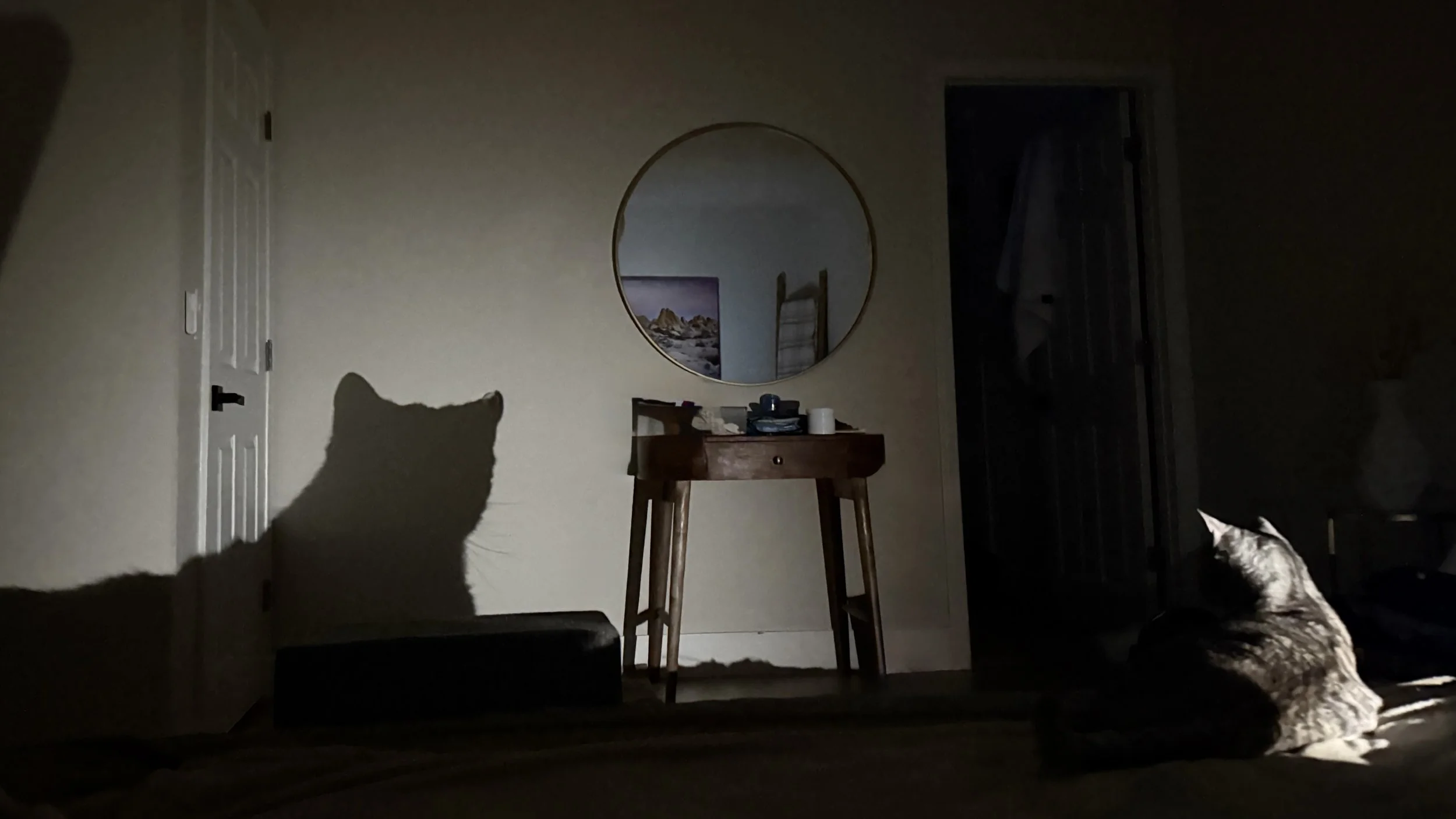
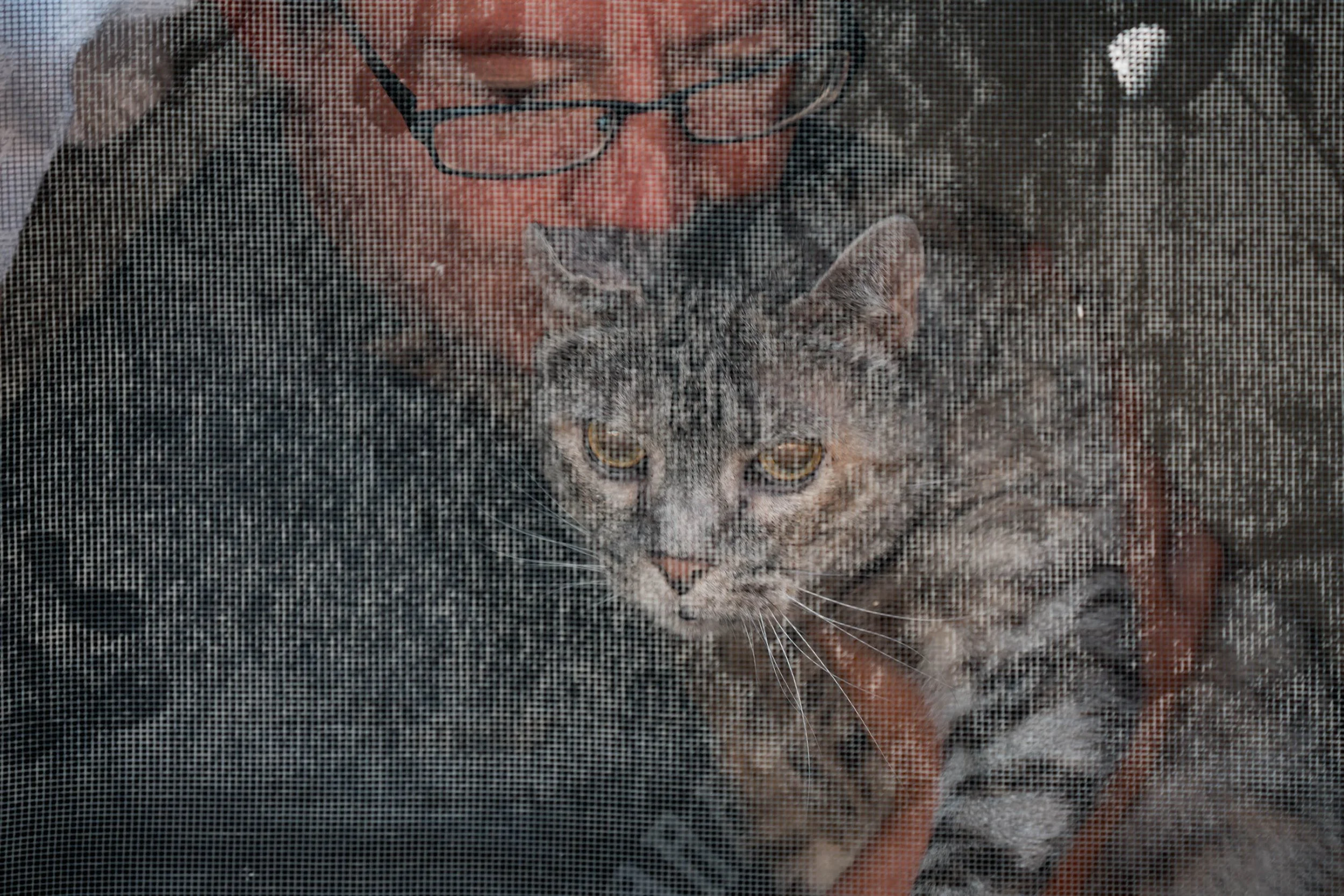
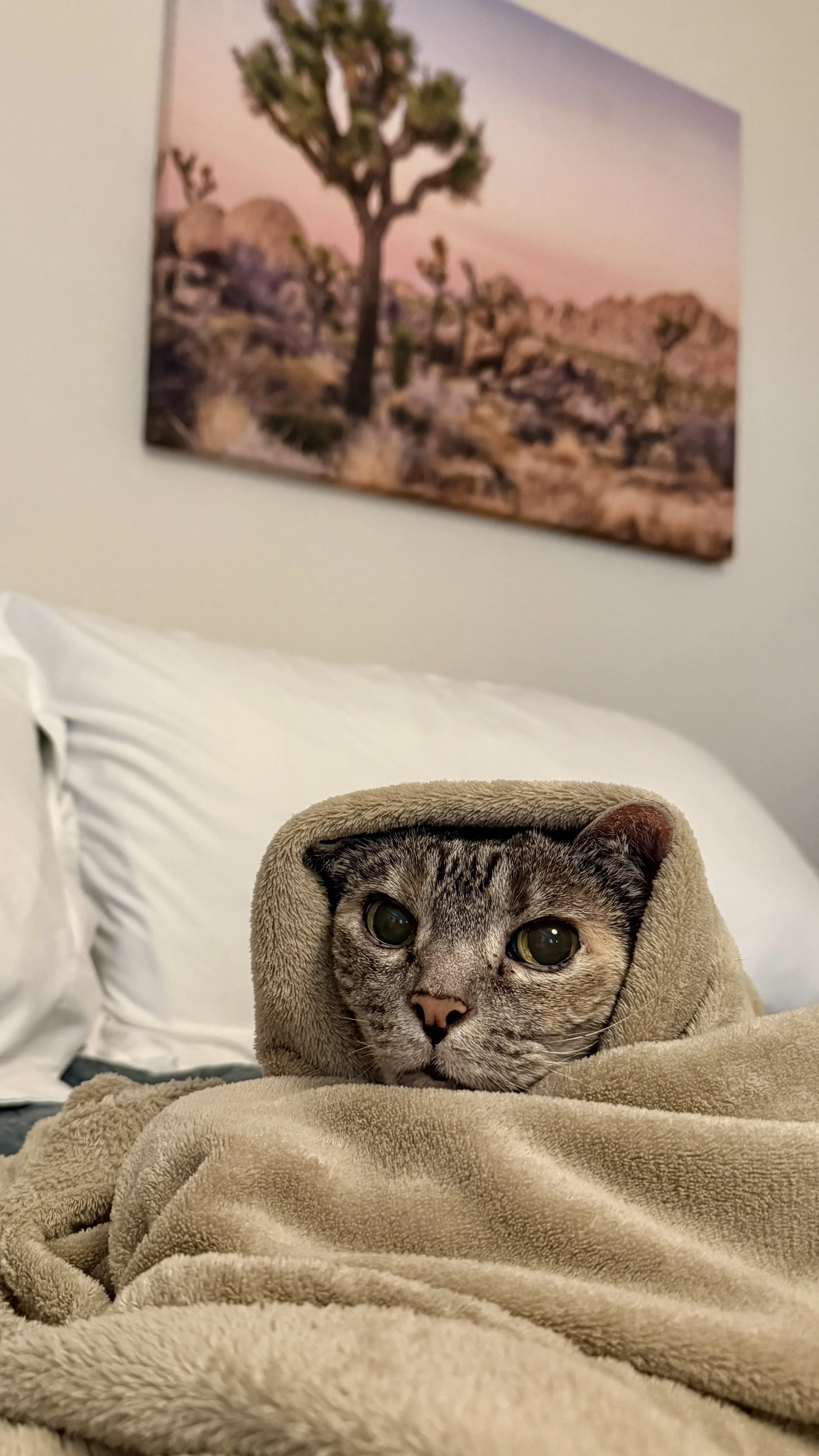
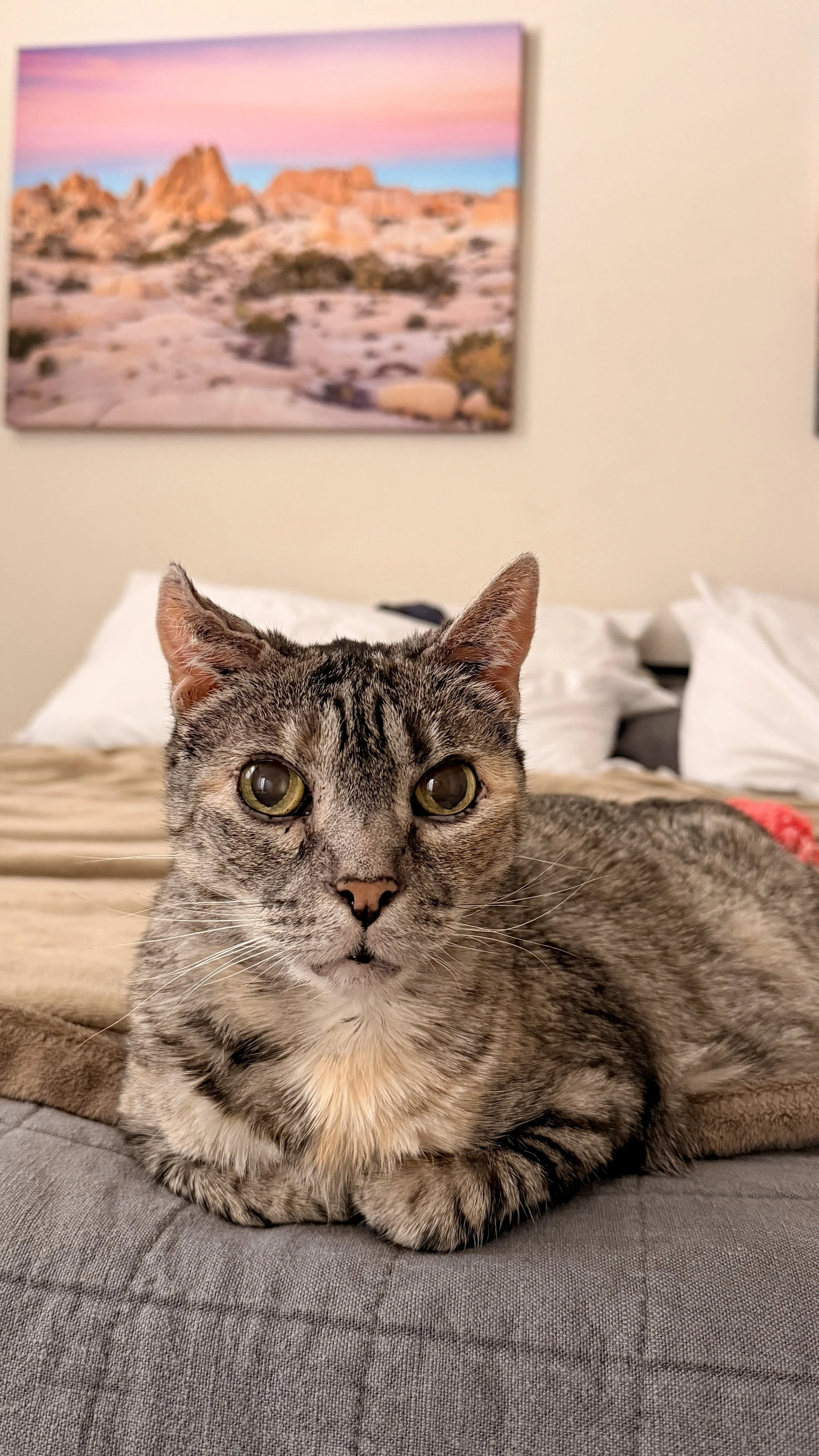
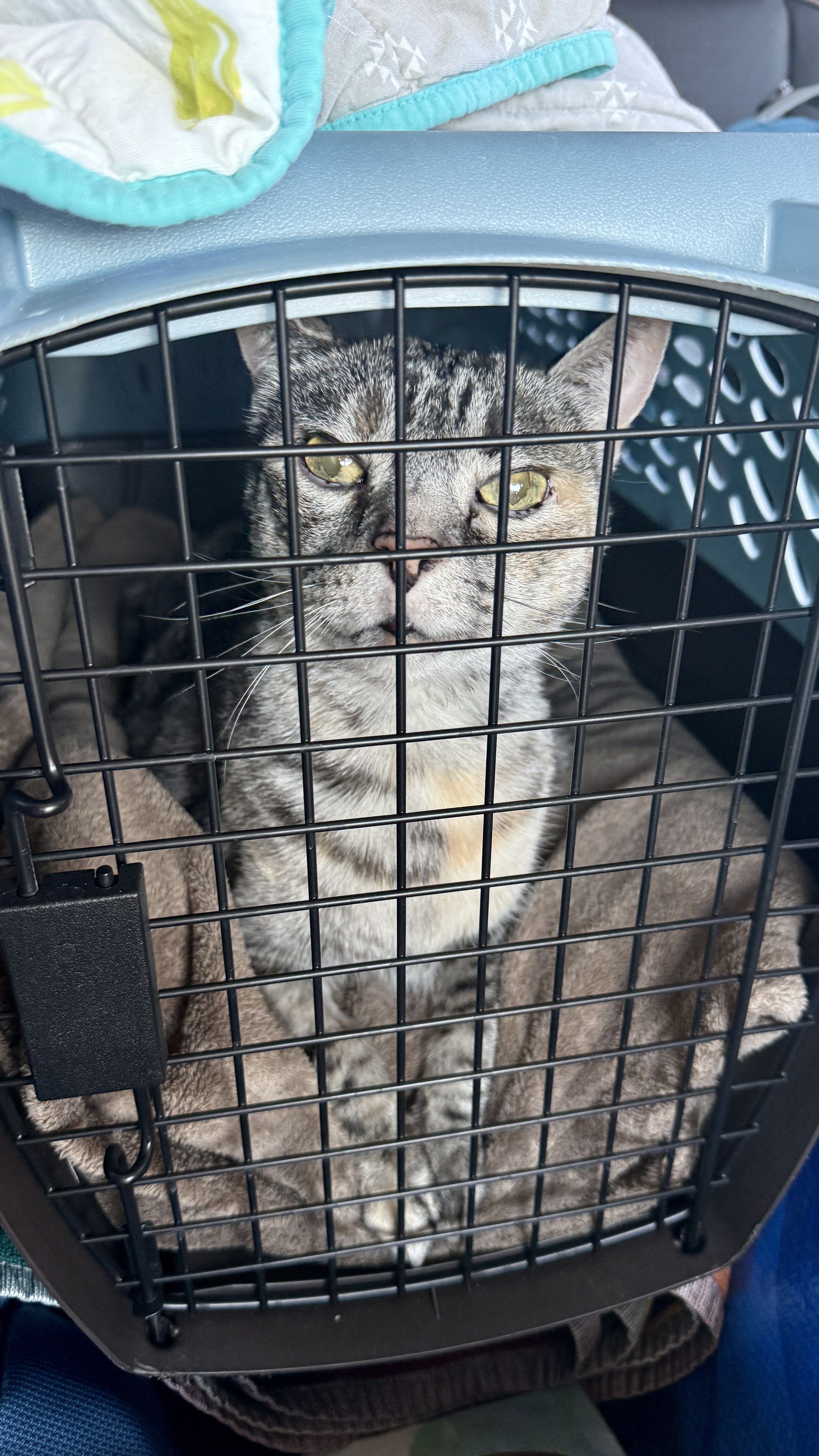
Some trips plan themselves around a destination. Some plan themselves around a loved pet. Zoe needed daily care and couldn't be left at home, so we brought her with us, which turned out to be one of the better decisions we made. She spent three separate visits to the Joshua Tree area — April, June, and October — living her best life with her memory foam bed, cool air conditioning, and a yard full of desert wildlife to observe through the window whenever she wanted to glance outside. We did the book reading, pool soaking, desert exploring, baseball watching. She supervised and slept.
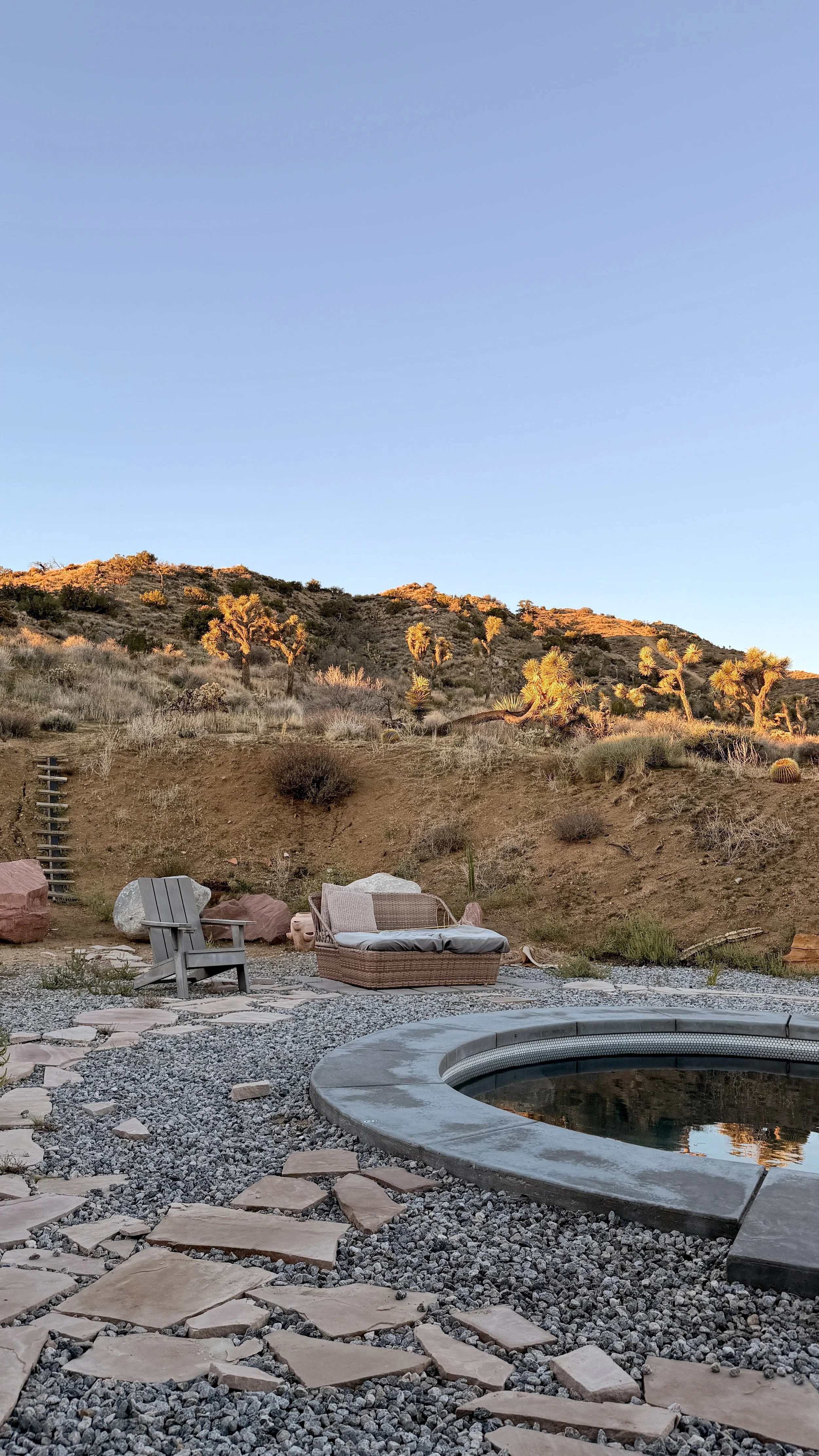
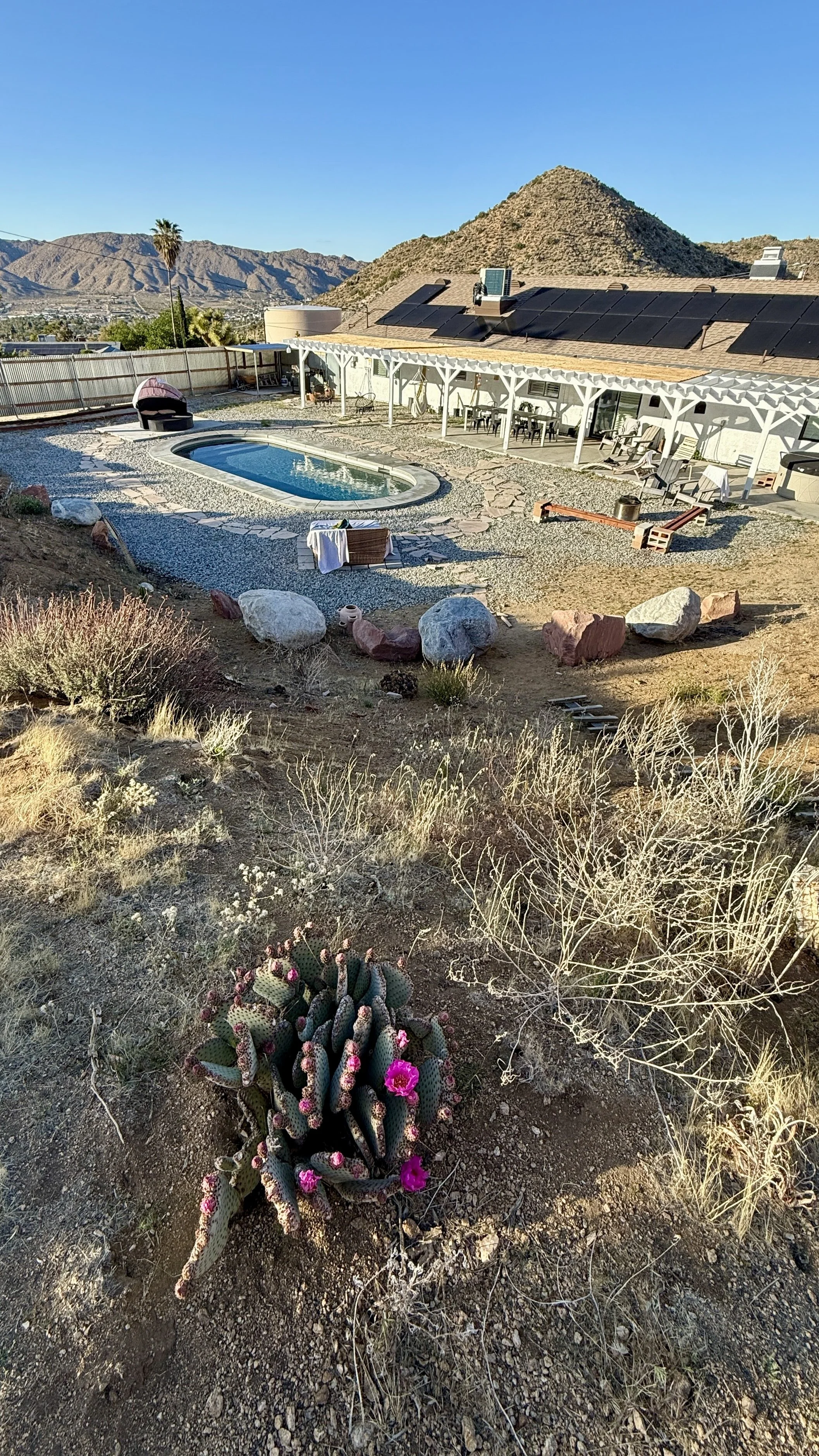
The property sits adjacent to Mojave Desert Land Trust land, which effectively extended the backyard into open, intact Mojave Desert habitat, and the yard itself was entertaining enough to make the slower mornings with coffee and a good book feel like time well spent.
The Airbnb Yard and Surroundings
The yard and the adjacent Mojave Desert Land Trust land together produced a consistent and rewarding list of desert species across all three visits, with the bird composition shifting noticeably between April, June, and October in ways that reflected both the breeding season and fall migration. In April, we were greeted by a nesting Anna’s Hummingbird on the patio!
Gambel's Quail were a yard constant across all three visits, moving through in family groups in spring and summer and congregating in larger numbers by October. Cactus Wrens called from the Joshua Trees and dense scrub. Verdin worked the flowering desert shrubs, and Black-throated Sparrow sang from the open scrub surrounding the property.
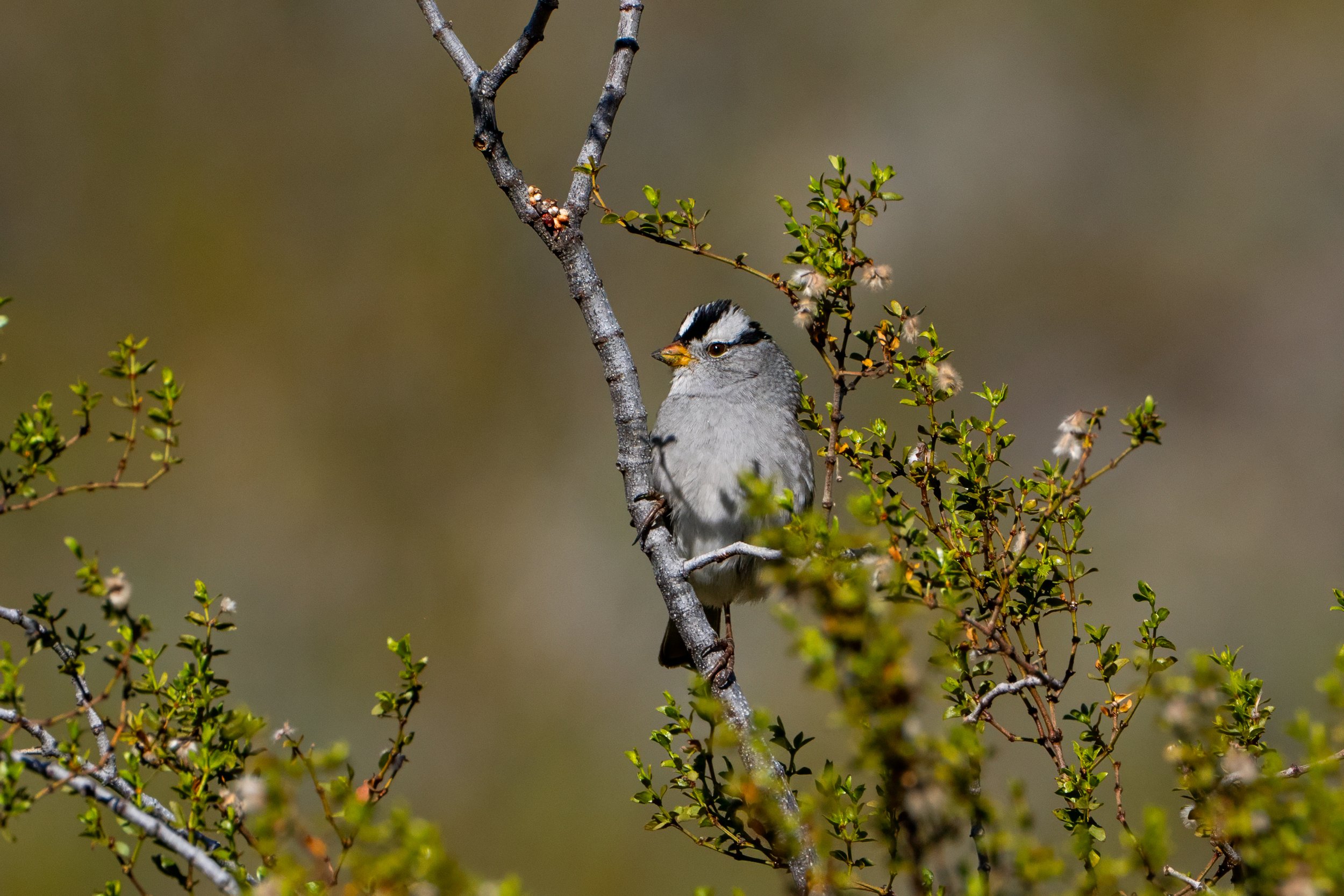
The October visit brought migrants through in good numbers, with White-crowned Sparrows arriving in force. A Loggerhead Shrike met us out in the open space, and a Say's Phoebe worked the open ground around the yard with that characteristic tail-pumping steadiness. The yard at dusk in October, with the desert cooling quickly was one of the quieter pleasures of the whole series of trips. Zoe enjoyed her cool home-away-from-home and had all the care and playtime she needed!
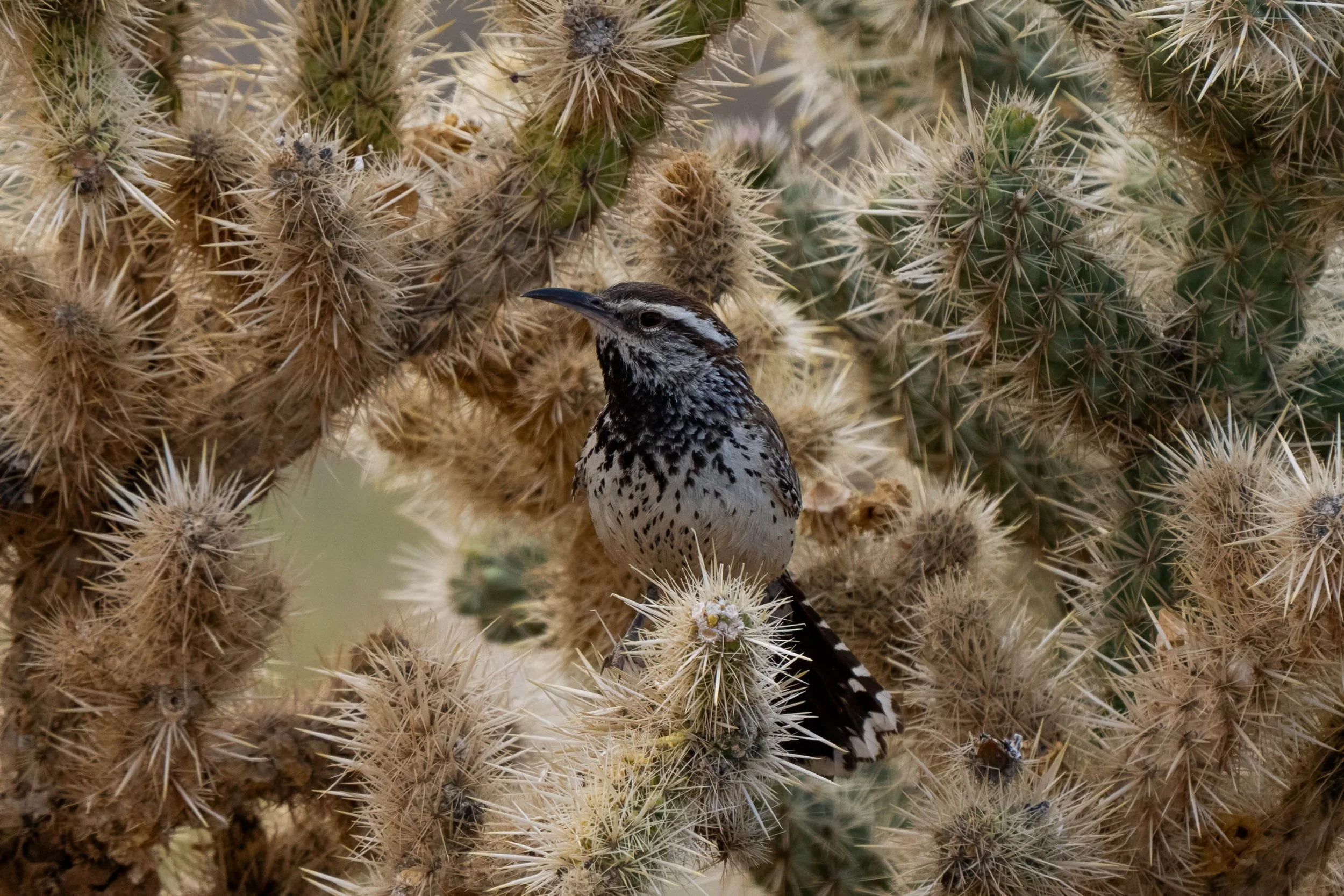
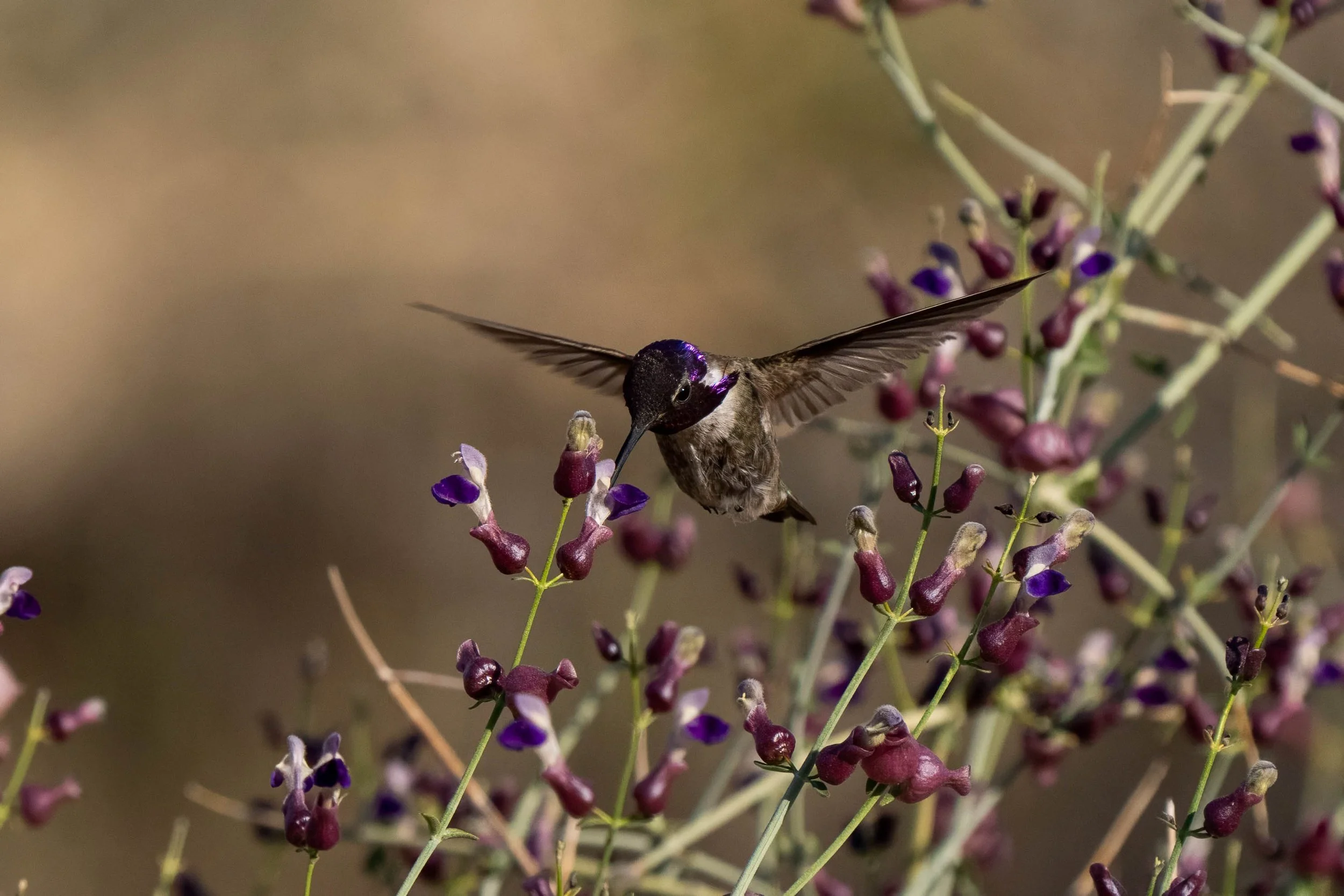
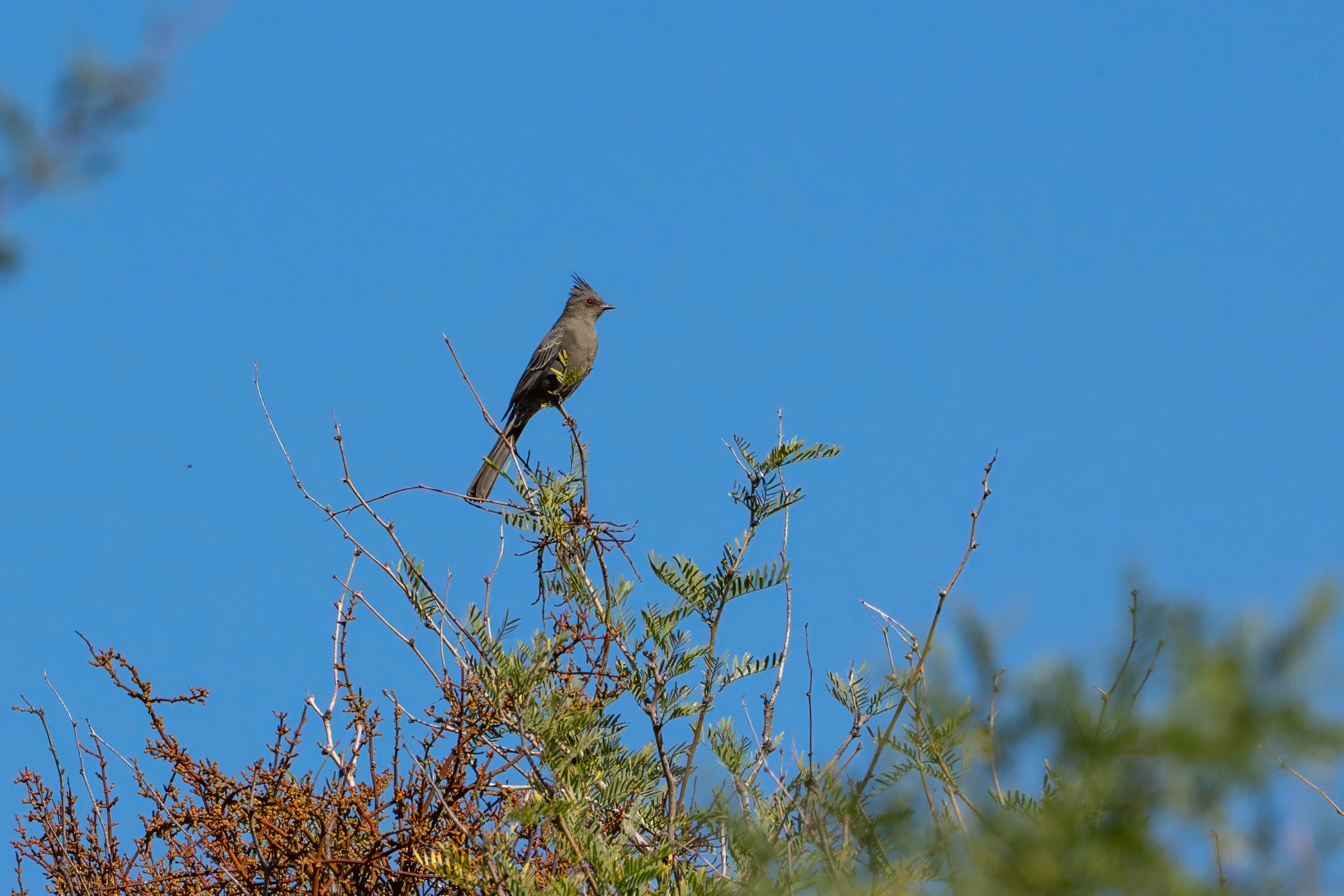
Here are some of the other birds we saw around our temporary home in April:
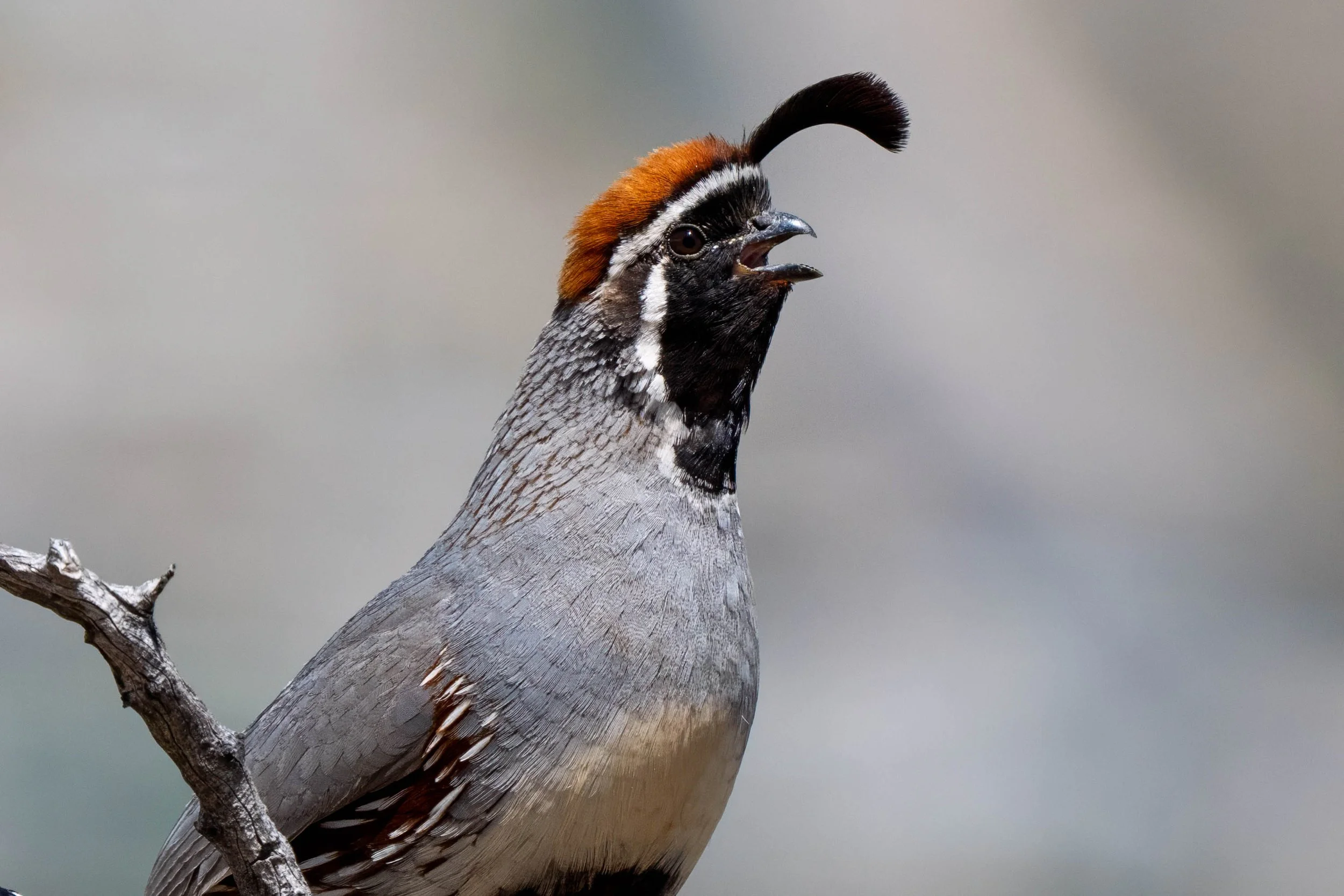
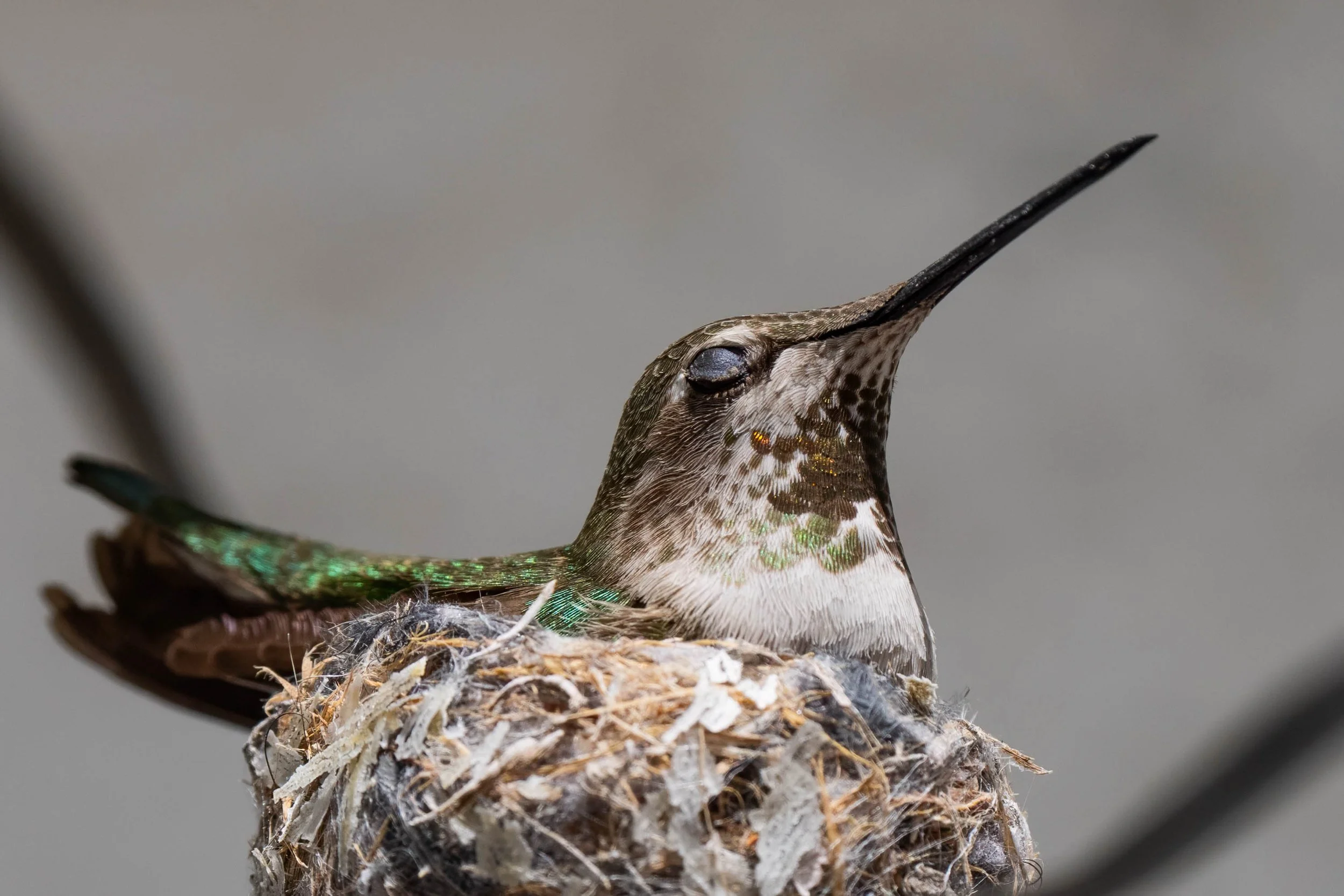
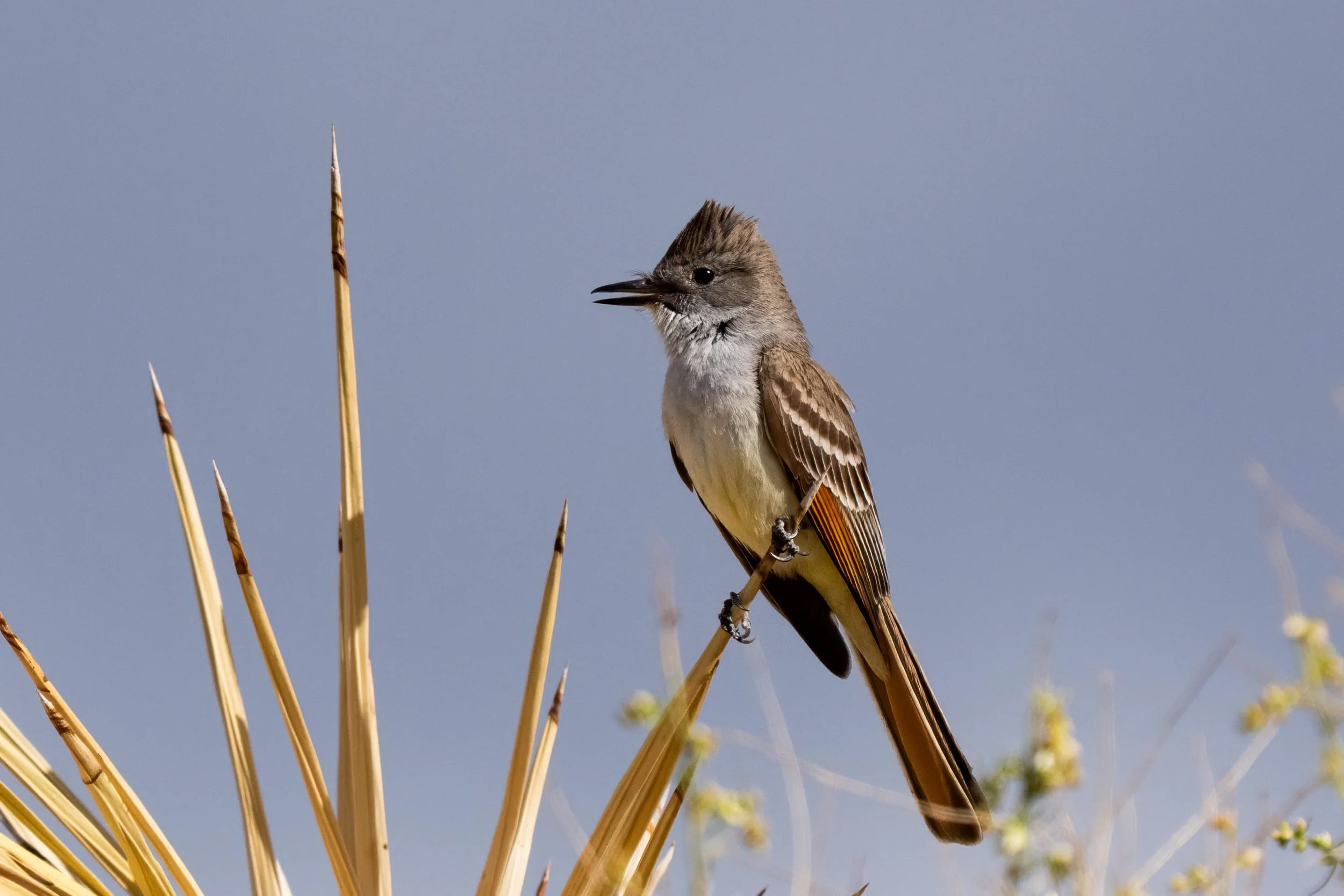
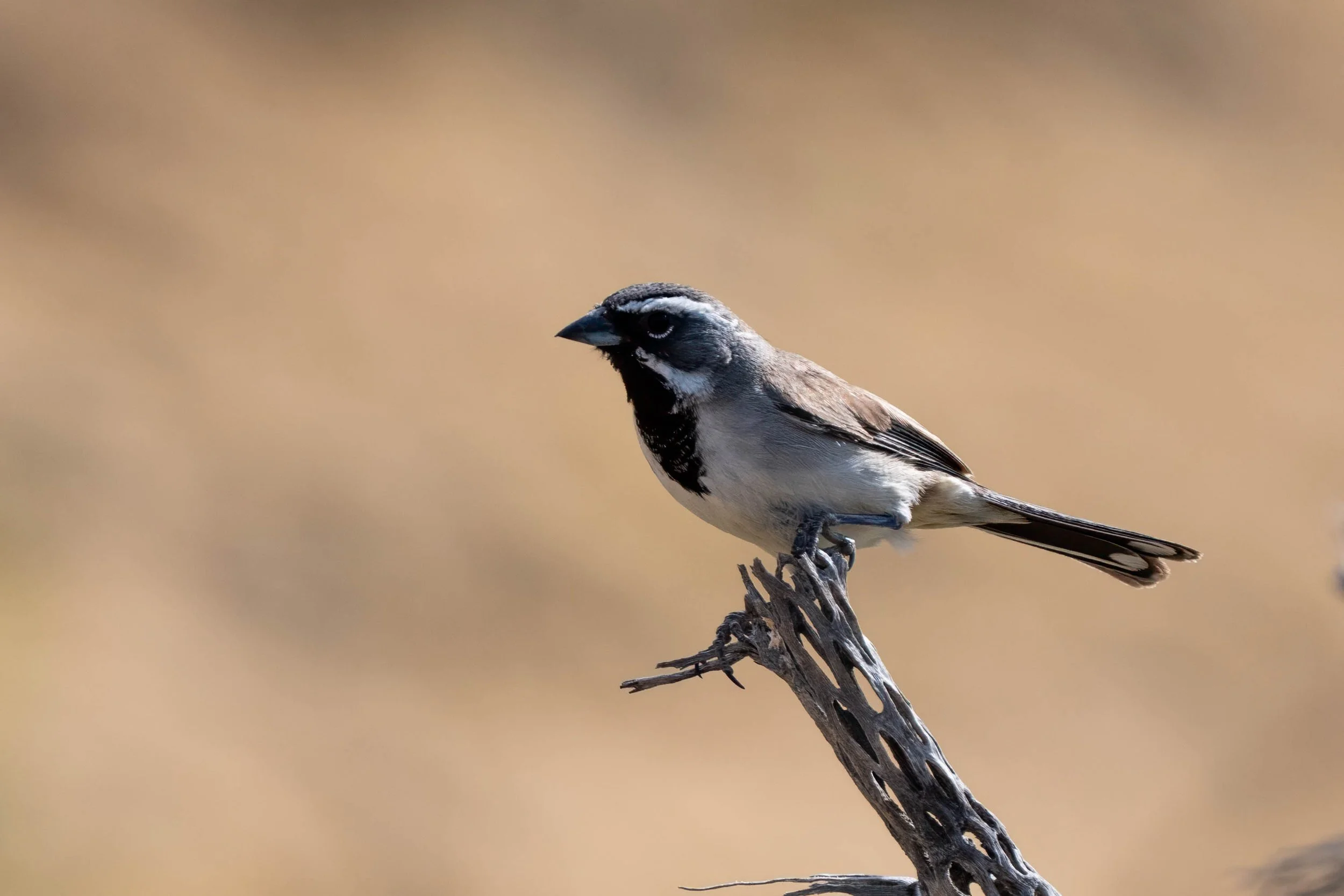
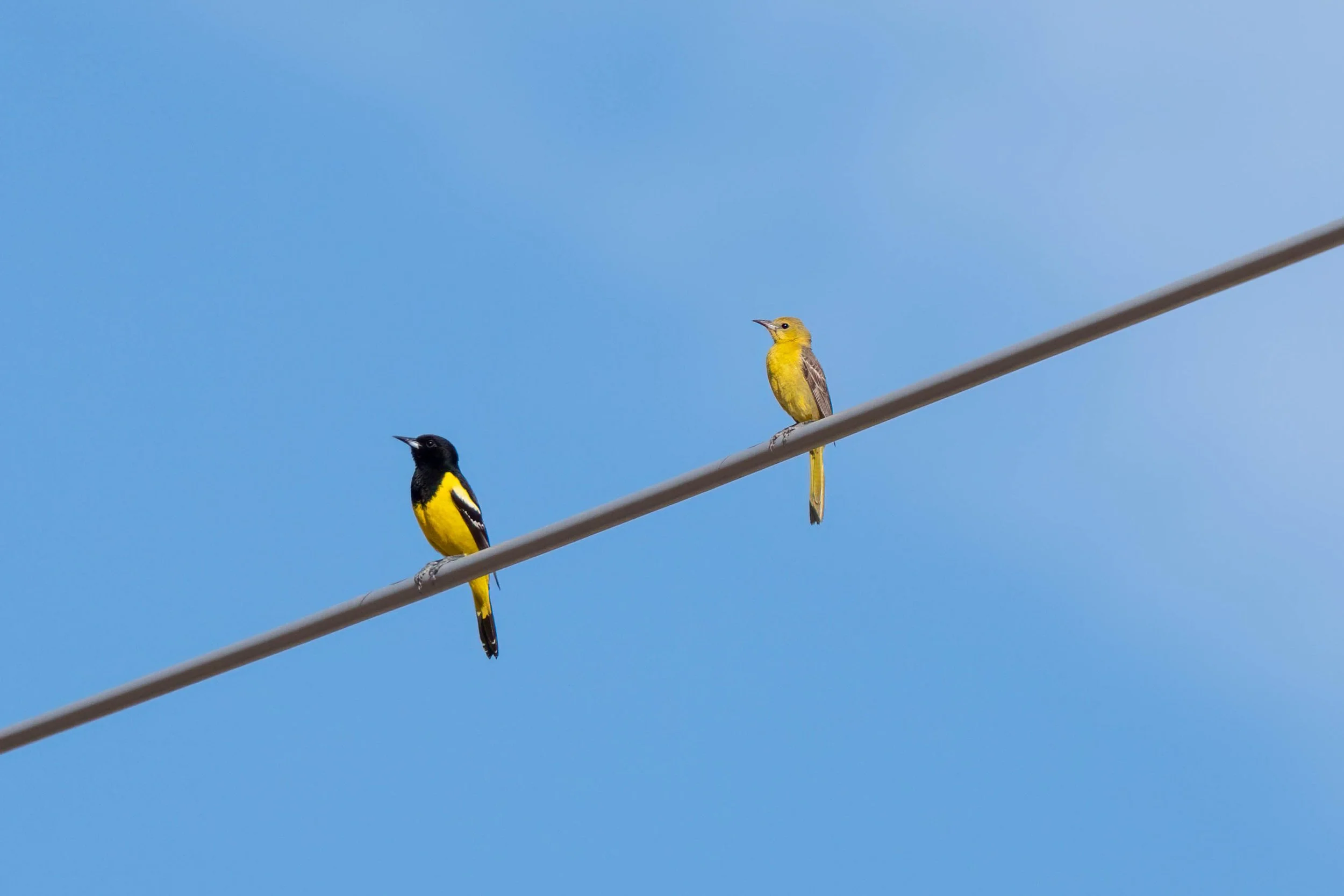
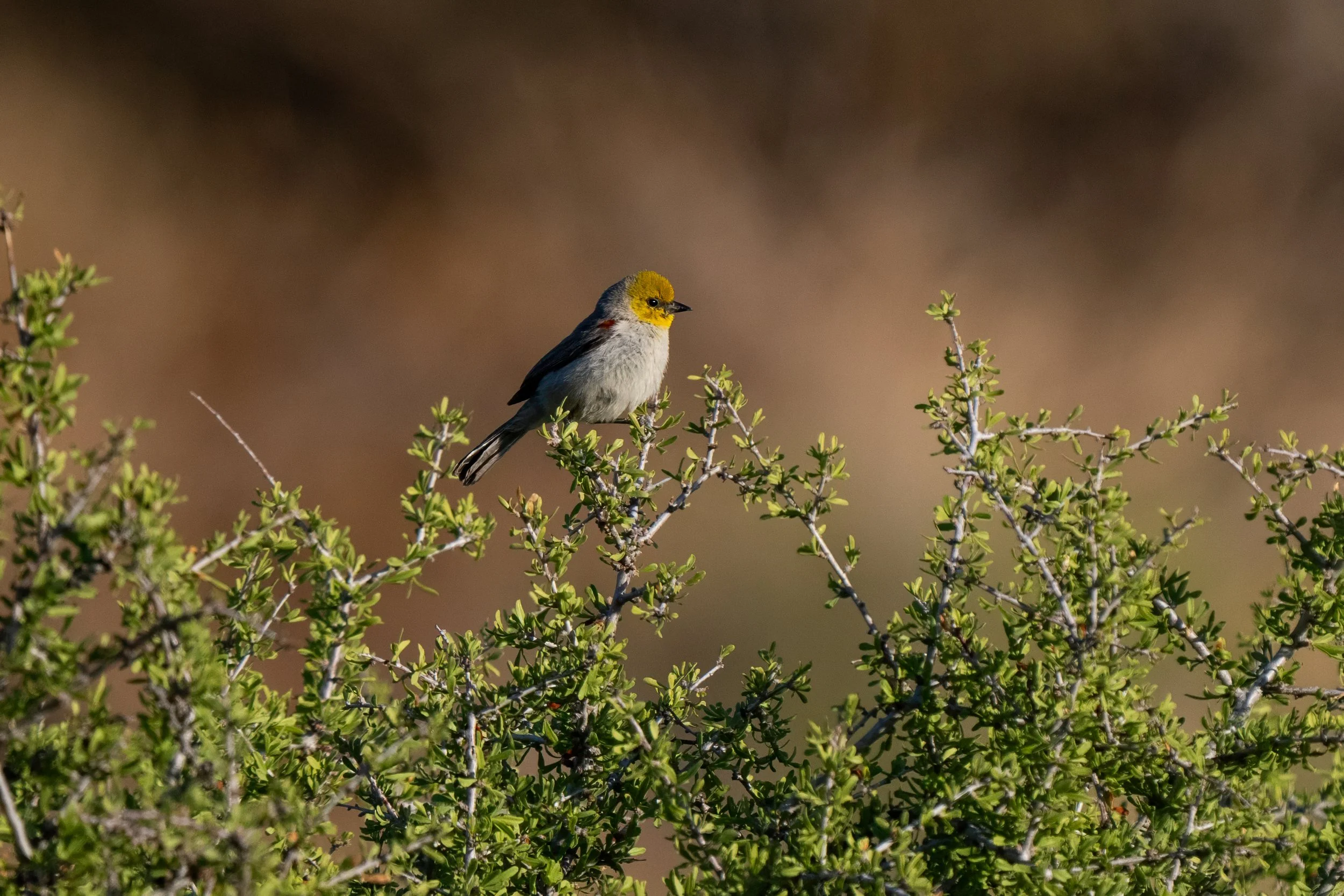
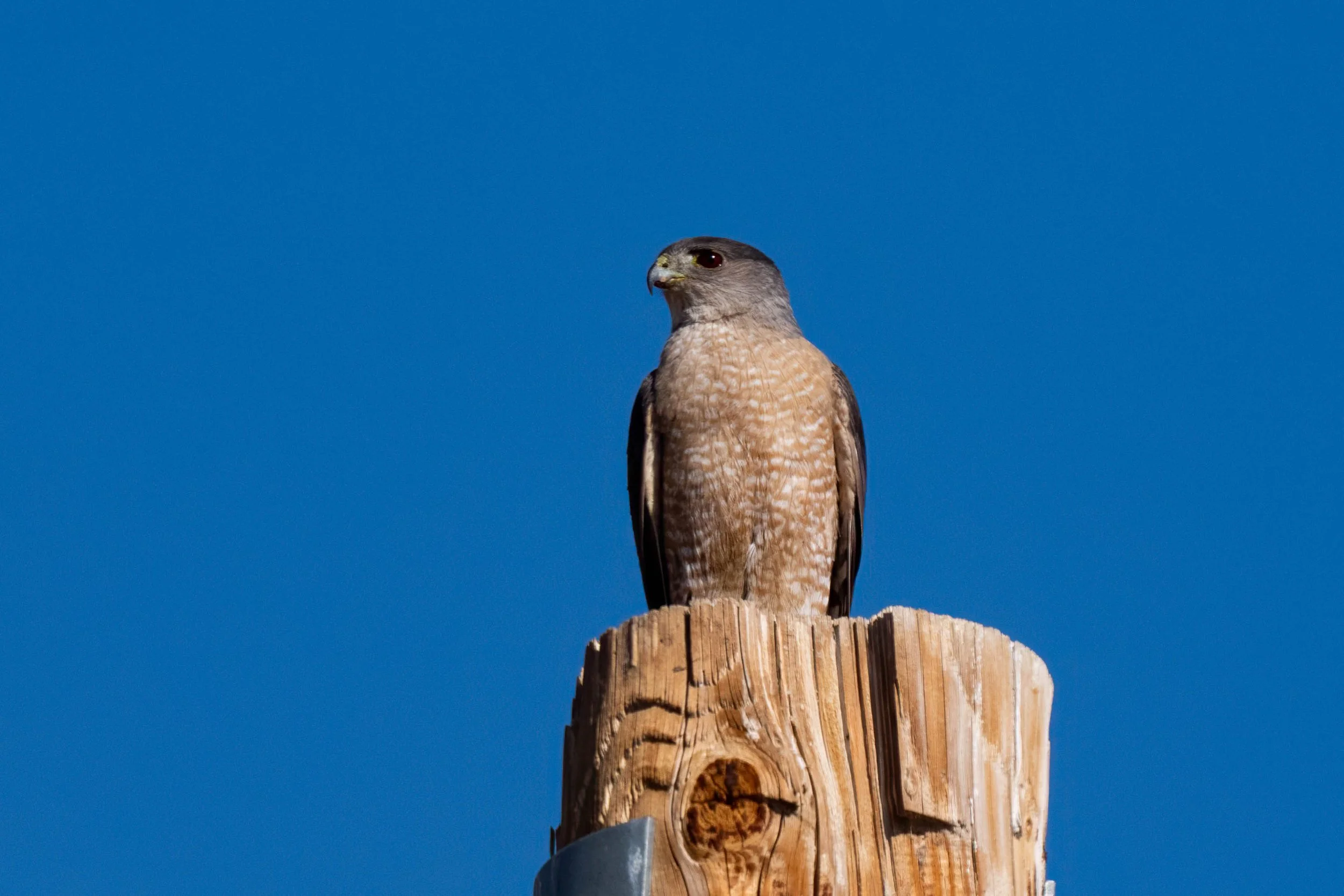
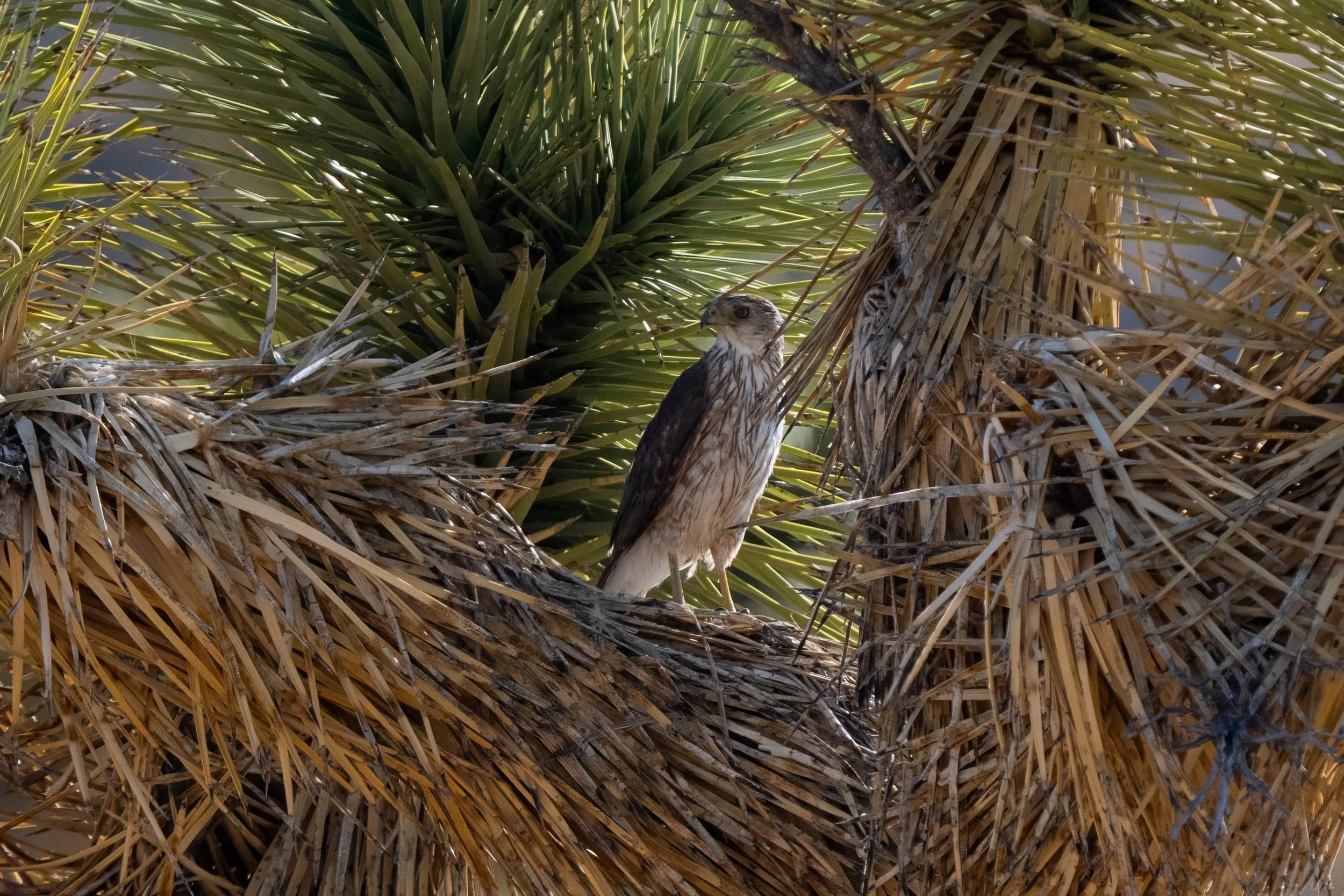
Here are some of the other “yard birds” we saw in June:
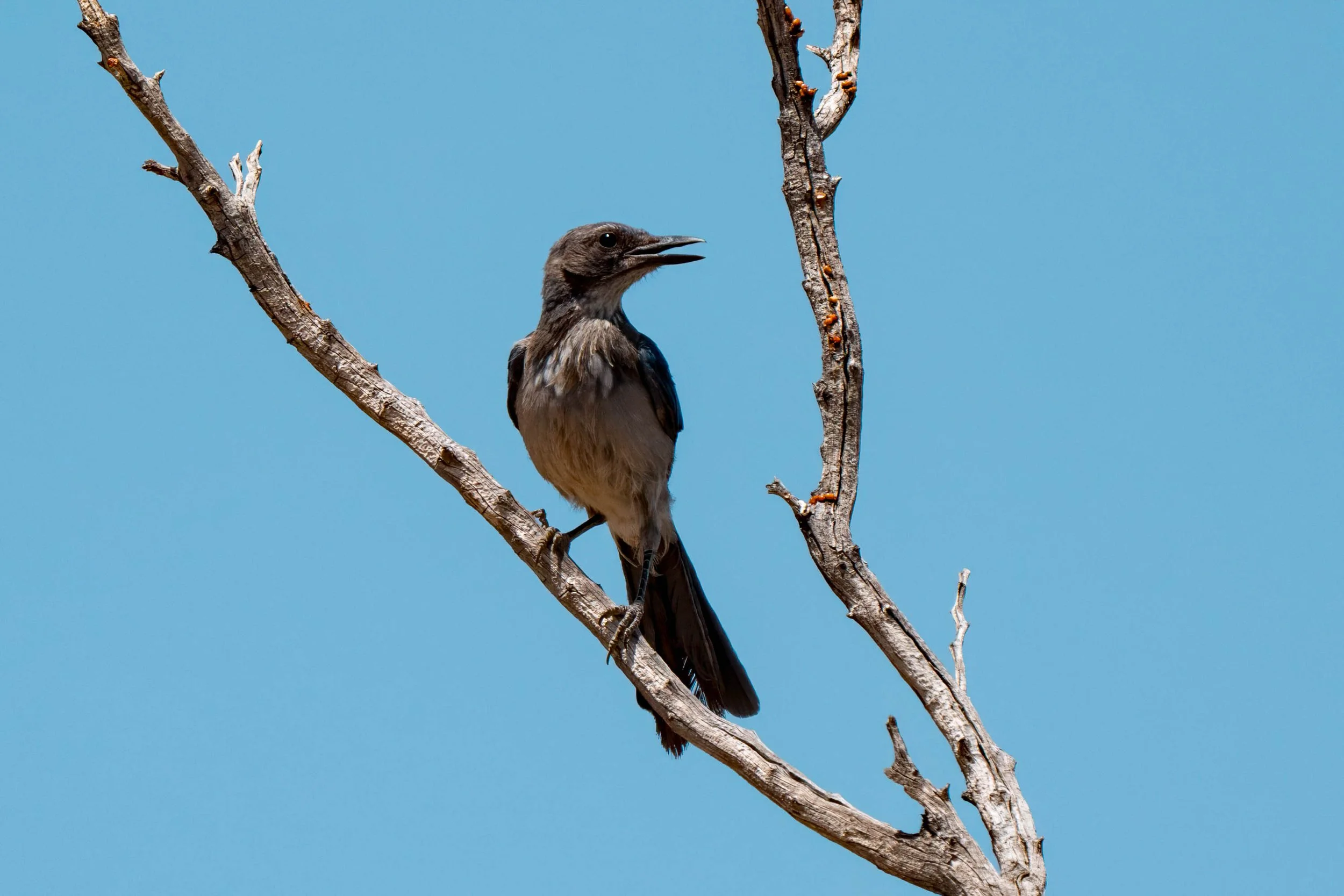
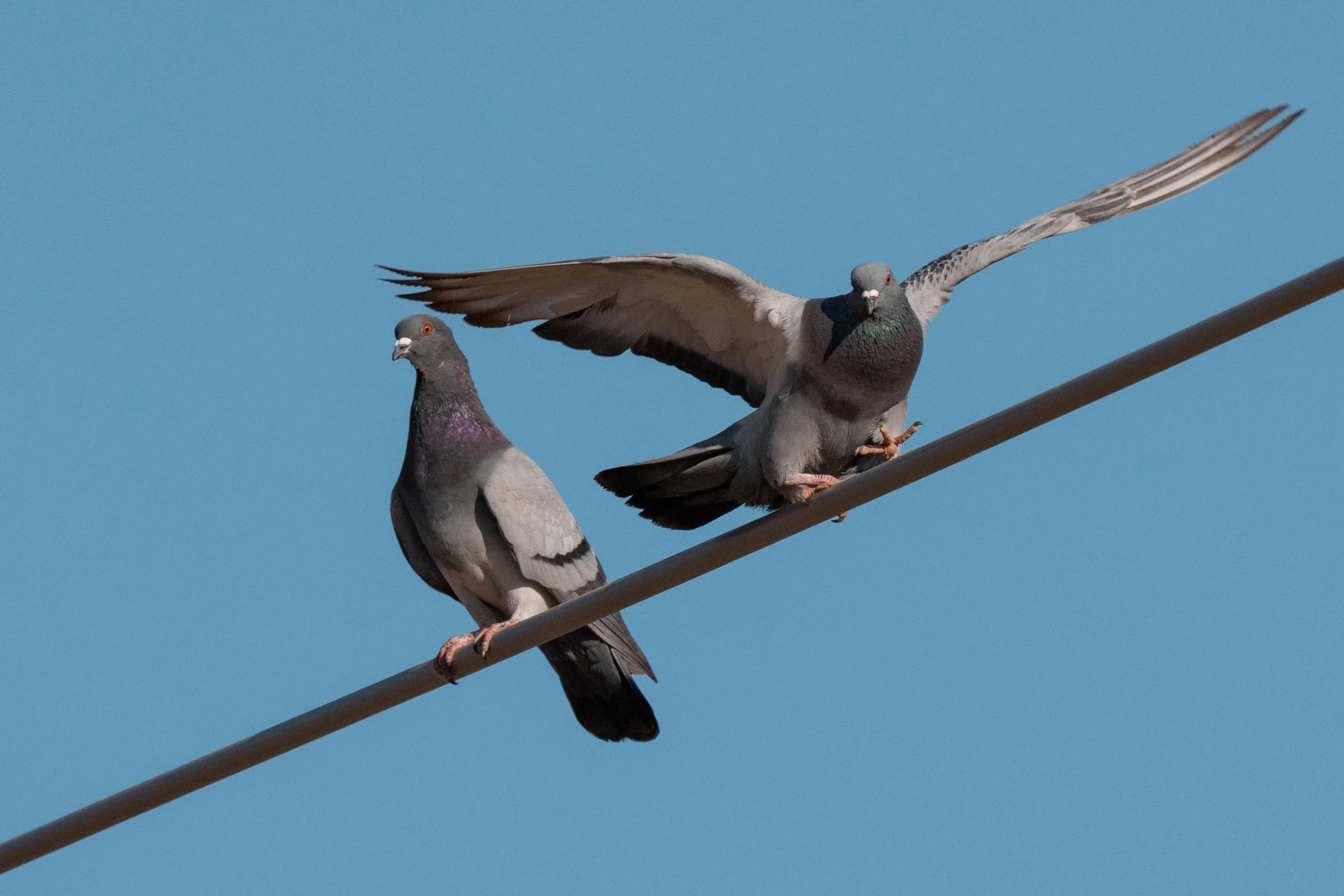
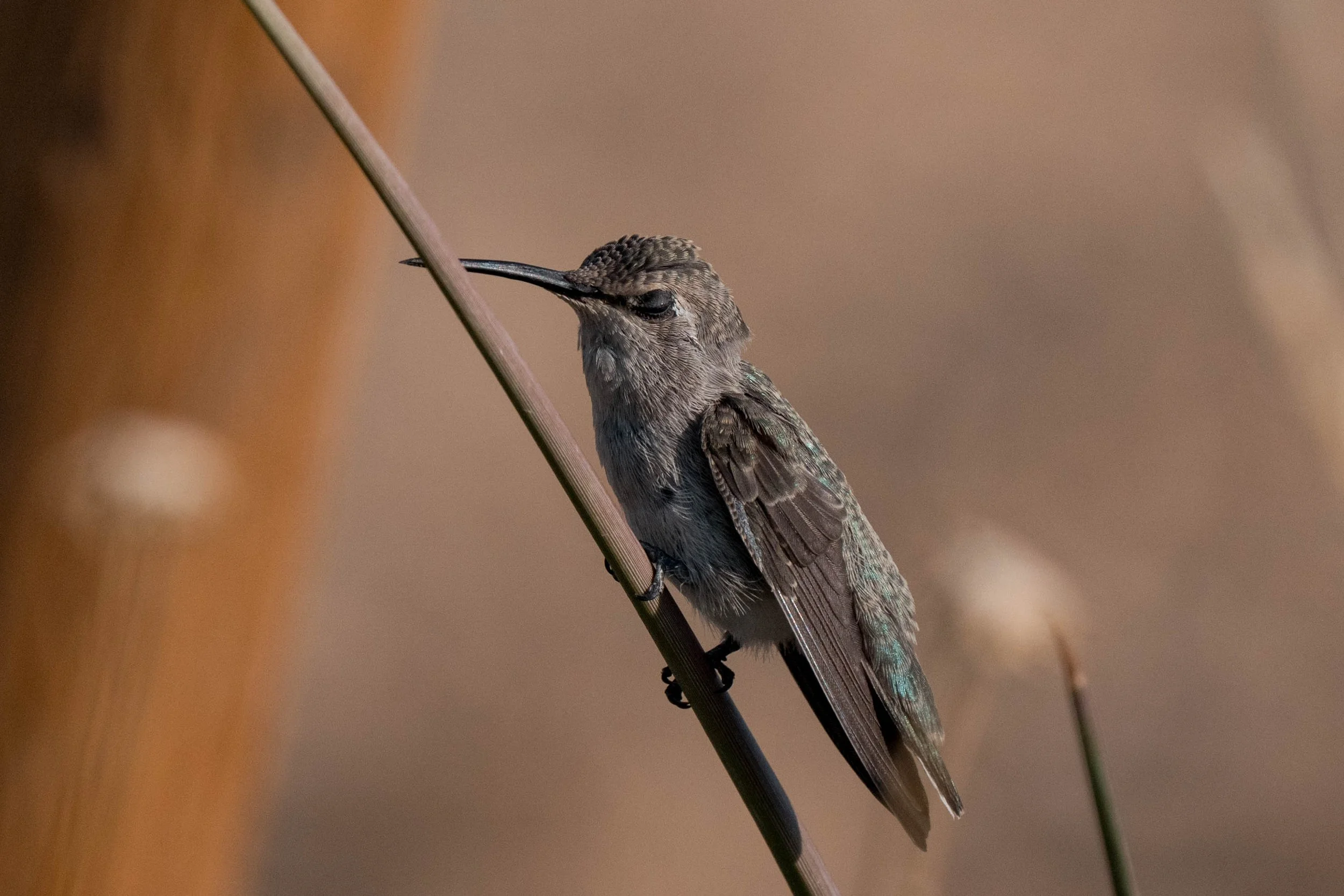
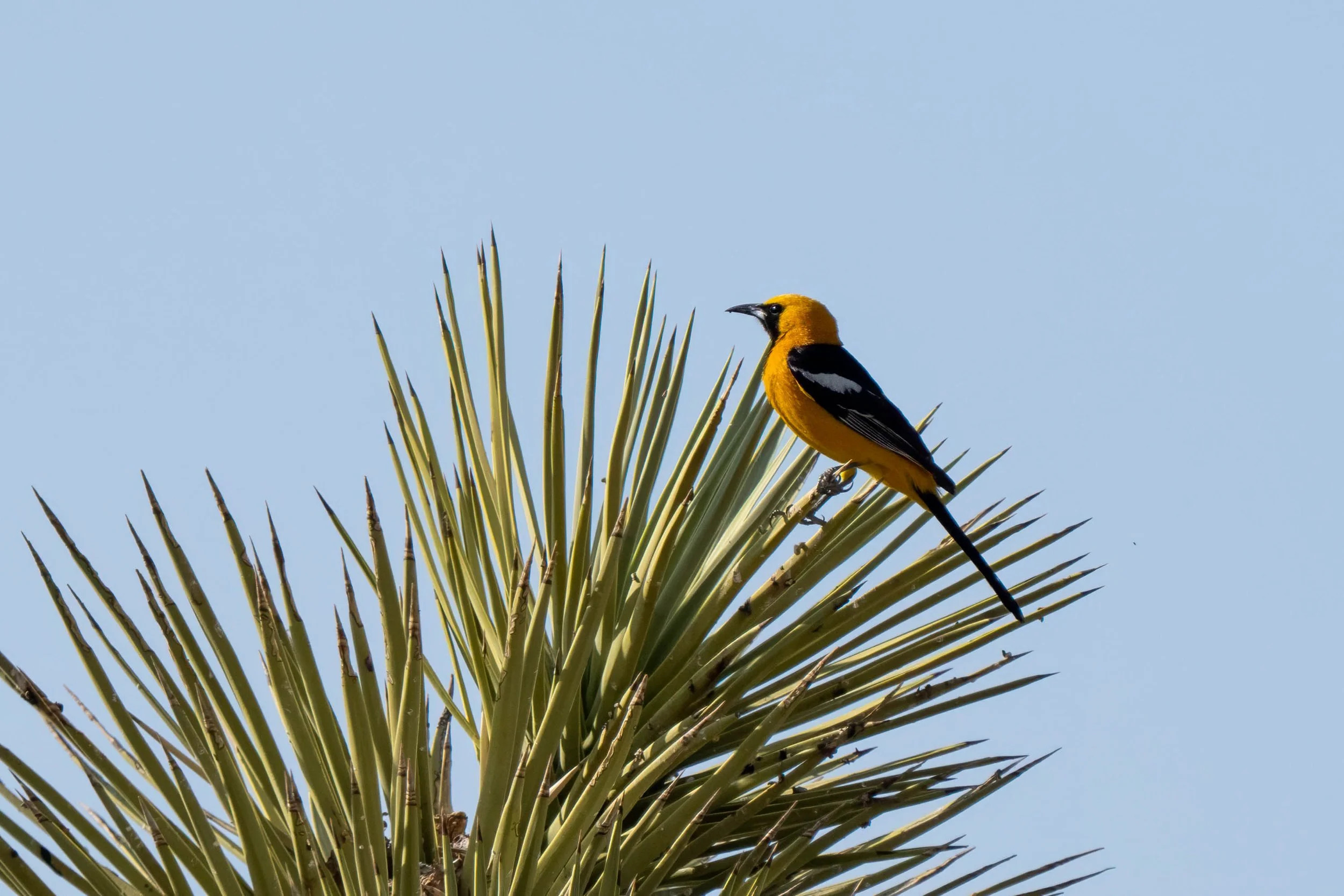
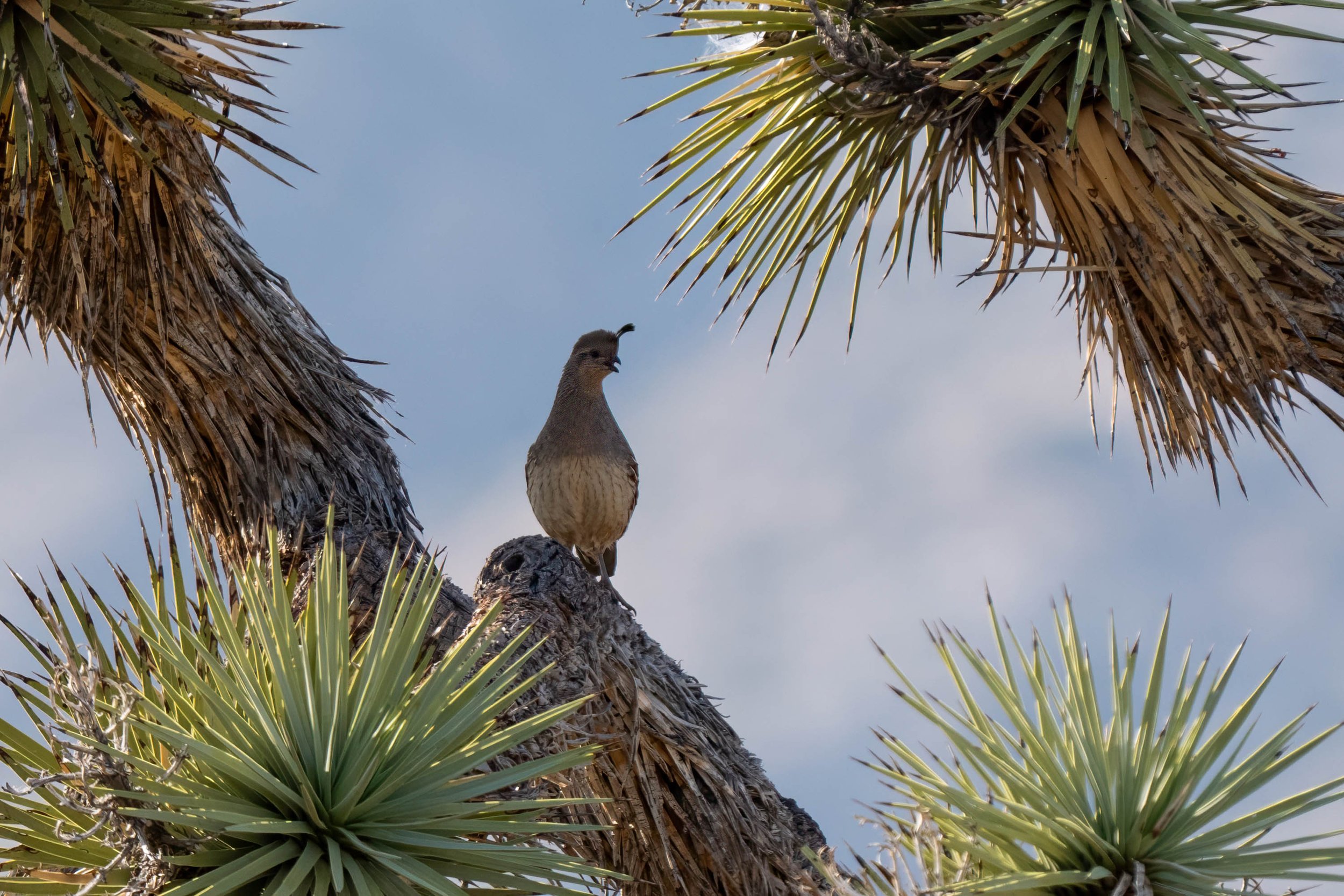
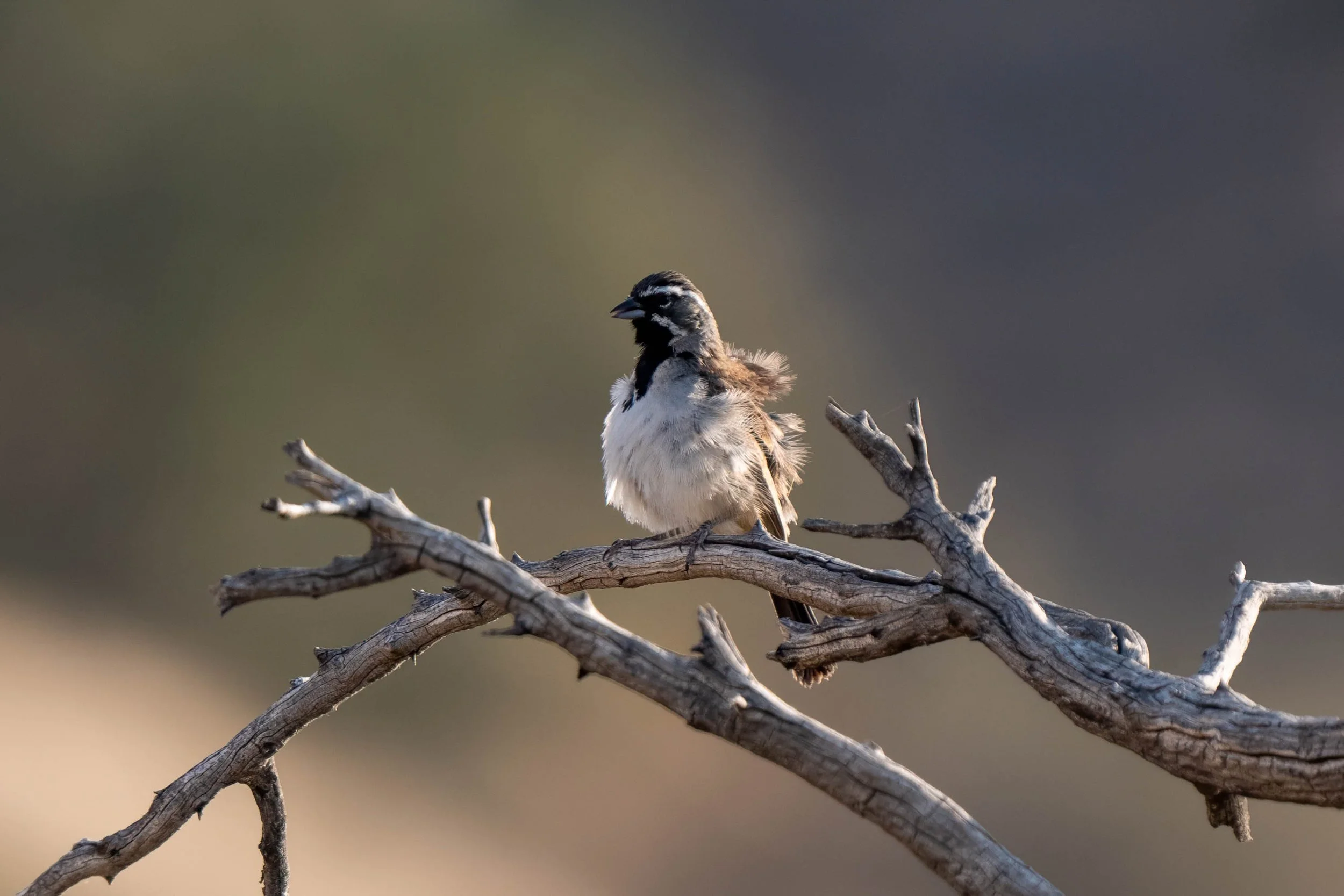
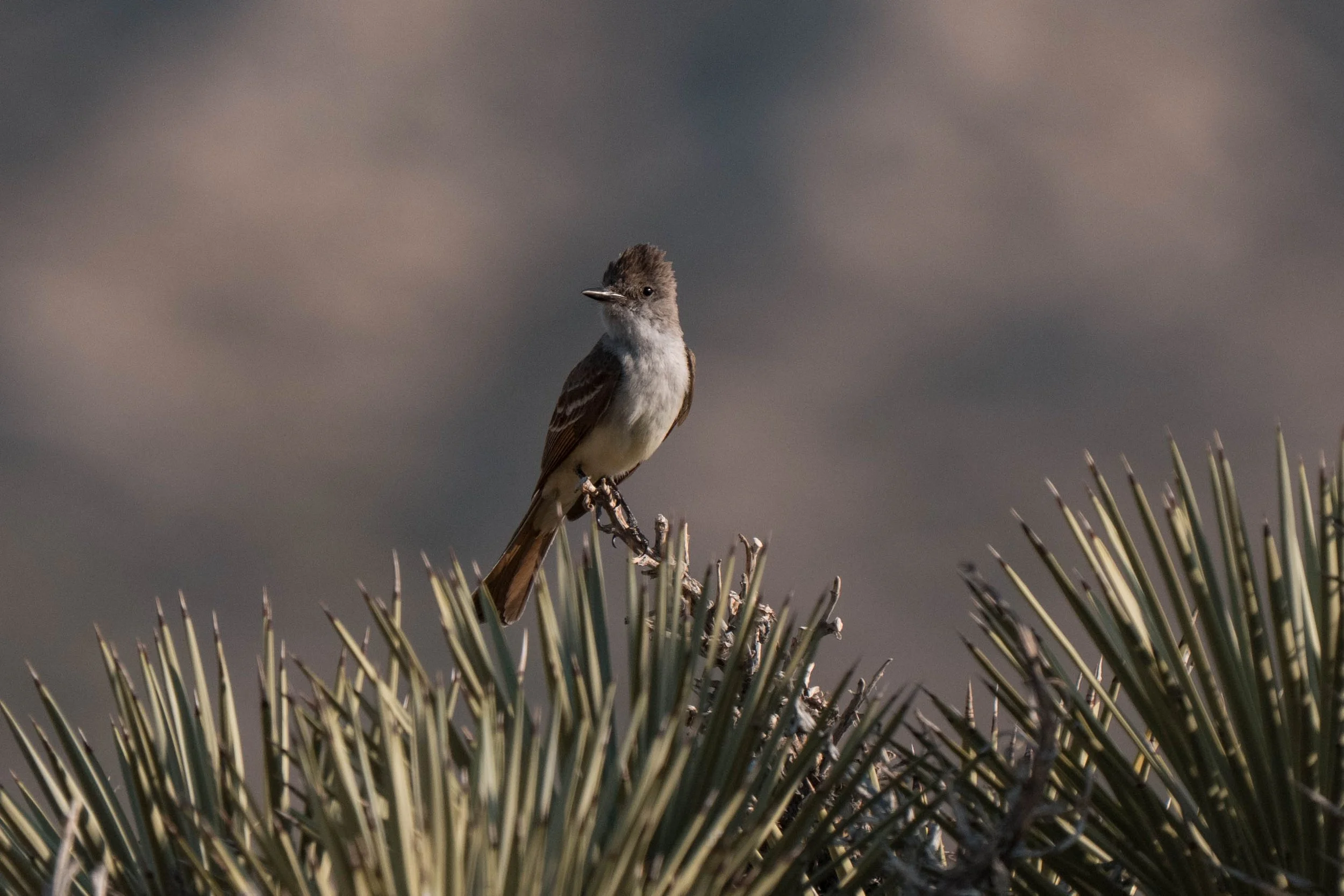
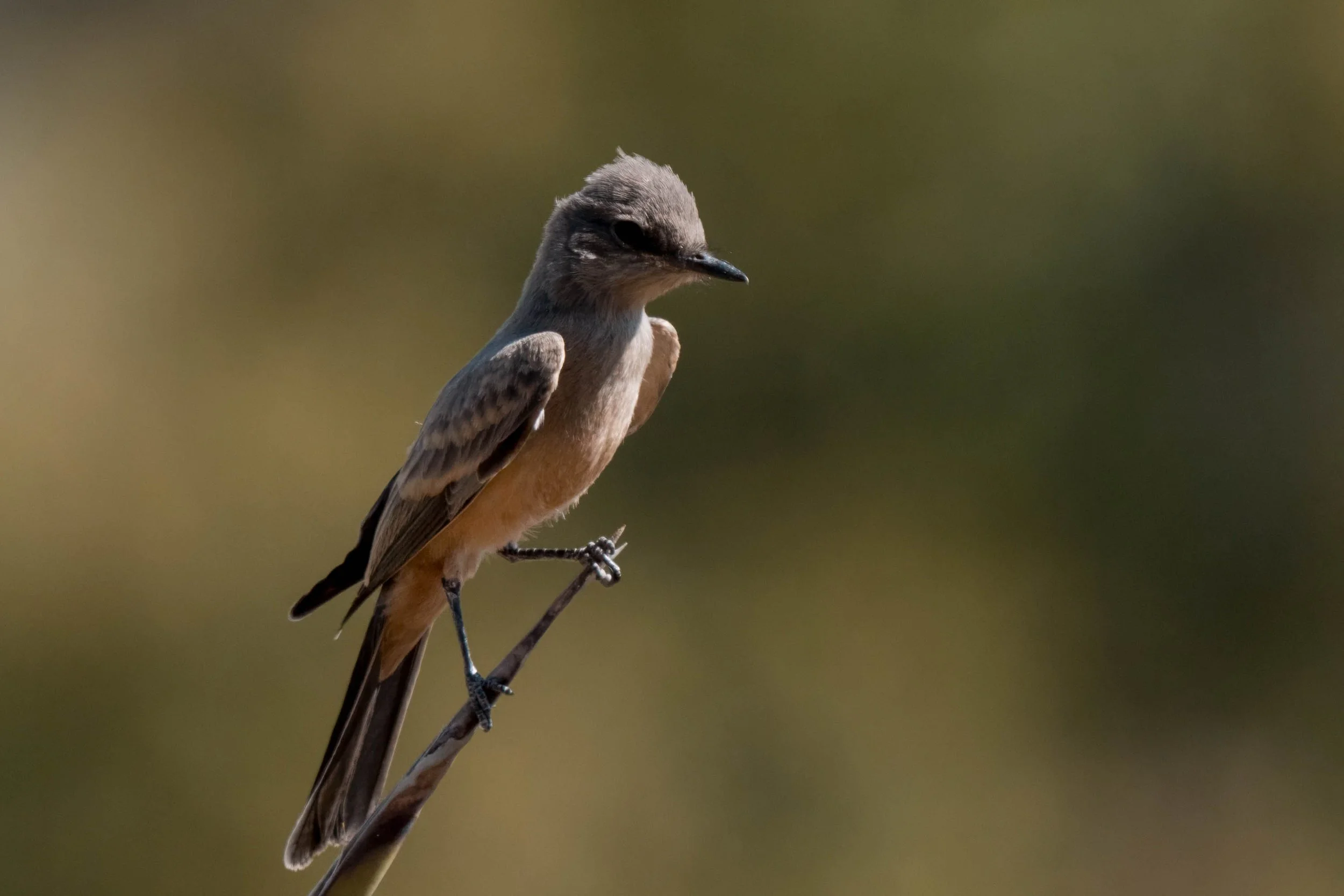
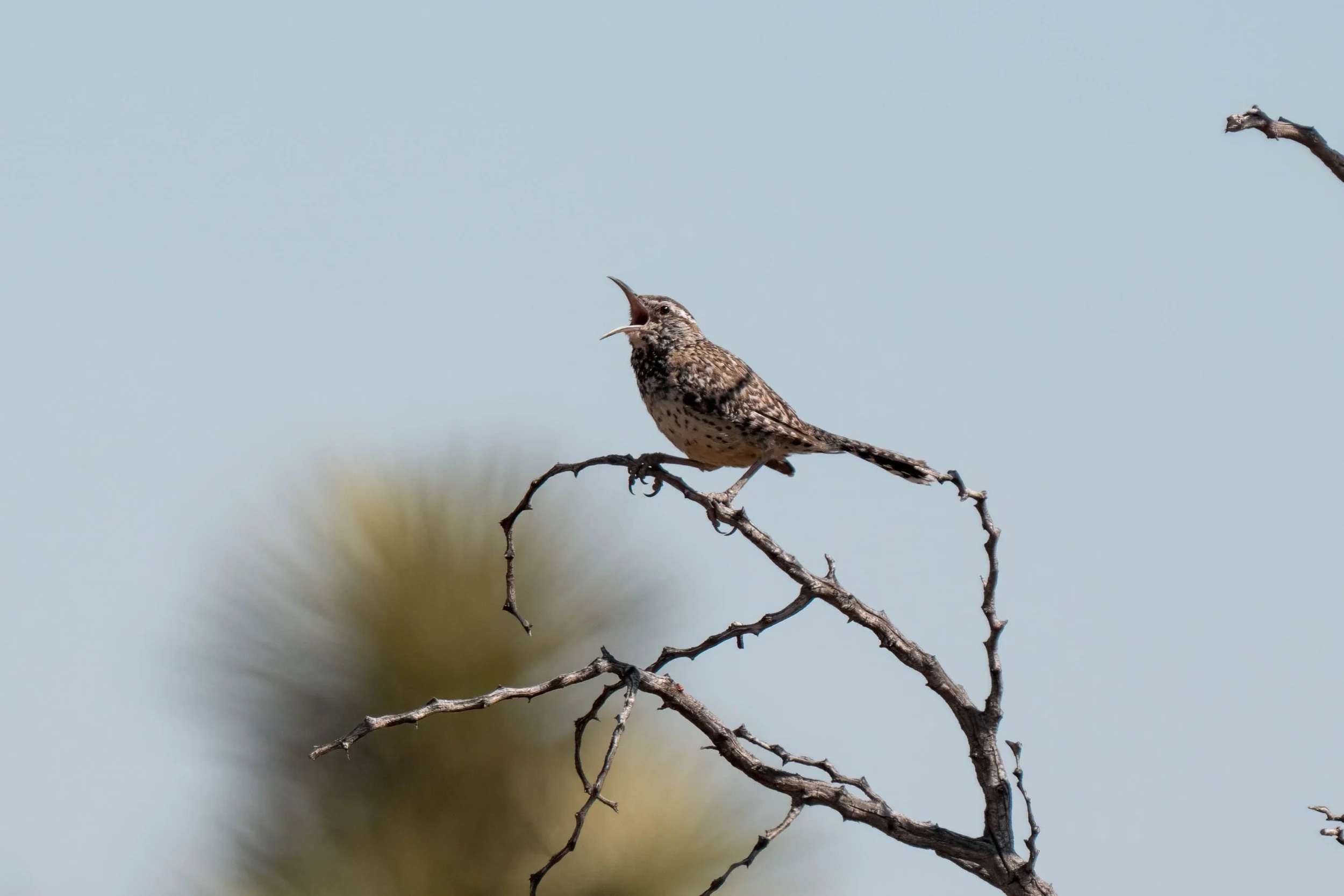
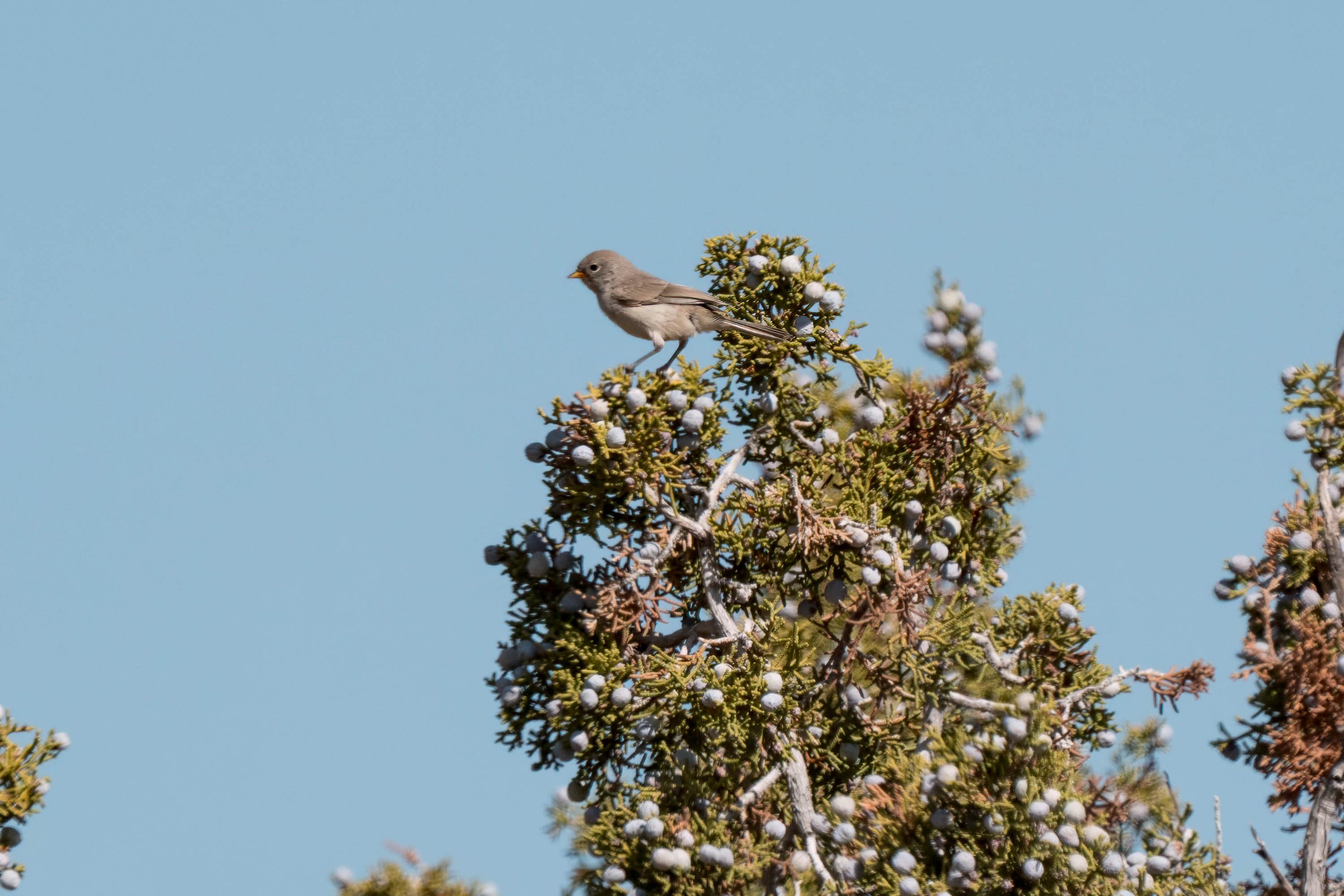
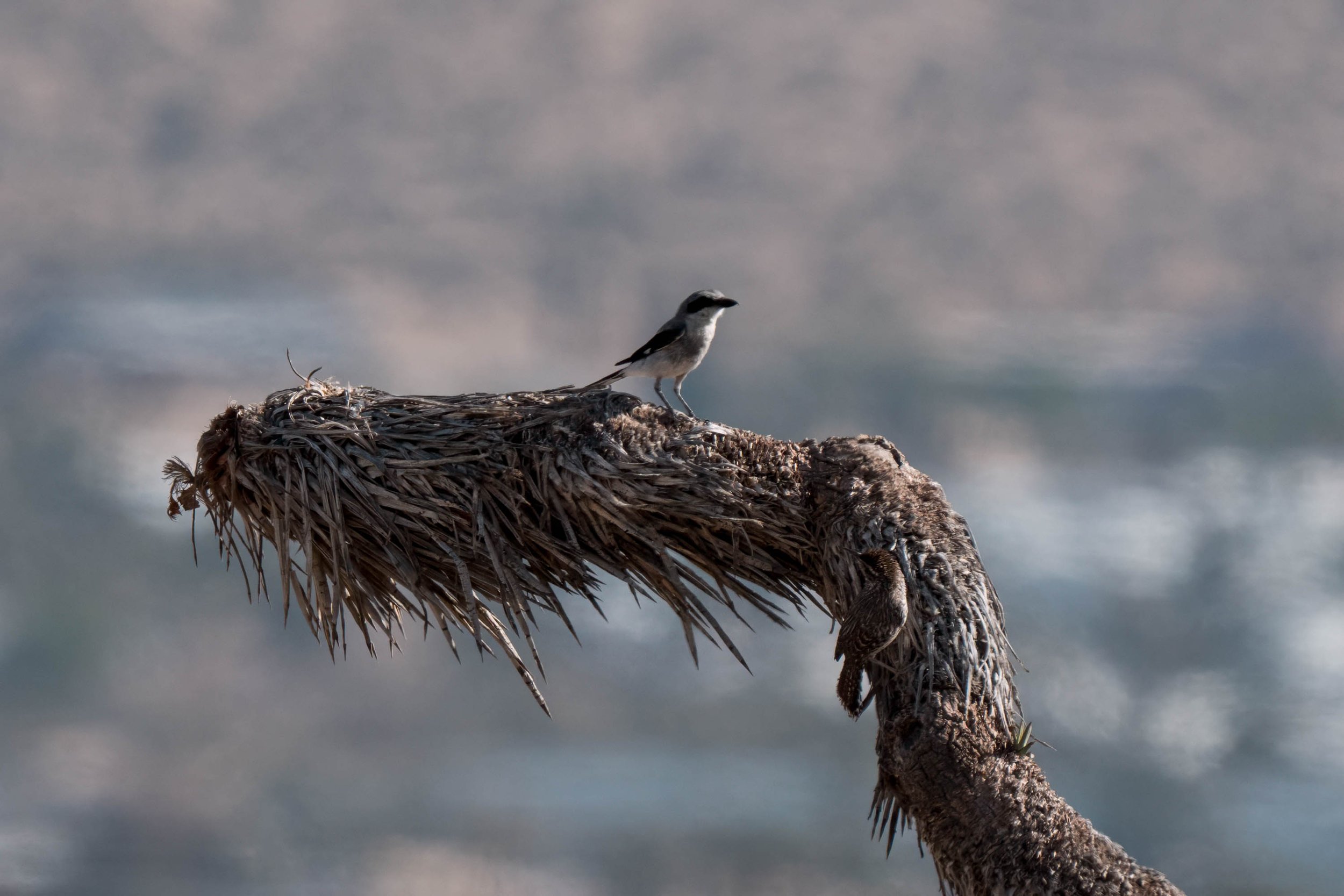
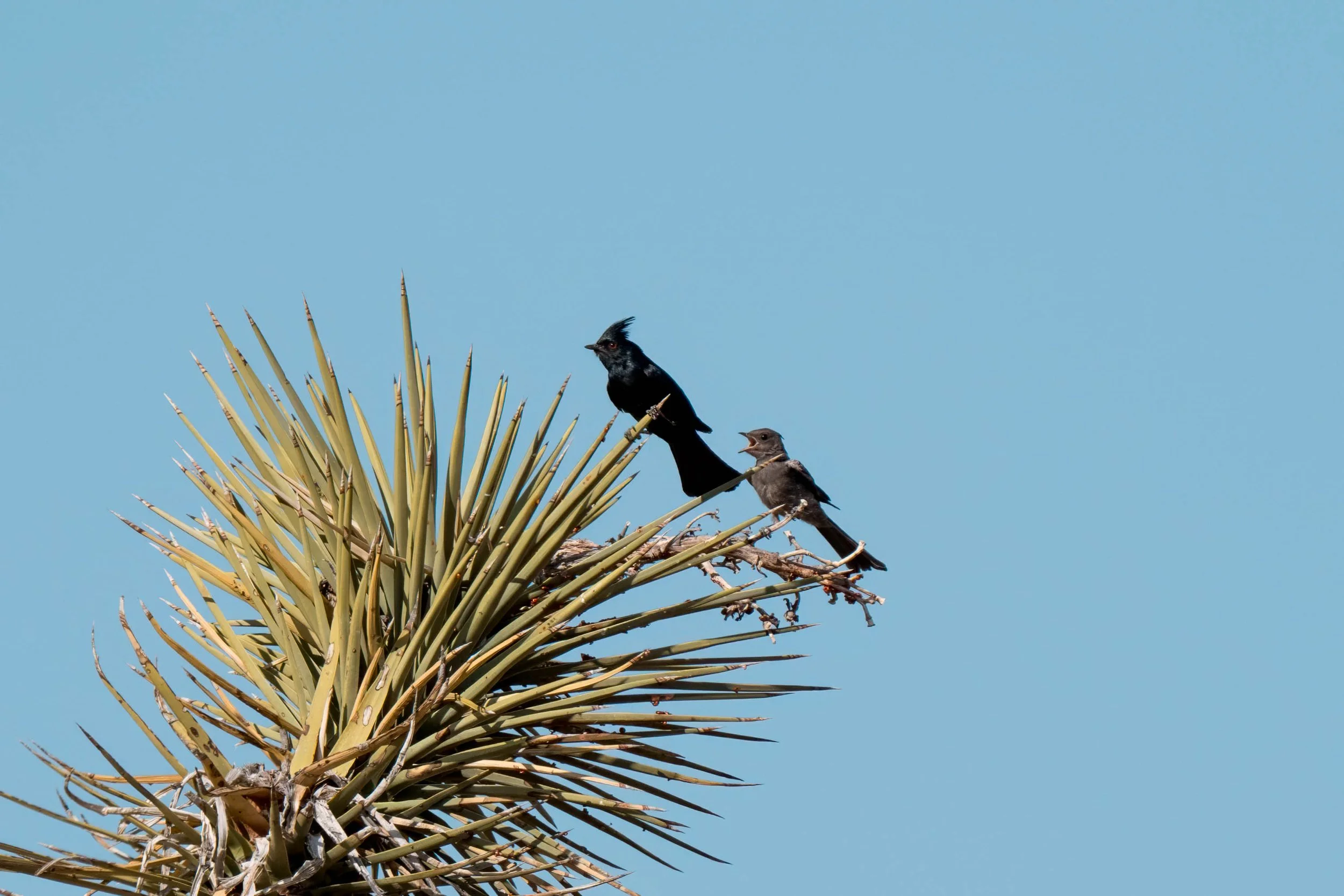
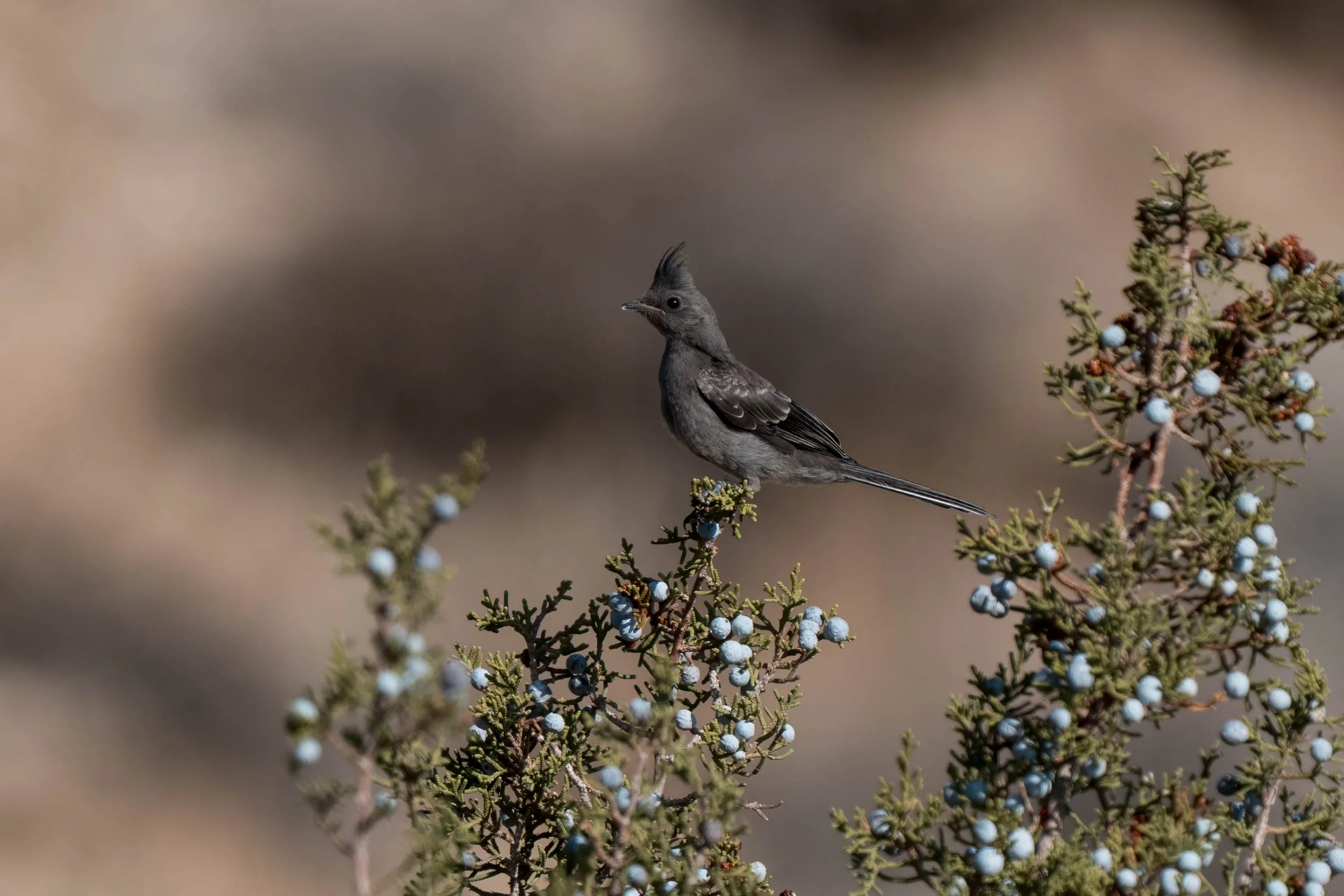
Here are some of the other “yard birds” we saw in October:
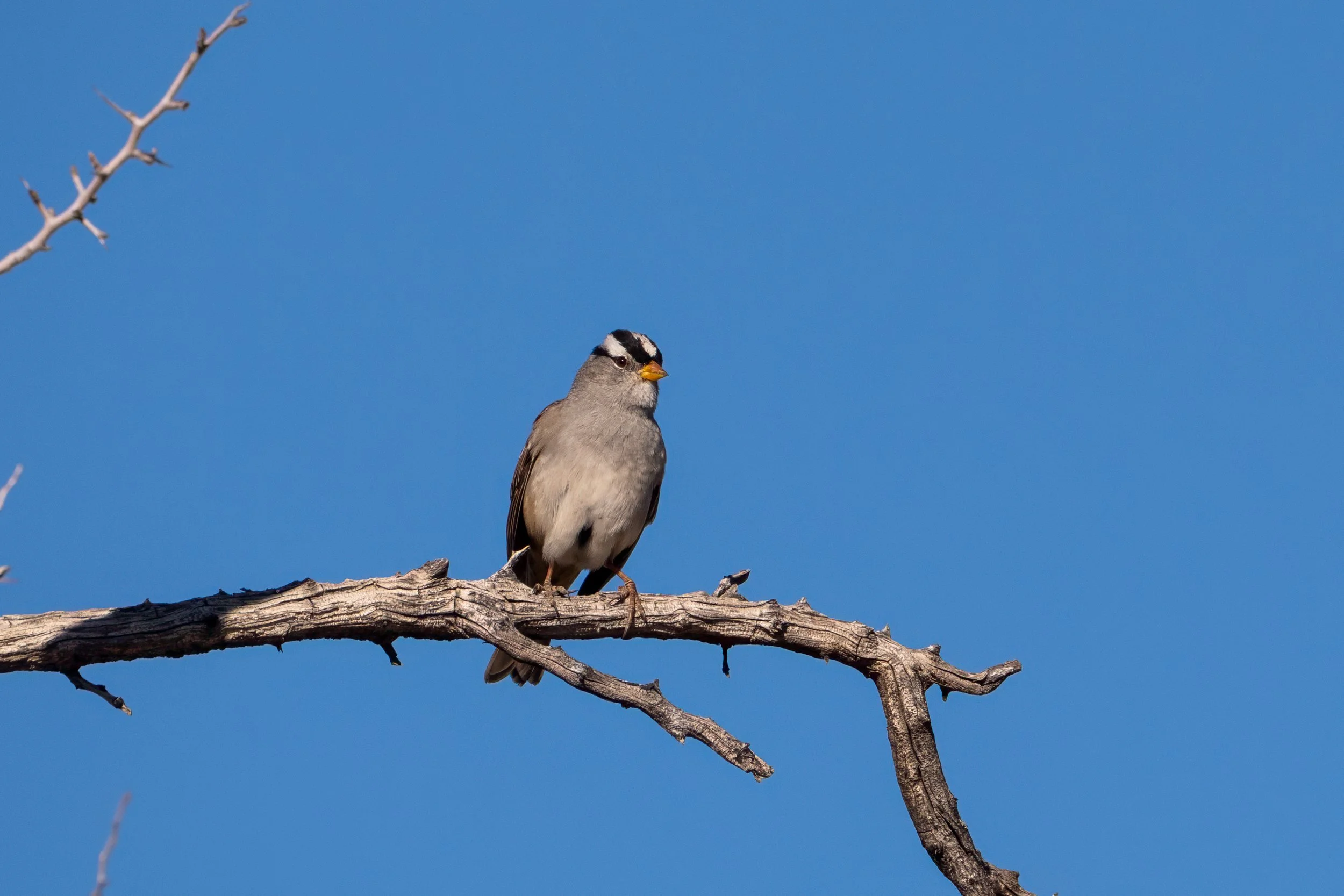
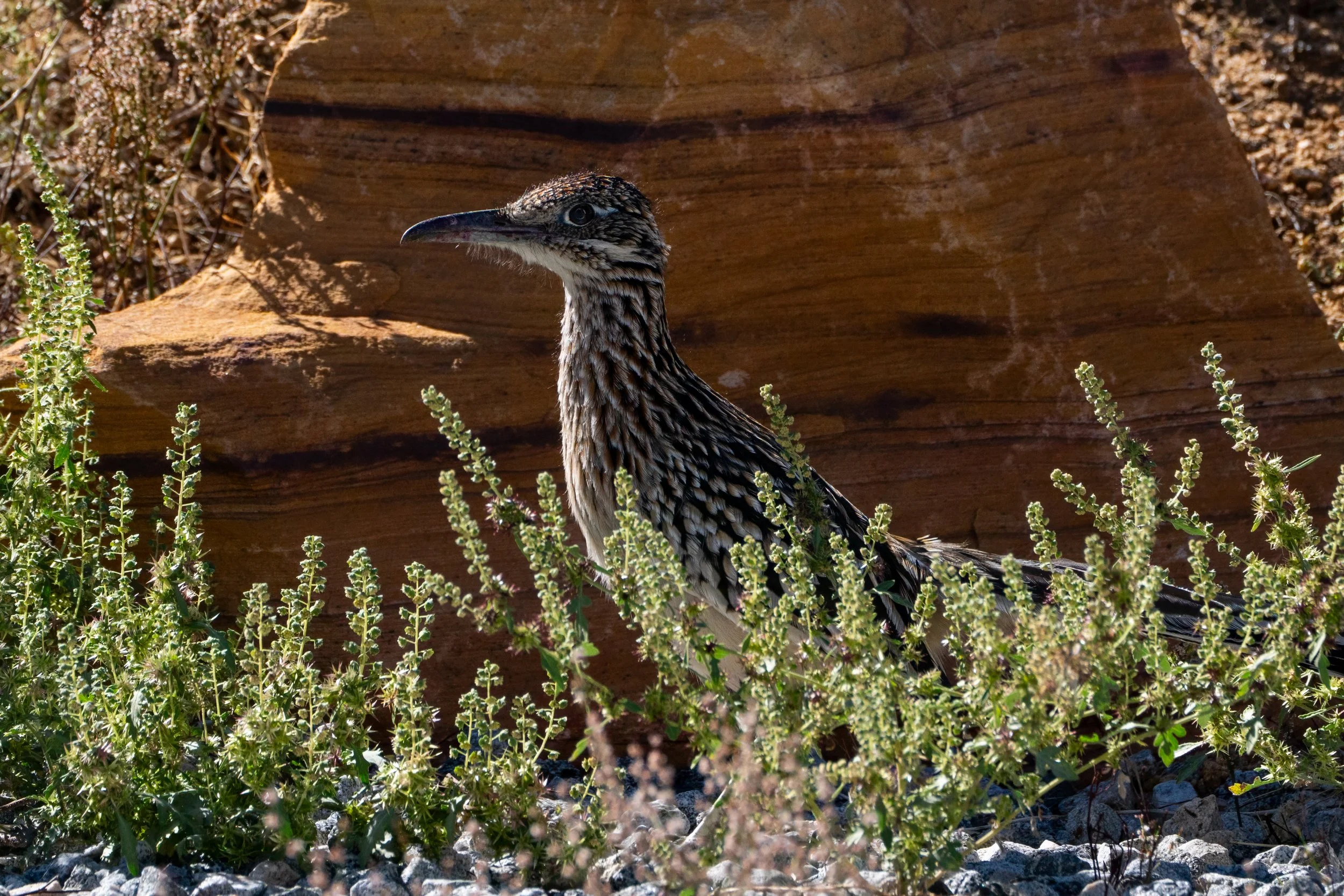
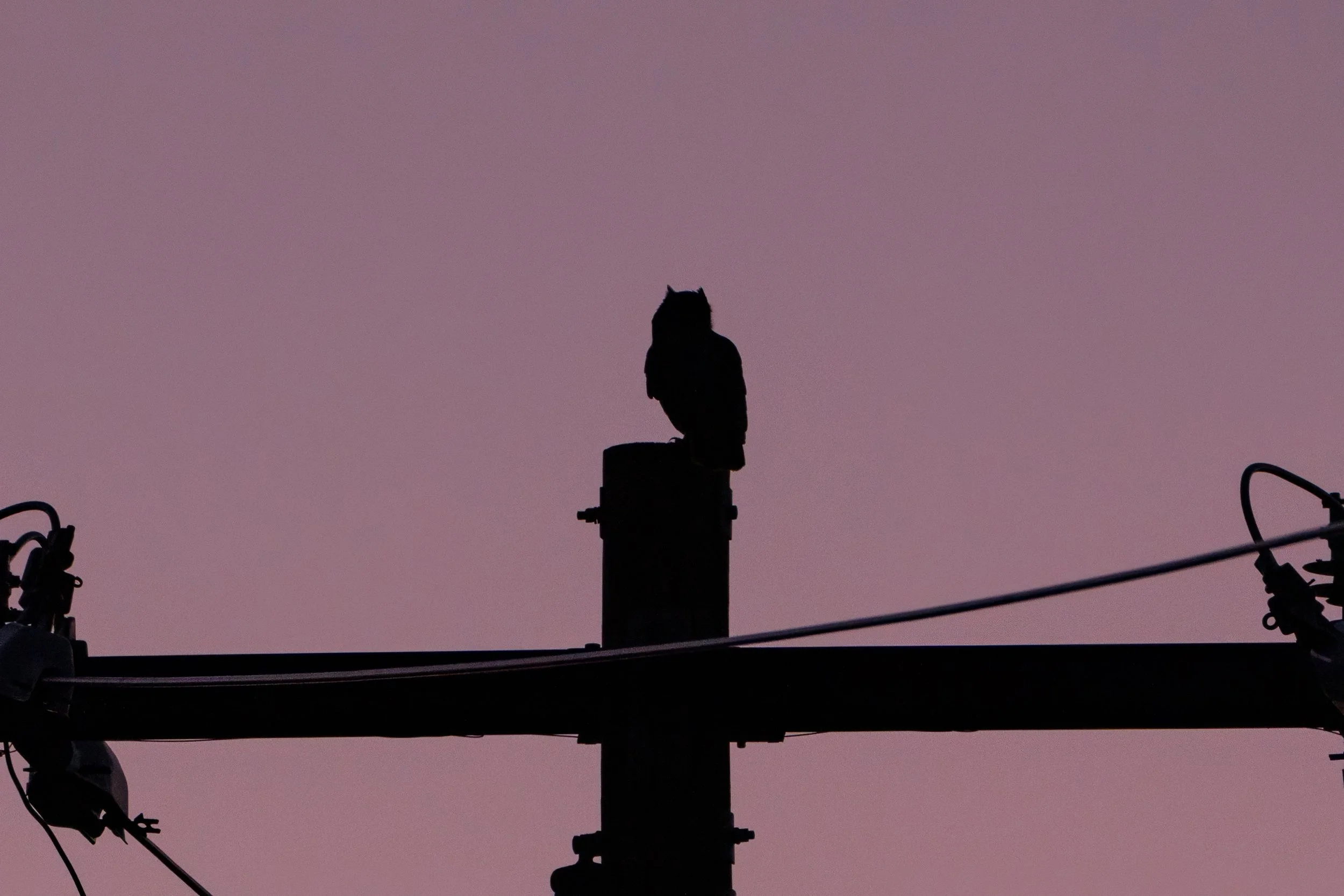
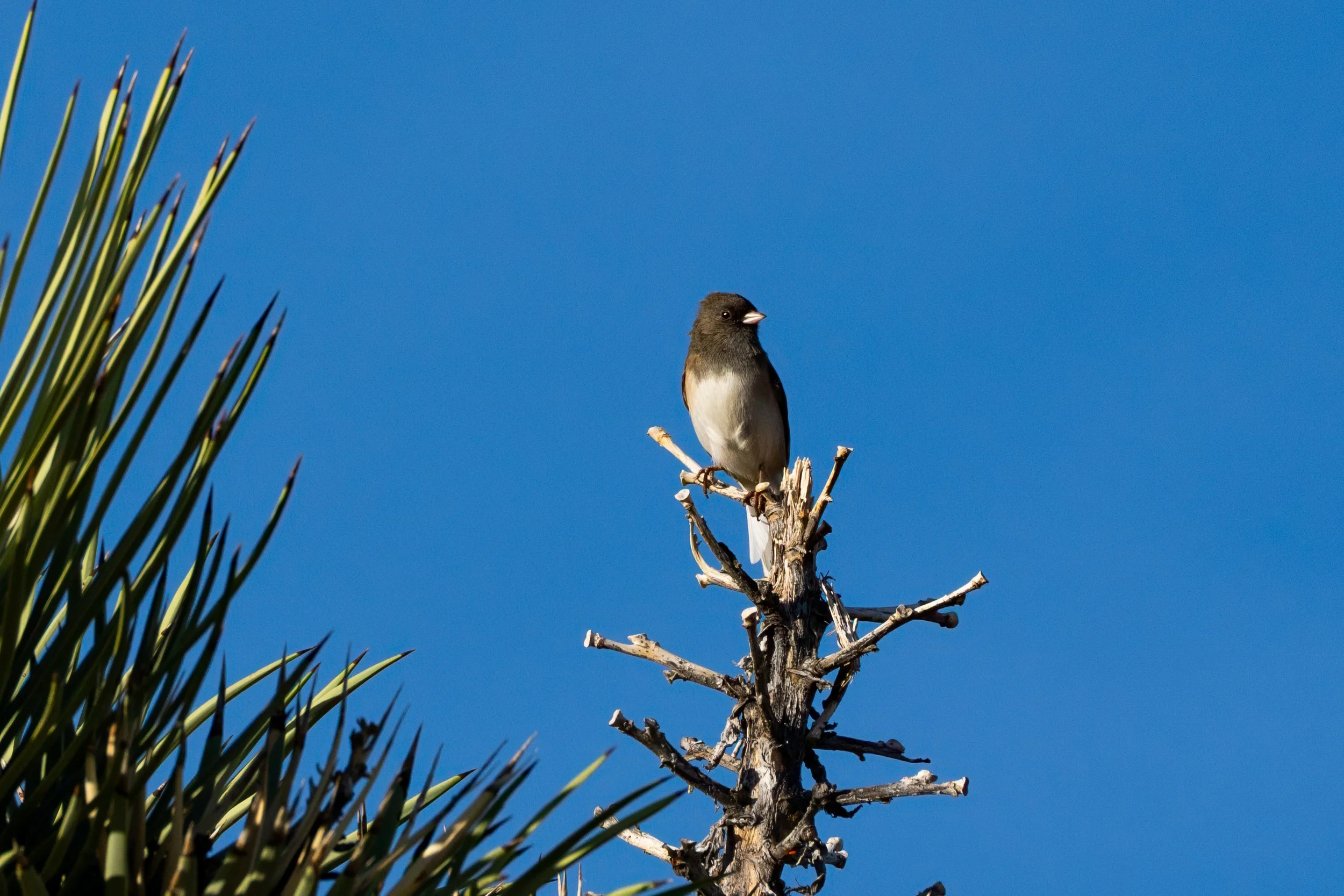
Joshua Tree National Park
Three visits across three seasons gave a genuinely varied picture of the park, with the April trip producing the most bird activity, the June visit the most reptile encounters, and October bringing the fall migration species that made every open area worth scanning carefully.
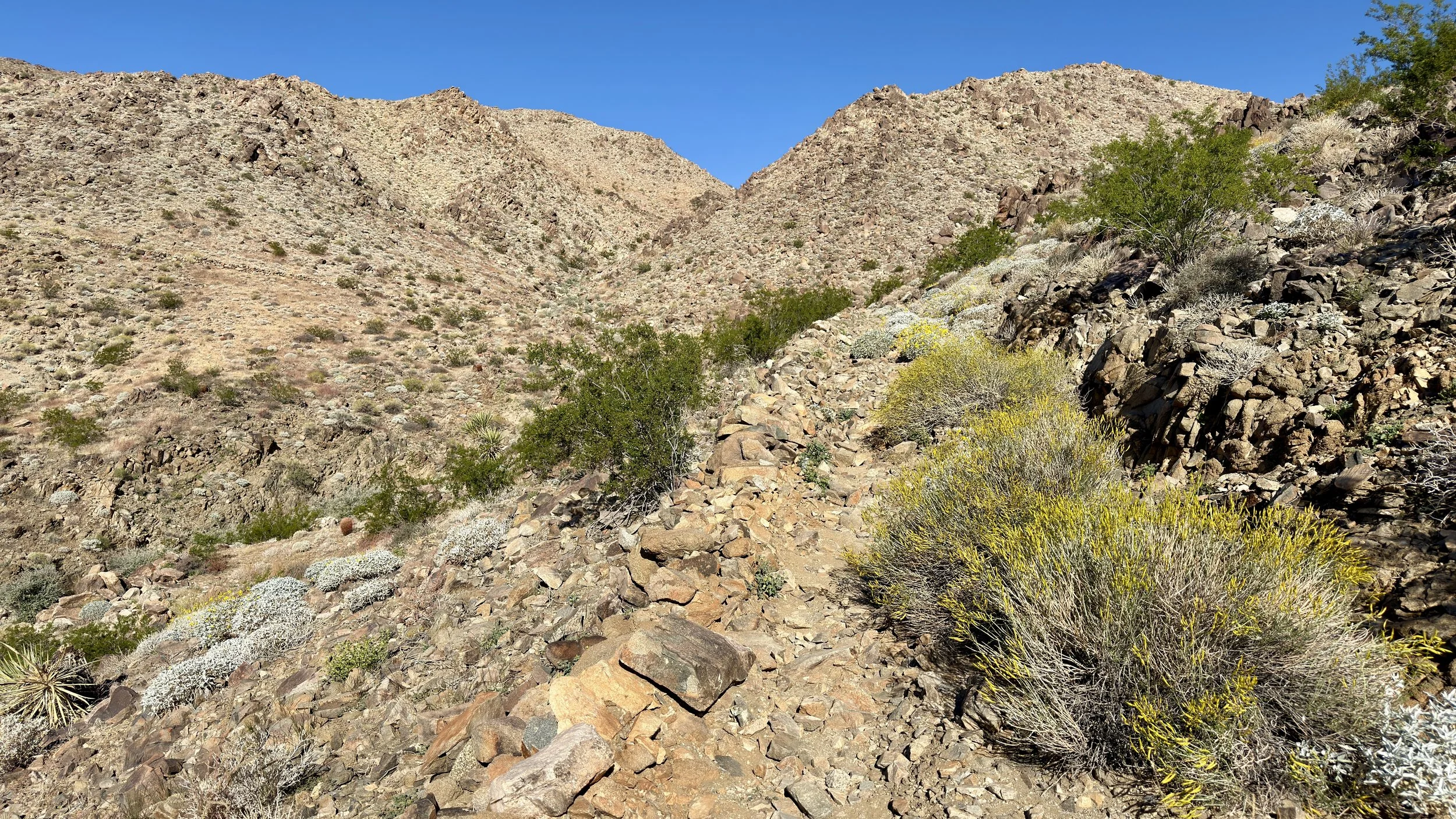
Contact Mine Trail
The trail winds through open Joshua Tree woodland and rocky desert scrub, and the combination of old mine infrastructure and intact desert habitat makes it one of the more interesting shorter hikes in the park. The rocky outcrops along the trail held good numbers of sparrows in both spring and fall, and the open Joshua Tree woodland between the rock formations is reliable habitat for several of the park's resident species.
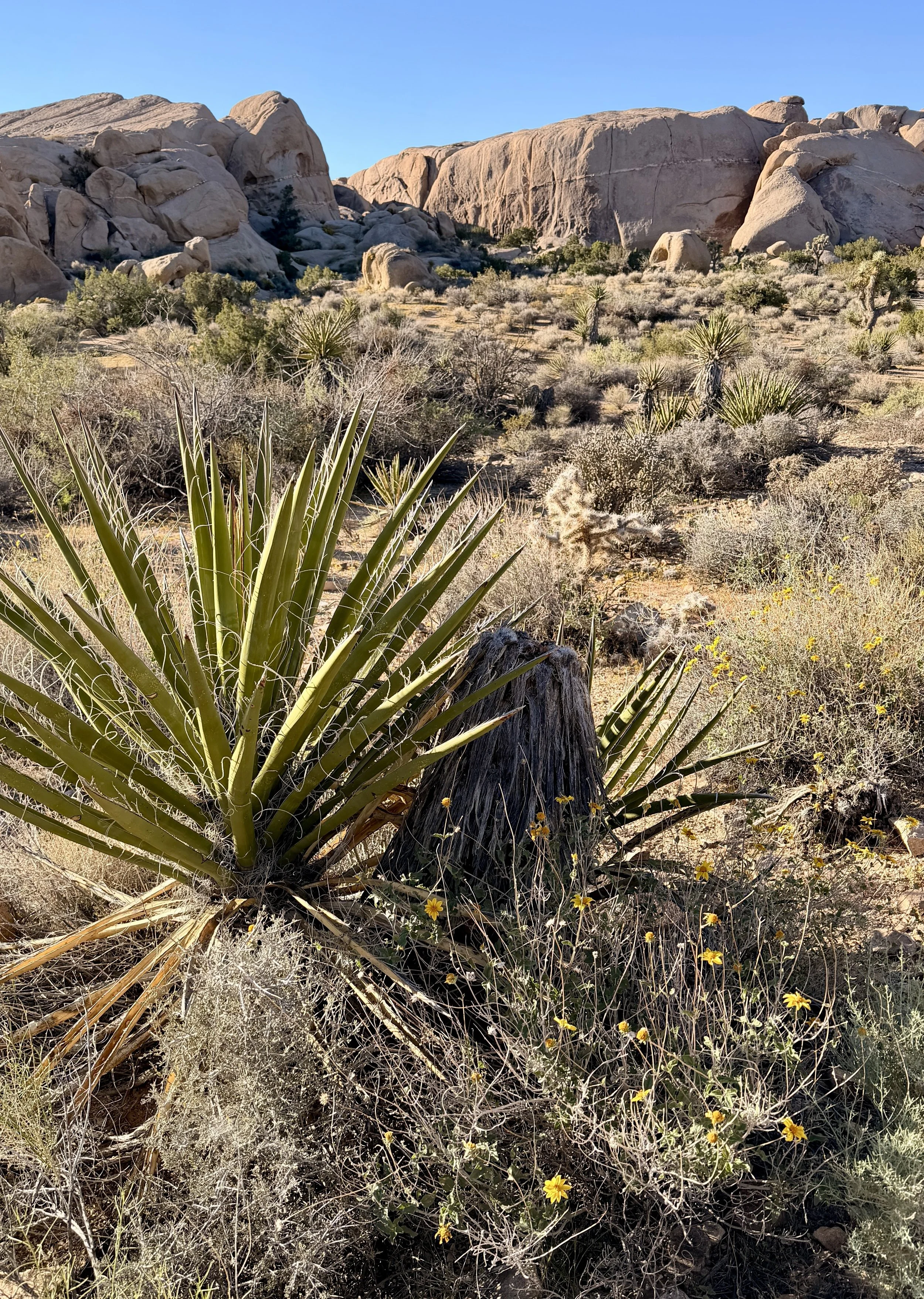
Split Rock
This trail offers a loop through some of the more dramatic boulder formations in the park, with the massive granite piles creating a microhabitat of shaded rock faces and sheltered hollows that holds a different set of species than the open desert flats. The boulders are worth checking carefully for lizards on warm mornings, and the scrub surrounding the rock formations is good for sparrows and towhees working through the low vegetation.
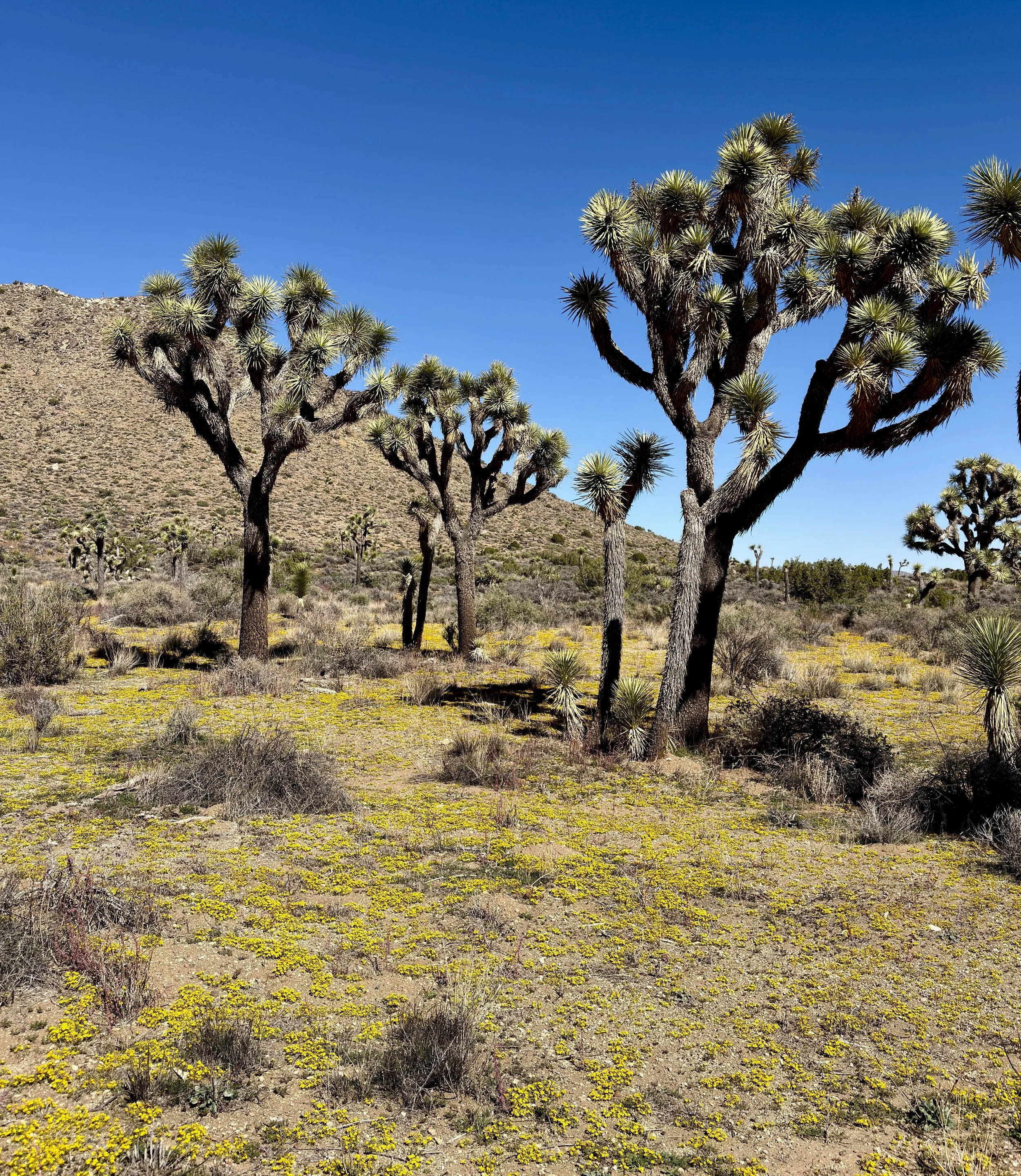
Juniper Flats
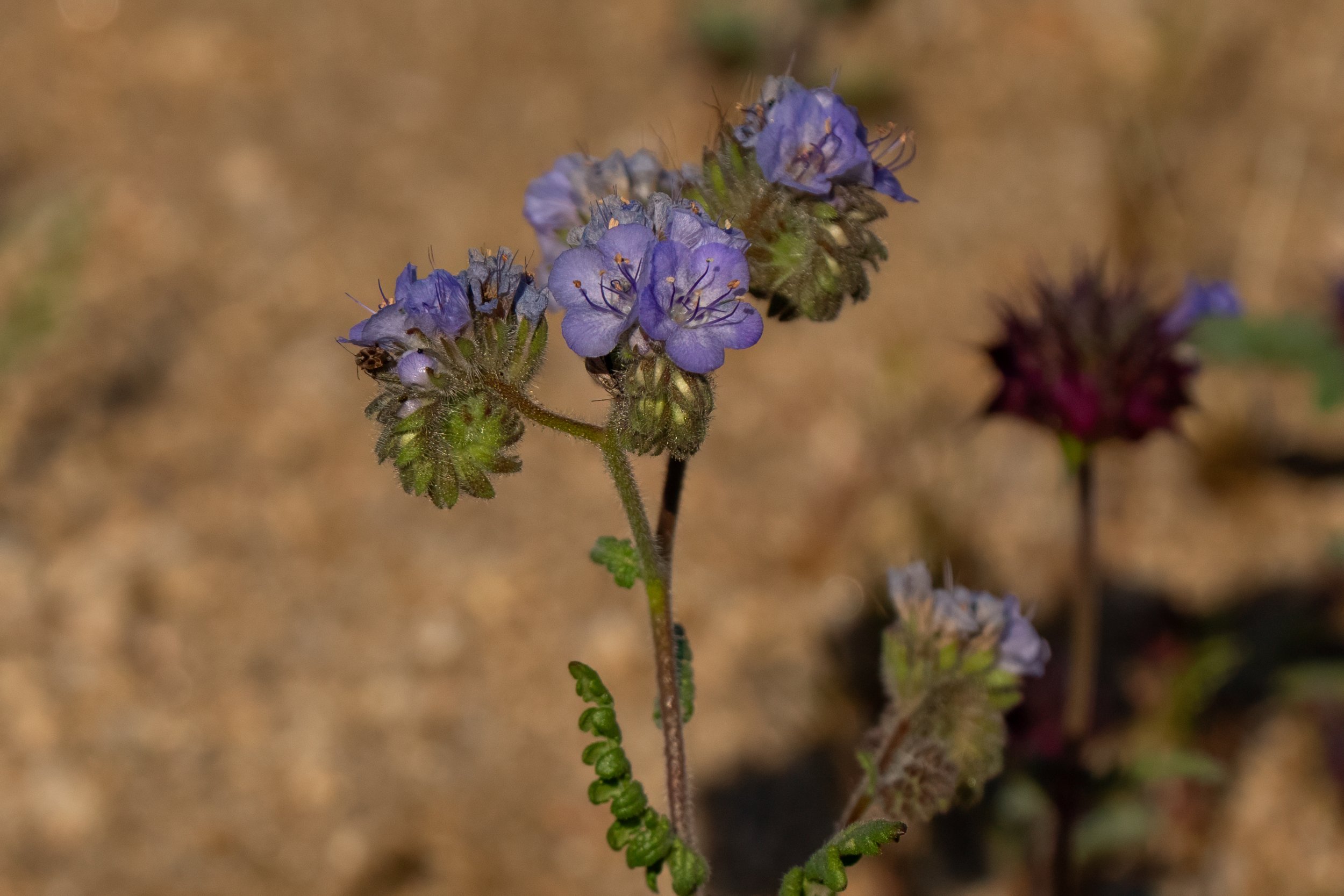
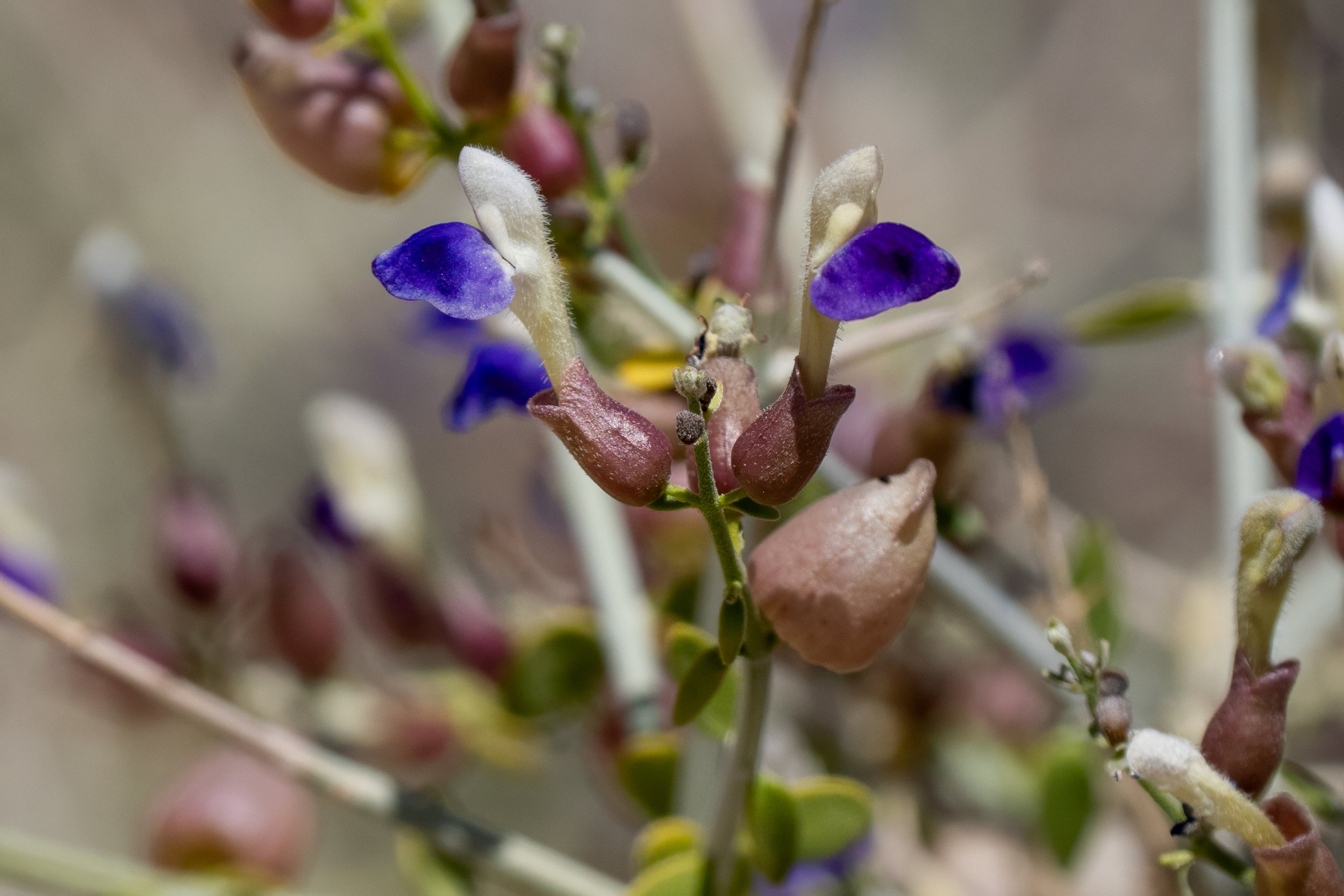
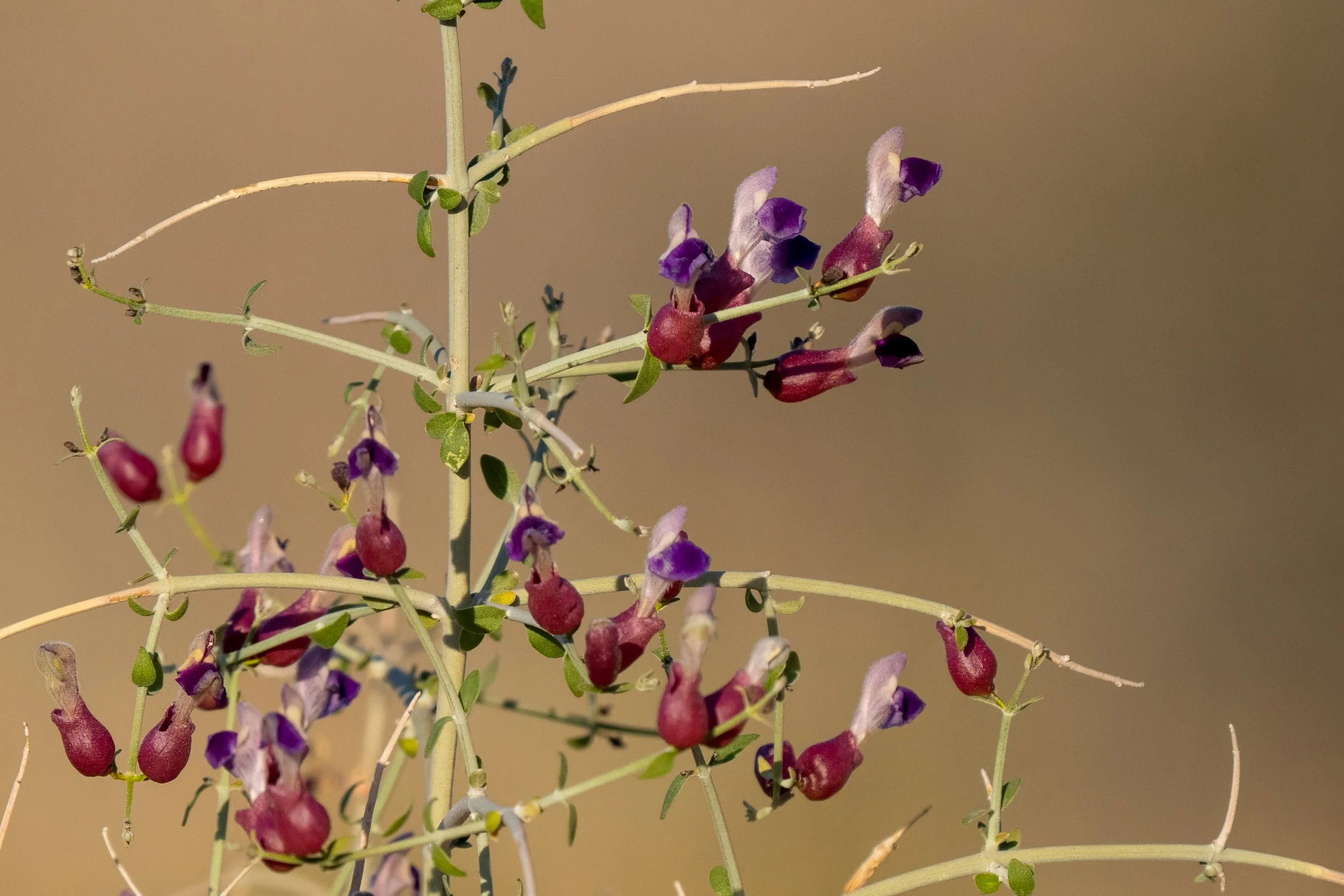
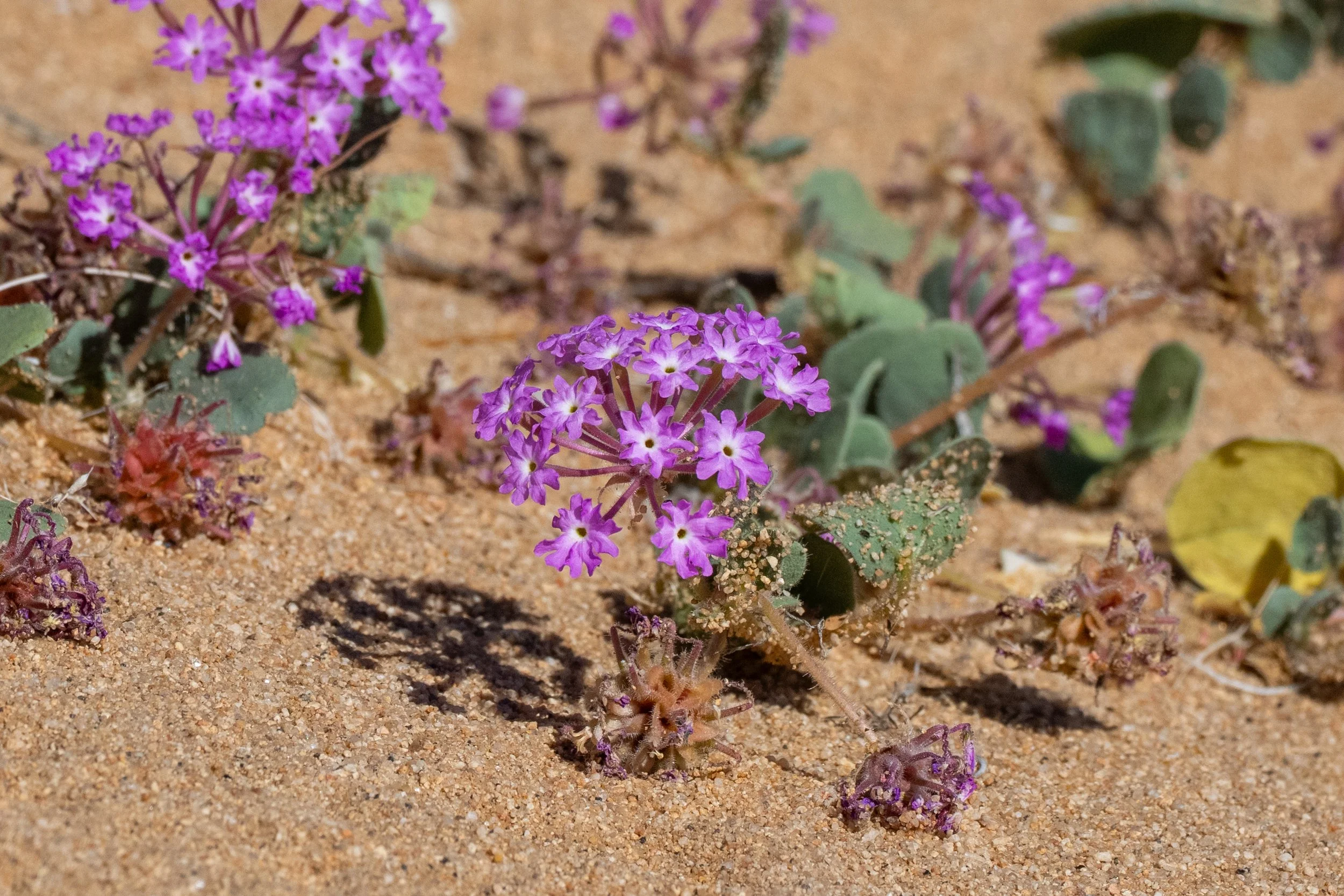
This trail sits at higher elevation than much of the accessible park, and the transition into juniper and pinyon pine woodland brings in species not found lower down. It was here that the Mountain Bluebirds appeared in October with that vivid blue contrasting well with the Joshua Trees. And the ground was absolutely carpeted in yellow and purple wildflowers were blooming in October!
The “Highlight” Birds of Joshua Tree National Park
Mountain Bluebird The October highlight and one of the more striking birds of the higher elevation Joshua Tree habitat, Mountain Bluebirds move through the juniper woodland in loose flocks during fall migration, the males an almost luminous sky blue that reads well even at distance against the muted tones of the autumn desert.
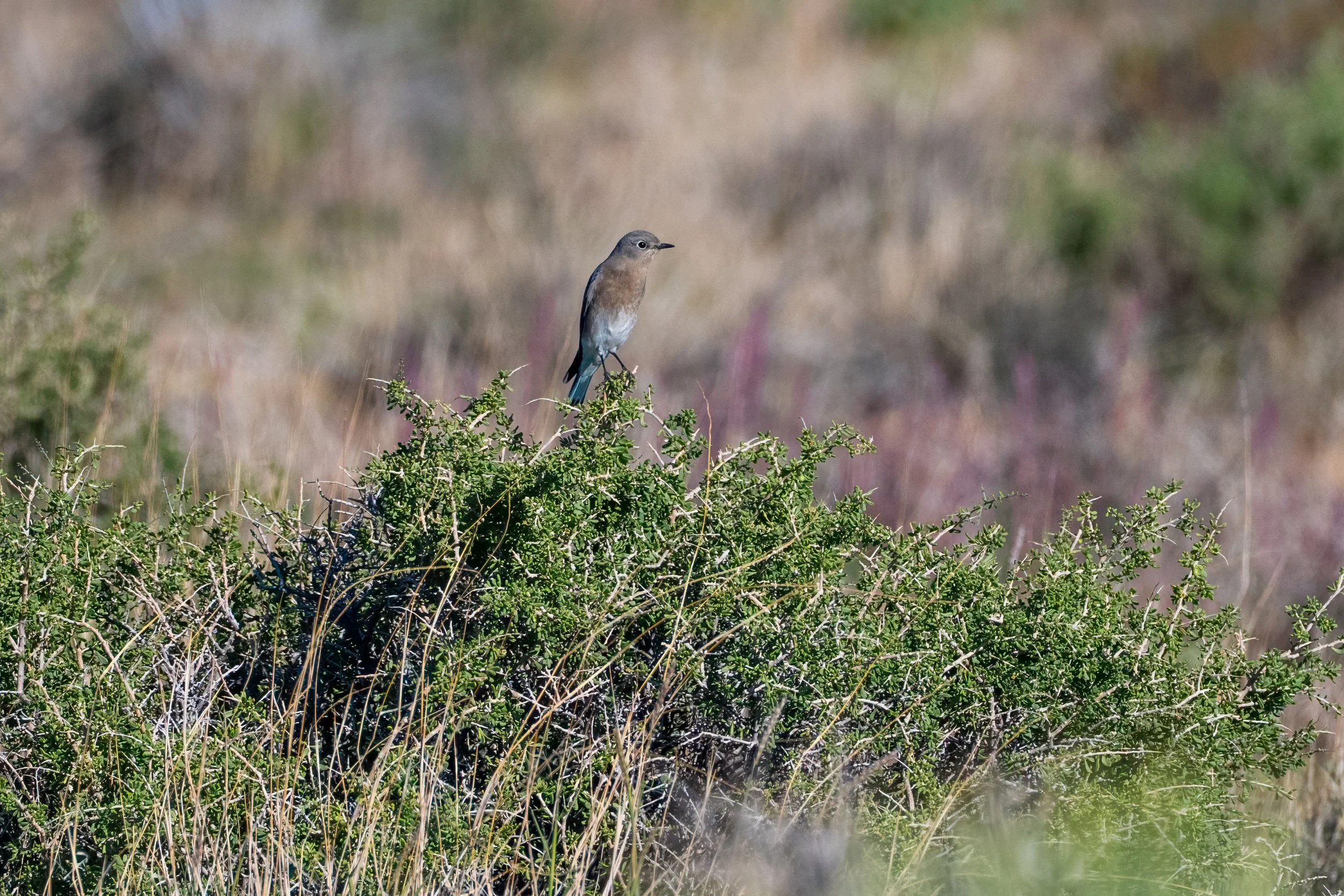
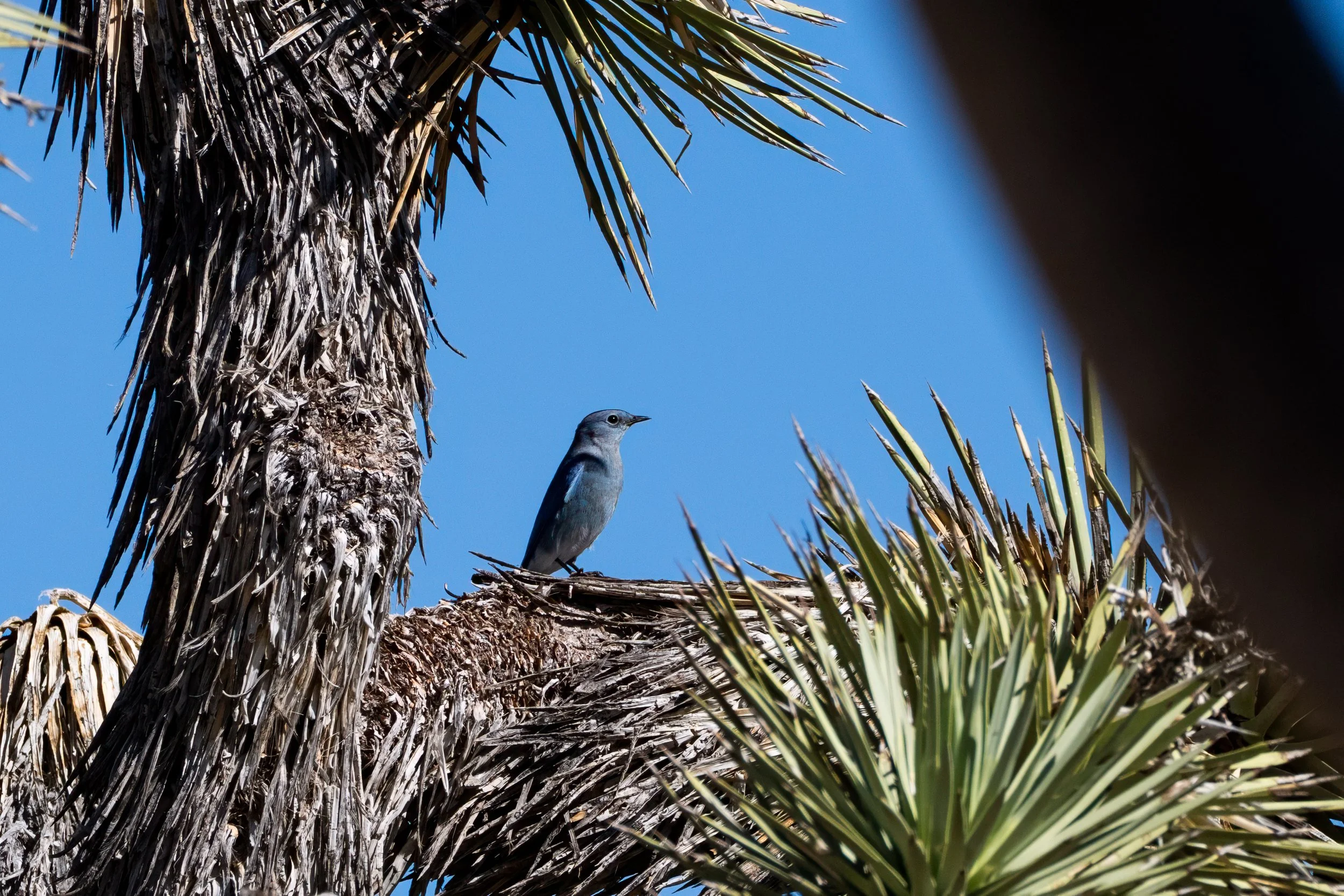
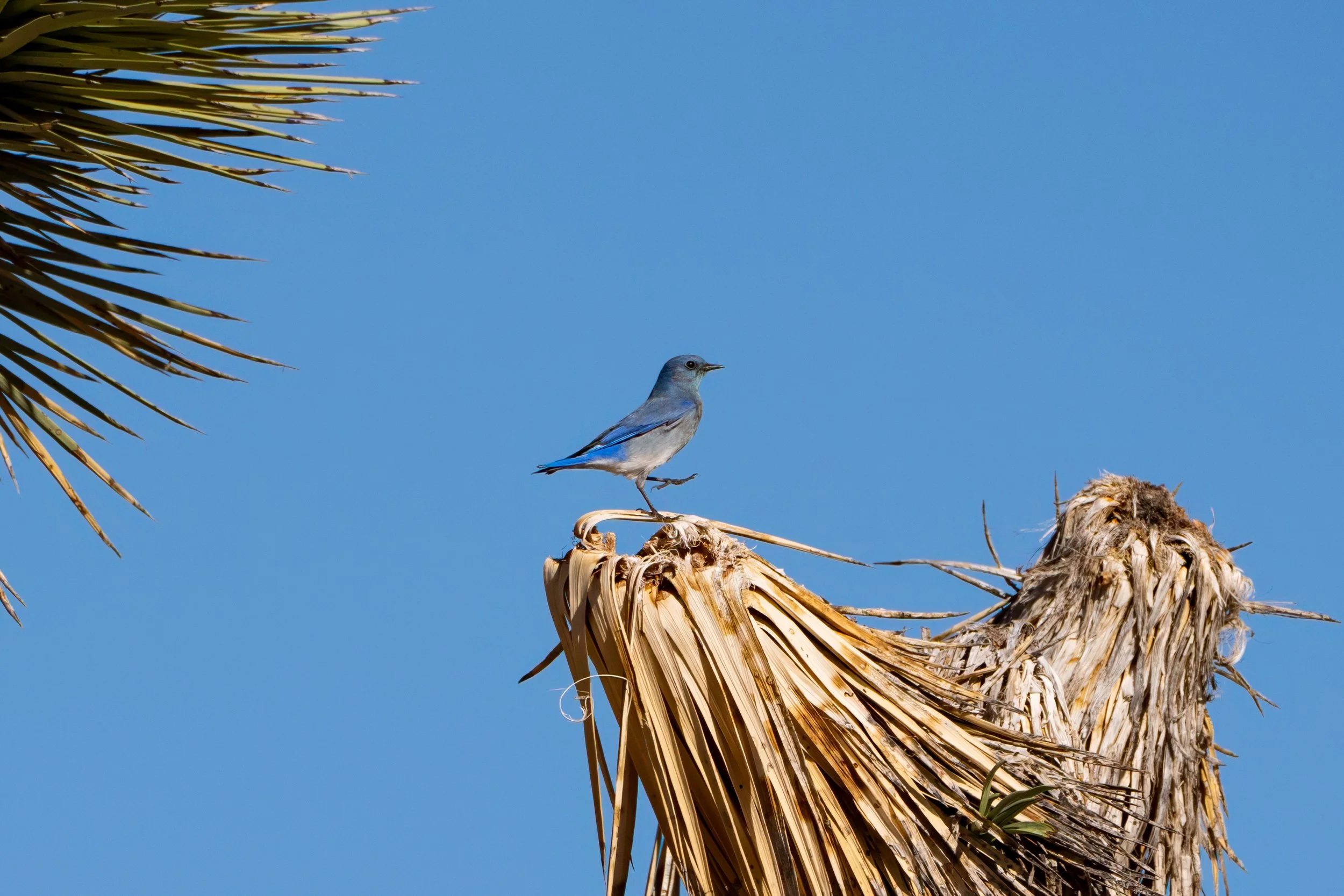
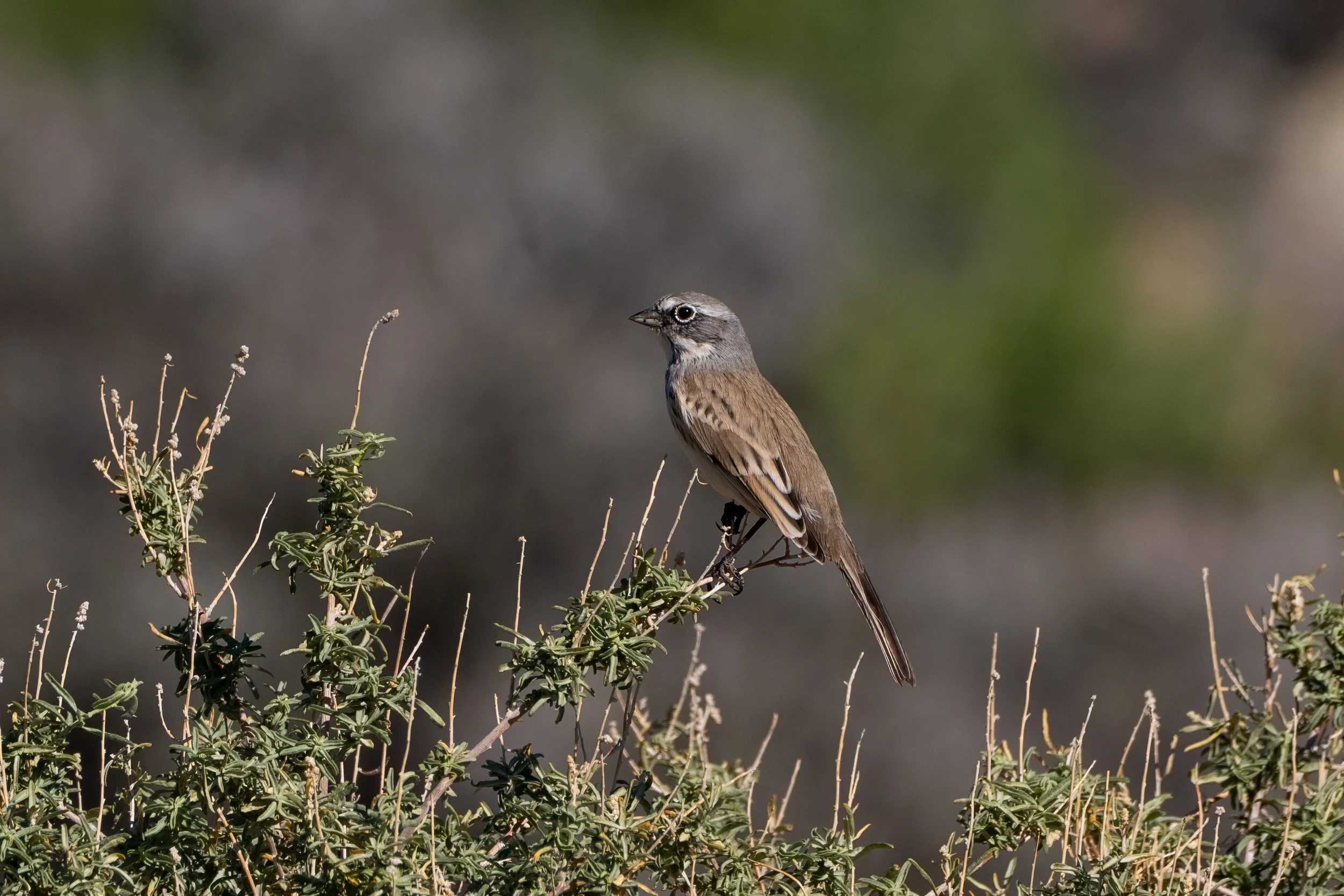
Sagebrush Sparrow and Bell's Sparrow Two closely related and until recently considered the same species, both present in the open desert scrub habitat of the park and surrounding land. Separating the two in the field is a satisfying identification challenge, with Sagebrush tending toward paler, sandier tones and a less distinct malar streak compared to the darker, more contrasting Bell's. Finding both in the same area across these visits was a good reminder that careful attention to familiar-looking birds pays dividends. The first image below is the Sagebrush, paler and the second image is the Bell’s, darker (even though the Bell’s was more photo shy).
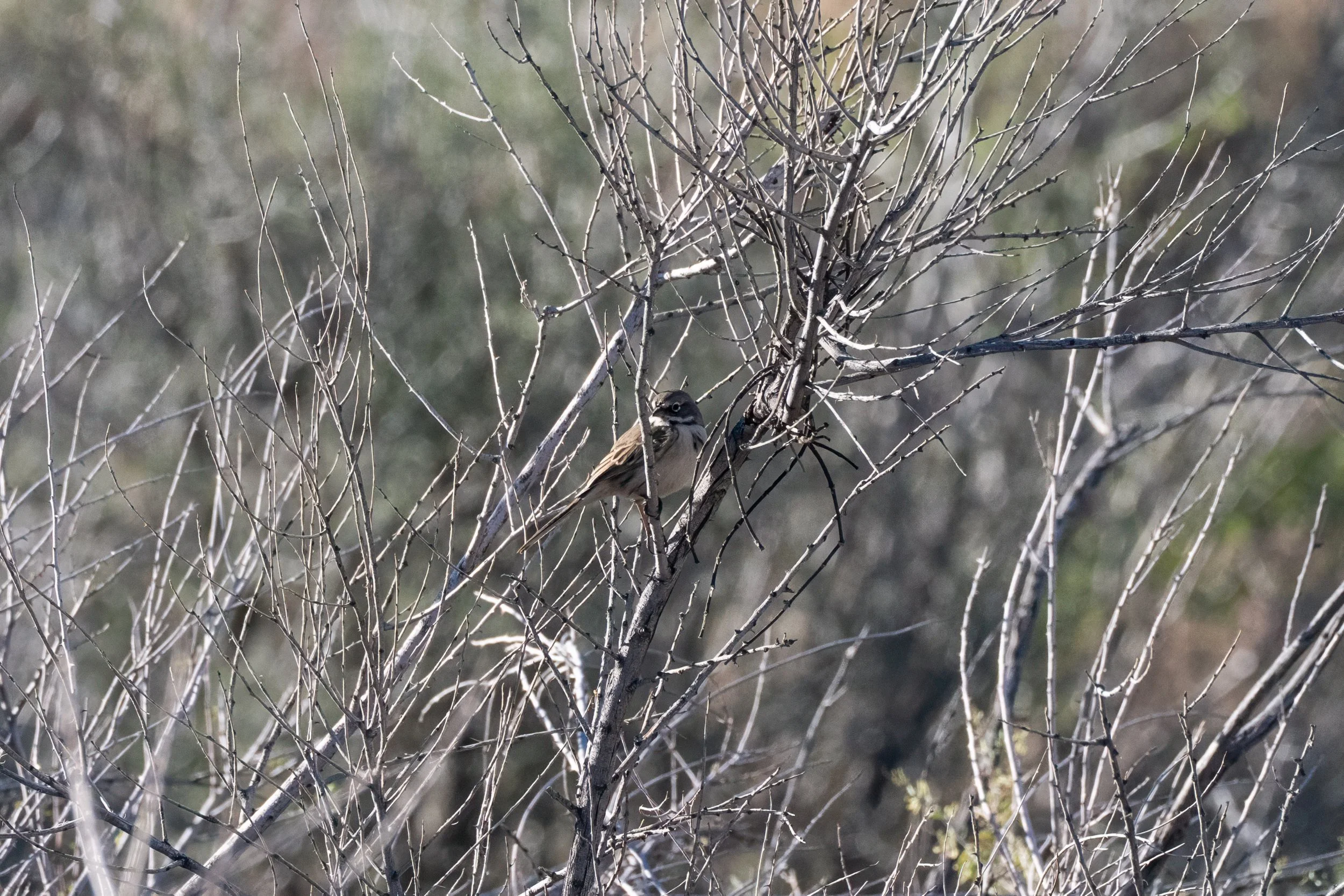
Green-tailed Towhee A spring and fall migrant through the Joshua Tree area, the Green-tailed Towhee's rufous cap, white throat, and olive-green upperparts make it one of the more distinctive towhees in North America. It tends to stay low in dense scrub and is most reliably found by its sharp, cat-like call note before the bird itself shows itself.
Dark-eyed Junco Present on the October visit in good numbers, moving through the juniper woodland and open scrub in loose flocks. The clean contrast of the slate grey upperparts and white outer tail feathers is one of the more reliable autumn sights in the California desert highlands. I’m always happy to see a Junco, but especially excited to see a Slate-colored Junco here! They are much less common in our area that the typical Oregon Junco, but remind me of the birds in St. Louis fondly!
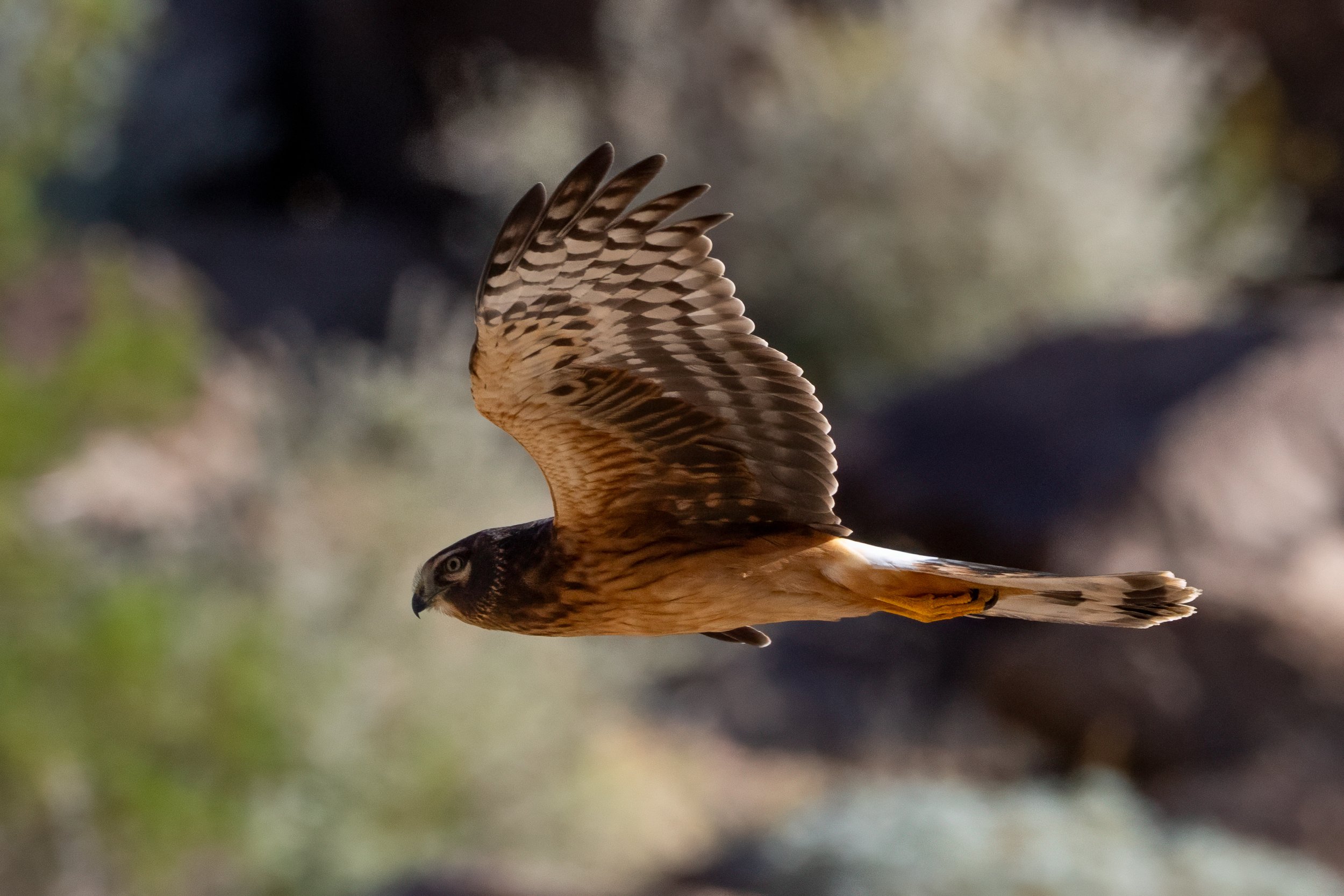
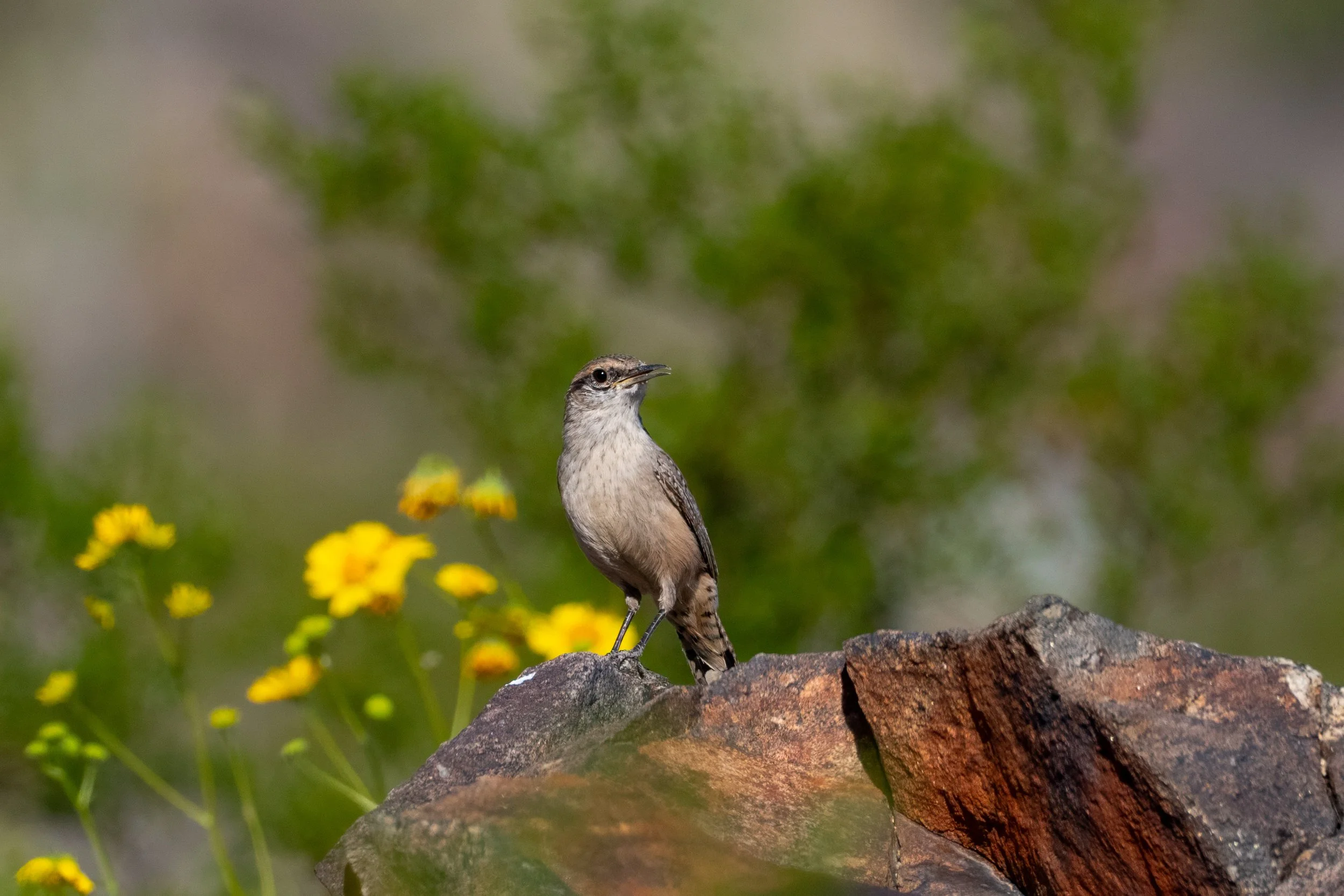
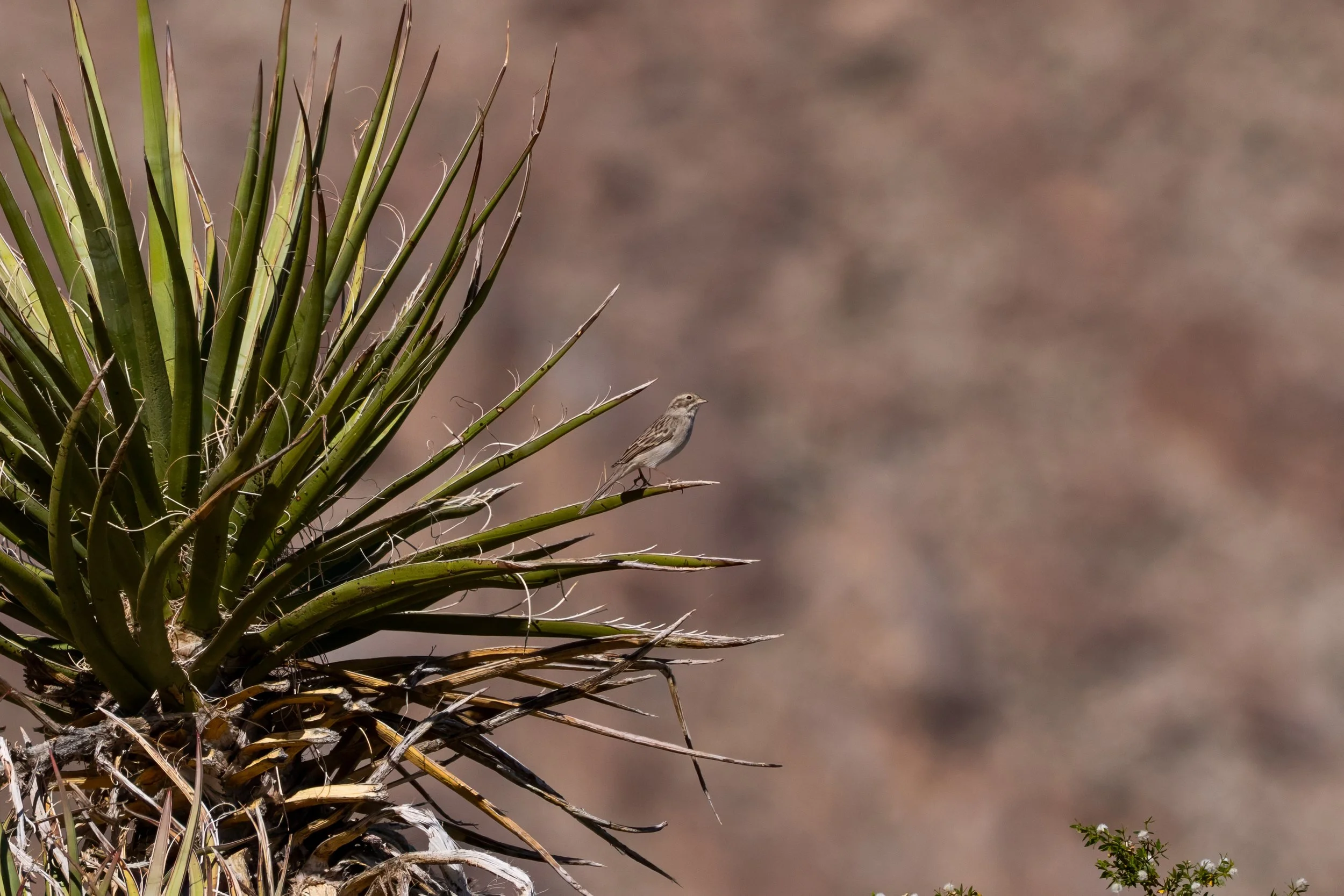
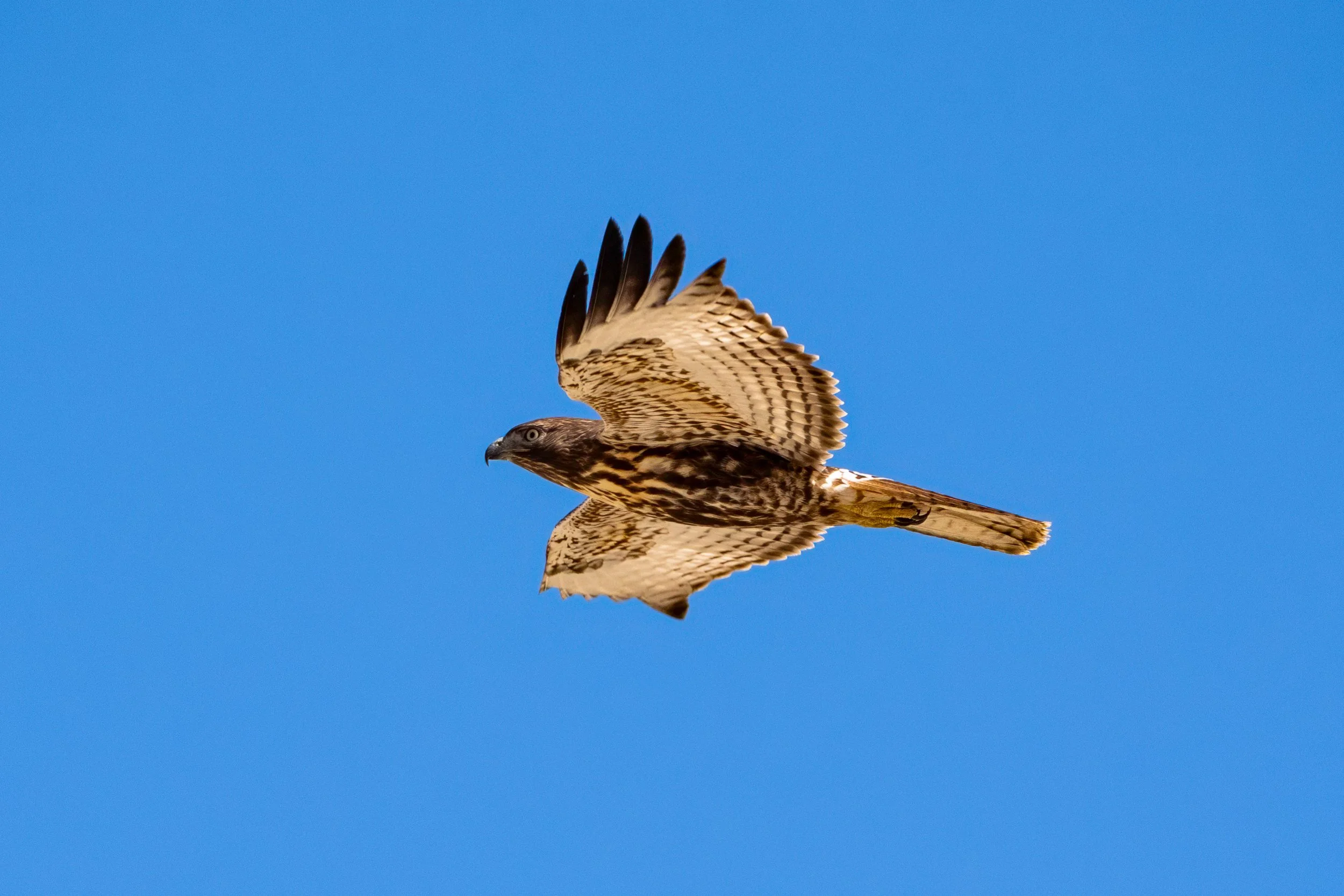
Other Birds of Joshua Tree National Park in October:
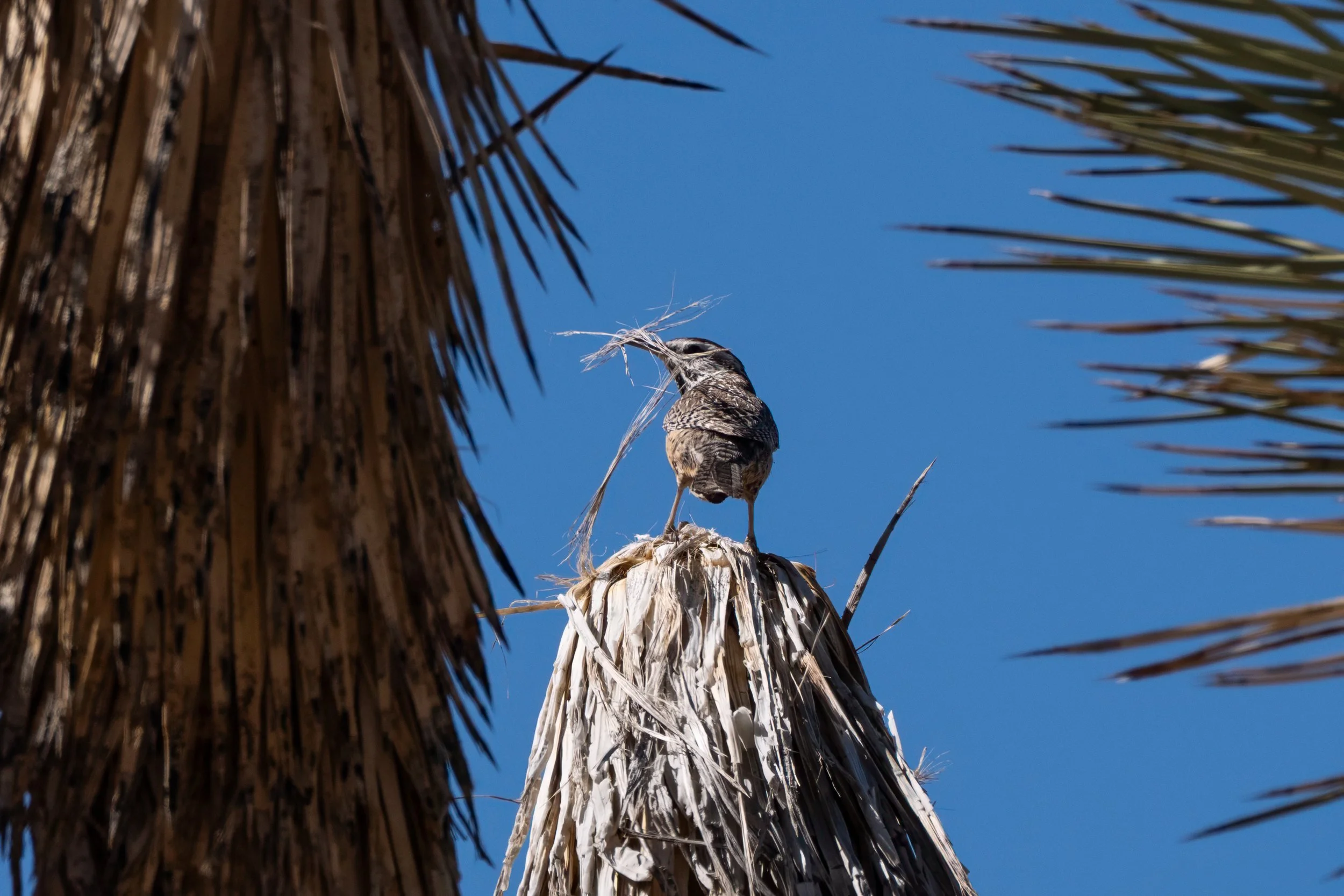
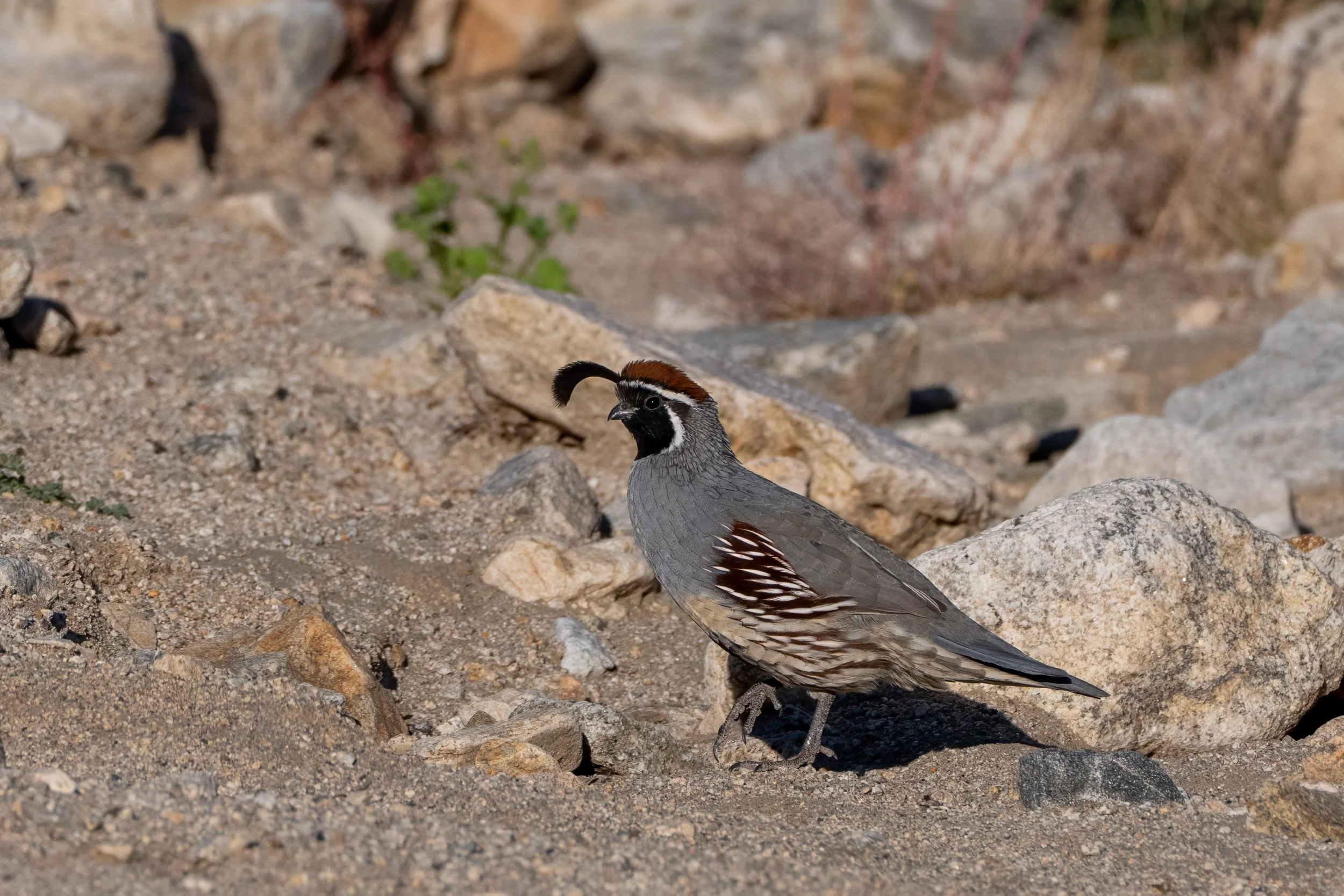
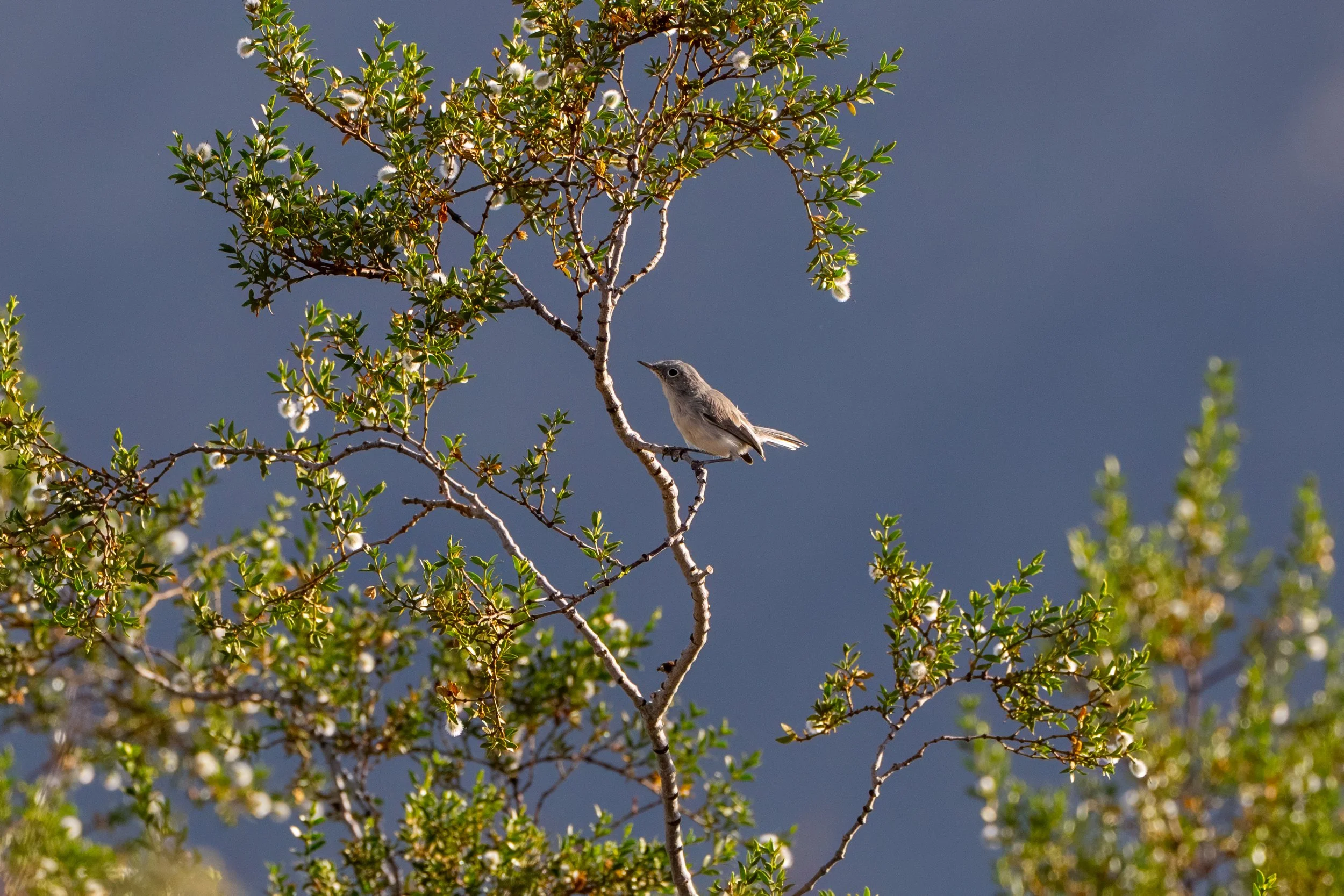
Big Morongo Canyon Preserve
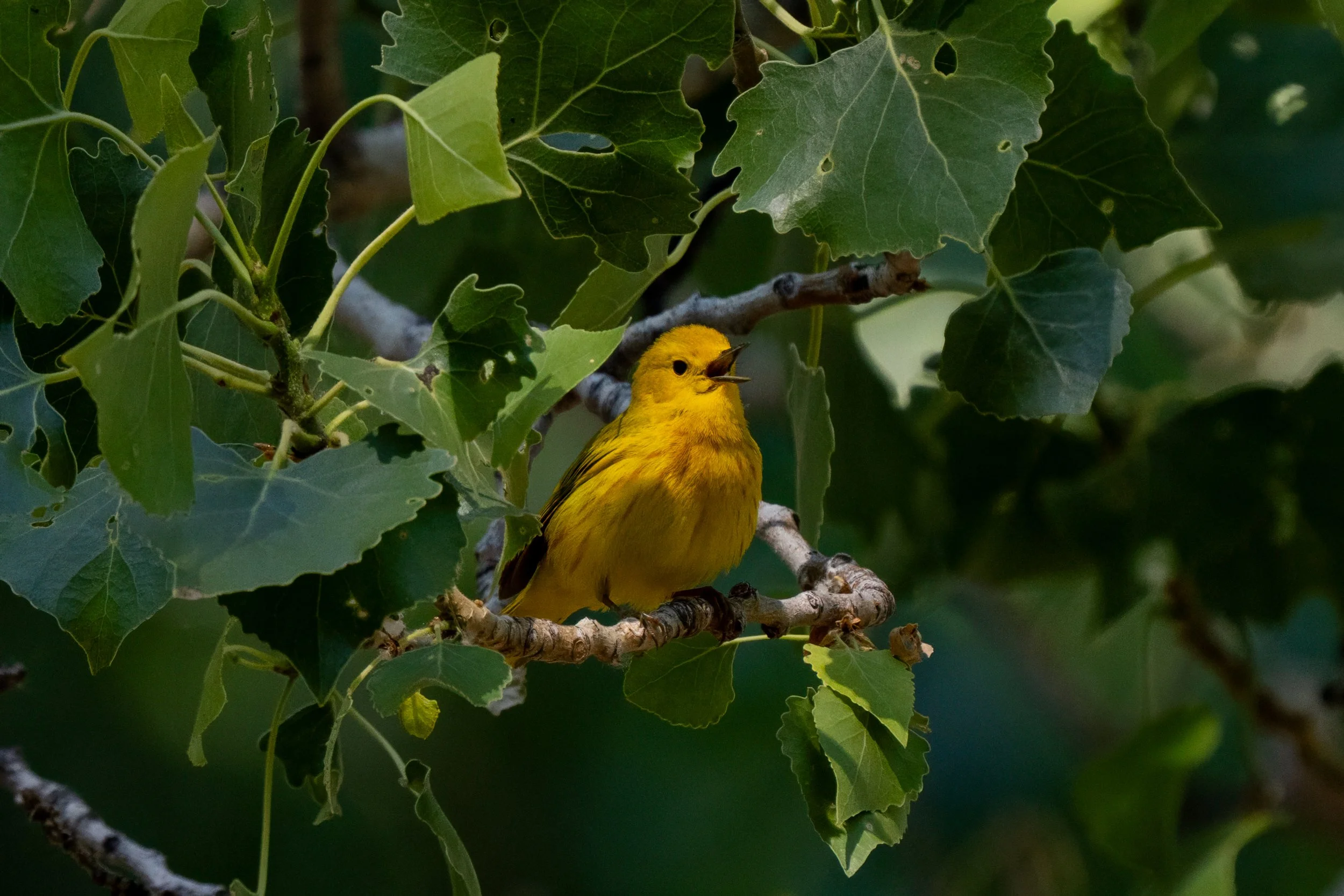
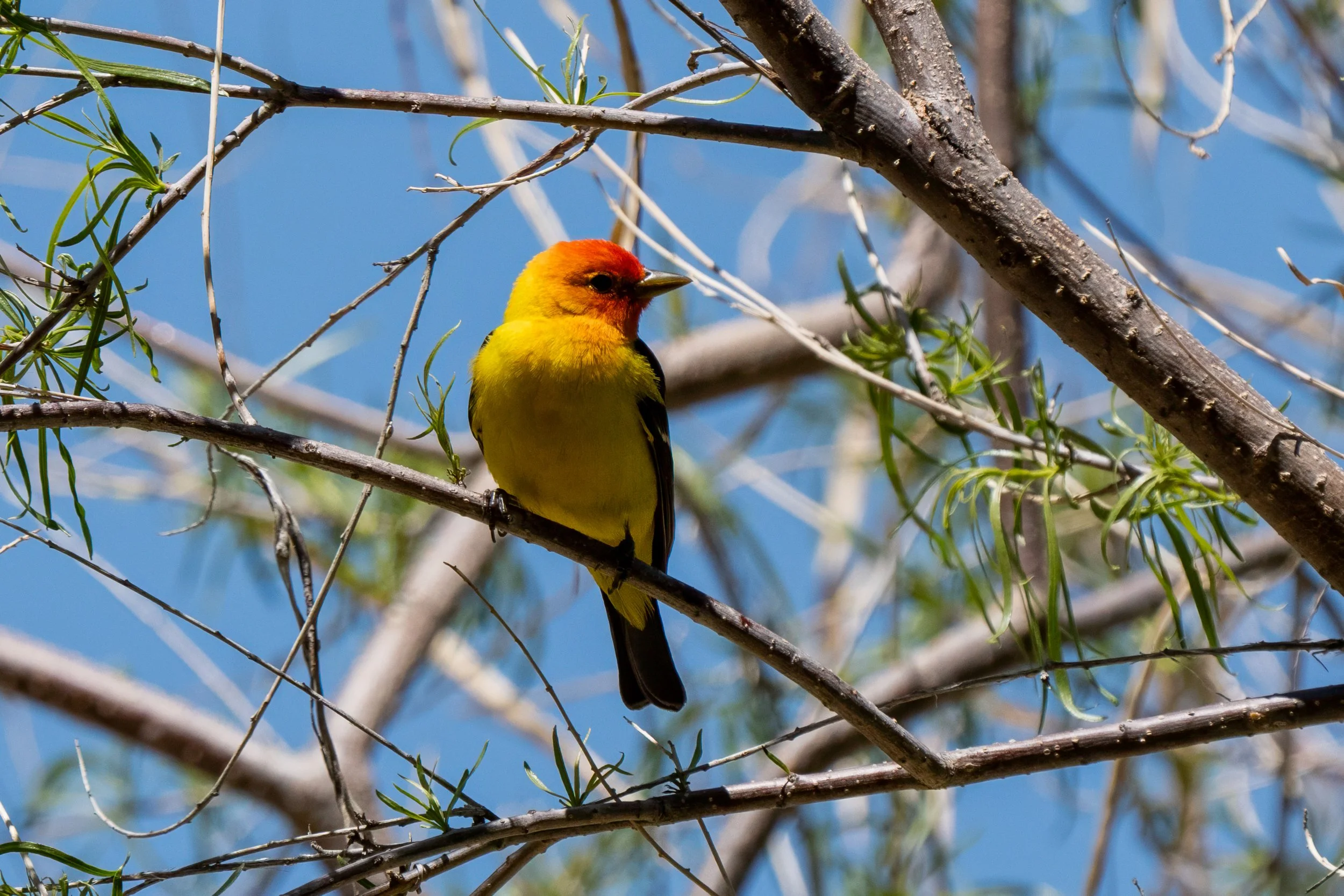
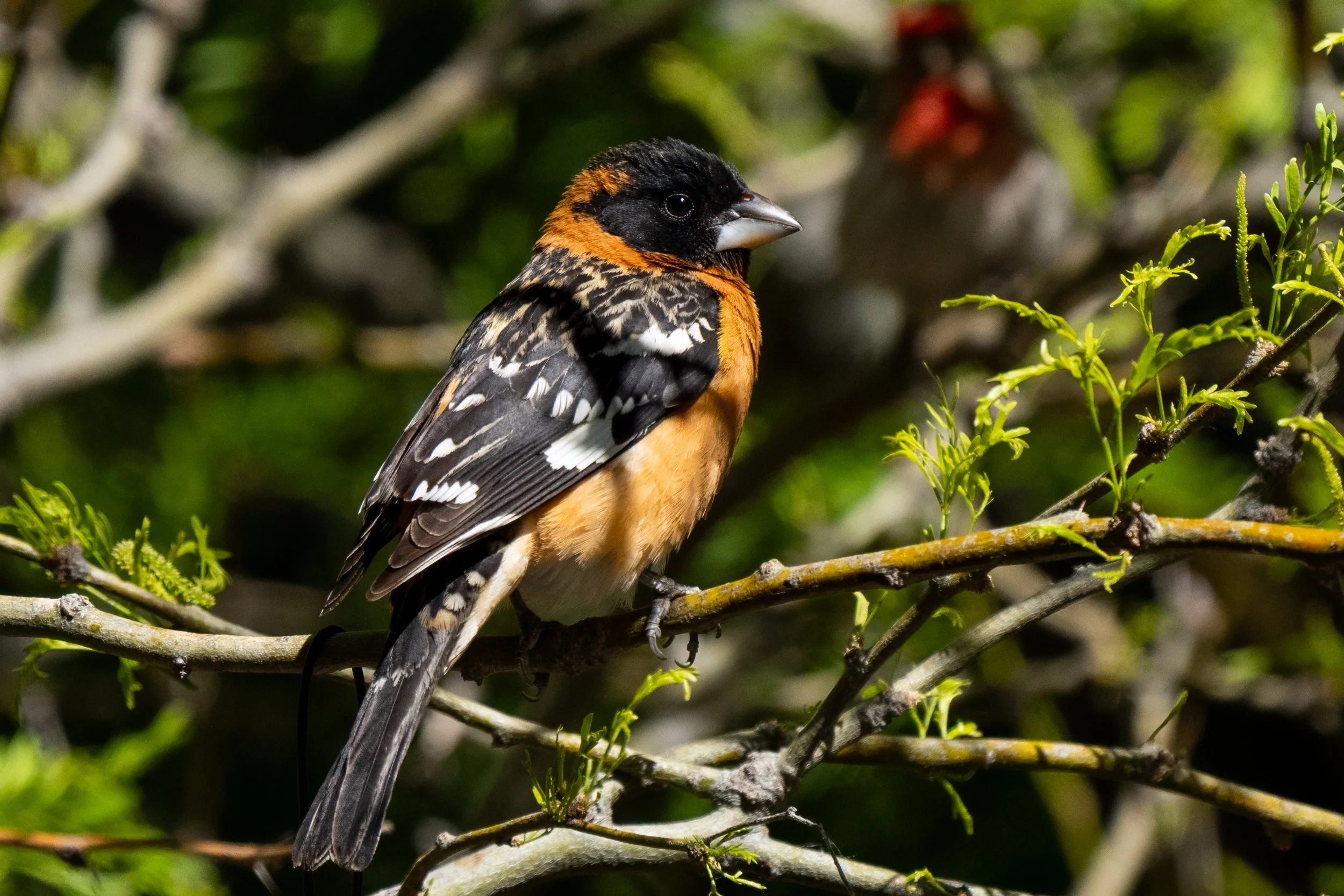
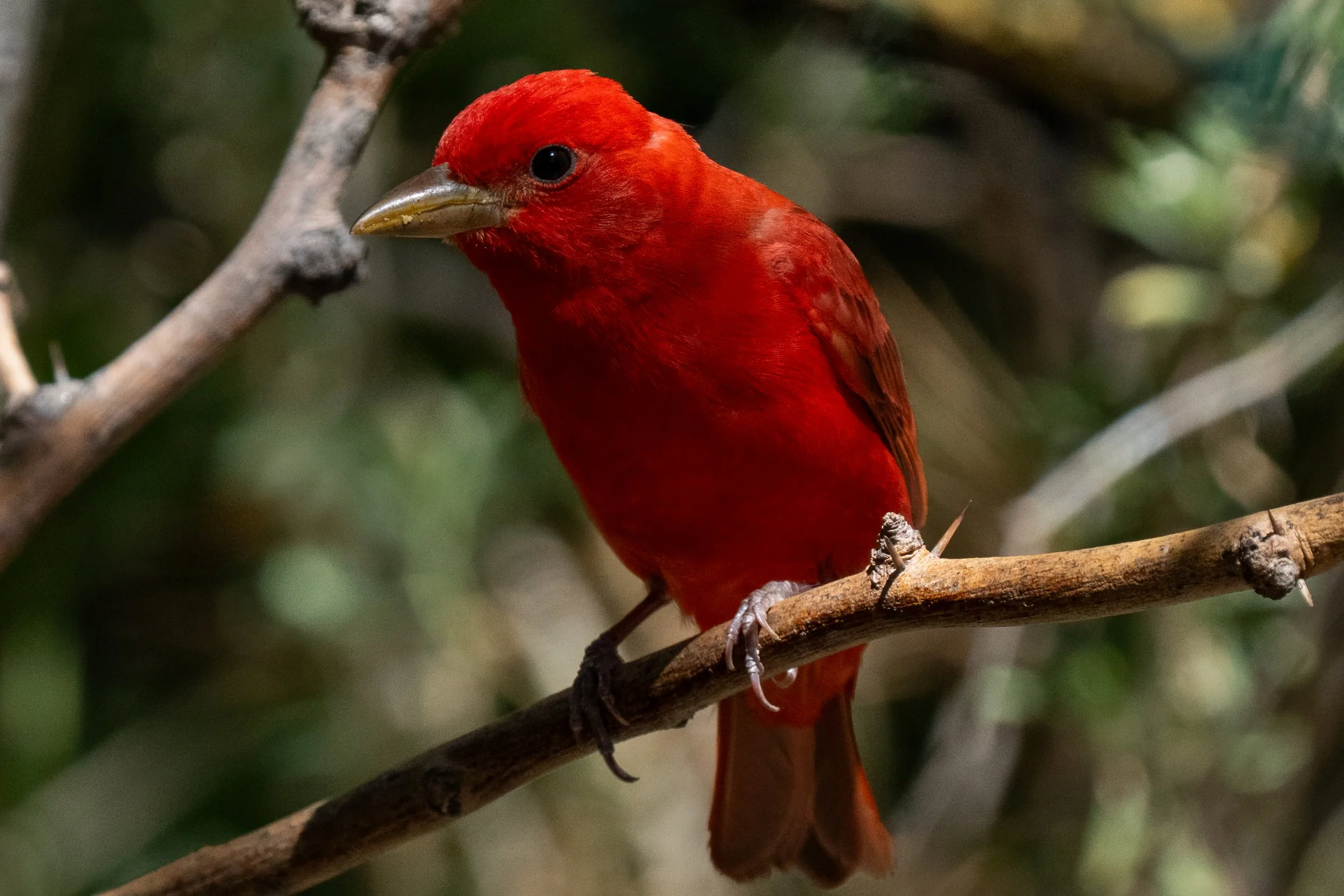
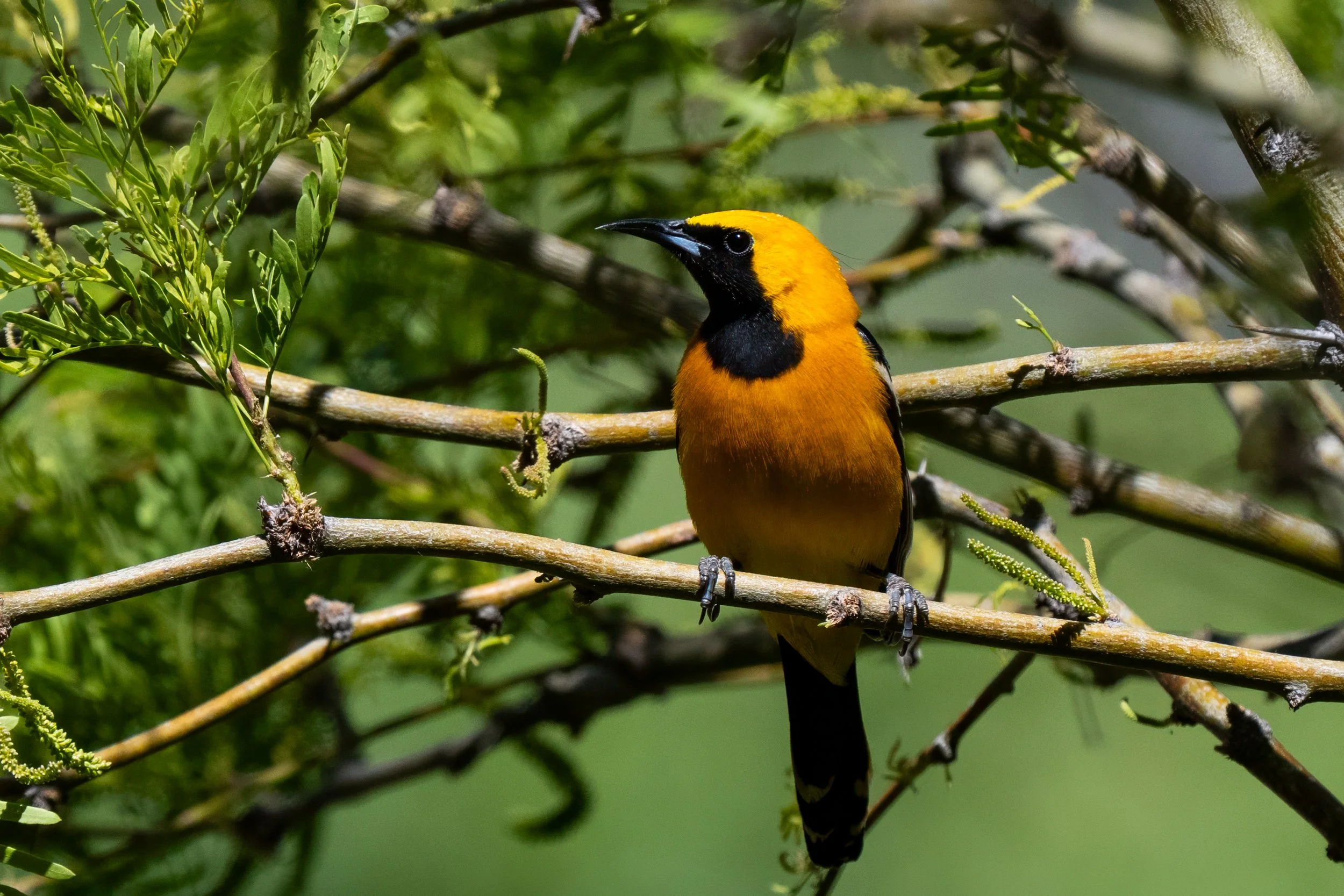
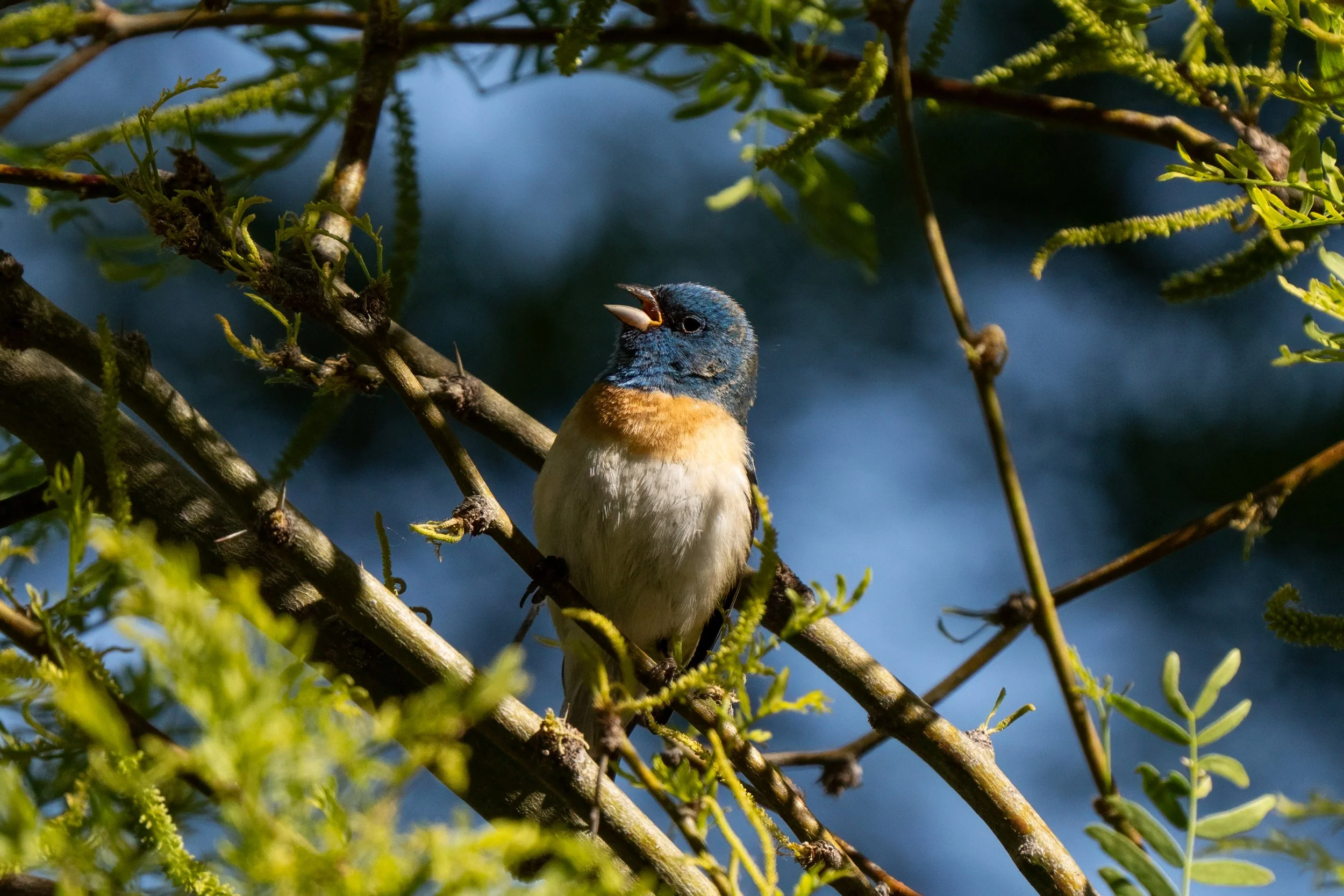
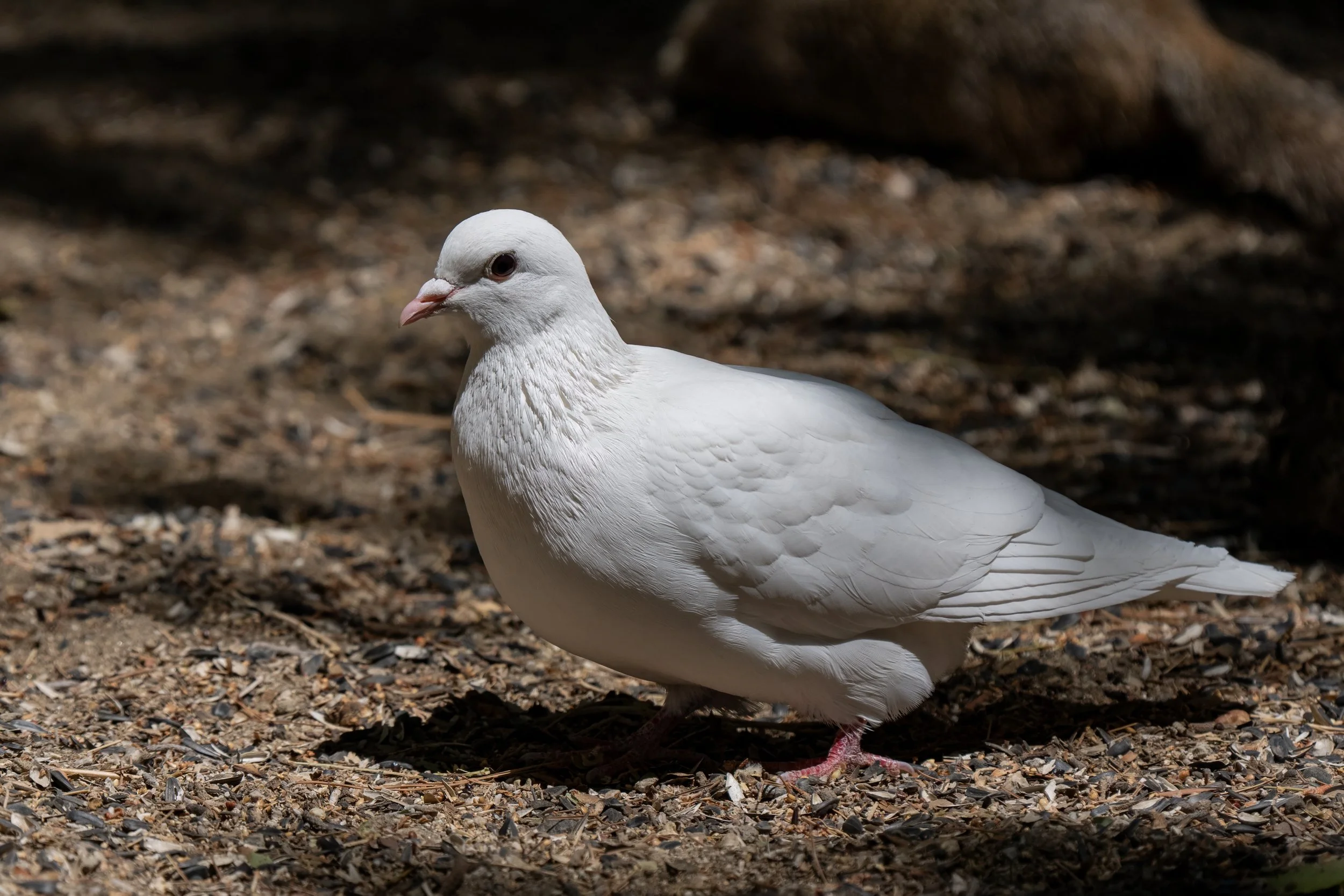
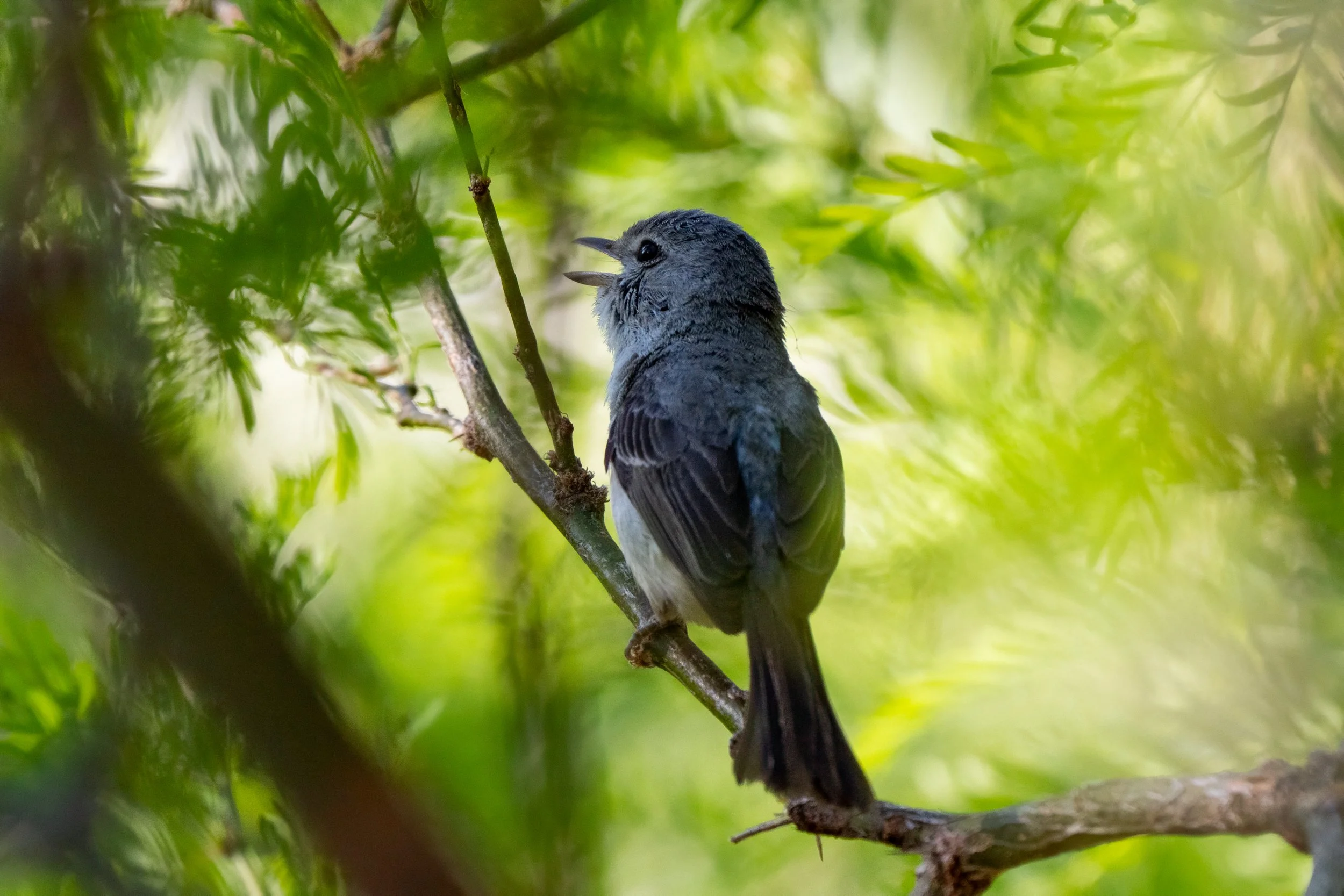
Big Morongo Canyon Preserve was a natural addition to the Joshua Tree visits given its proximity, and the contrast between the open Mojave Desert and the dense cottonwood and willow riparian corridor of the canyon is as dramatic on repeat visits as on the first. The spring visit in April produced the strongest bird activity, with migrants moving through the canyon in good numbers and the breeding species well established and vocal. The preserve's reliable water in an otherwise arid landscape concentrates both resident and migratory species in a way that makes even a short visit consistently productive.
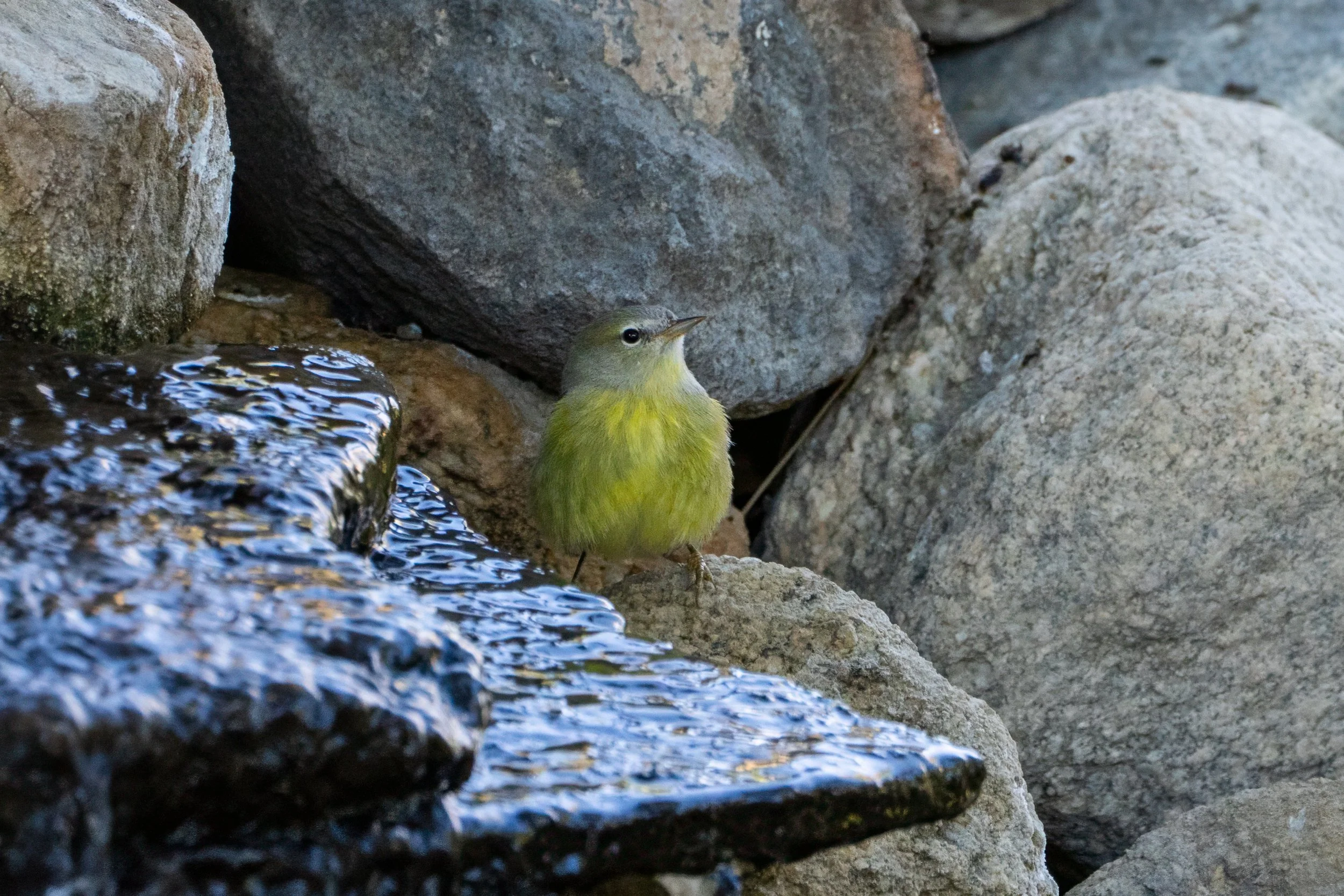
April Birds of Big Morongo:
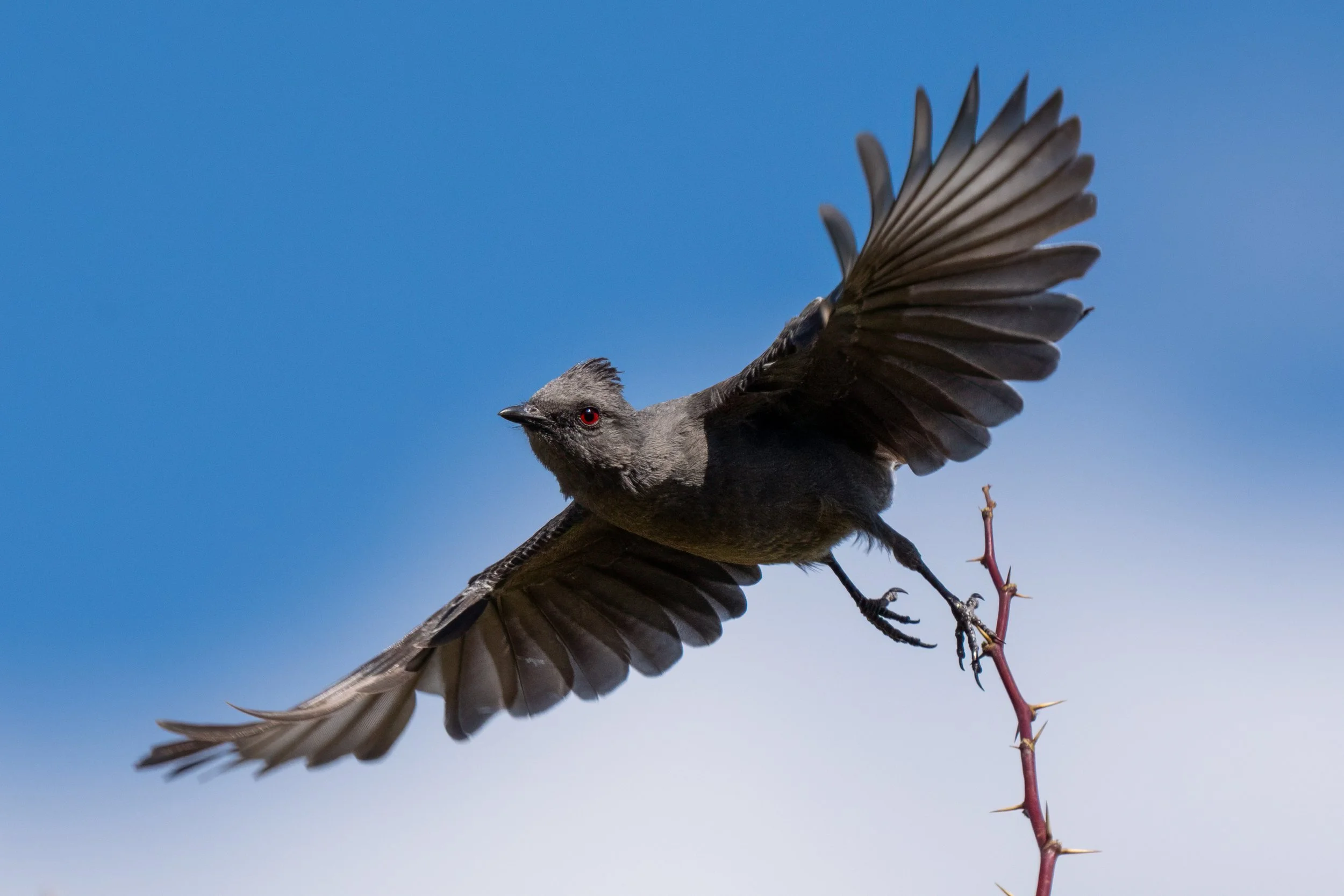
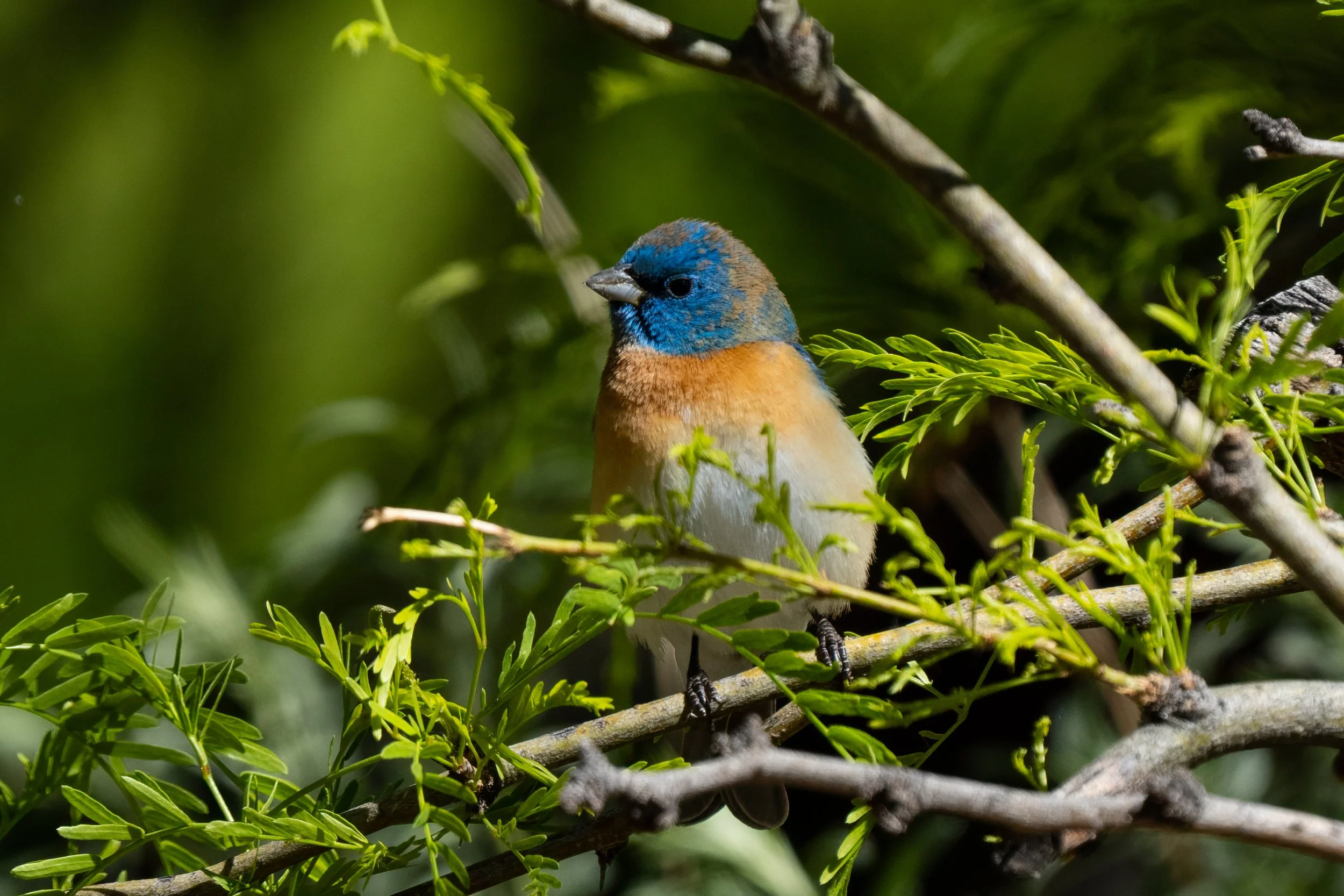
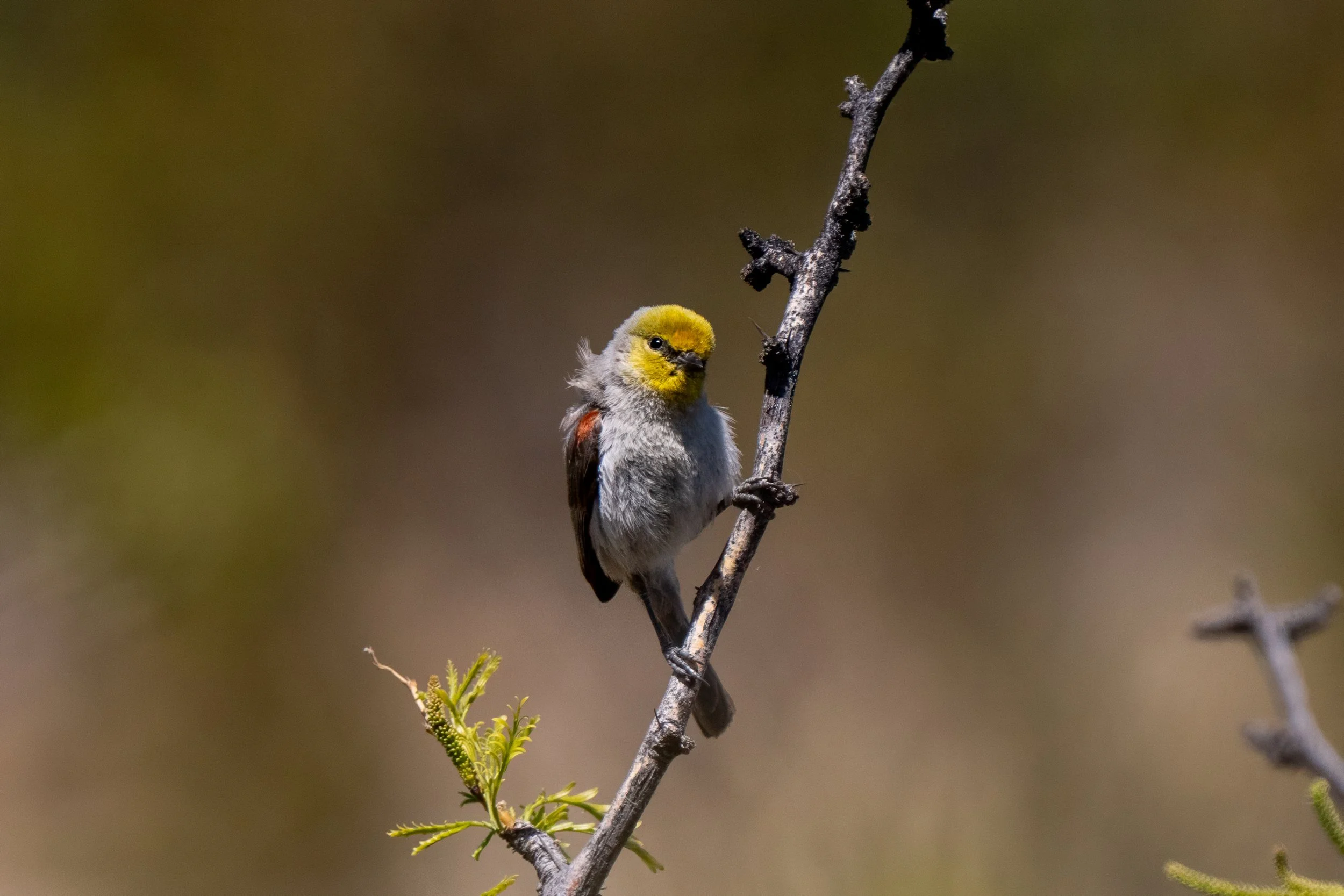
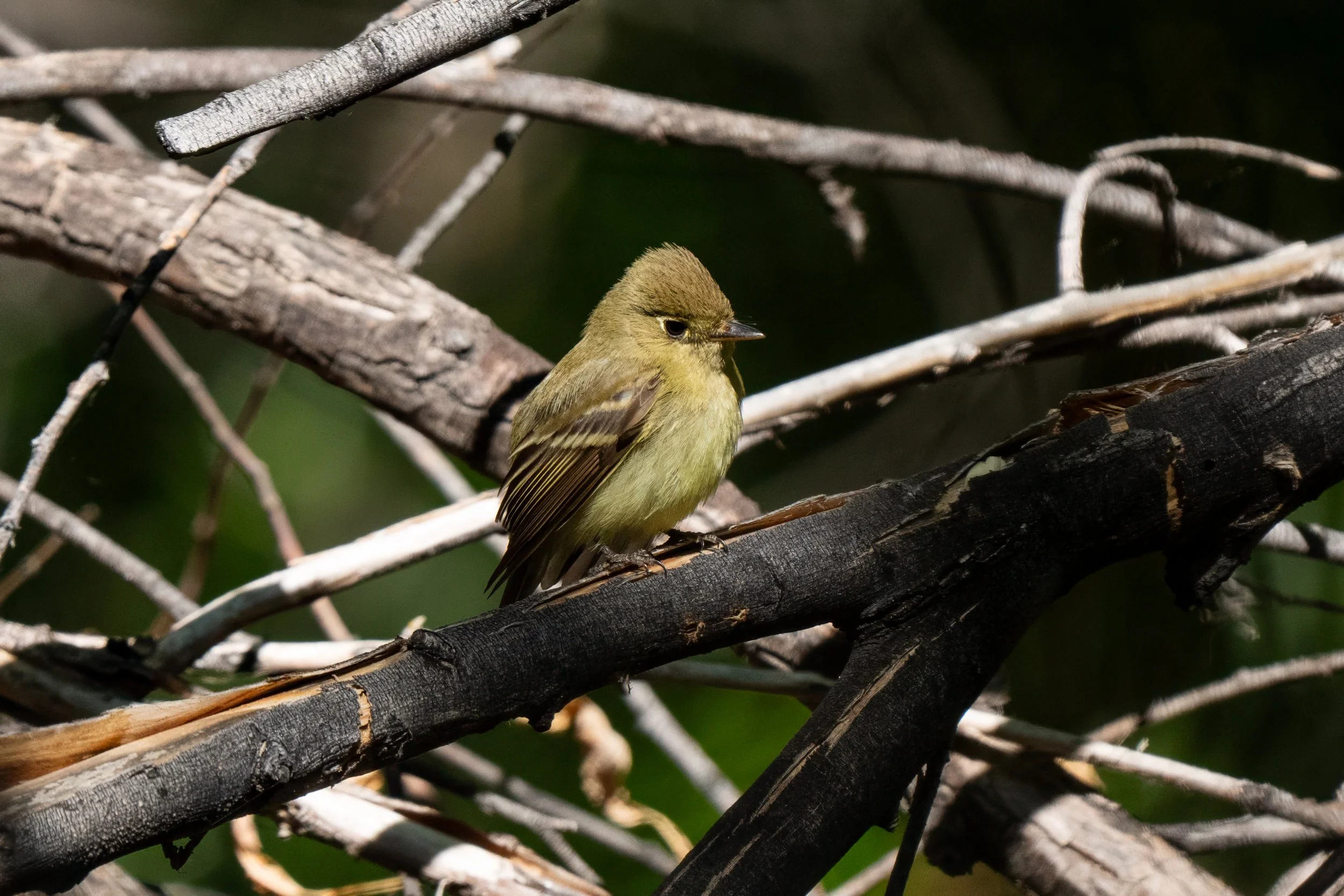
June Birds of Big Morongo:
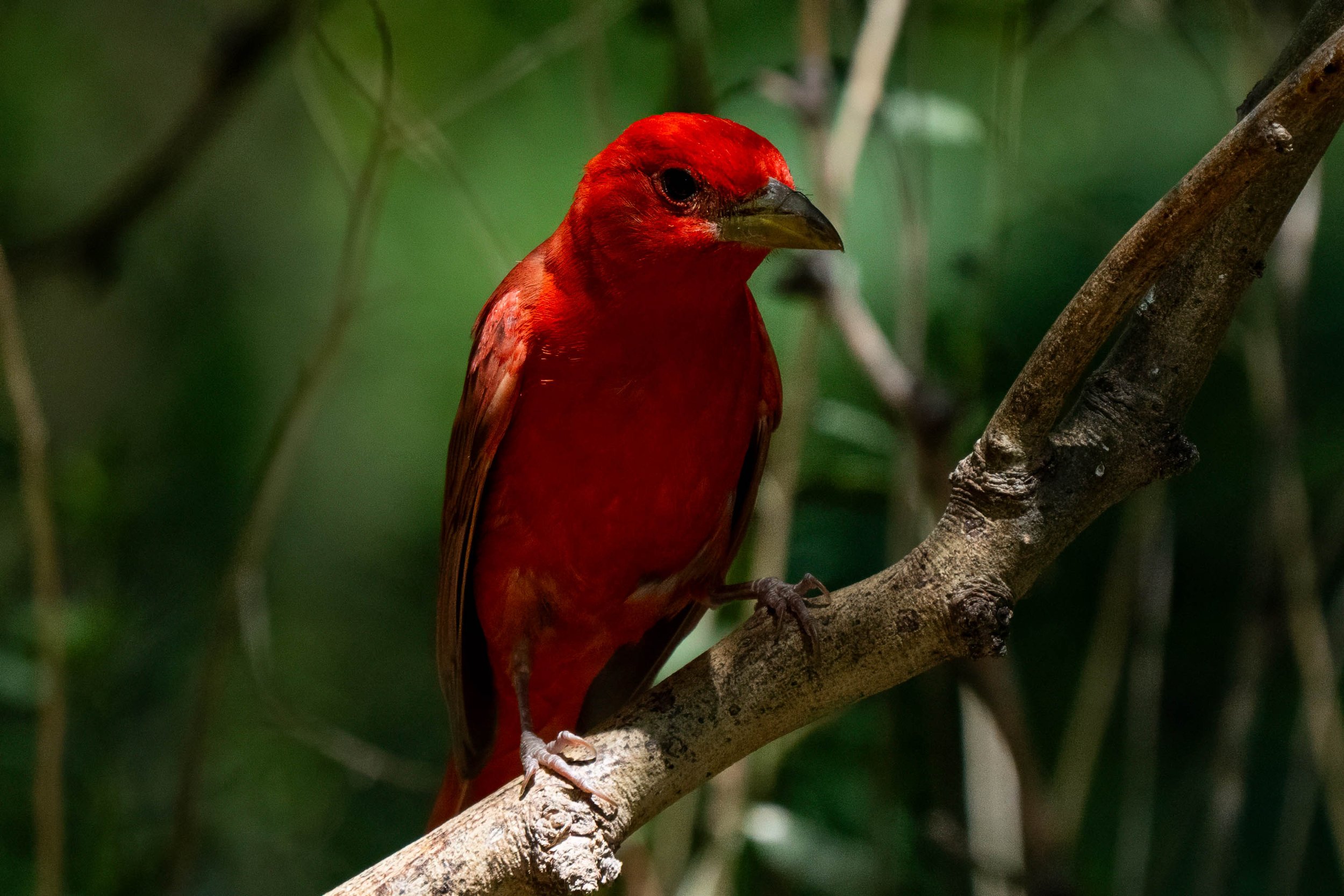
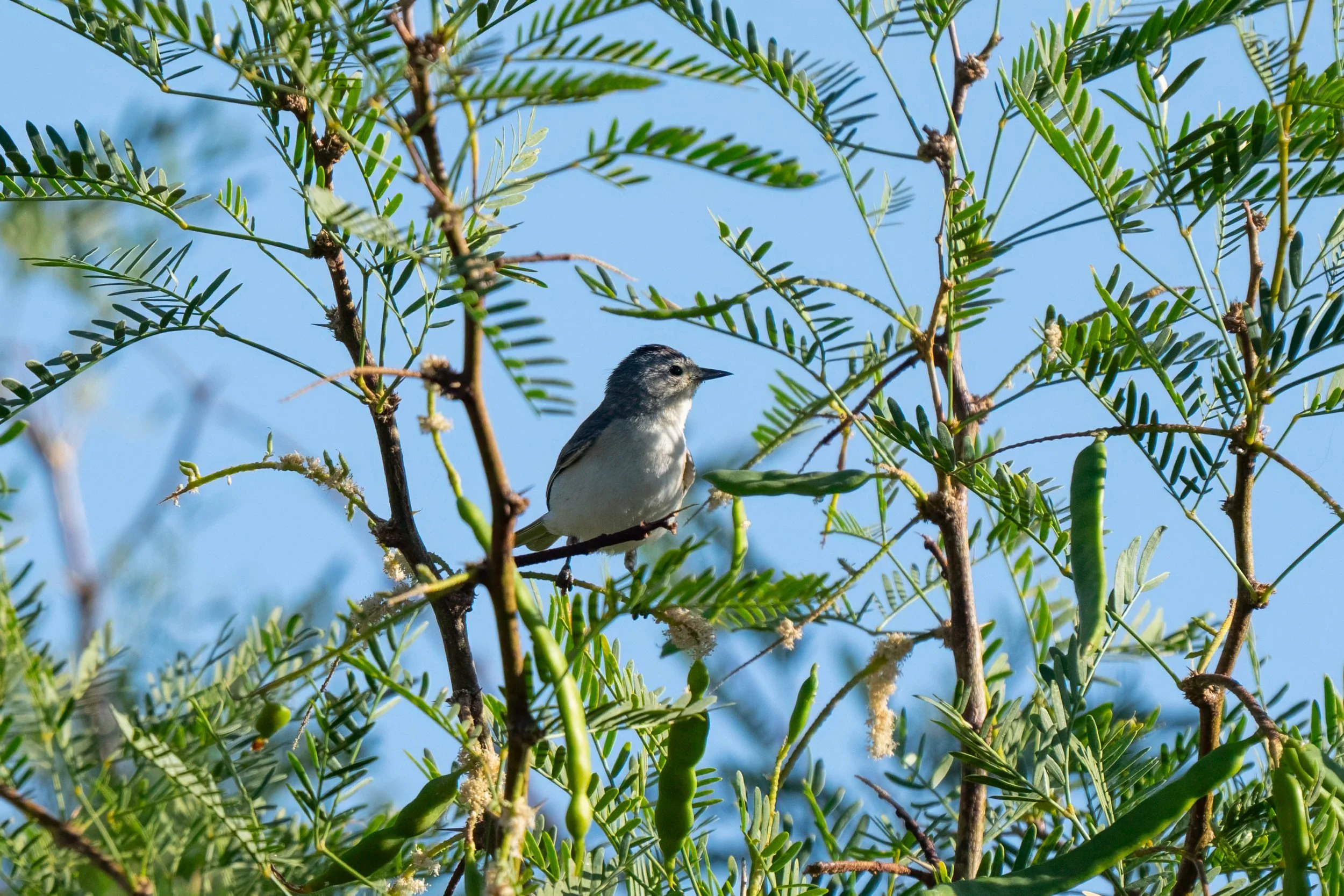
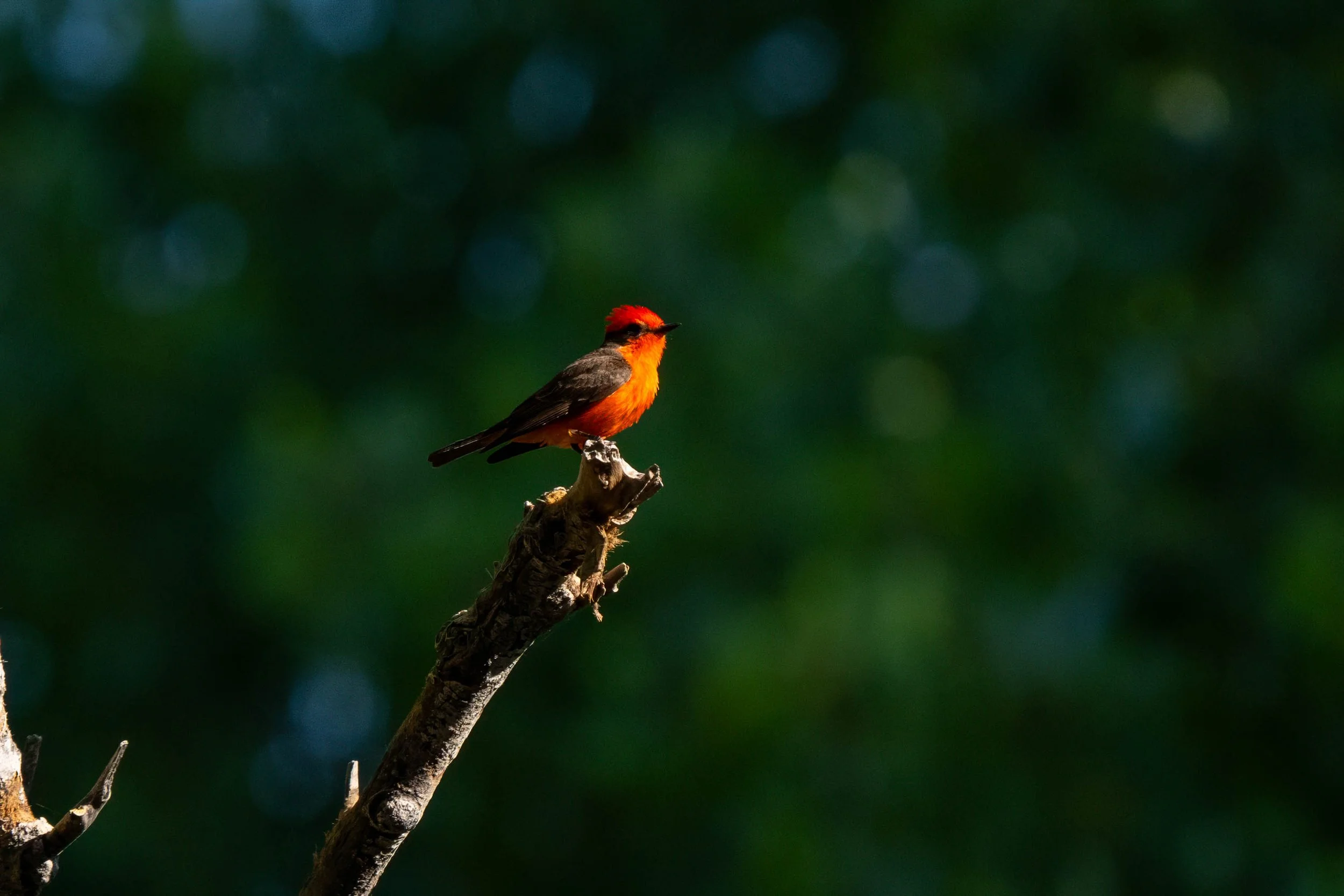
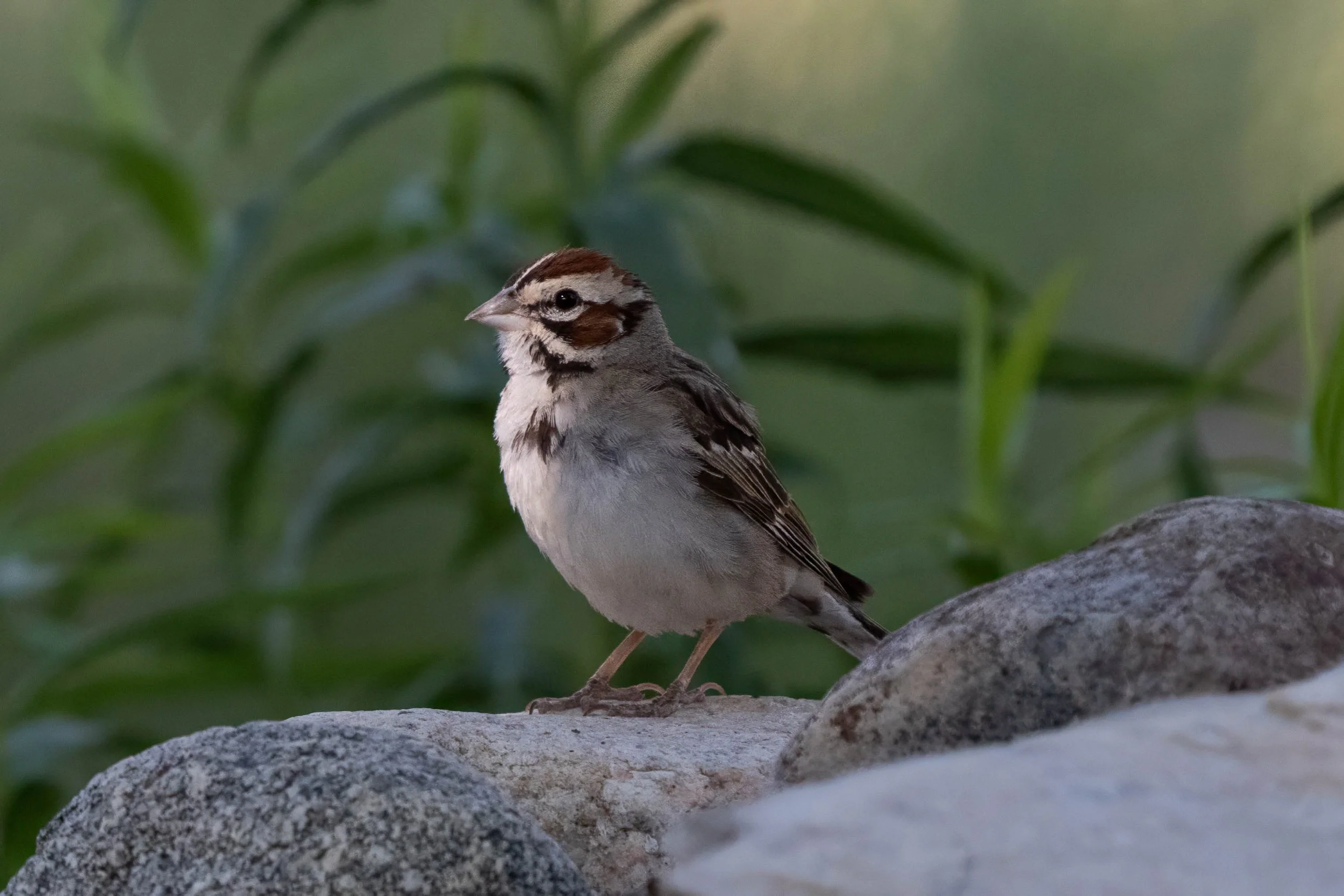
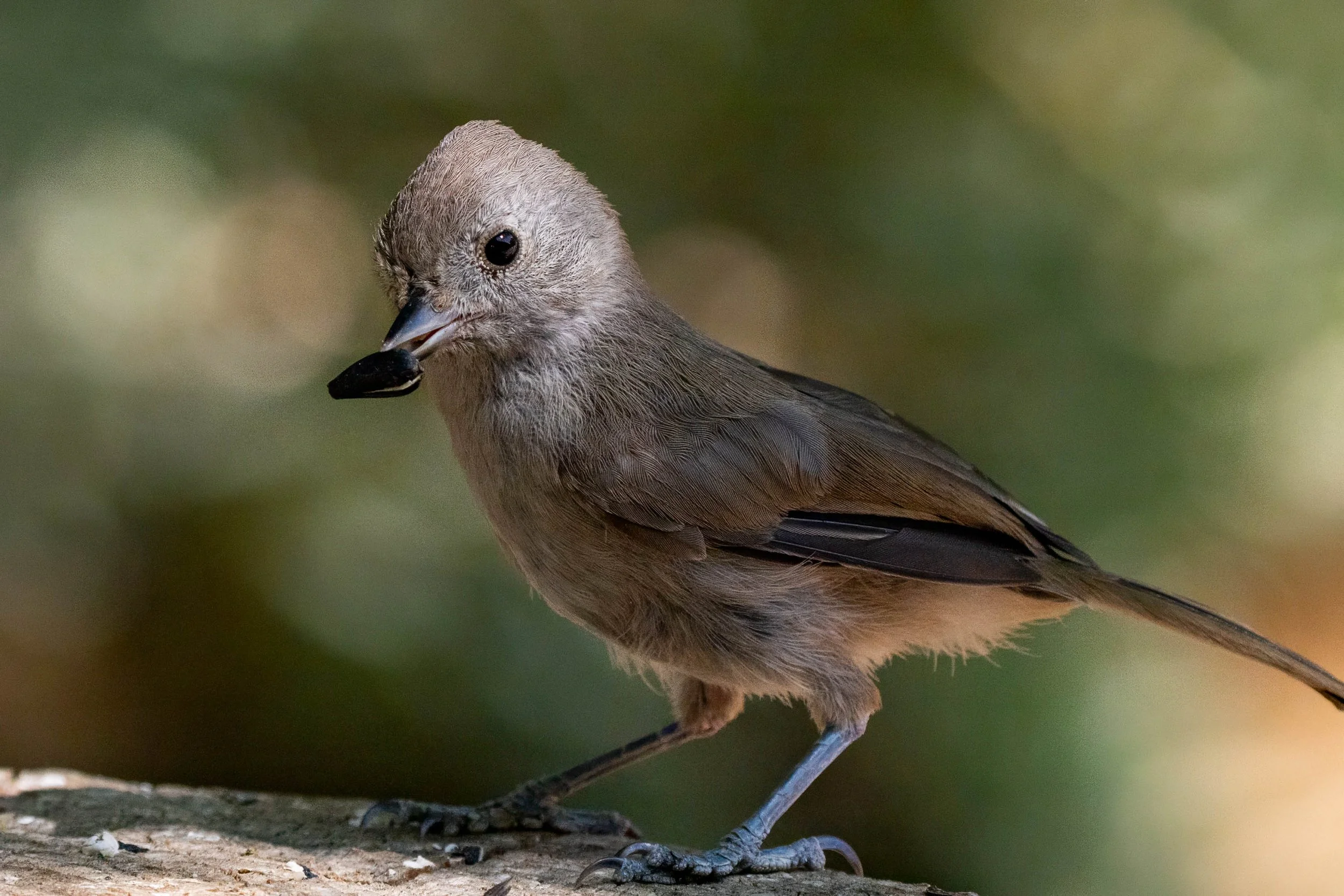
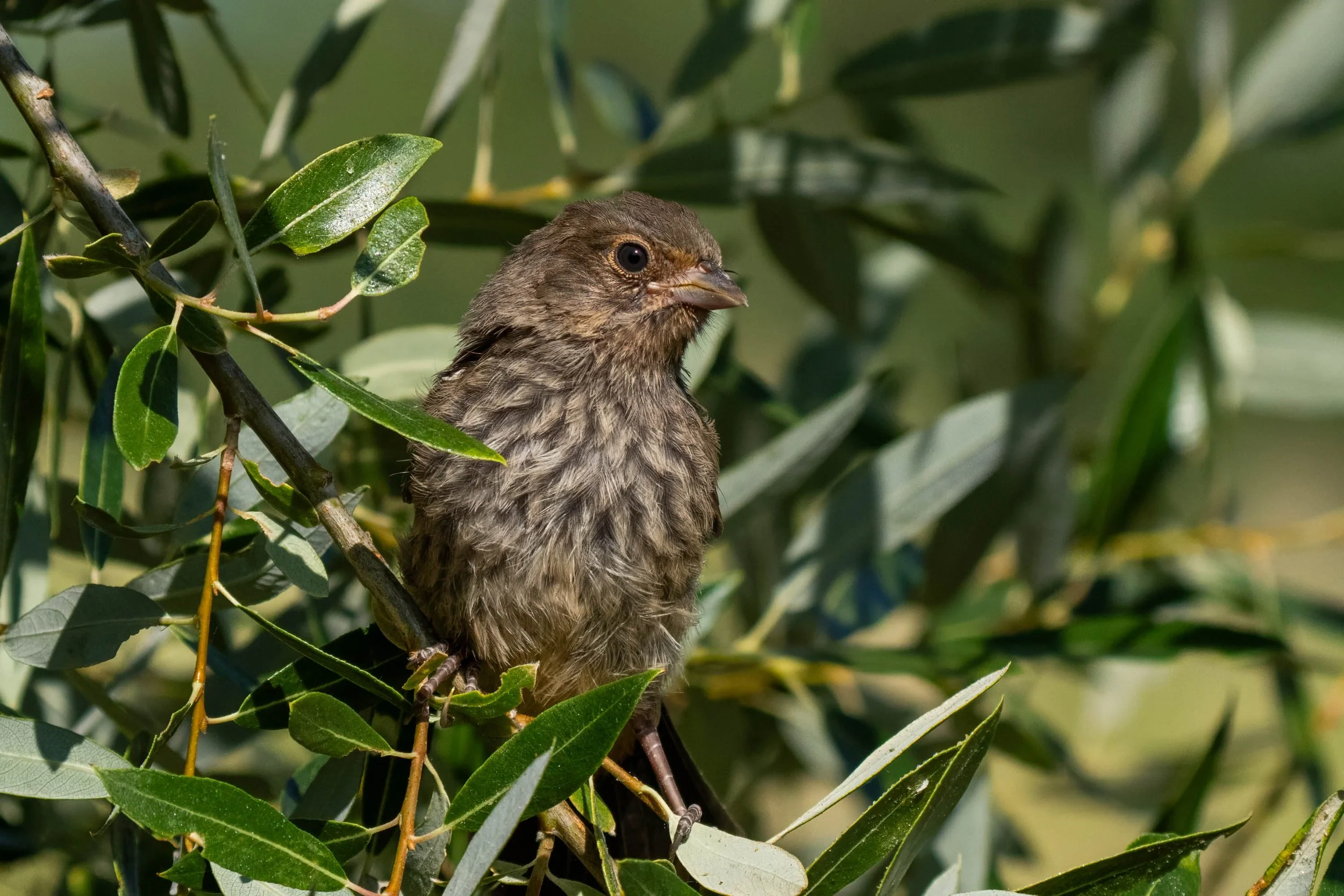
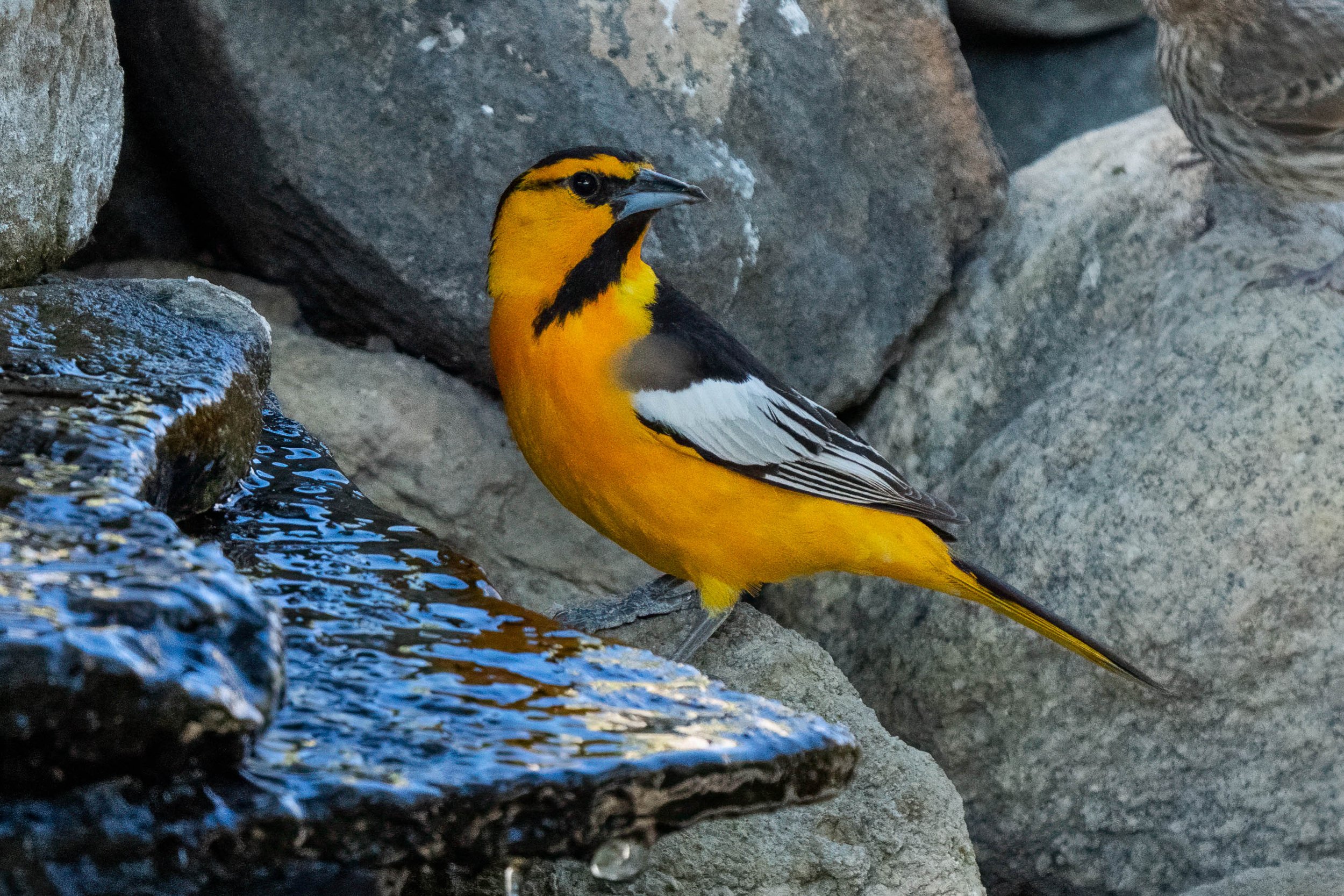
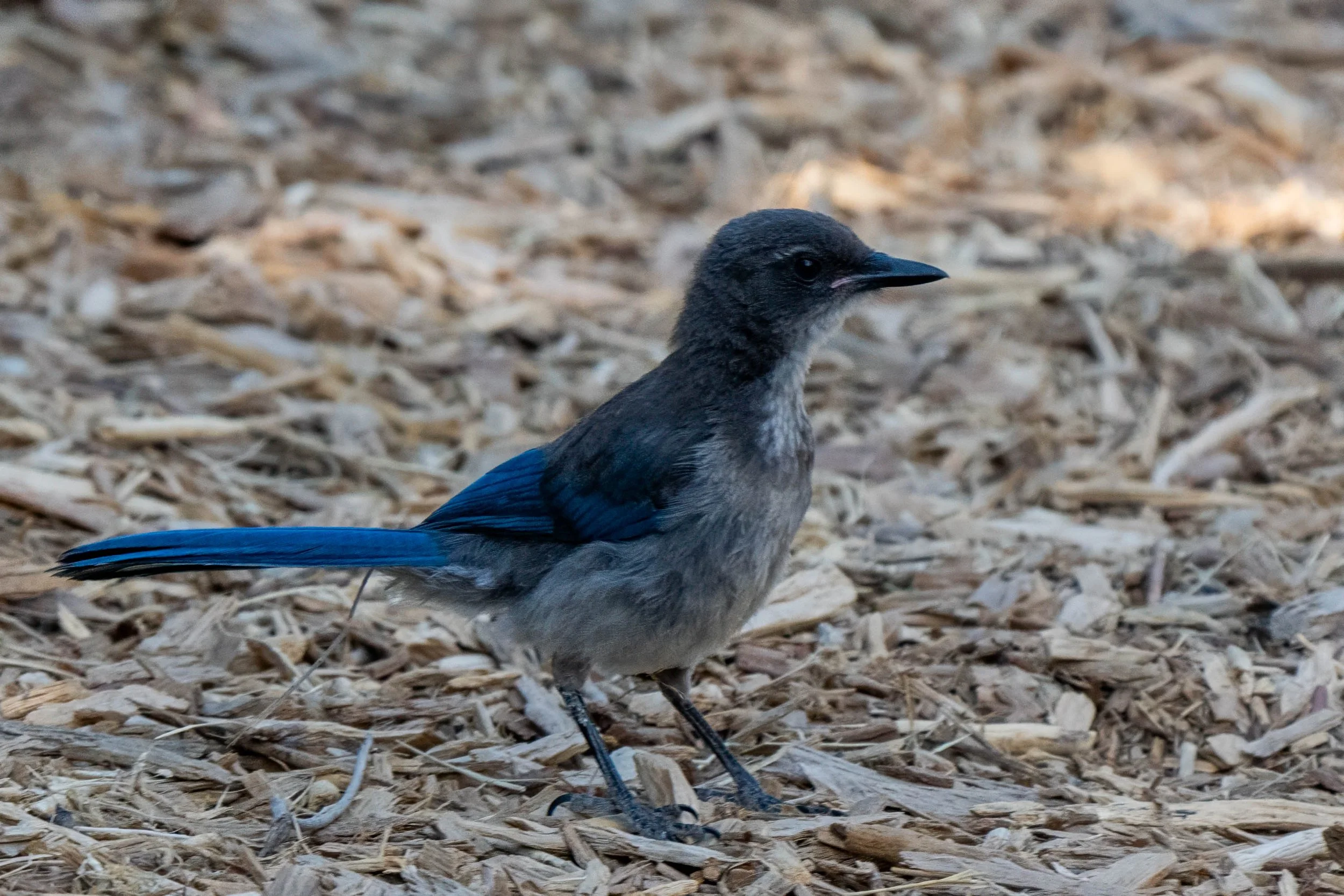
October Birds of Big Morongo:
Wildlife, Reptiles, & Butterflies
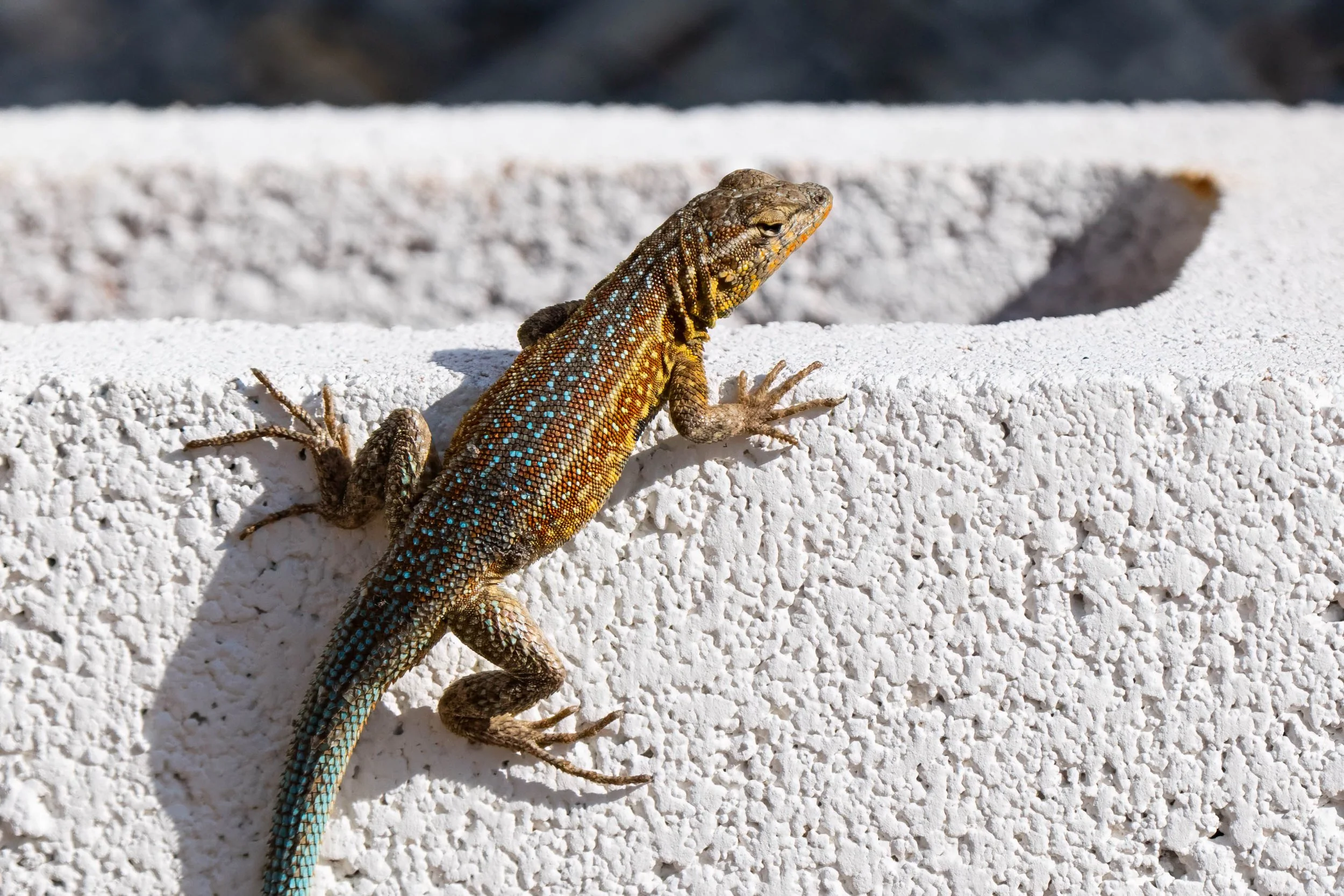
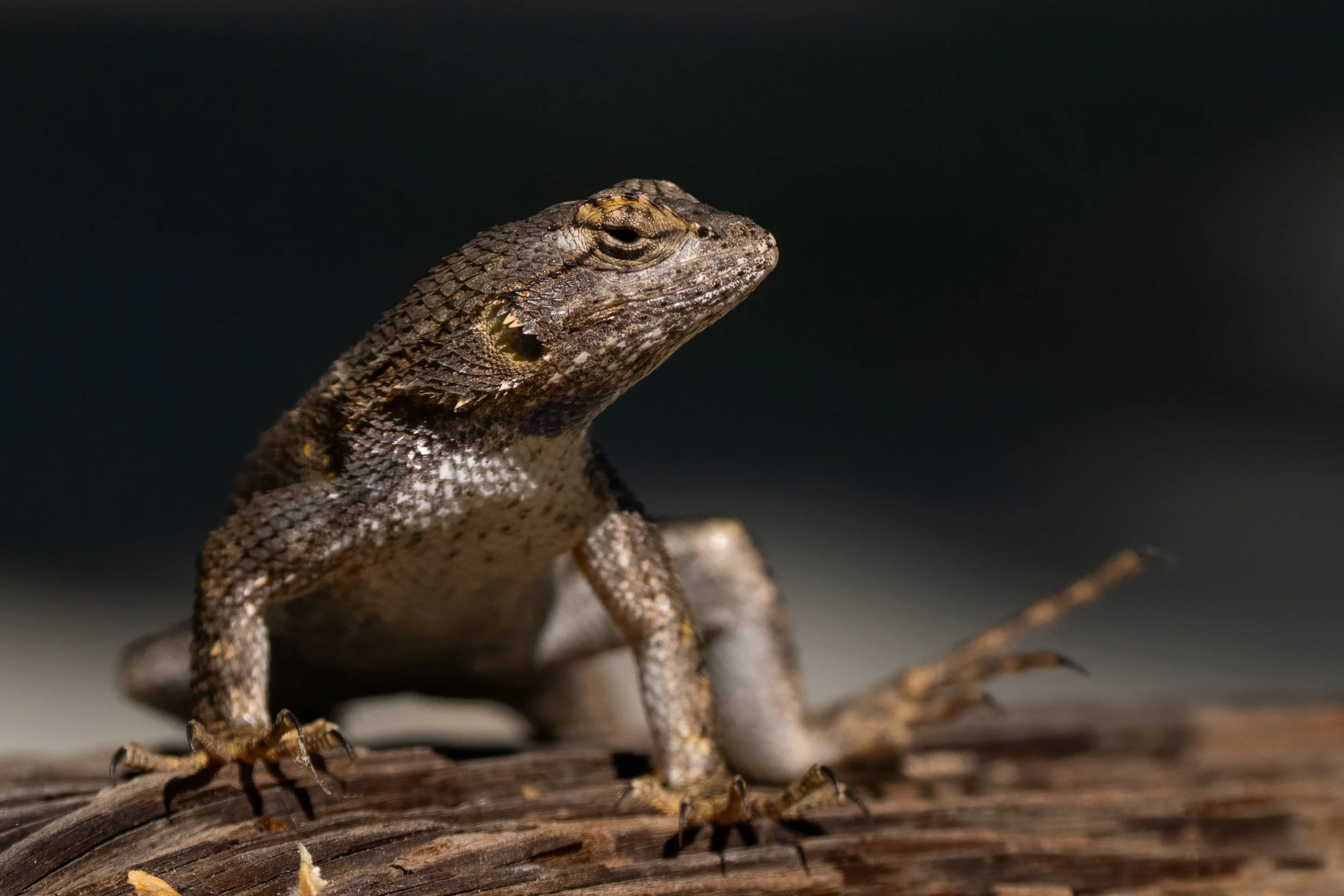
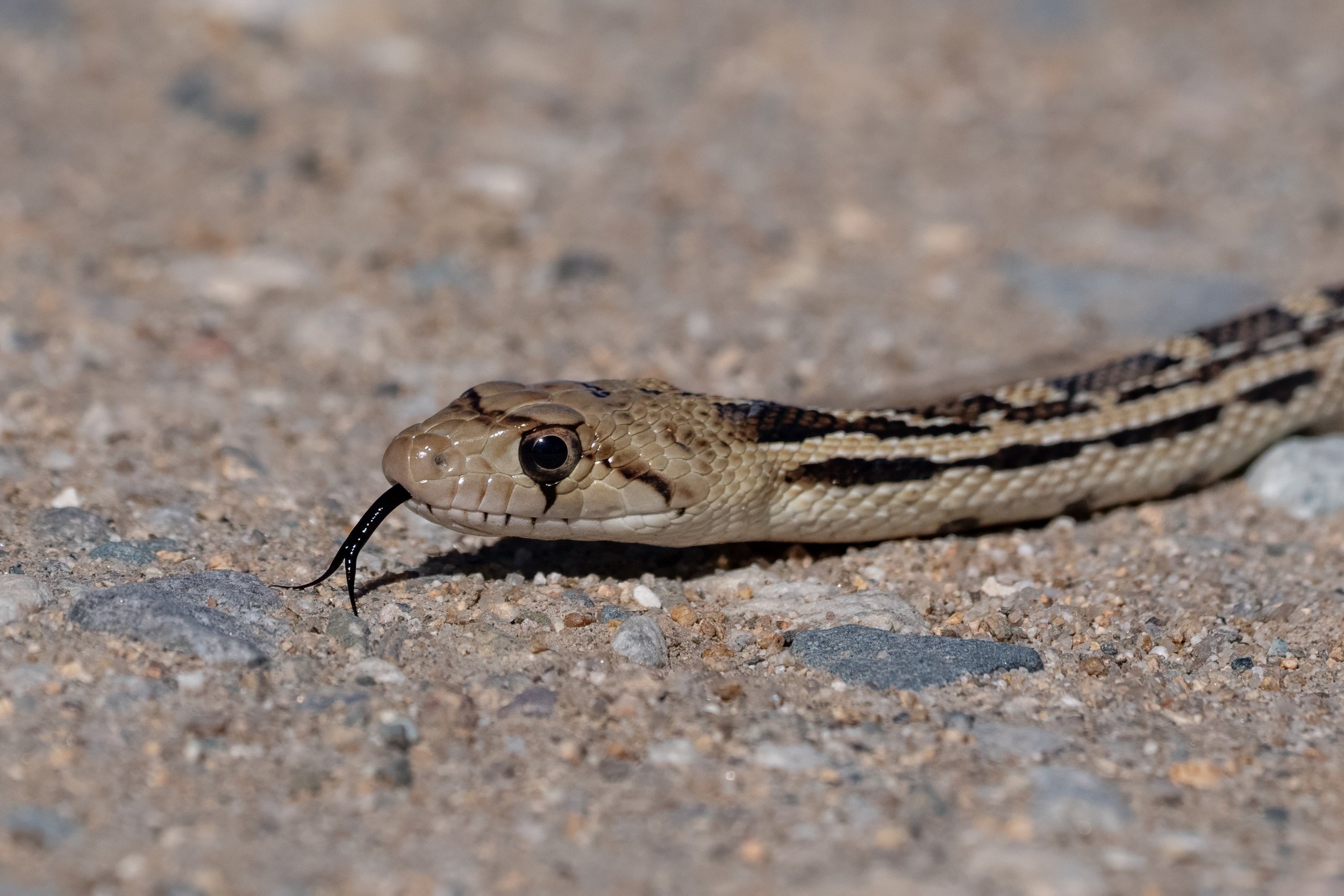
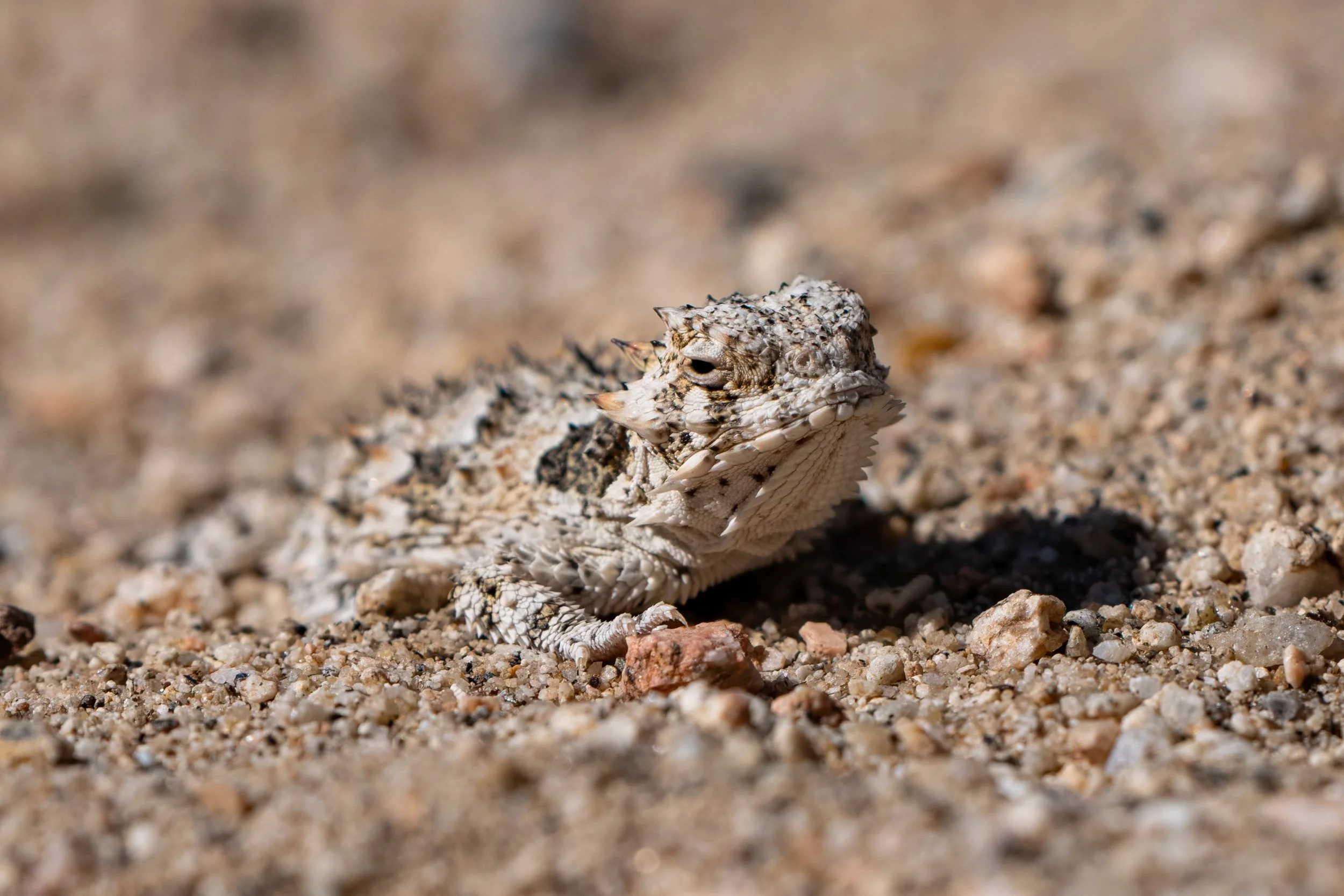
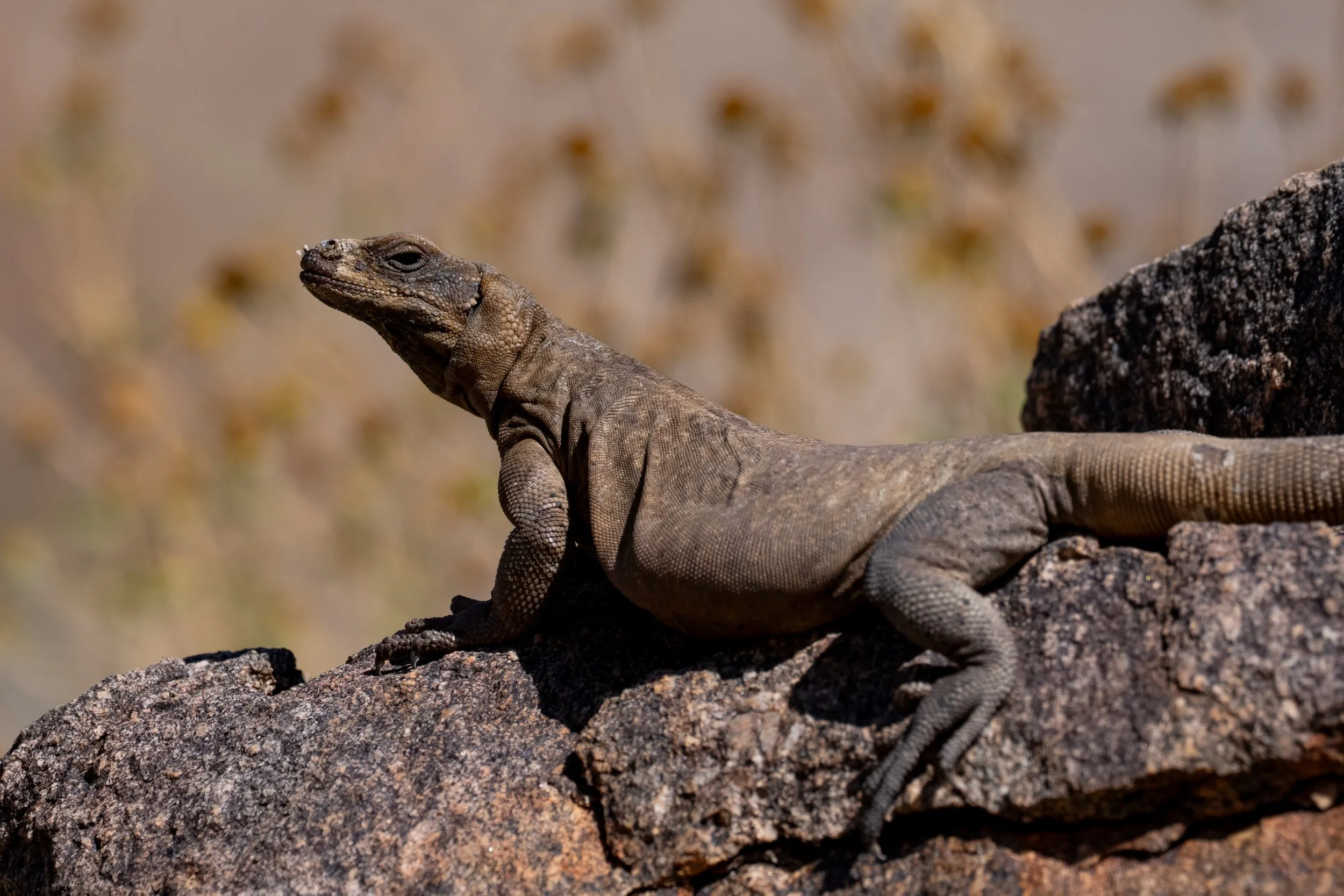
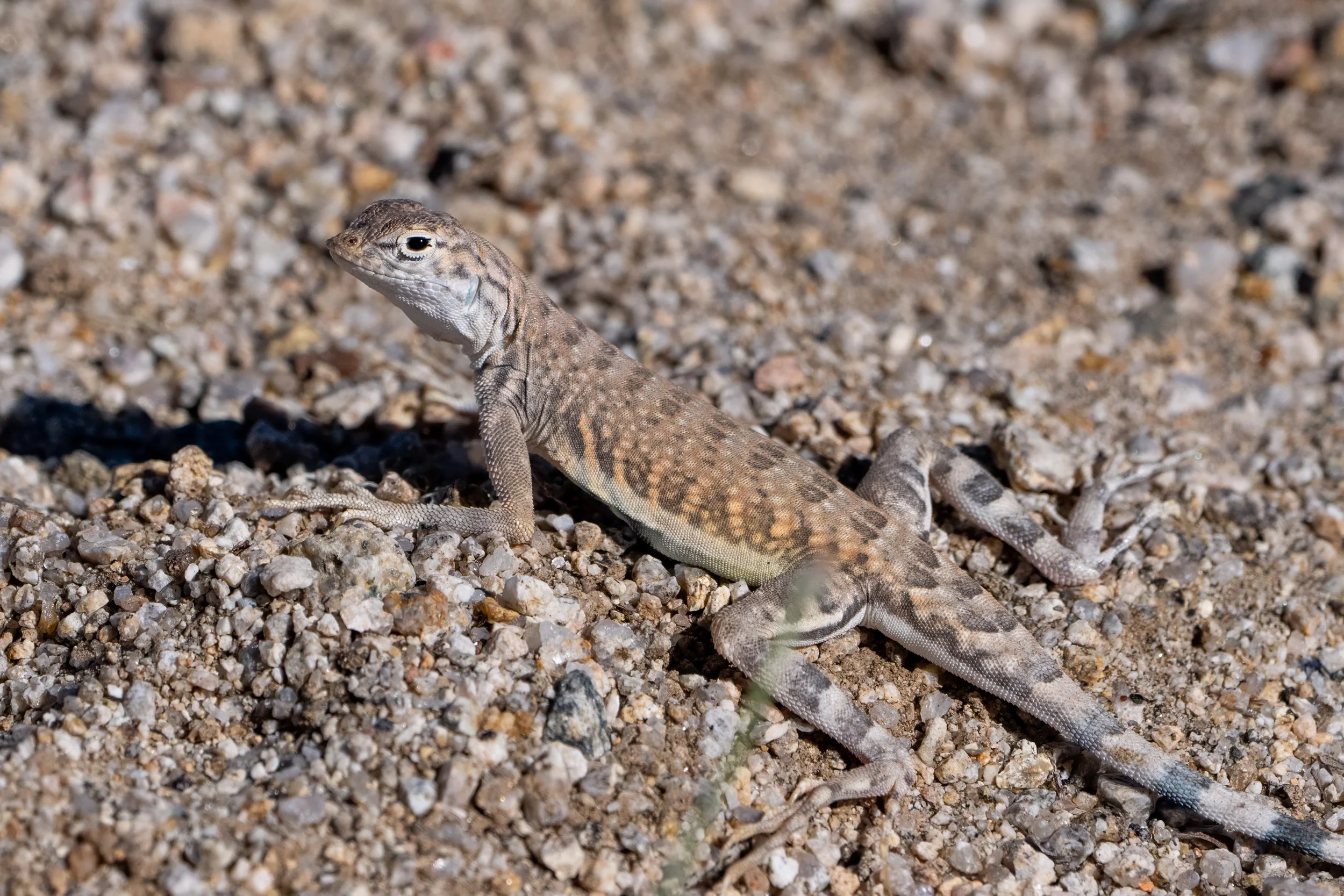
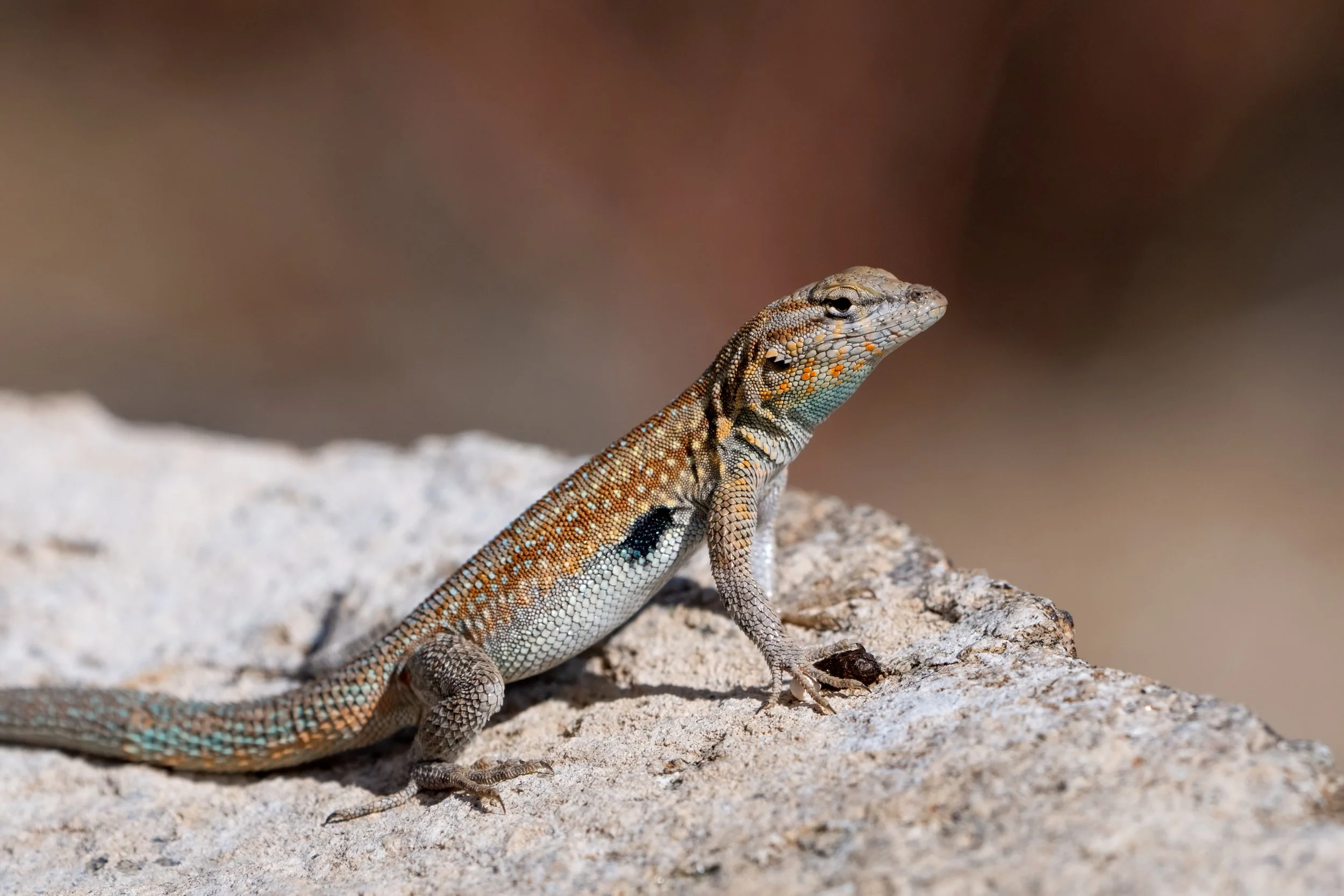
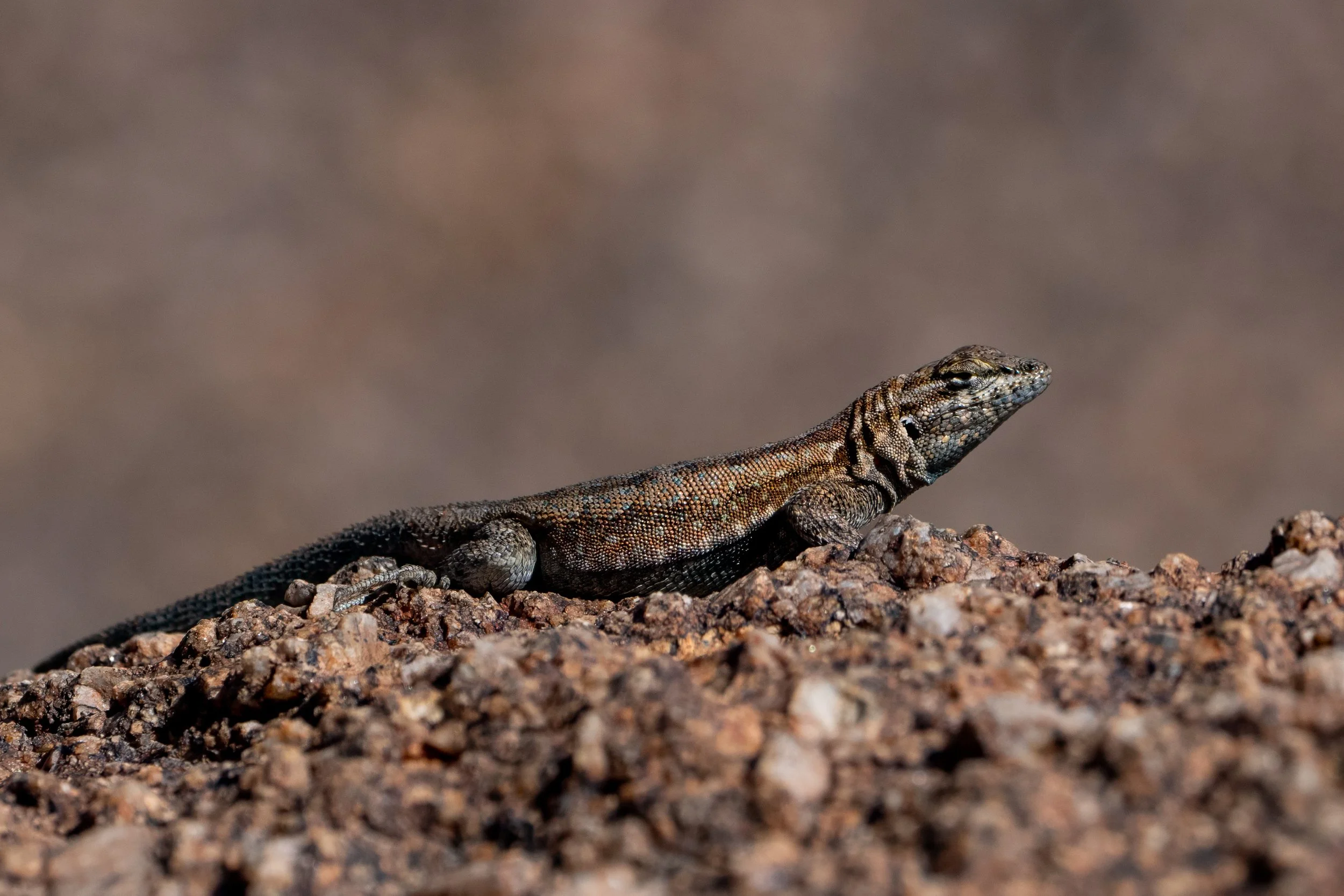
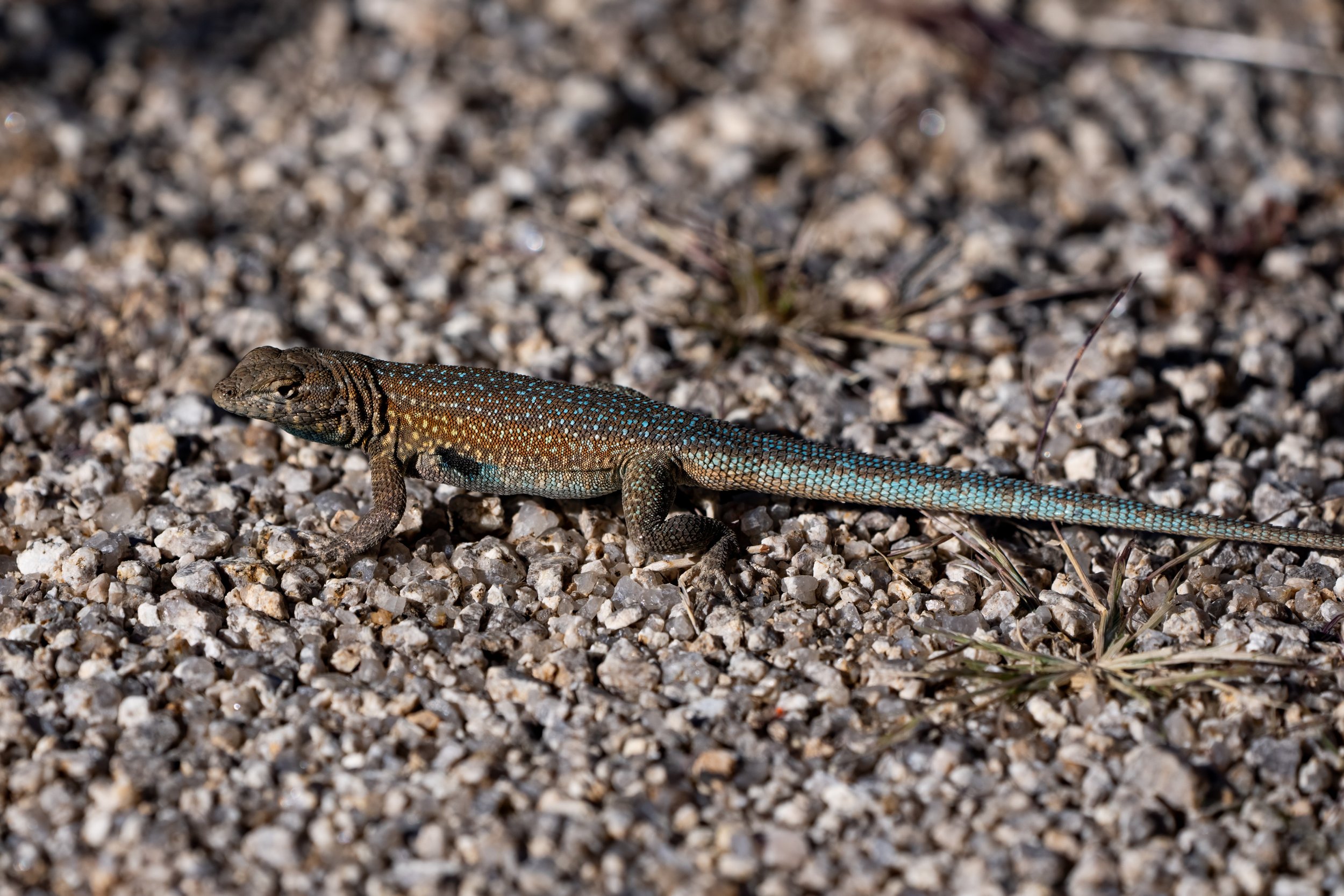
The June visit produced the best reptile encounters of the three trips, the warmth bringing desert species out in numbers that the cooler April and October visits didn't quite match. A Desert Horned Lizard on a sandy trail edge was a genuine highlight, that extraordinary flattened body and crown of horns making it one of the more prehistoric-looking animals in the California desert. A Chuckwalla, the large, barrel-bodied lizard of the boulder piles, wedged itself into a rock crack as we approached and inflated its body to lock itself in place with an efficiency that made extraction look impossible. Desert Spiny Lizards were active on the rocks and fence posts throughout all three visits, and a Gopher Snake moving through the scrub near the Airbnb on the June visit was an unhurried and welcome encounter.
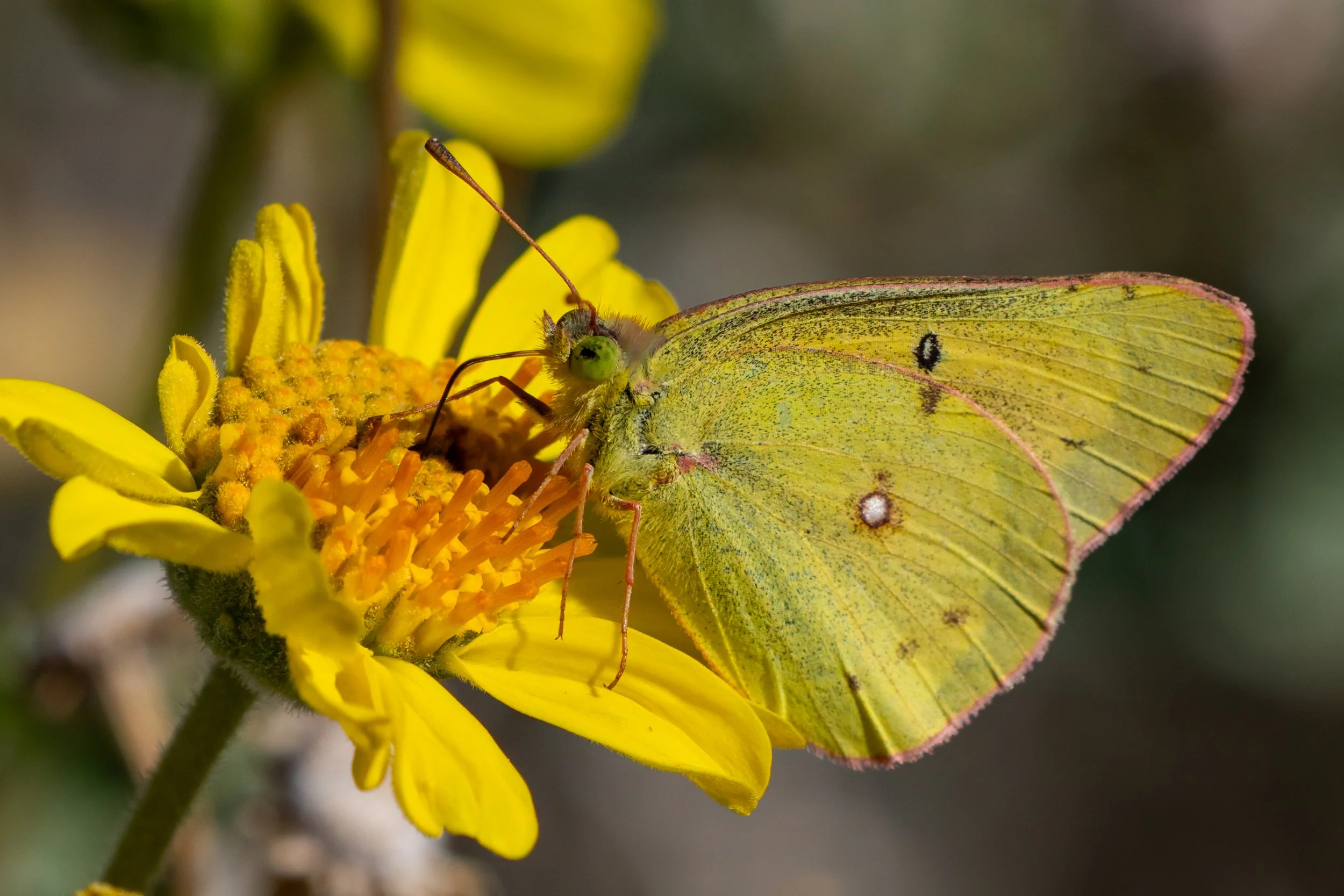
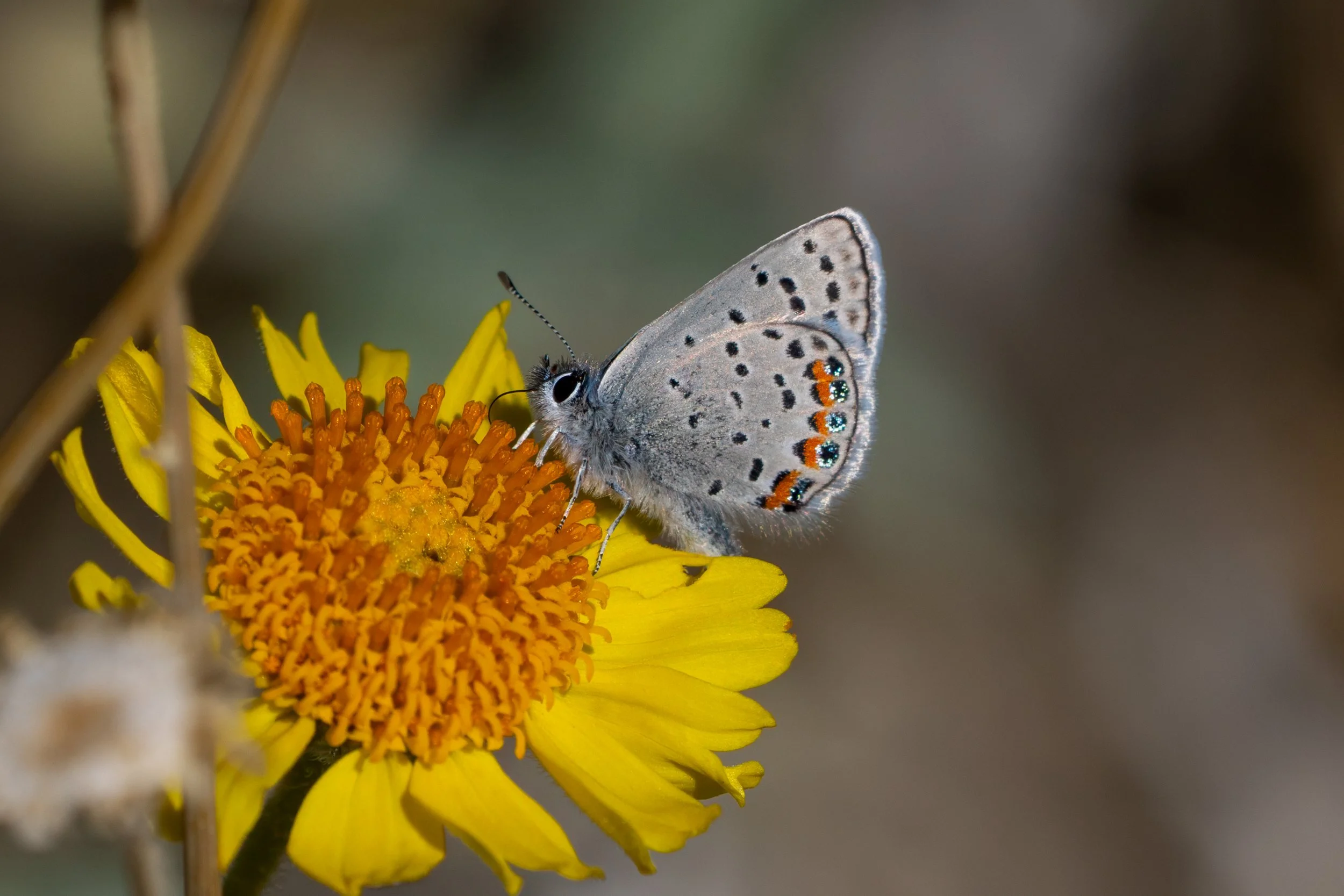
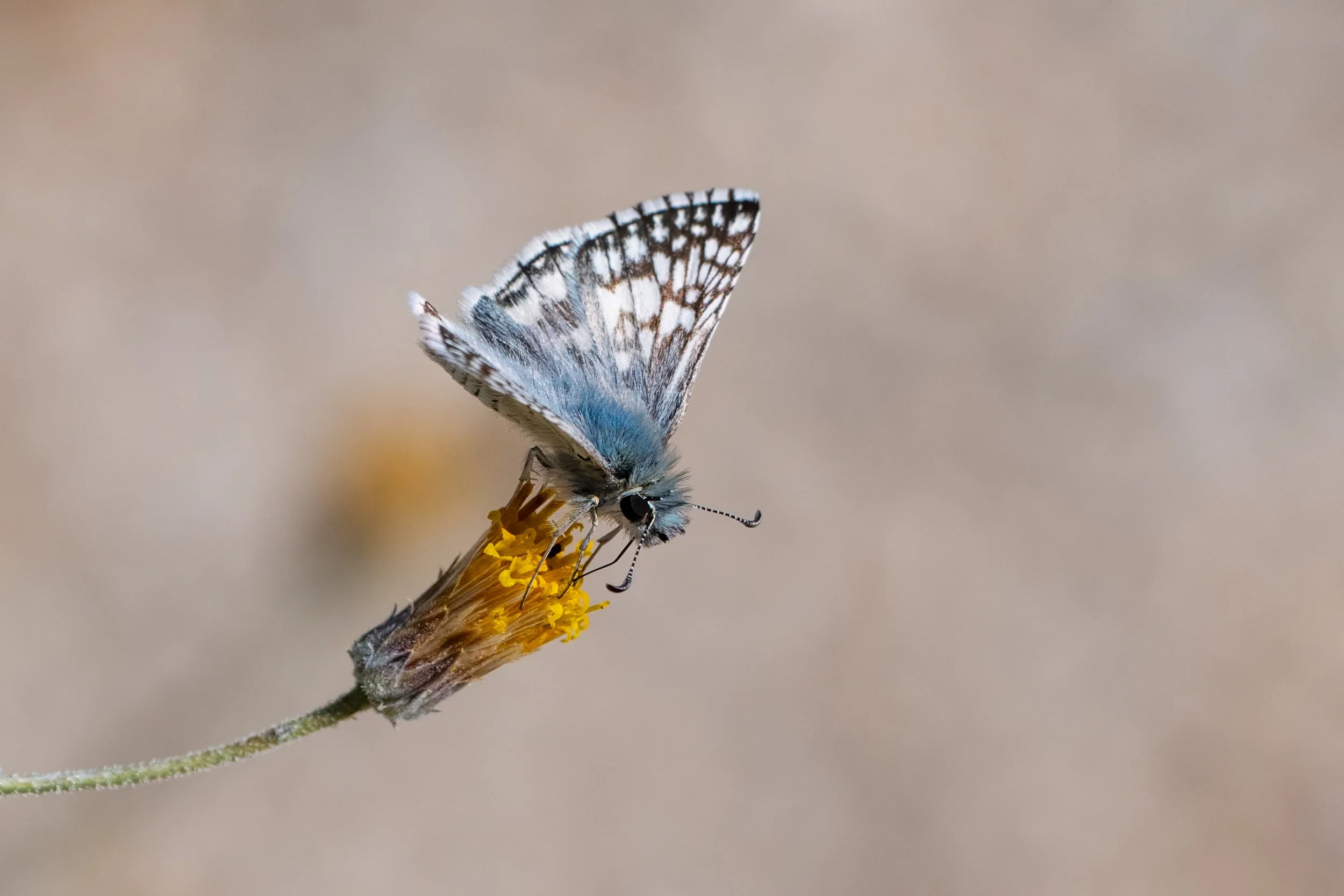
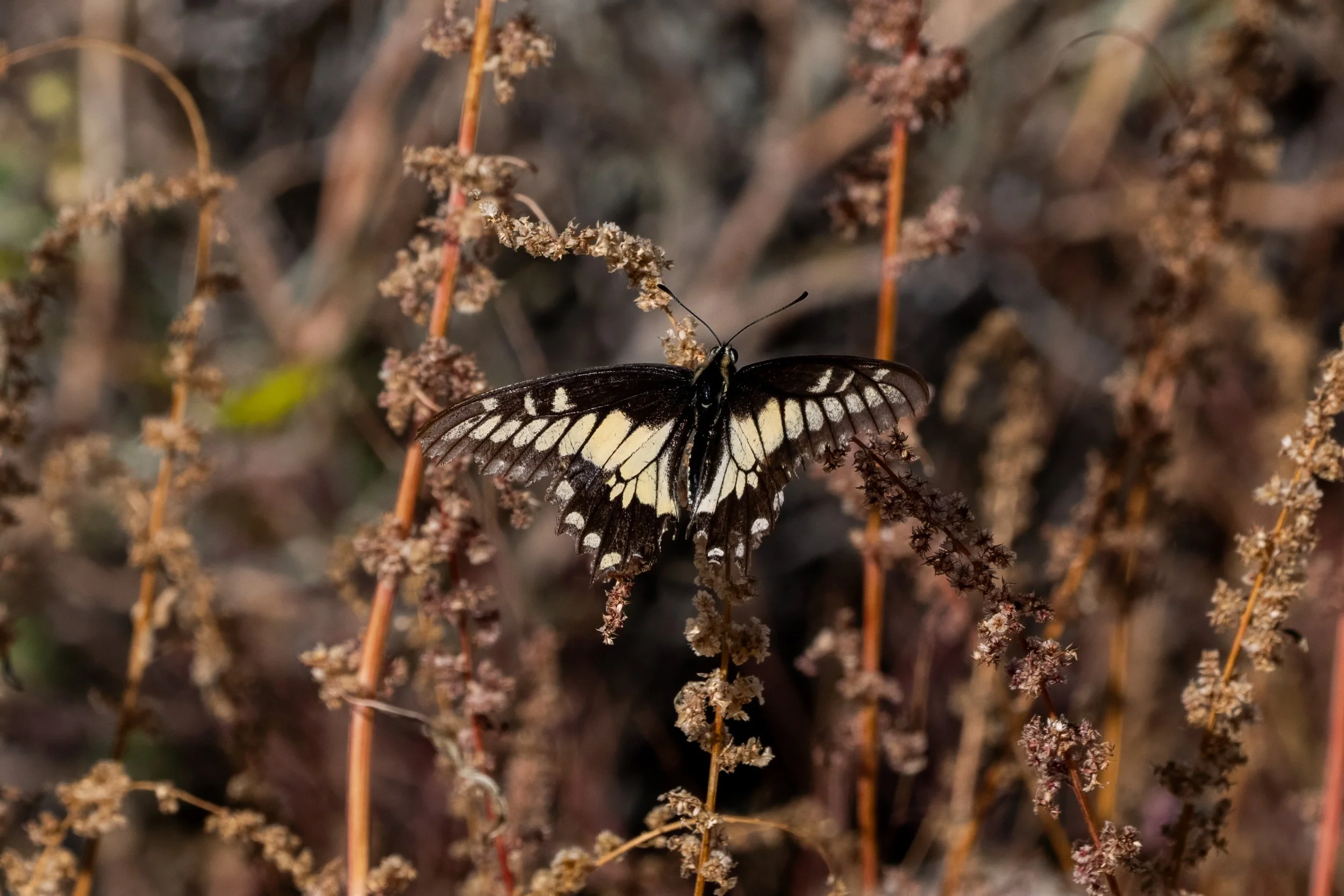
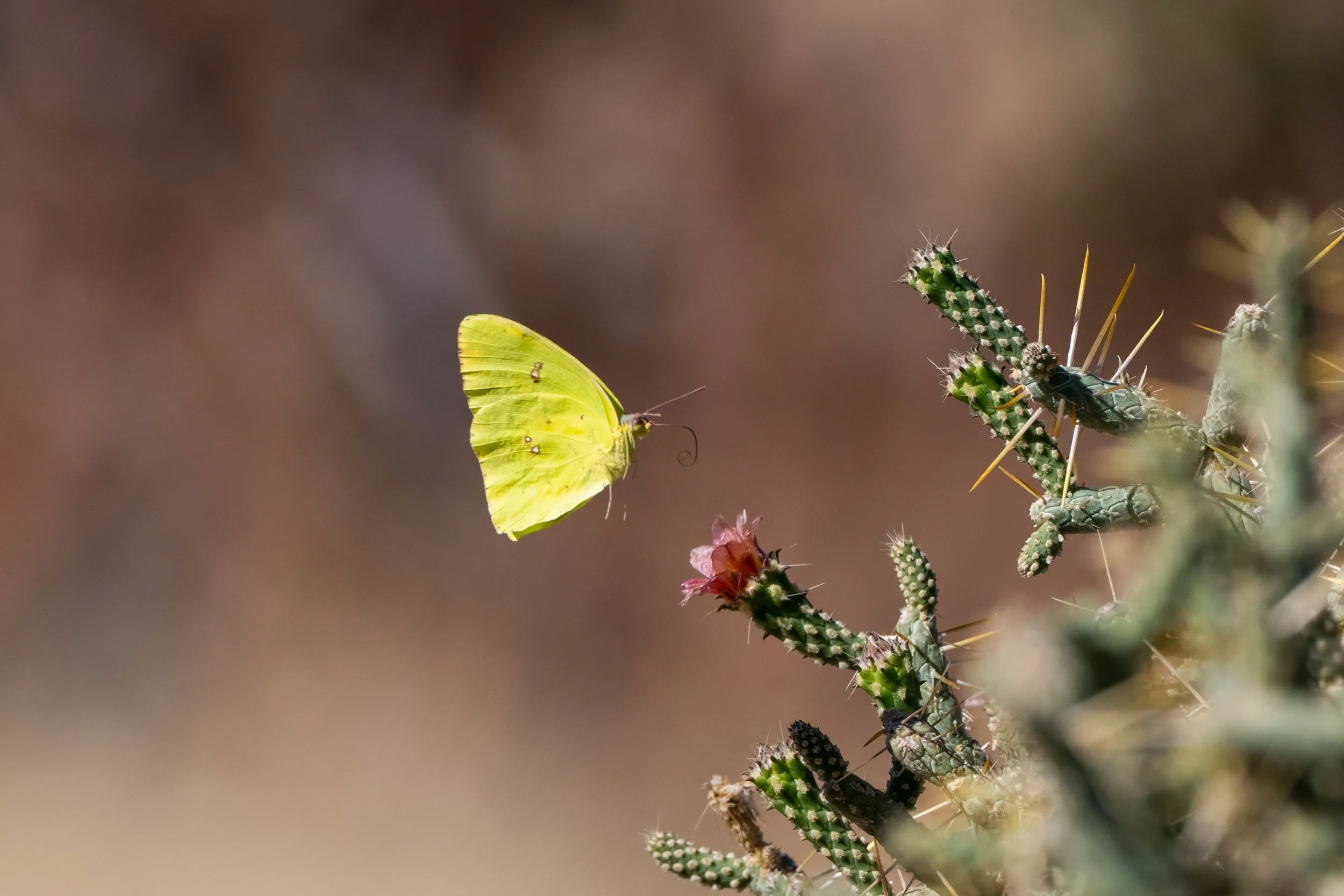
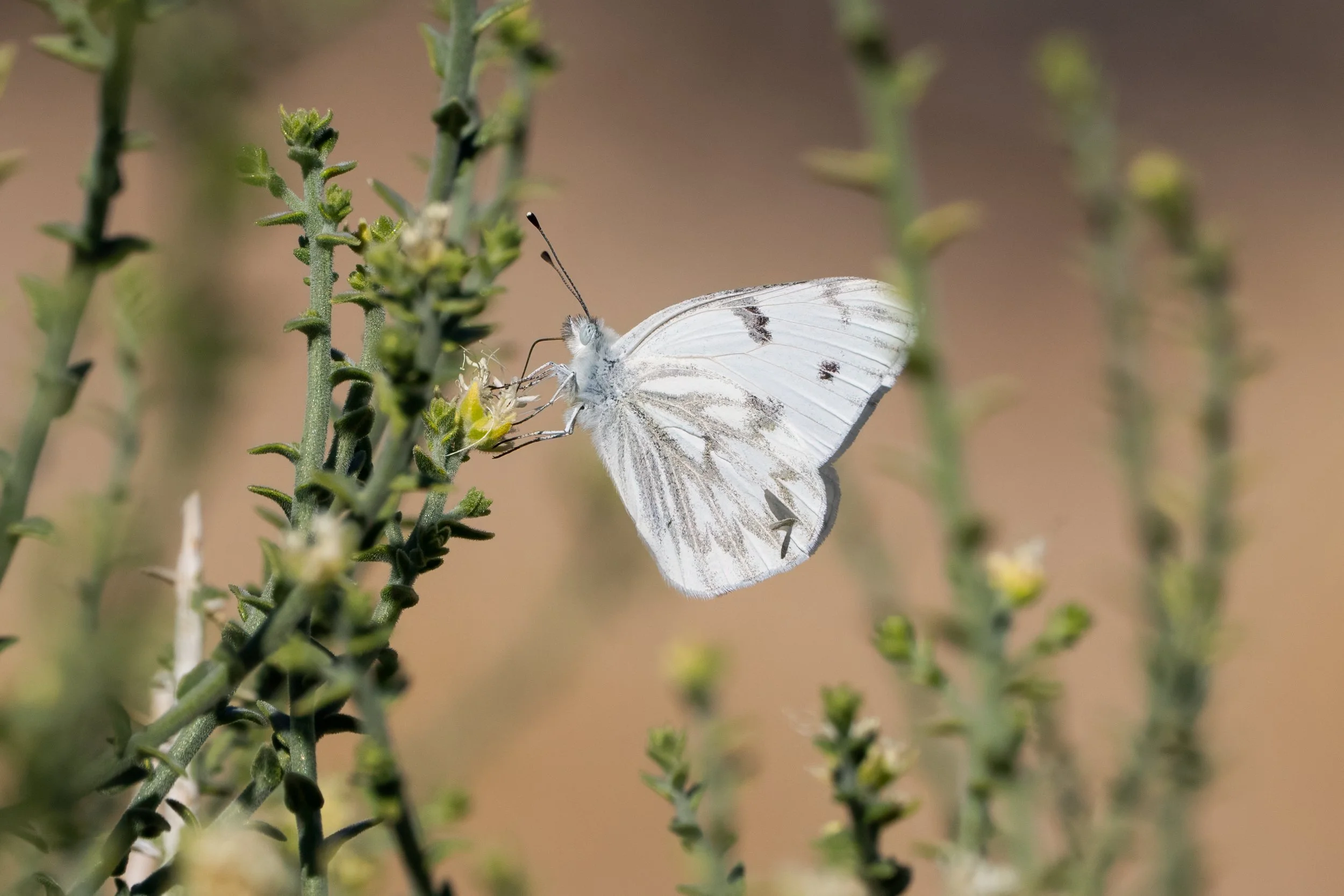
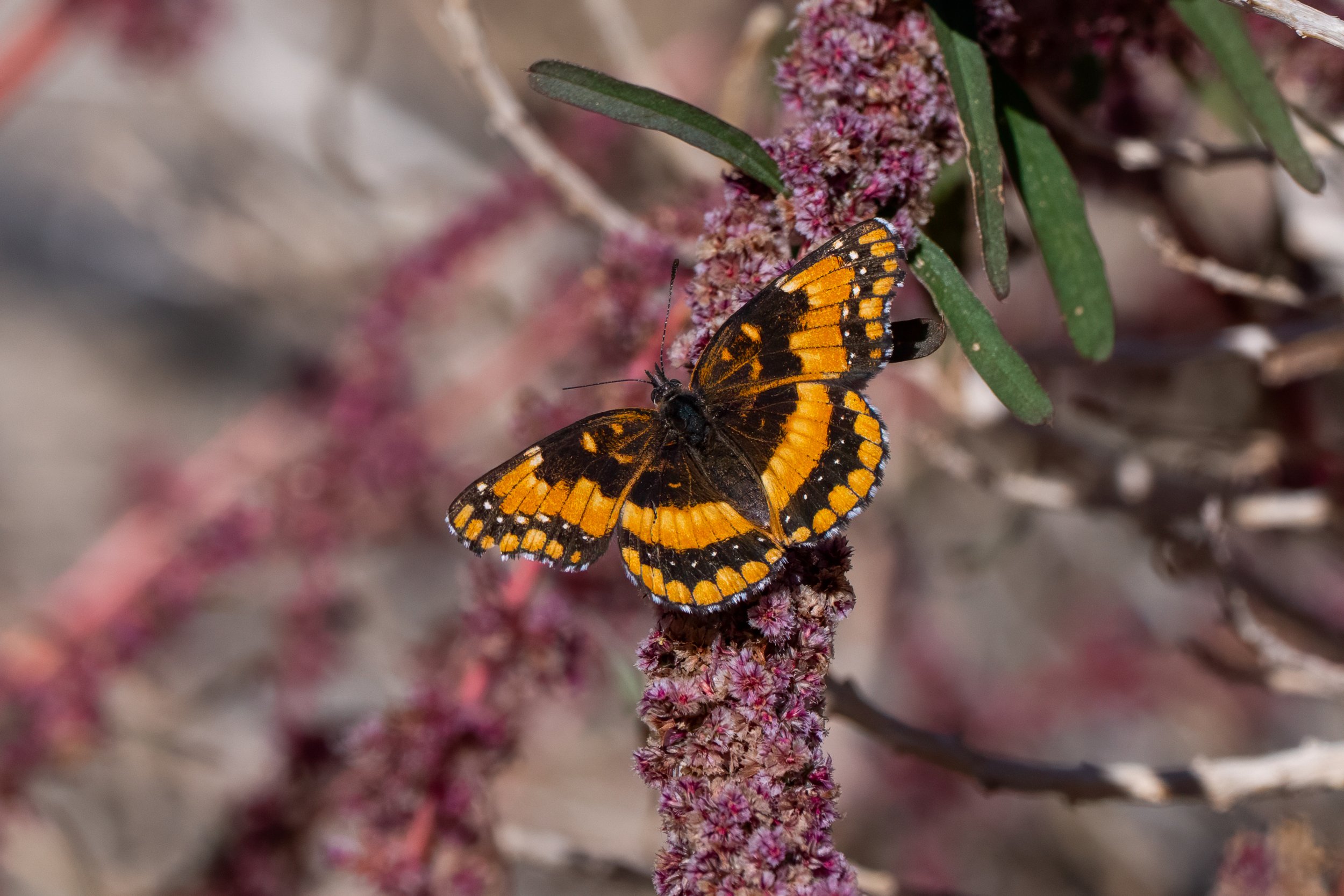
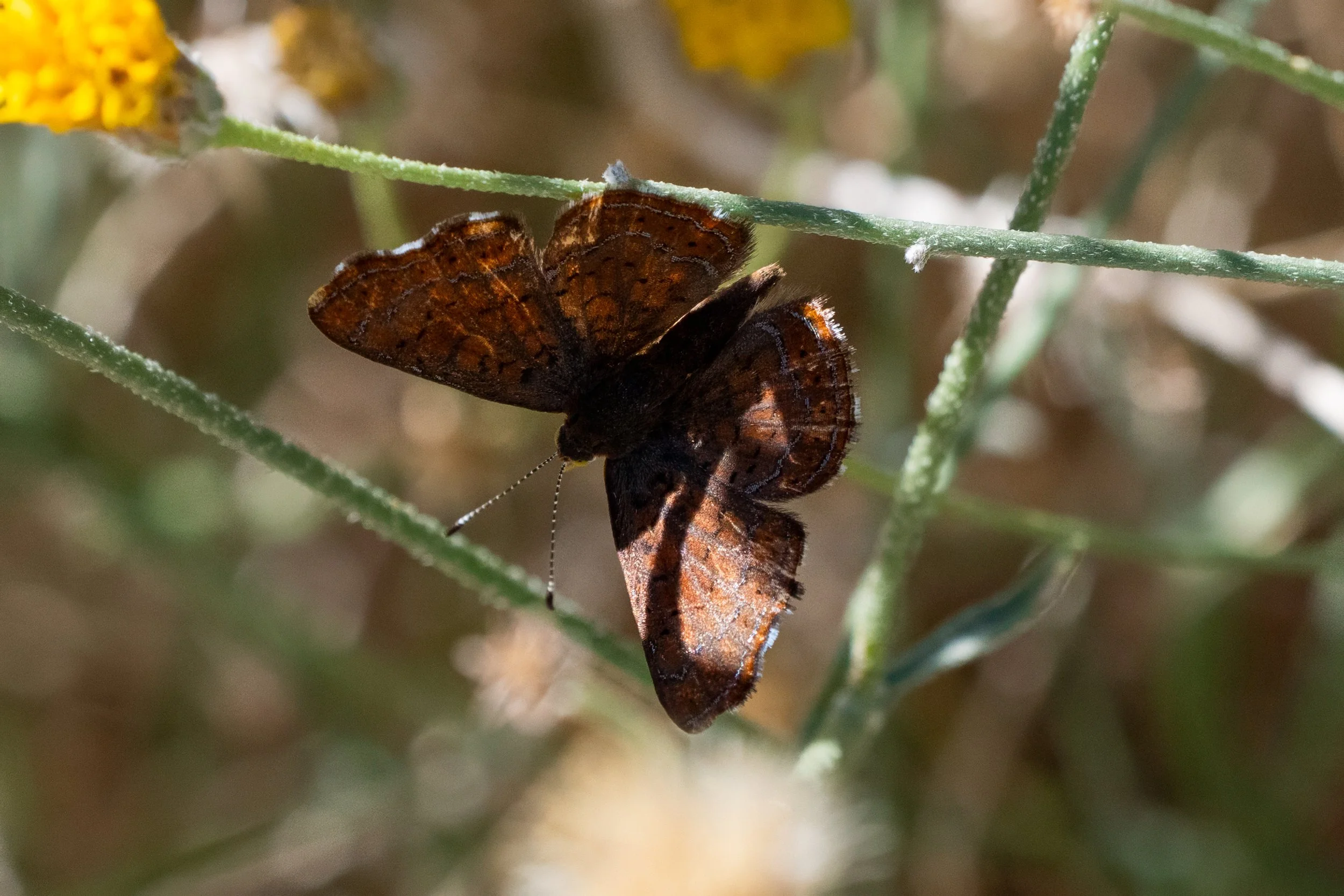
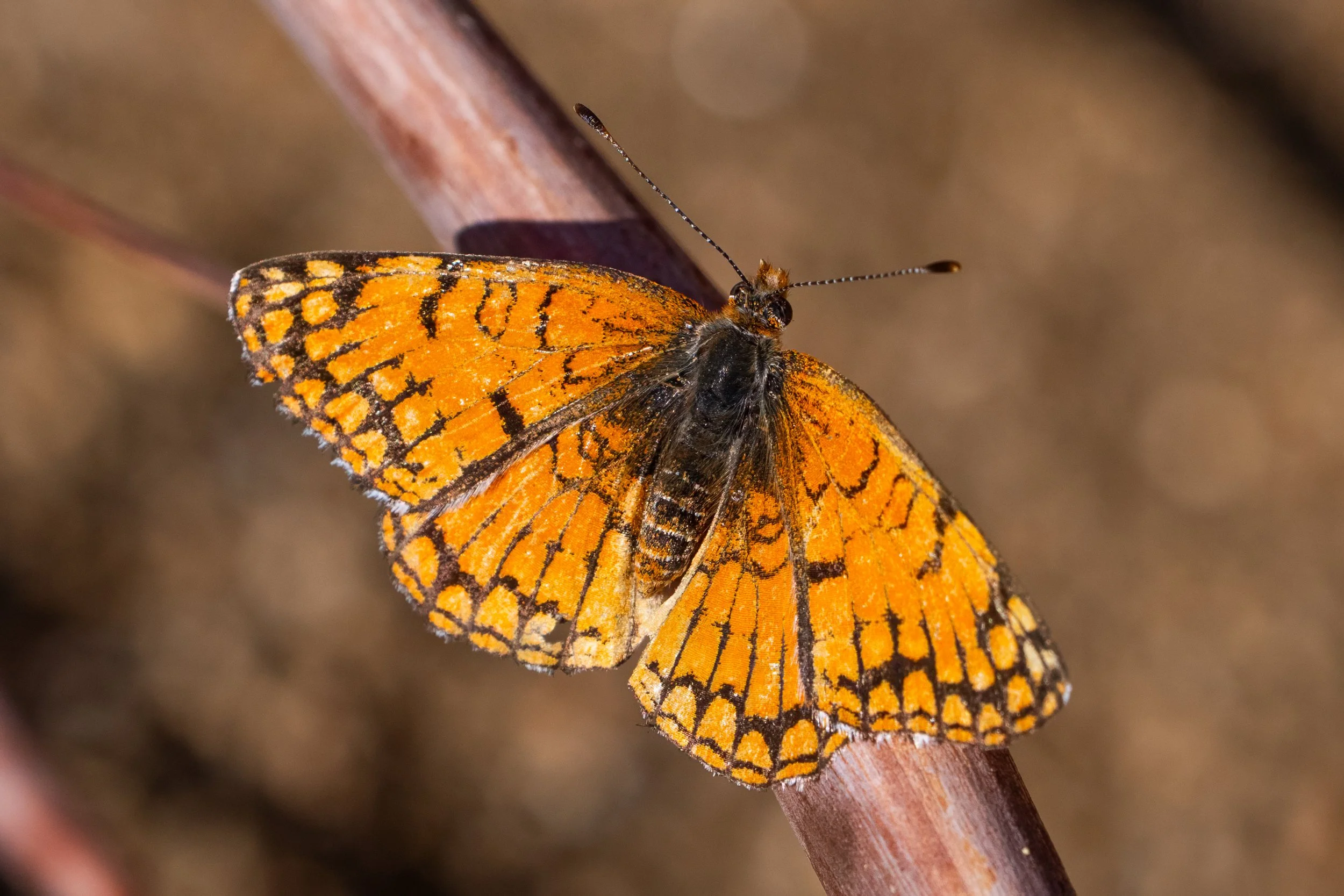
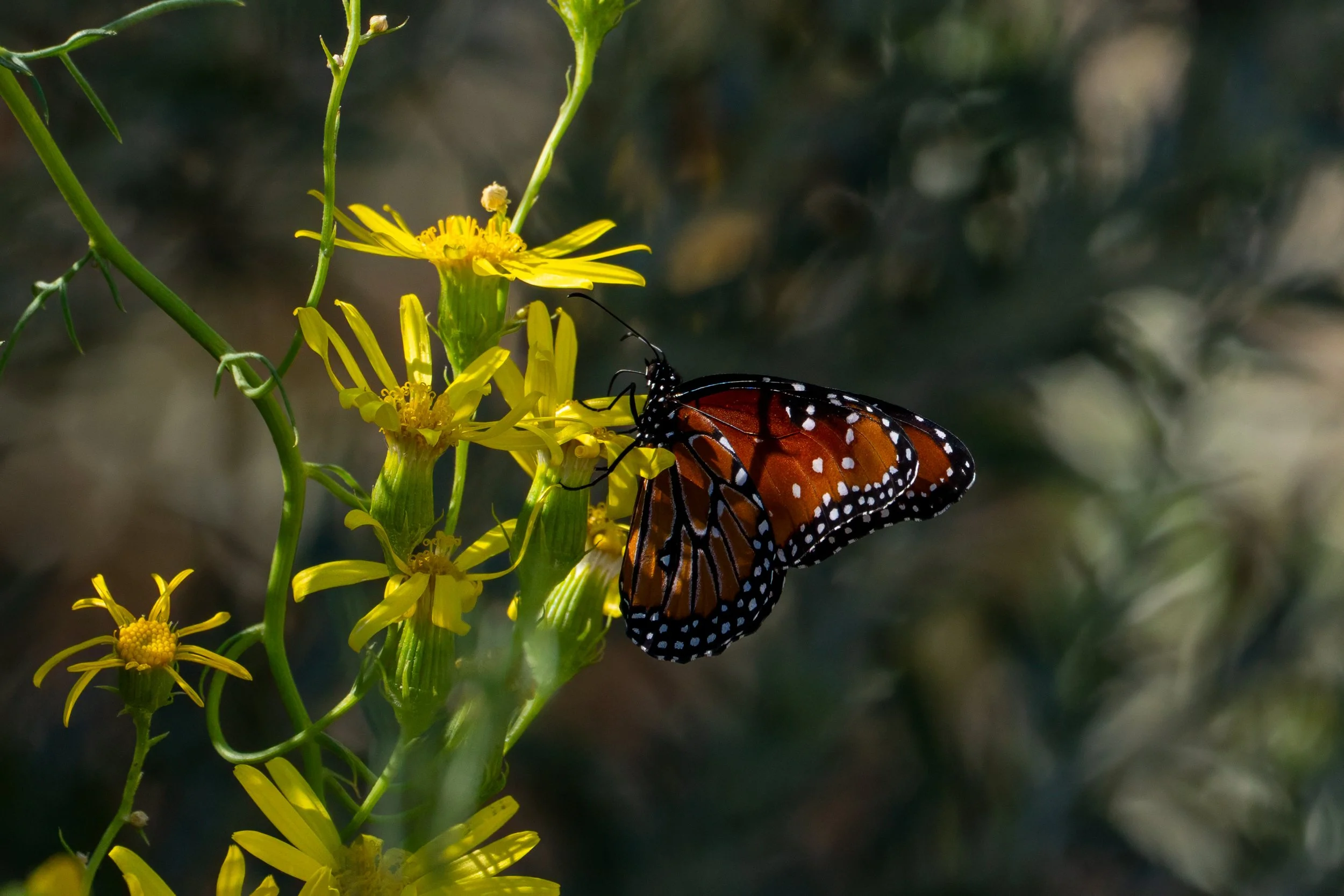
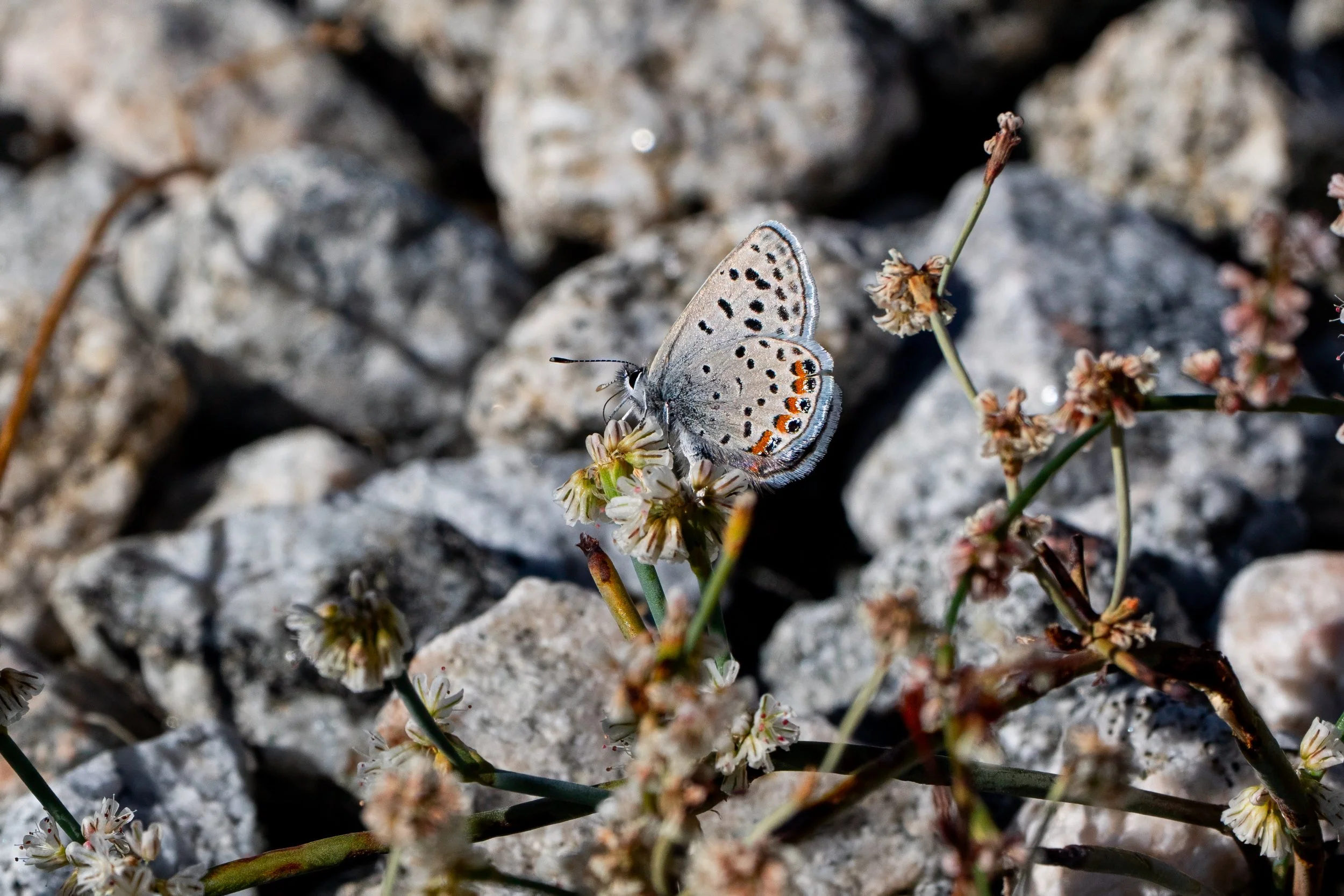
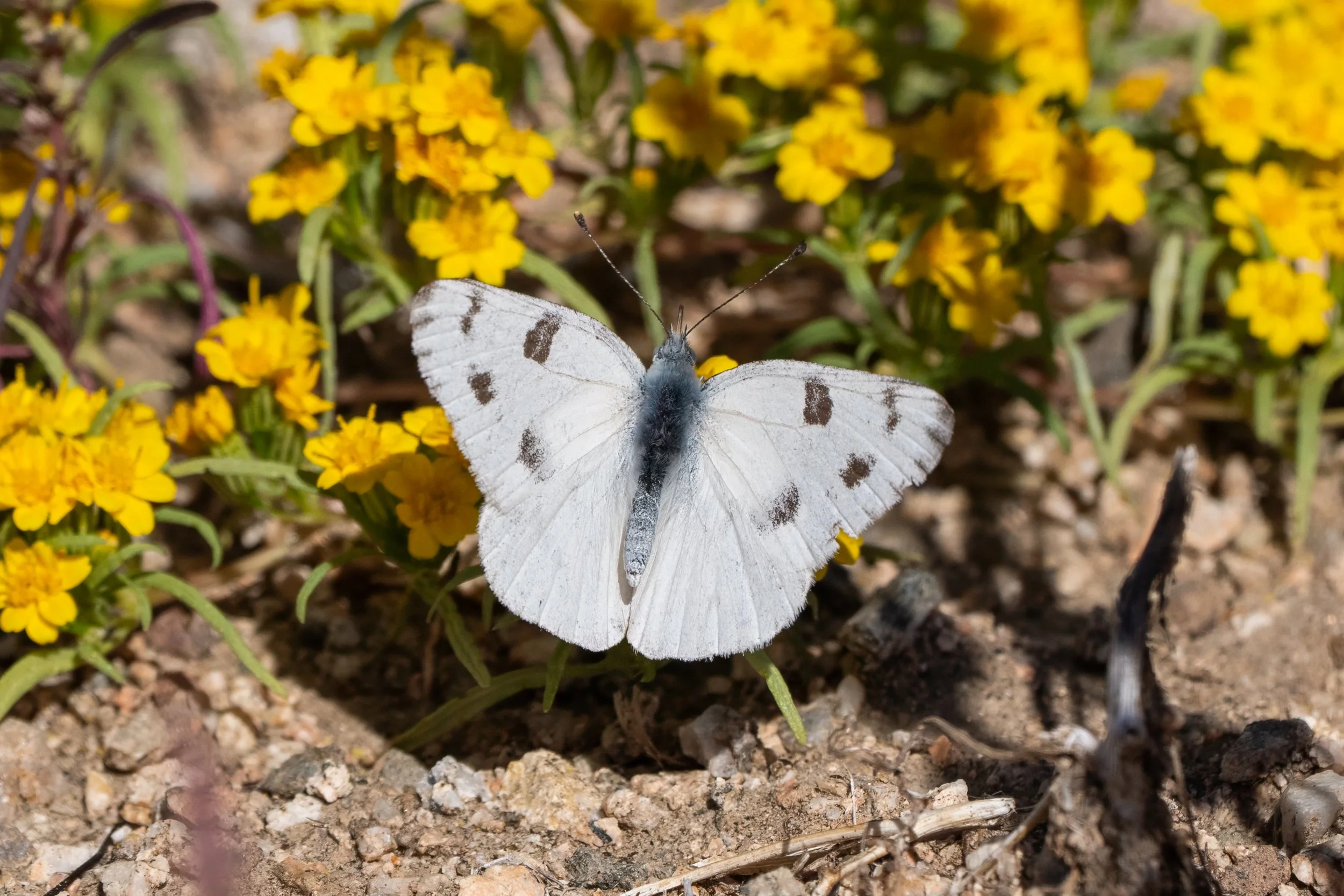
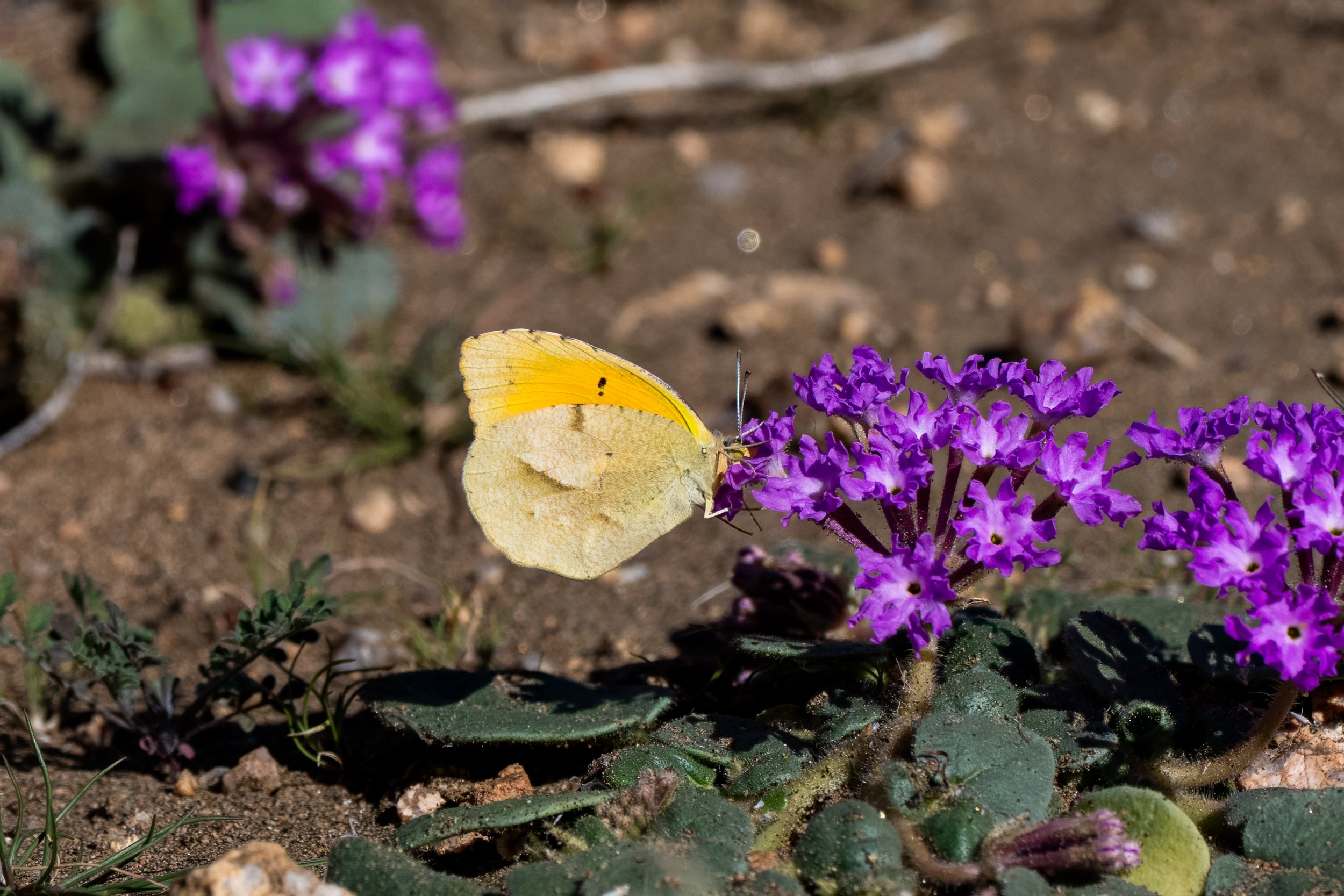
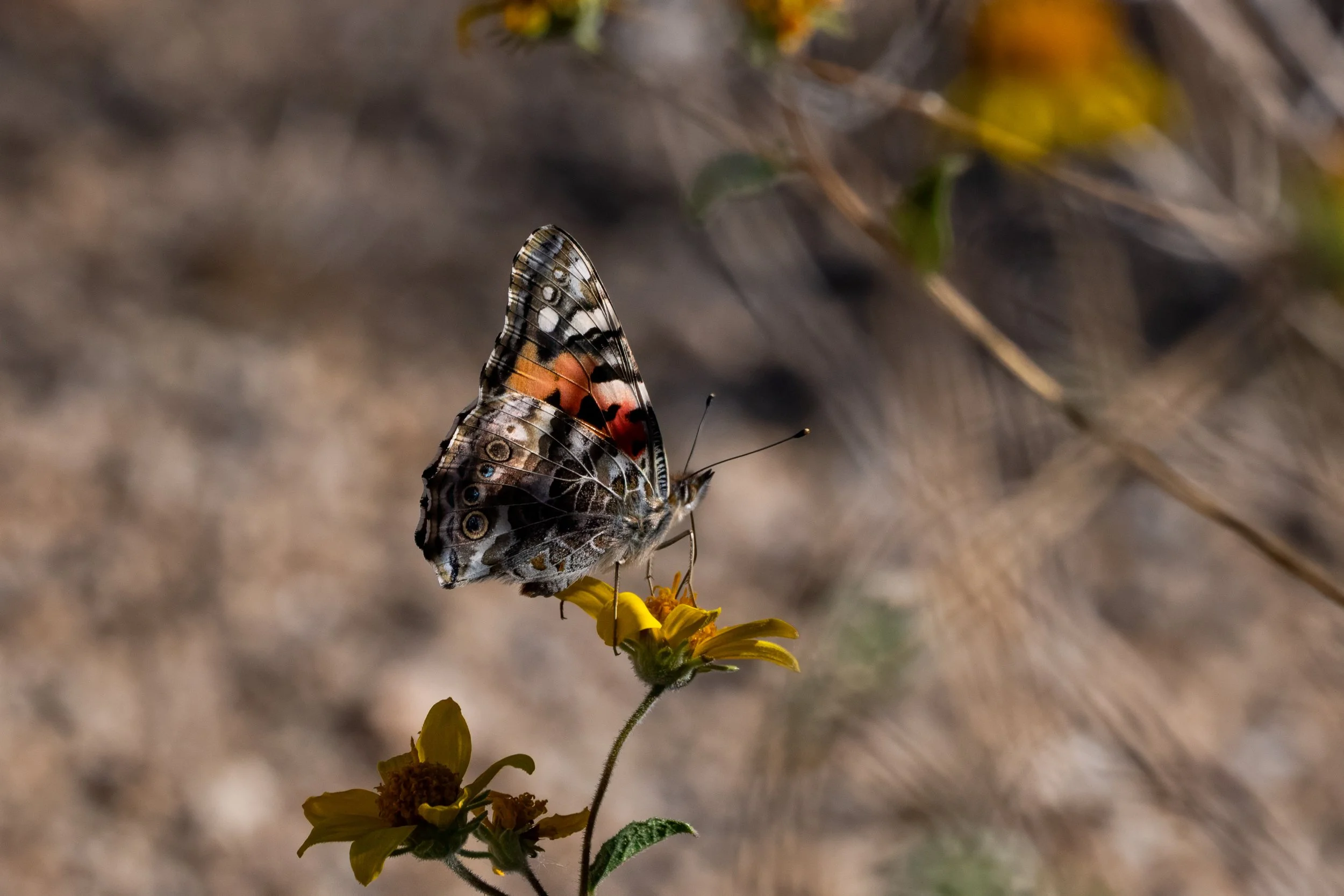
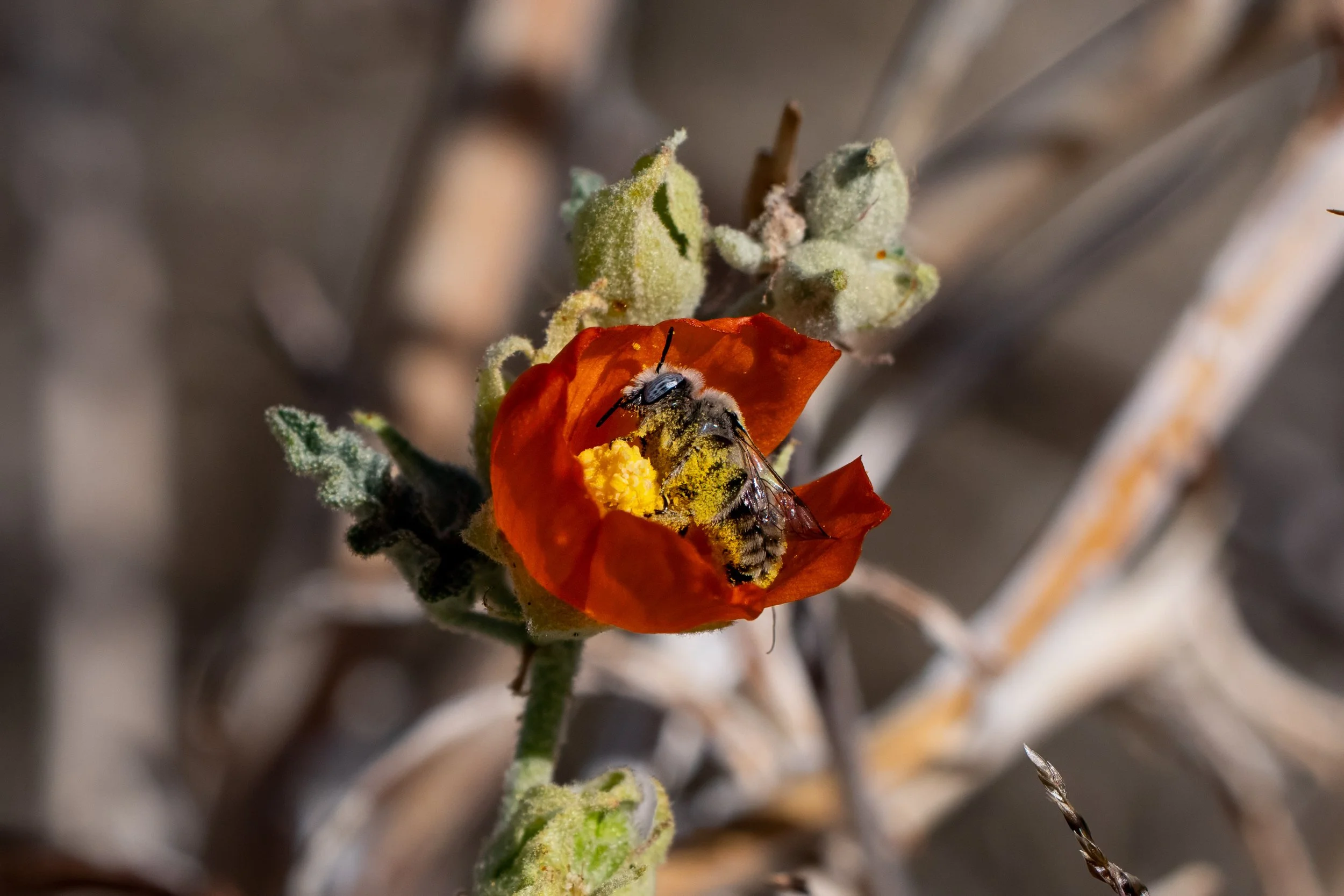
The butterflies across all three visits reflected the seasonal changes well. The April bloom brought Painted Ladies through in good numbers alongside Desert Orangetips working the flowering mustards. June produced the heat-tolerant species of high summer, and October brought migrating Monarchs through the area in modest numbers, moving southwest through the desert on their way to the California coast.
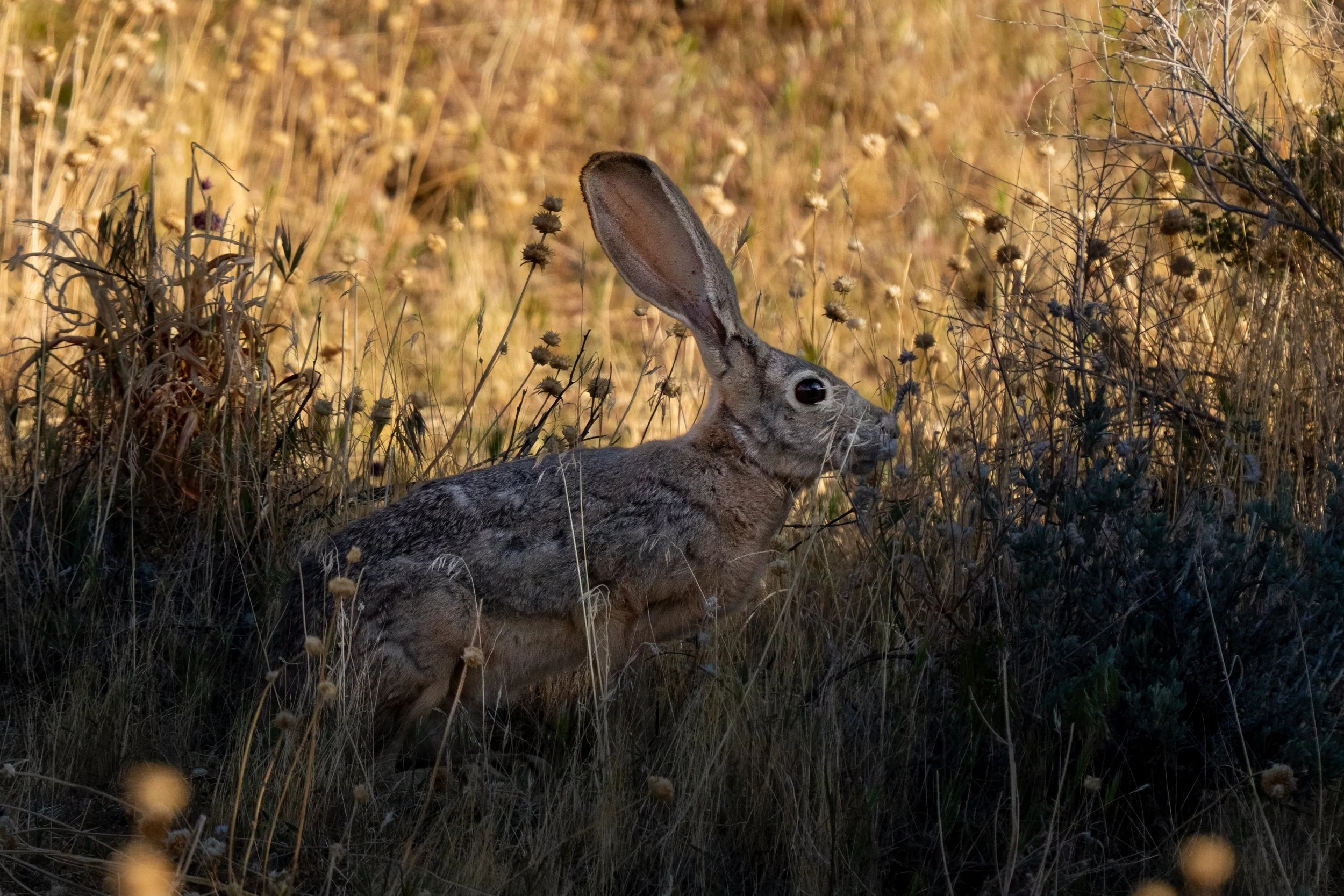
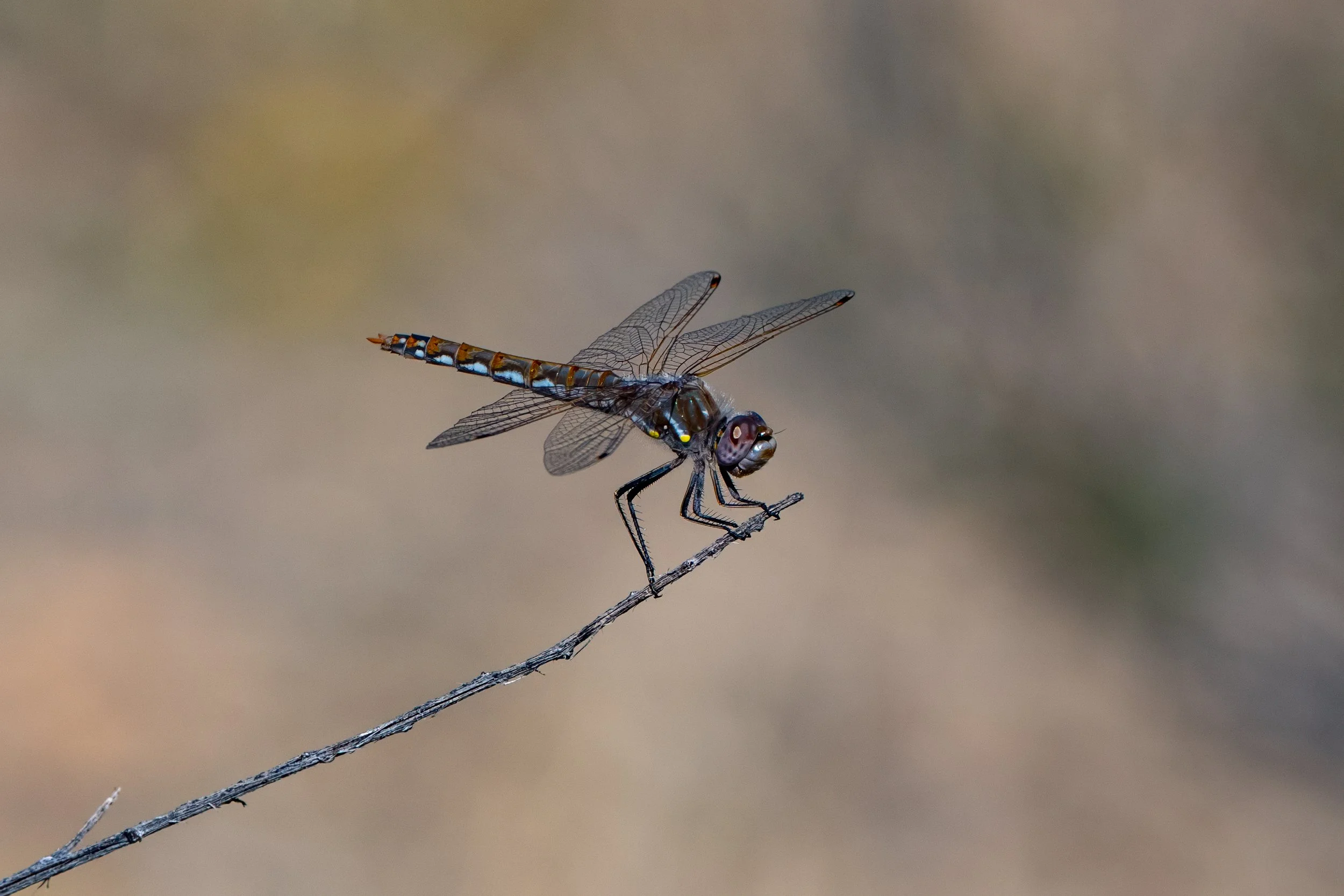
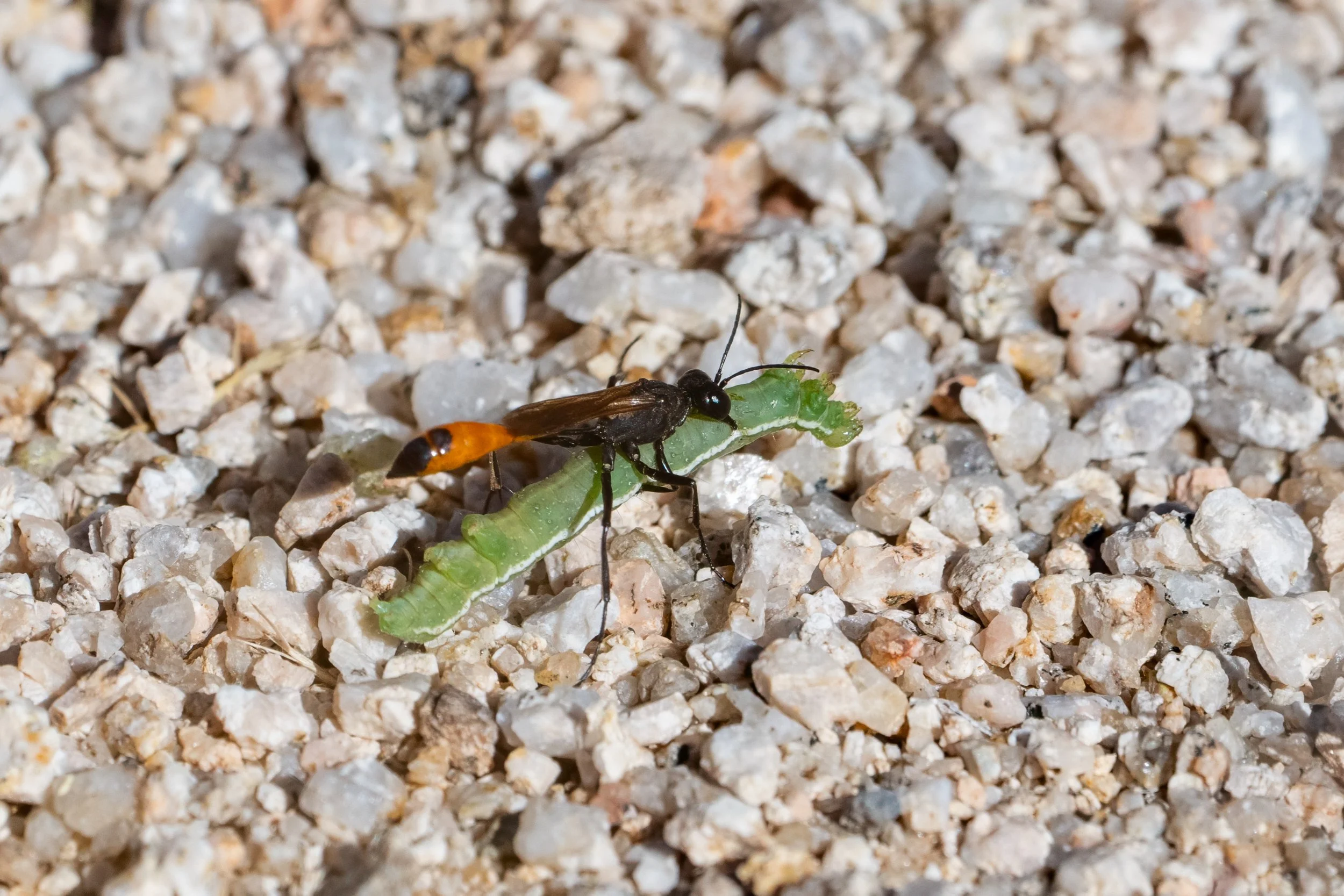
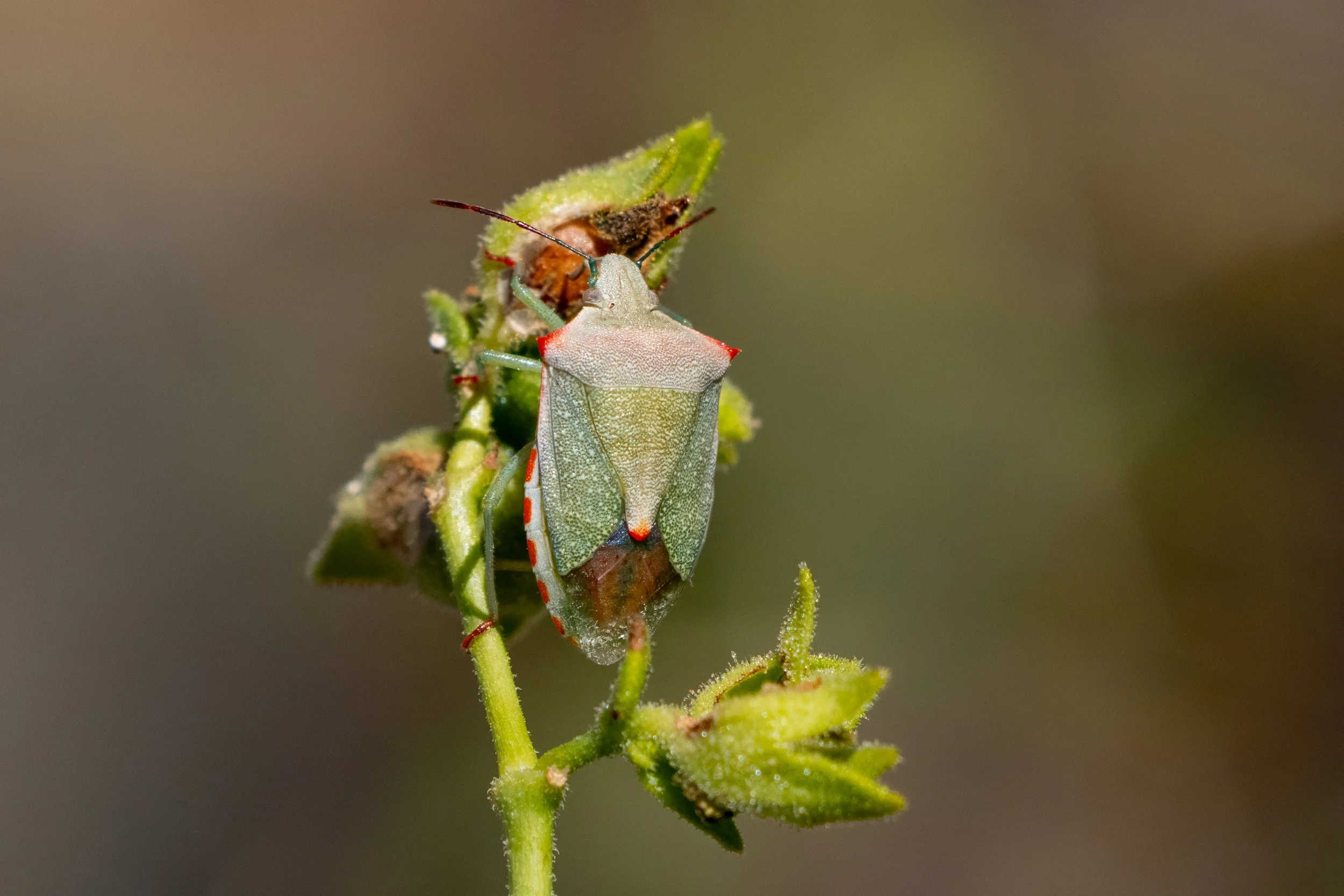
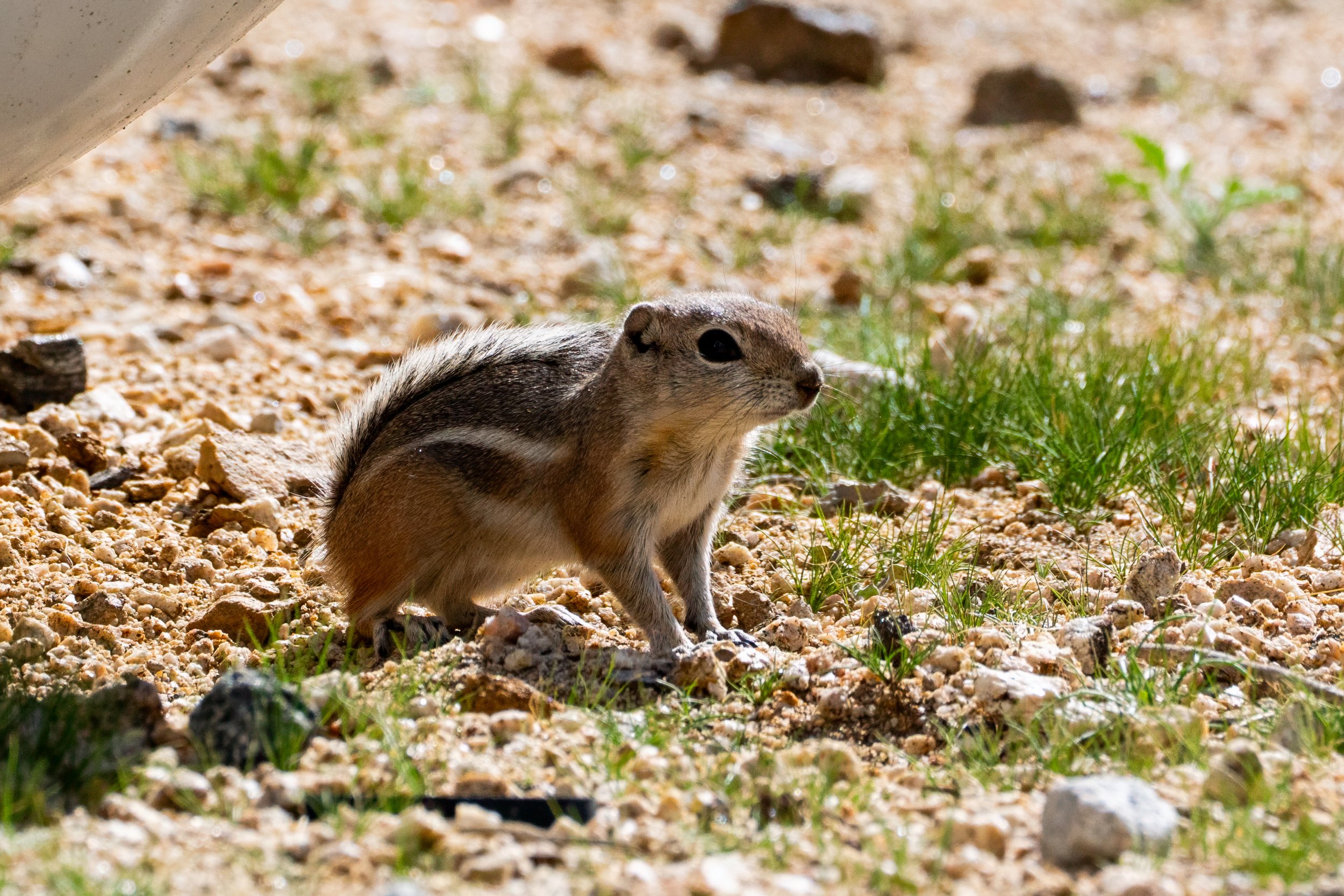
April Wildlife from Airbnb and Big Morongo Canyon Preserve:
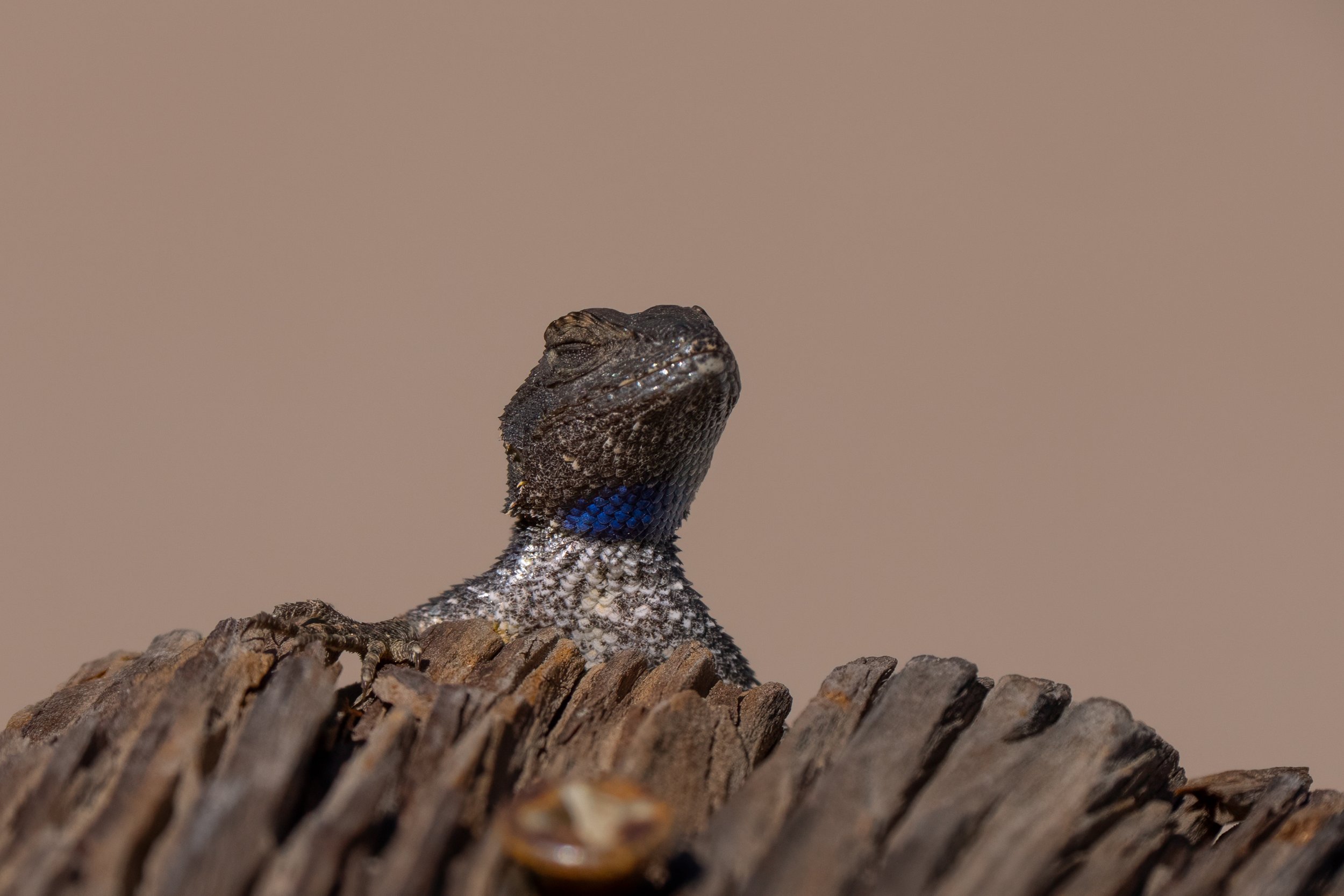
June Wildlife from Airbnb and Big Morongo Canyon Preserve:
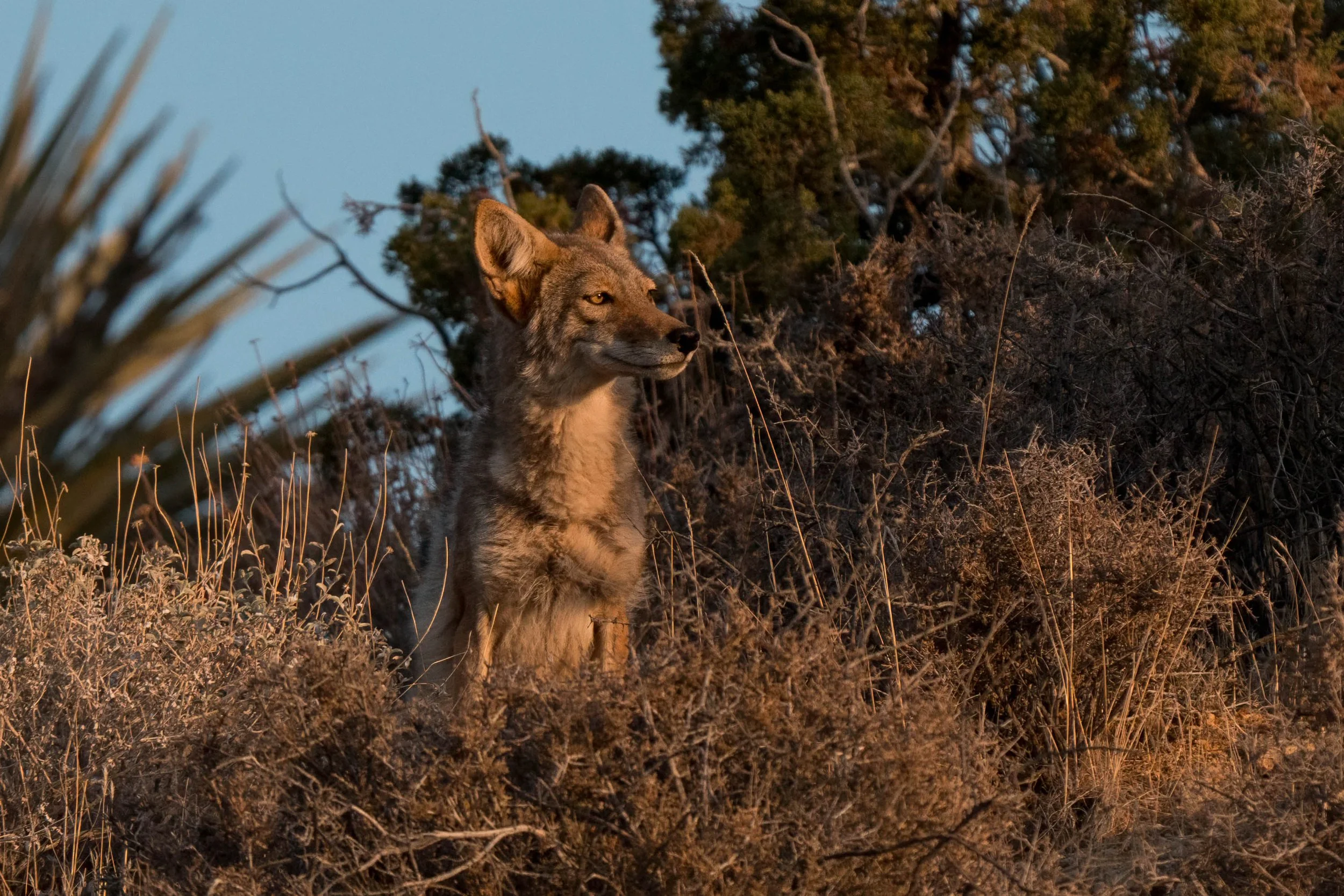
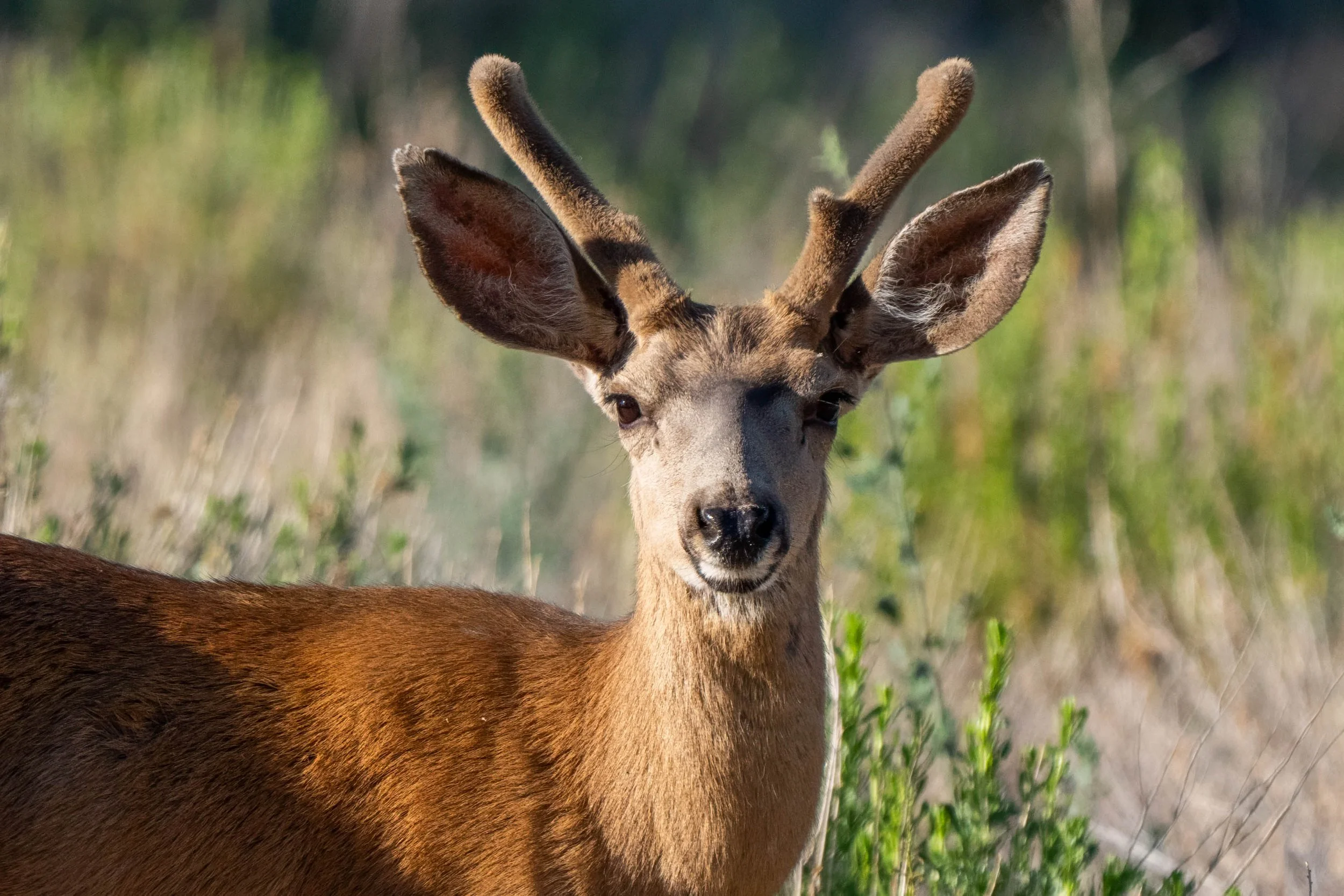
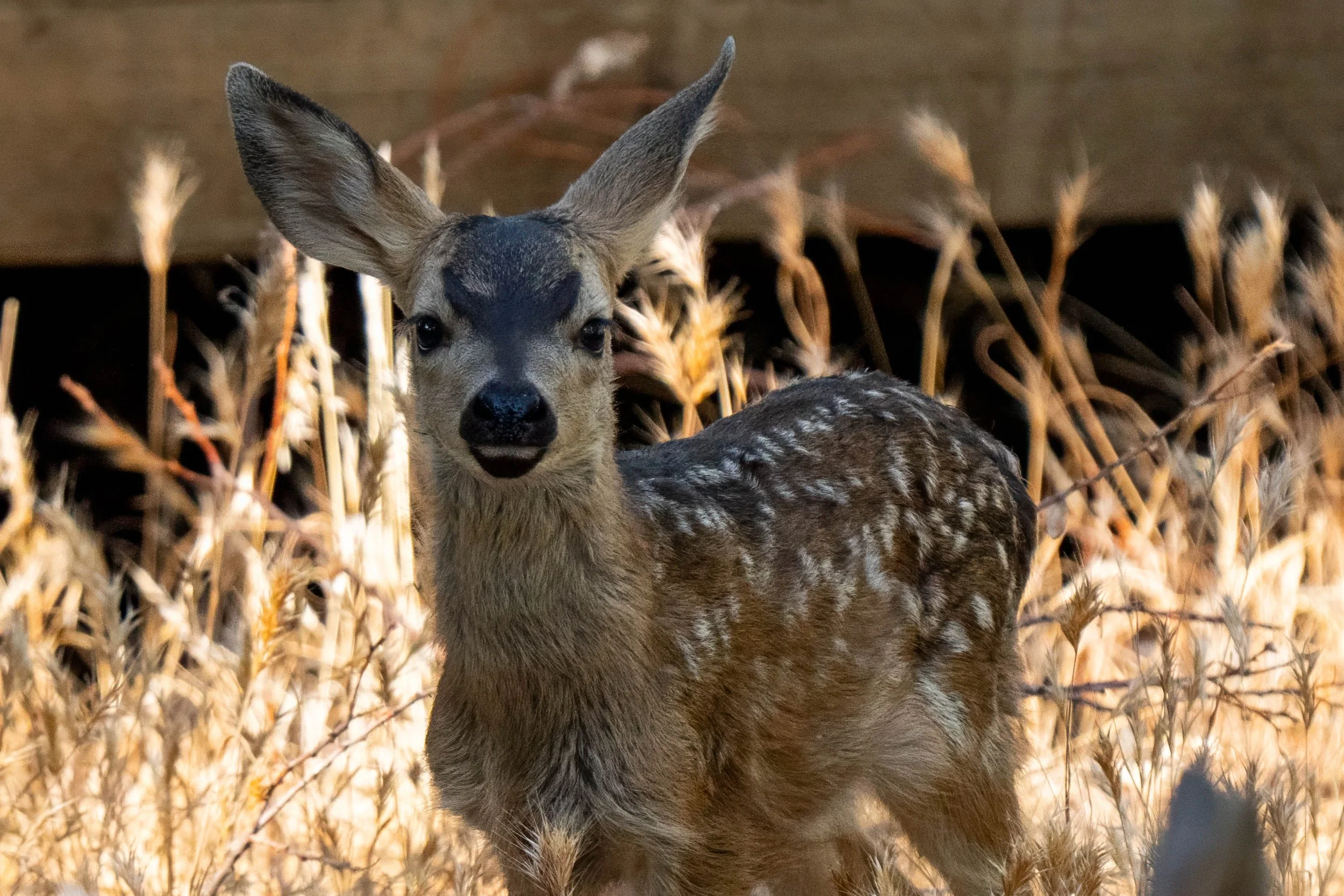
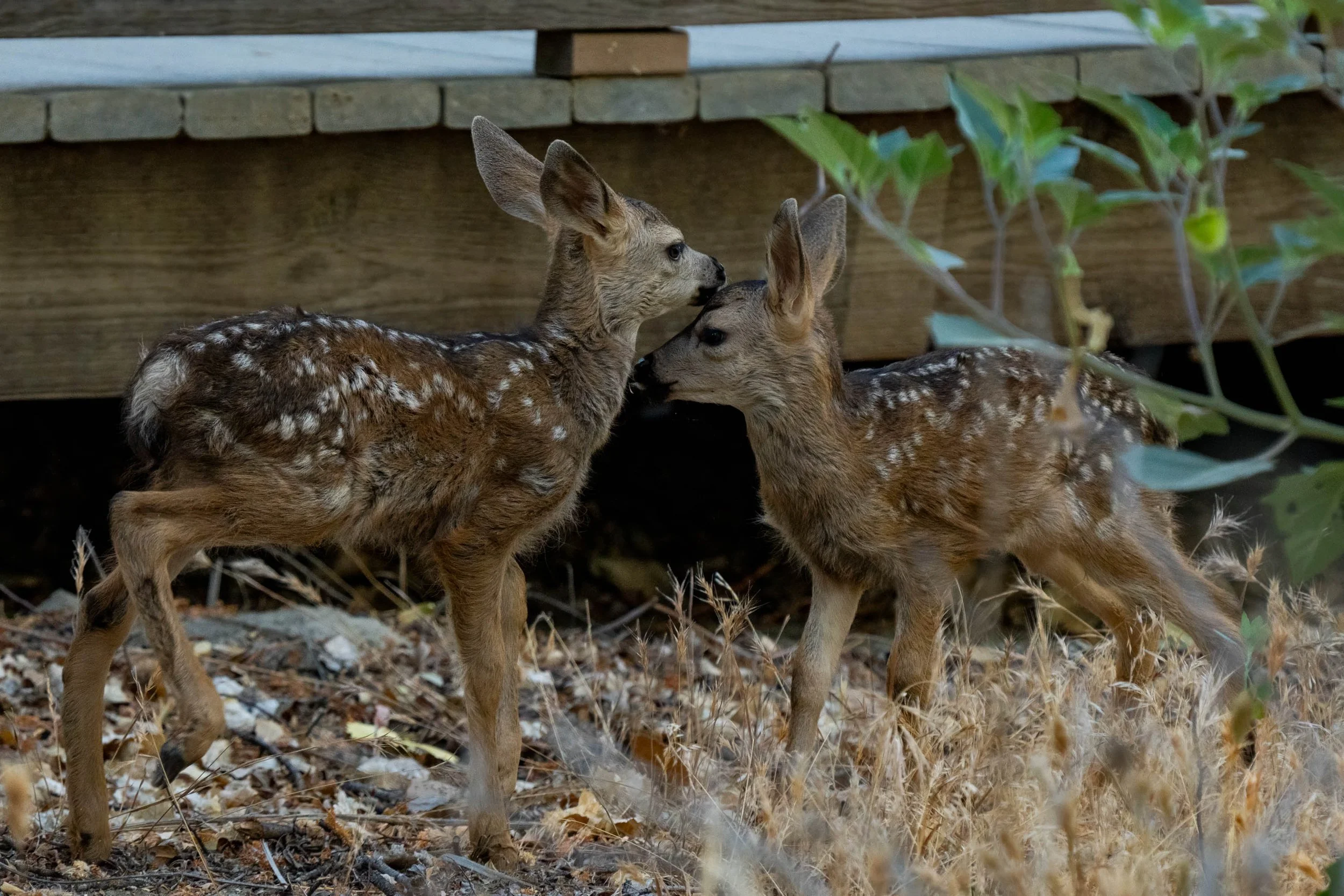
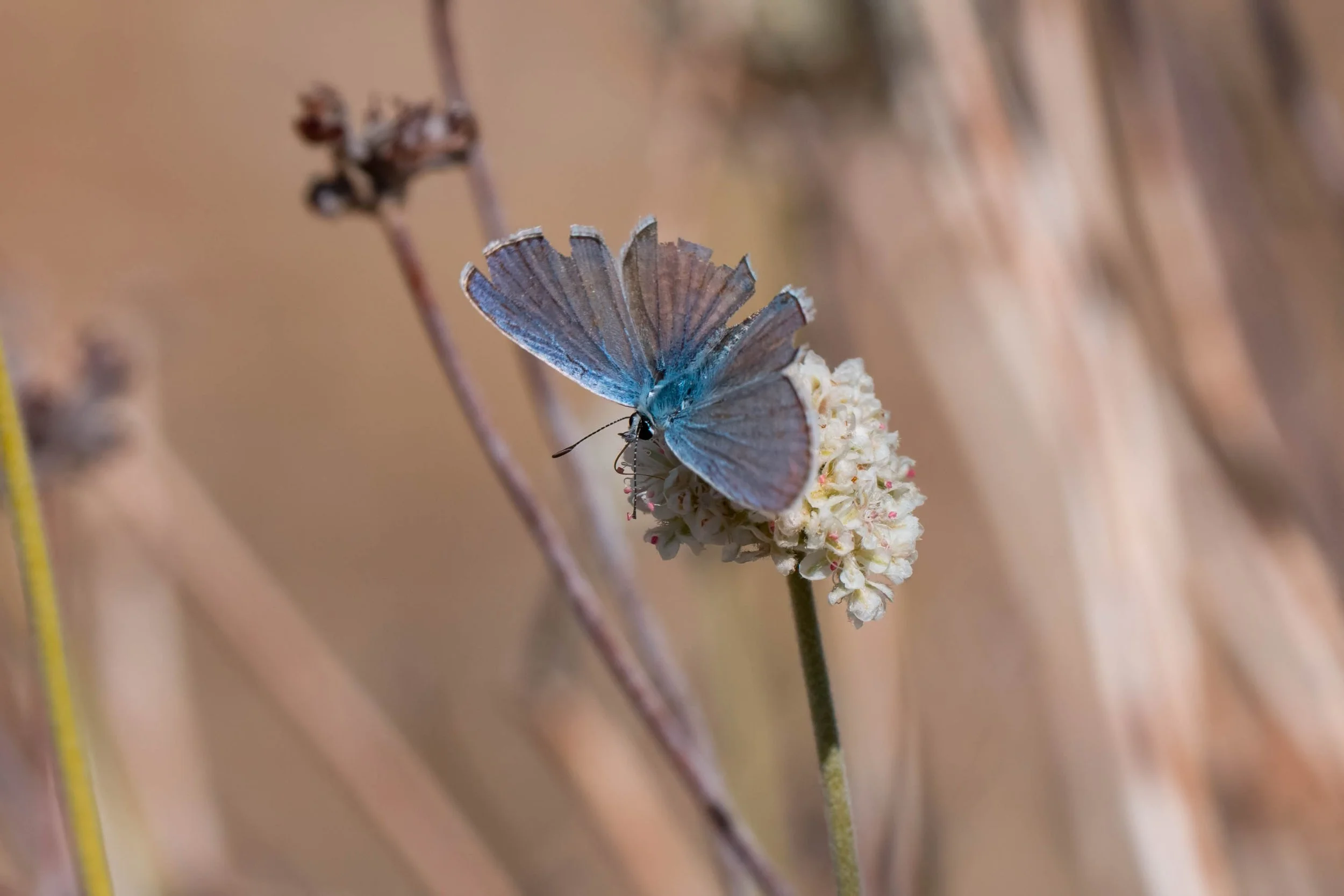
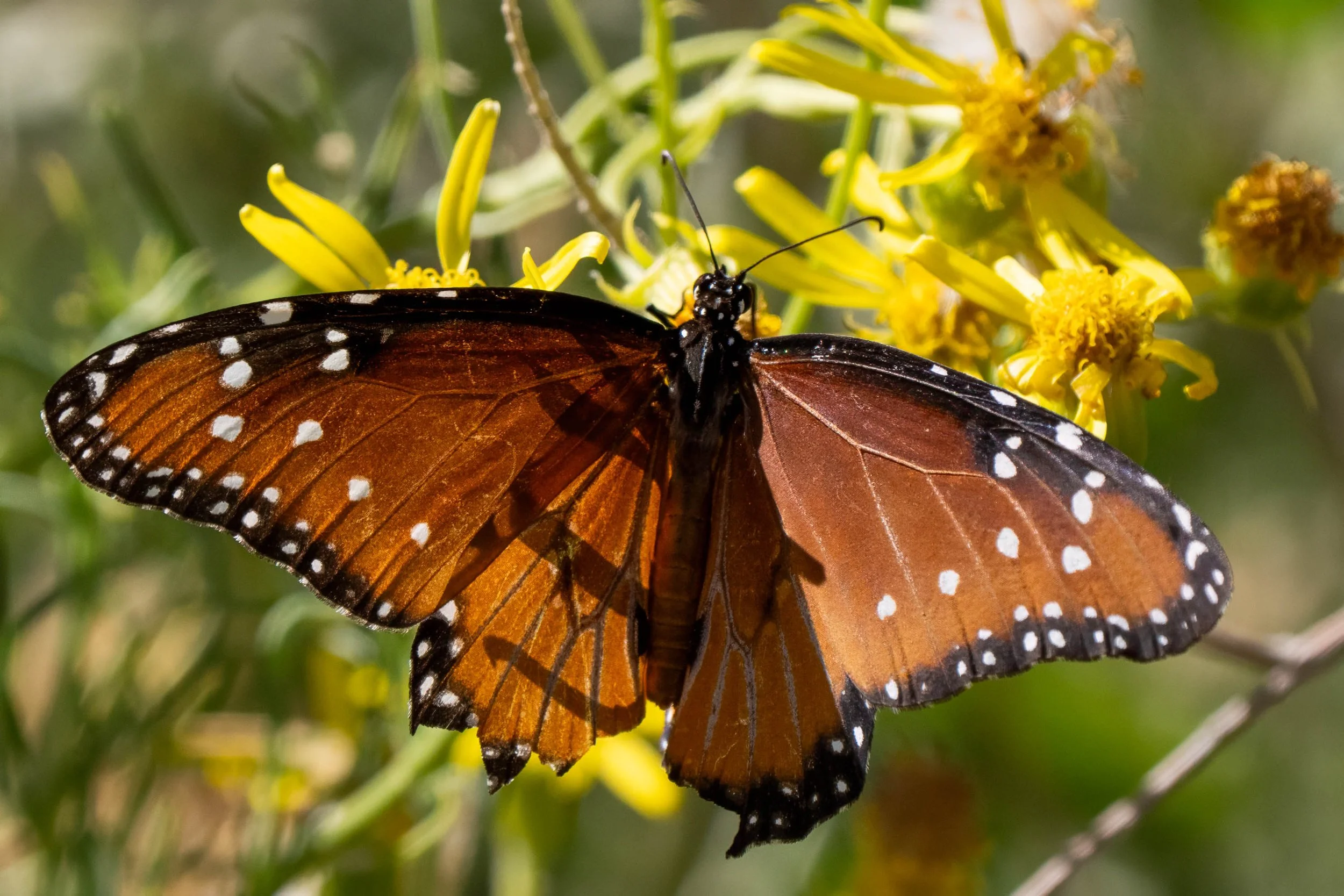
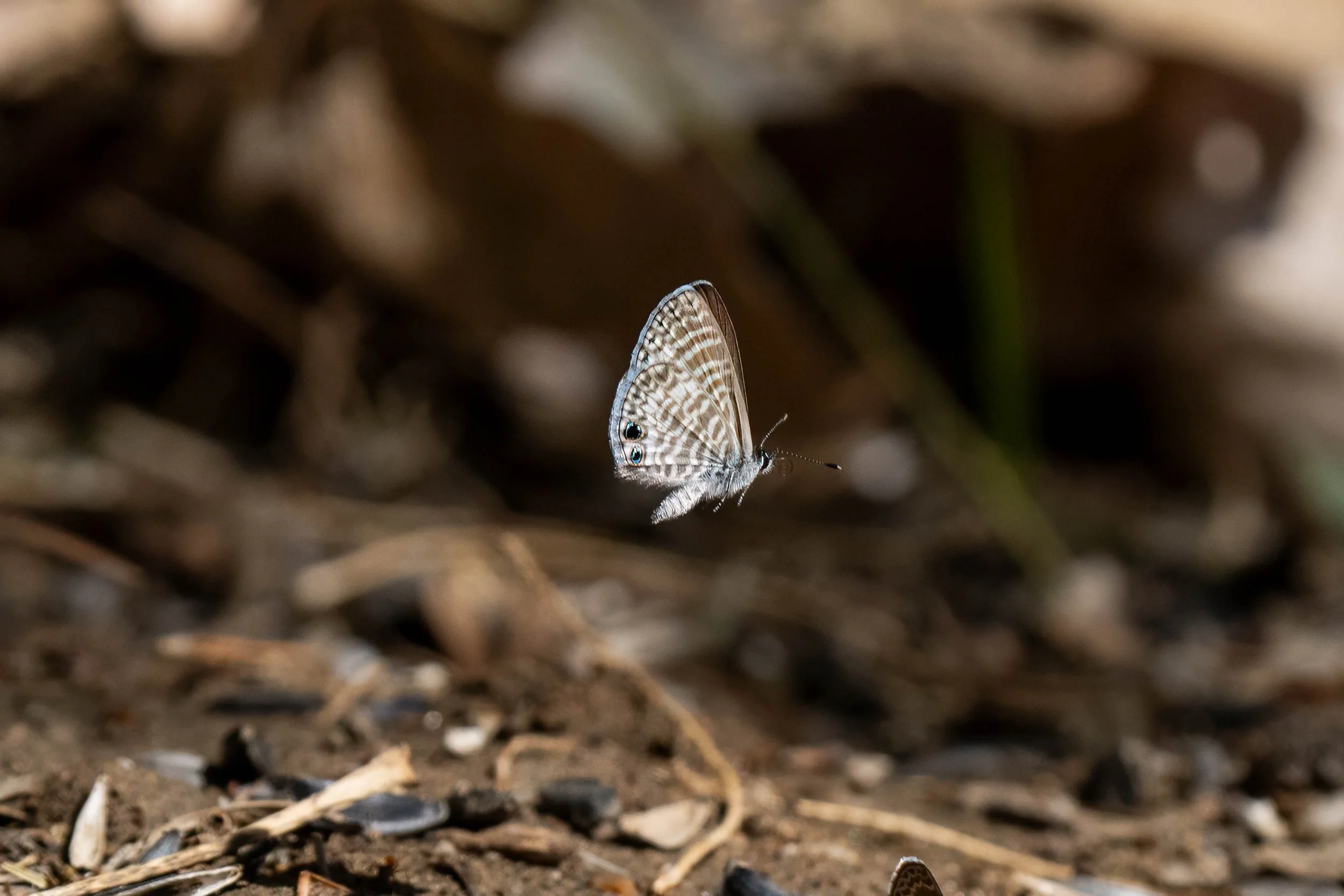
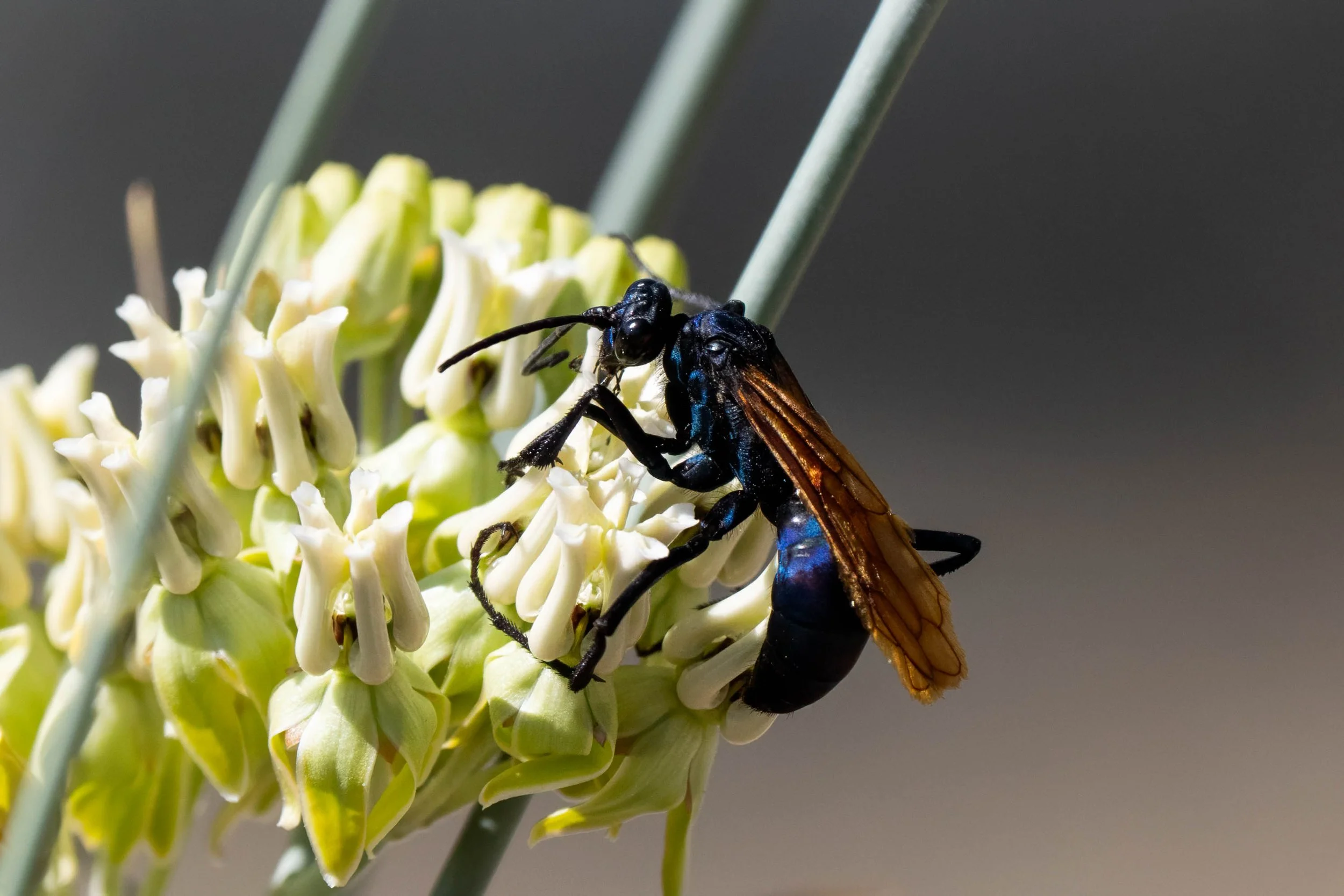
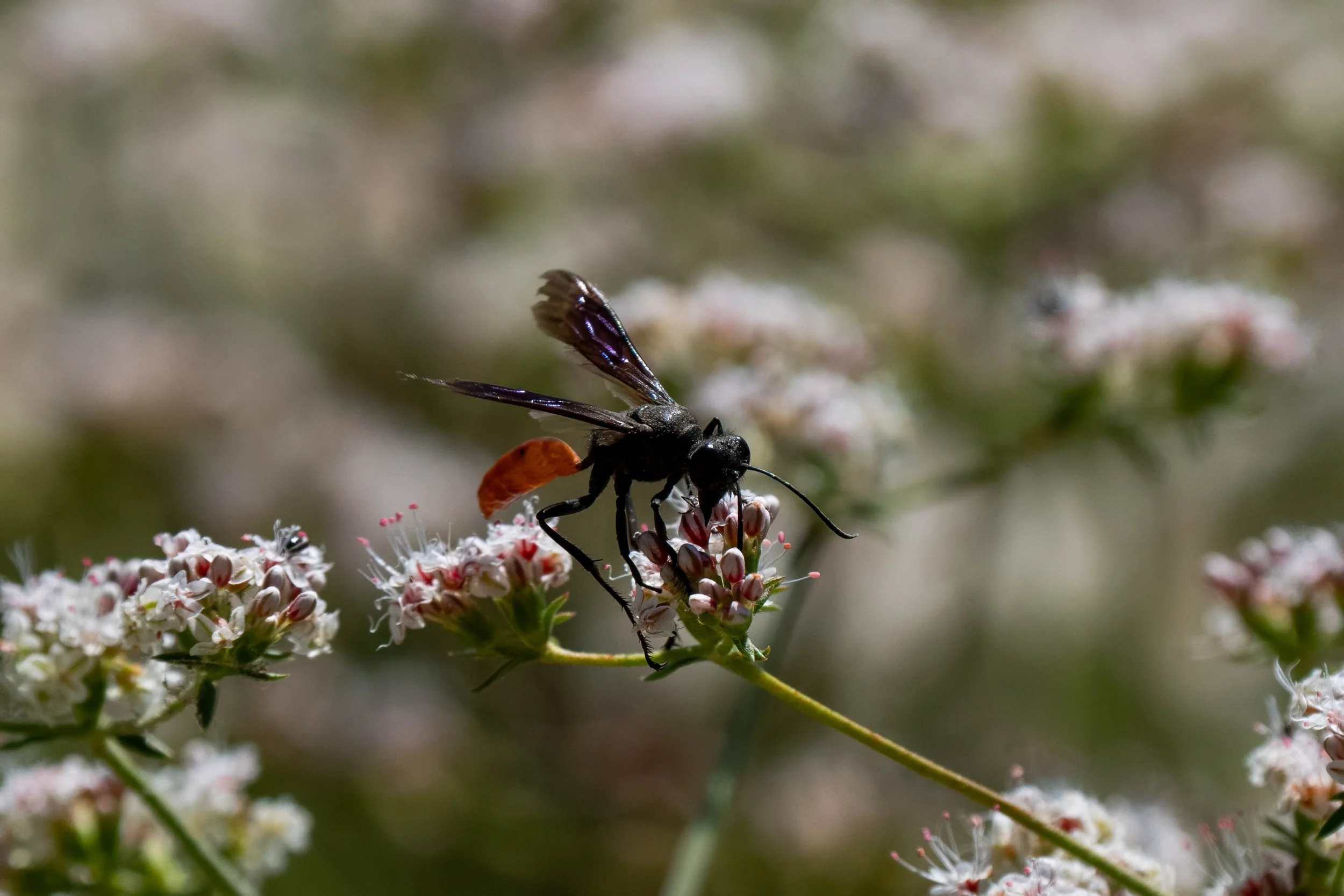
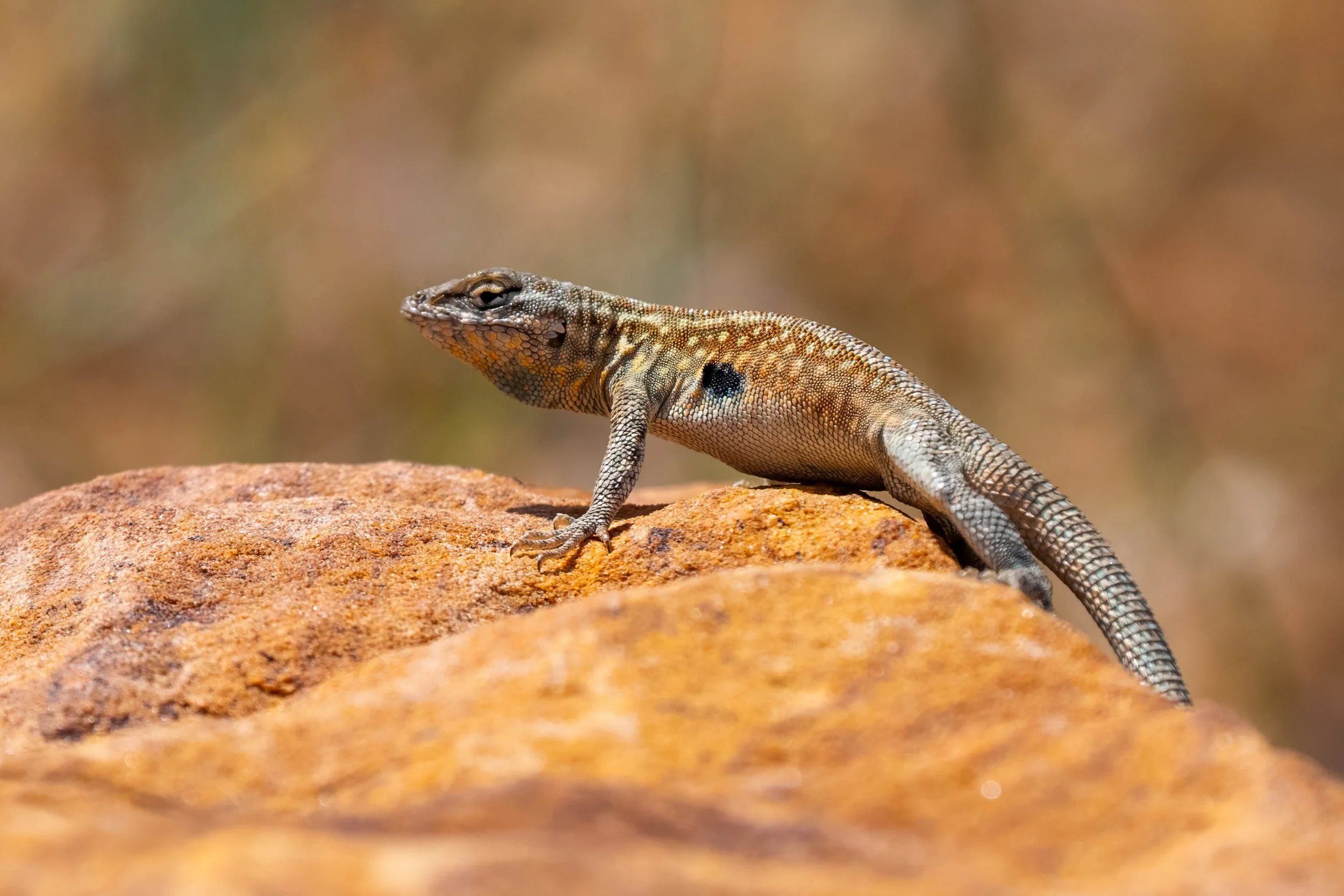
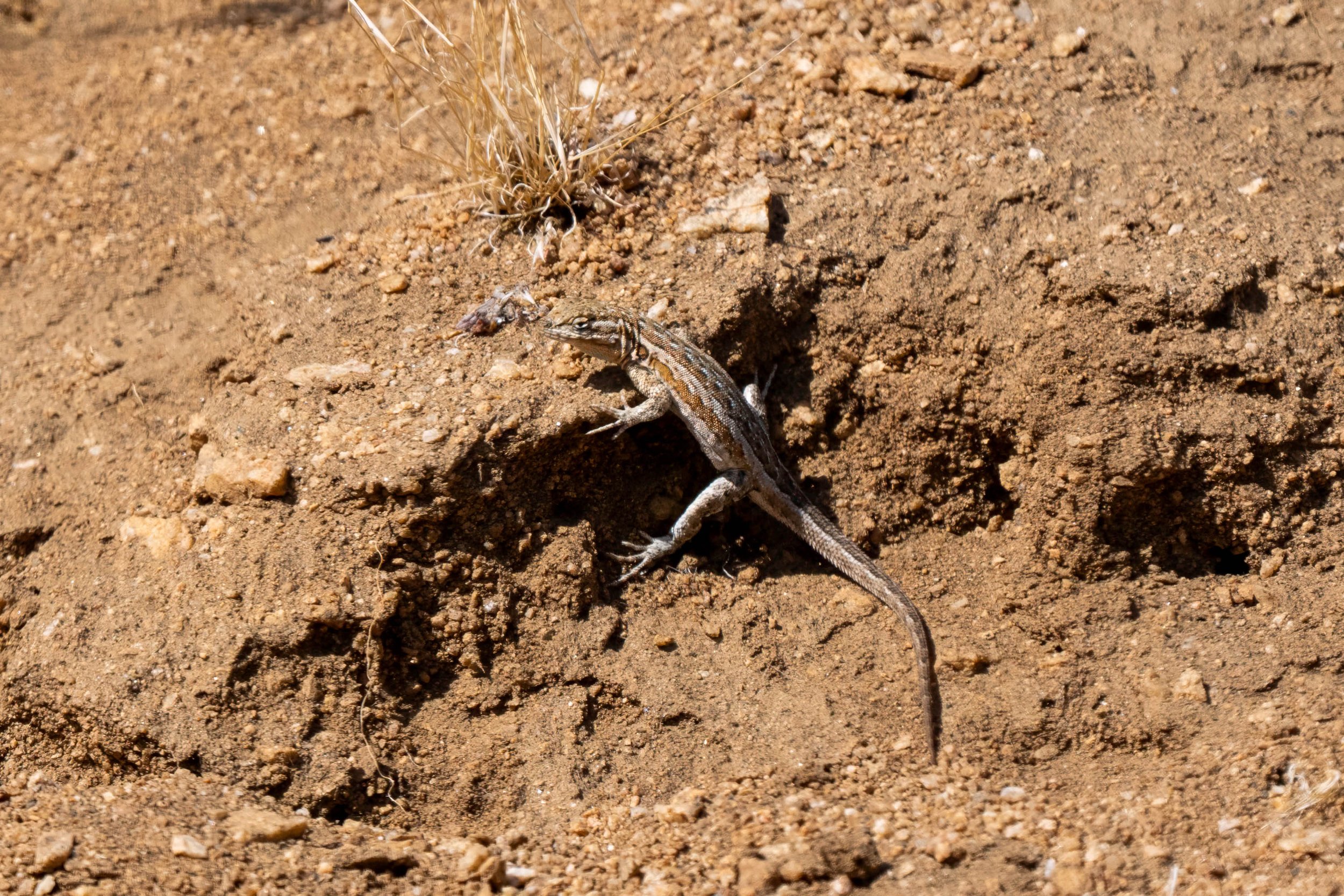
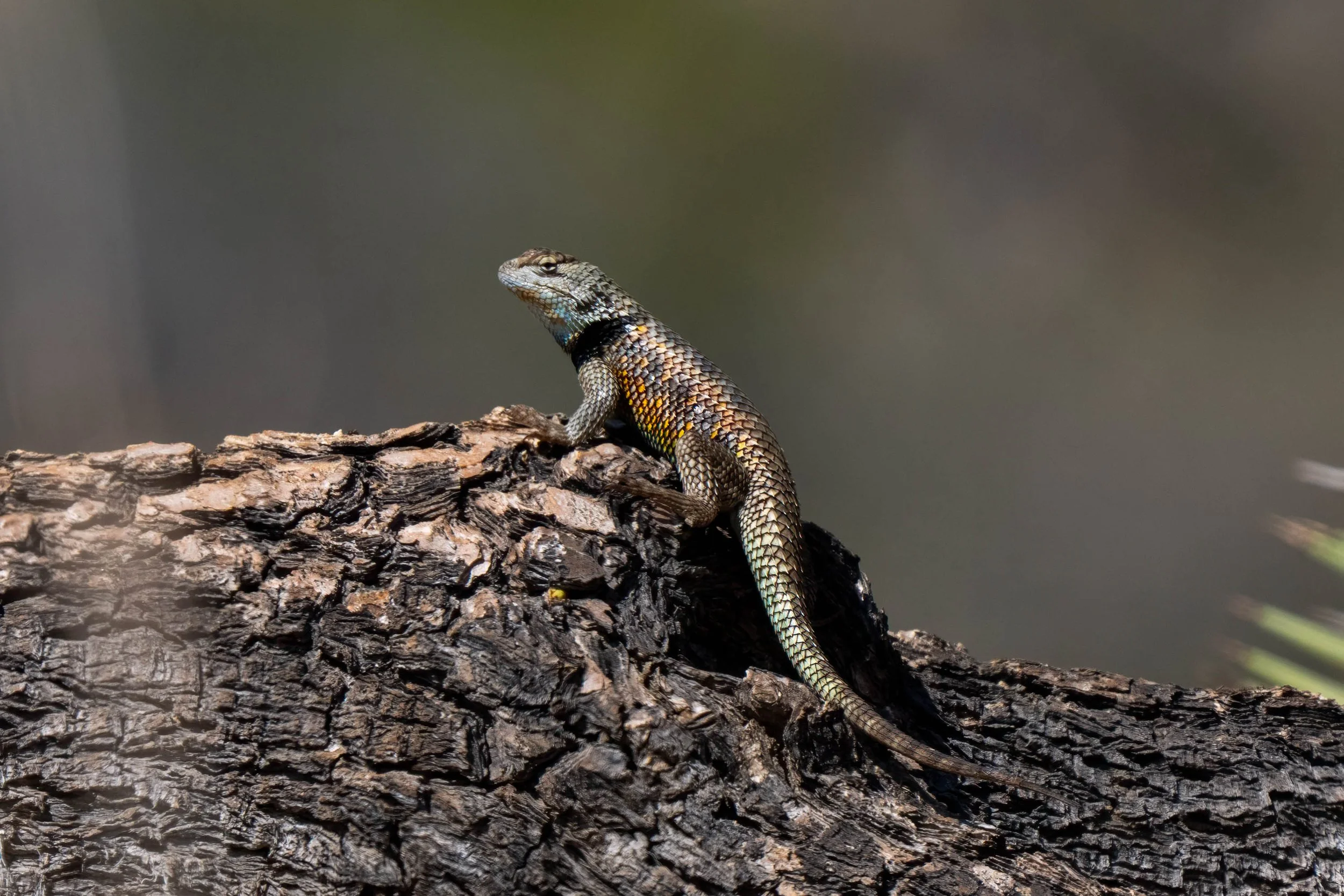
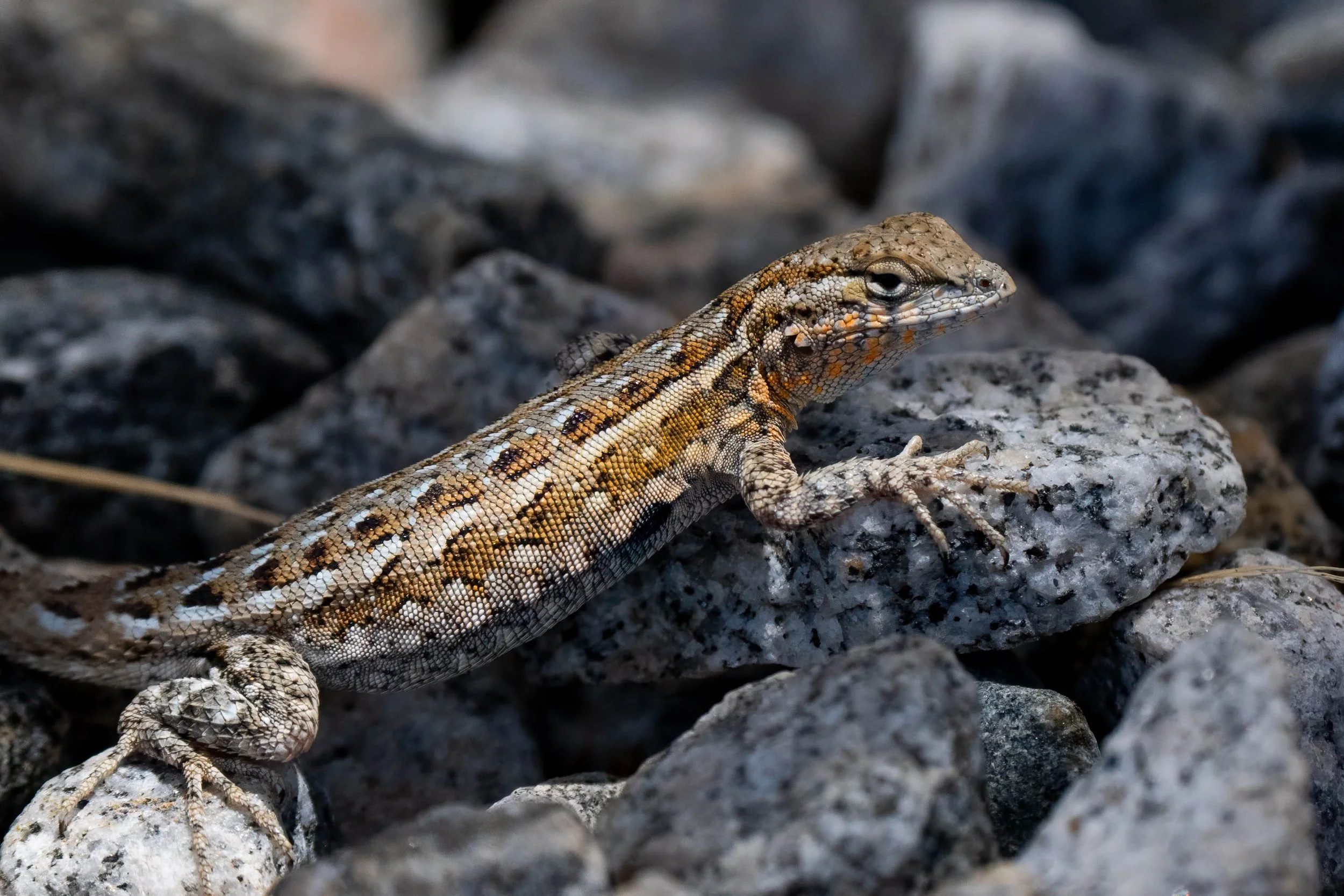
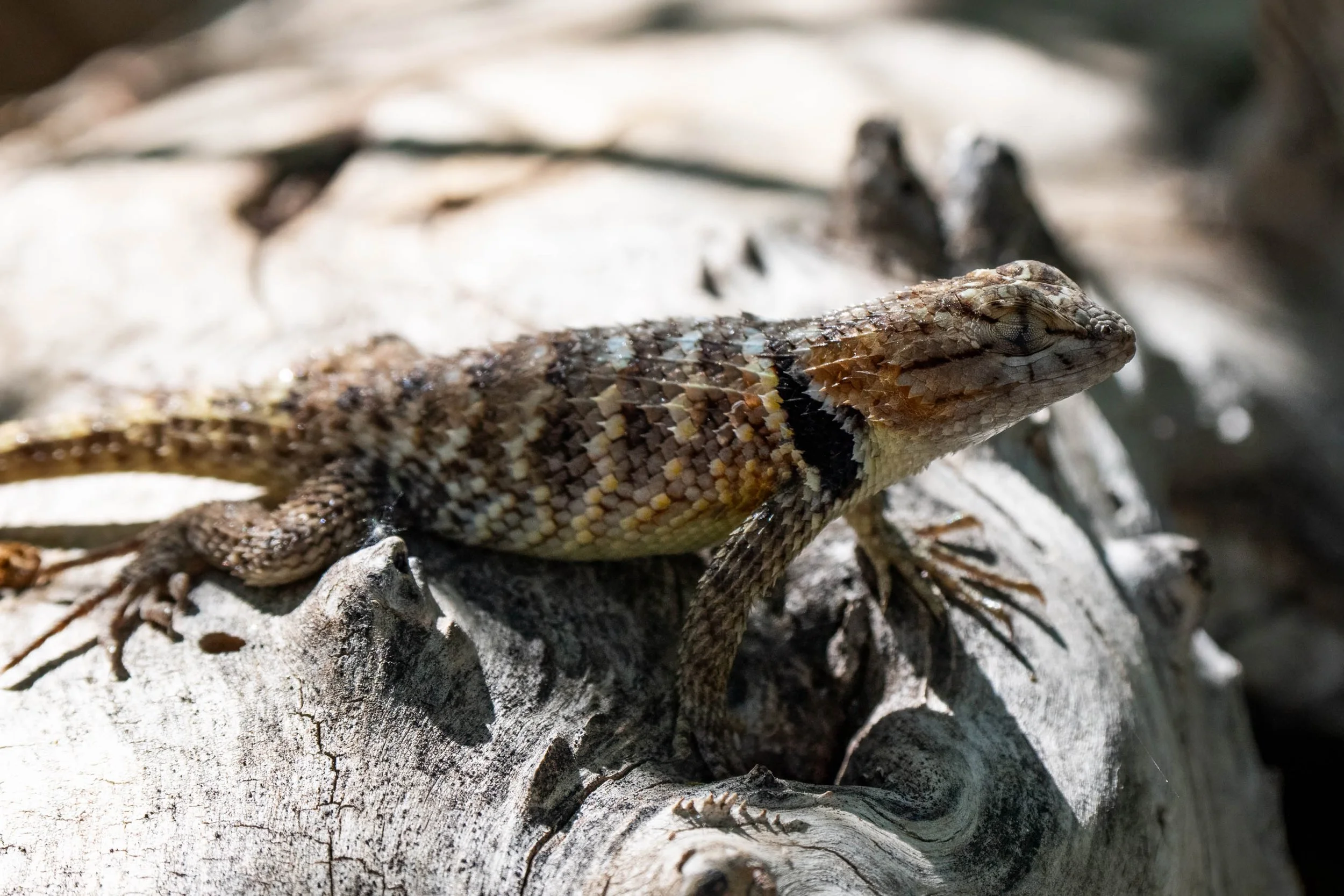
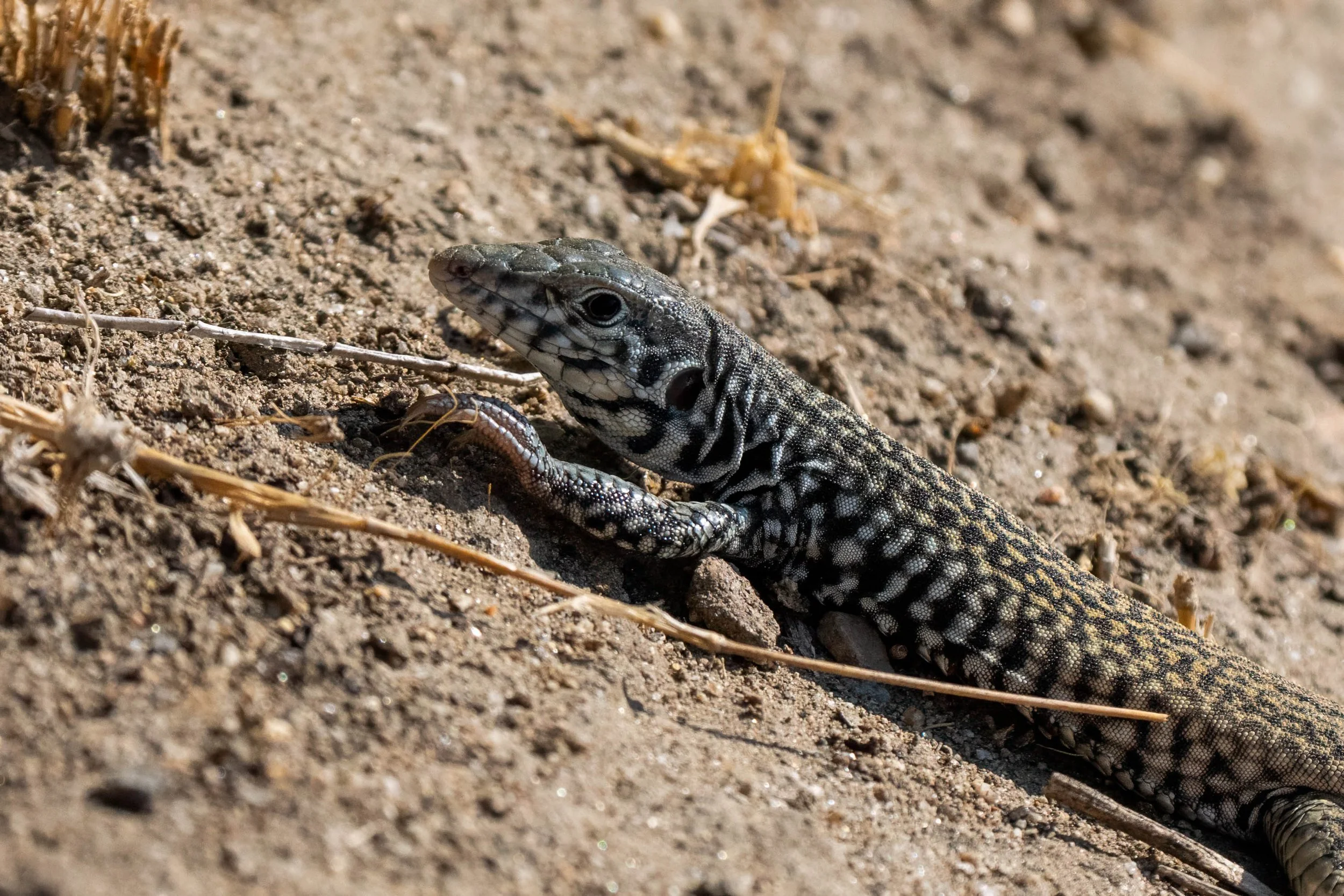
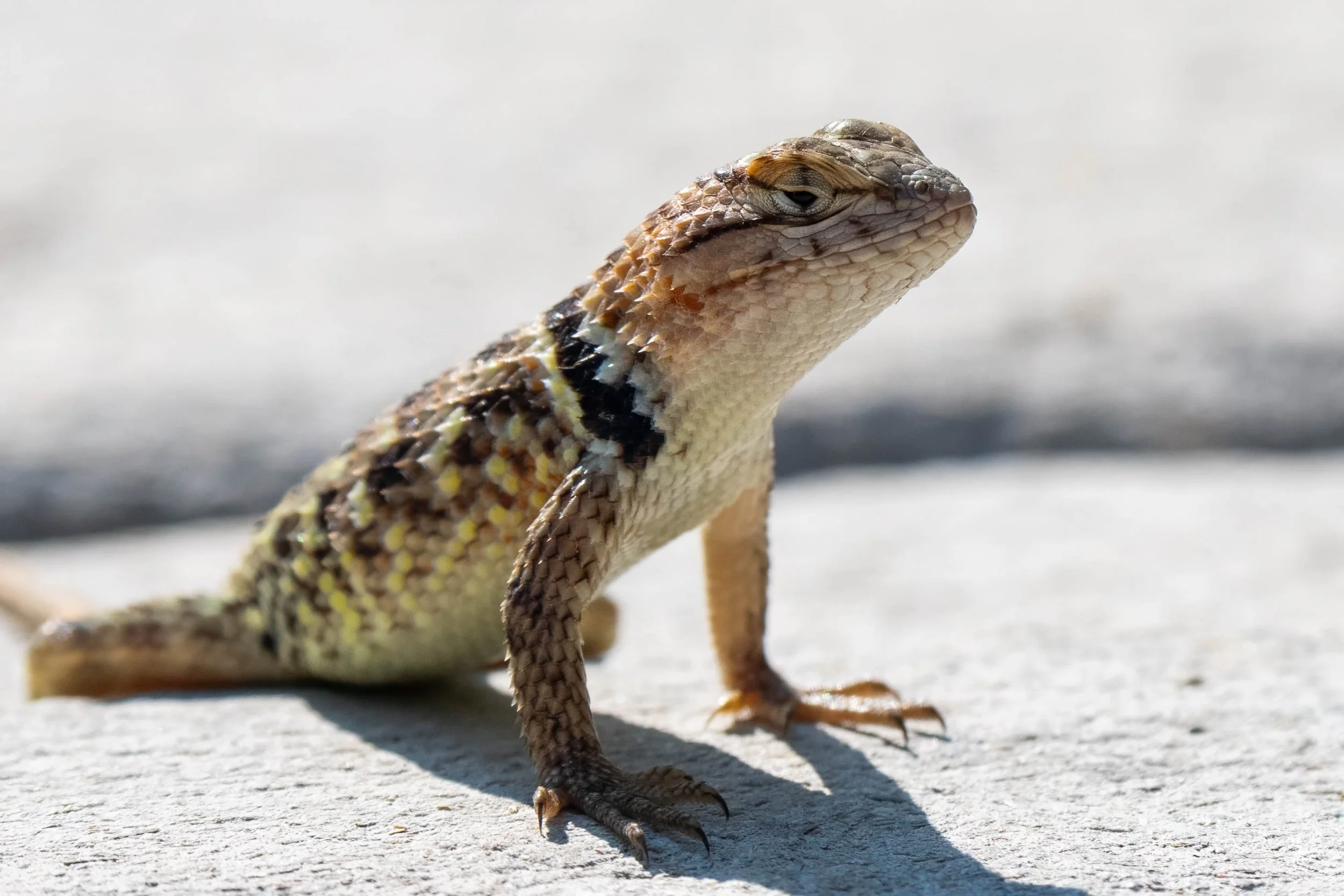
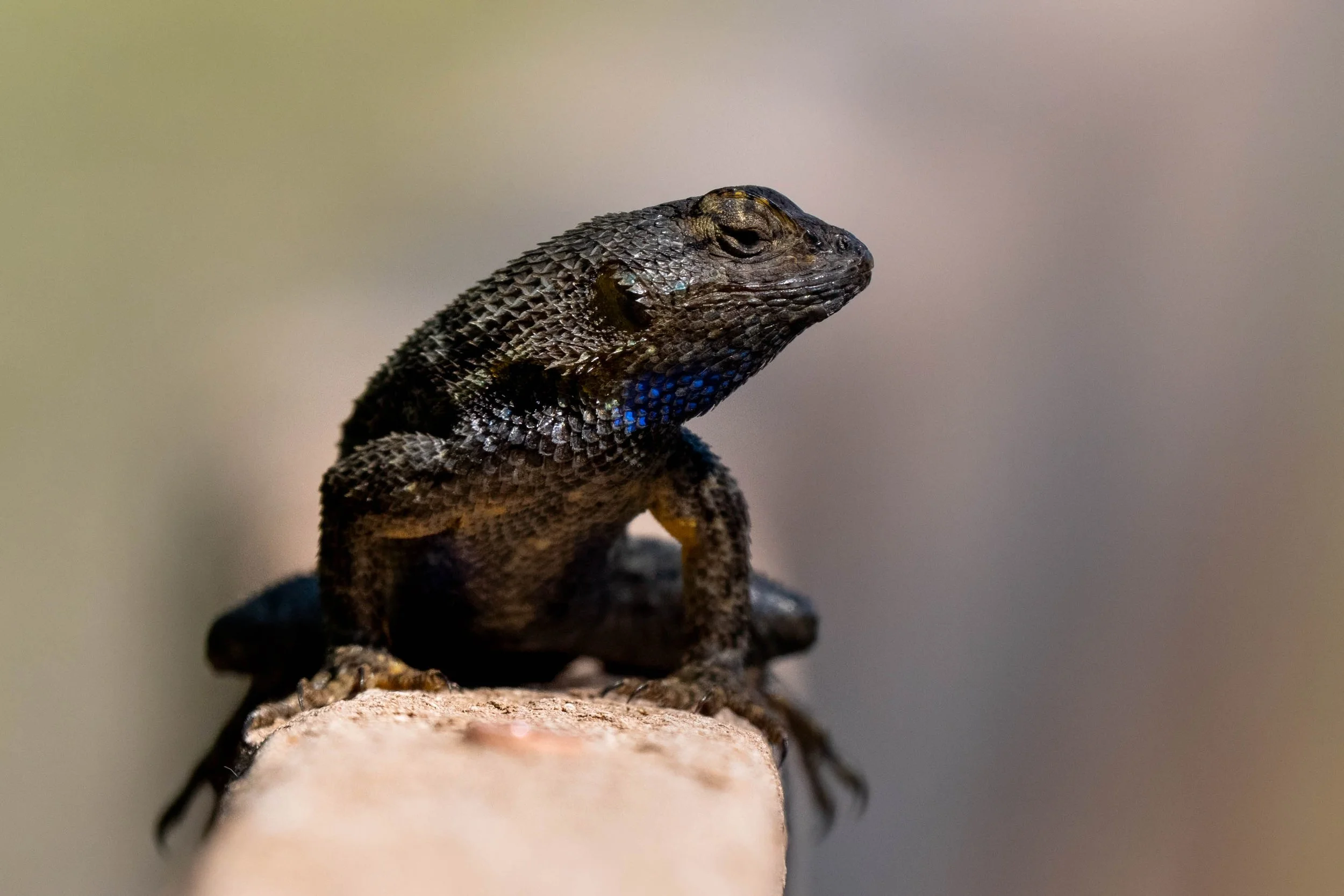
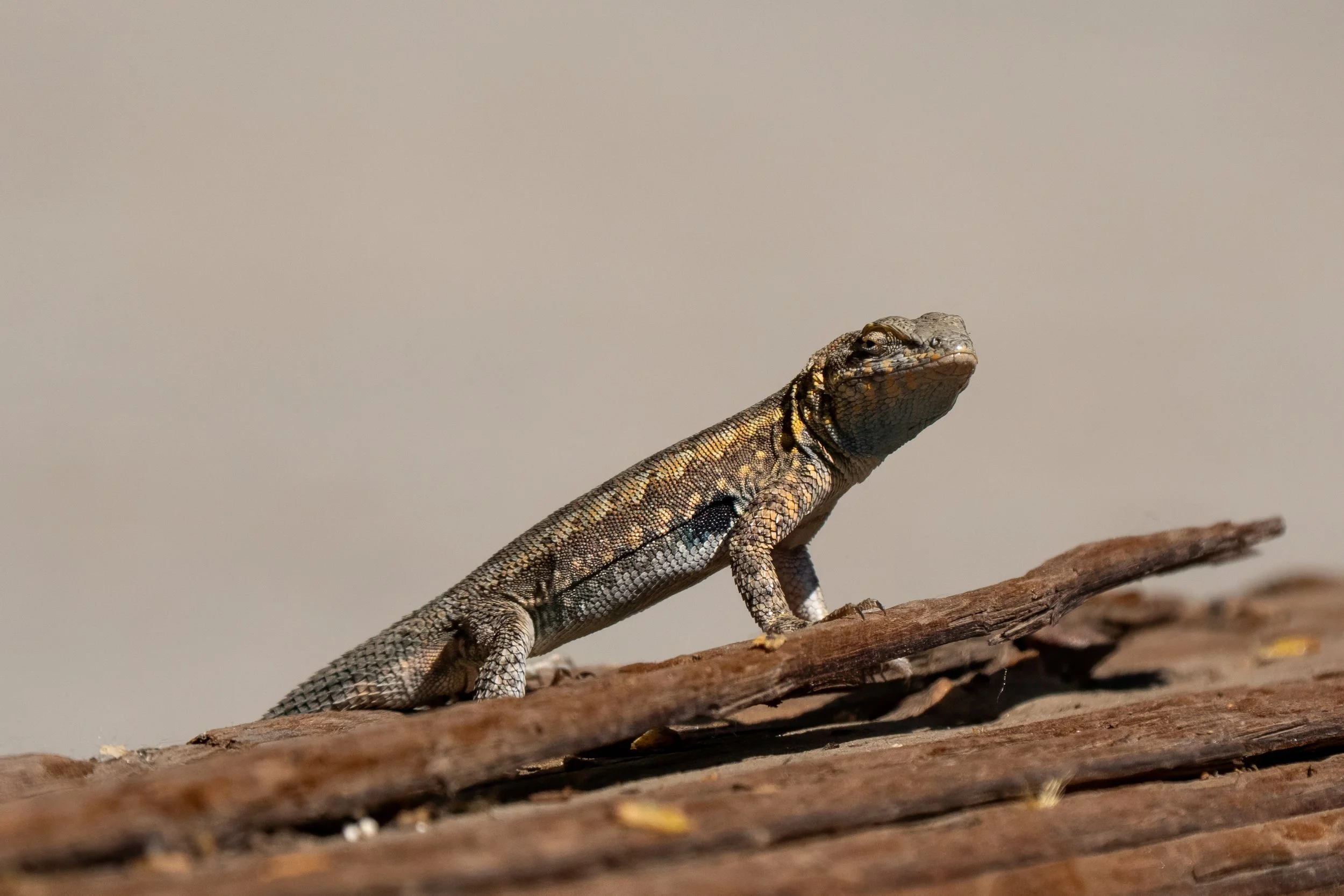
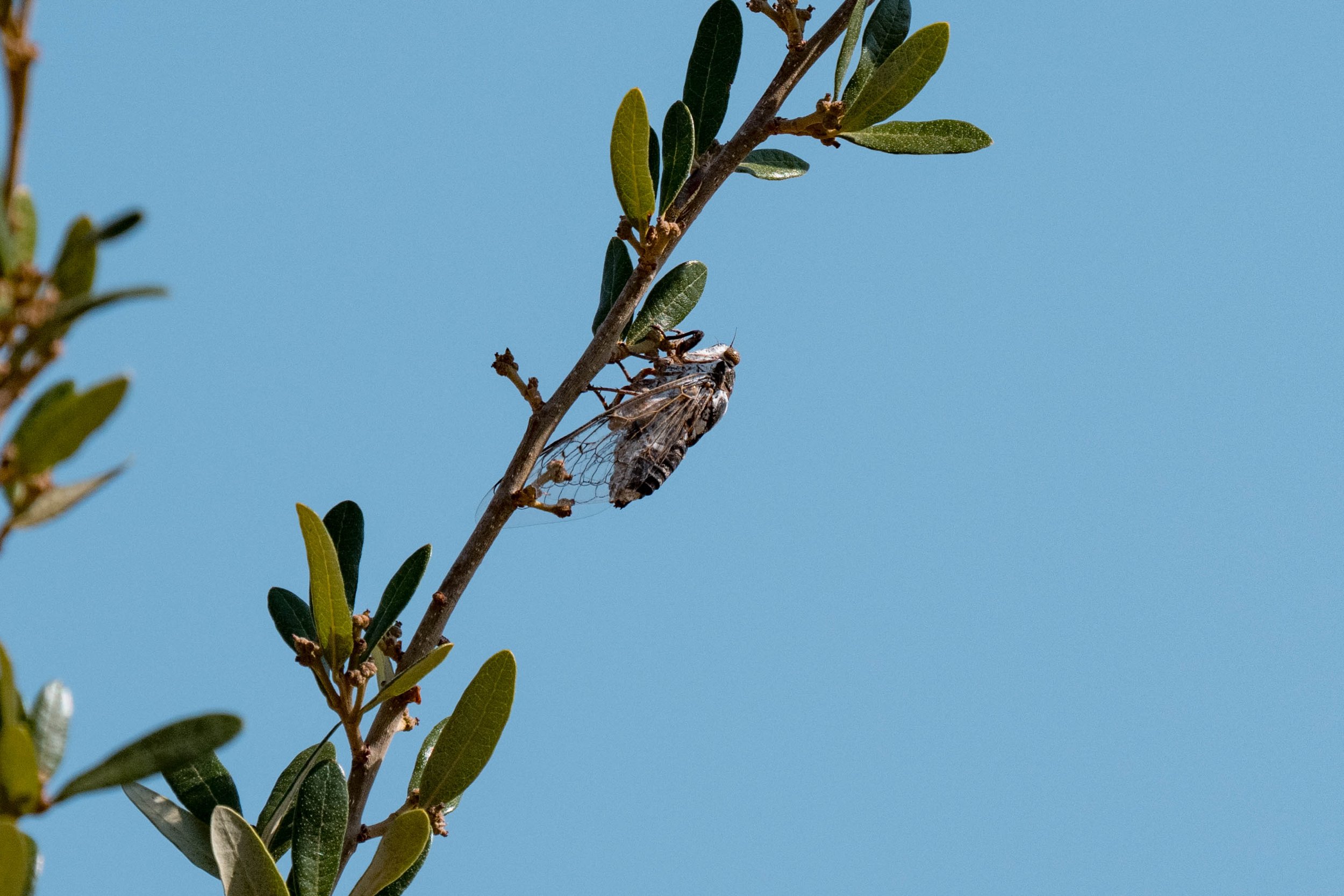
October Wildlife from National Park, Airbnb and Big Morongo Canyon Preserve:
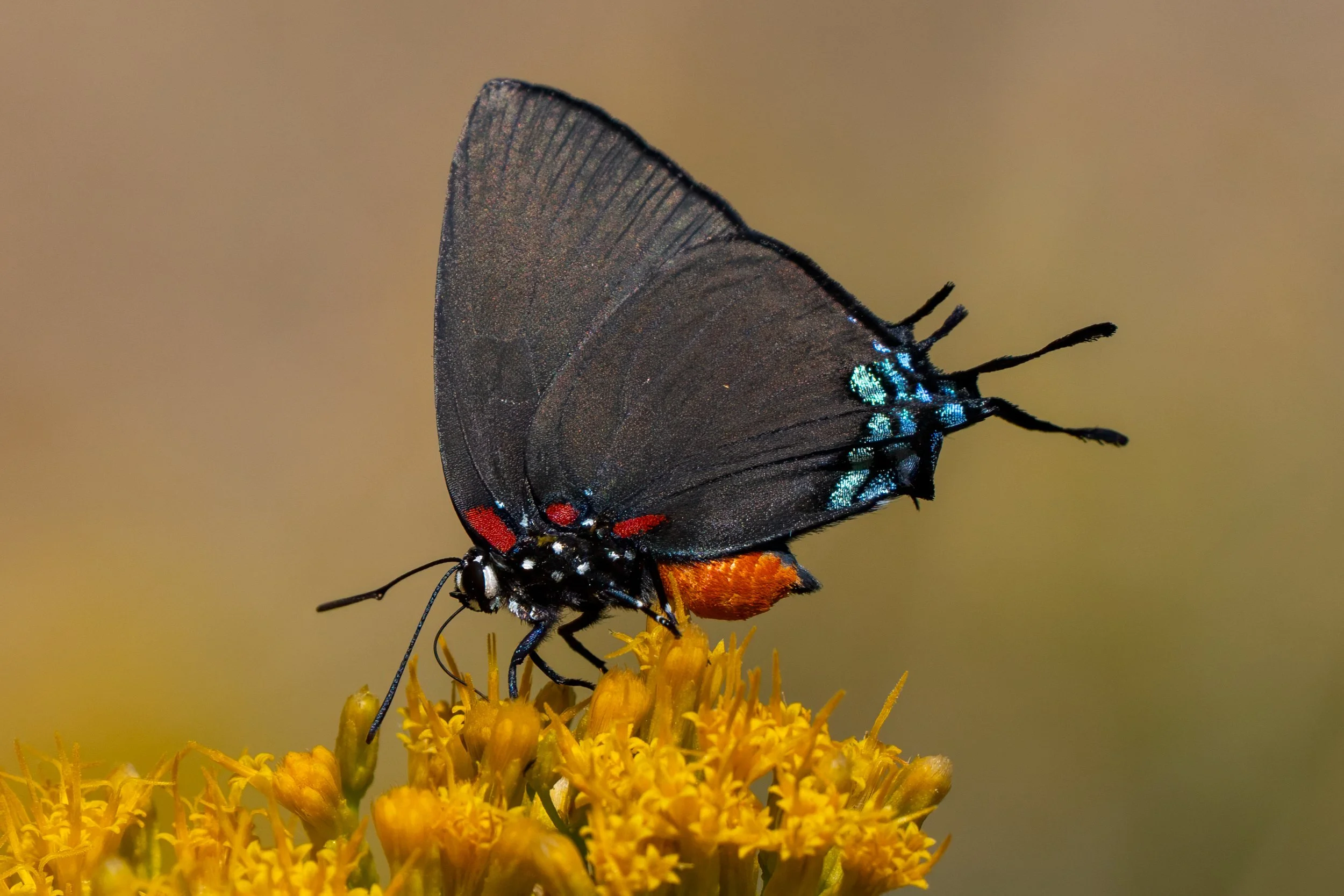
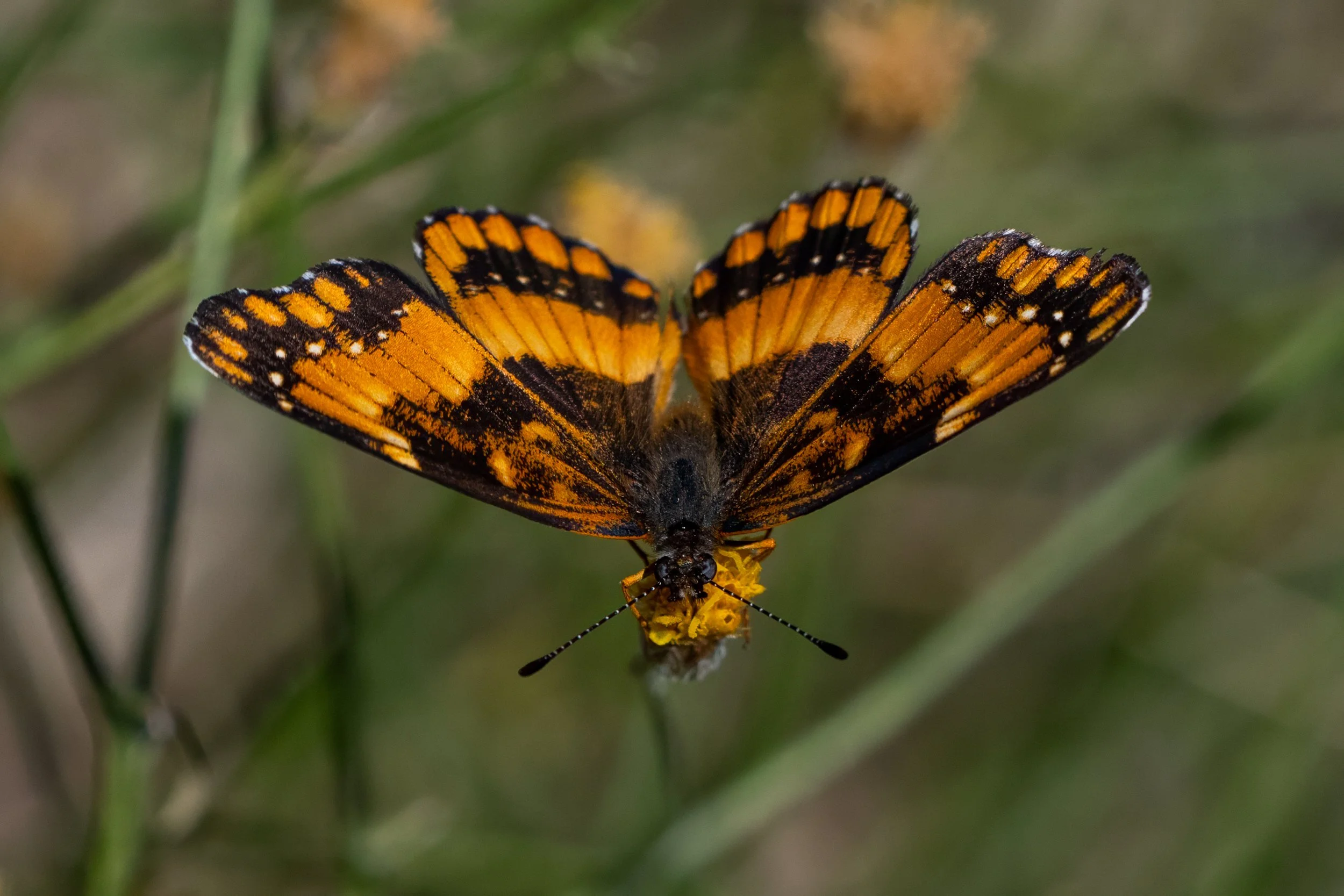
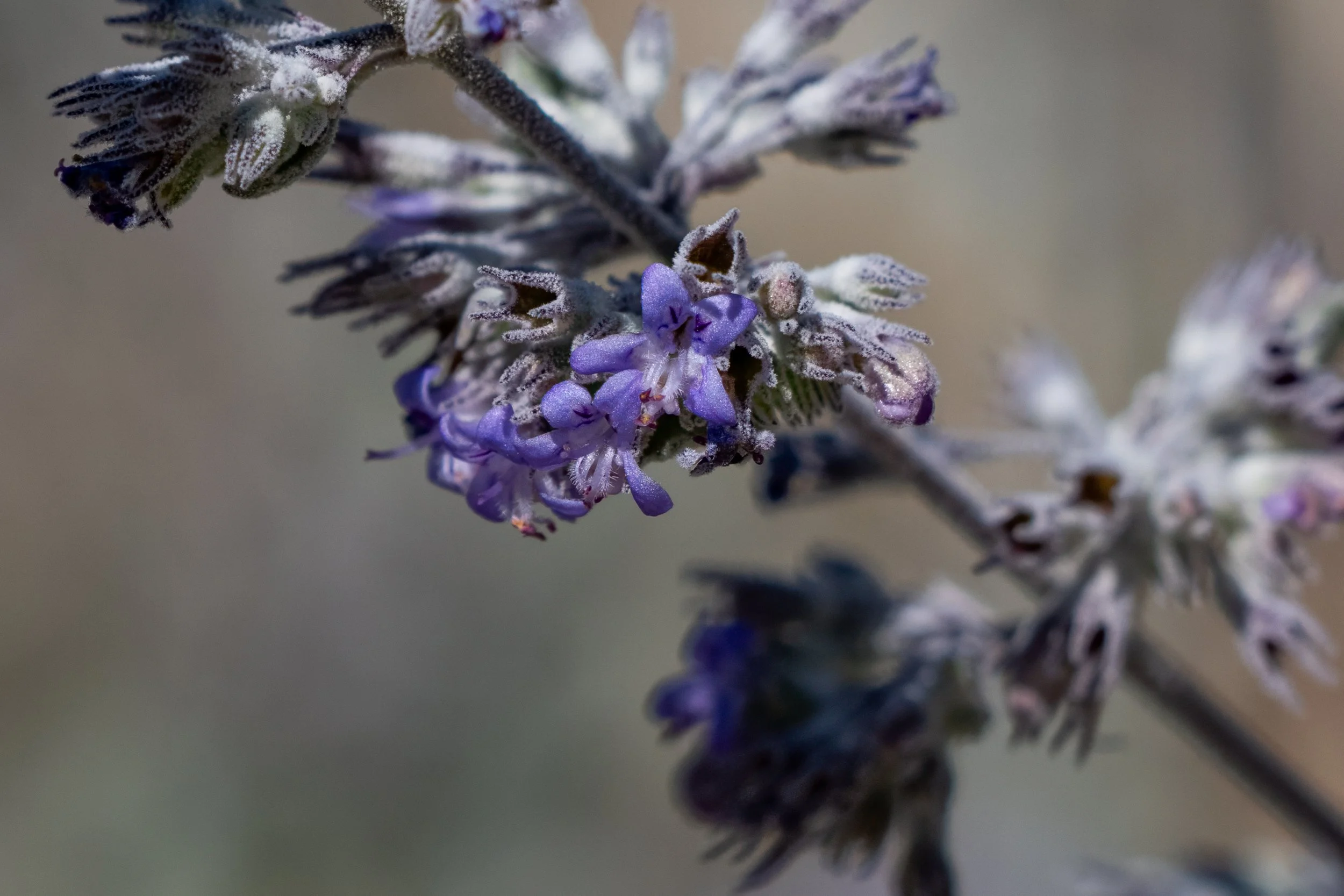
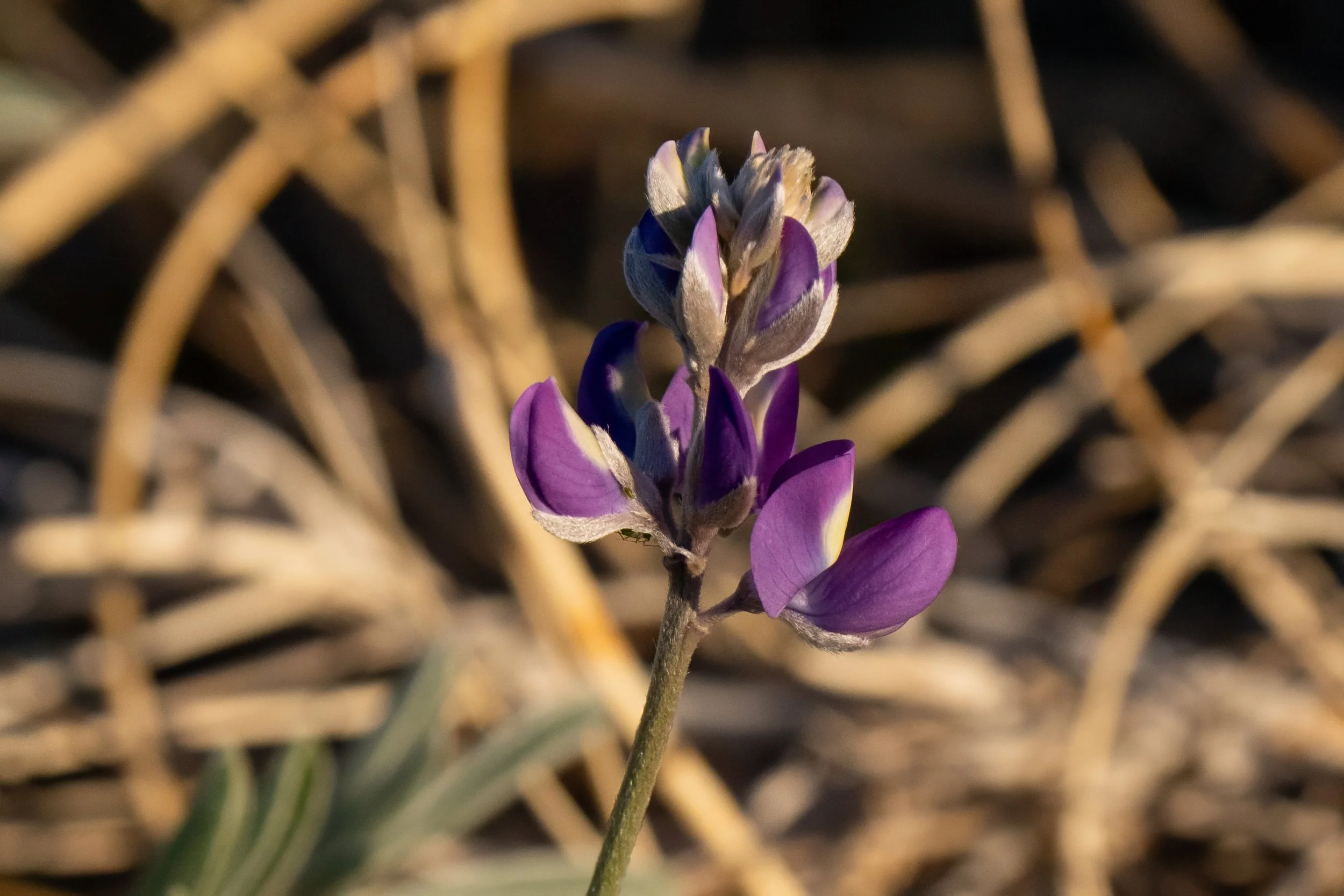
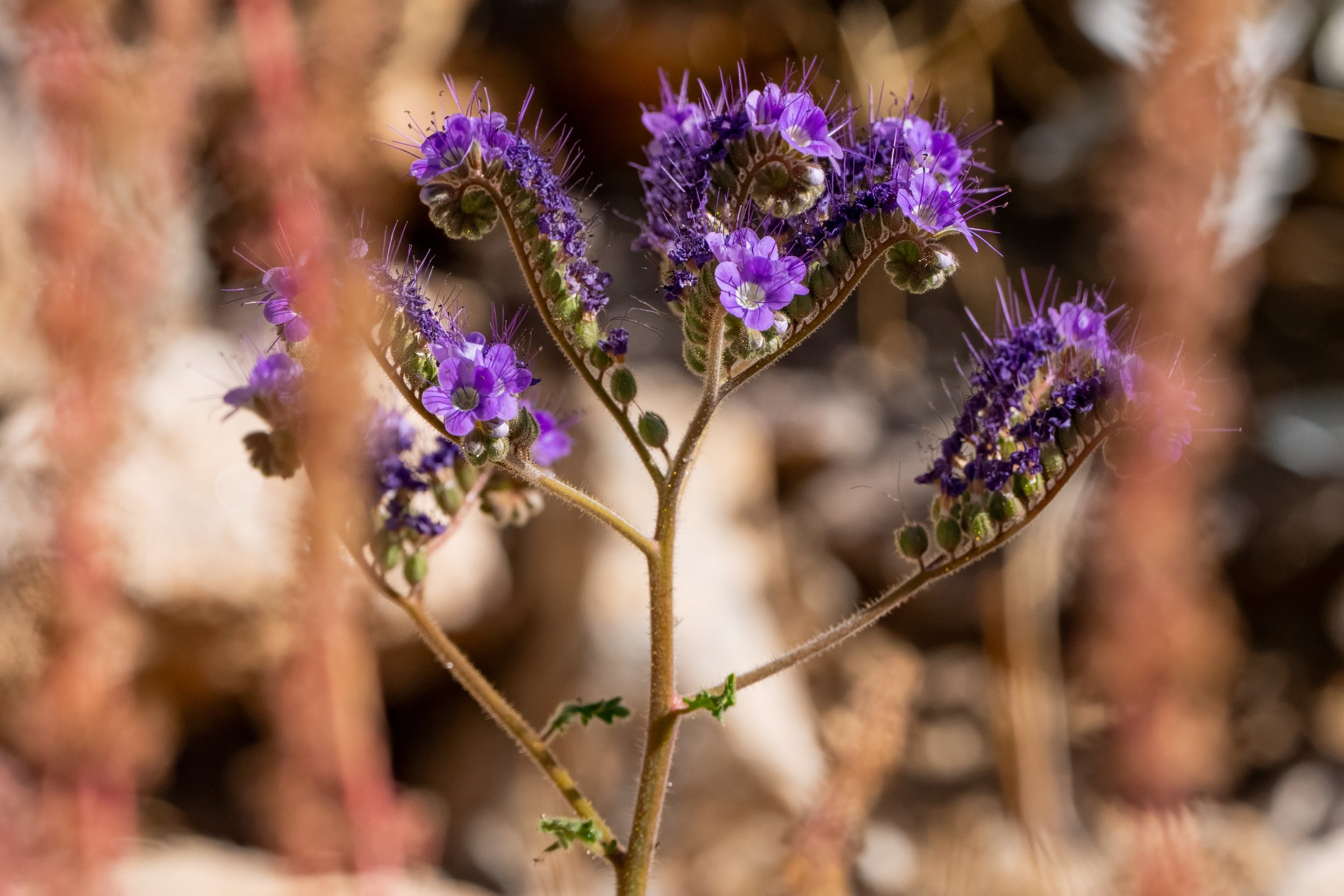
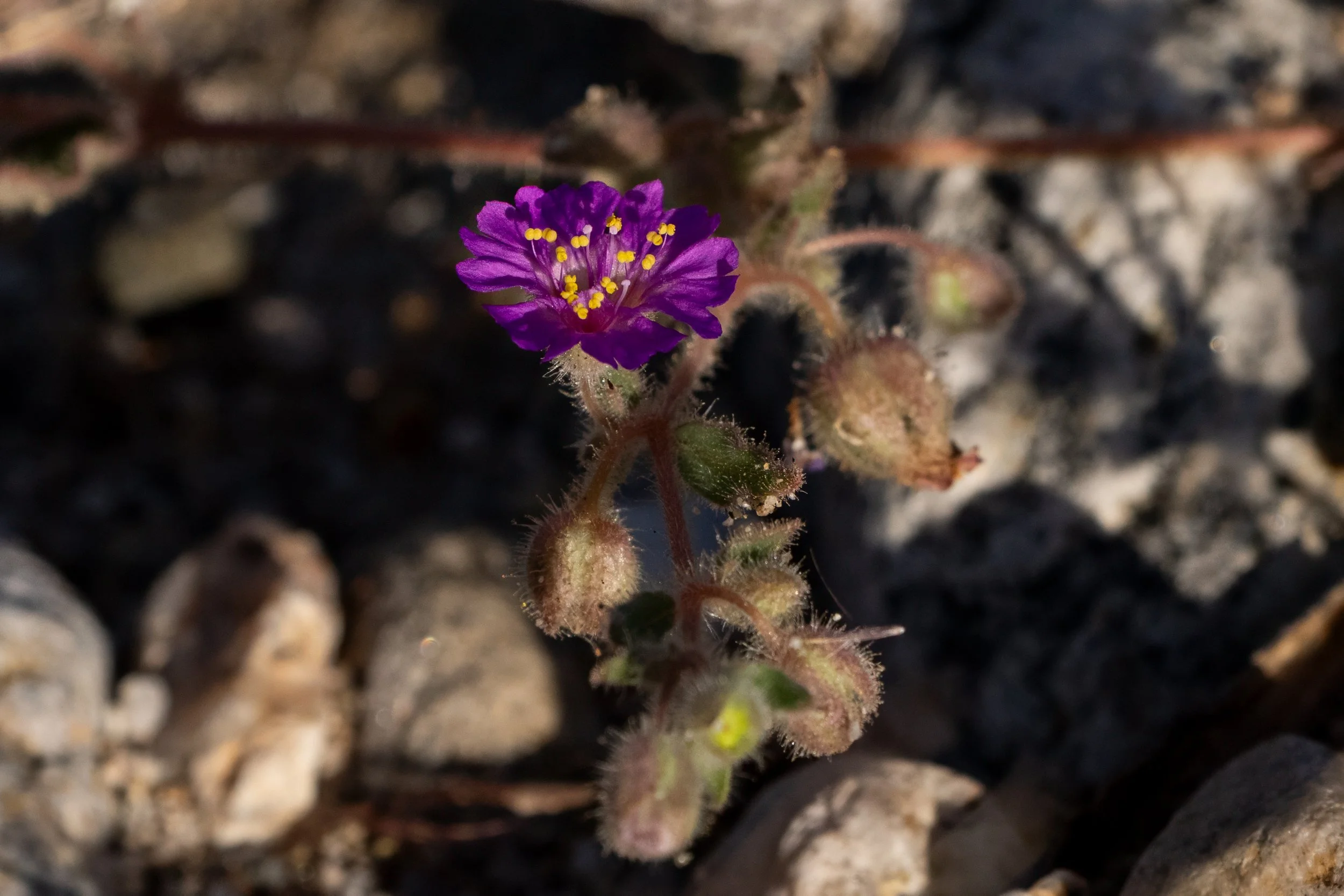
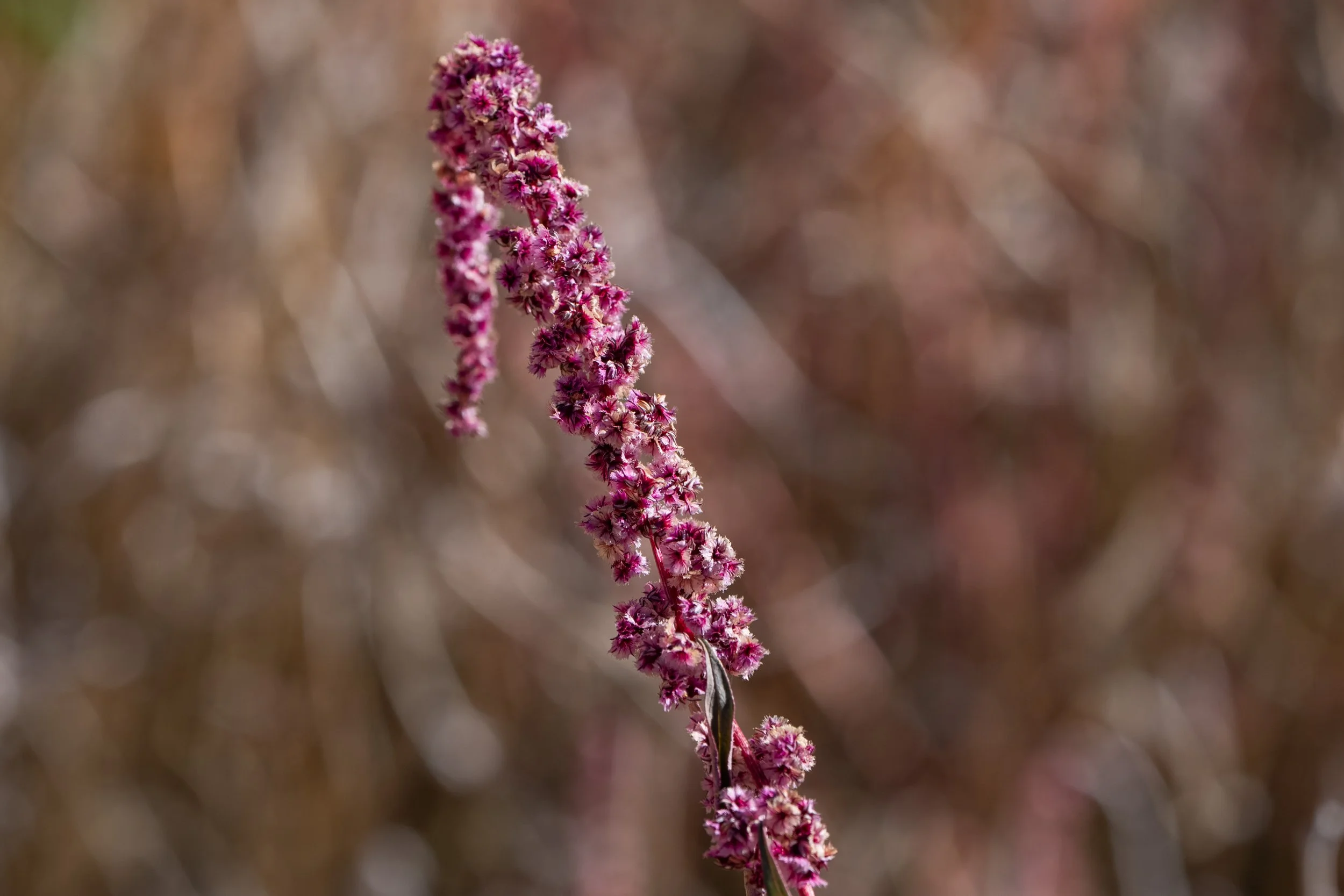
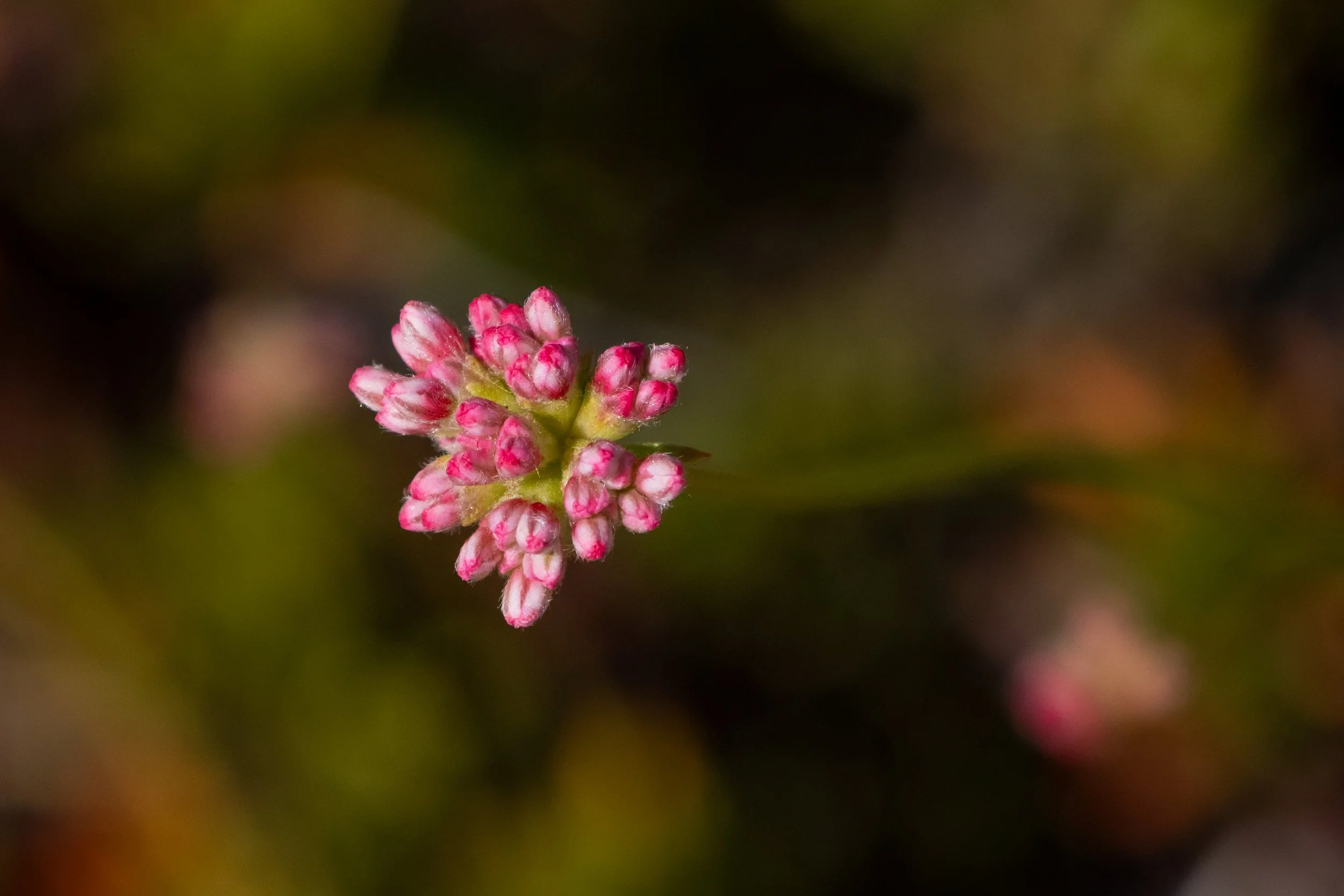
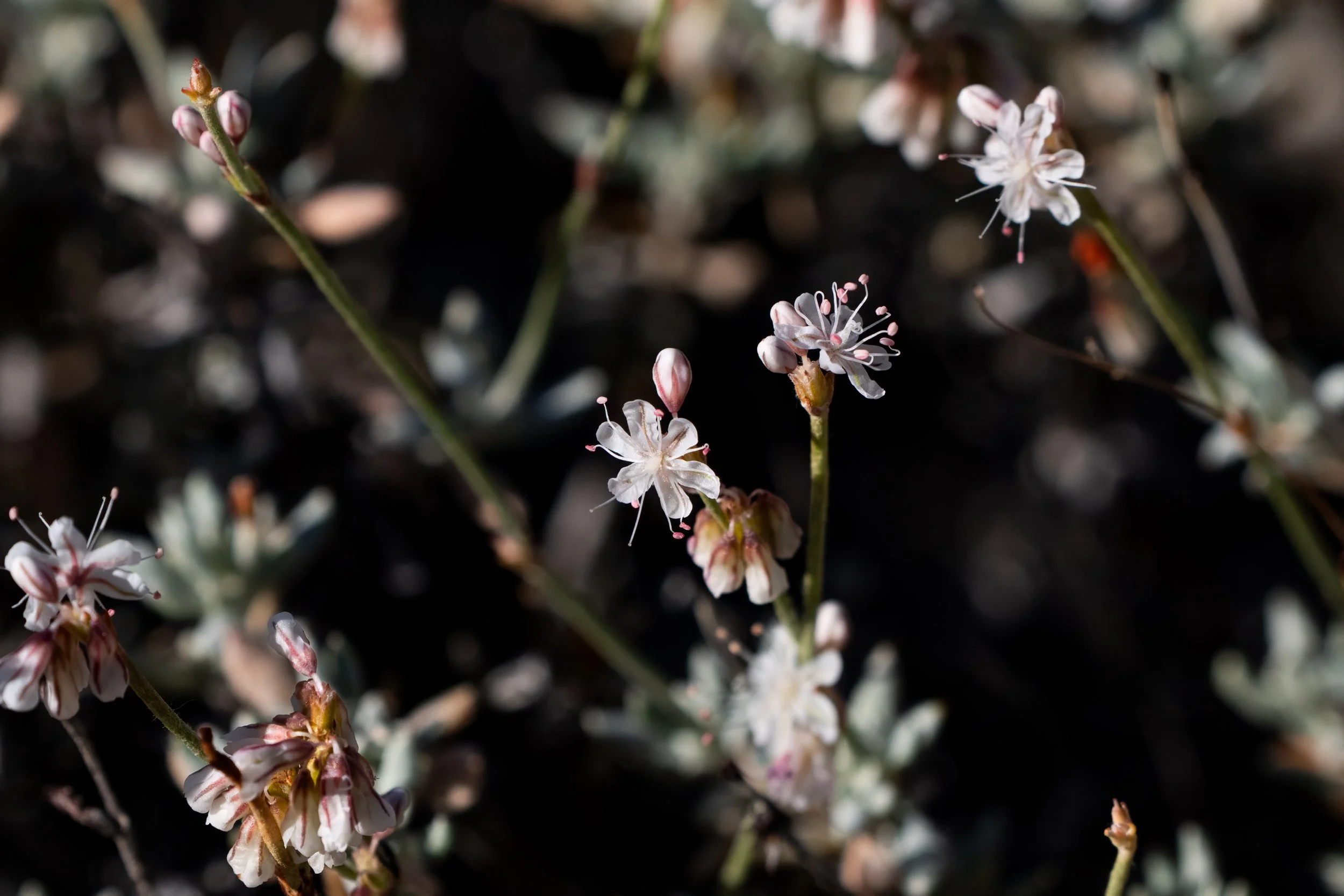
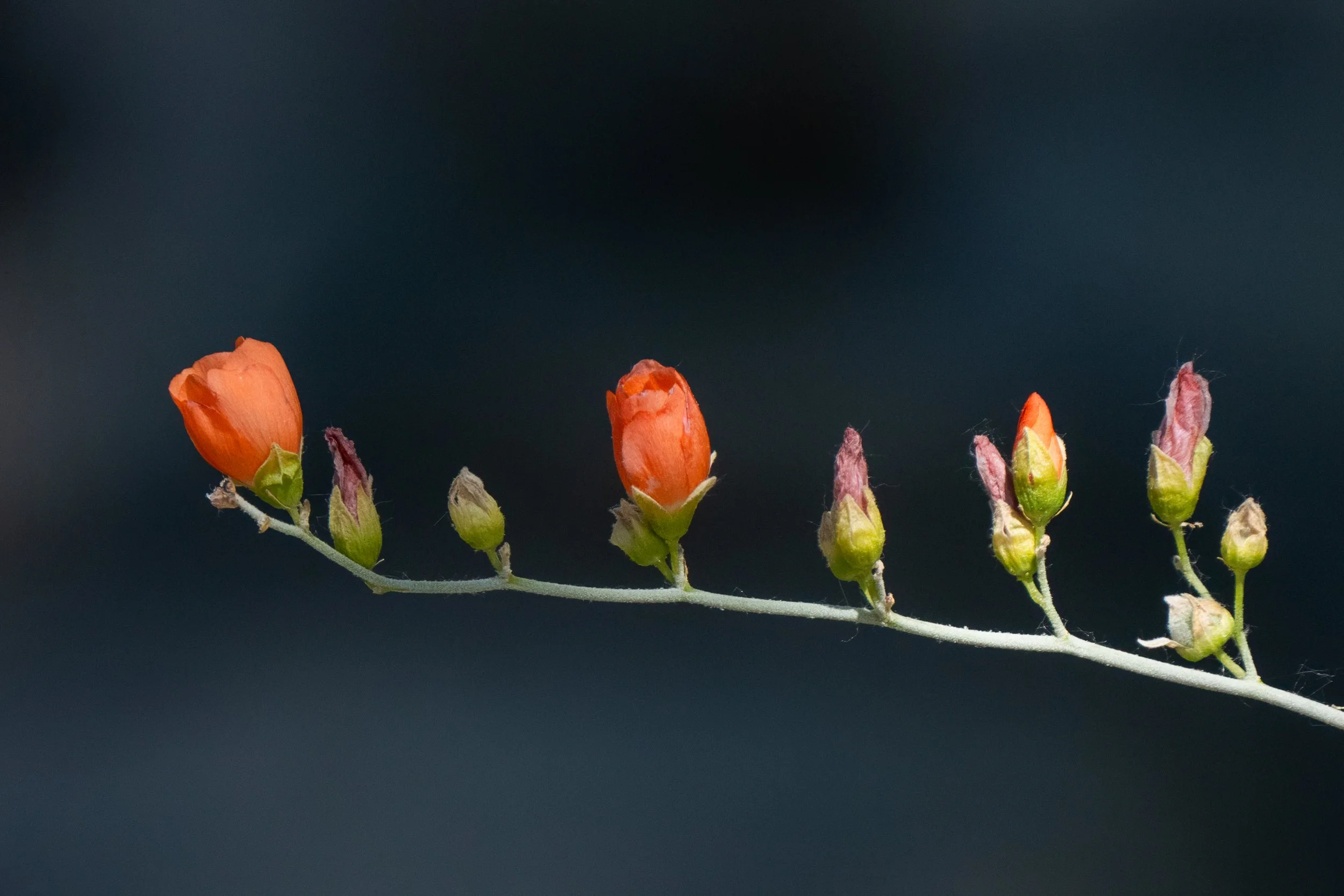
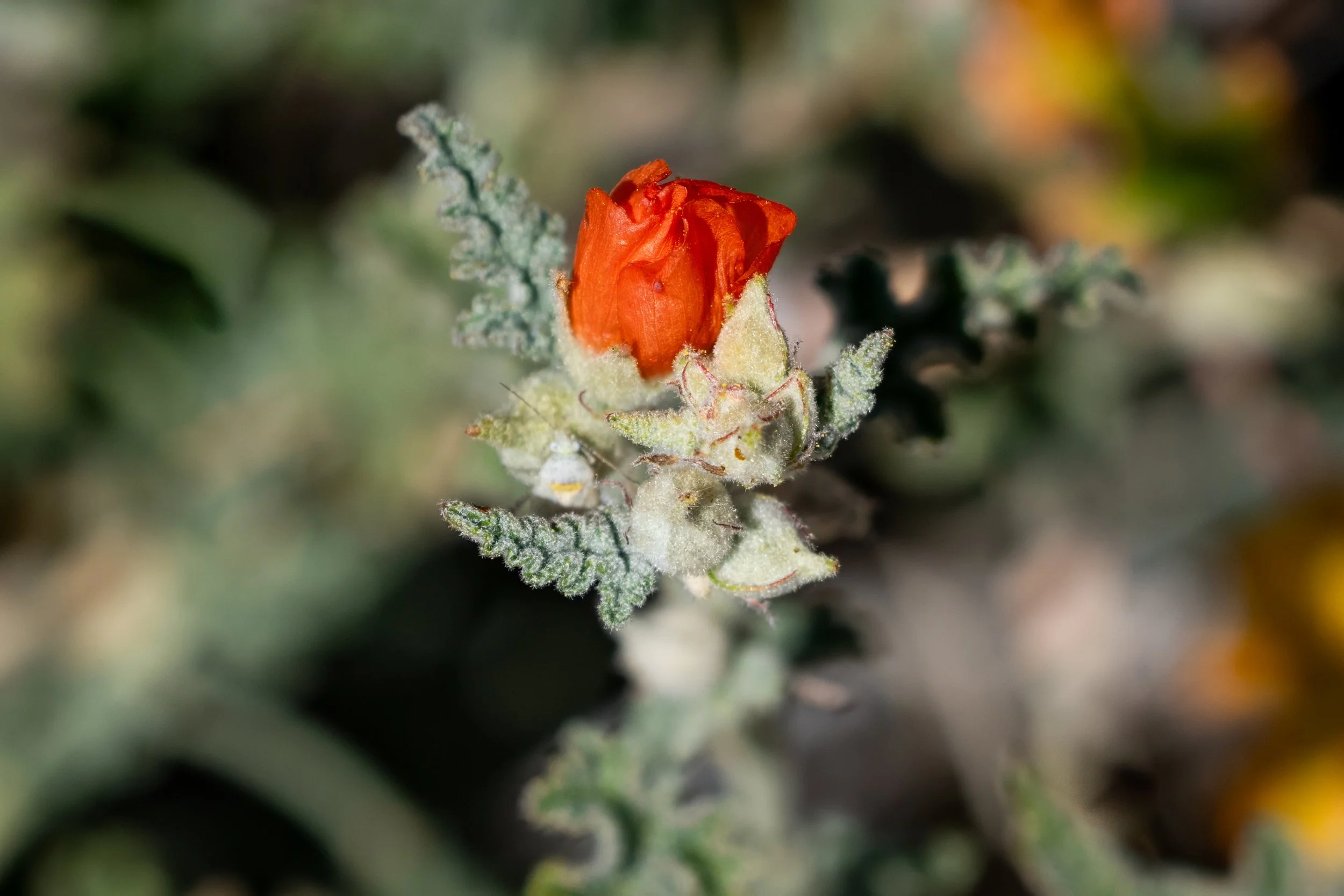
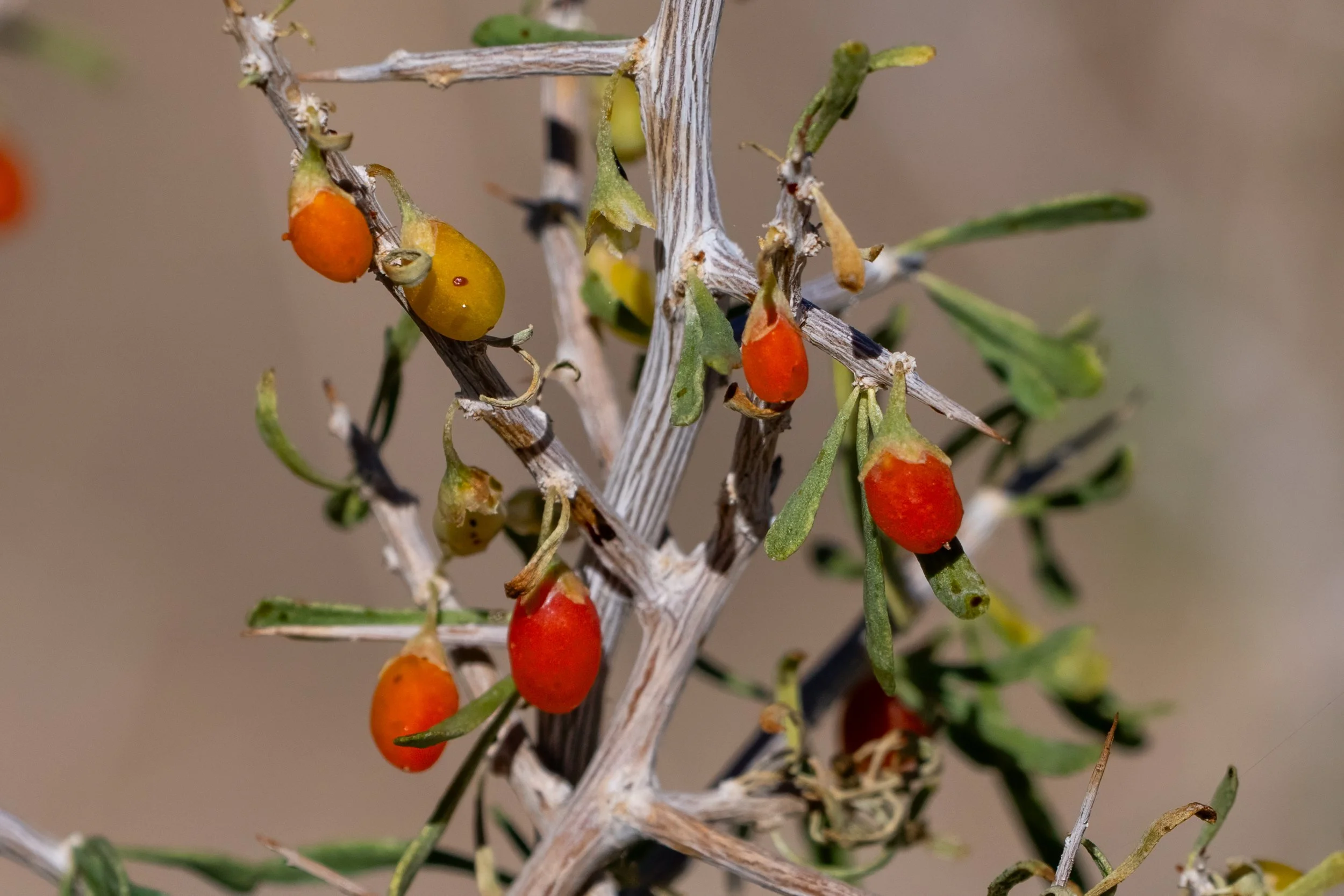
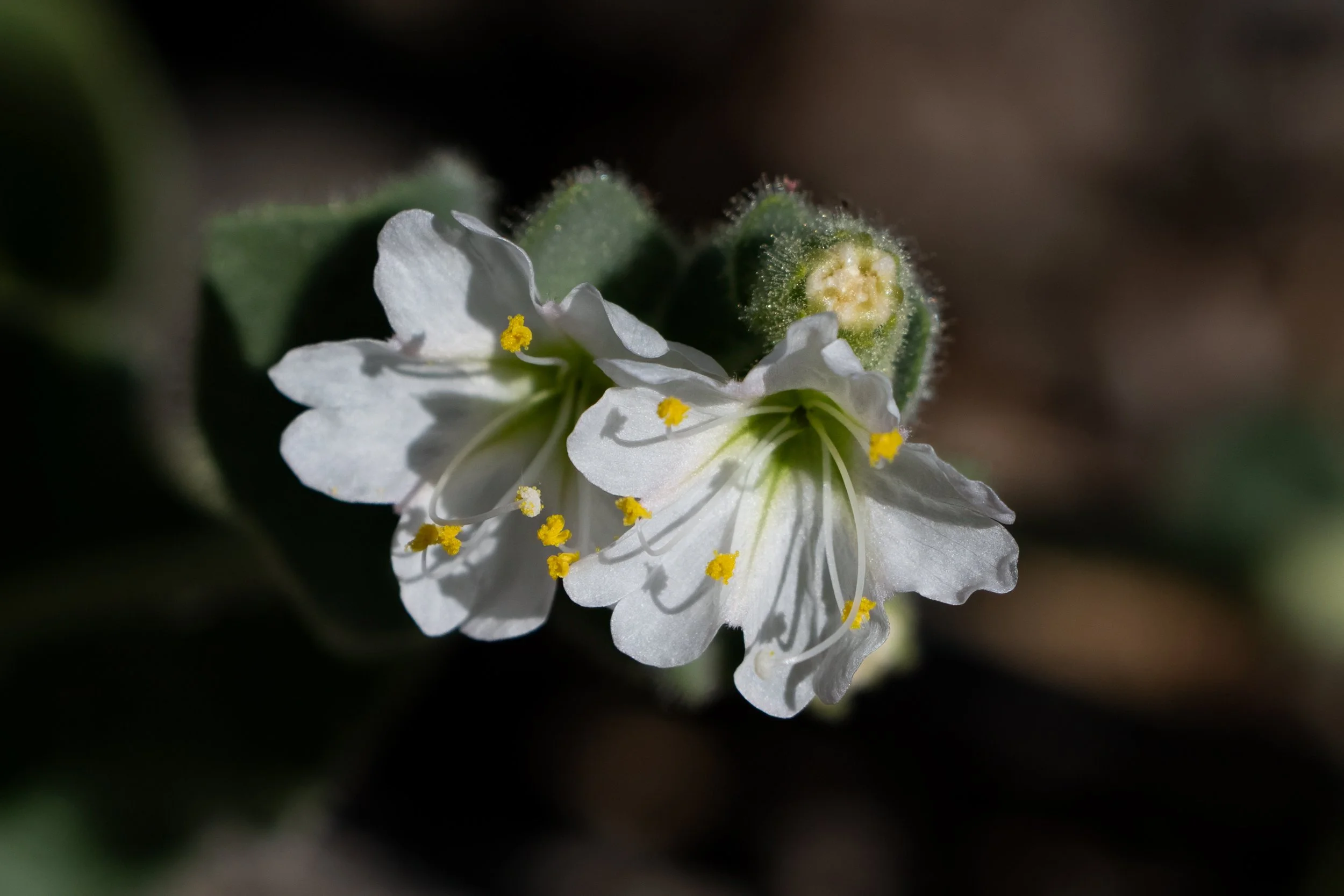
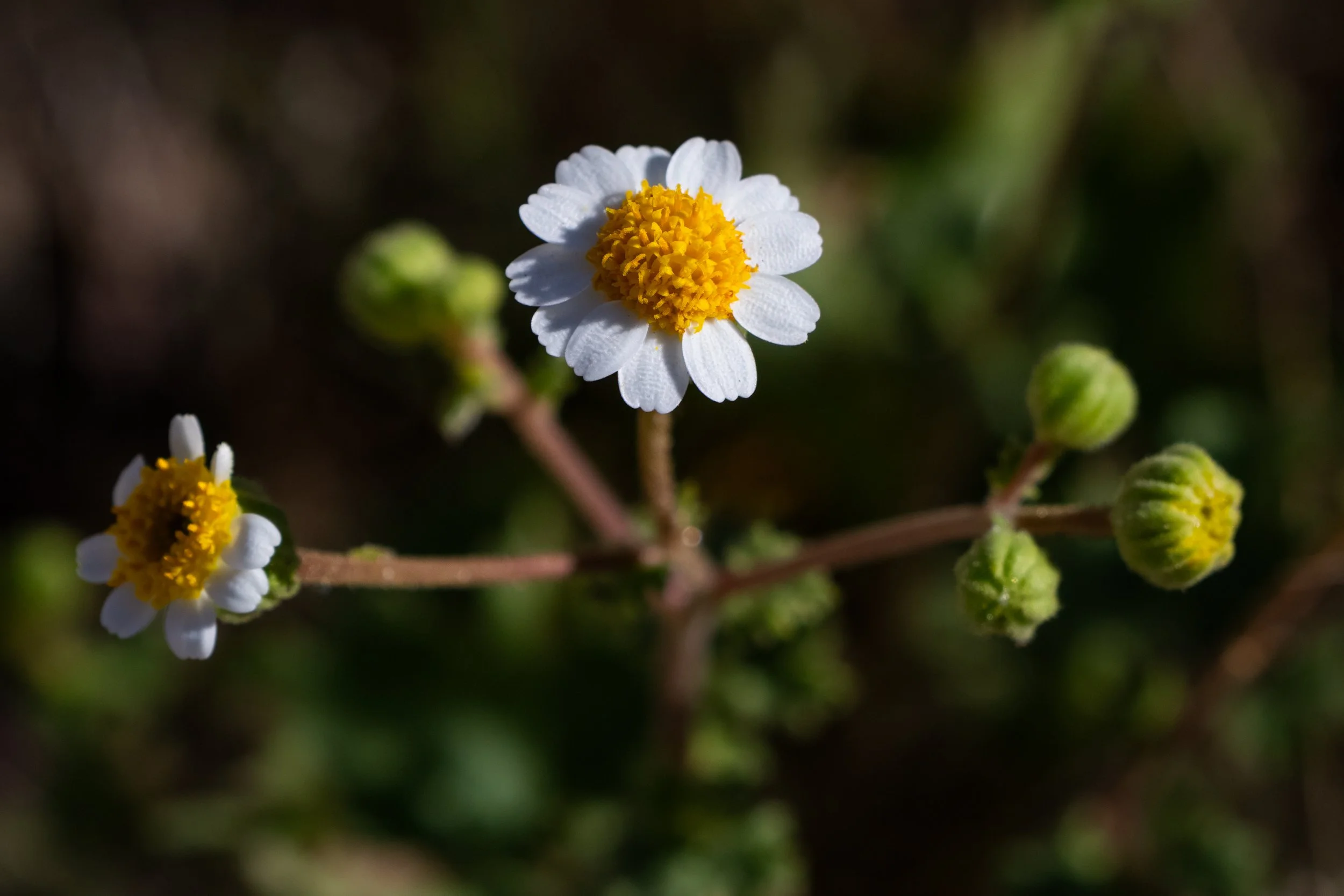
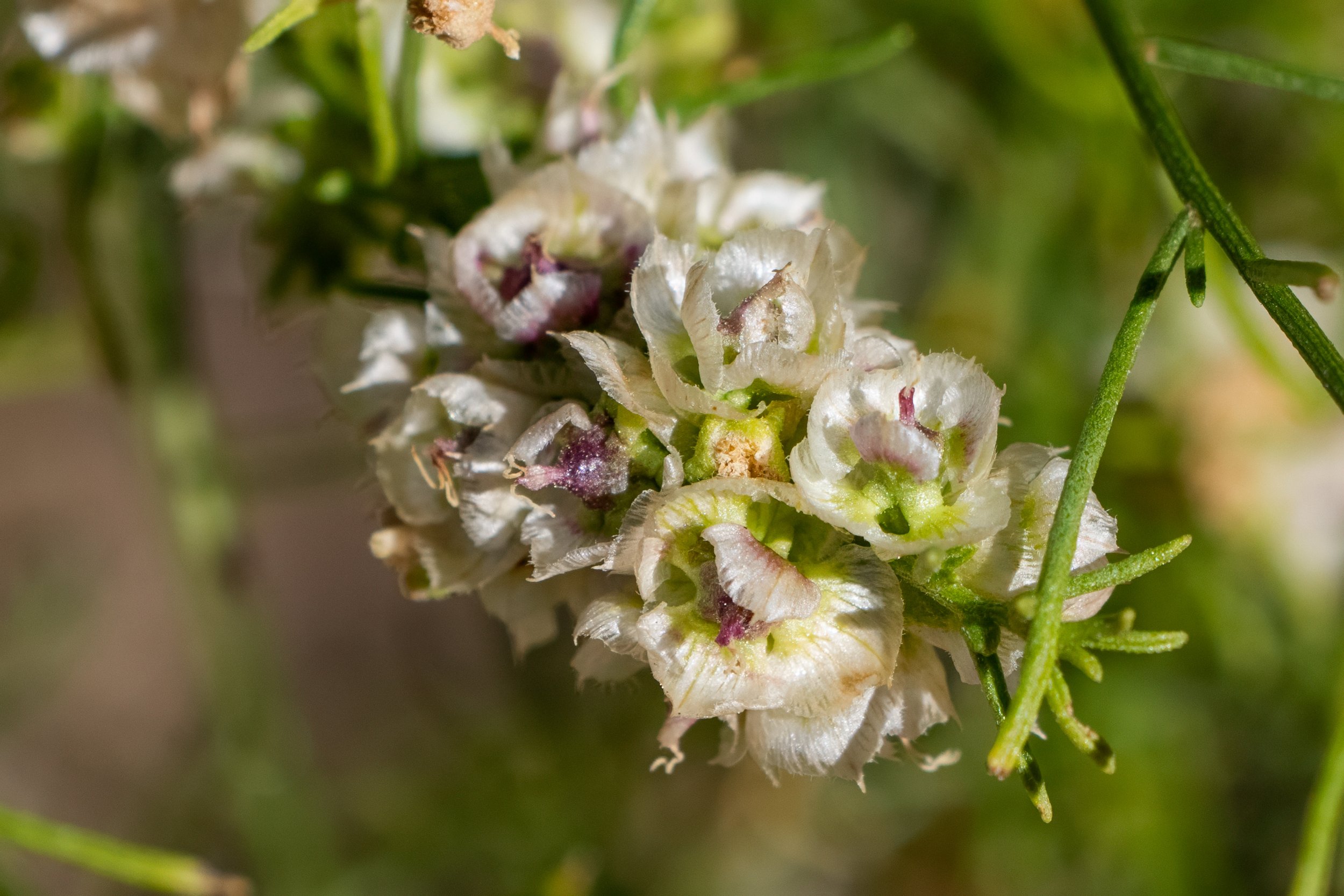
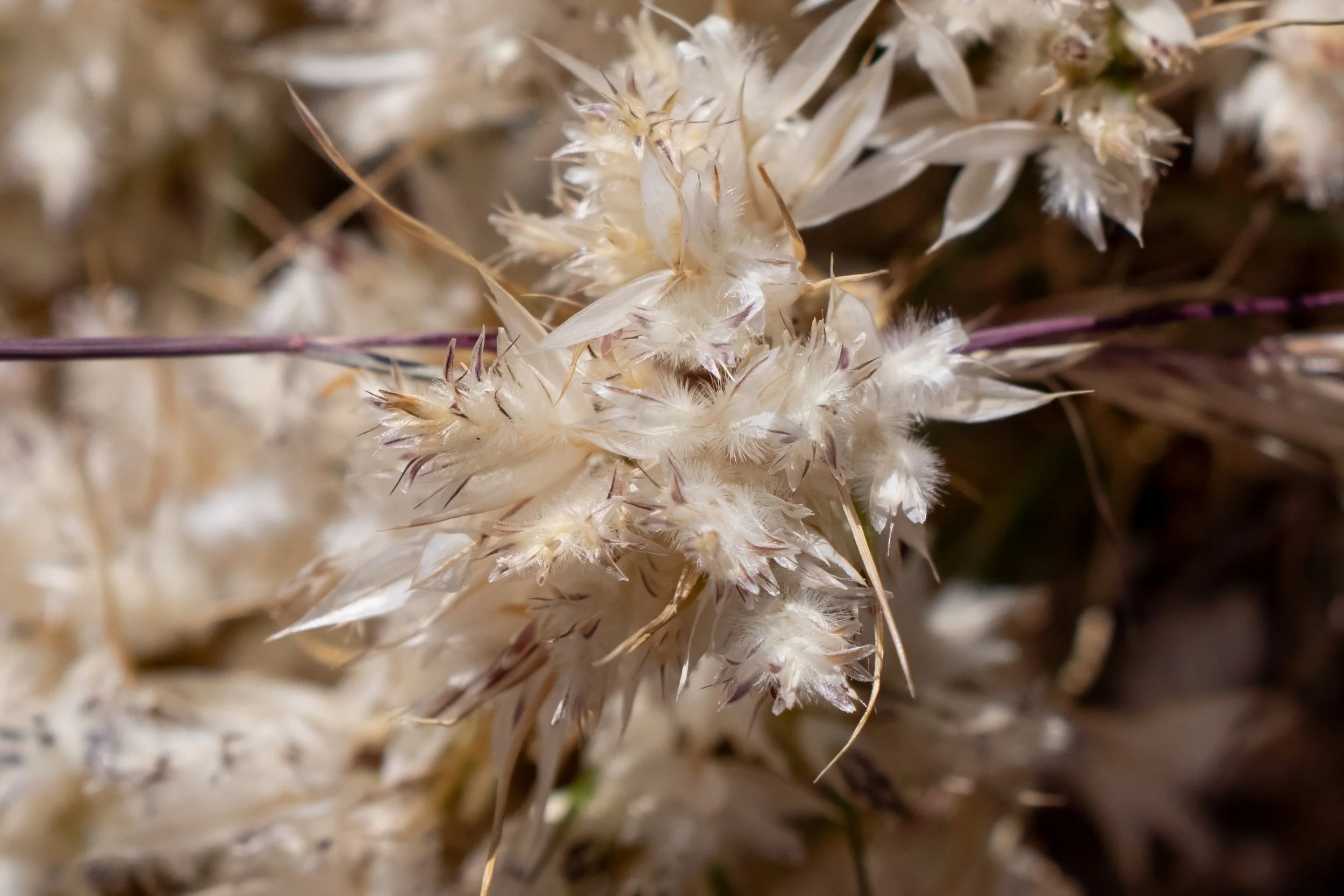
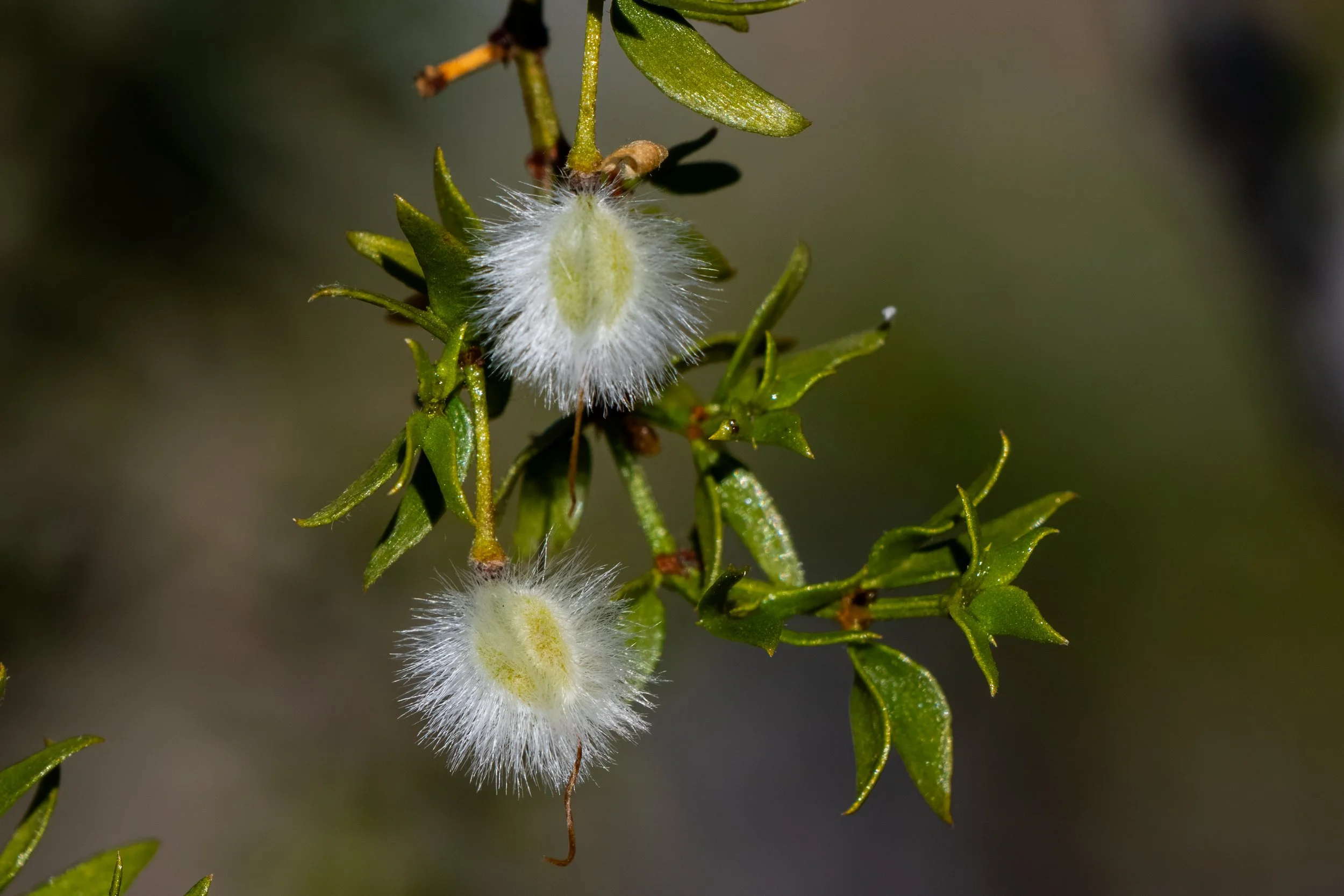
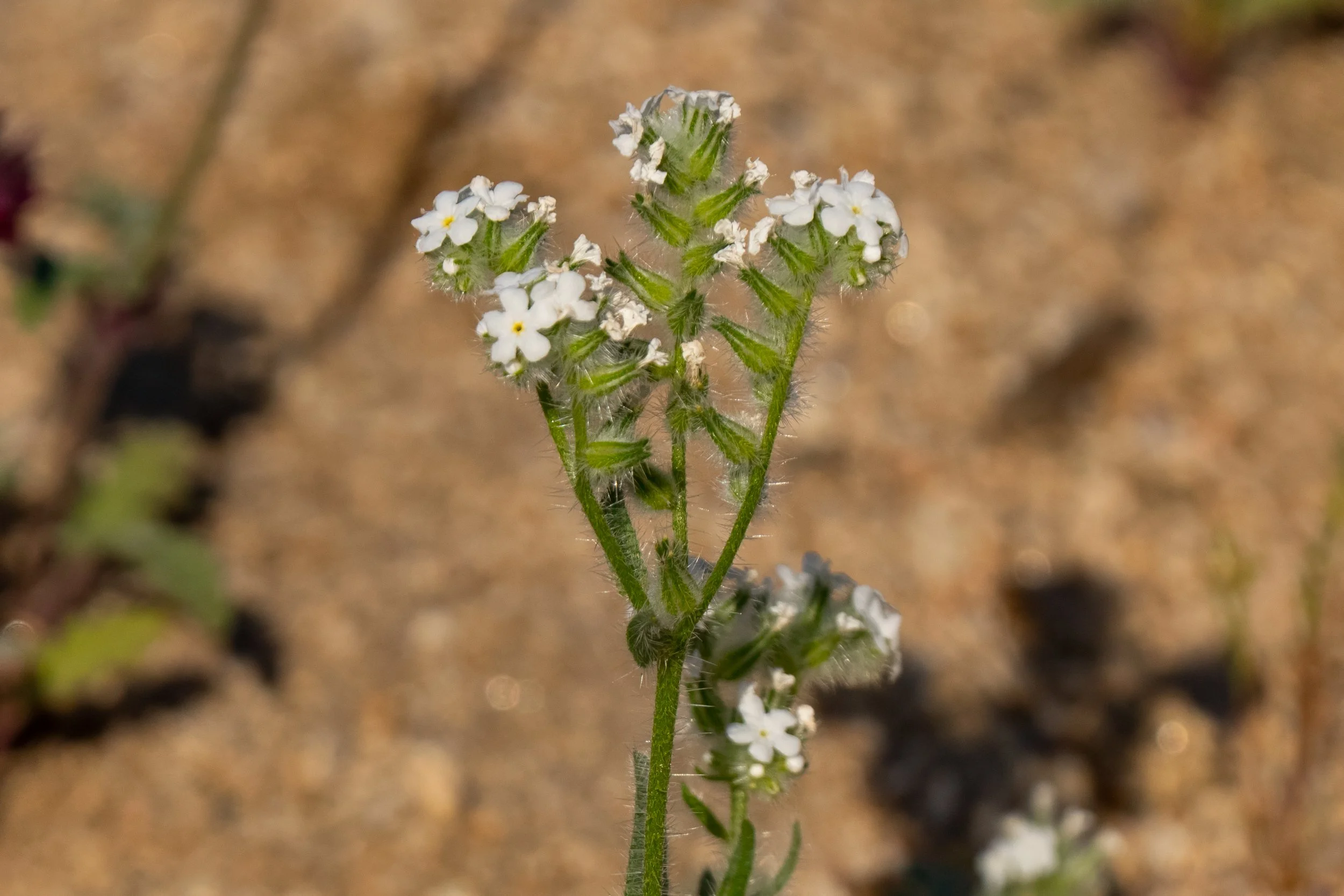
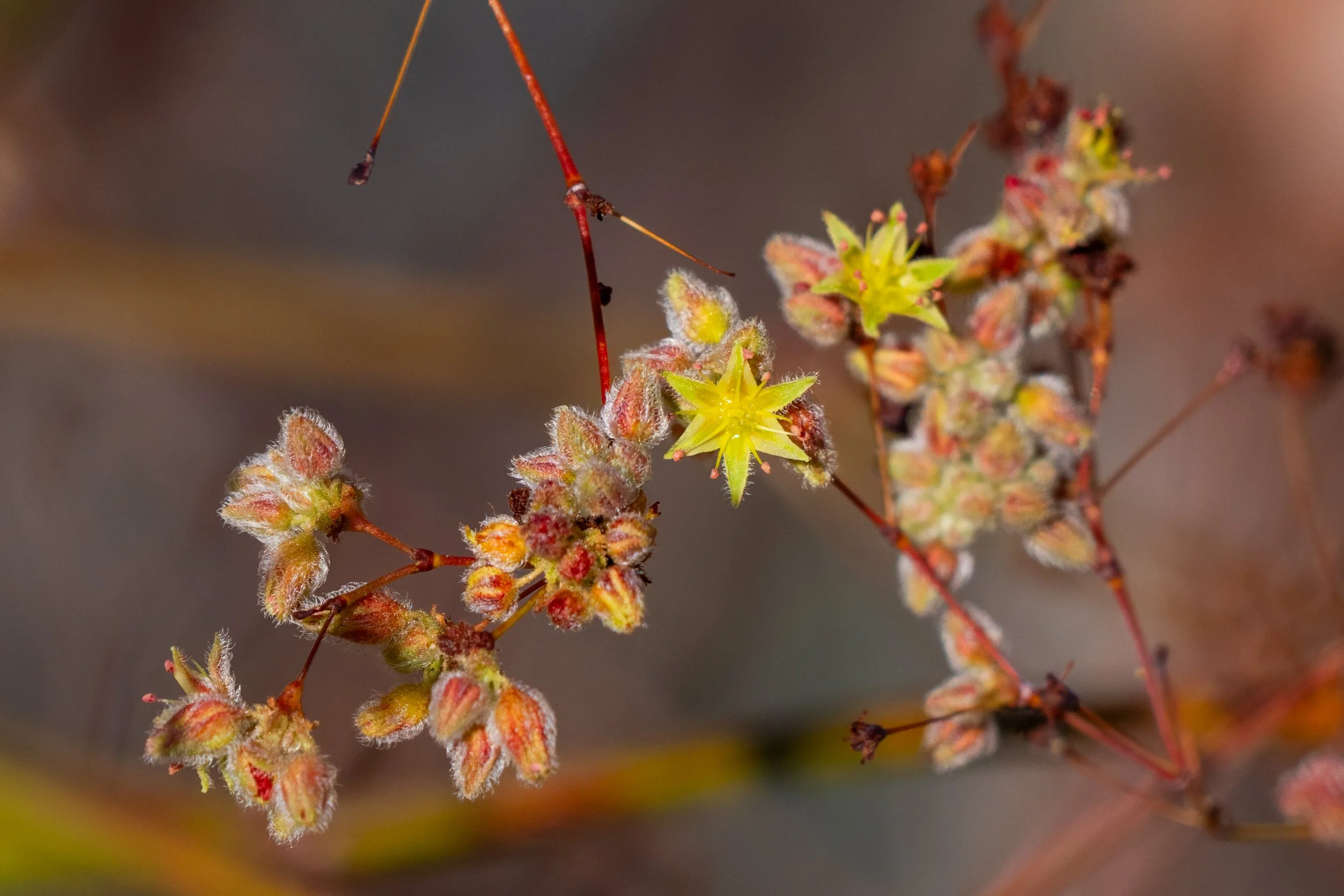
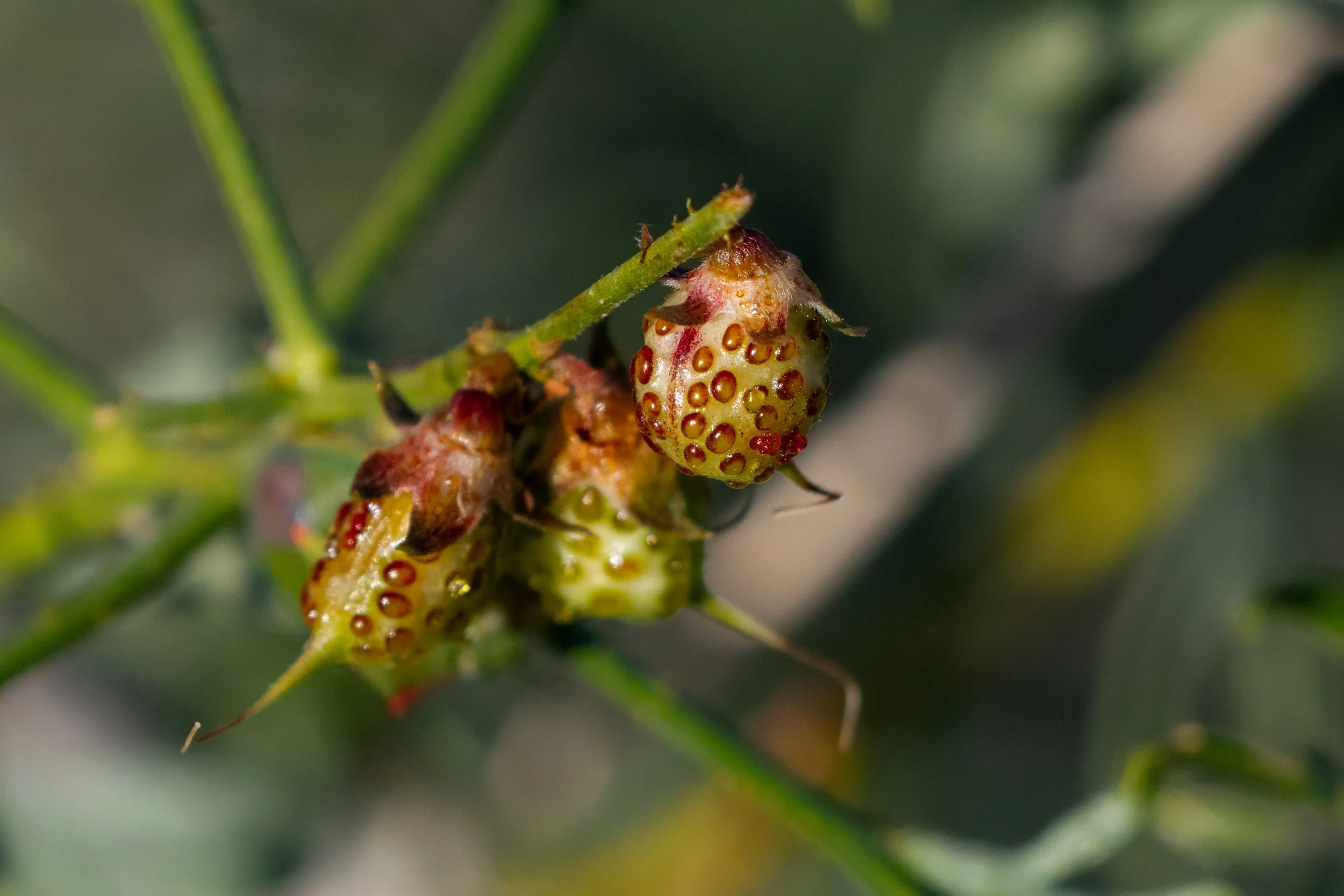
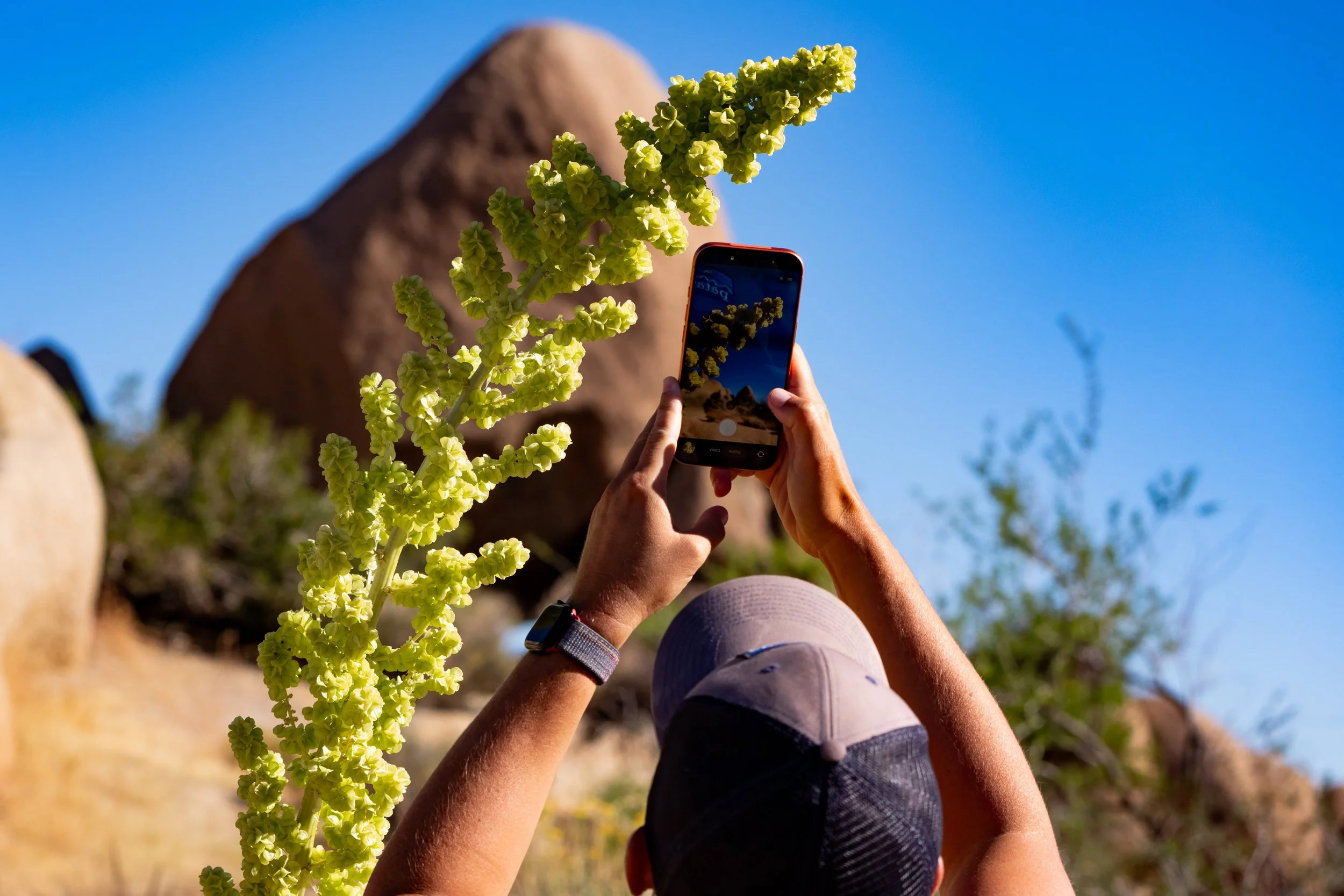
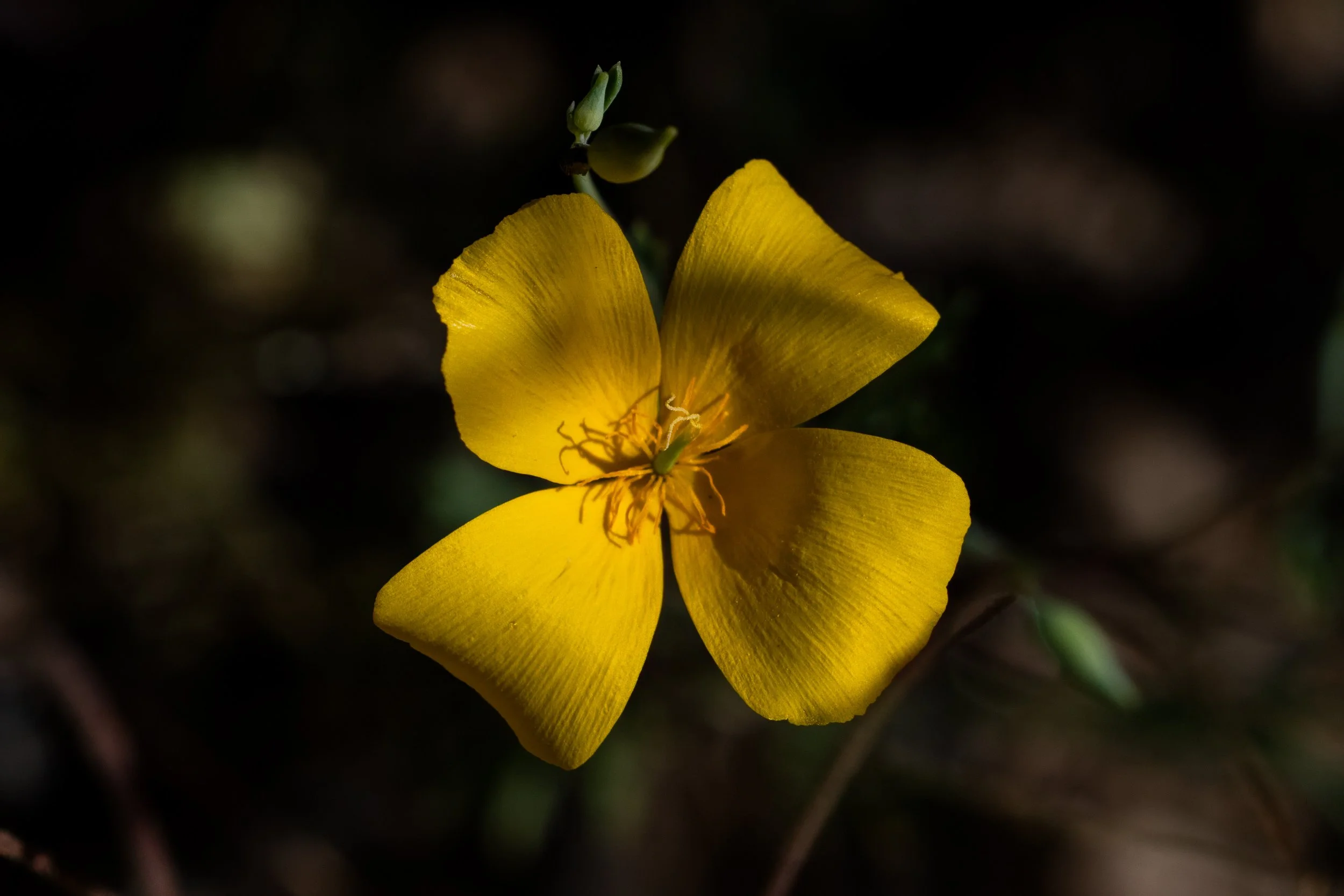
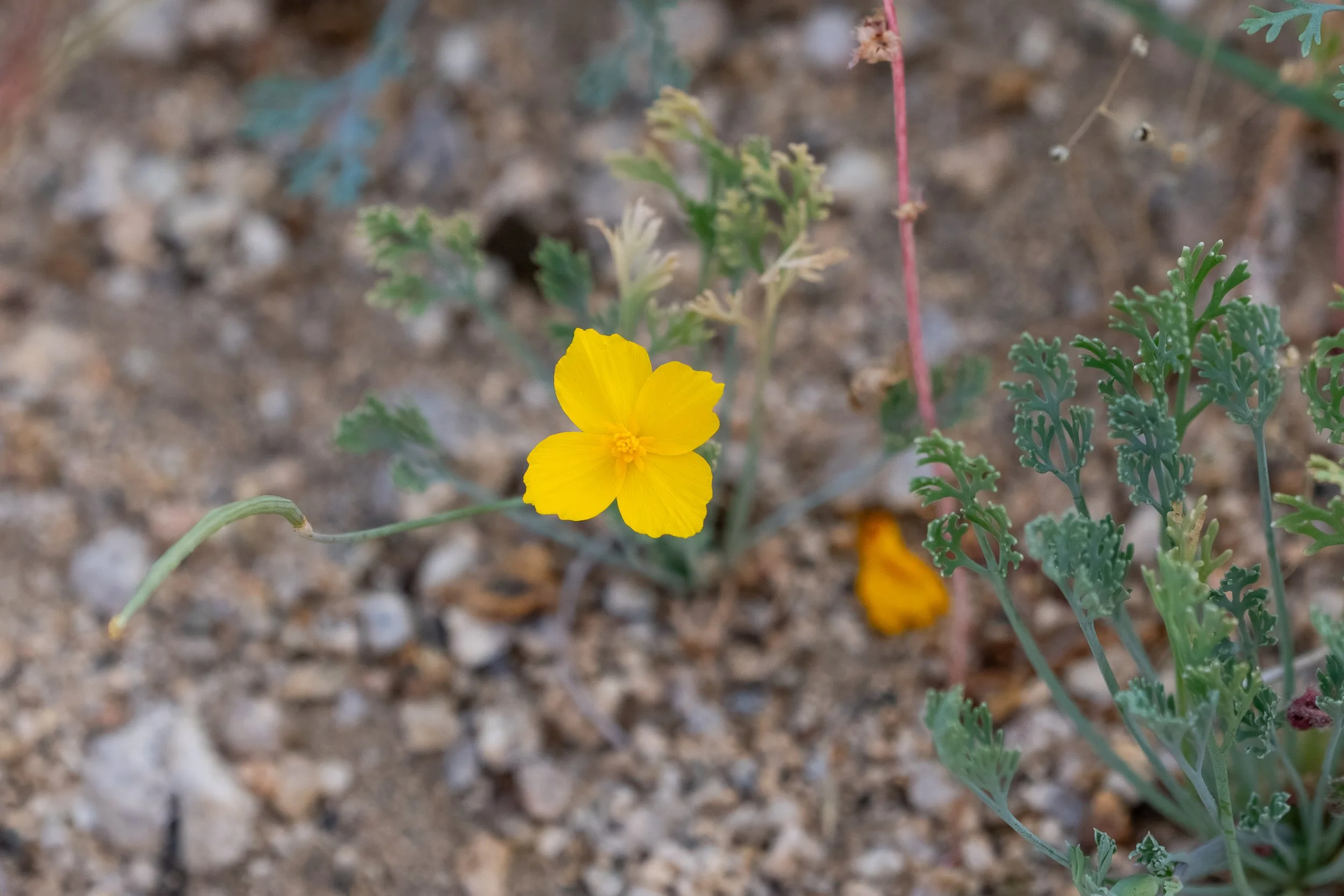
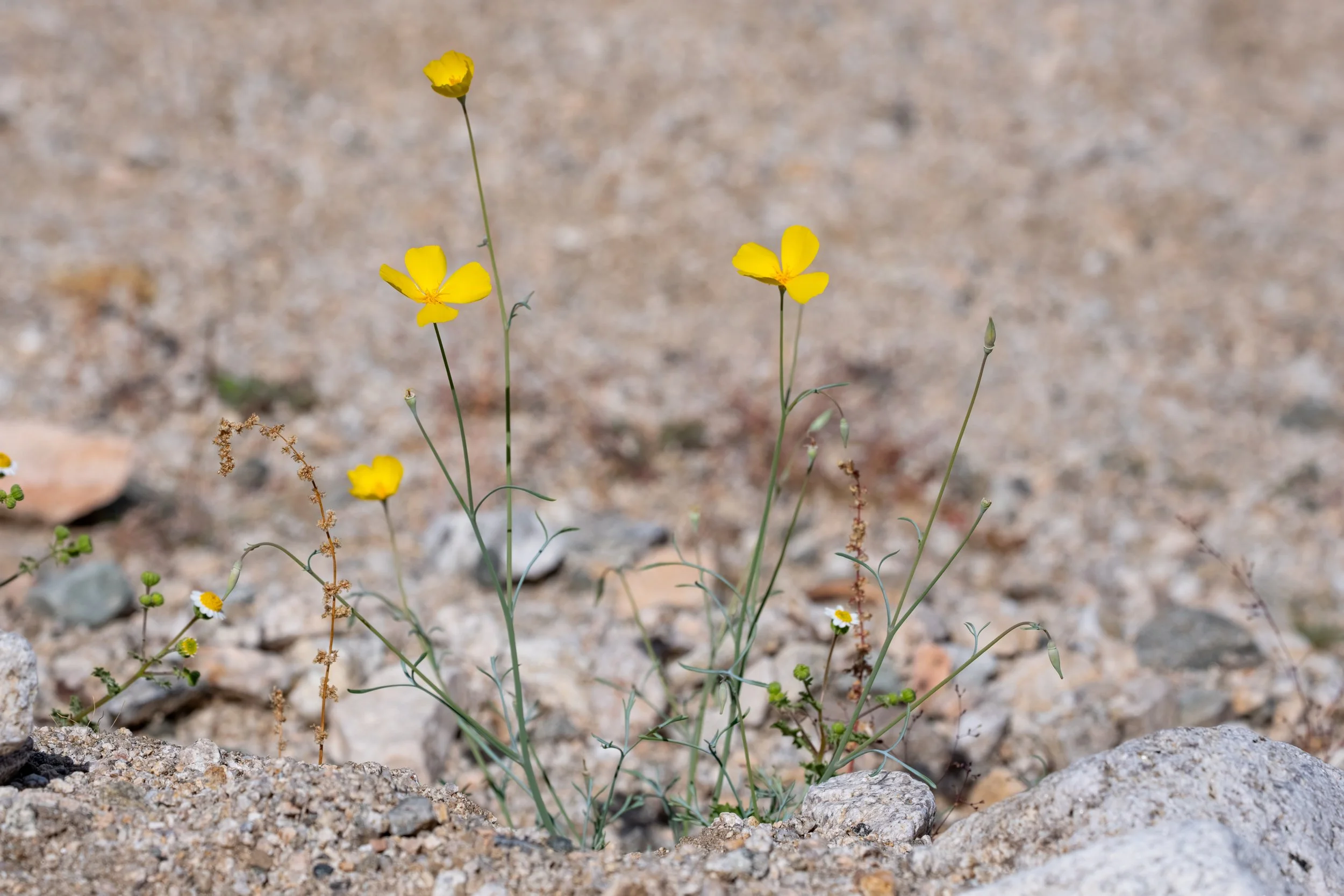
The Wildflowers
From National Park, Airbnb and Big Morongo Canyon Preserve in April and October
October and the World Series
The October visit had one more highlight that had nothing to do with birds or lizards. The Dodgers won the World Series while we were in the desert, which is about as good a way as any to spend an October evening in a quiet Airbnb with a cat curled up snoring on the couch with us.
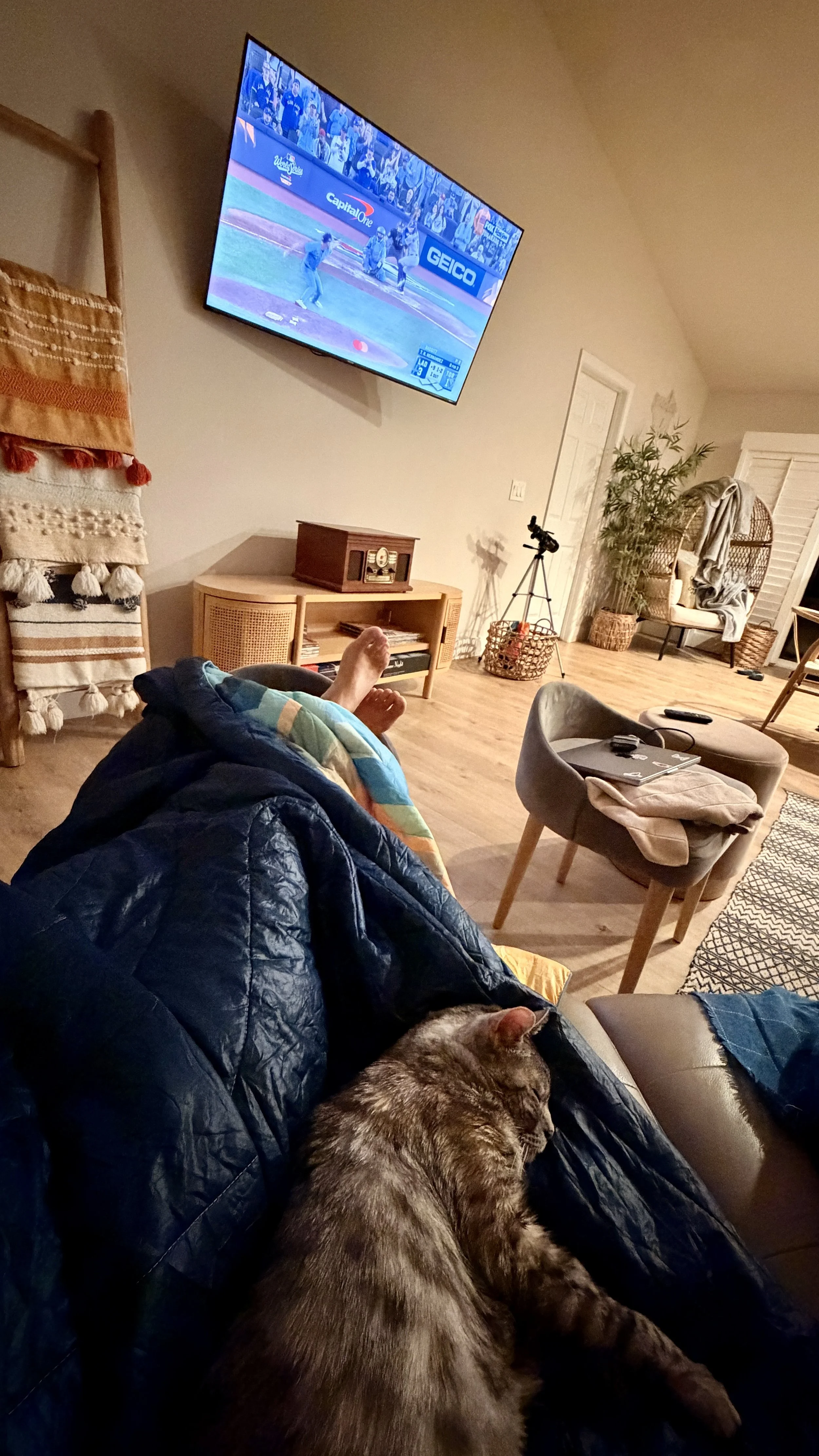

Three visits, three seasons, one roadtripping cat. The Joshua Tree area rewards repeated time spent there, the desert shifting character enough between April and June and October to feel like a genuinely different place across the seasons while remaining consistently generous with its wildlife. We were so glad to share these trips with each other, and with our sweet girl.