
Finding the right backpack is surprisingly personal. I was looking for a pack that could pull double duty. It needed to carry camera gear comfortably on hikes, but I also hoped it could replace my rolling suitcase on short travel trips. As usual, we headed to REI to see what we could find.
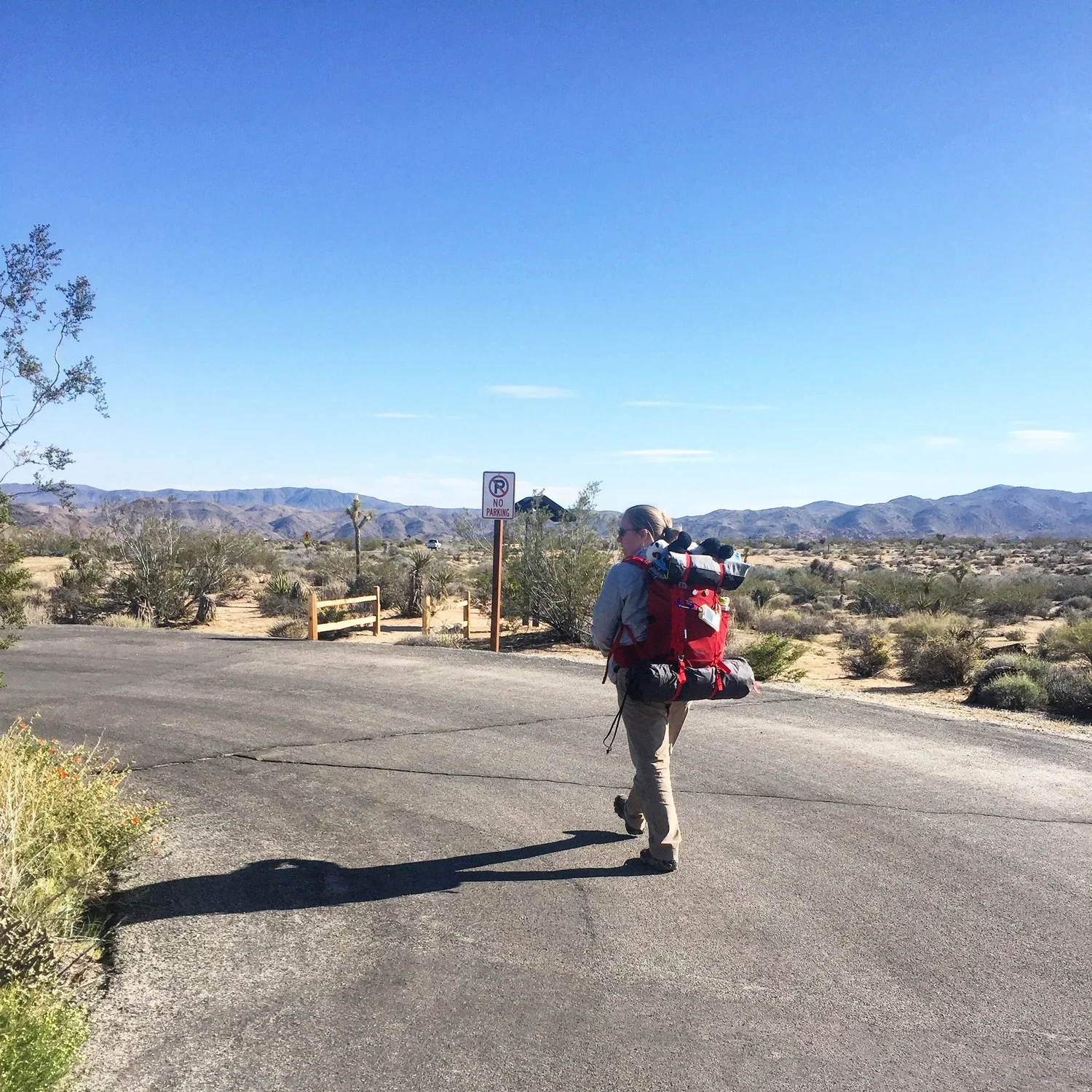
While wandering the backpack aisle, a bright red REI Trail 40 immediately caught my eye. It seemed to have everything I wanted. The large panel-loading design made it easy to reach every corner of the pack, it had plenty of storage, included a rain cover, and looked like it could swallow just about anything I wanted to carry. I tried it on in the store, decided it felt good, and brought it home.
After taking it on a short hike and an impromptu backpacking trip in Joshua Tree, I realized I'd made the wrong choice. The pack itself was excellent. The problem was that it simply wasn't the right size for my torso. Once I loaded it with camera gear, it became uncomfortable much faster than I expected. I wanted to love it because everything else about it seemed perfect. Thankfully, REI's return policy came to the rescue.
I went back to the store, talked through my options, and returned the pack. I still wasn't sure what I wanted, so I went back to using my aging Osprey backpack and dragged a suitcase through the airport on my next trip. Then, as luck would have it, REI's Garage Sale rolled around.
We almost never leave those events empty-handed, although we rarely find exactly what we went looking for. This time was different when I spotted a familiar-looking green backpack sitting in the corner. It was a Trail 30!
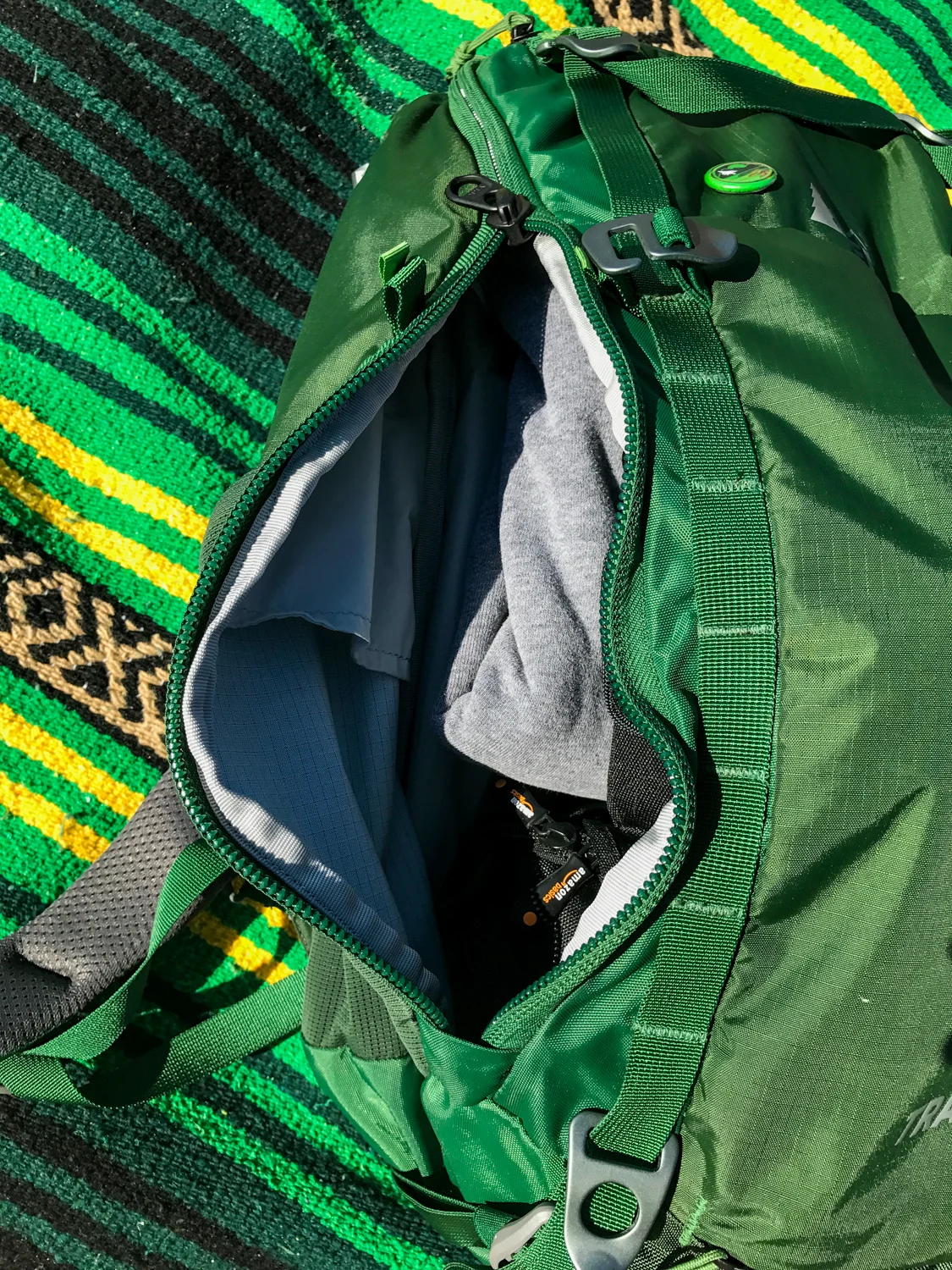
At first I assumed it would fit exactly like the Trail 40, but I tried it on anyway. It didn't! The Trail 30 fit me much better. It still held an incredible amount of gear but was just a little smaller, which naturally kept me from overloading it. The smaller size made it naturally smaller on the torso, so the fit was just right.
It was comfortable with my camera equipment and still worked as a travel bag. It's already been shoved into overhead bins, squeezed under airplane seats, wedged into the backseat on road trips, and carried on hikes across California, Canada, Kansas City, St. Louis, and beyond. Somehow it manages to hold an incredible amount of gear without ever feeling oversized.
What I Love
The panel-loading design
This is easily my favorite feature. Instead of digging through a traditional top-loading backpack, the large U-shaped zipper lets the pack open around three edges, almost like a suitcase. The zippers allow you to open access to the bottom, the middle, the top while still keep the rest of the bag closed. It’s great.
It works for hiking and travel
This is exactly what I was hoping to find. It's comfortable on the trail, but it also transitions effortlessly to airports, road trips, and weekend travel.
Thoughtful organization
There are enough pockets to keep everything organized without making the bag overly complicated. The stretch water bottle pockets, top stash pockets, hip belt pockets, hydration sleeve, and internal mesh pocket have all proven useful.
It carries more than you'd expect
Although it's a 30-liter pack, I've managed to fit camera gear, clothing, and even overnight camping equipment by attaching larger items to the outside using the compression straps.
What I Don't Love
The shoulder straps are bulky
But they're well padded and comfortable. If you're hiking in a tank top, the edges can rub against your shoulders and the material isn’t really soft..
Ventilation isn't the strongest
The back panel rides comfortably, but it doesn't provide as much airflow as backpacks with suspended mesh systems, so my back tends to get a little sweatier.
Limited compression
When the pack isn't full, I'd like a few more compression straps to keep the load from shifting around.
Tight hydration sleeve
The hydration pocket works, but it can be a little awkward to slide a full reservoir into place.
Trail 30 vs. Trail 40
After trying both packs, I don't think one is necessarily better than the other. If you regularly carry bulky gear or simply need more capacity, the Trail 40 is an excellent backpack. For me, the Trail 30 struck the perfect balance. It carries everything I actually need without encouraging me to overload it, fits my torso much better, and has quickly become the backpack I reach for whether I'm heading to the trail or the airport.
Note: REI has updated the Trail series over the years, so some colors, features, and specifications may have changed since this review was originally published.