Camping at Guffy Campground in Angeles National Forest
One thing we've learned from spending more time outdoors is that not every trip needs months of planning. We still enjoy researching places before we go, but our adventures have also made us much more spontaneous. Living in Southern California means we have countless national forests, parks, and wilderness areas within a few hours' drive, so sometimes all it takes is a free weekend and a general direction. That was exactly our plan for Memorial Day weekend. We hadn't reserved a campsite, which isn't exactly ideal for a holiday weekend, but we decided to head toward the Wrightwood area and see what we could find.
As expected, nearly every campground was full. We did find one available campsite at a privately managed campground, but it wasn't really a full campsite. It was shared with campground management, the tent area was sloped, and RVs filled nearly every available space. Instead of settling, we decided to take a chance on finding something a little quieter.
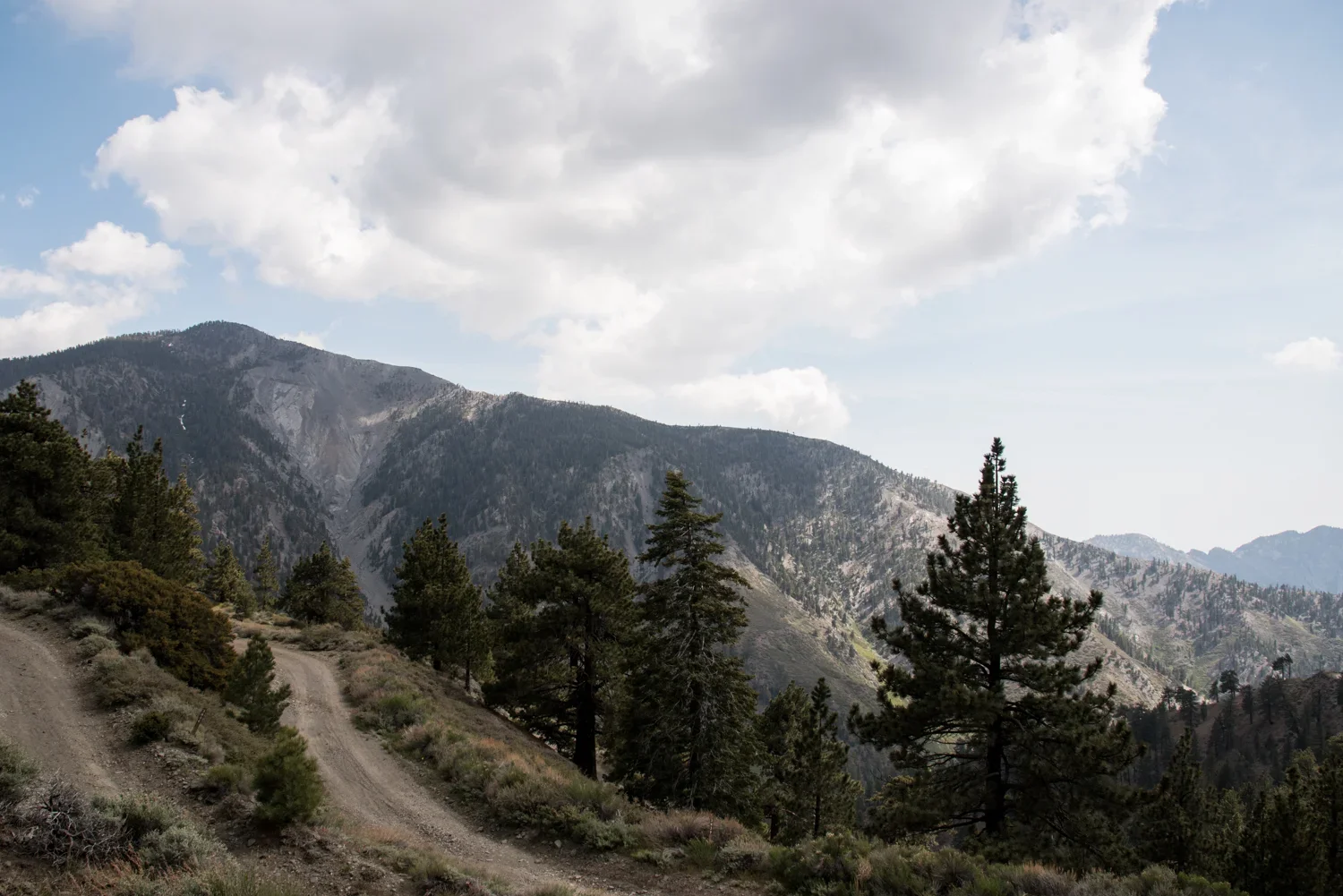
We stopped at the ranger station, which was closed at the time, and grabbed a forest map from the information kiosk outside. Looking over the map, we noticed a couple of campgrounds along Blue Ridge Road and figured they might be our best shot. We followed Blue Ridge Road for about six miles after leaving Angeles Crest Highway. The first section was a fairly easy dirt road that would be comfortable for most AWD or 4WD vehicles. The road climbs beneath the Mountain High ski lifts before winding through terrain that becomes snow-covered during the winter. Along the way you'll pass Blue Ridge Campground, which is another good camping option in the area.
Beyond Blue Ridge Campground, the road becomes noticeably rougher. We would definitely recommend a high-clearance AWD or 4WD vehicle for the final stretch, even though we did see a few passenger cars making the trip.
After the bumpy drive, we arrived at Guffy Campground.
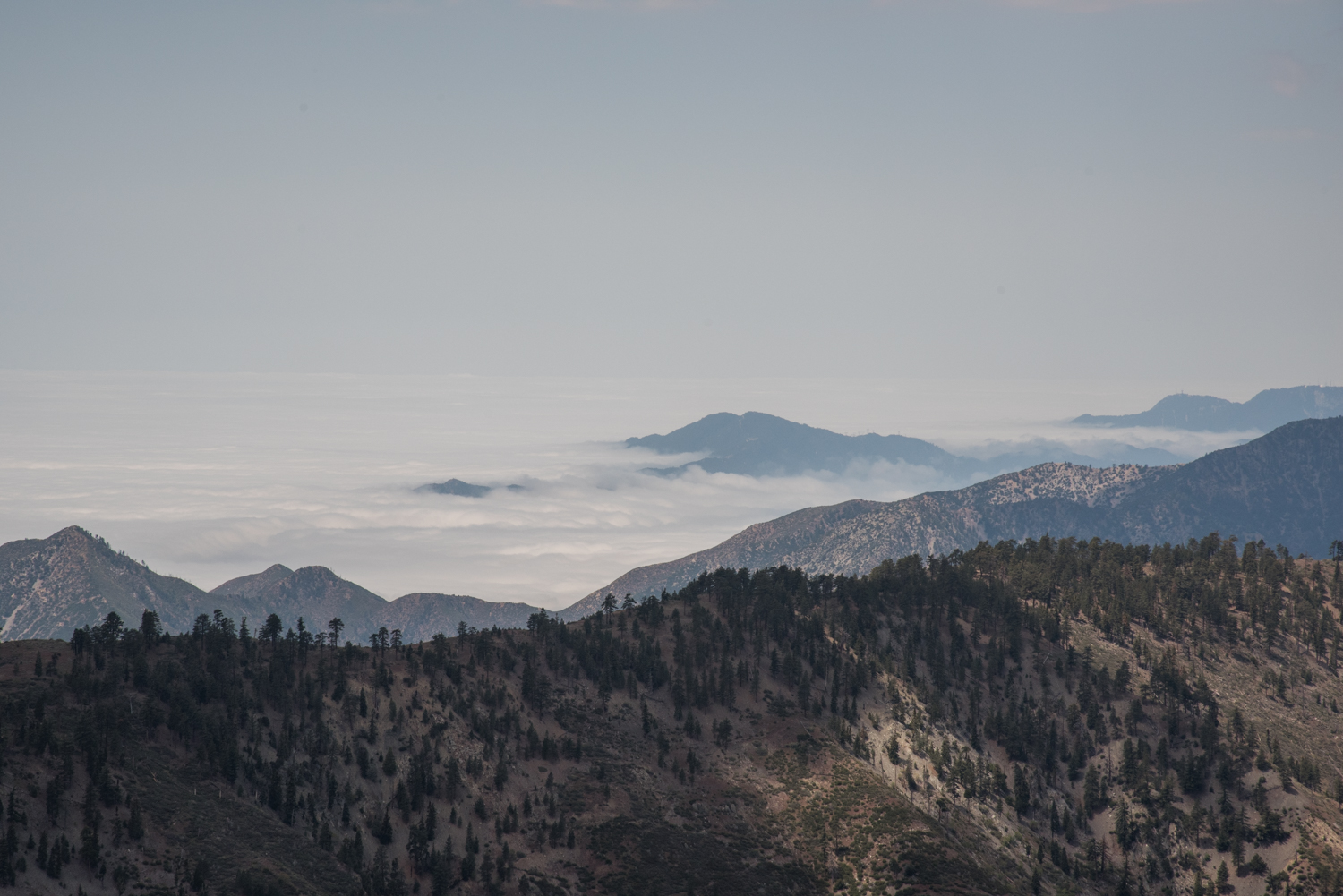
The campground is small, with only six campsites, making it feel much quieter than many of the larger campgrounds nearby. There is no drinking water available, but each site has a picnic table and fire ring, along with vault toilets for campers. Depending on your campsite, you'll also have some incredible views across the surrounding mountains. Camping here requires displaying a valid Adventure Pass, even though there isn't a campground fee, and rangers do patrol the area.
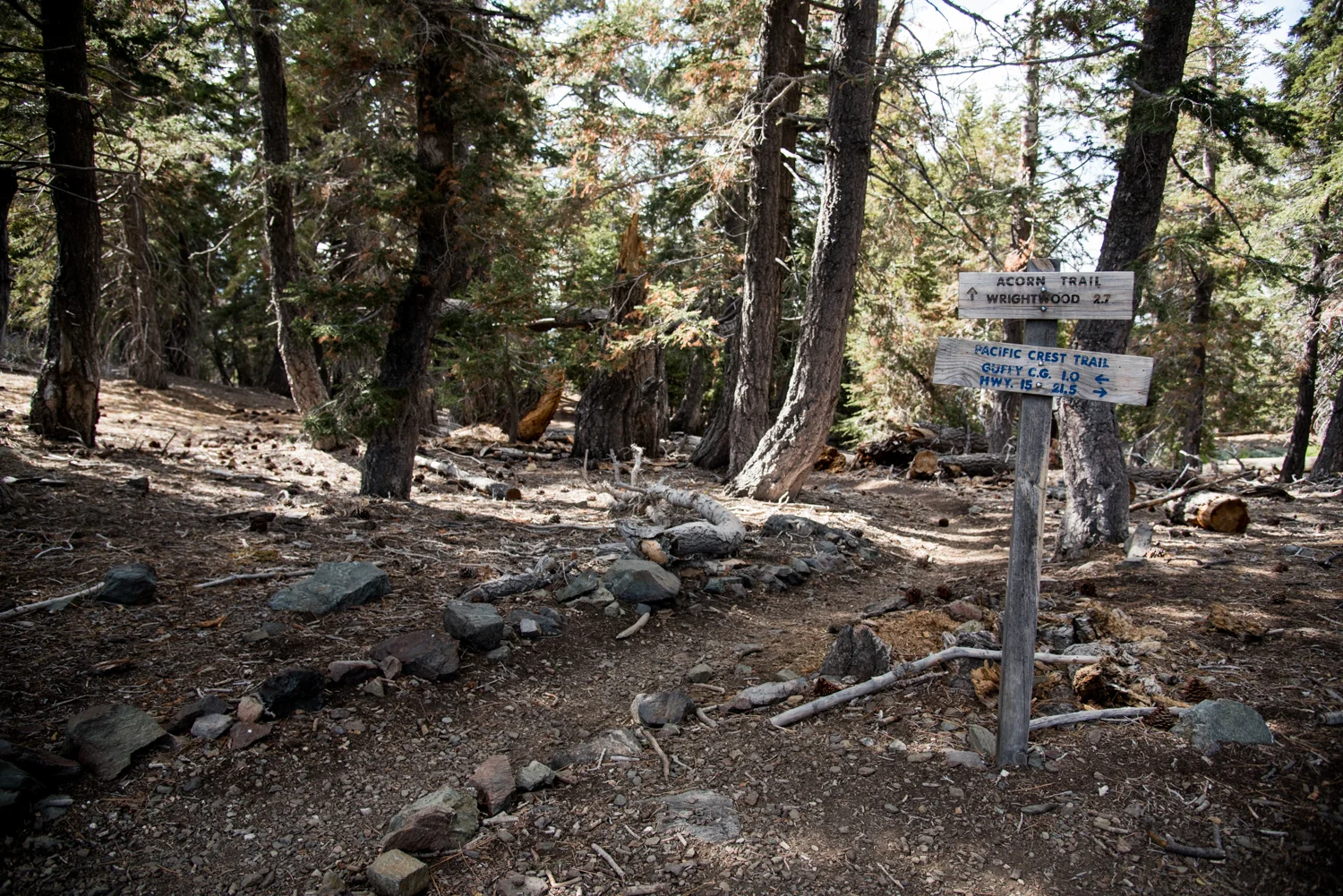
One of the things we enjoyed most was how close the campground is to the Pacific Crest Trail. Throughout the weekend we met several thru-hikers passing through. One hiker stopped looking for water after expecting to find a source at the campground. Since there isn't one, we were happy to refill his bottles from the extra water we'd packed.
Even if you're only spending one night here, it's worth getting out on the trail. The nearby Pacific Crest Trail offers beautiful views into the Sheep Mountain Wilderness and makes it easy to enjoy a short walk or spend the day exploring the surrounding mountains.
We opted for a relatively easy four-mile round-trip hike directly from camp along the Pacific Crest Trail. It was a peaceful walk with very few people and wide-open mountain views almost the entire way.
One thing we definitely underestimated was the elevation.
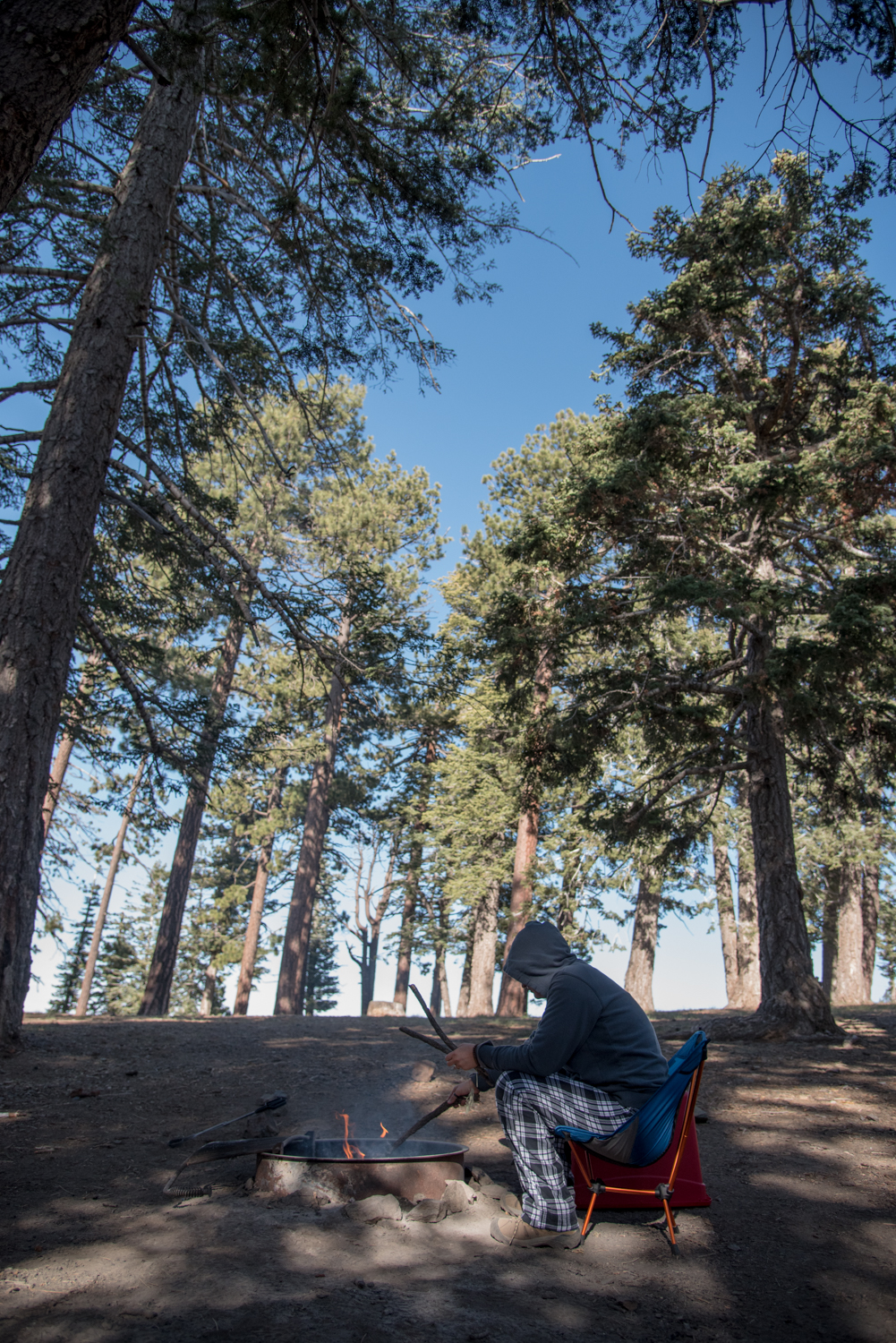
At roughly 8,300 feet, Guffy Campground gets surprisingly cold after sunset. We packed for much warmer temperatures at lower elevations and ended up wearing every extra layer we had brought along. Thankfully, we were able to enjoy a campfire that evening, which made a huge difference. If you're planning a trip here, pack for colder weather than you might expect and always check current fire restrictions before your visit. Conditions in Southern California can change quickly, especially during fire season.
This ended up being one of our favorite camping weekends. The campground felt peaceful, the campsites were nicely spaced apart, and nearly everyone staying there was tent camping. It was exactly the kind of quiet mountain escape we had hoped to find.
The campground closes during the snowy winter months, but we were already talking about coming back the following summer to spend more time exploring the trails and enjoying another weekend in the mountains.