Marmot Limelight 3P Tent Review
Finding the right tent turned out to be something we took much more seriously than we expected. Our first camping trip was a cold, windy weekend in the desert using a $20 tent that was already more than ten years old. It didn't take long before we realized that sleeping in a tent and actually enjoying camping were two very different things. As soon as we got home, we started looking for an upgrade.
Our Search for the Right Tent
We first purchased a Marmot Tungsten 3P. It was a well-built tent, but after several trips we found it to be a little noisy in the desert winds where we did most of our camping. We also wished there were a way to see outside without opening the rainfly, and while we always used the included footprint, the floor didn't feel quite as durable as we had hoped.
Next came an REI Half Dome 2+. Its stay with us was very short. We set it up in the living room, looked it over, and decided it wasn't quite what we were looking for. It was clearly a quality tent, but we had become surprisingly particular about the materials and how much noise they made in the wind.
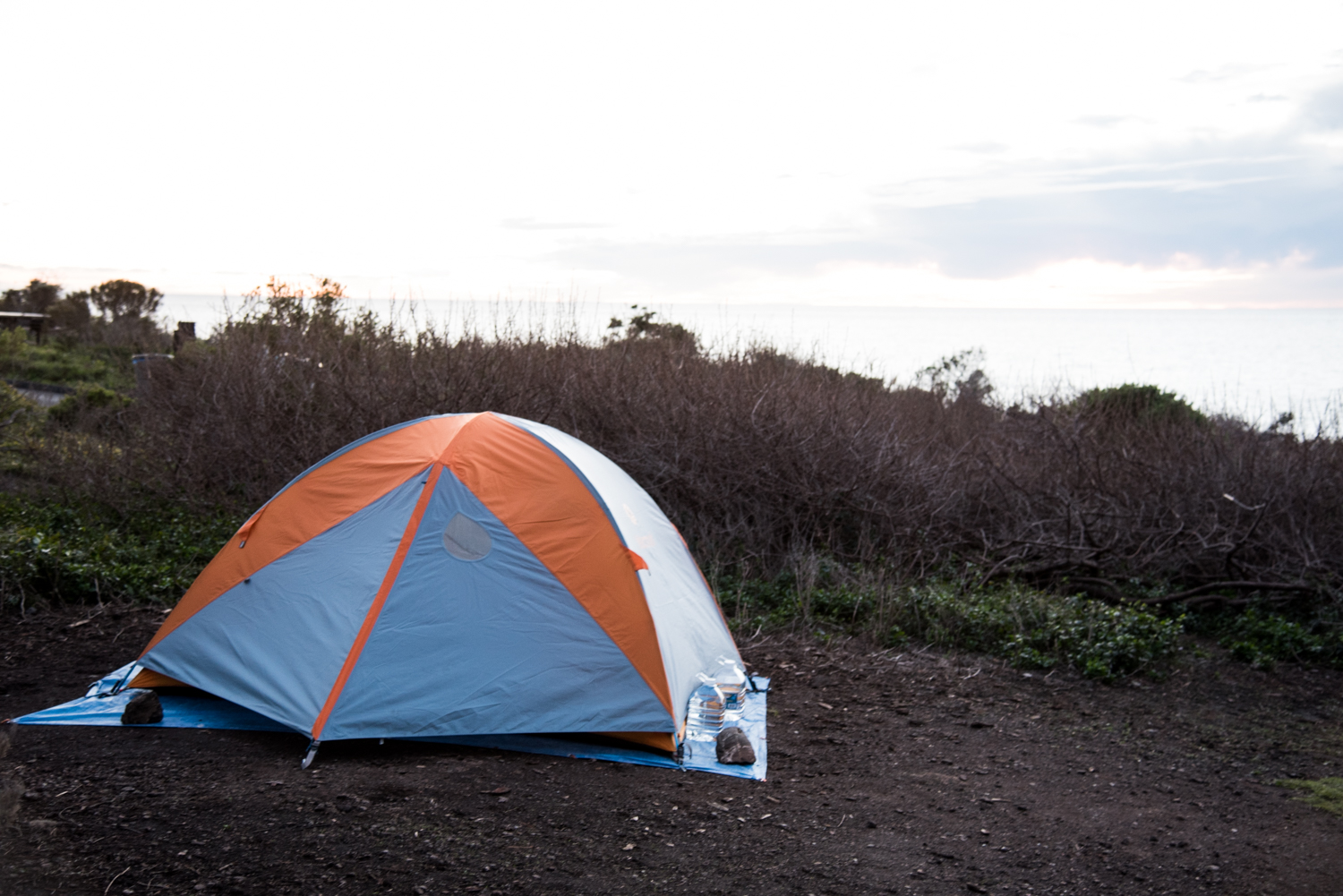
Eventually, we found the Marmot Limelight 3P on sale, and that ended up being the one!
What We Love
It has handled strong desert winds, rainstorms, frosty mornings, and countless nights outdoors without giving us any reason to question it.
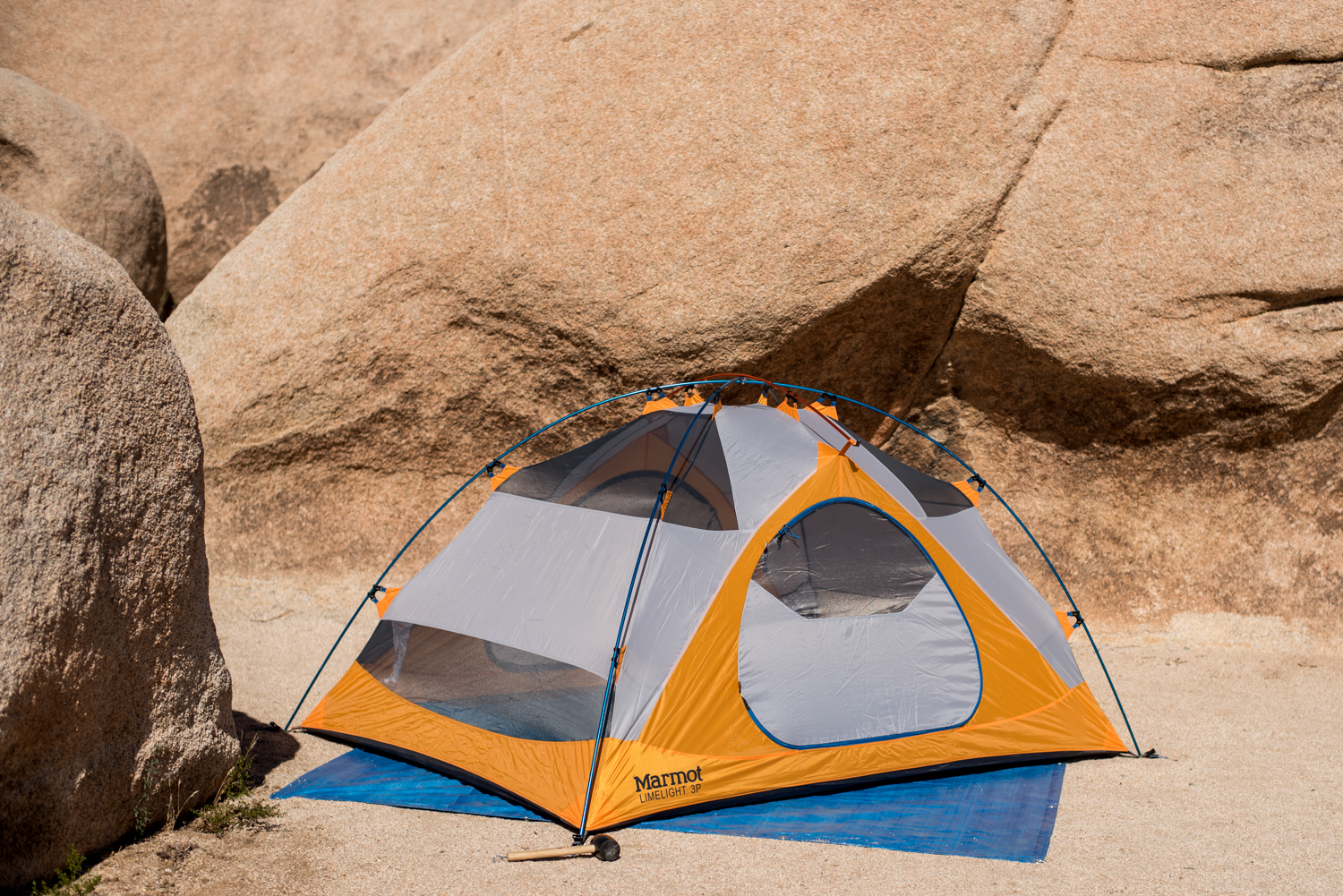
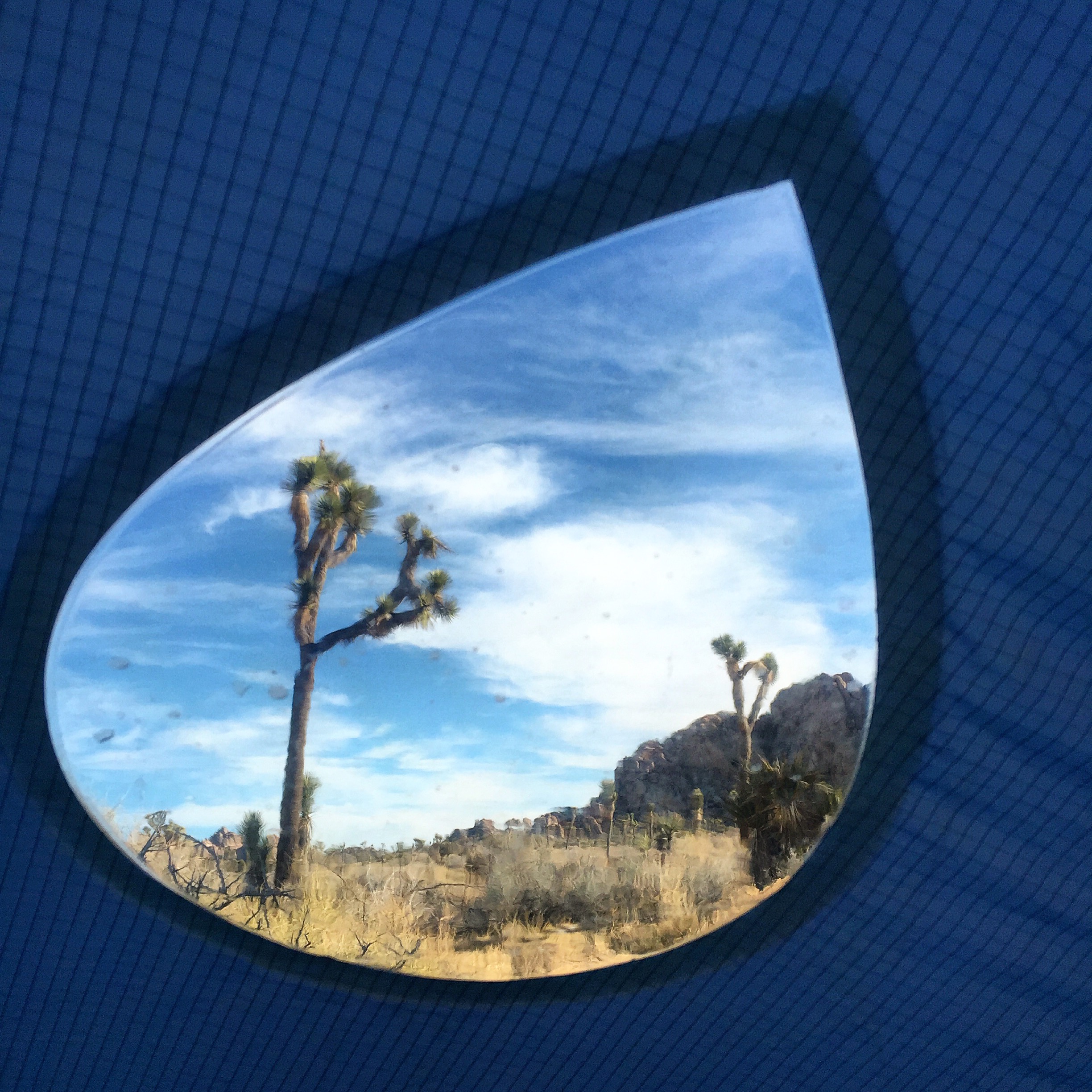
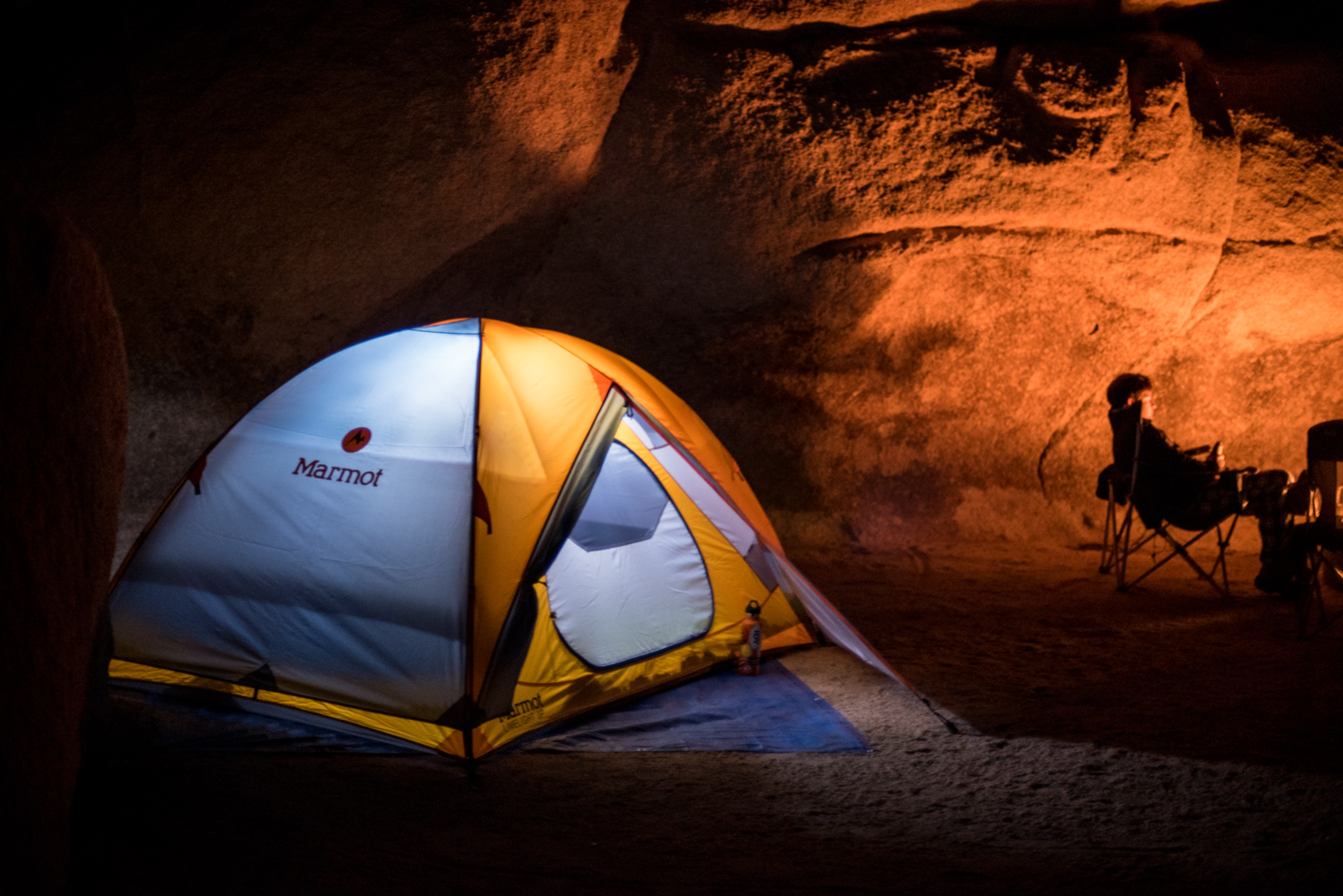
One of my favorite features is the small clear window built into the rainfly. It may seem like a minor detail, but it's surprisingly nice to wake up in the morning, check the weather outside, and decide whether you want to open the tent or stay tucked inside for a few more minutes.
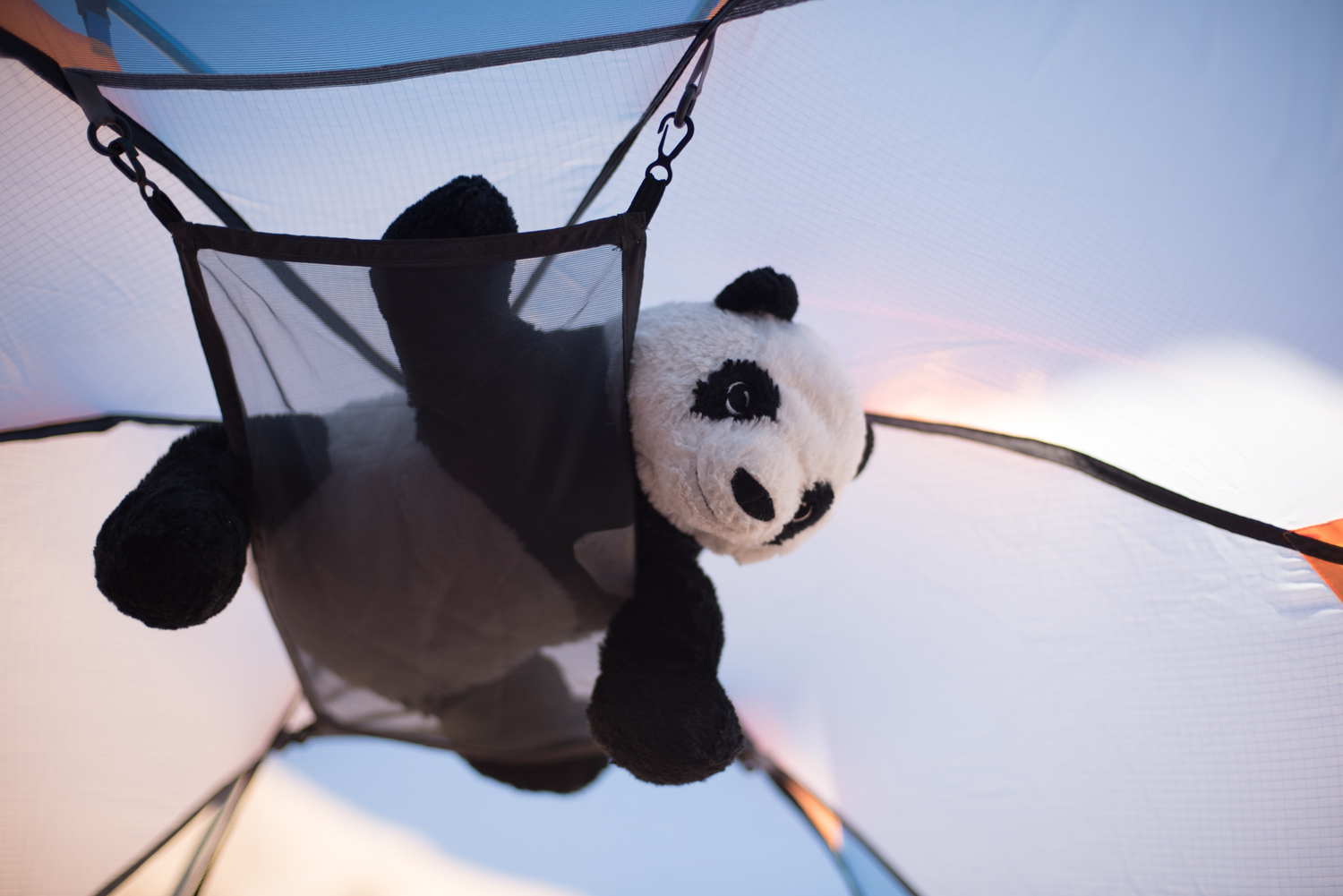
The interior is thoughtfully designed with storage pockets in each corner and a gear loft overhead. We found that our LuminAID PackLite 16 Solar Lantern fits perfectly in the gear loft, providing plenty of light throughout the tent without getting in the way.
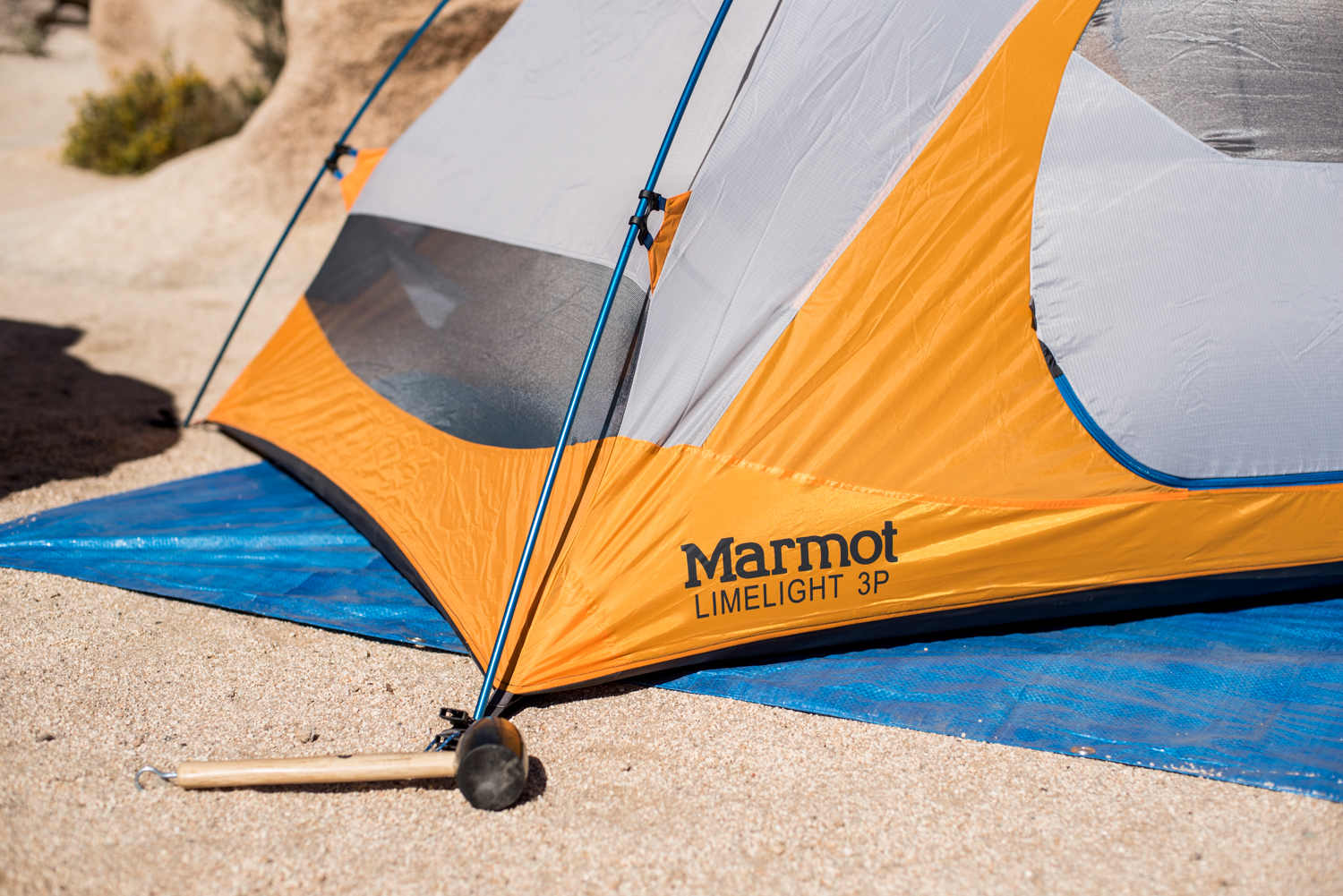
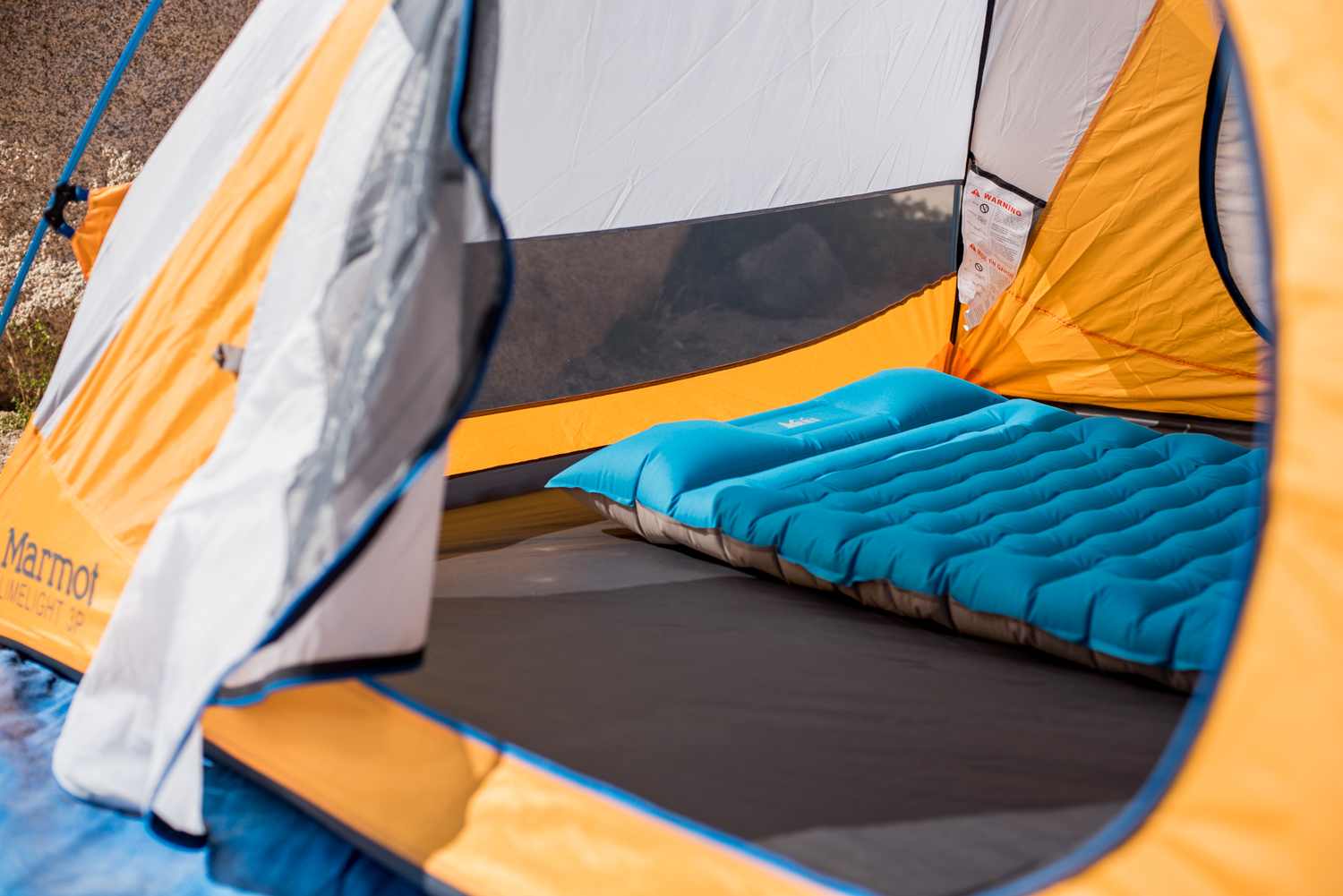
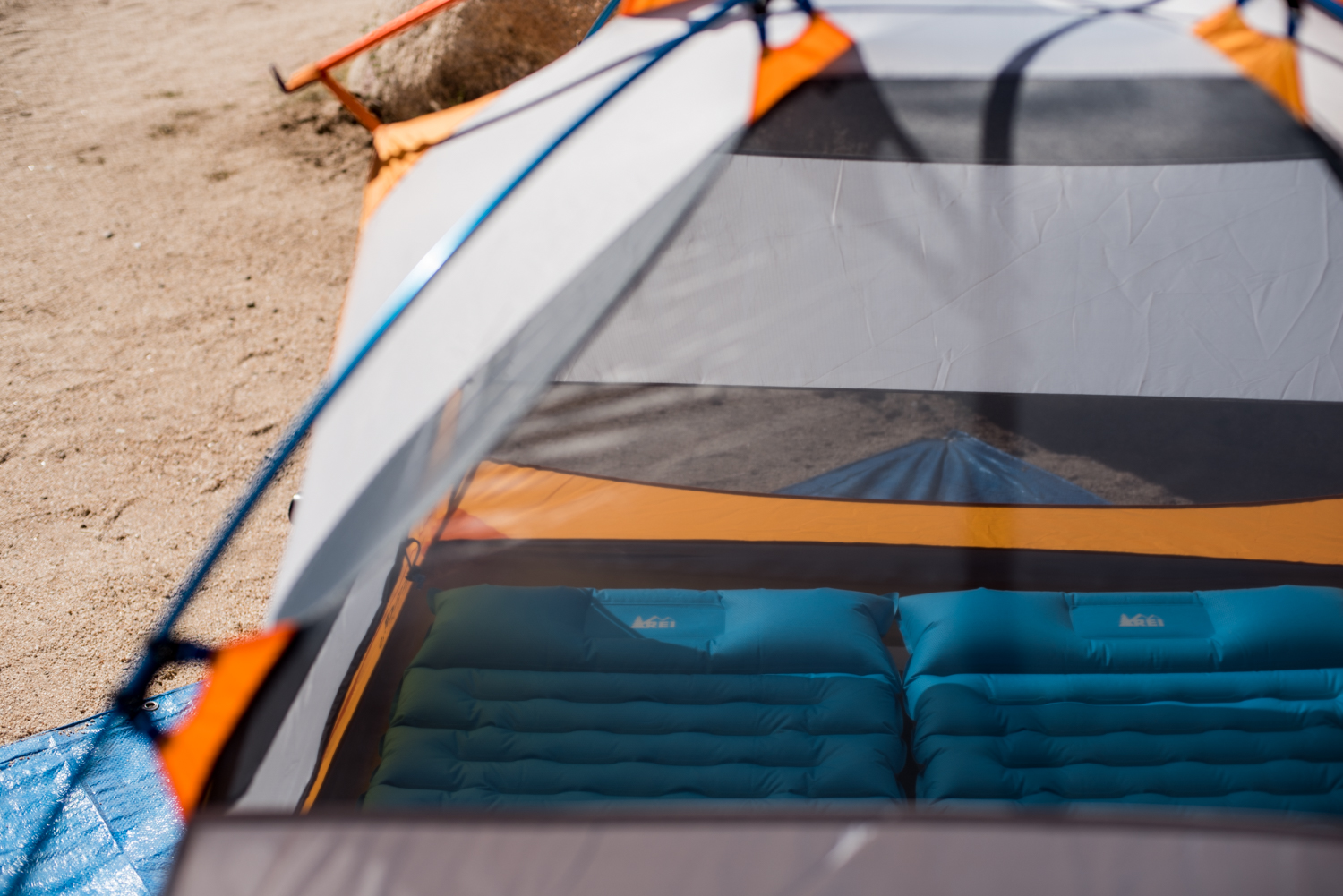
The included footprint is another feature I've always appreciated. It clips securely into each corner, making setup simple while helping protect the tent floor. When we're car camping, we usually place the footprint on top of a tarp for an extra layer of protection from the rocky desert ground where we often camp.
Easy Setup
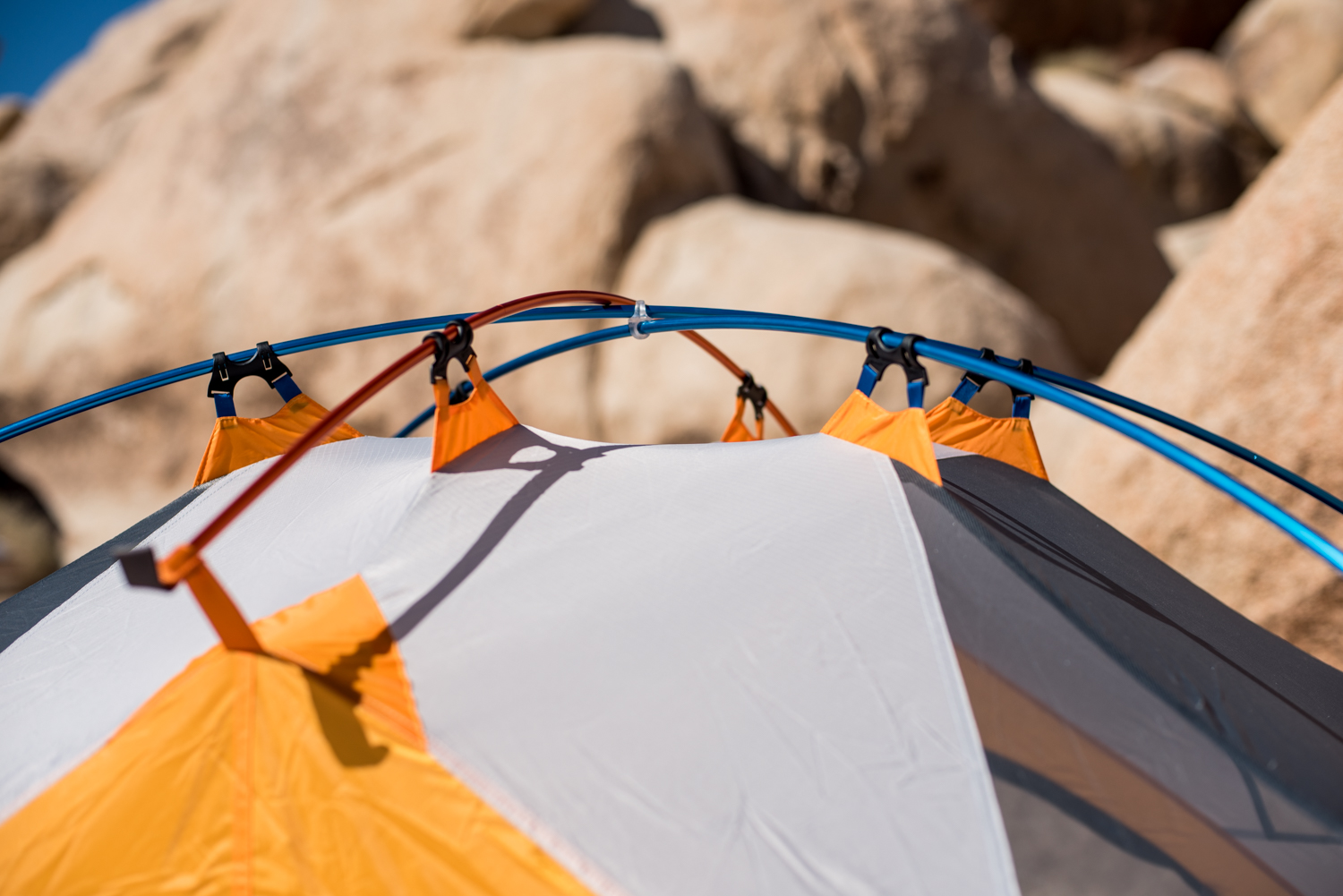
One of the biggest factors for us when choosing a tent is how quickly it can be pitched after a long day outside. The Limelight excels here. Once you've set it up a couple of times, pitching the tent takes around ten minutes or less. The pole structure is straightforward, everything clips together easily, and teardown is just as simple.
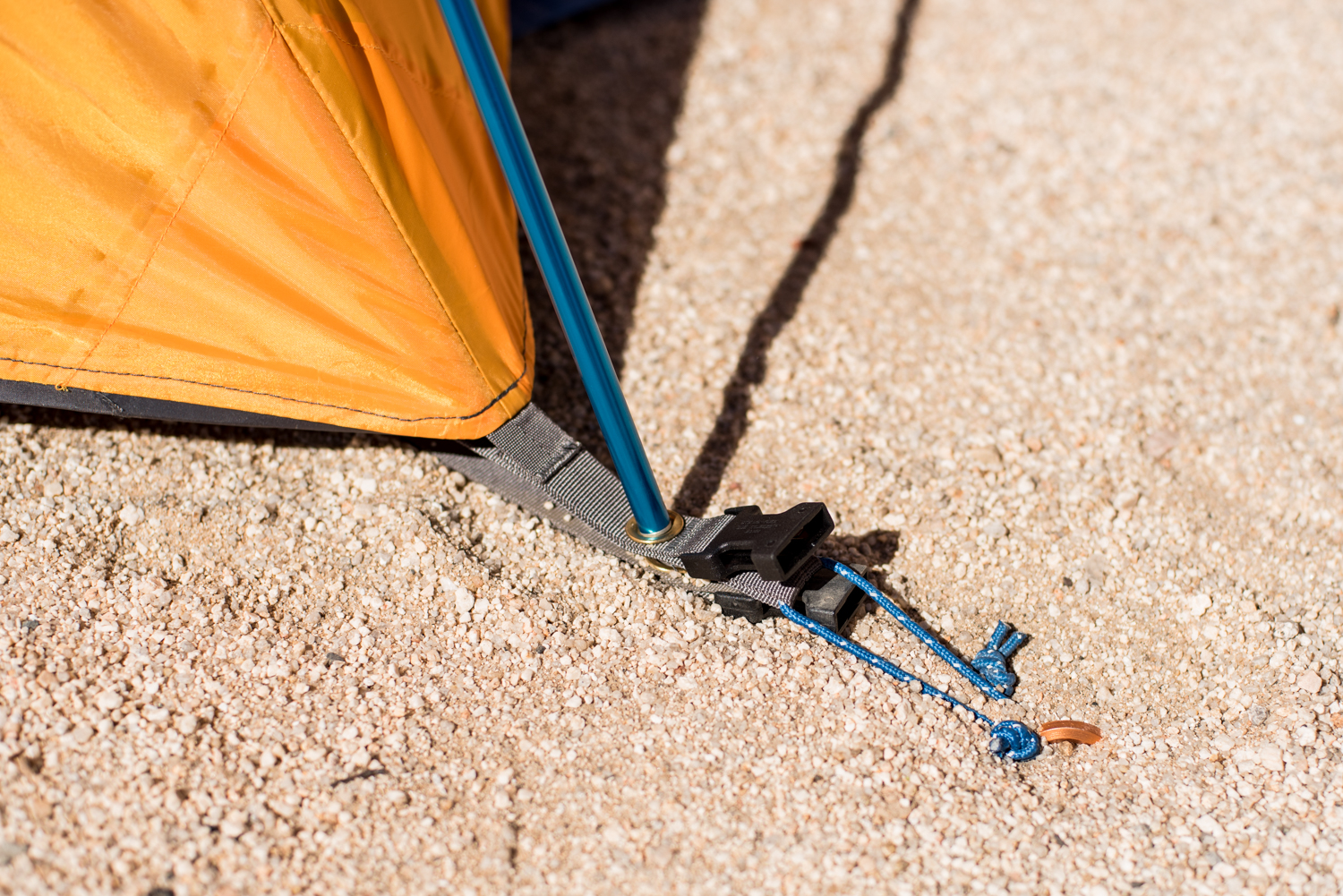
We've rarely needed to use the included guylines. Even without them, the tent has remained impressively stable during several windy camping trips.
Weather Performance
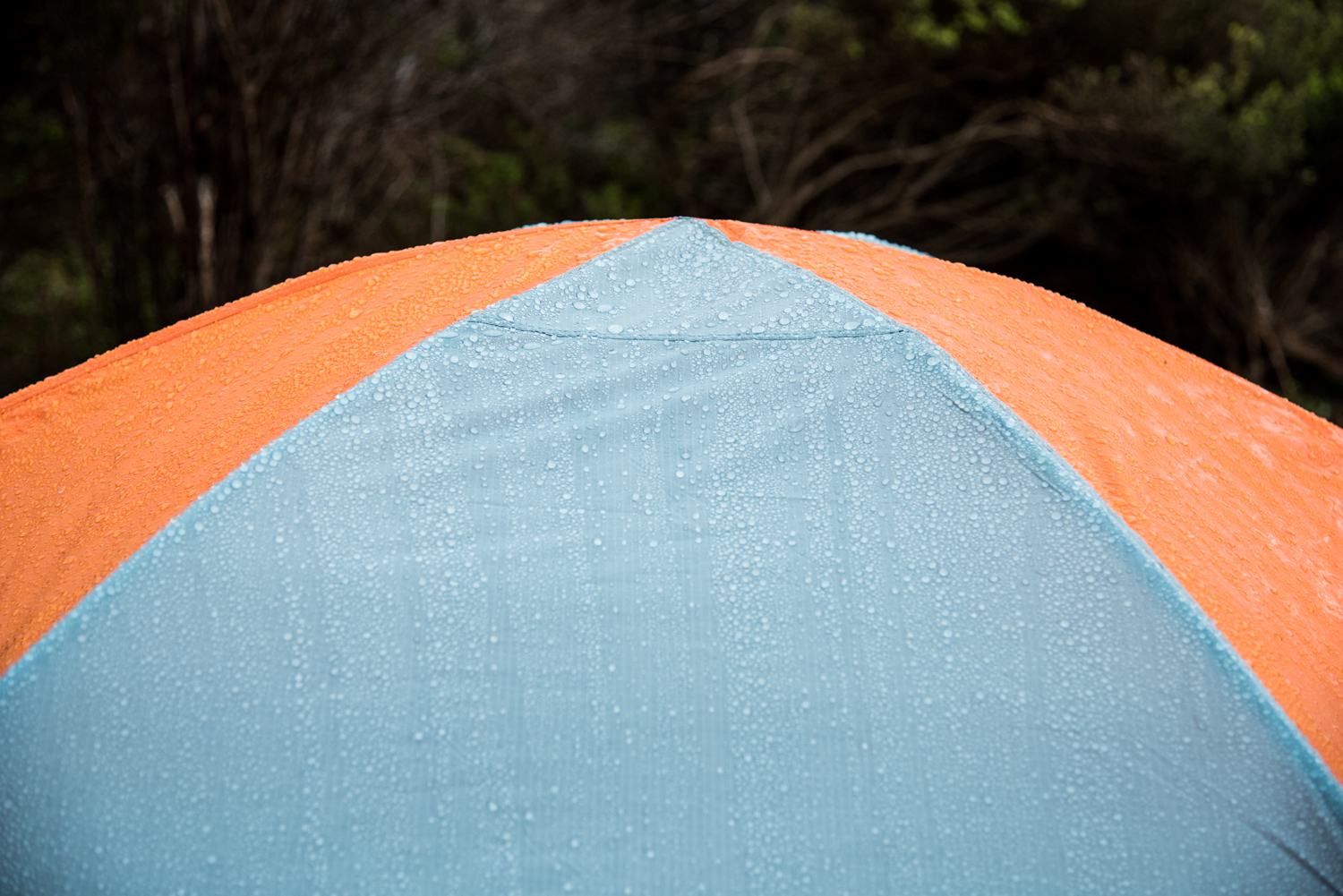
The Limelight has seen its share of challenging weather. One of the most memorable tests came while camping in Big Sur, where we spent hours listening to rain and wind pound the tent overnight. We fully expected to wake up damp.
Instead, the tent stayed dry inside, and we did too. After a night of heavy rain and gusty winds, climbing out of a dry sleeping bag felt like a small miracle. It's also handled freezing temperatures and mornings coated in frost without any issues.
Final Thoughts
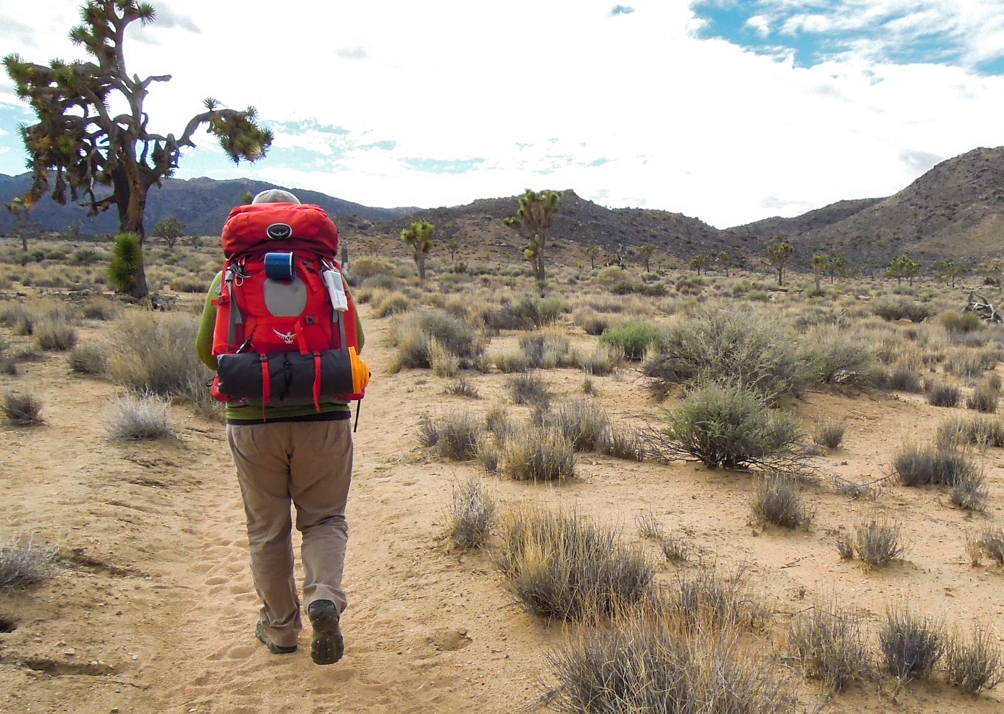
The Marmot Limelight 3P has become our most trusted piece of camping gear. It isn't the lightest backpacking tent available, and there are certainly more compact options today. Still, when we split the weight between two people, we've found it perfectly manageable for overnight backpacking trips while remaining spacious enough for comfortable car camping.
If I were shopping for a tent again, durability, weather resistance, and ease of setup would still be at the top of my list.
Editor's Note: This review is based on the previous-generation Marmot Limelight 3P that we purchased. Marmot has redesigned the Limelight several times since then, so some features differ from our version.