Exploring Death Valley National Park: Day 2
After a windy, rainy night at Texas Spring Campground, we packed up camp and set out for one final day in Death Valley before making the five-hour drive home.
Before leaving Furnace Creek, we stopped at the general store to stock up on water and wandered through the gift shop for a few minutes. It's a convenient stop if you need supplies, snacks, fuel, or a souvenir before heading deeper into the park. We also checked in at the visitor center to confirm road conditions after the overnight storm. Everything was open, so we topped off the gas tank and headed north toward one of the quieter corners of Death Valley National Park.
The Road North
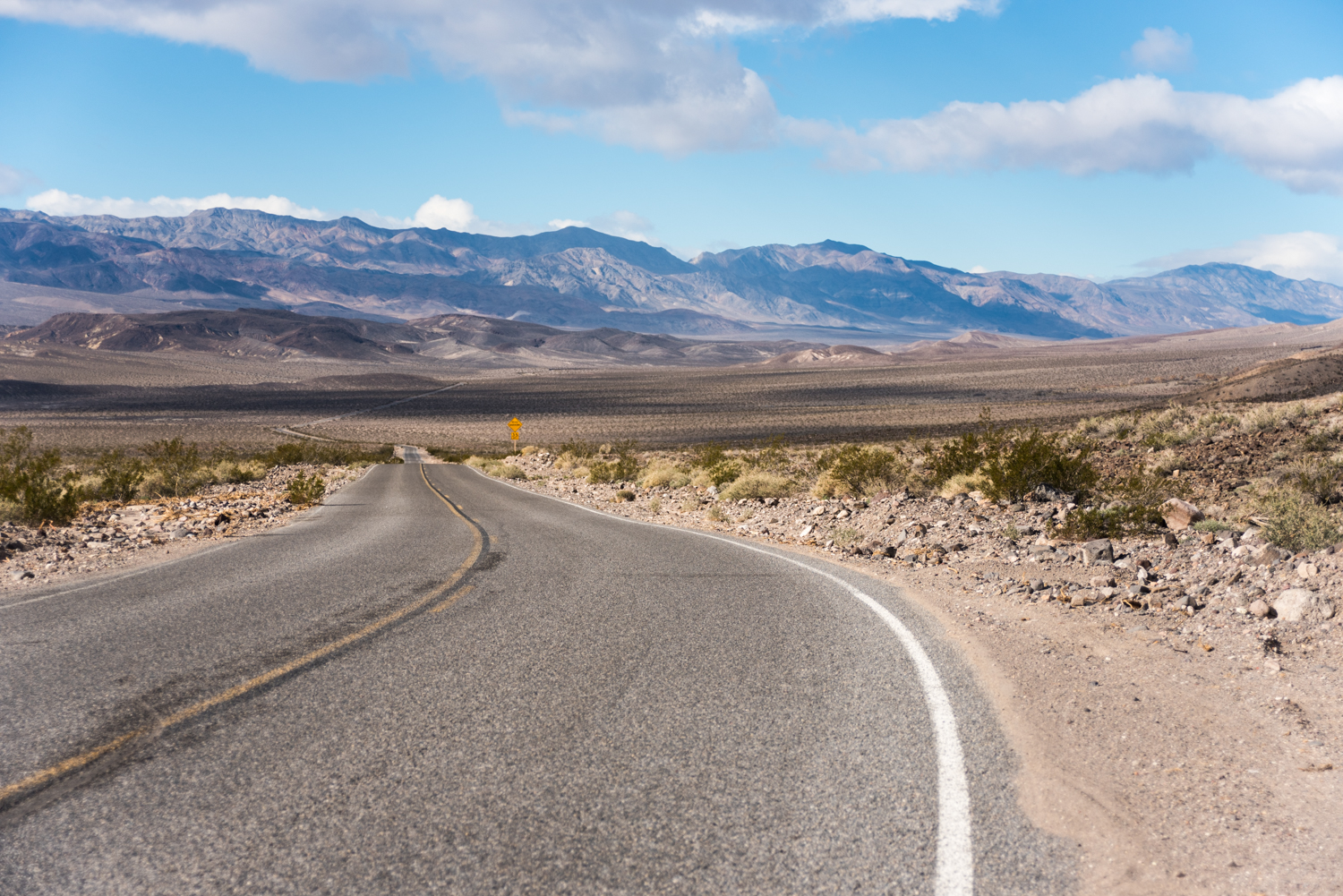
One thing that surprised me about the drive toward Scotty's Castle Road was just how empty it felt. The farther north we drove, the fewer people we saw. Long stretches of pavement disappeared into the distance with almost no other vehicles around. We stopped often, pulling over to photograph blowing sand, distant mountain ranges, and the endless desert unfolding ahead of us. Sometimes the drive itself is just as memorable as the destinations.


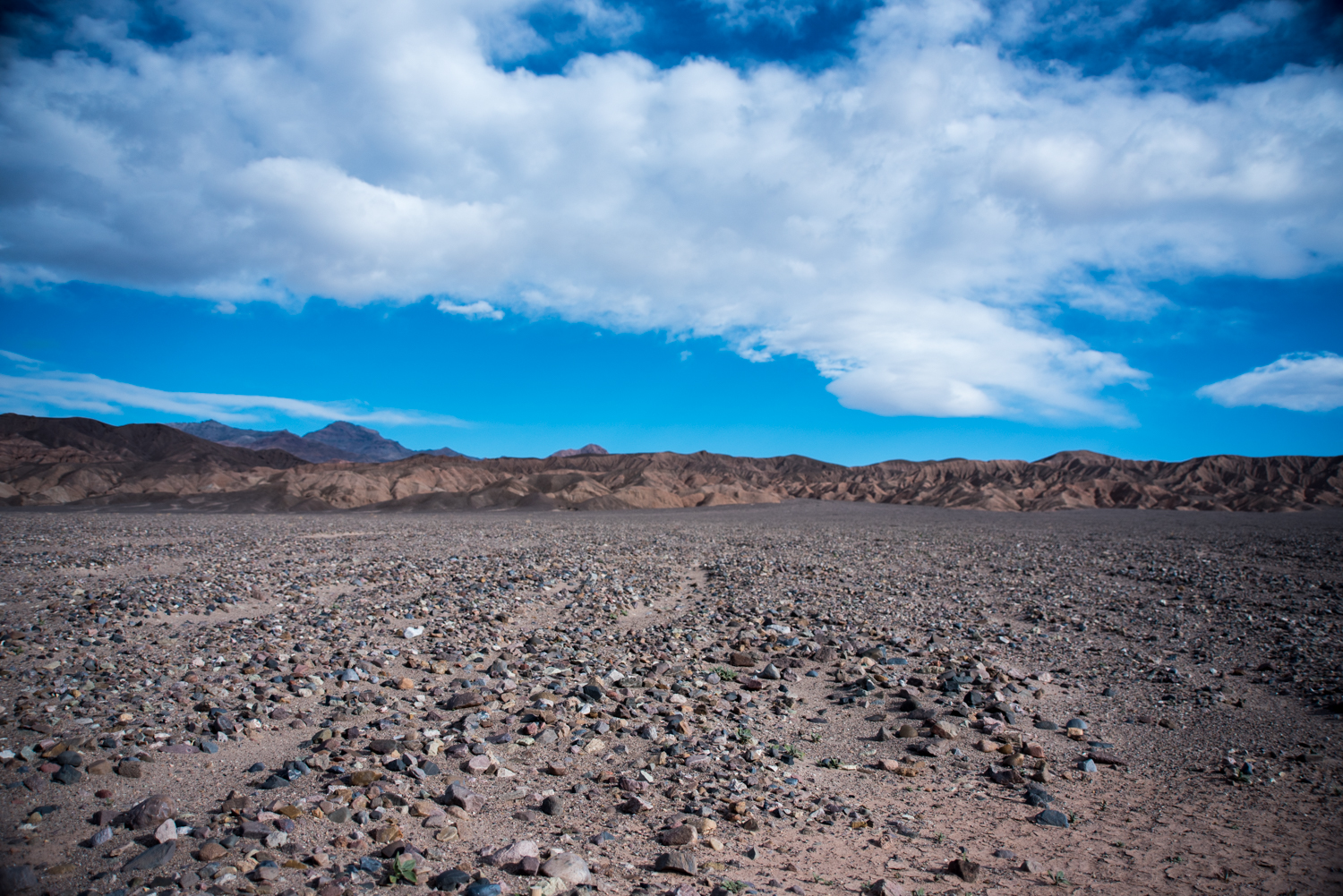


Titus Canyon
Our first planned stop was Titus Canyon. Although the full Titus Canyon Road is a popular backcountry route for high-clearance, four-wheel-drive vehicles, you can also drive the short two-way section from Scotty's Castle Road to the trailhead and explore the narrow canyon on foot.
Towering rock walls quickly surround you, making it feel very different from the wide-open desert landscapes we had explored the previous day. The changing colors and textures of the canyon walls made this one of my favorite photography stops of the trip. Even if you aren't driving the entire backcountry route, it's well worth taking the short walk into the canyon.


Mesquite Springs Campground
Continuing north, we made a quick stop at Mesquite Springs Campground. We had originally considered camping here before deciding on Texas Spring, so it was nice to finally see it in person.
The campground immediately felt quieter and a bit more spread out than the campgrounds around Furnace Creek. Individual sites have a little more privacy, making it a place I'd happily consider for a future visit, especially if we planned to explore the northern portions of the park.
Ubehebe Crater
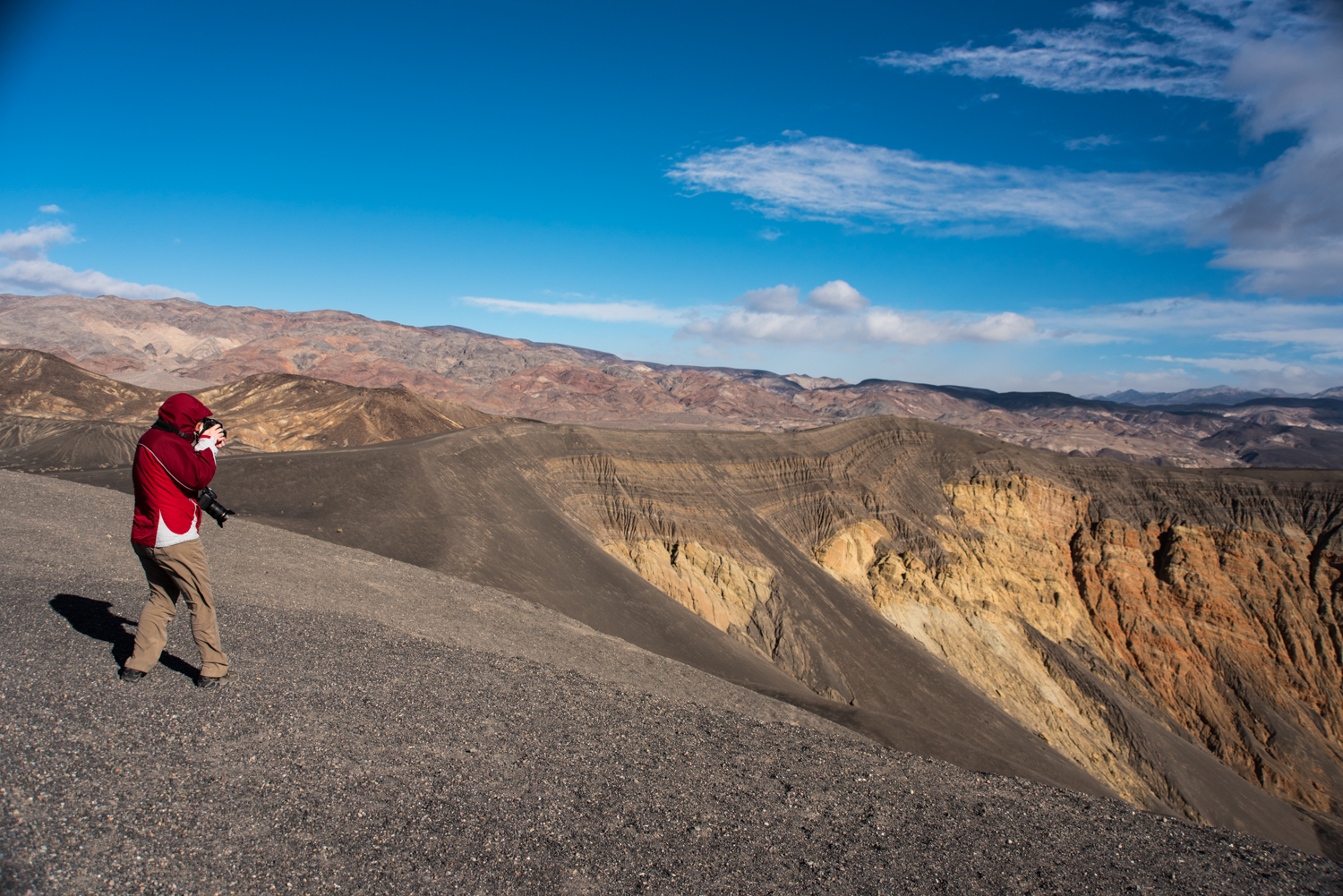
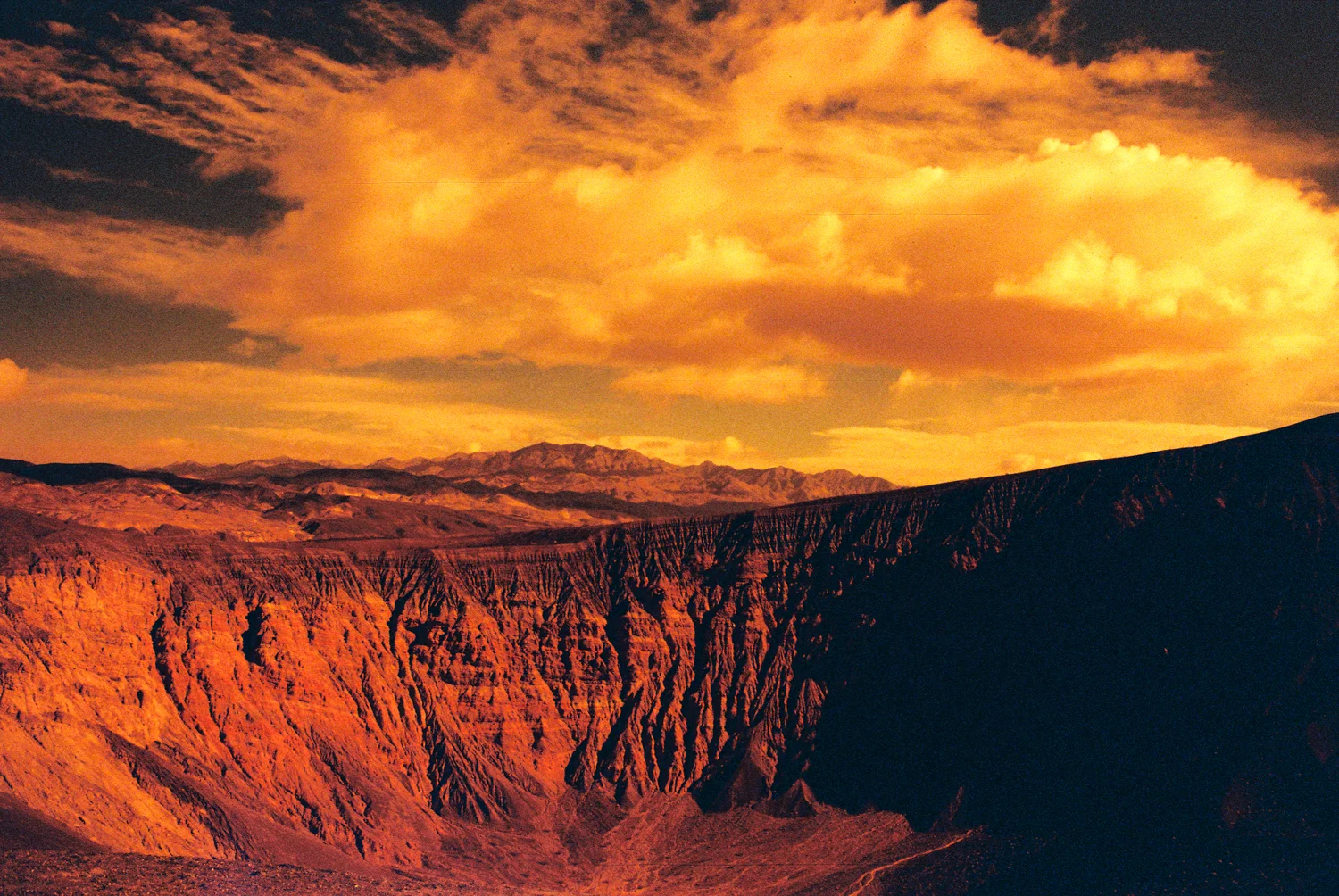
Our northernmost destination was Ubehebe Crater. The landscape here couldn't have been more different from the salt flats, colorful hills, and desert basins we had visited earlier in the trip.
The massive volcanic crater dominates the landscape, reminding visitors that Death Valley's history wasn't shaped only by erosion and salt, but also by powerful volcanic activity.
The wind was incredibly strong when we arrived, making it difficult to spend much time along the rim. We had hoped to hike farther, but the gusts were enough to convince us that admiring the crater from the overlooks was the smarter choice.




Mesquite Flat Sand Dunes
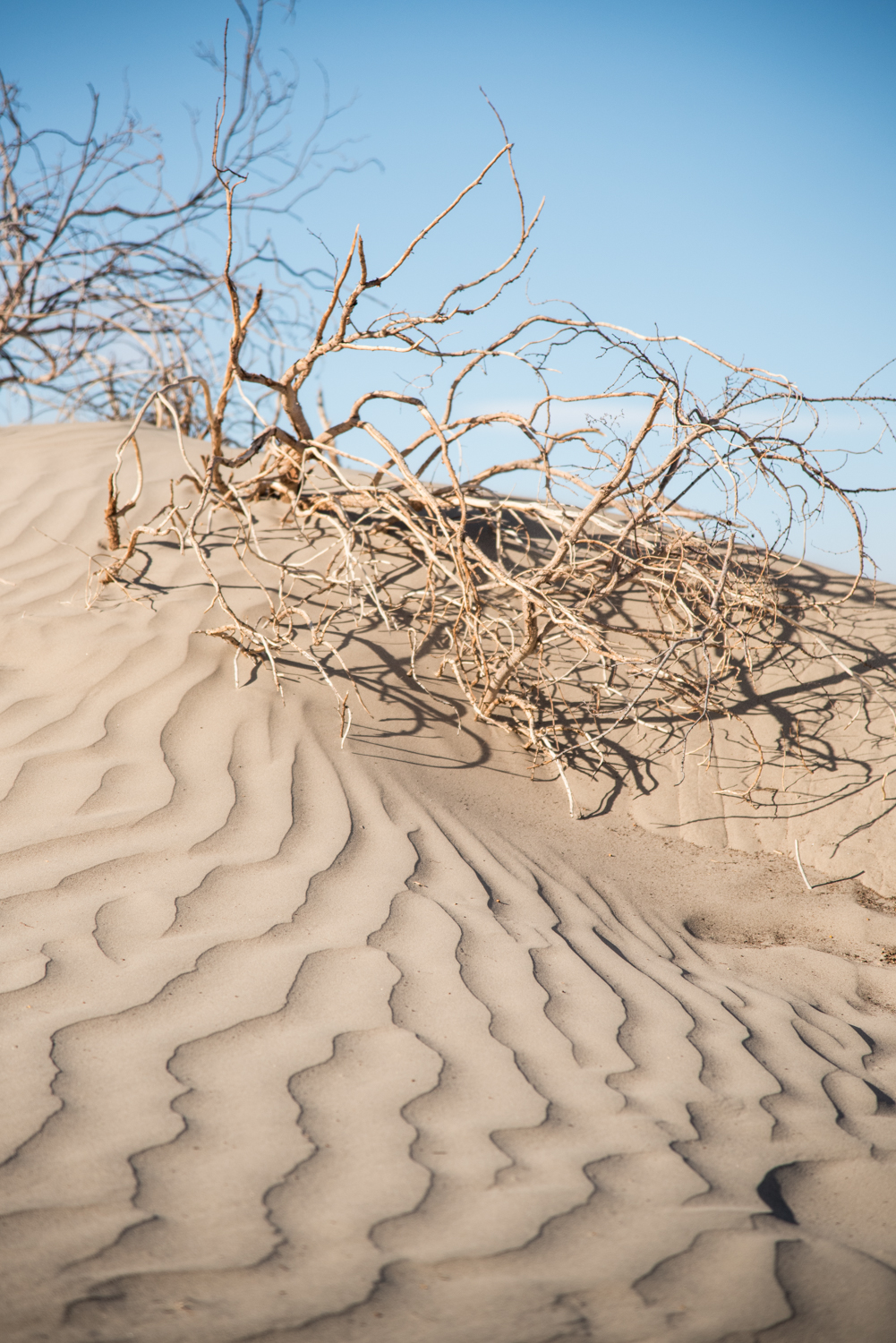
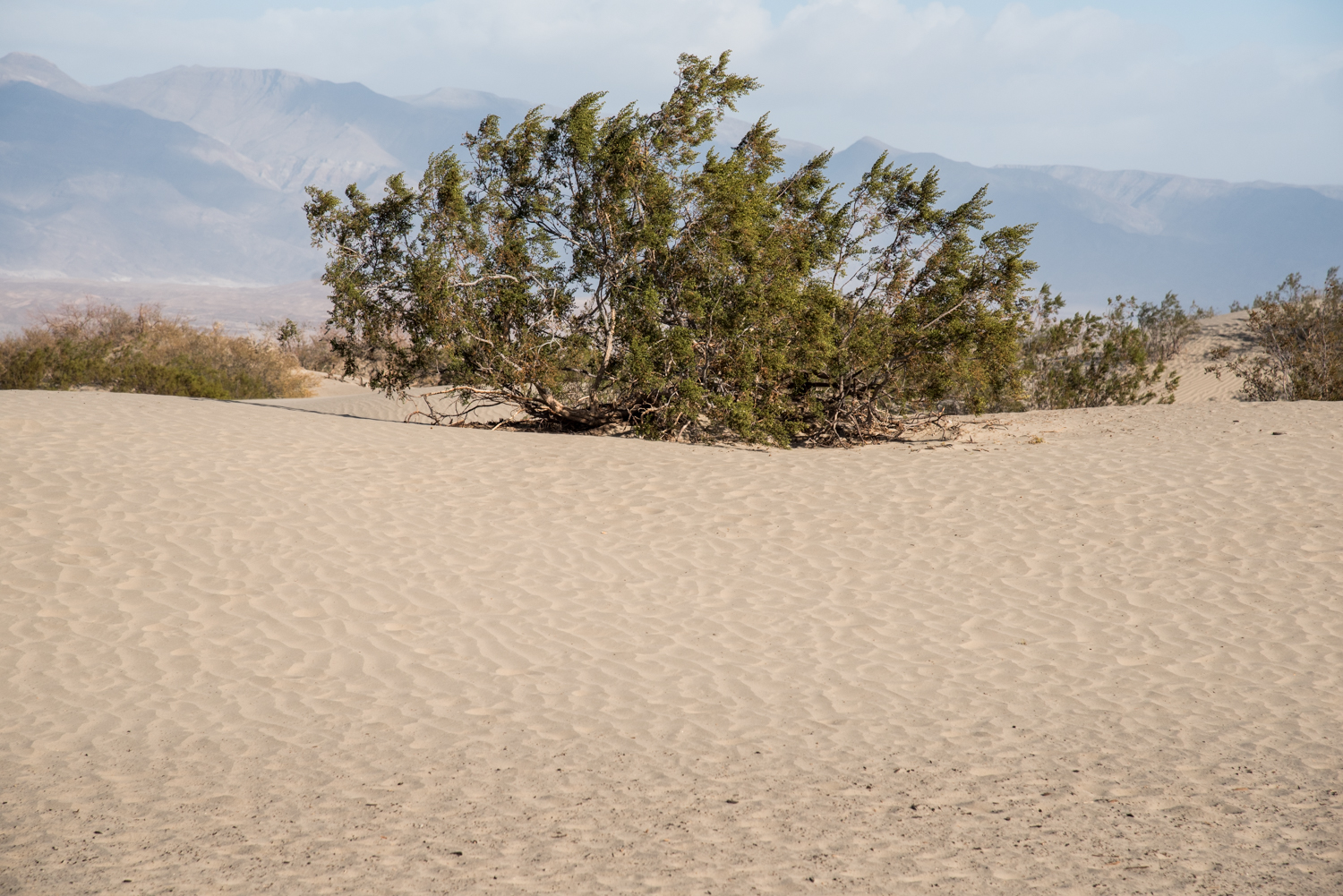
Before leaving the park, we made one final stop at Mesquite Flat Sand Dunes. We had only planned to stretch our legs for a few minutes, but it didn't take long before we were wandering out across the dunes with our cameras. The shifting sand, sweeping curves, and constantly changing light created another completely different landscape from everything we'd seen during the previous two days.
The wind added movement to the scene, but it also filled the air with blowing sand. Before long it had worked its way into our shoes, cameras, and just about everywhere else.
Over two days we had explored salt flats, colorful hills, narrow canyons, volcanic craters, towering sand dunes, and some of the quietest roads we've ever driven. Every stop felt completely different from the last, and it quickly became clear that there was still so much more waiting to be explored. We’ll be back.