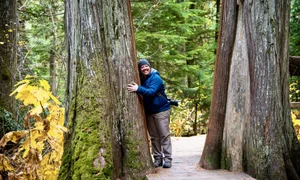
Birding Madera Canyon During Monsoon Season
Madera Canyon climbs into the western slopes of Arizona's Santa Rita Mountains, where the landscape changes quickly from desert grassland to oak woodland and pine forest. That dramatic change in elevation brings together birds from several habitats, making the canyon one of the premier birding destinations in the Southwest.
We visited during the August monsoon season, and almost every afternoon followed the same pattern. Dark clouds would build over the mountains, thunder would begin rumbling through the canyon, and before long heavy rain would send everyone looking for shelter.
Fortunately, the Santa Rita Lodge is about the best place you could hope to wait out a desert thunderstorm. We settled onto the covered patio with coffee and a snack from the lodge café while hummingbirds zipped between the feeders just a few feet away, and waited for the blue skies. By the time the rain eased, we'd often realize we had been happily sitting there much longer than we'd planned.
A Botteri's Sparrow on the Way In
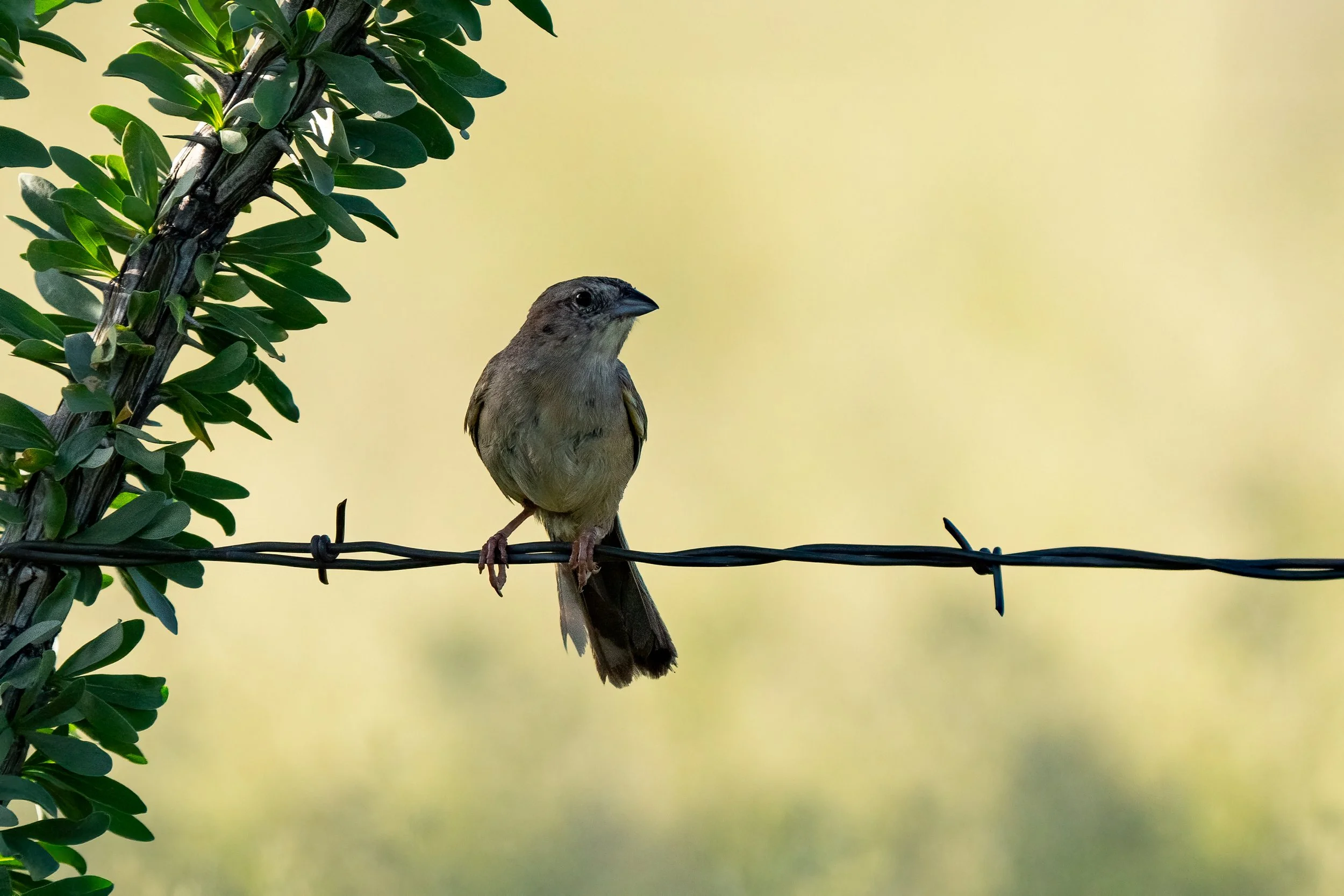
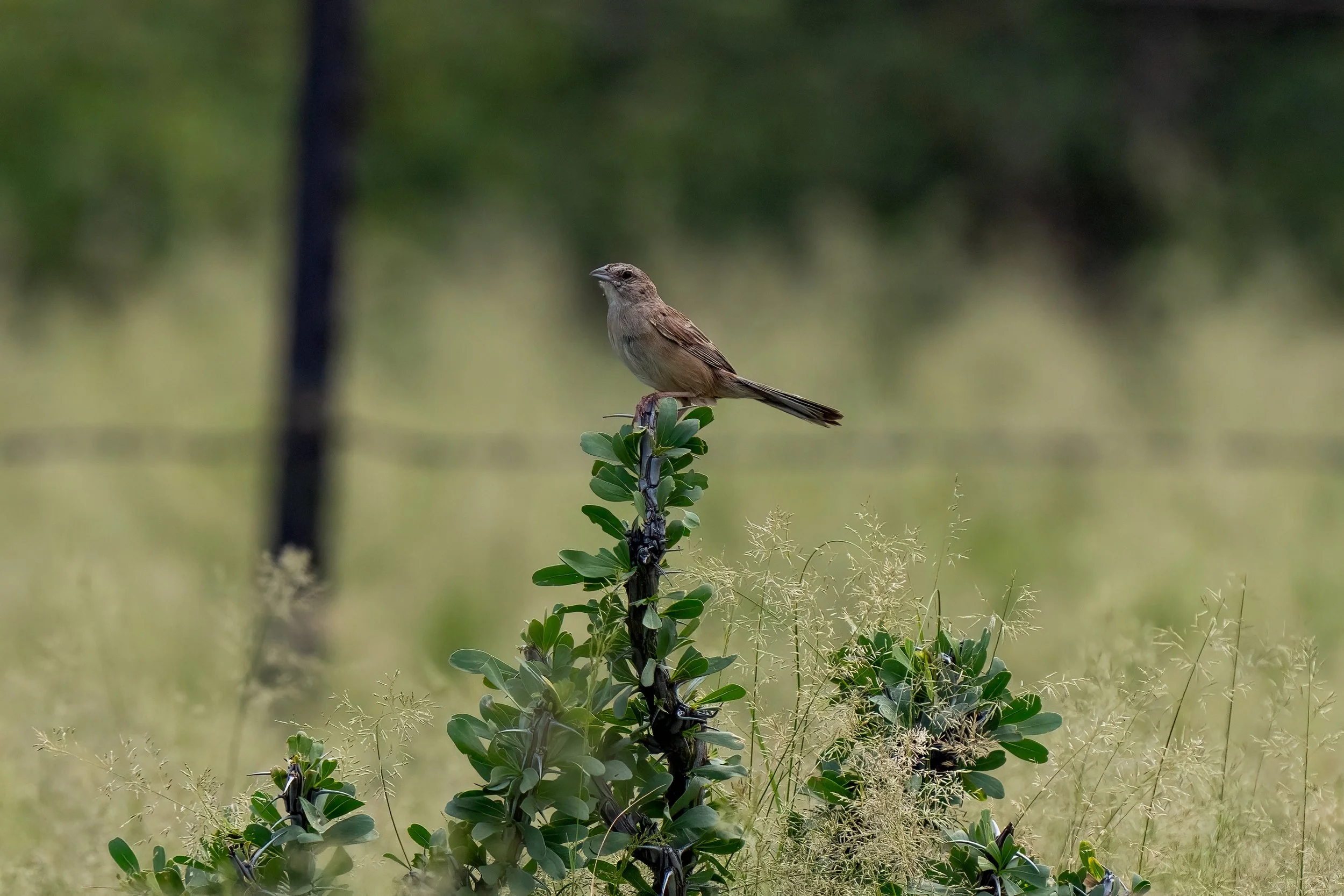
We stopped at a small pullout in the grassland below the canyon and noticed a sparrow perched in the distance. It moved closer, giving us enough of a look to identify a Botteri's Sparrow, a lifer I had not expected to find.
These sparrows arrive with the summer rains and depend on healthy grassland. The bird sat among tall bunchgrasses that had responded to the monsoon, making the connection between habitat and arrival easy to see.
A Canyon Towhee called from the opposite side of the road, then climbed onto a high perch as if offering its own welcome to the canyon.
The Santa Rita Lodge Feeders
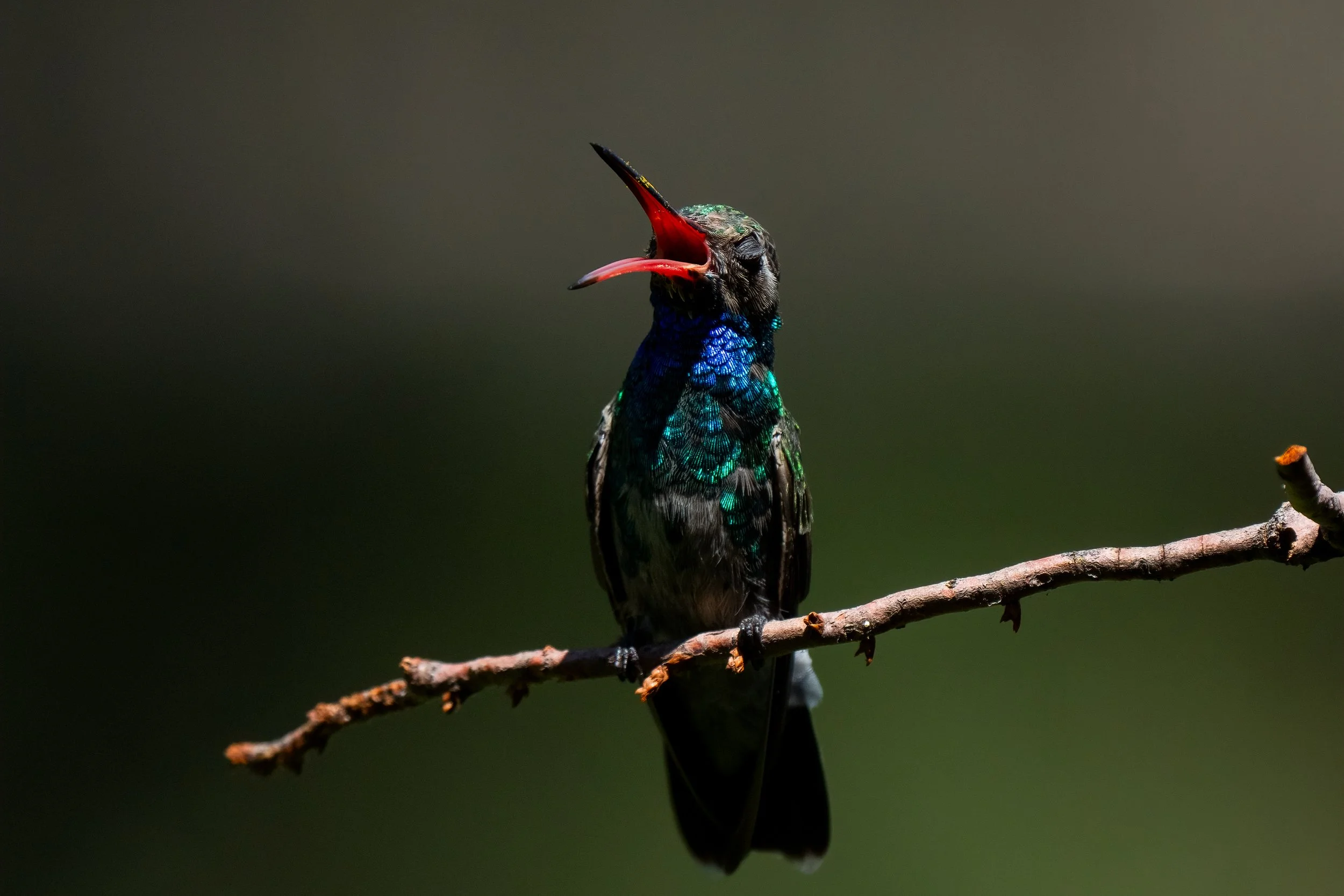
We settled onto the lodge patio and watched eight hummingbird species move through the feeders.
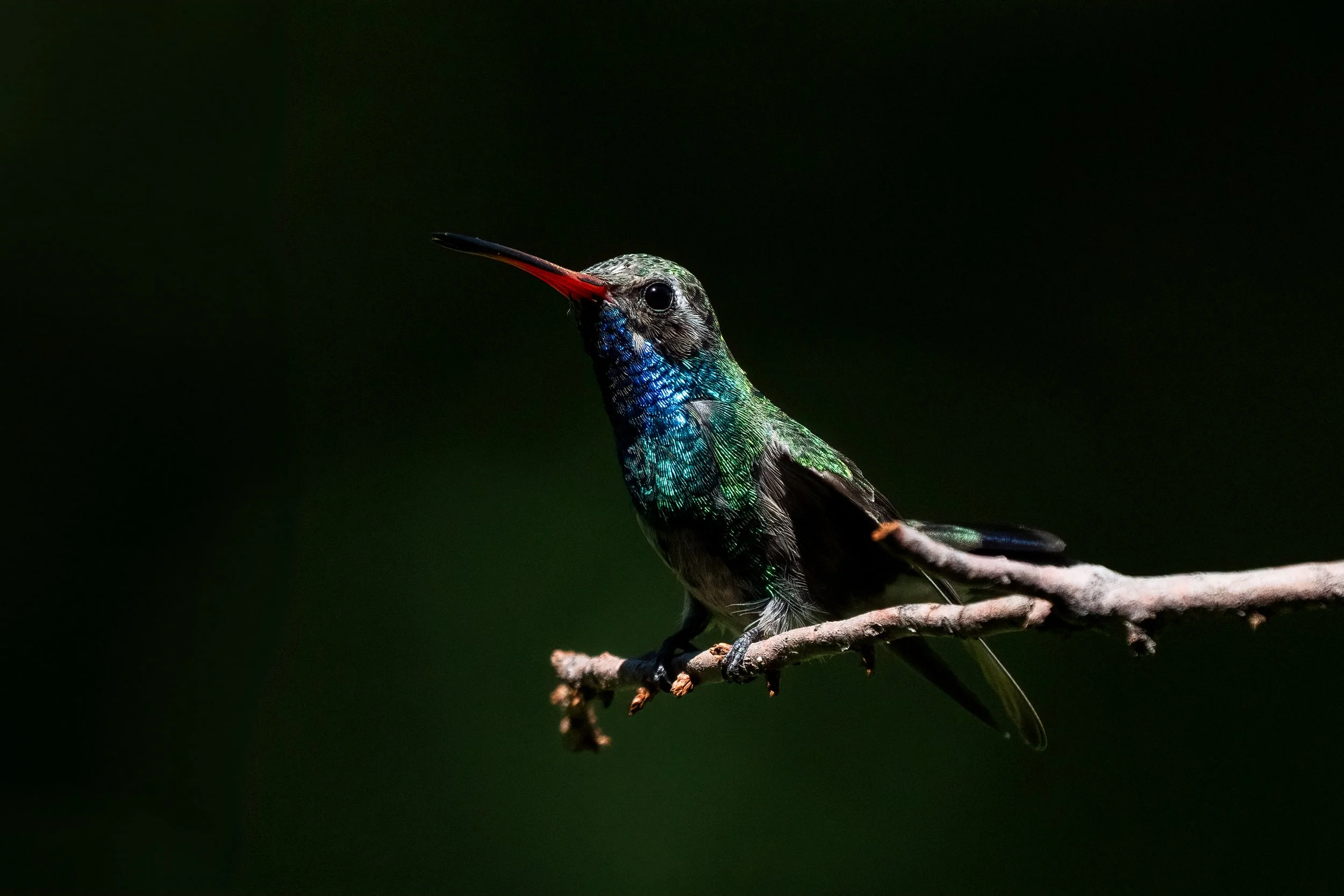
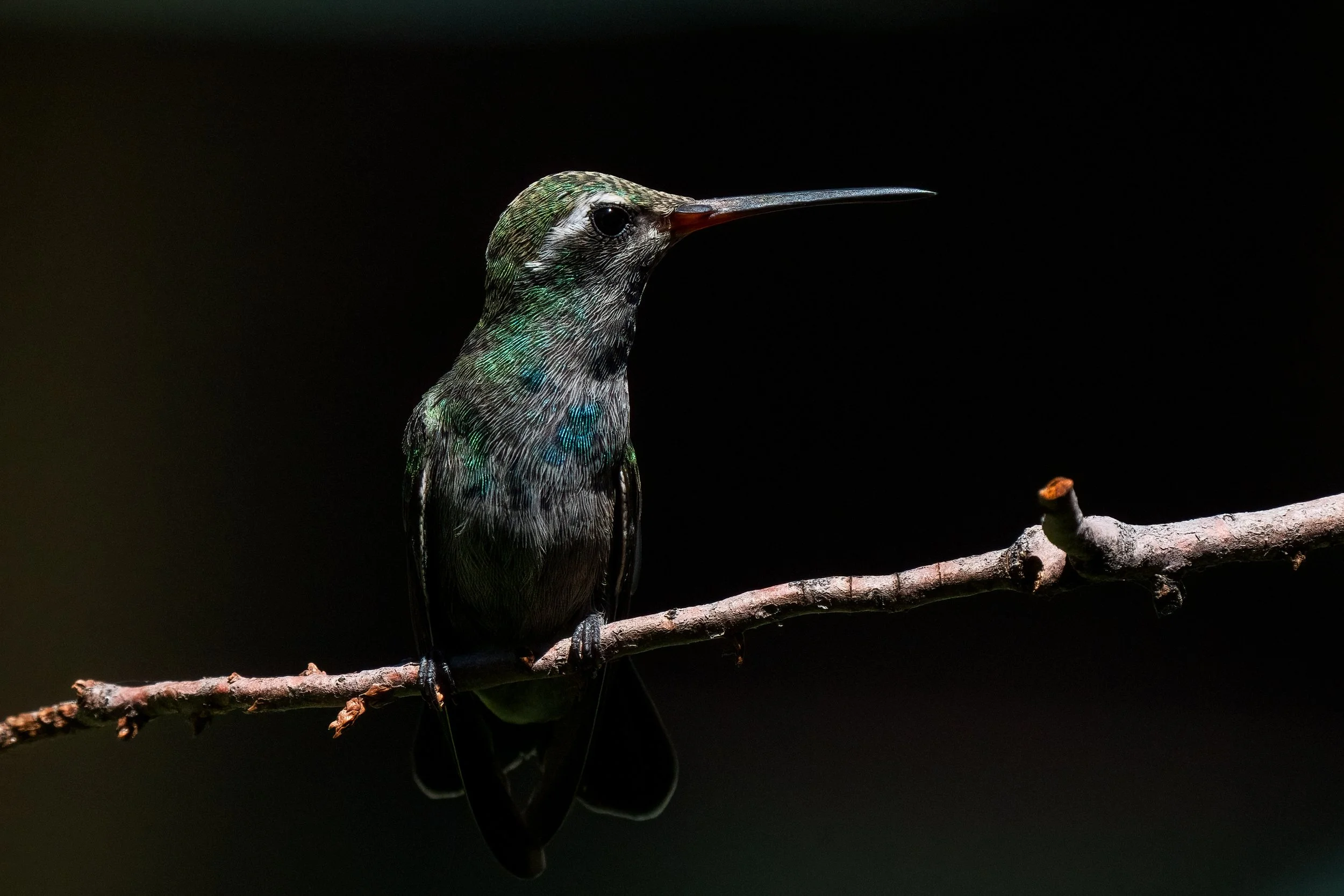
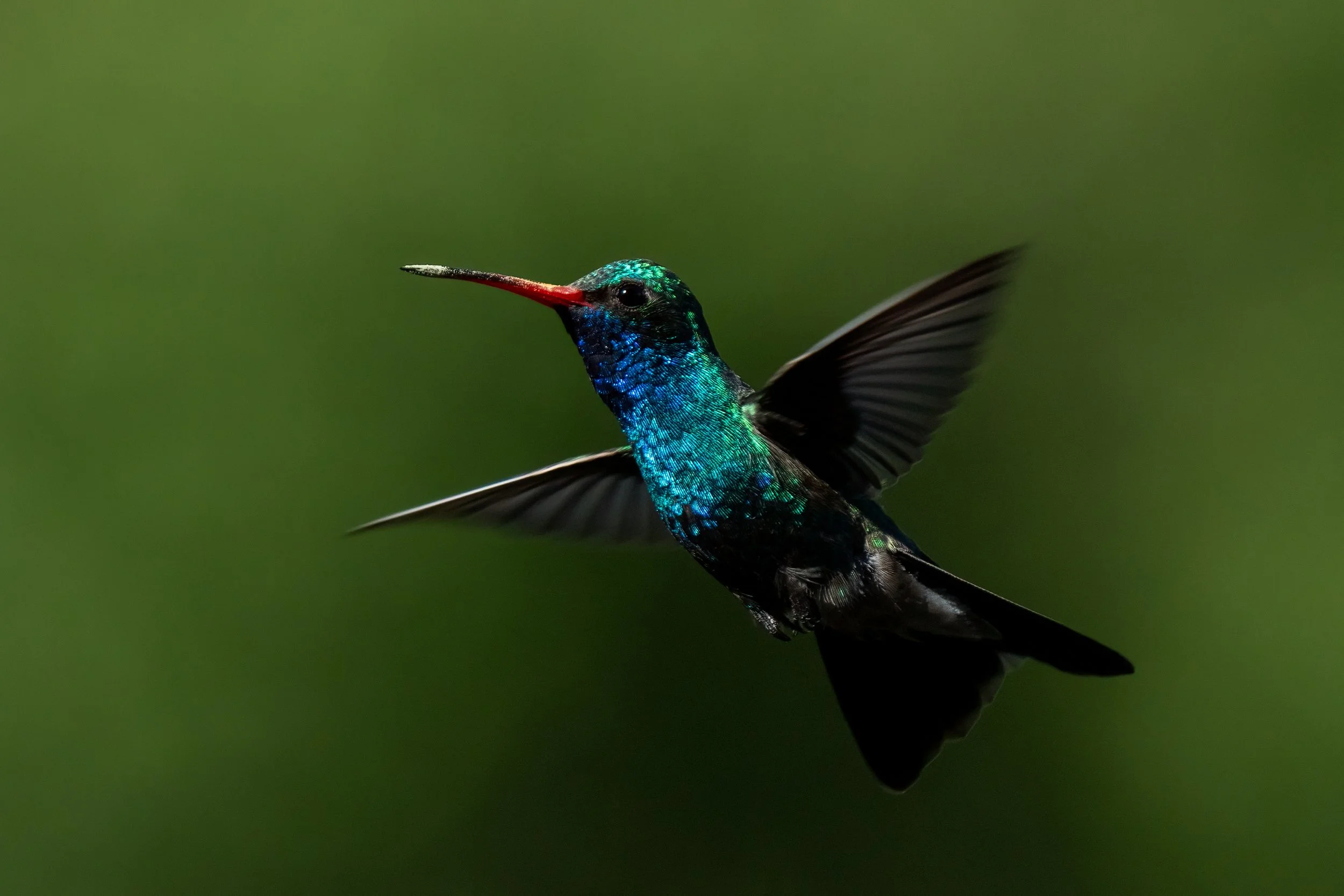
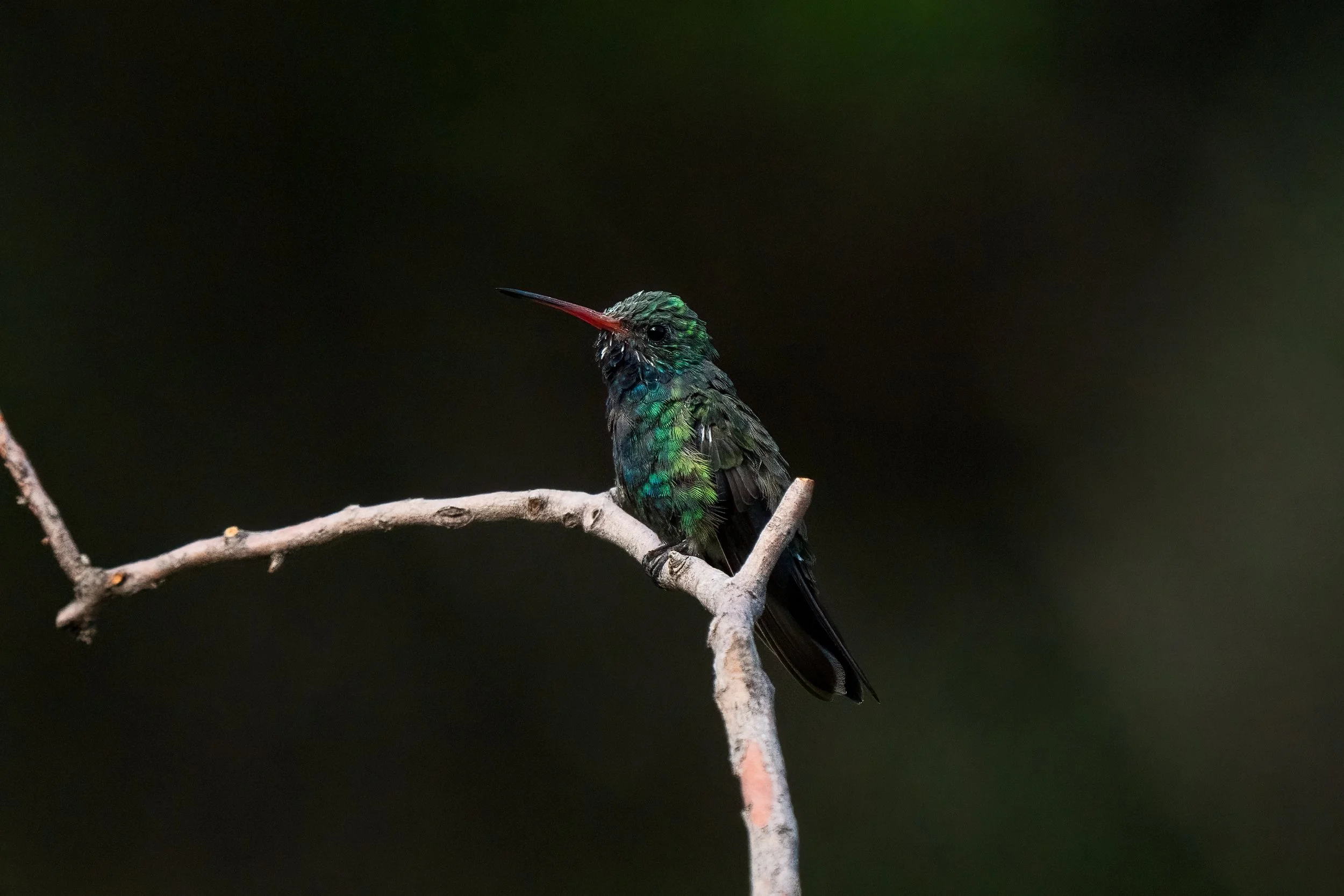
Rivoli's Hummingbirds and Blue-throated Mountain-gems were the giants. Even the softer-colored female mountain-gem looked enormous beside the smaller birds. Broad-billed Hummingbirds flashed green and blue around the feeders, while Black-chinned and Anna's Hummingbirds joined the constant motion.
Broad-tailed Hummingbirds announced themselves with the metallic trill of their wings. Rufous Hummingbirds were moving south and arrived ready to challenge anything that approached a feeder.
The rarest bird was a Berylline Hummingbird, a mostly Mexican species that appears in southeastern Arizona in small numbers. Its green body and chestnut wings made it surprisingly easy to pick out once it entered the crowd.
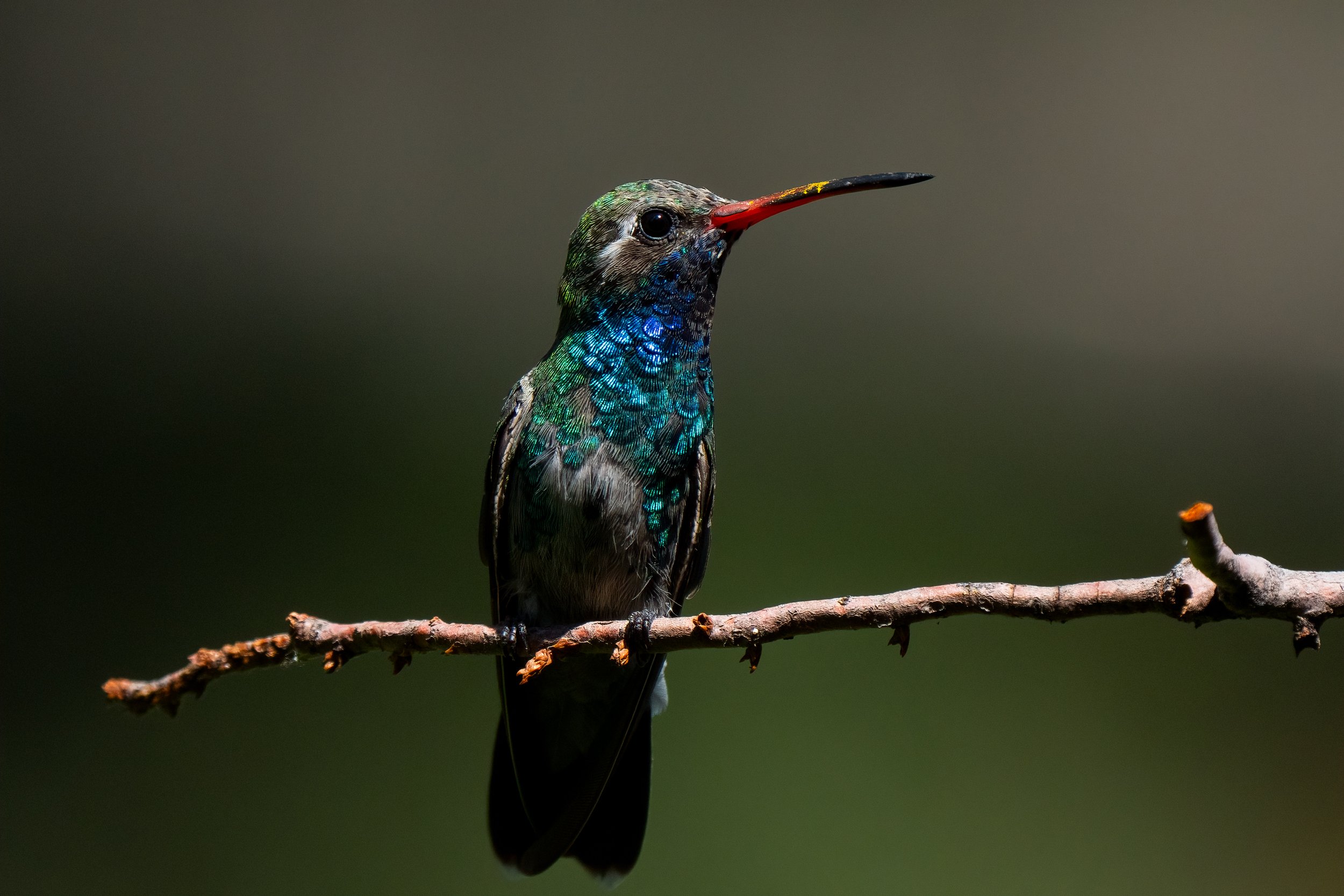
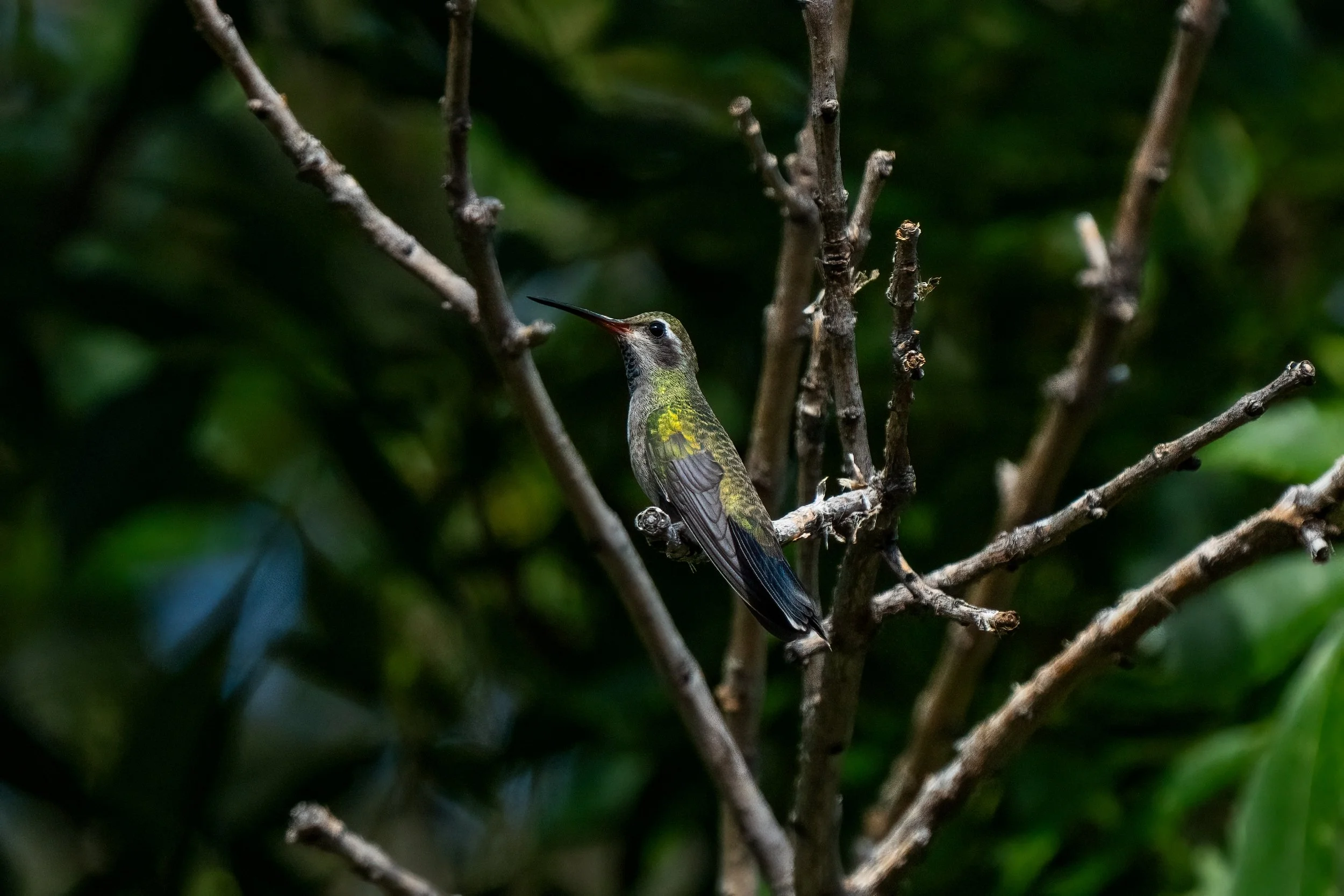
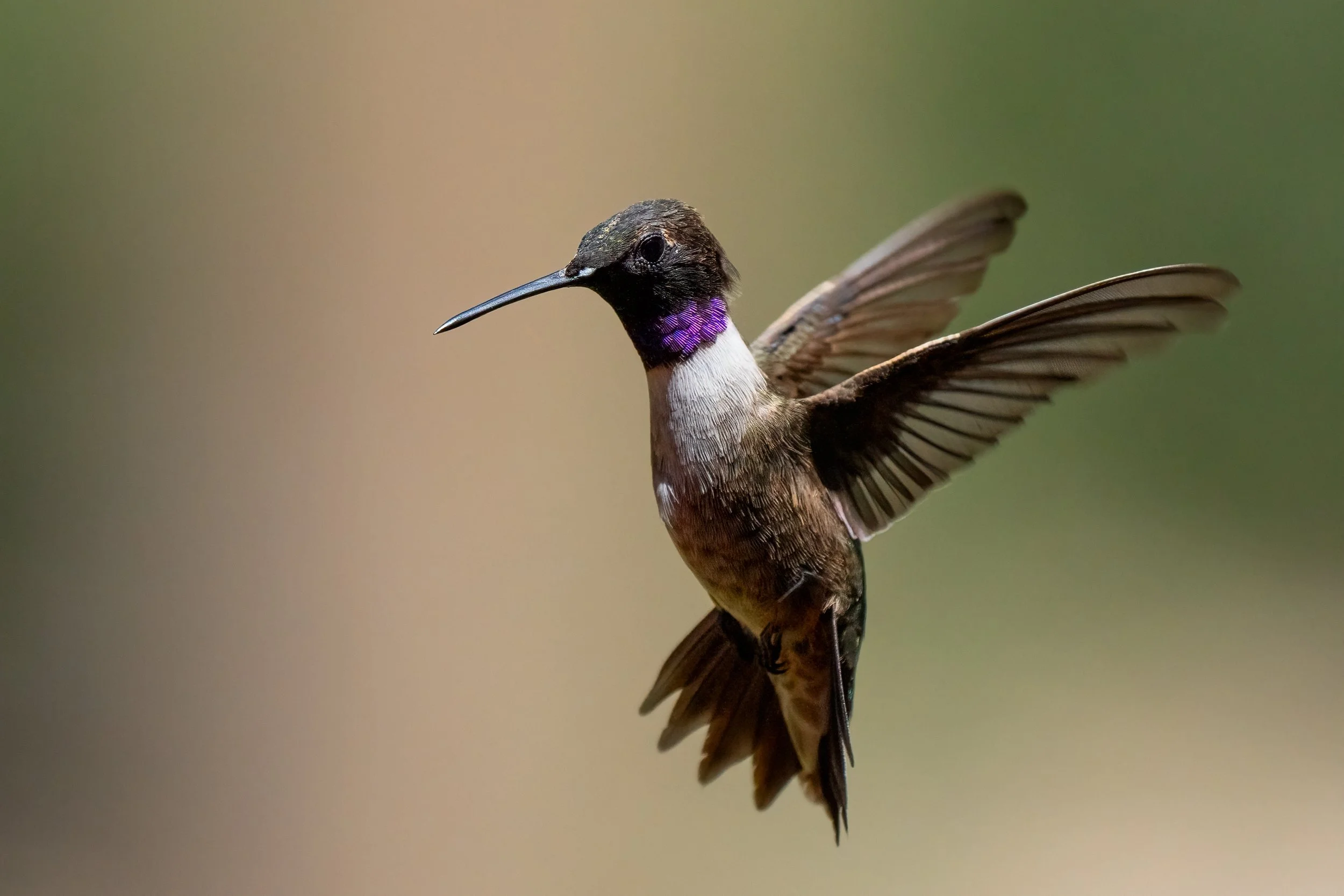
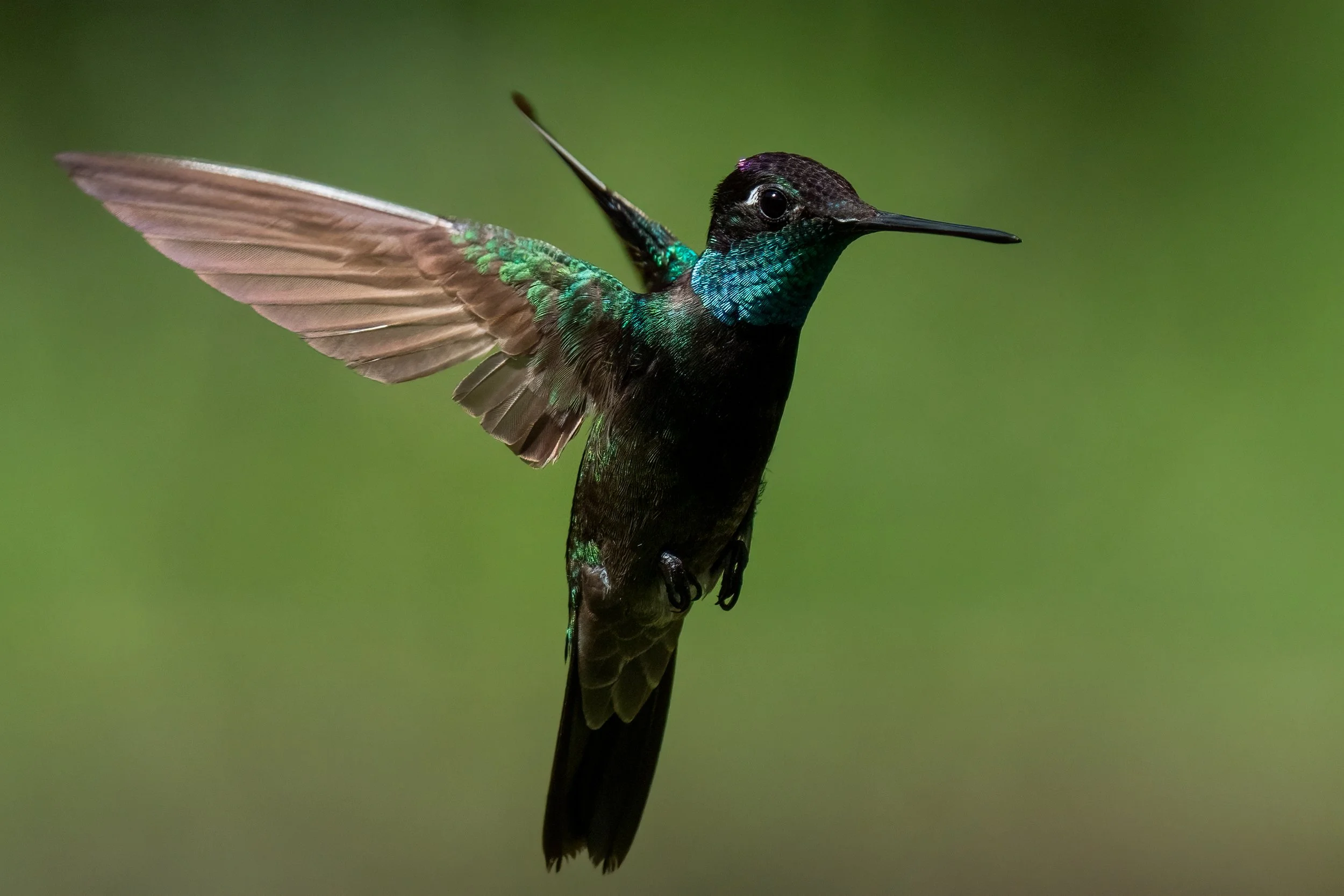
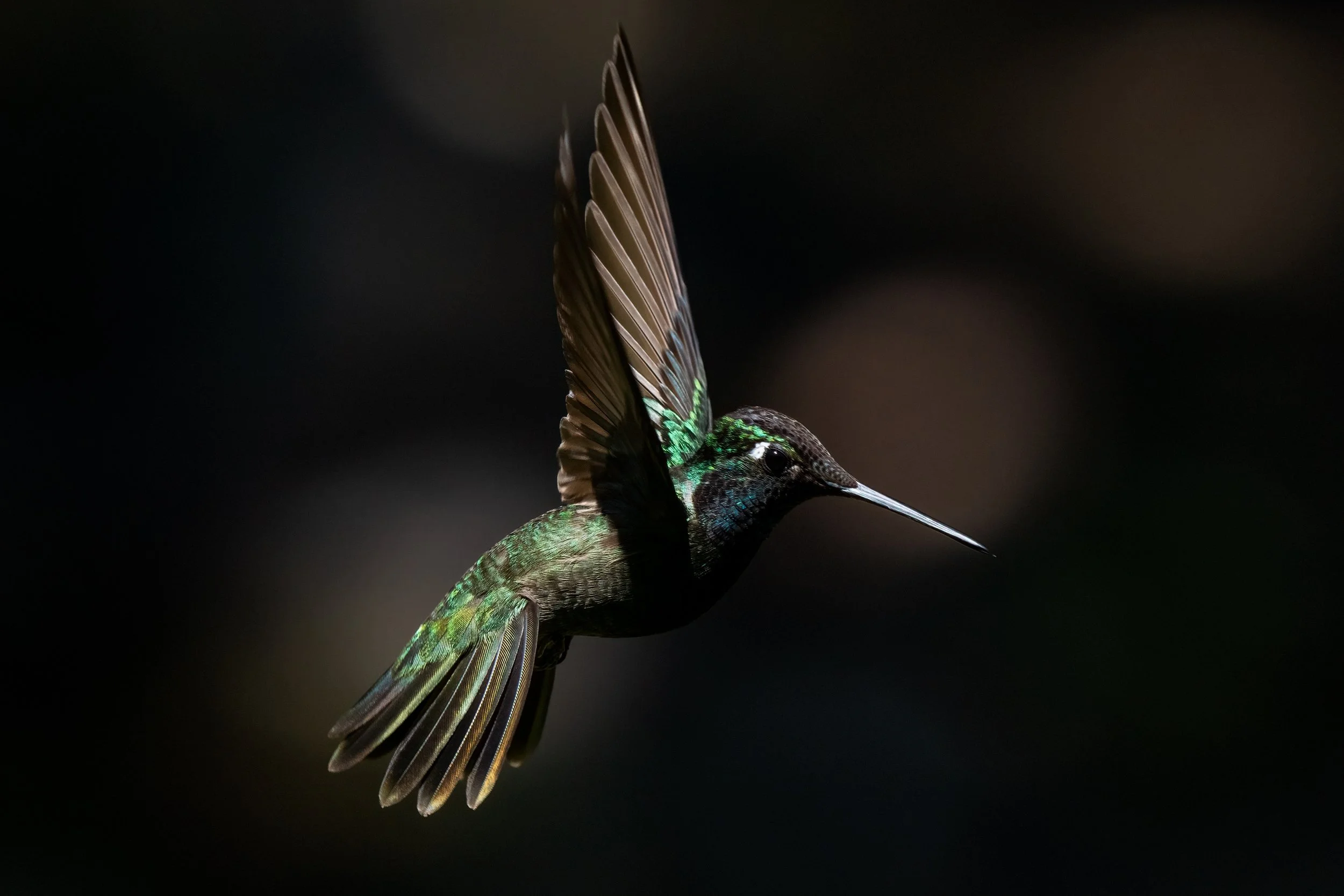
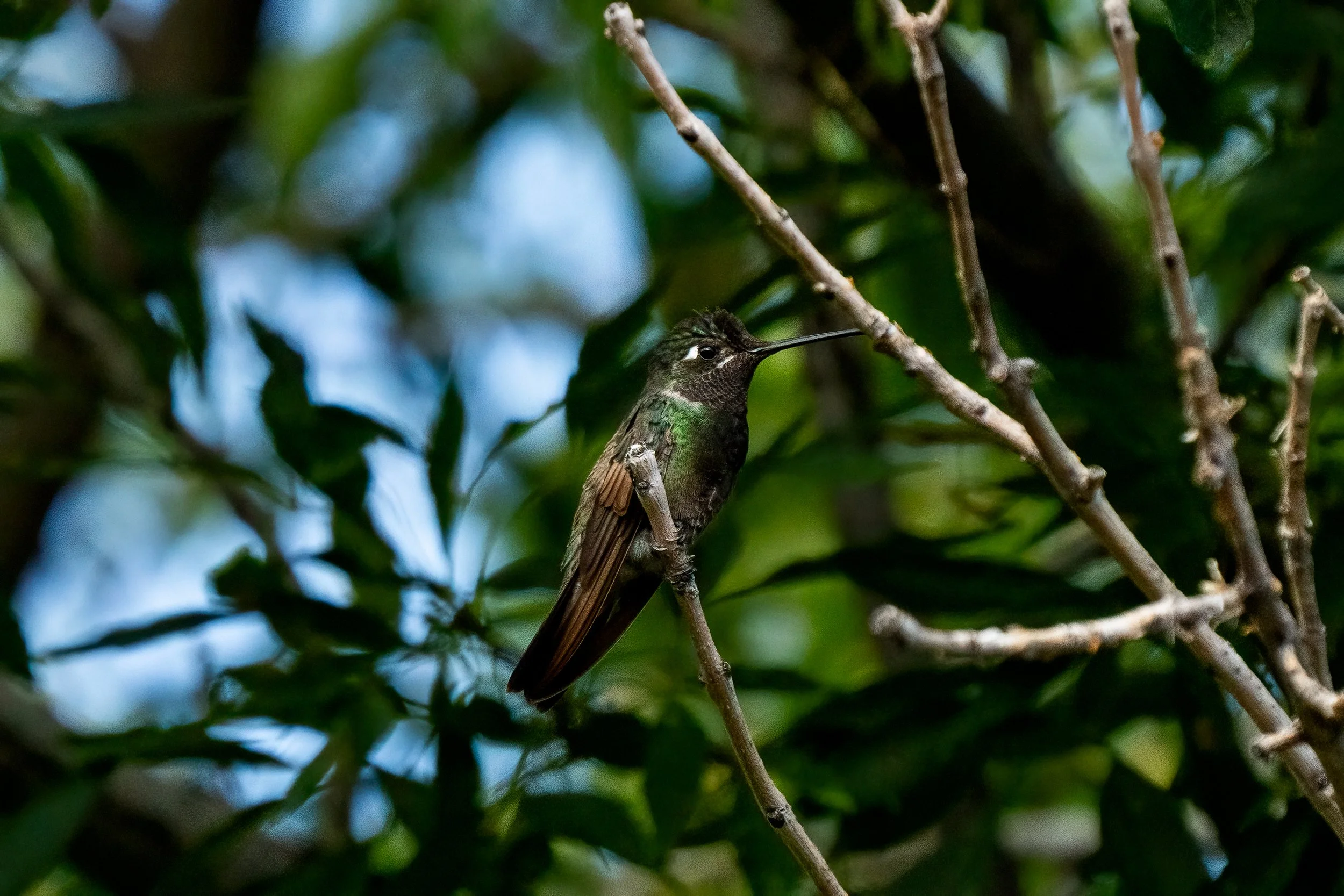
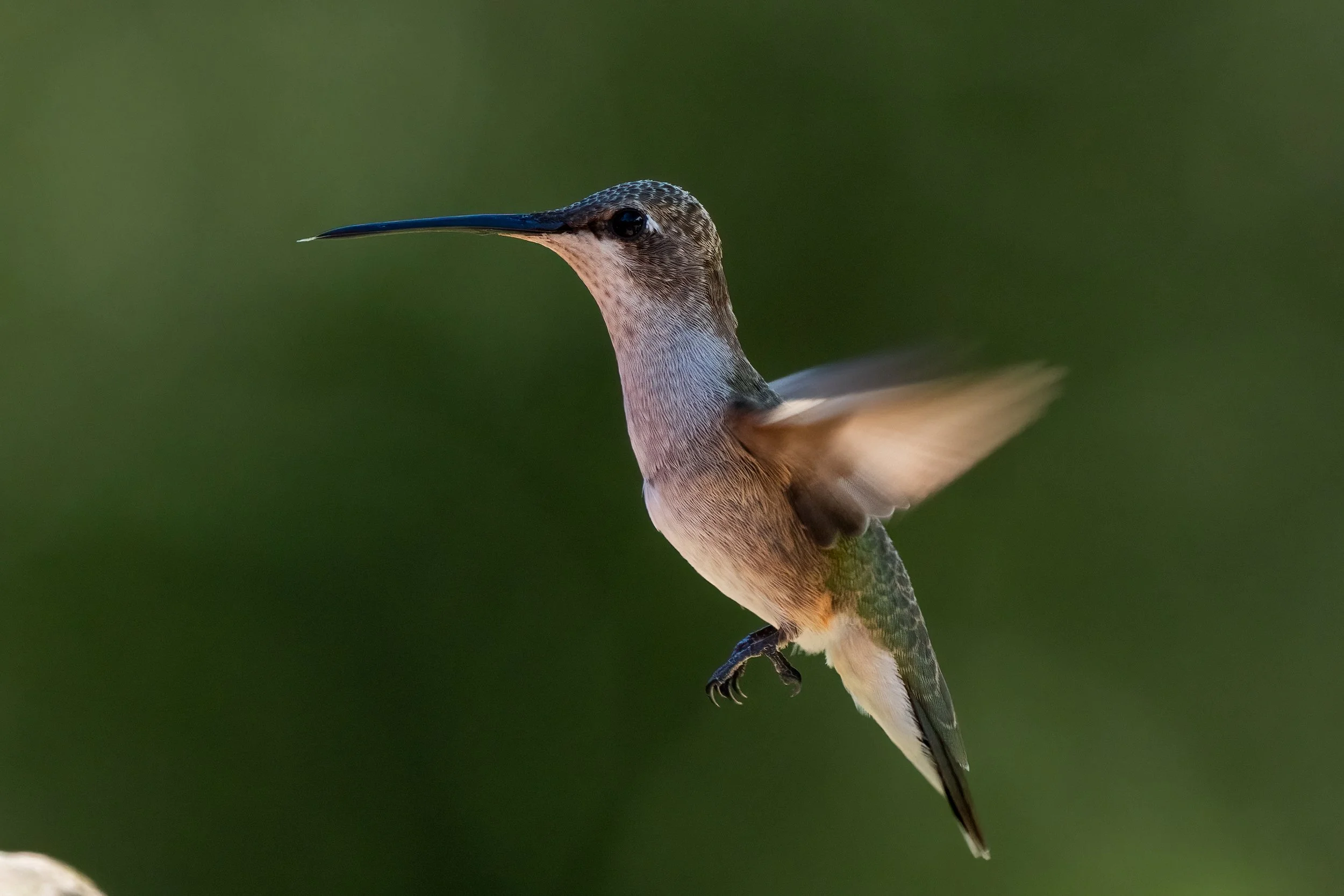
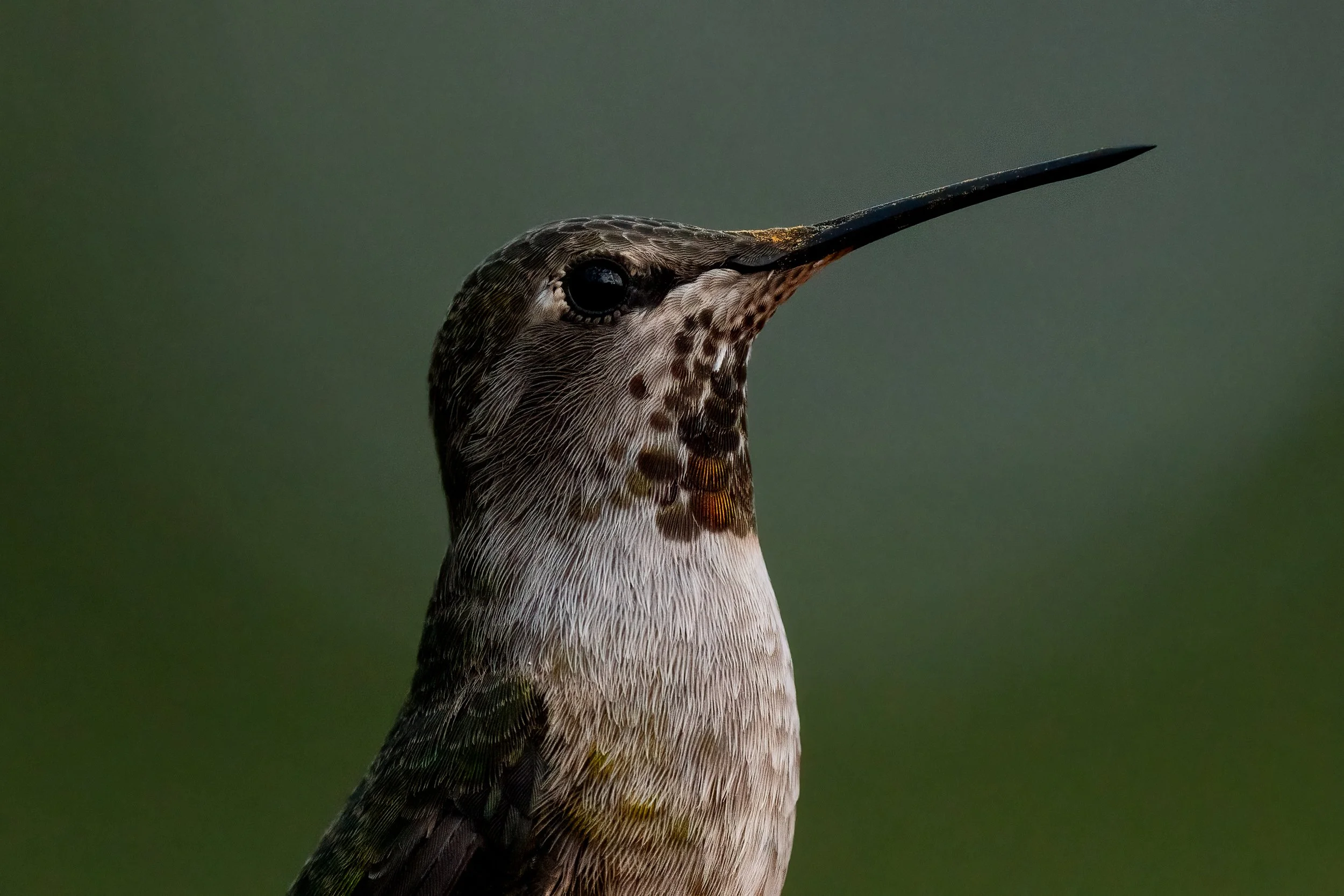
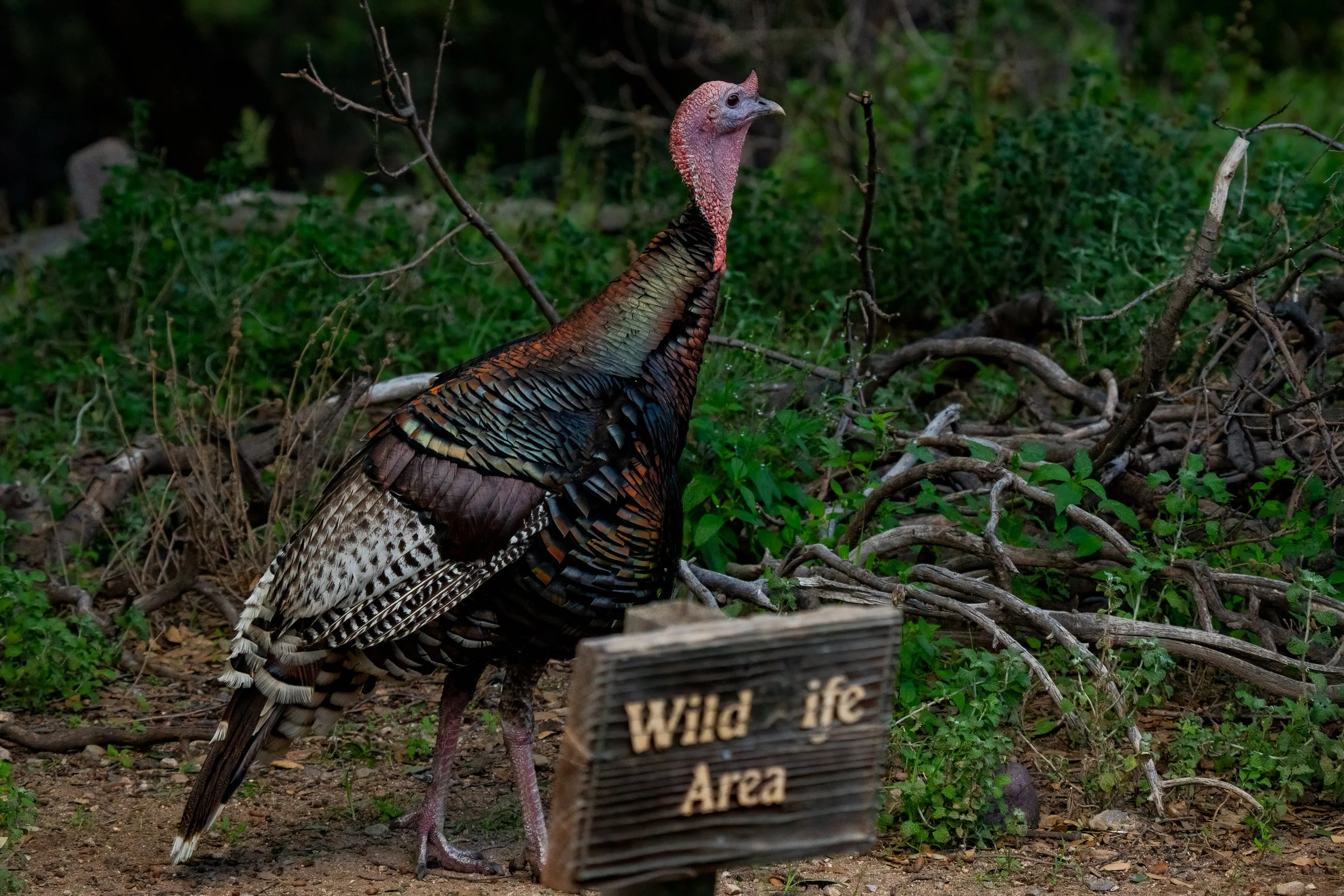
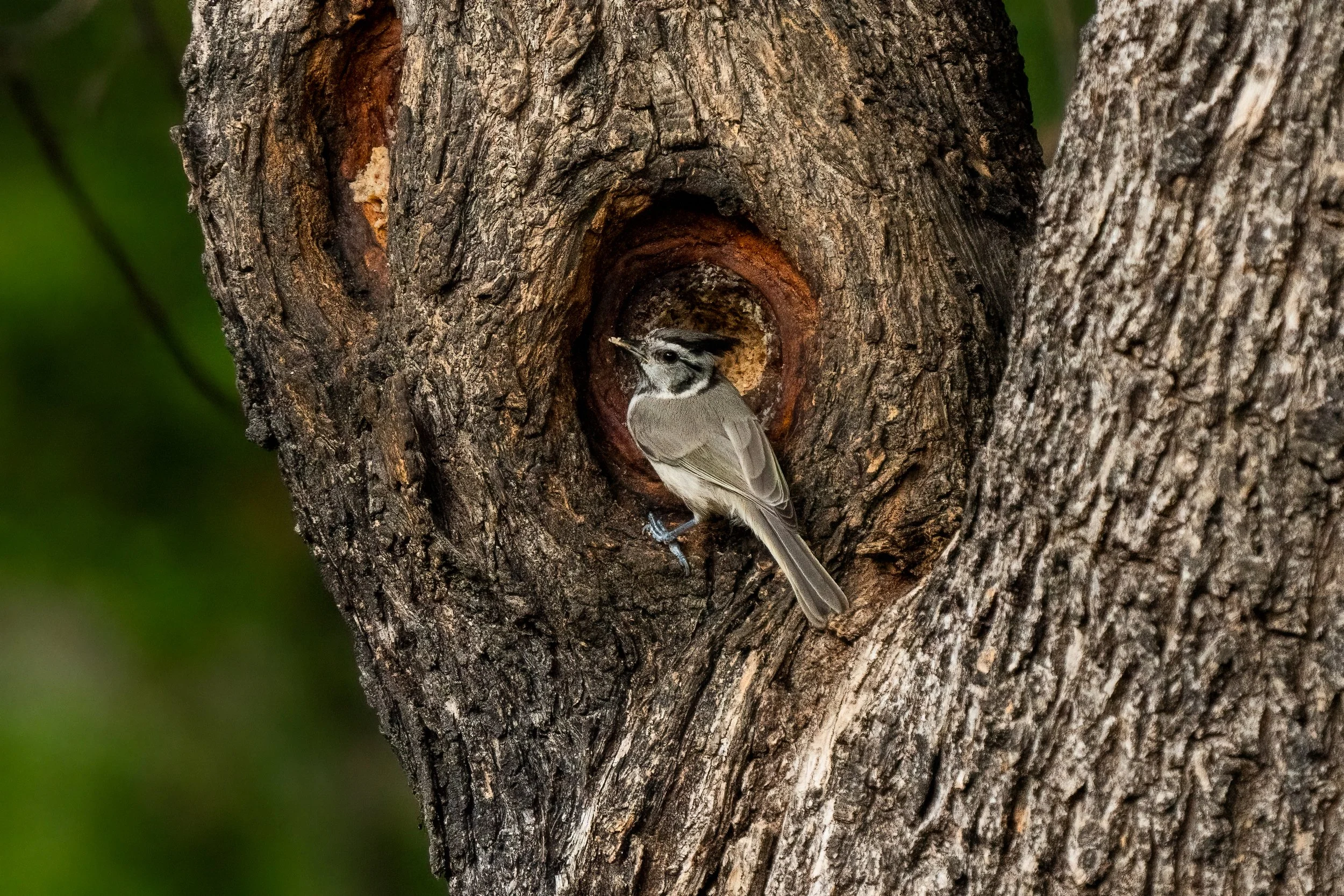
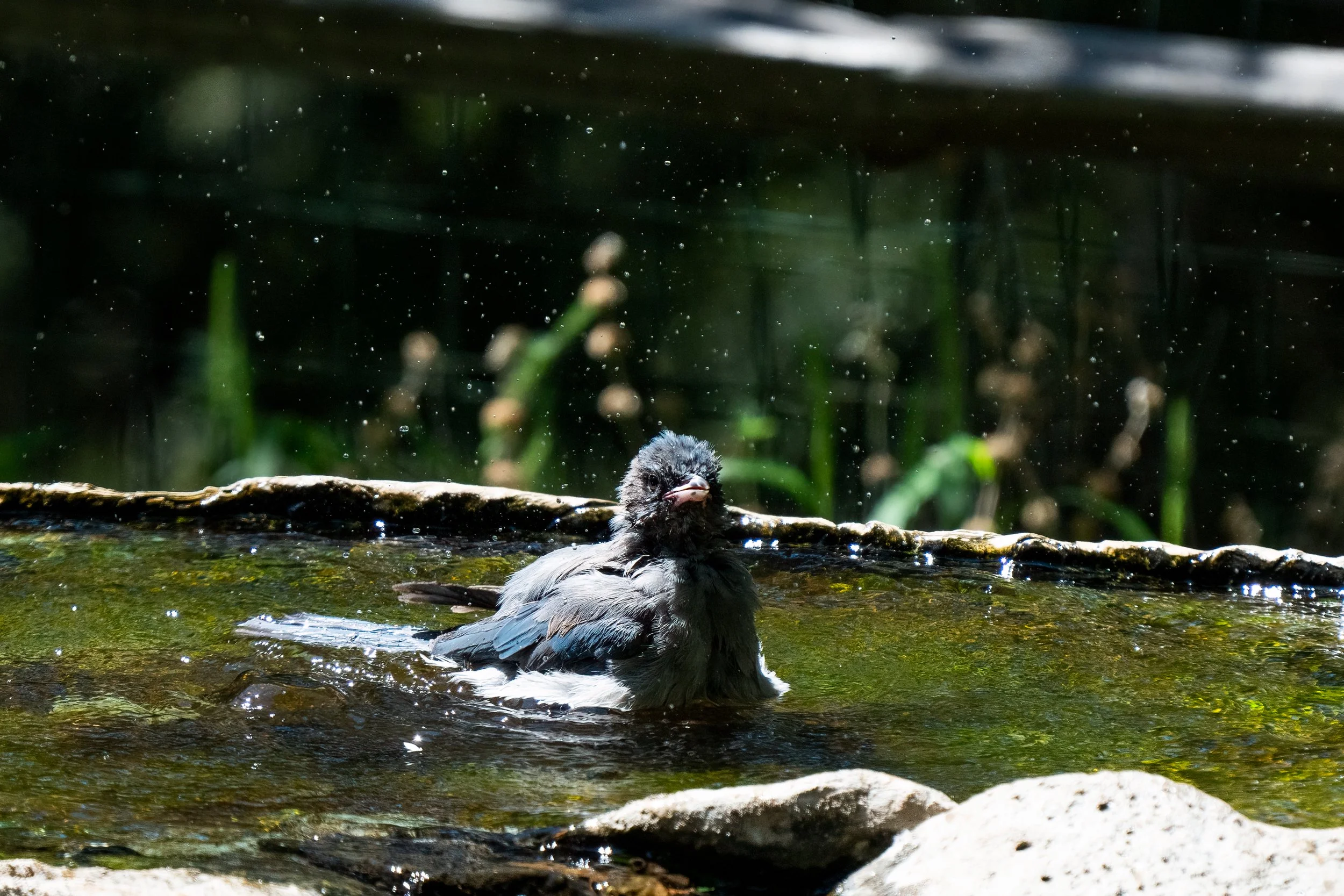
The patio held plenty beyond hummingbirds. Wild Turkeys walked through the grass with complete confidence, Mexican Jays moved noisily through the oaks, and Bridled Titmice made quick trips to the feeders.
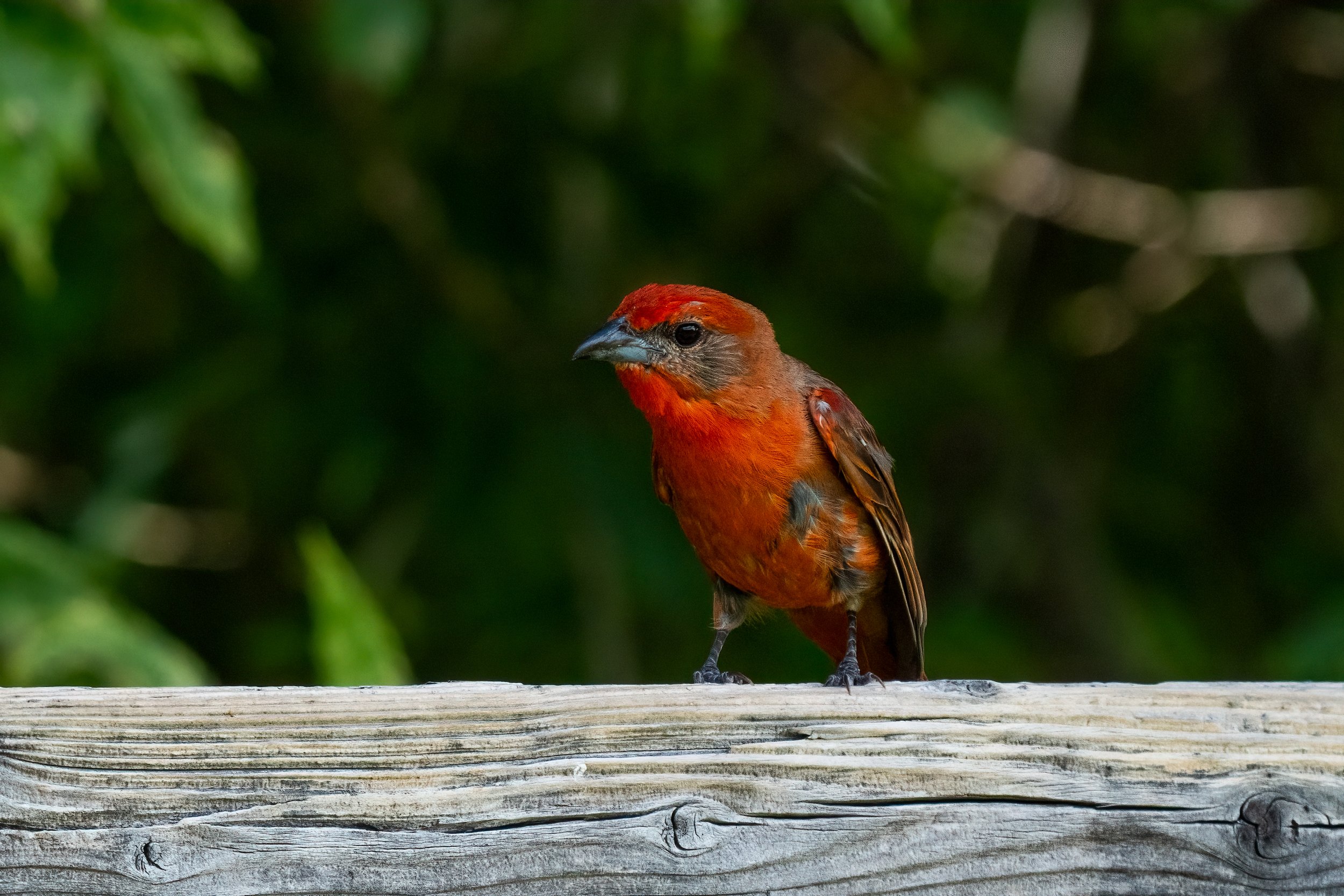
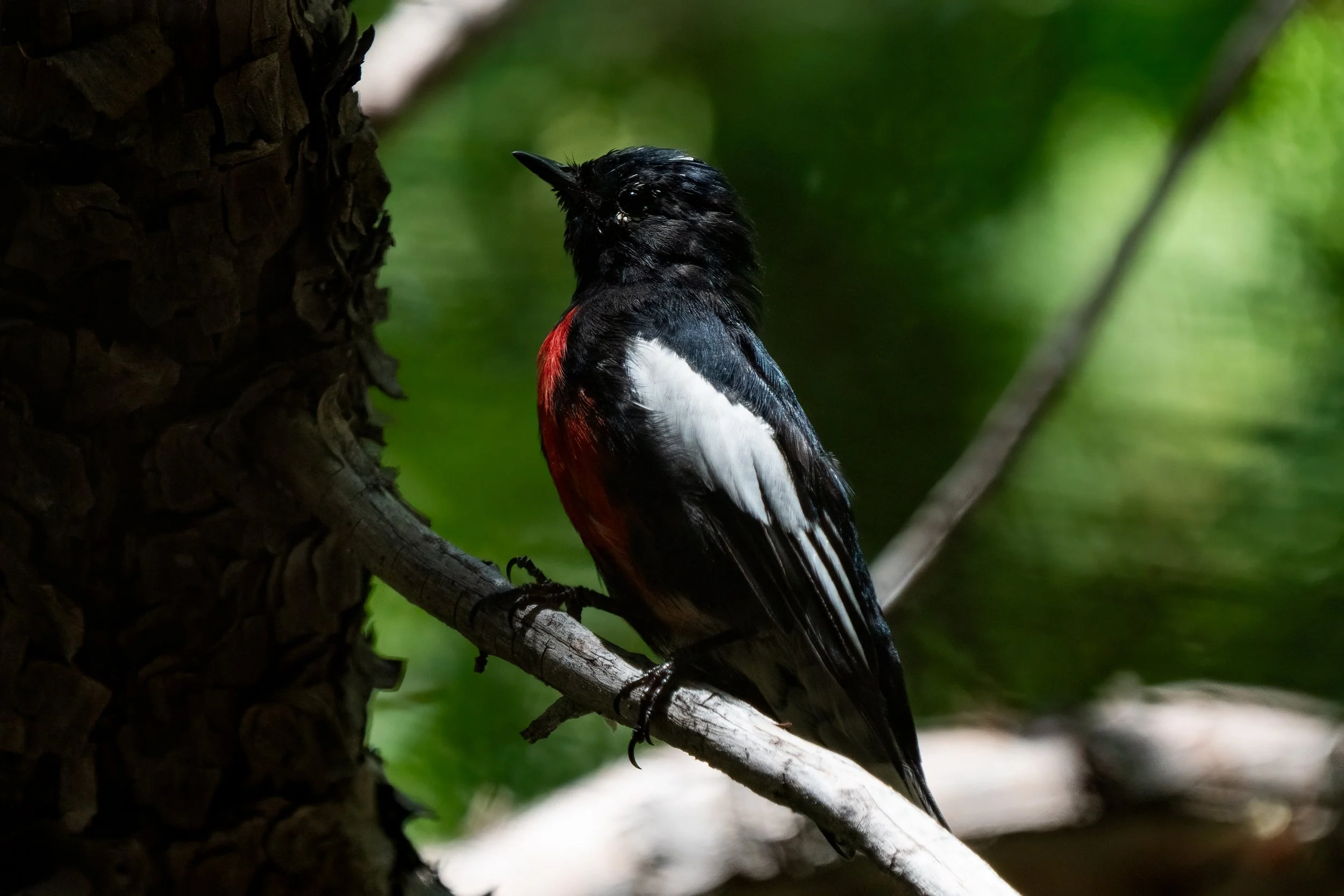
A Hepatic Tanager paused in the middle canopy, its brick-red color warm in the woodland light. A Painted Redstart fanned its tail through the lower vegetation, flashing white wing patches with every movement.
Carrie Nation Trail
We left the patio for the Carrie Nation Trail, hoping to find a Sulphur-bellied Flycatcher in the sycamores above the canyon. We heard it before we saw it. The loud, squeaky call carried through the trees like a toy being squeezed somewhere up the trail.
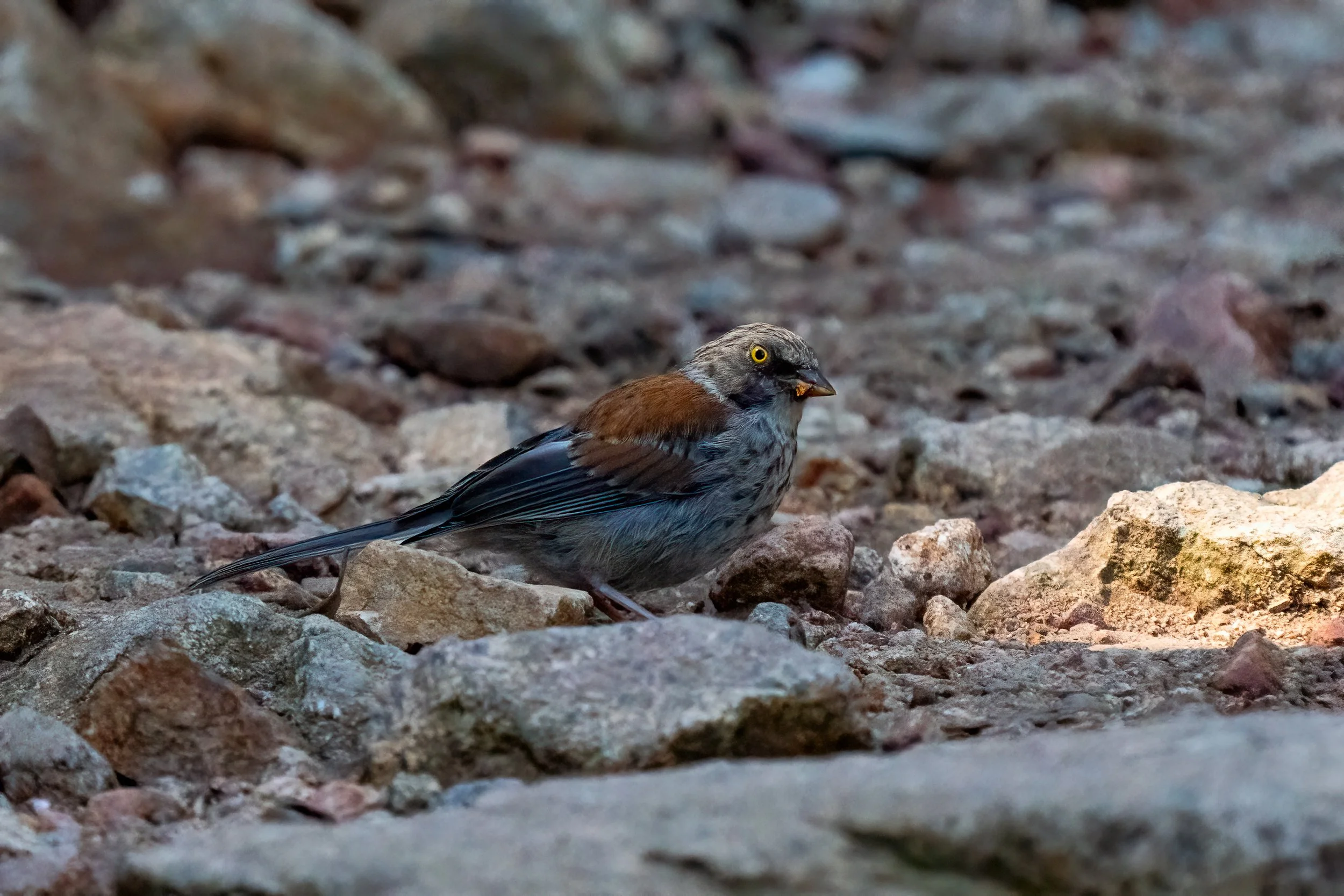
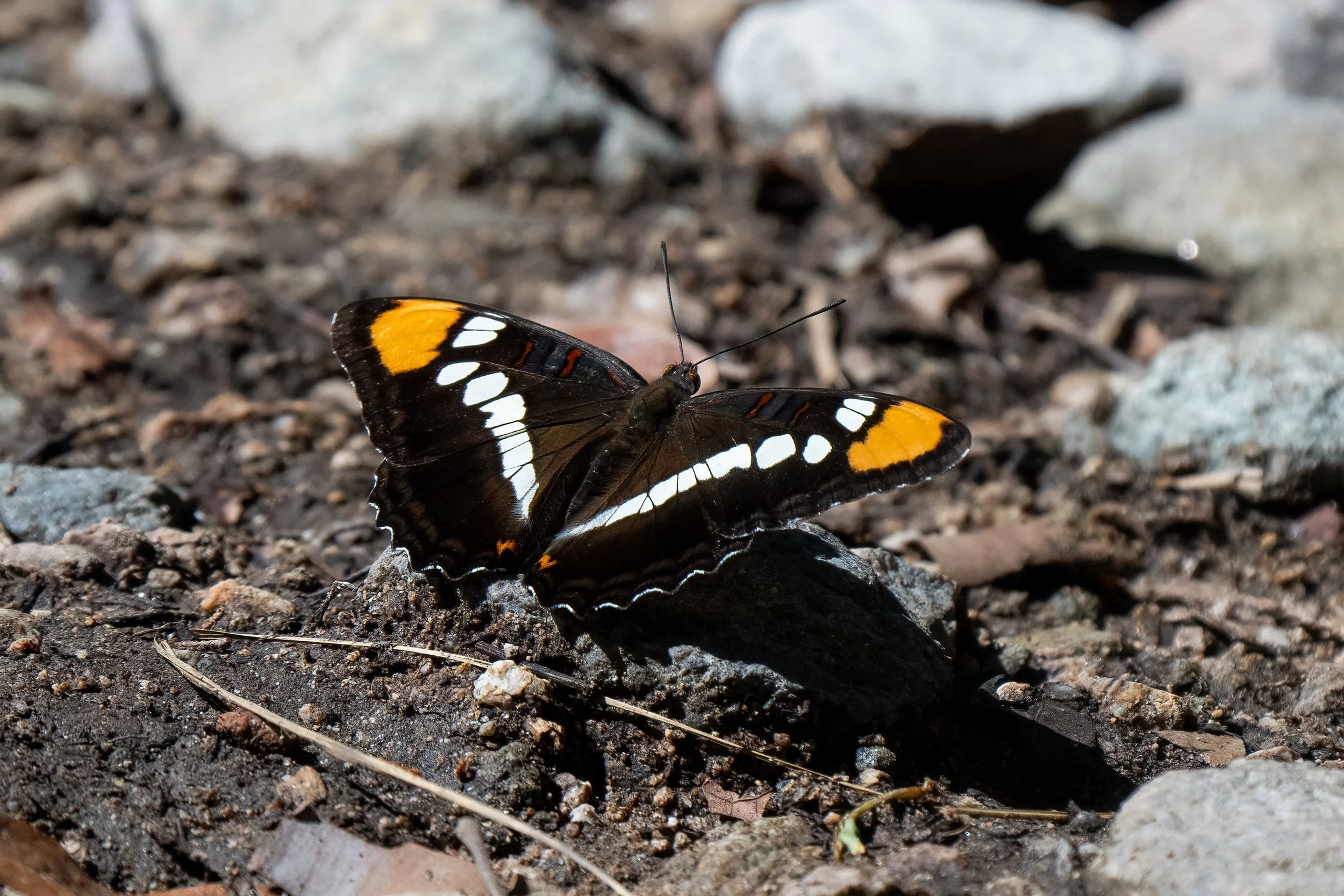
We followed the sound, became briefly distracted by some juvenile Yellow-eyed Juncos, and managed only a quick view of the flycatcher. It was enough to connect the strange call with the streaked bird moving through the canopy. Sadly no photos, but it was fun to spot one! I was happy to see a couple of Arizona Sister Butterflies, and a colorful Yarrow's Spiny Lizard.
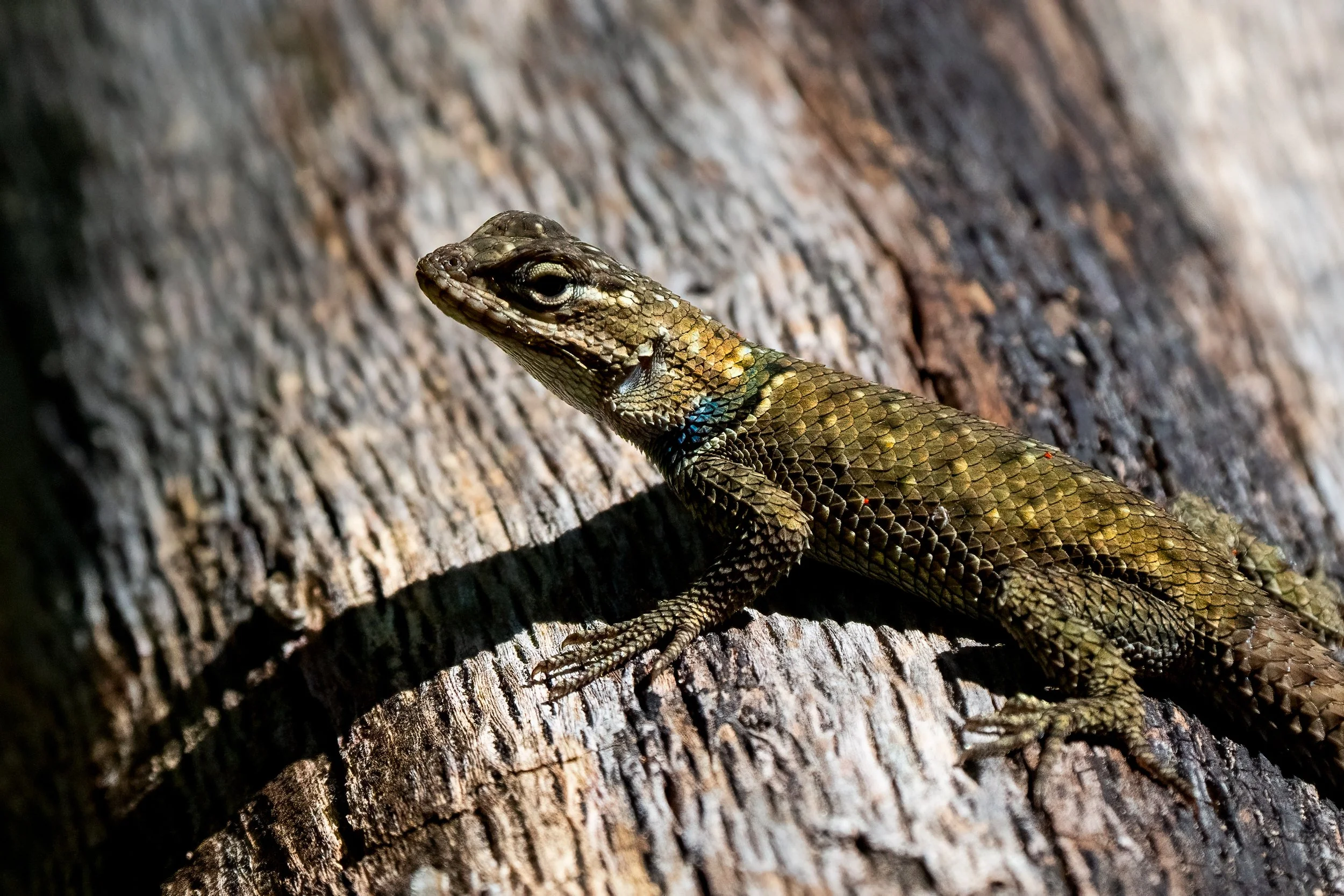
Madera Canyon gave us a Botteri's Sparrow before we entered the trees, eight hummingbird species from a patio chair, and a Sulphur-bellied Flycatcher calling from the upper canyon. We spent most of the visit listening, watching feeders, and looking into layers of leaves, which felt like exactly the right pace for the place.