Condors of the Vermilion Cliffs and Navajo Bridge
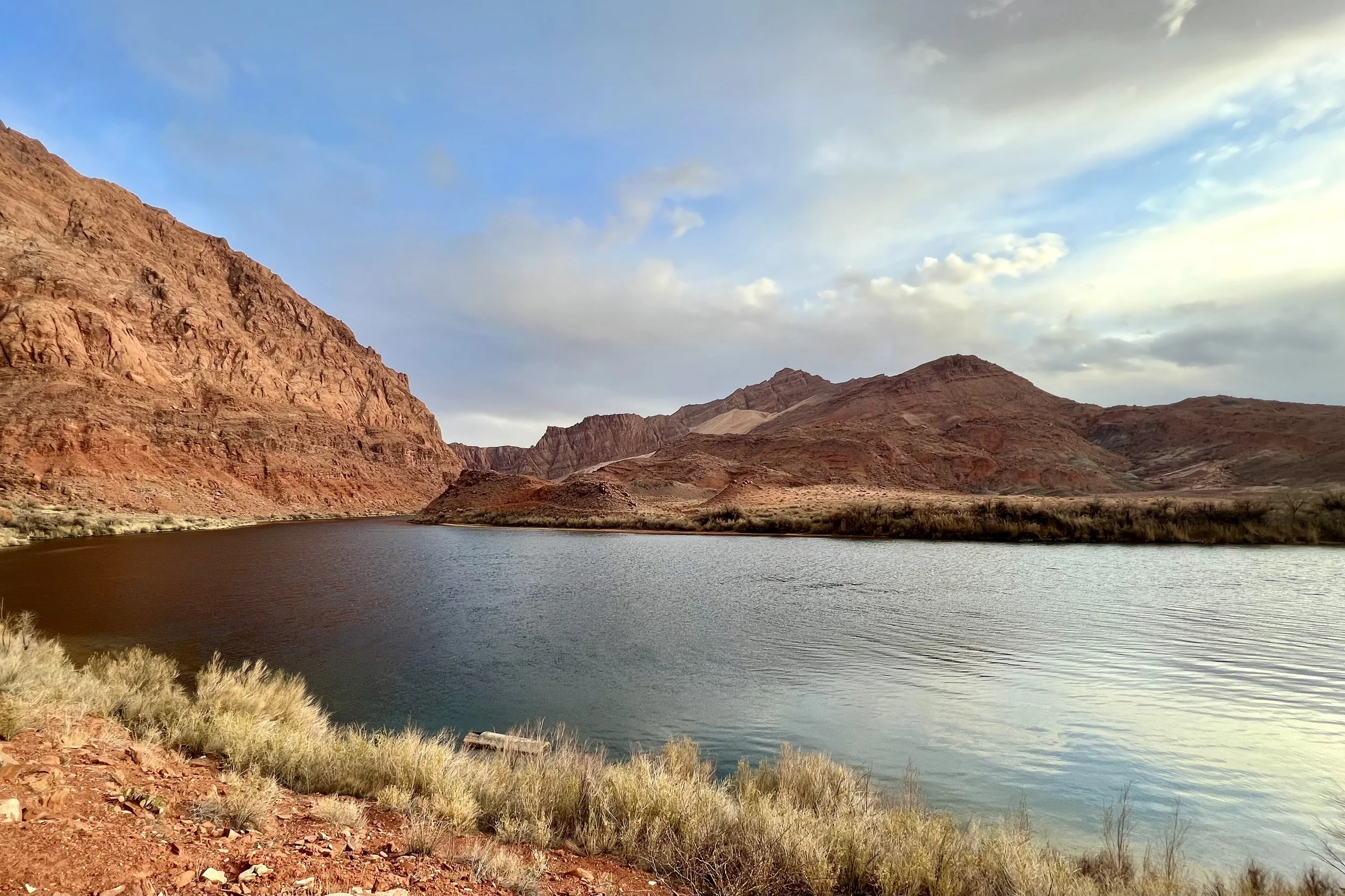
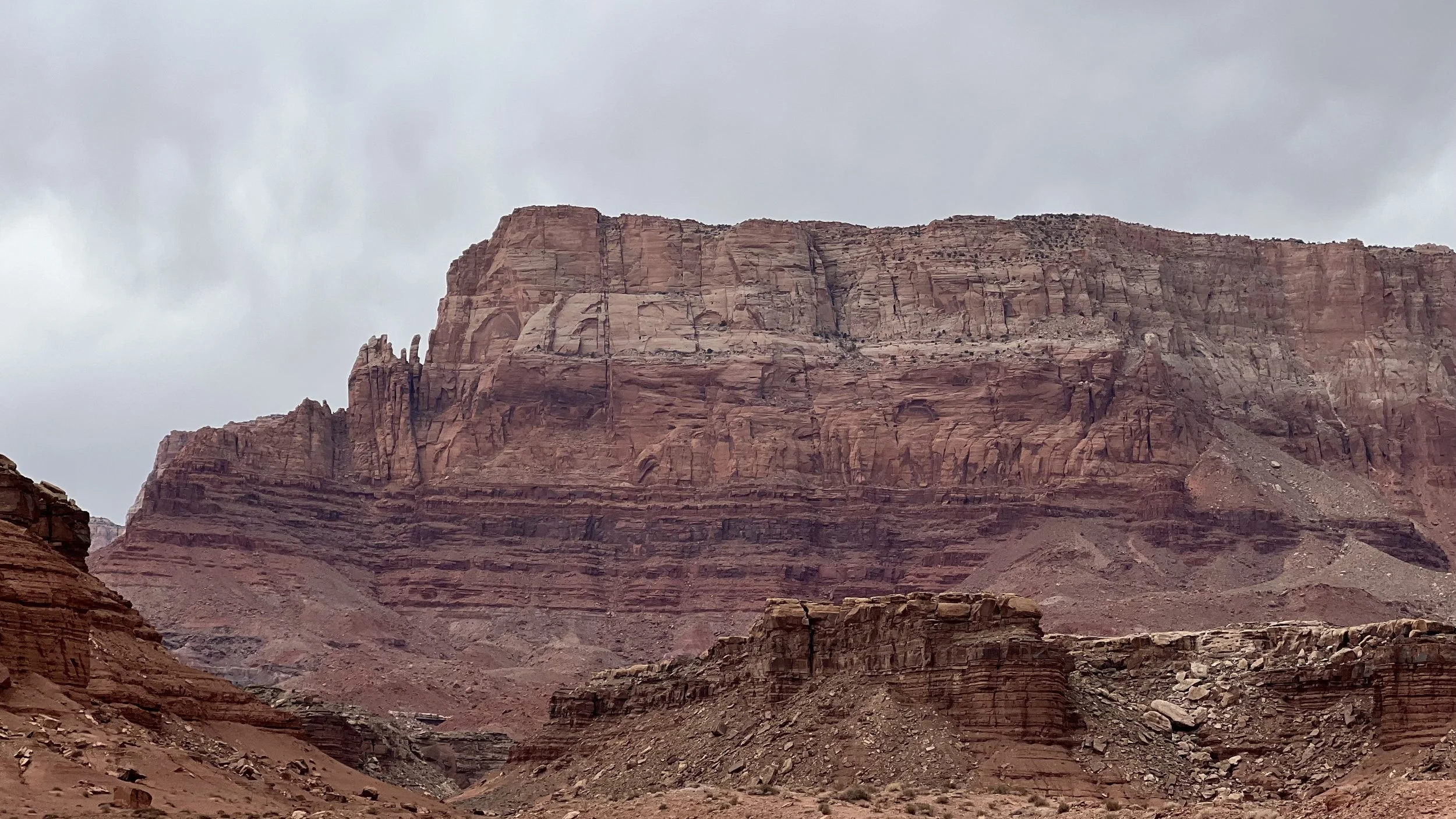
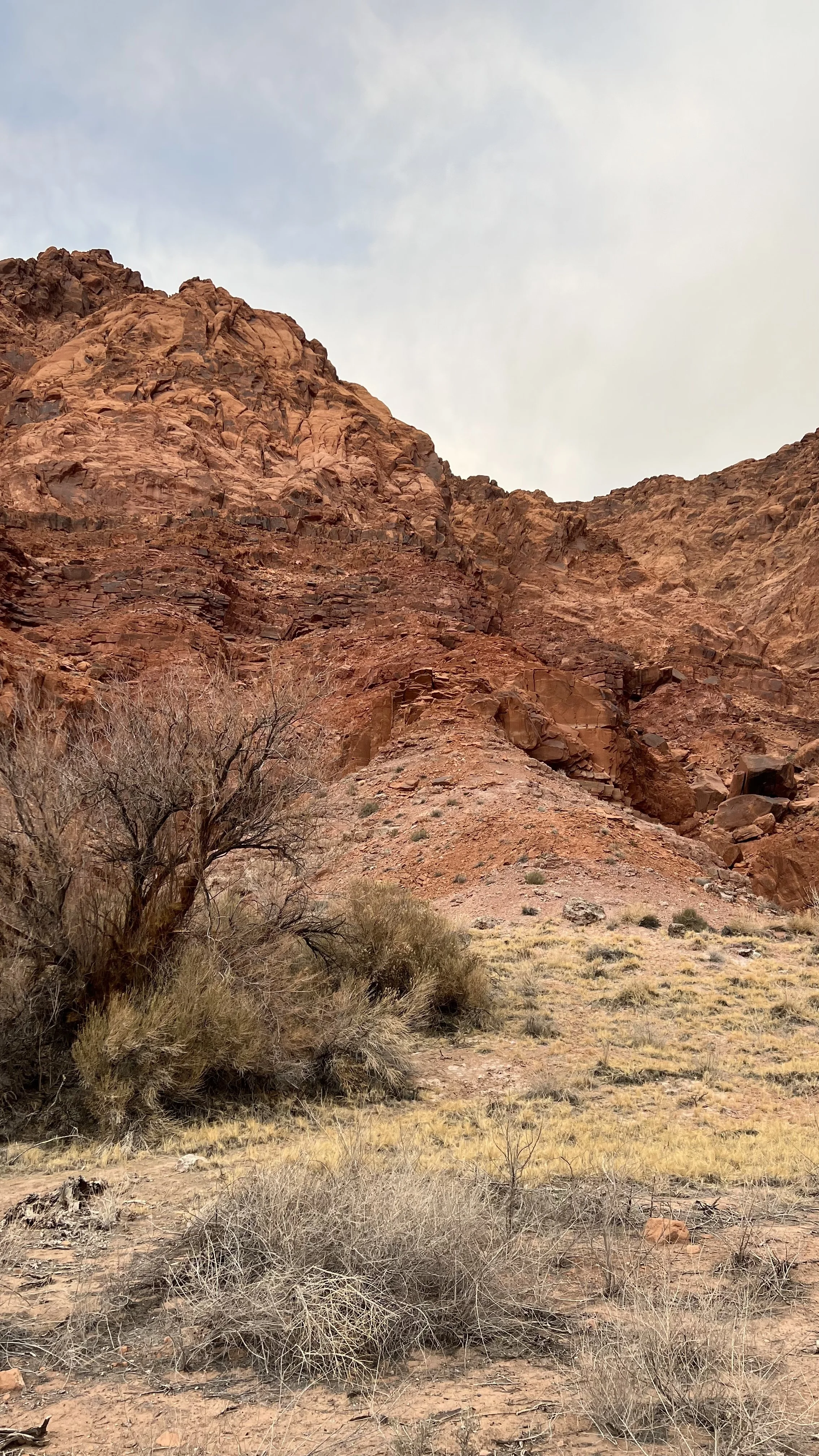
The Vermilion Cliffs rise across northern Arizona just south of the Utah border, their red and orange sandstone walls towering above an immense desert landscape. It is the kind of place that makes distance difficult to judge. Cliffs that appear close can still be miles away, and a dark speck circling above them can turn out to be one of the largest flying birds in North America.
This landscape is also home to one of the most important California Condor release areas in the Southwest.
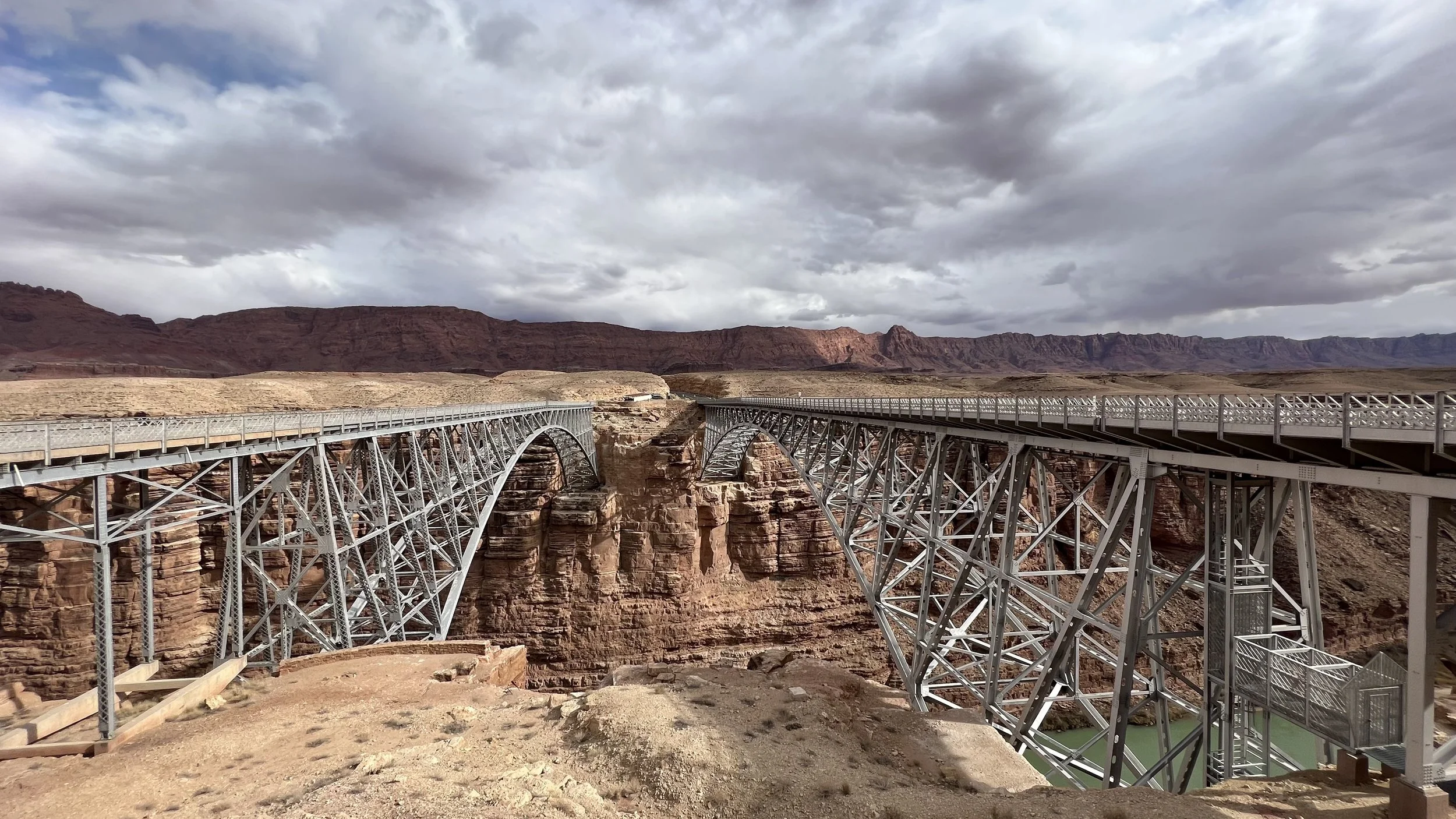
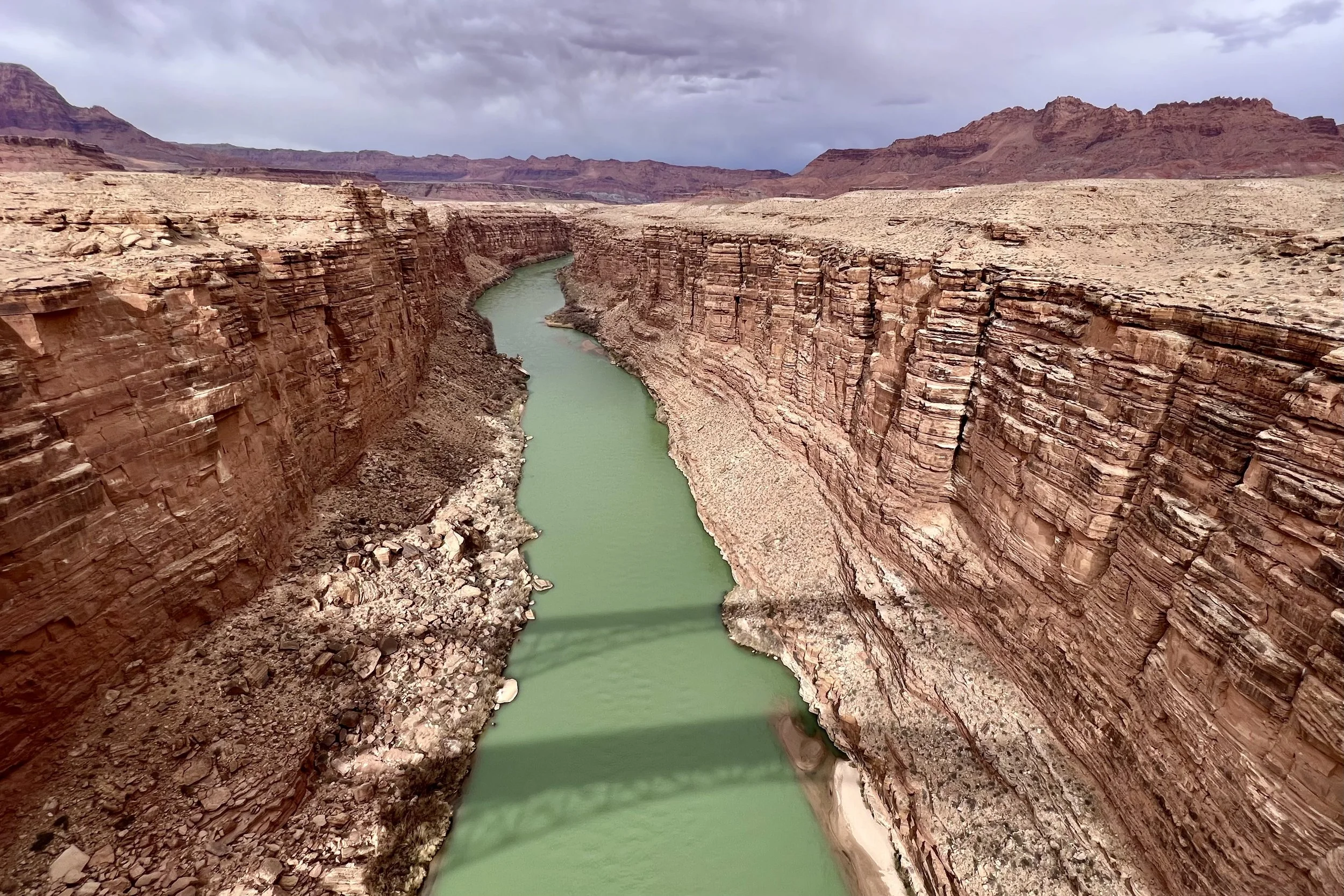
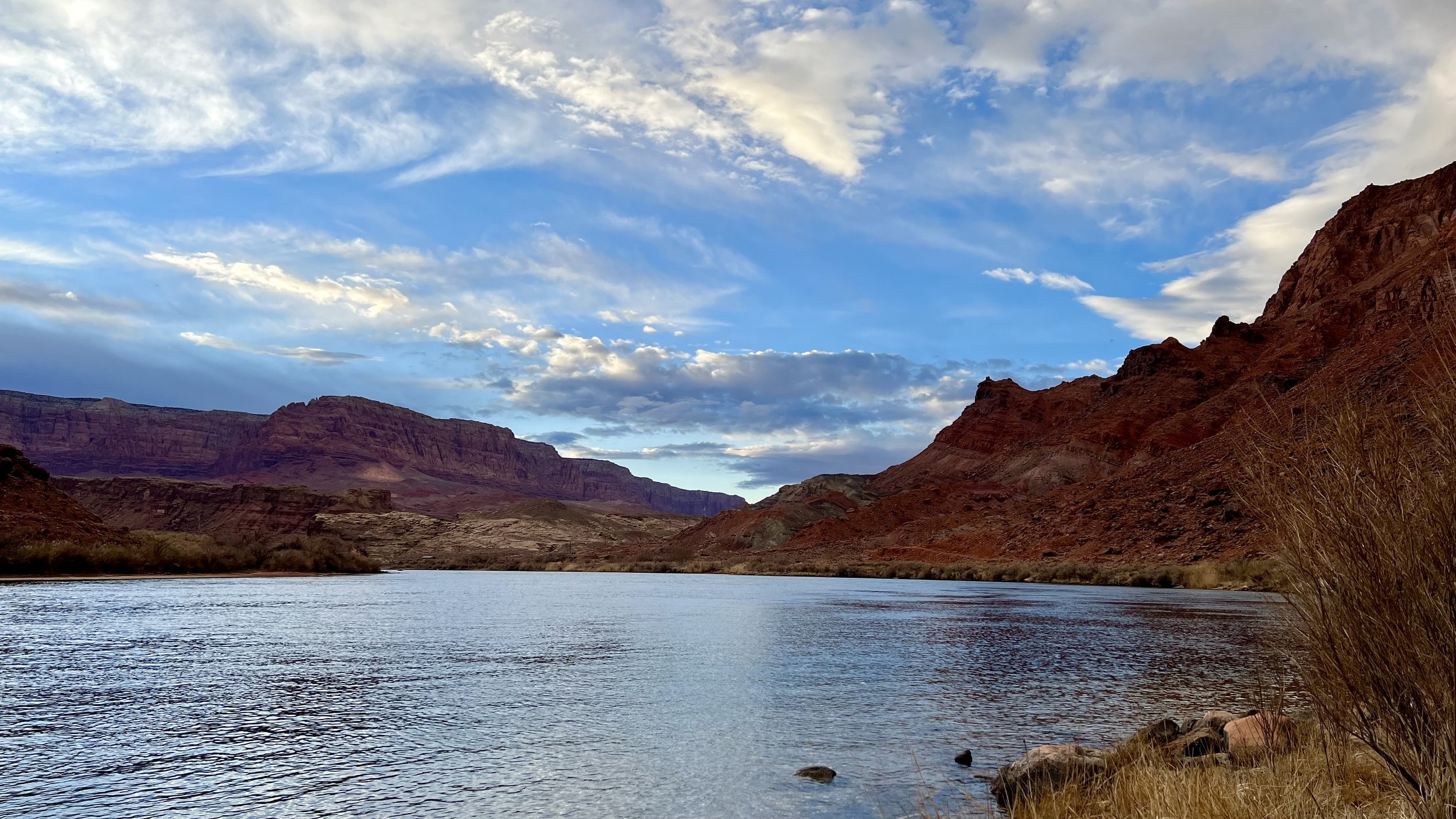
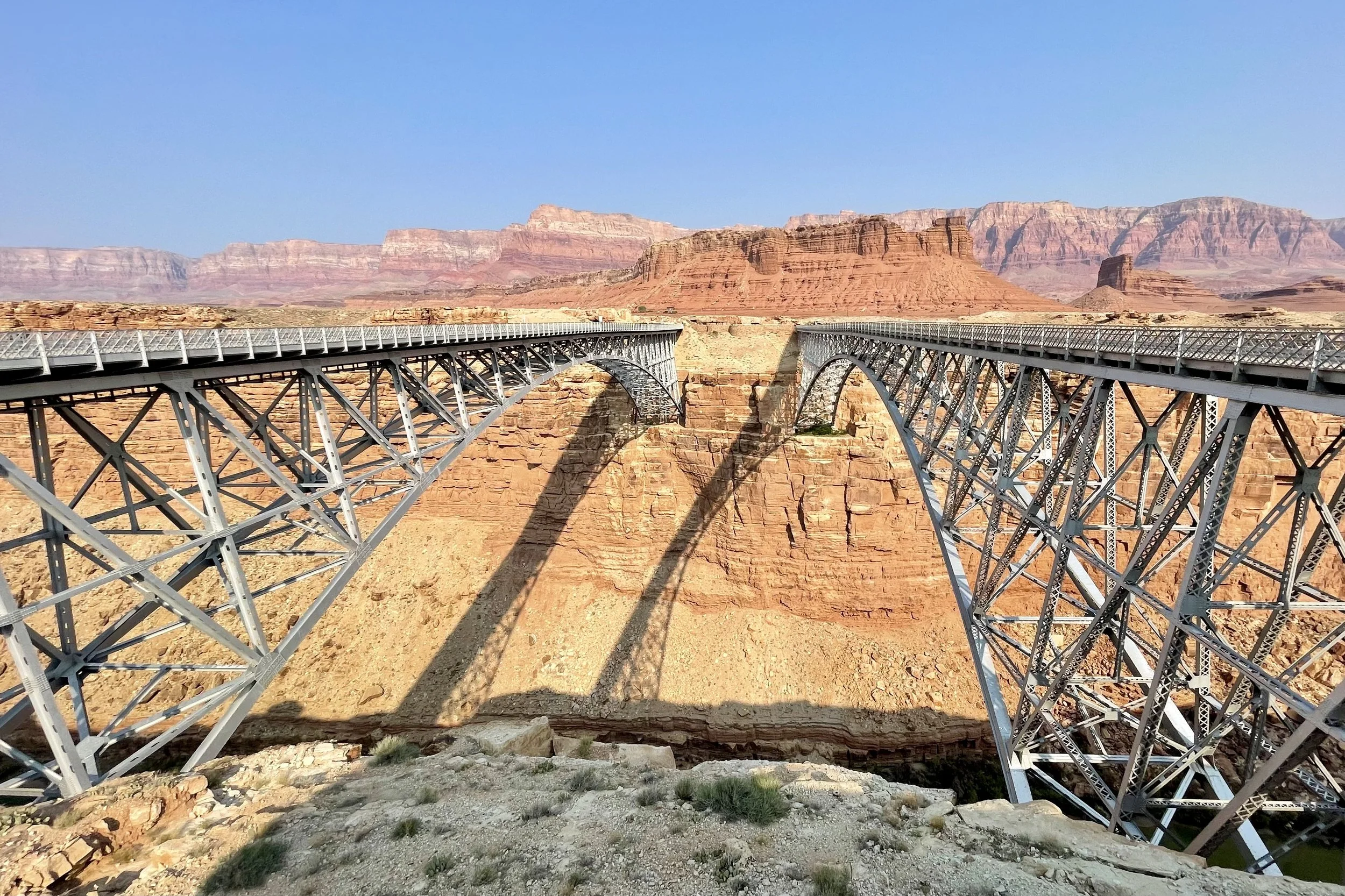
Navajo Bridge crosses the Colorado River at Marble Canyon near the western edge of Vermilion Cliffs National Monument. The original steel arch bridge opened in 1929 and now serves as a pedestrian walkway beside the modern vehicle bridge completed in 1995.
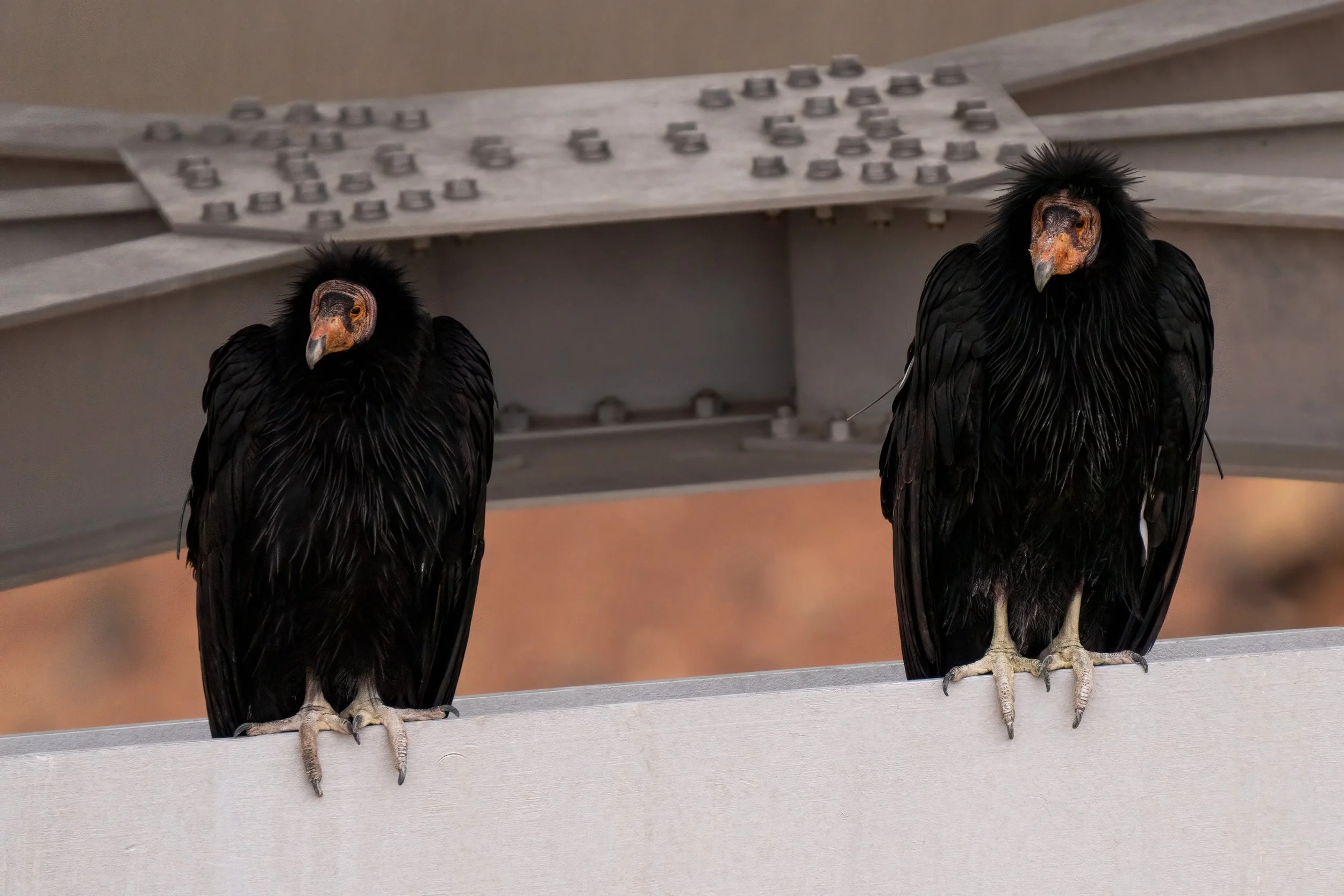
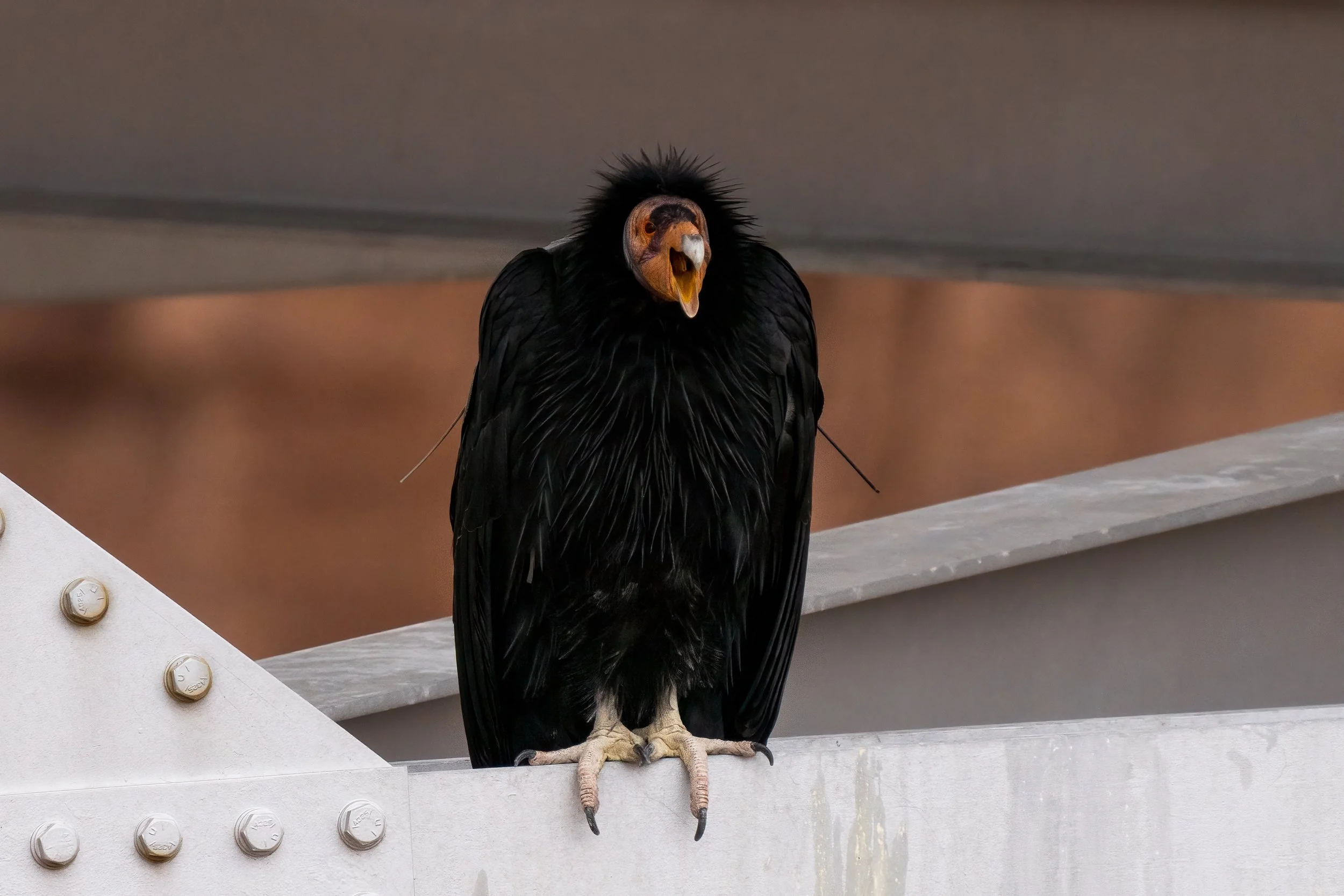
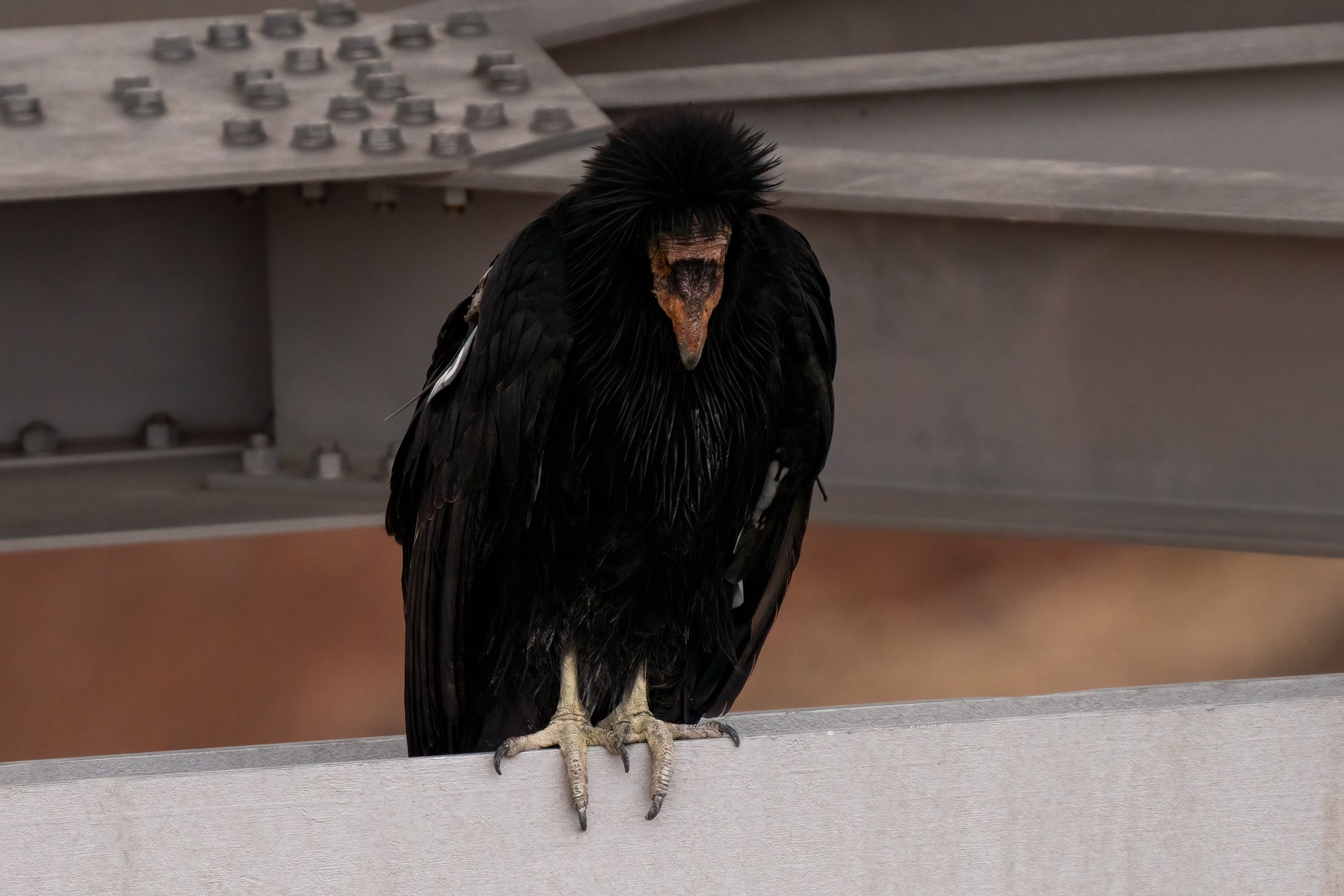
California Condors regularly perch on the bridges, rest on the nearby cliffs, and ride the air moving through the canyon. Standing above the Colorado River while condors soar past at nearly eye level is an extraordinary experience.
The Condor Family
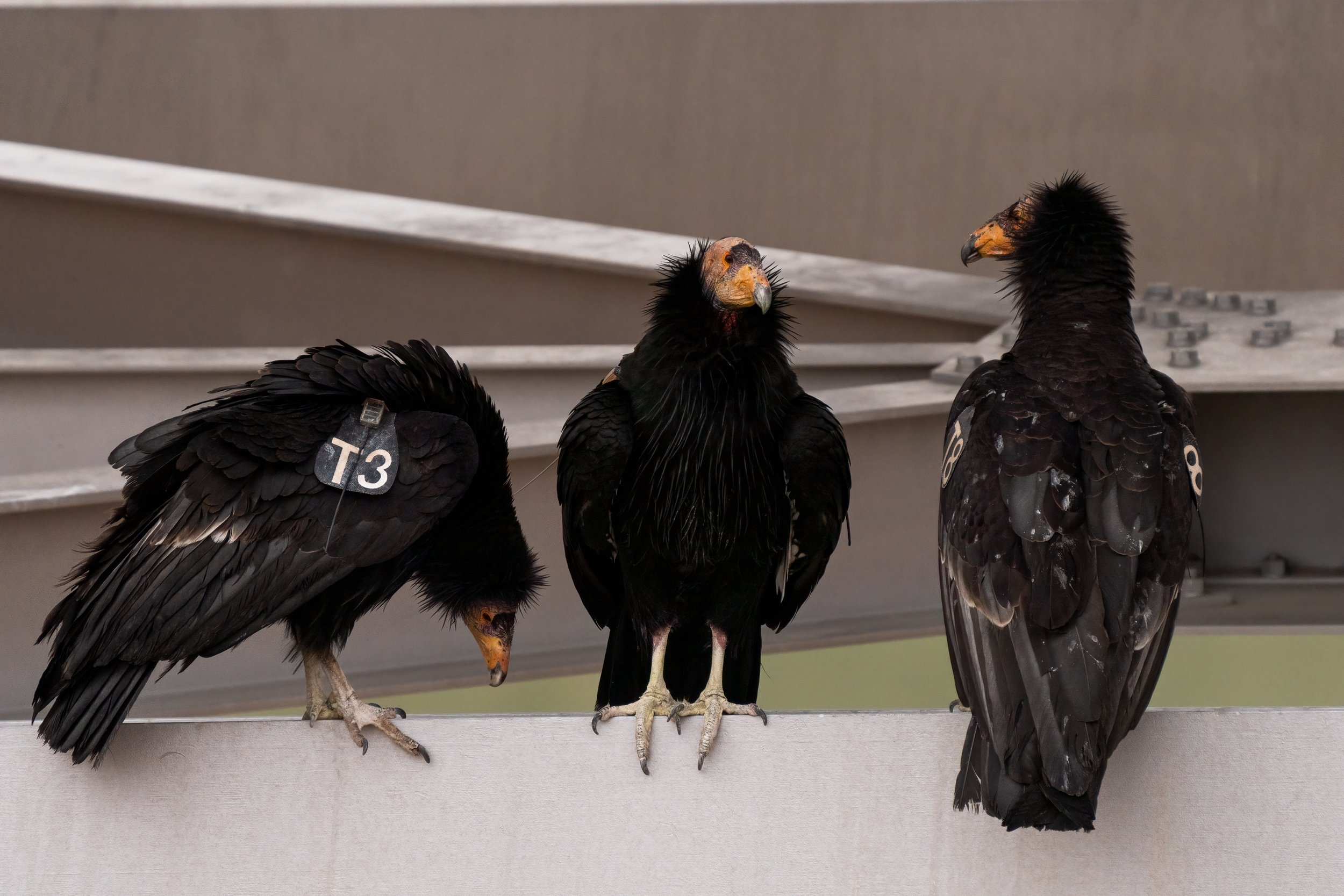
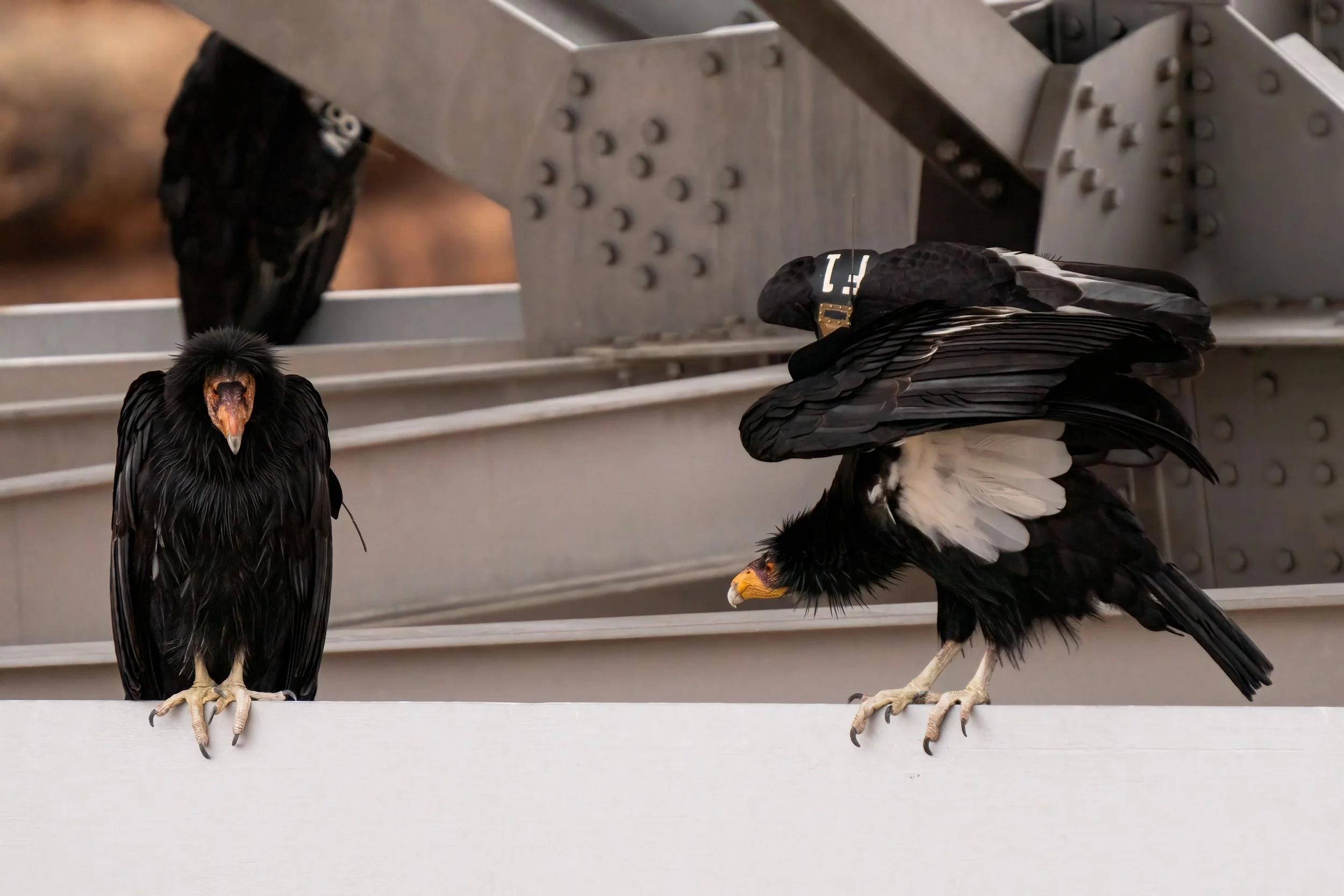
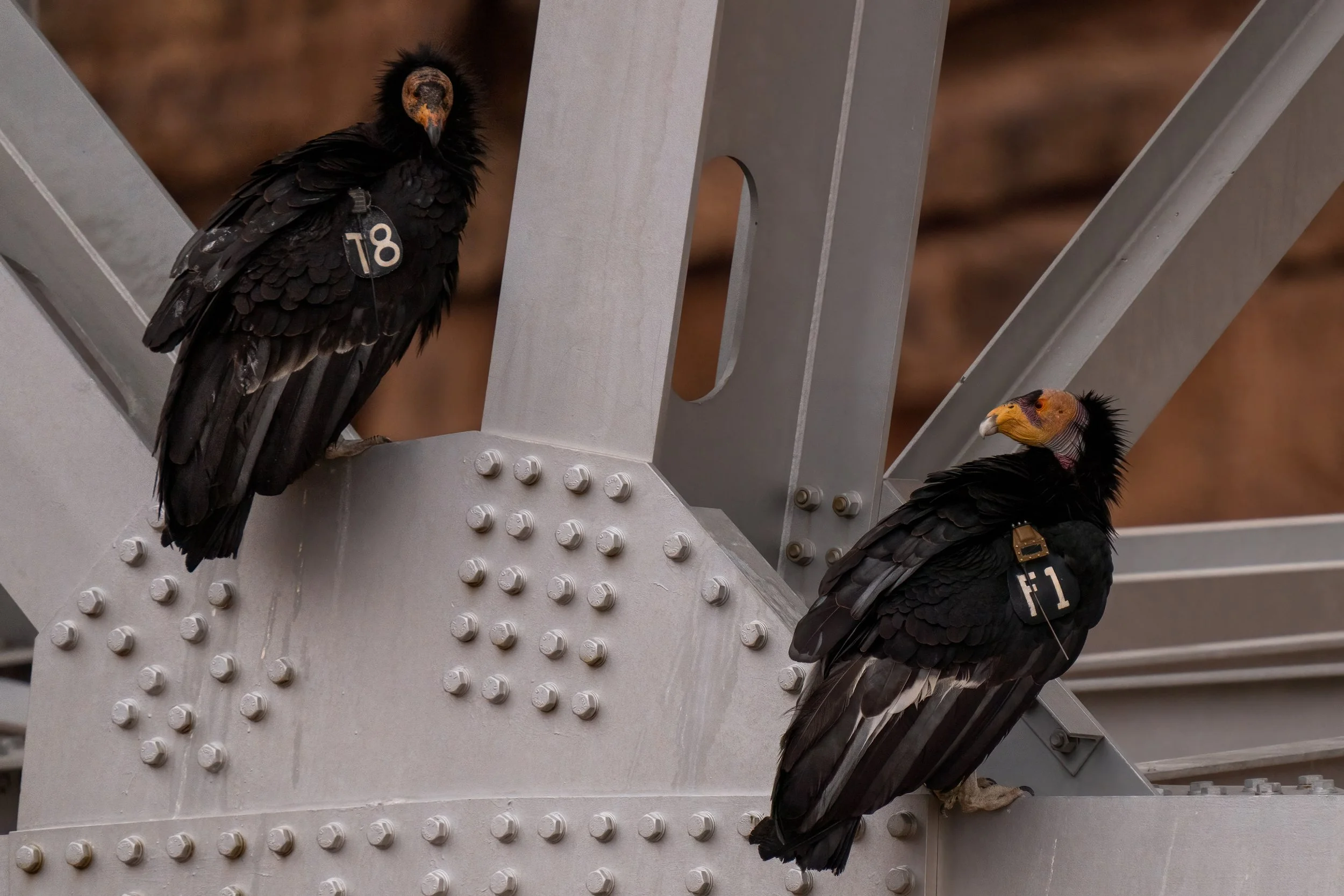
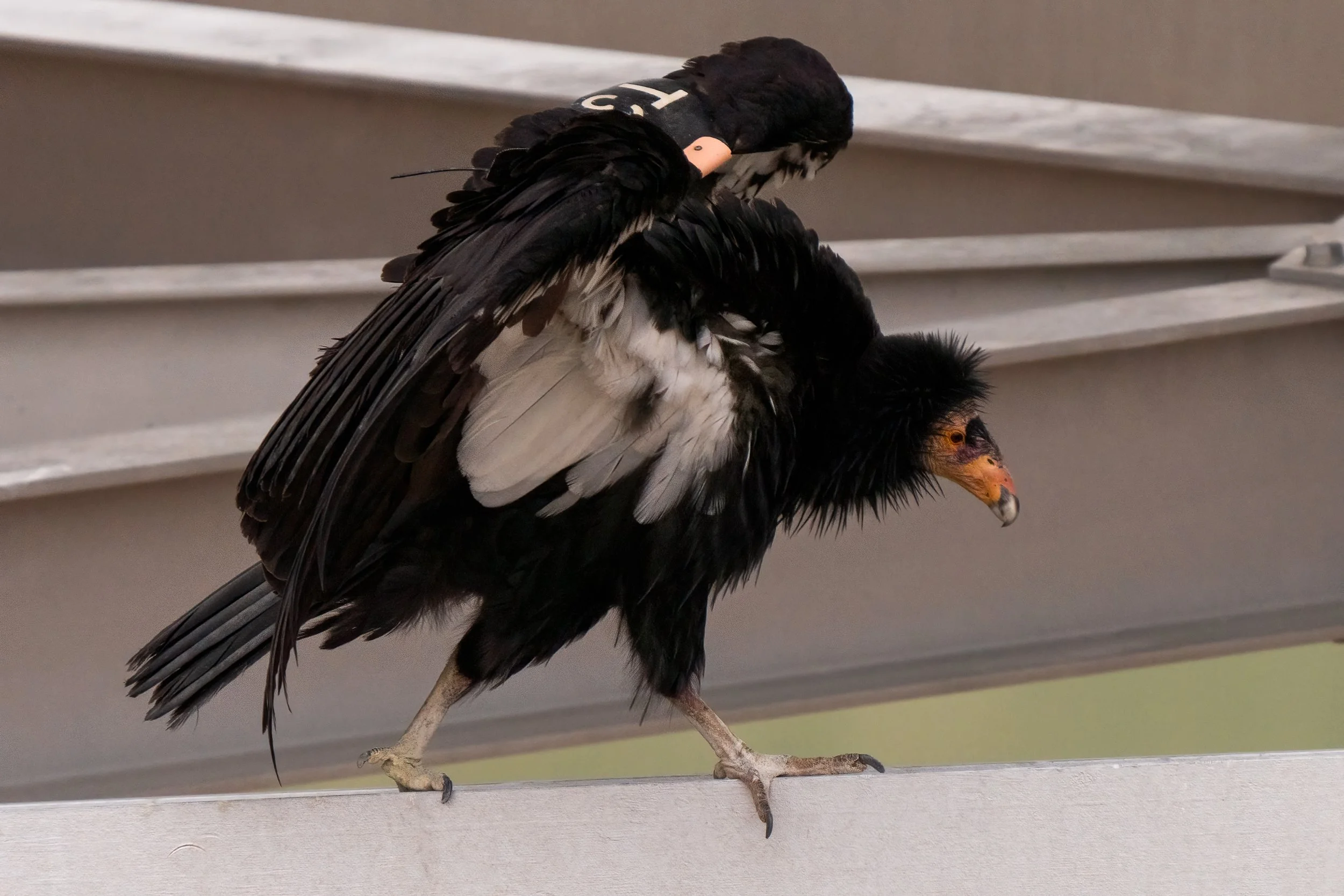
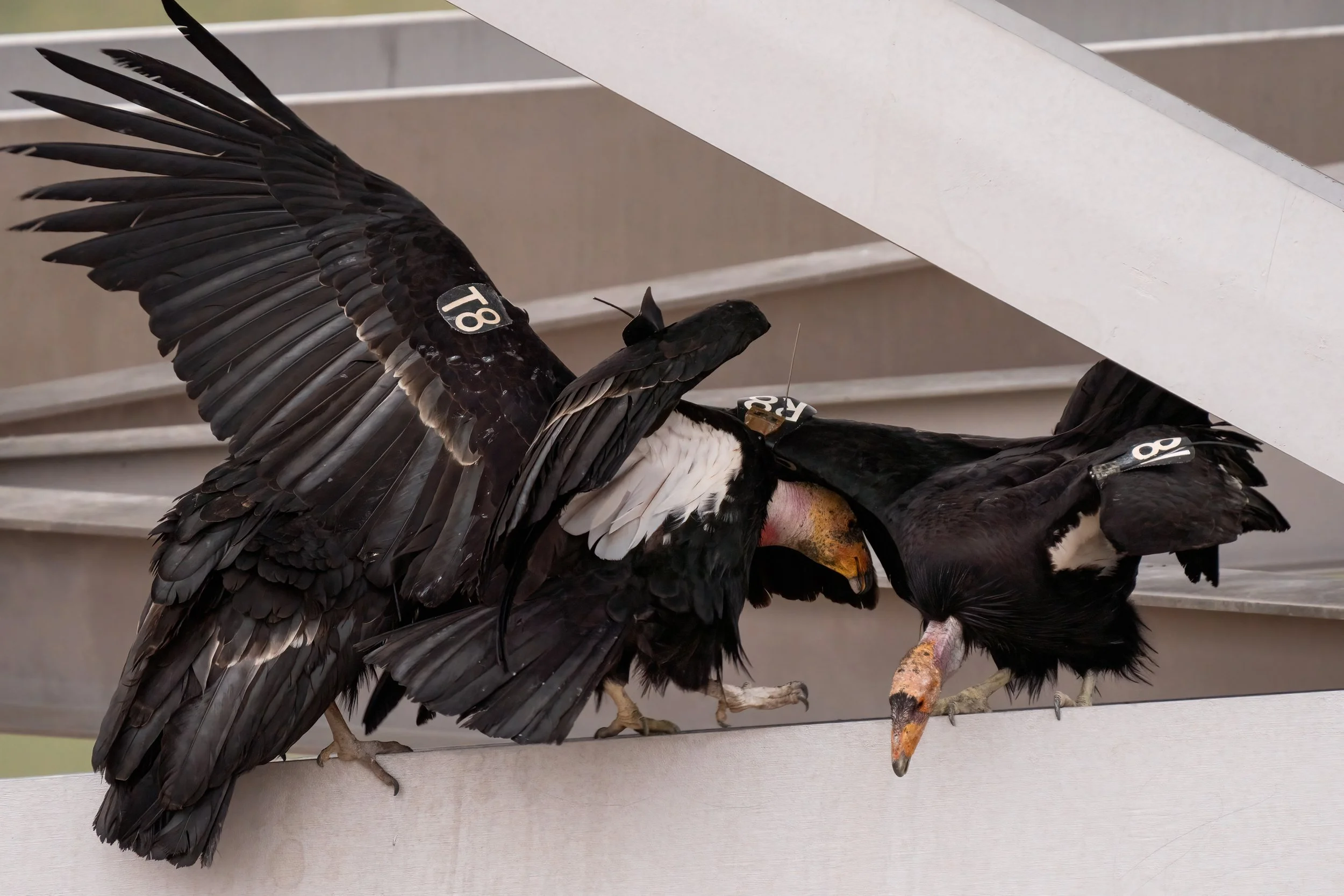
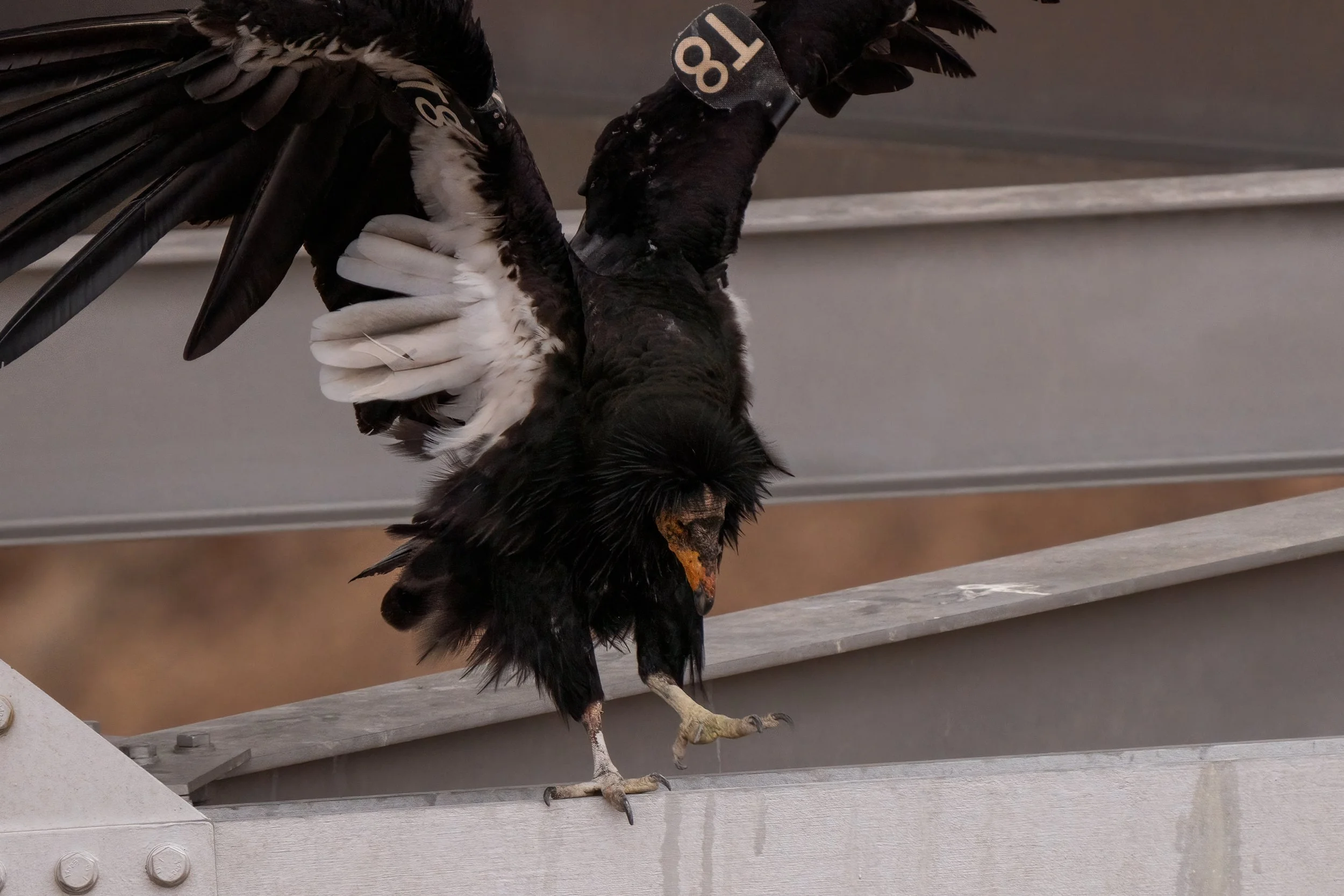
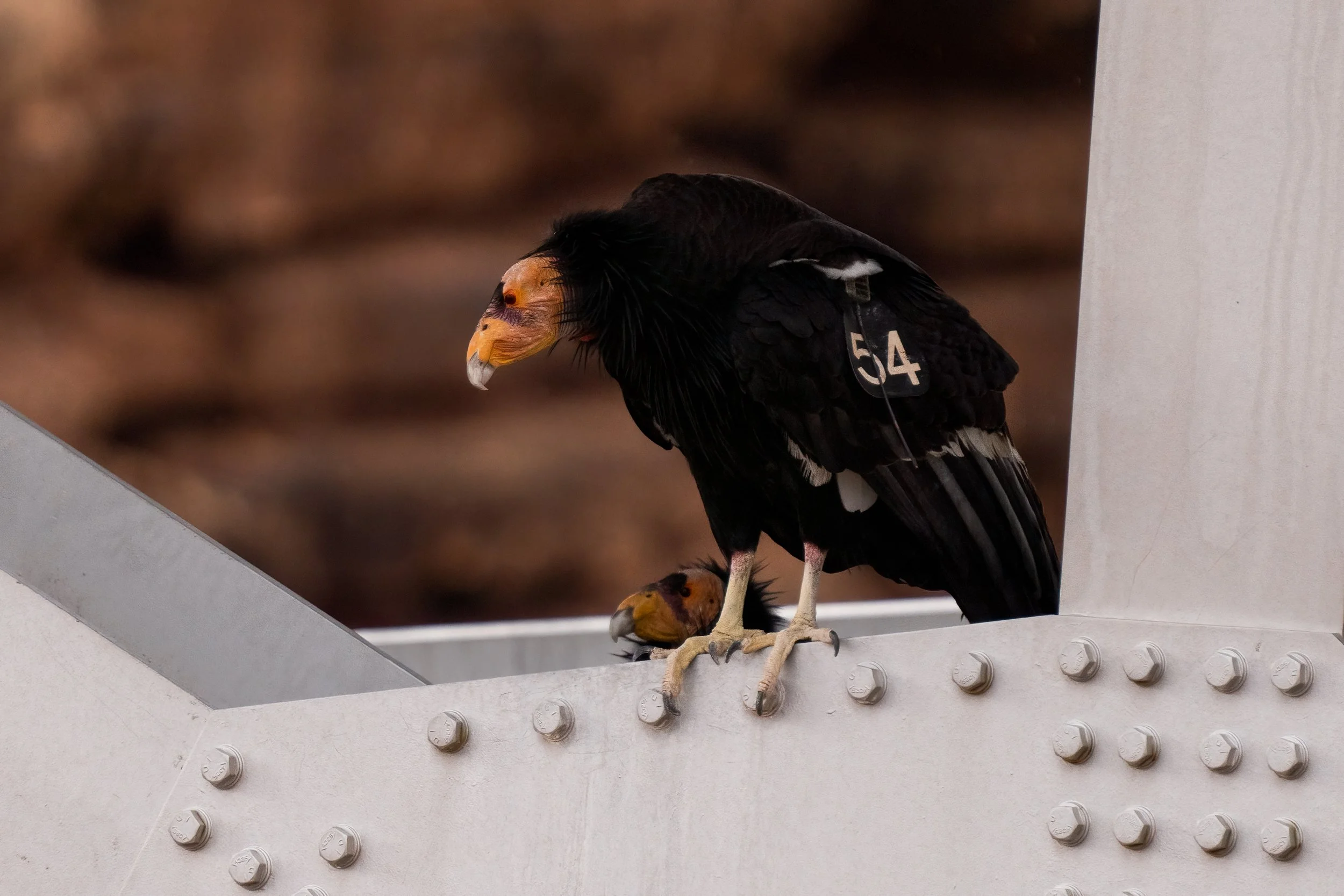
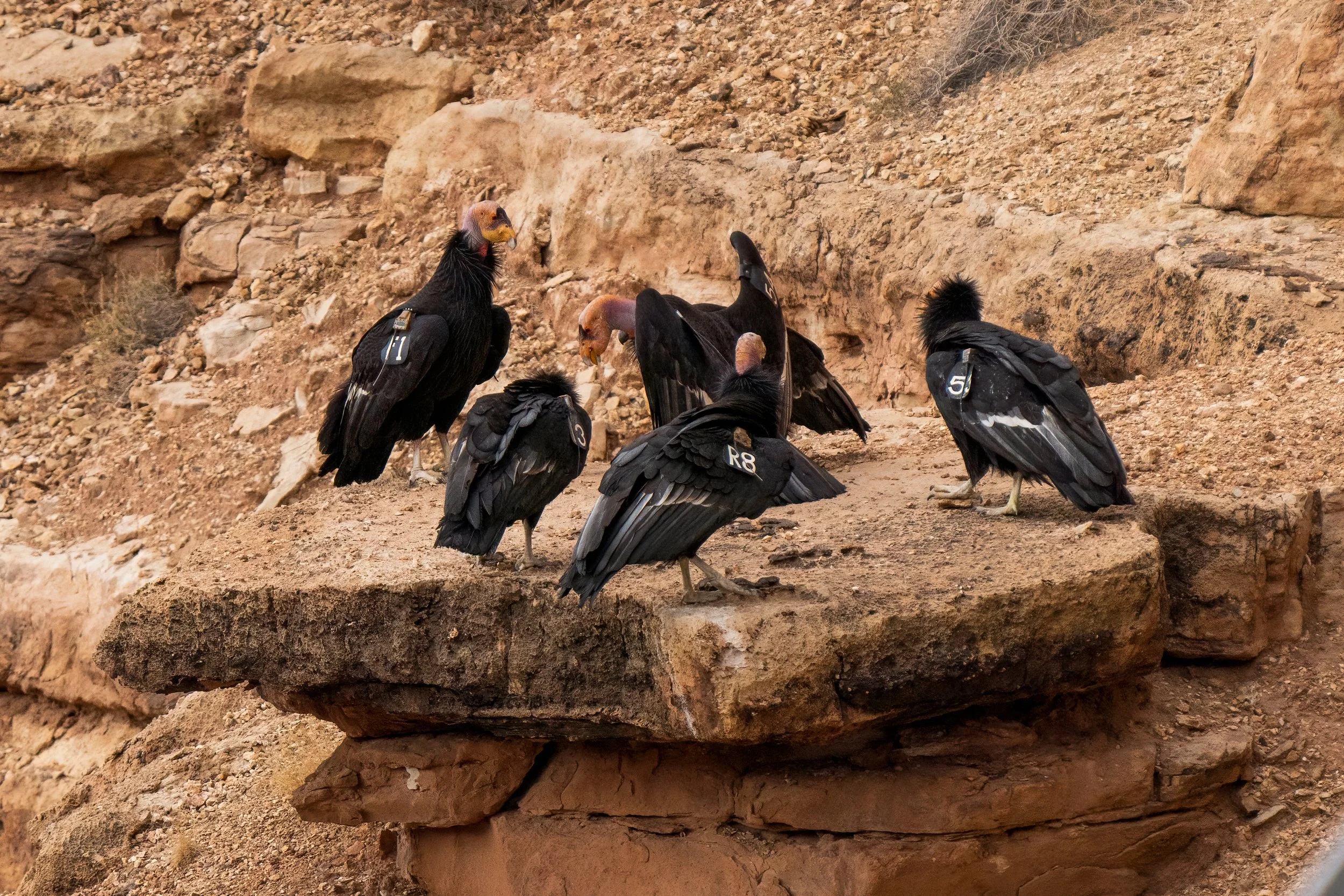
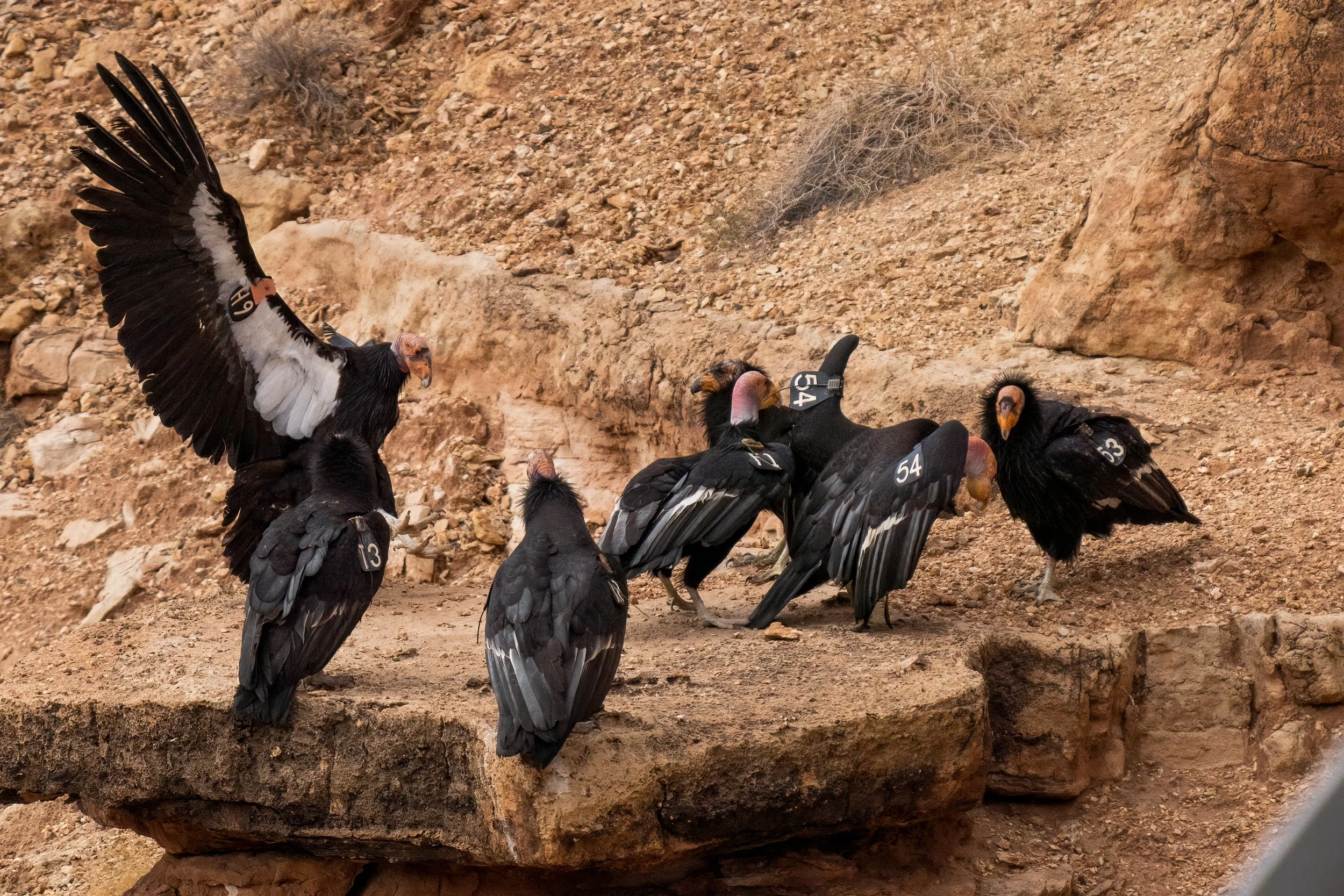
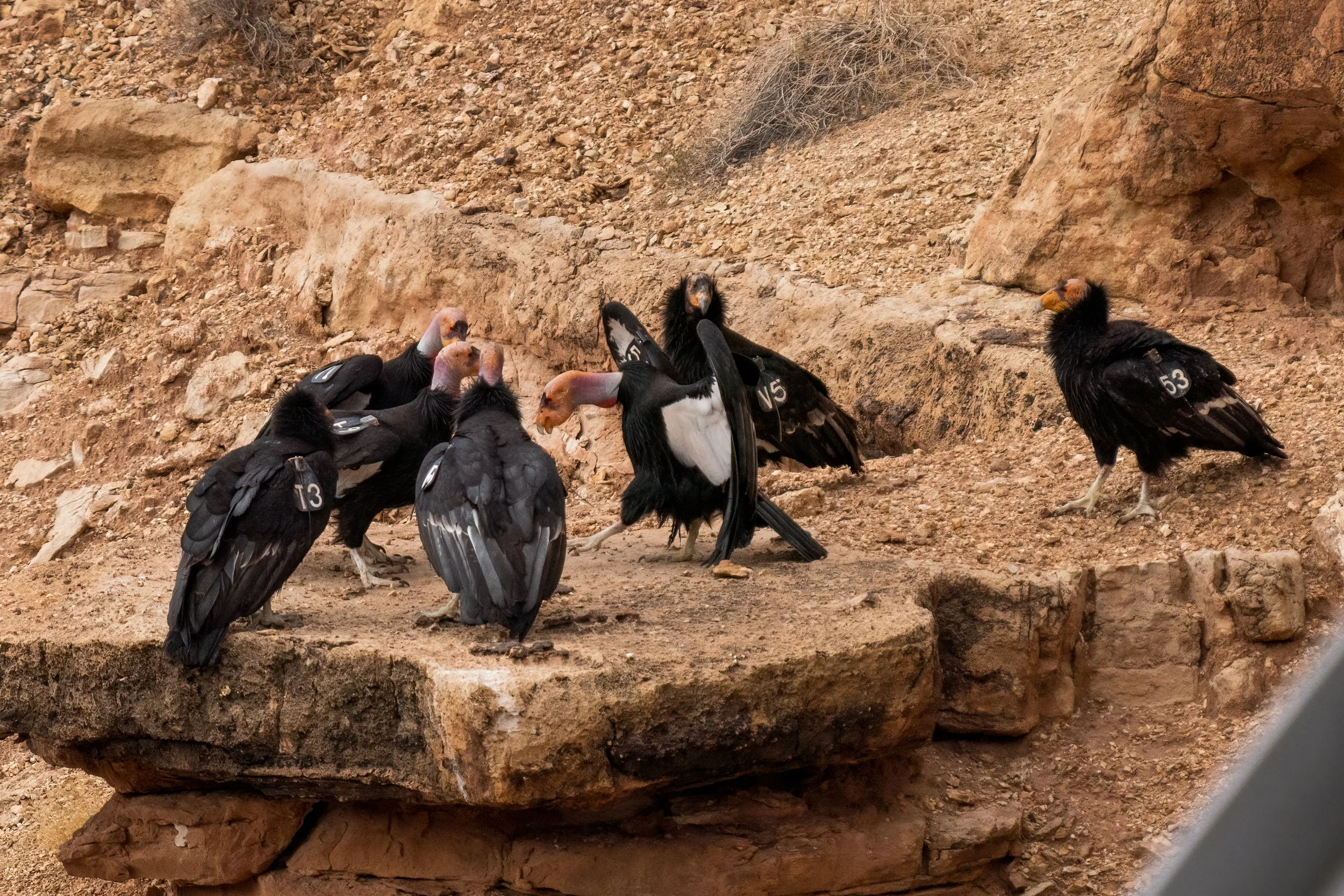
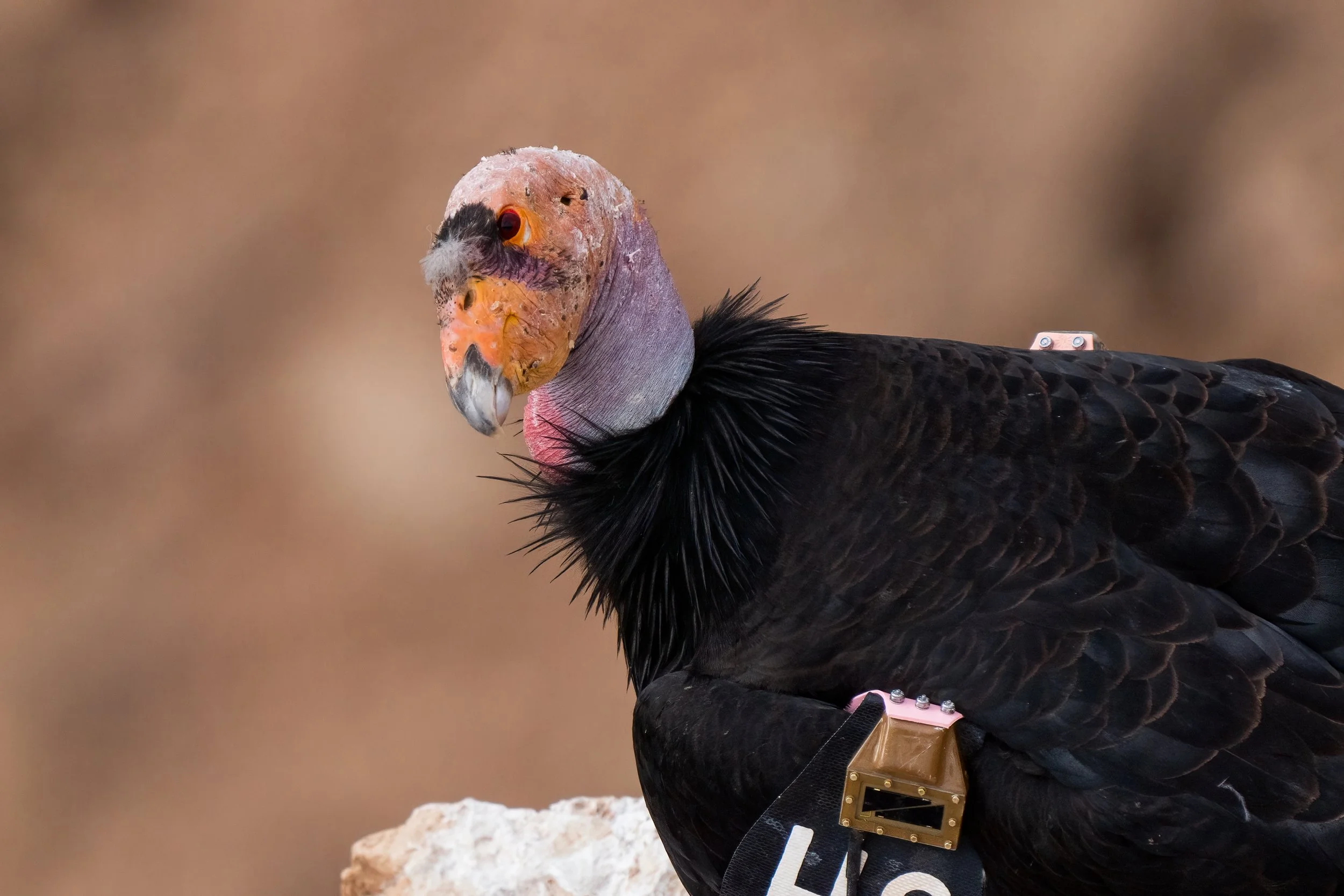
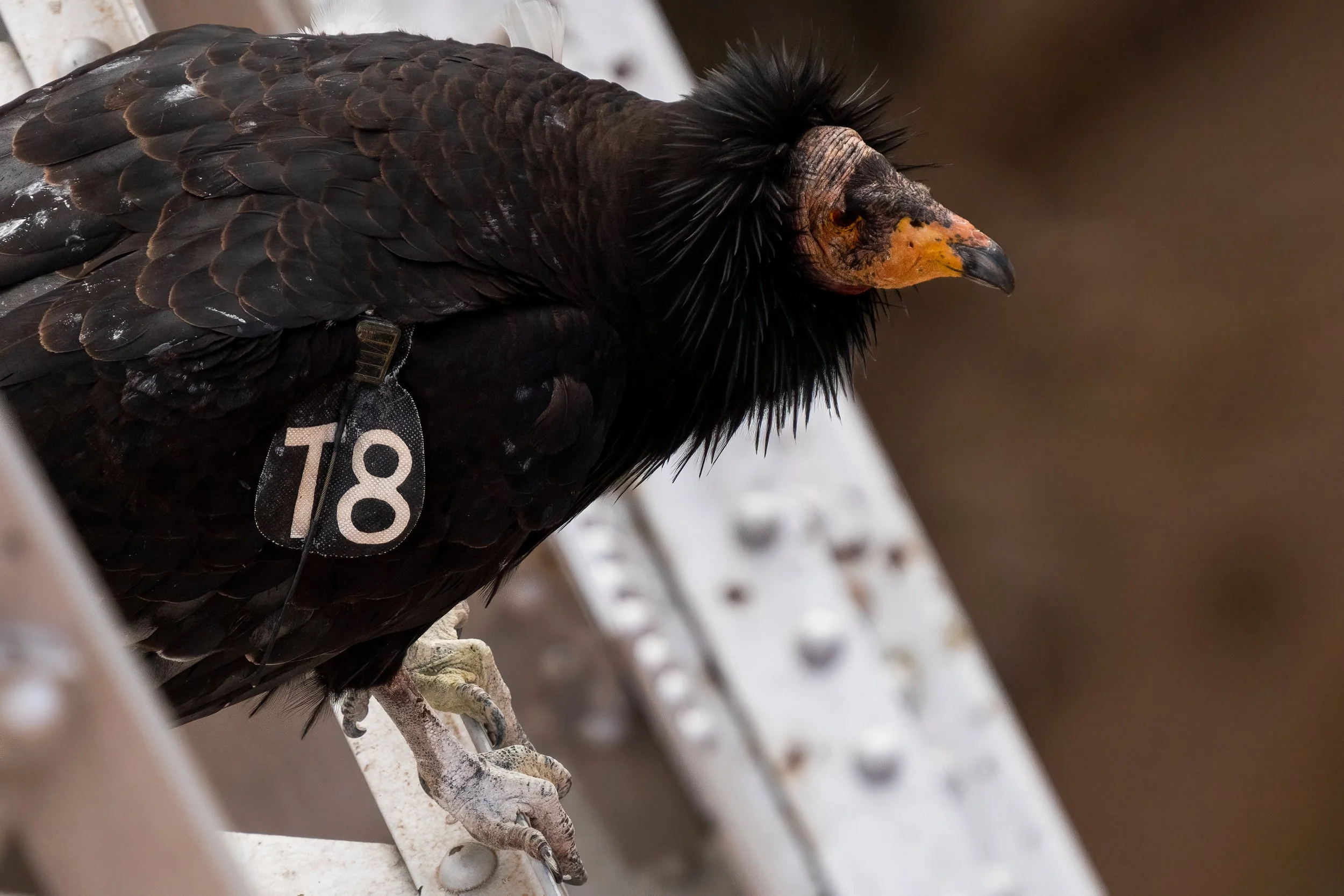
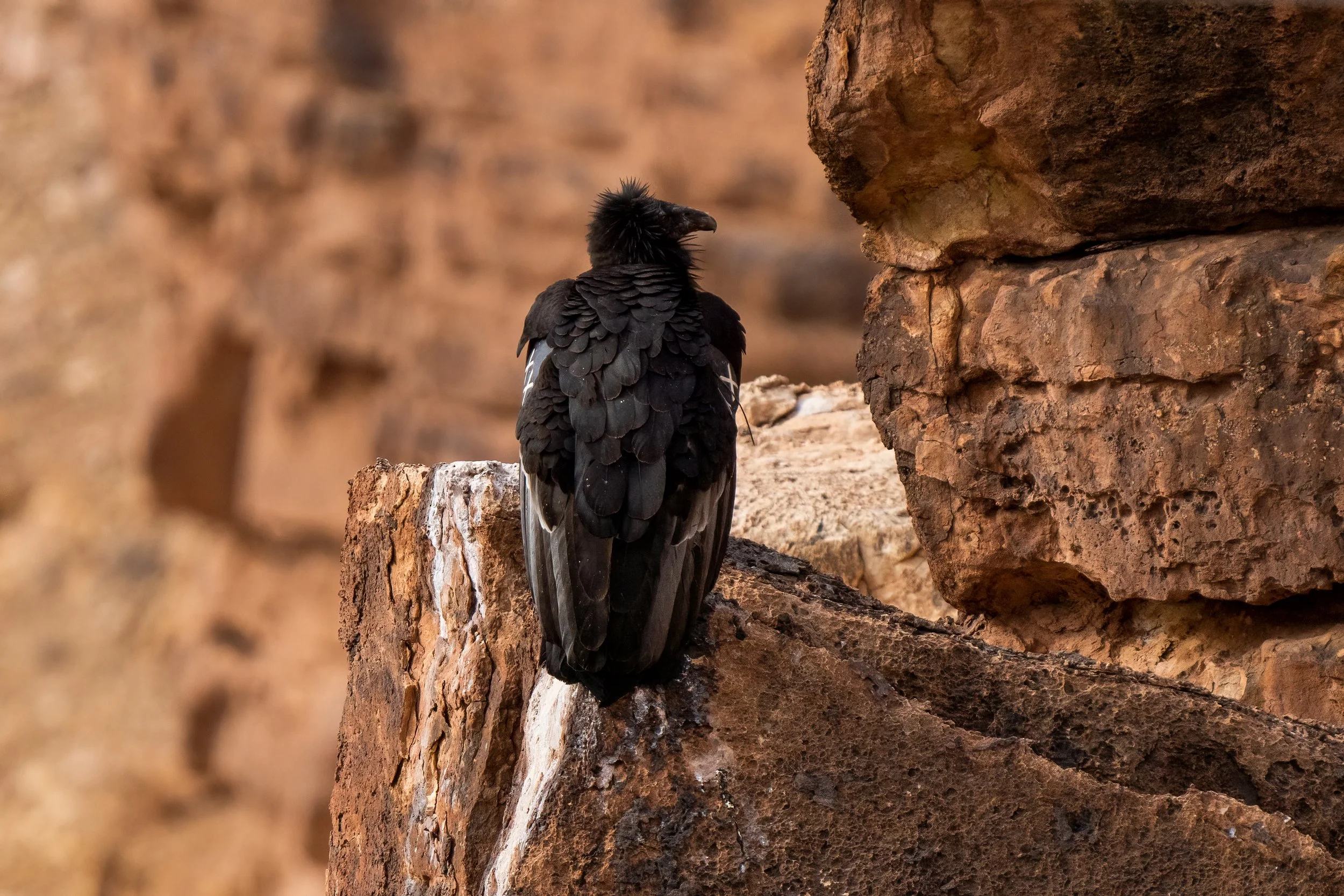
The condors were wonderfully cooperative during our visit, and their numbered wing tags allowed us to identify individual birds. Each condor has a unique studbook number, while the more visible tag identifies the bird from a distance.
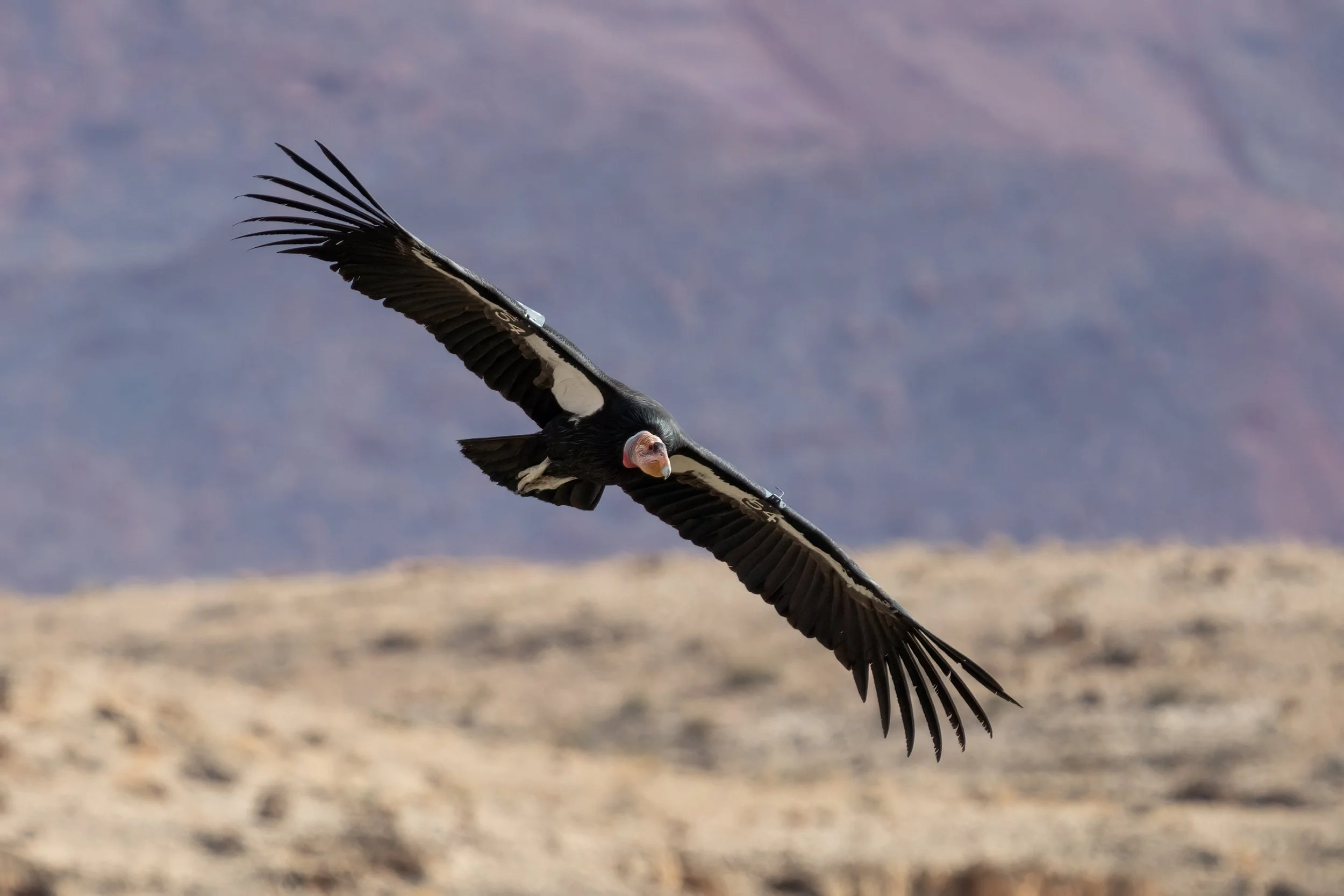
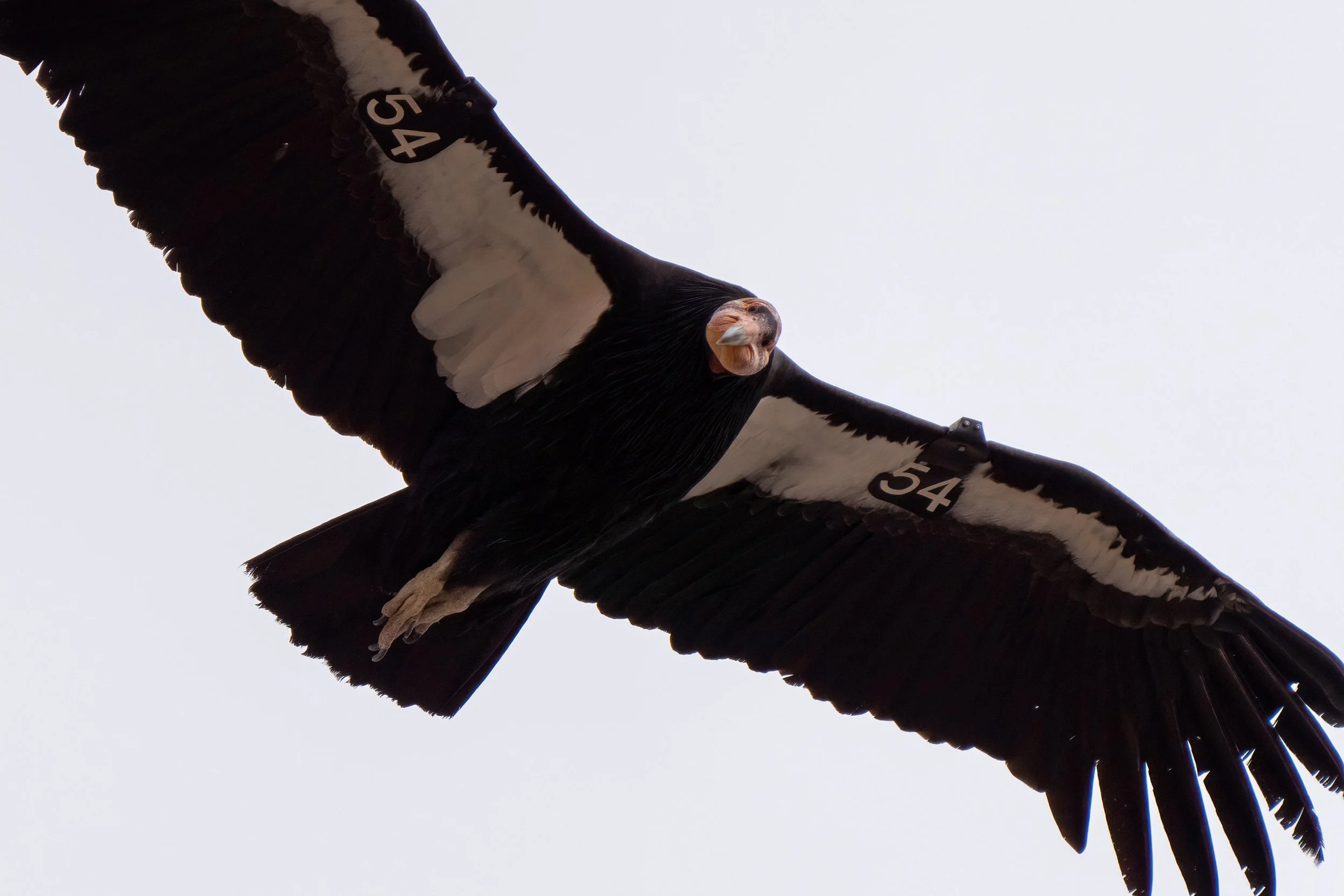
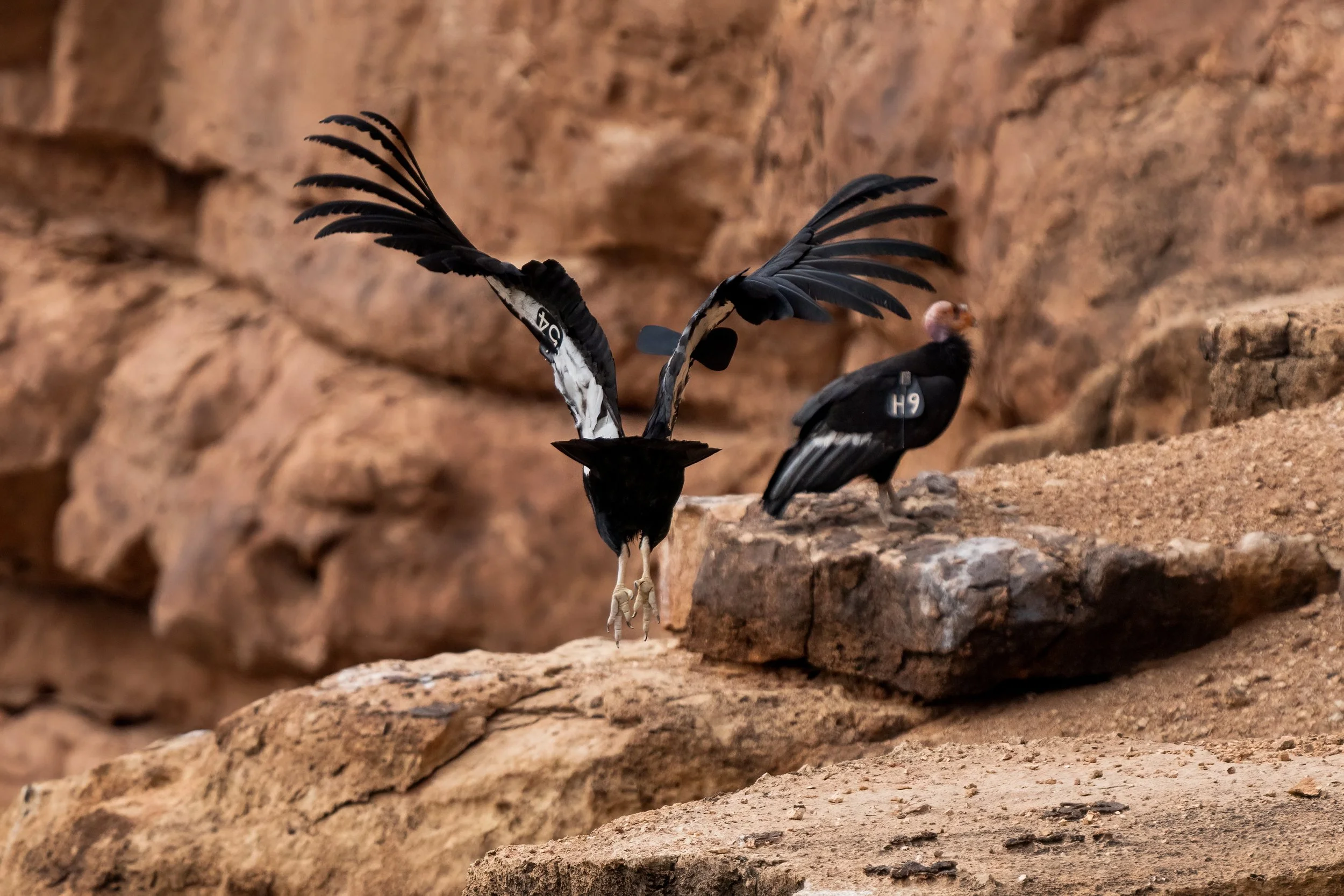
We were especially honored to see a complete family. Adult male 54 soared above the canyon while his mate, H9, rested on a nearby cliff. She seemed to watch him as he circled through the rising air.
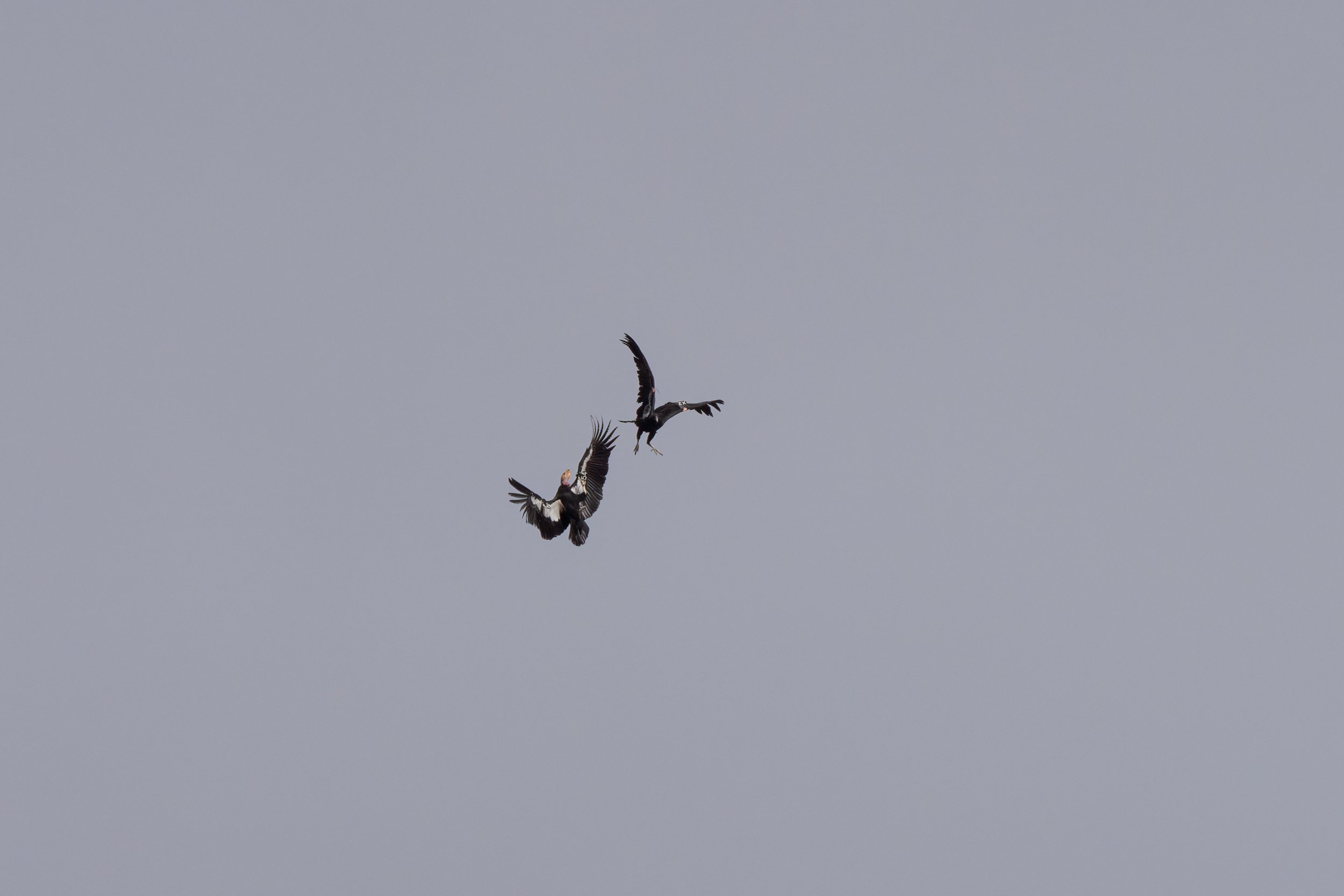
Then a darker bird joined 54 in the sky. It was X2, their young daughter.
X2 and 54 appeared to chase each other through the air before settling into long, quiet circles on the thermals. Their enormous wings barely moved as they climbed above the canyon together. Watching a parent and young condor share the sky felt very different from simply finding another rare bird. We were seeing a family shaped by decades of conservation work.
Condor 54 (354) was the adult male and father of X2. He was nearly 18 years old when we saw him. He died in 2024, just short of 20 years old, which makes me even more grateful that I watched him soaring with his family.
Condor 54 (354) — adult male, father of X2, lived to be nearly 20 years old, sadly he passed in 2024, but I’m so honored to have seen him soaring high over my head with his family nearby.
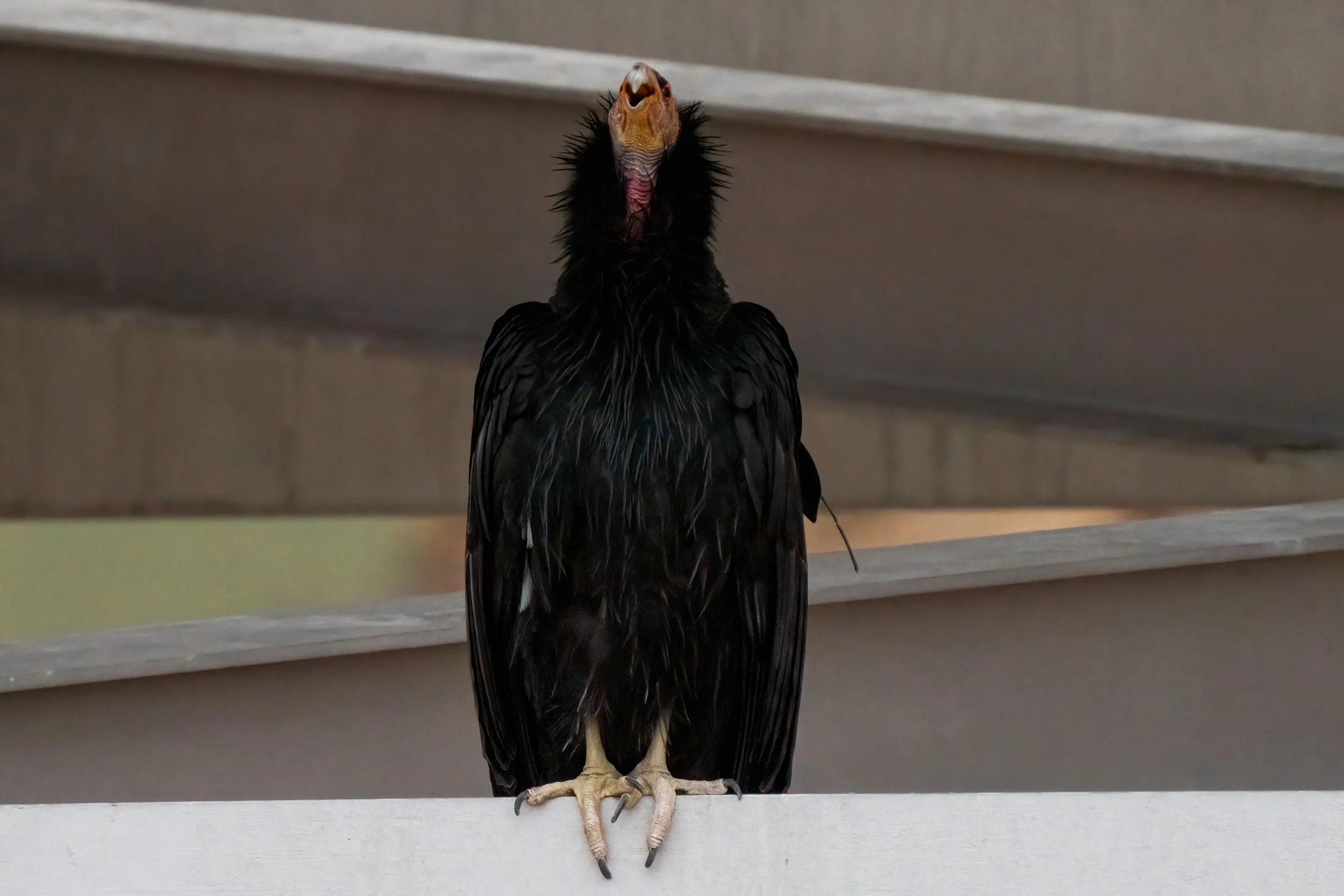
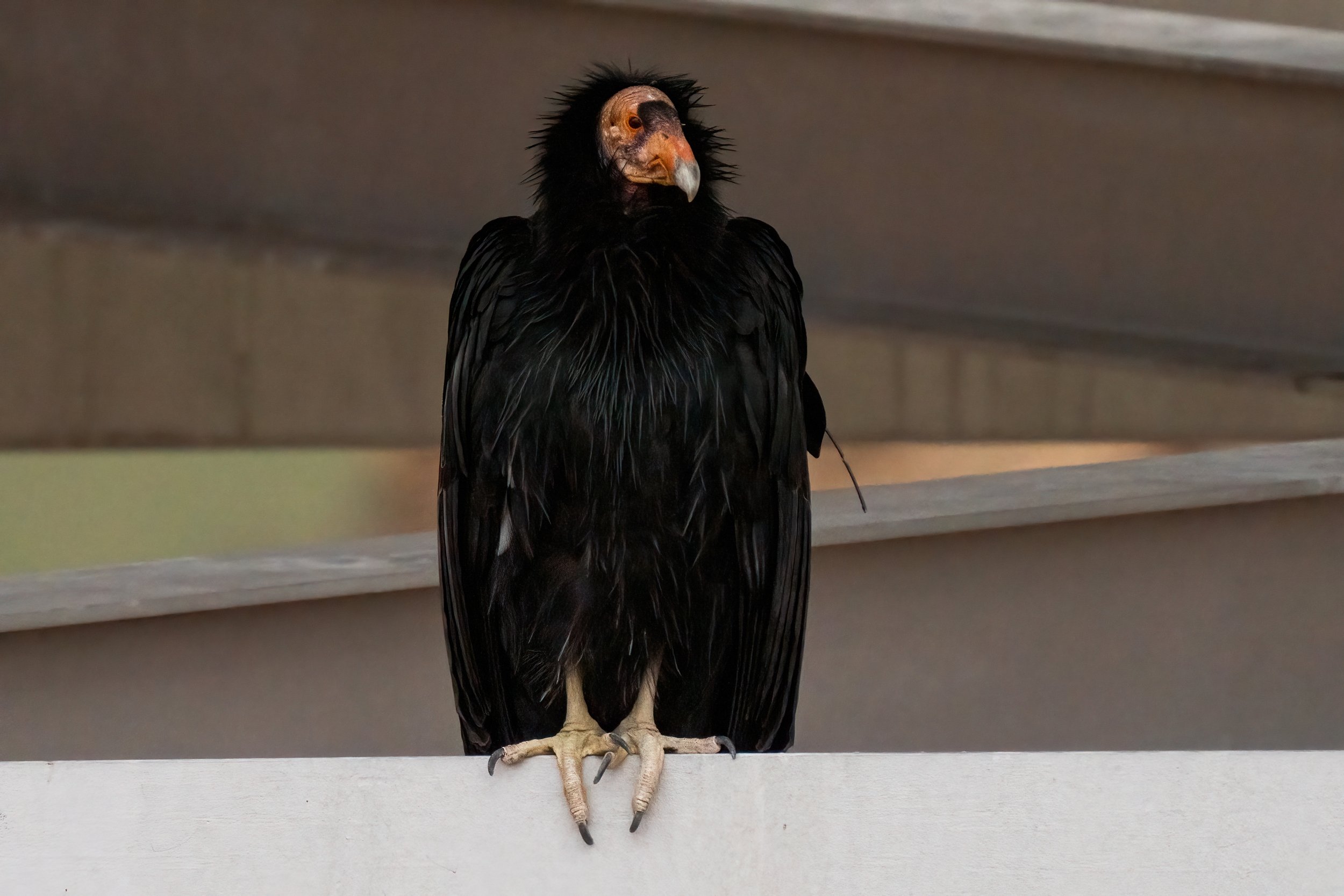
Condor H9 (496) was the adult female and mother of X2. She died in 2023.
Condor H9 (496) — adult female, mother of X2.
Condor X2 (952) was the daughter of 54 and H9. She hatched in the wild on May 7, 2018.
Condor X2 (952) — daughter of 54 and H9, Hatched May 7, 2018 in the wild, representing the next generation of a recovery that began with just 27 birds.
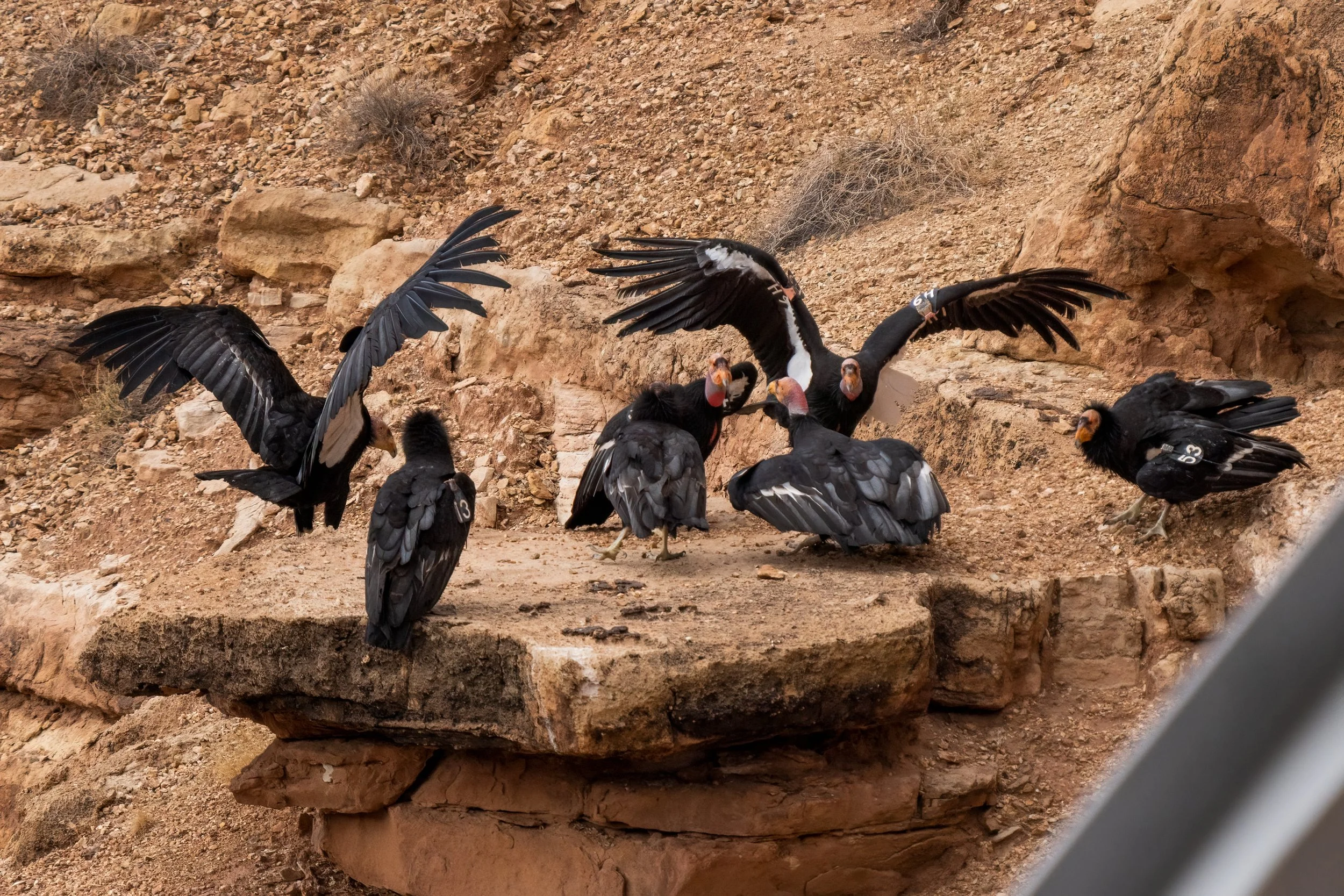
Several other condors gathered around the bridge and cliffs during our visit:
XX (947), a male hatched May 31, 2018, at the World Center for Birds of Prey:
XX - 947 . Male. Hatched: May 31, 2018 at World Center for Birds of Prey.
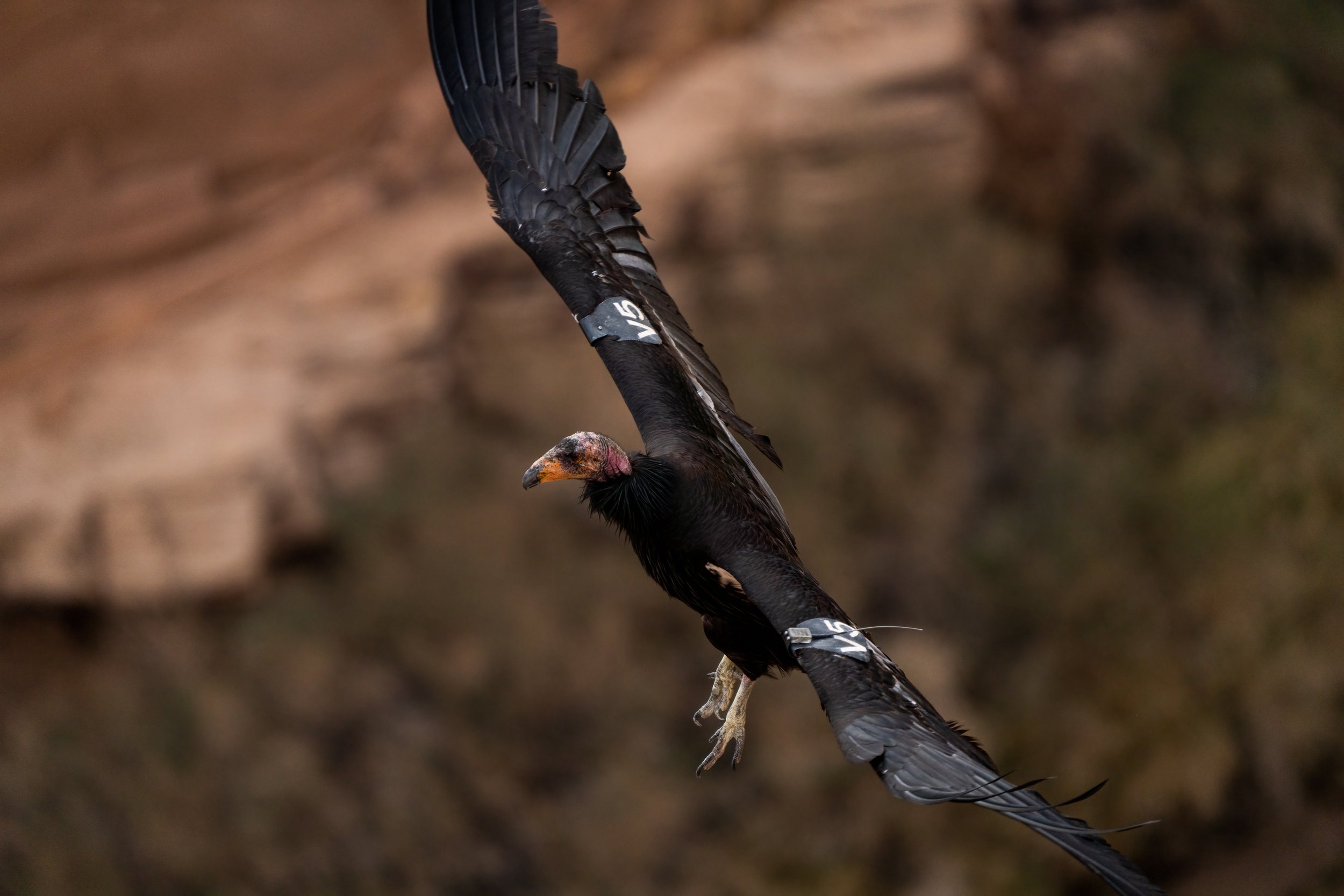
V5 (885), a male hatched May 19, 2017, at the World Center for Birds of Prey:
V5 - 885. Male. Hatched: May 19, 2017 at World Center for Birds of Prey.
V7 (897), a male hatched May 24, 2017, in the wild:
V7 - 897. Male. Hatched: May 24, 2017 in the wild.
T3 (833), a female hatched April 24, 2016, at the Oregon Zoo:
T3 - 833. Female. Hatched: April 24, 2016 at Oregon Zoo.
T8 (834), a male hatched April 23, 2016, at the World Center for Birds of Prey:
T8 - 834. Male. Hatched: April 23, 2016 at World Center for Birds of Prey.
R8 (786), a male hatched April 29, 2015, at the Oregon Zoo:
R8 - 786. Male. Hatched: April 29, 2015 at Oregon Zoo.
R5 (775), a female hatched April 5, 2015, at the Oregon Zoo and 19 (619), a male hatched May 3, 2011, at the World Center for Birds of Prey.:
R5 - 775. Female. Hatched: April 5, 2015 at Oregon Zoo.
19 - 619. Male. Hatched: May 3, 2011 at World Center for Birds of Prey.
53 (653), a female hatched May 3, 2012, at the World Center for Birds of Prey.:
53 - 653. Female. Hatched: May 3, 2012 at World Center for Birds of Prey.
F1 (441), a wild-hatched male born April 28, 2007:
F1 - 441. Male. Hatched: April 28, 2007 in the wild. Father: 134 Mother: 210.
The California Condor Recovery Story
California Condors came frighteningly close to disappearing. By 1987, the last wild birds had been brought into captivity so the remaining population could be protected and bred under human care. For the first time, no California Condors remained in the wild.
The first captive-bred condors were released in California in 1992. Releases at Vermilion Cliffs began in 1996, helping establish the free-flying population now found across northern Arizona and southern Utah.
The birds still require close monitoring and active protection. Lead poisoning remains the leading known cause of death for wild California Condors. Because condors feed on carrion, they can swallow small fragments of lead ammunition left in animal carcasses and gut piles.
Every numbered tag represents an individual bird being followed through its life. Seeing 54, H9, and their wild-hatched daughter together gave that recovery story a much more personal shape.
California Condor Viewing at Navajo Bridge
The pedestrian walkway across the historic Navajo Bridge provides an excellent place to look for condors. The birds may perch on the steel structure beneath the walkway, rest on the nearby cliffs, or circle above Marble Canyon.
Binoculars are helpful for reading wing tags and watching birds across the canyon. Condors can also disappear for long periods, so patience matters. Sometimes the bridge appears empty until a shadow passes over the walkway and an enormous bird rises from below.
The historic bridge stands about 467 feet above the Colorado River. After carrying vehicle traffic for 66 years, it was preserved as a pedestrian crossing when the wider bridge opened beside it in 1995. Today, visitors can walk across the old span while condors use the steel arches and canyon air around it.
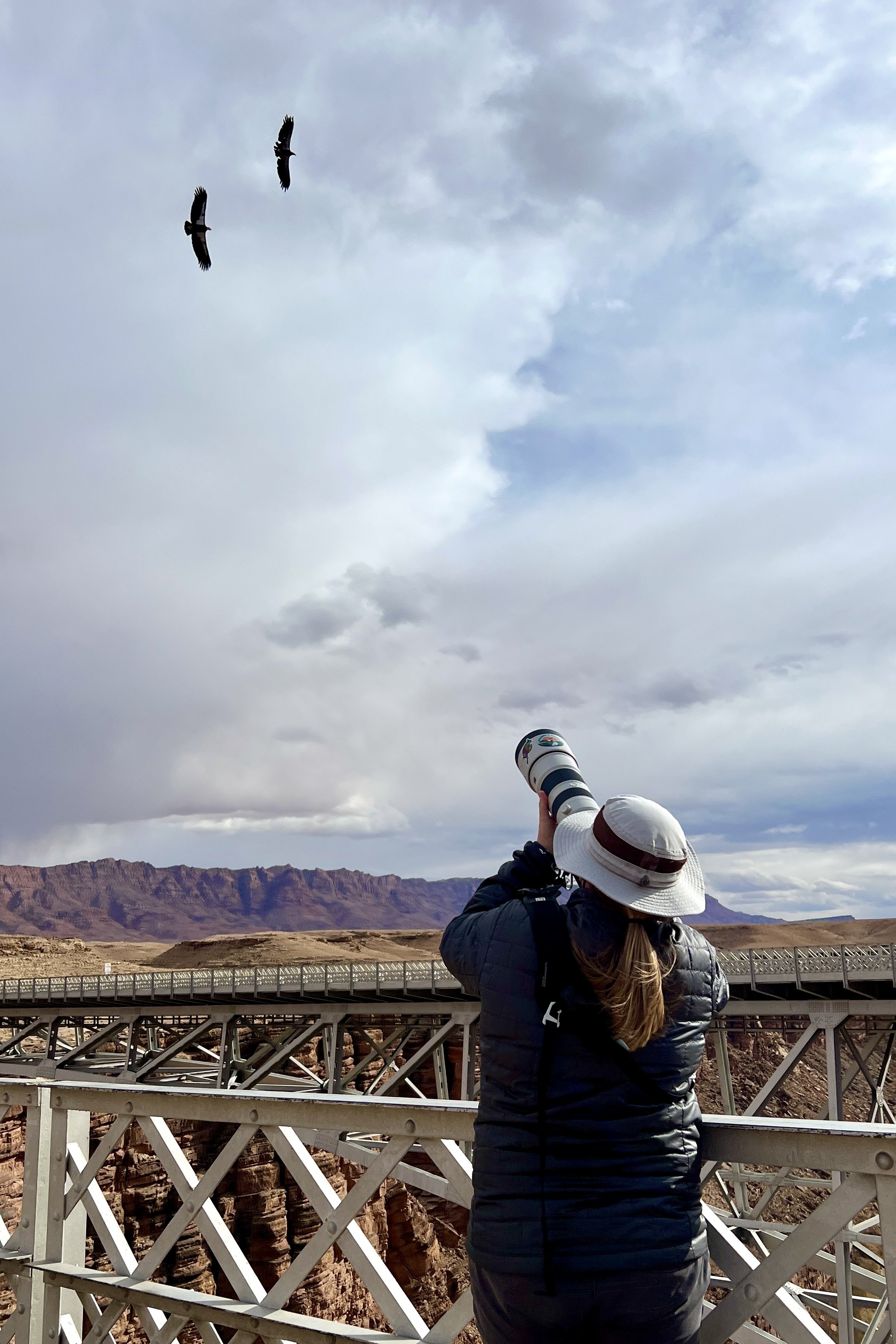
Watching condors gather on the cliffs, rest beneath the bridge, and soar over the Colorado River was already memorable. Seeing 54 flying with X2 while H9 watched from the rock made the experience feel intimate despite the enormous landscape around us.
These birds exist in the wild because generations of people decided that losing them was unacceptable. At Navajo Bridge, that work was circling above us on nine-foot wings.