Birds of the Salton Sea: An Unusual Hotspot
An accident of irrigation engineering turned desert into one of the most important bird sites in the American West — here are the birds that make it worth the drive.
The Salton Sea wasn't supposed to be, but aren’t we so glad it became. California's largest lake was created by accident in 1905, when an irrigation canal breach sent Colorado River water flooding into the Salton Sink for nearly two years before it could be stopped. What resulted? A vast, hypersaline lake sitting 226 feet below sea level in the middle of the Sonoran Desert. It turned out to be one of the most productive habitats for birds in the American West. It sits on the Pacific Flyway, the major migratory route running up and down the western coast of North America, and the numbers of birds that pass through or stay year-round are genuinely staggering. It’s a strange place in its current state, but a place I always look forward to visiting.
Here are some of the birds that I’ve seen at the Salton Sea:
American White Pelican
One of the largest birds in North America, and at the Salton Sea they gather in numbers that stop you in your tracks — hundreds of brilliant white birds riding thermals in slow, spiraling columns.
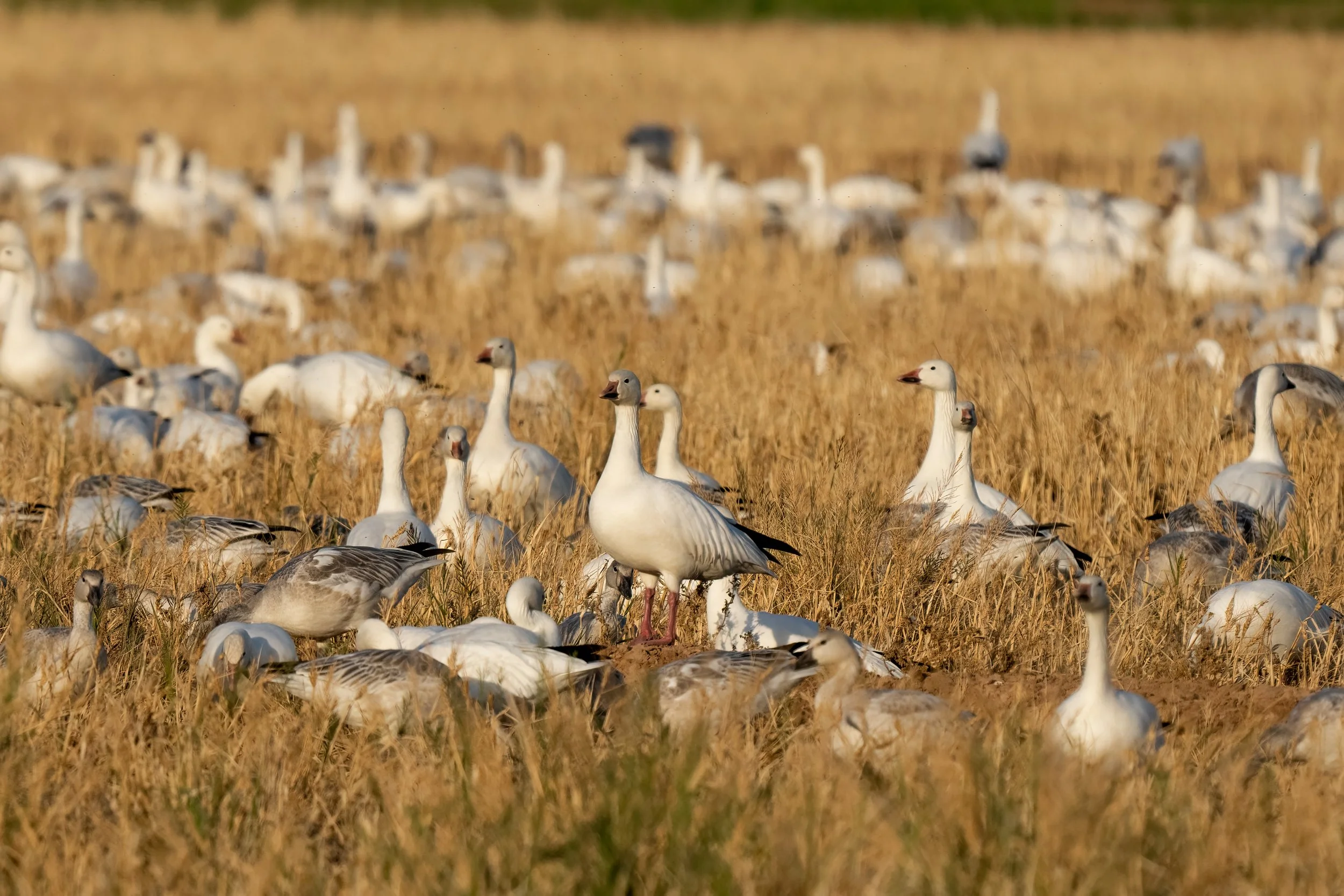
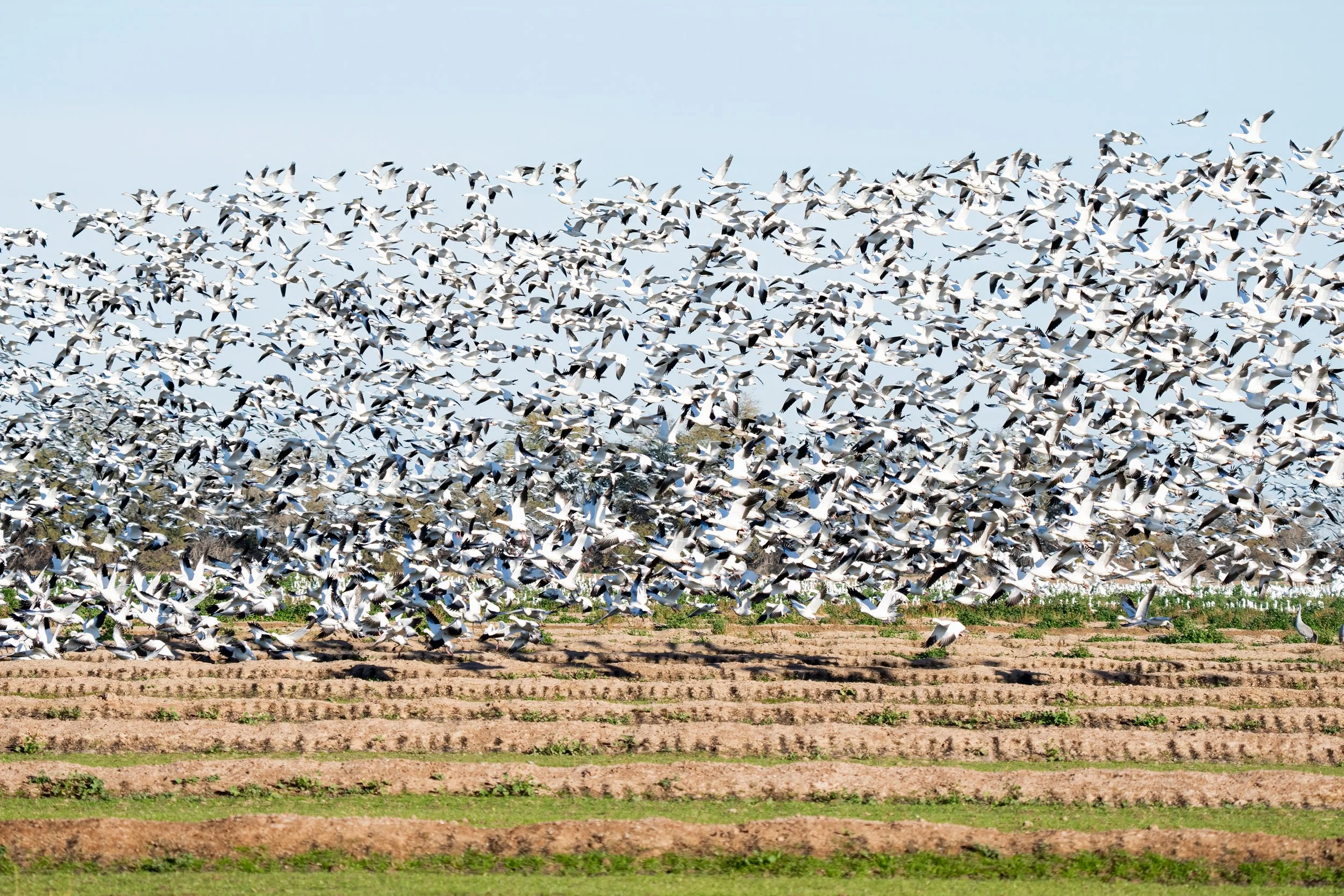
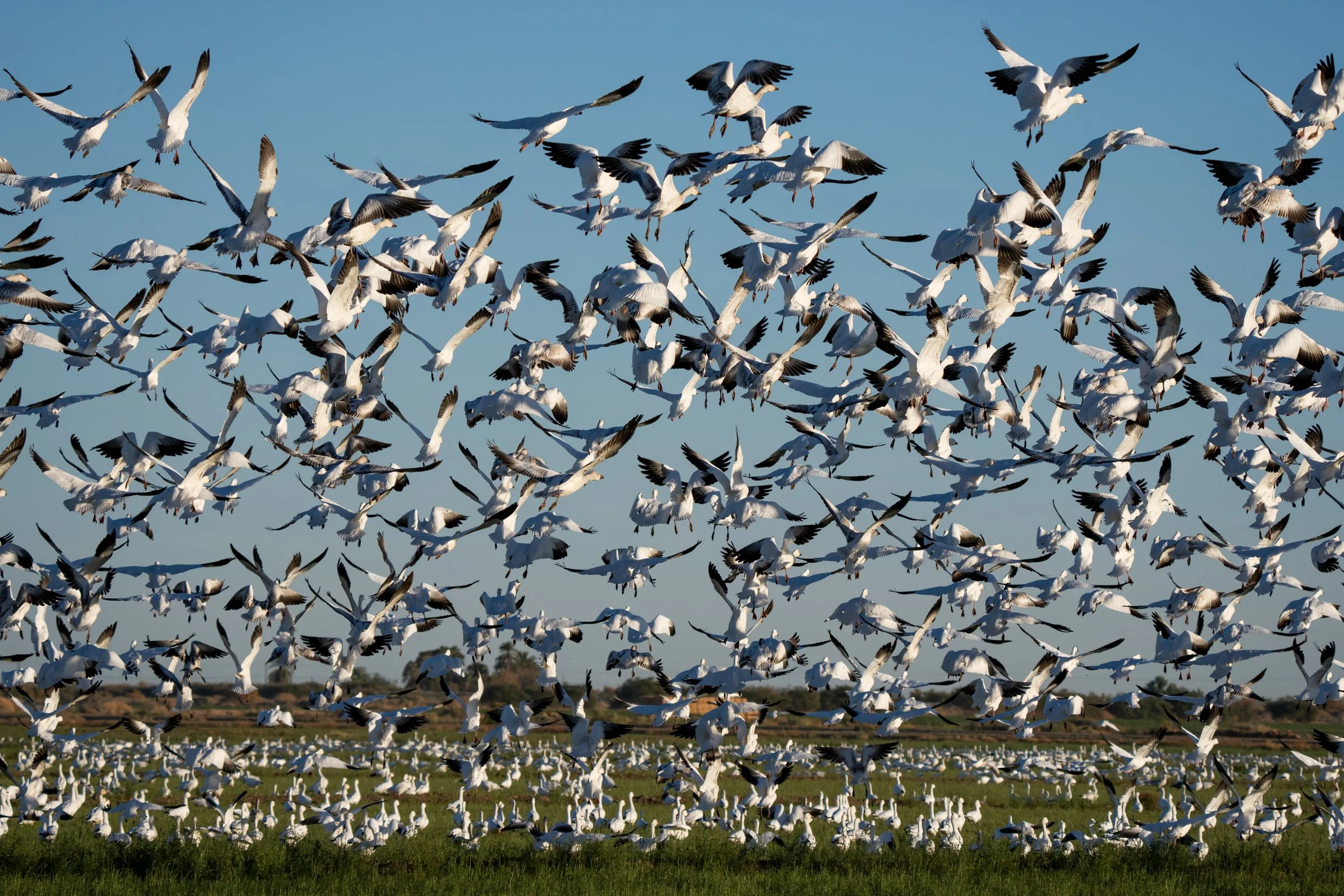
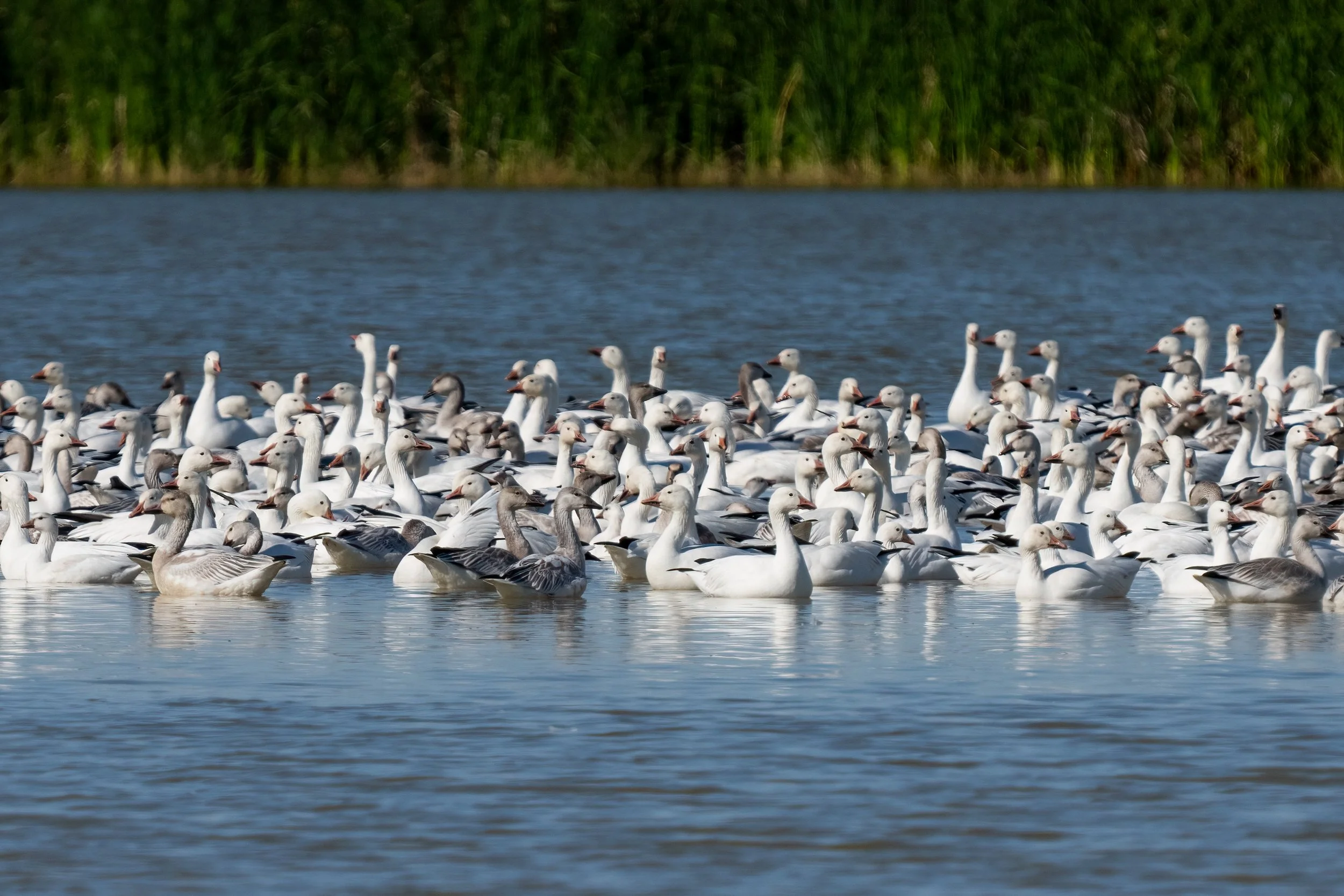
Snow Goose
When Snow Geese arrive at the Salton Sea in winter, they arrive in force — vast white flocks that fill the sky and make a noise level that has to be experienced to be believed.
Snow Geese come in two color forms — white and dark ("blue morph") — and both can appear in the same flock, the result of a single gene determining which plumage a bird inherits.
Ross's Goose
The Snow Goose's smaller, stubbier-billed cousin — look for them mixed into Snow Goose flocks, where the size difference and rounder head are the keys to picking them out.
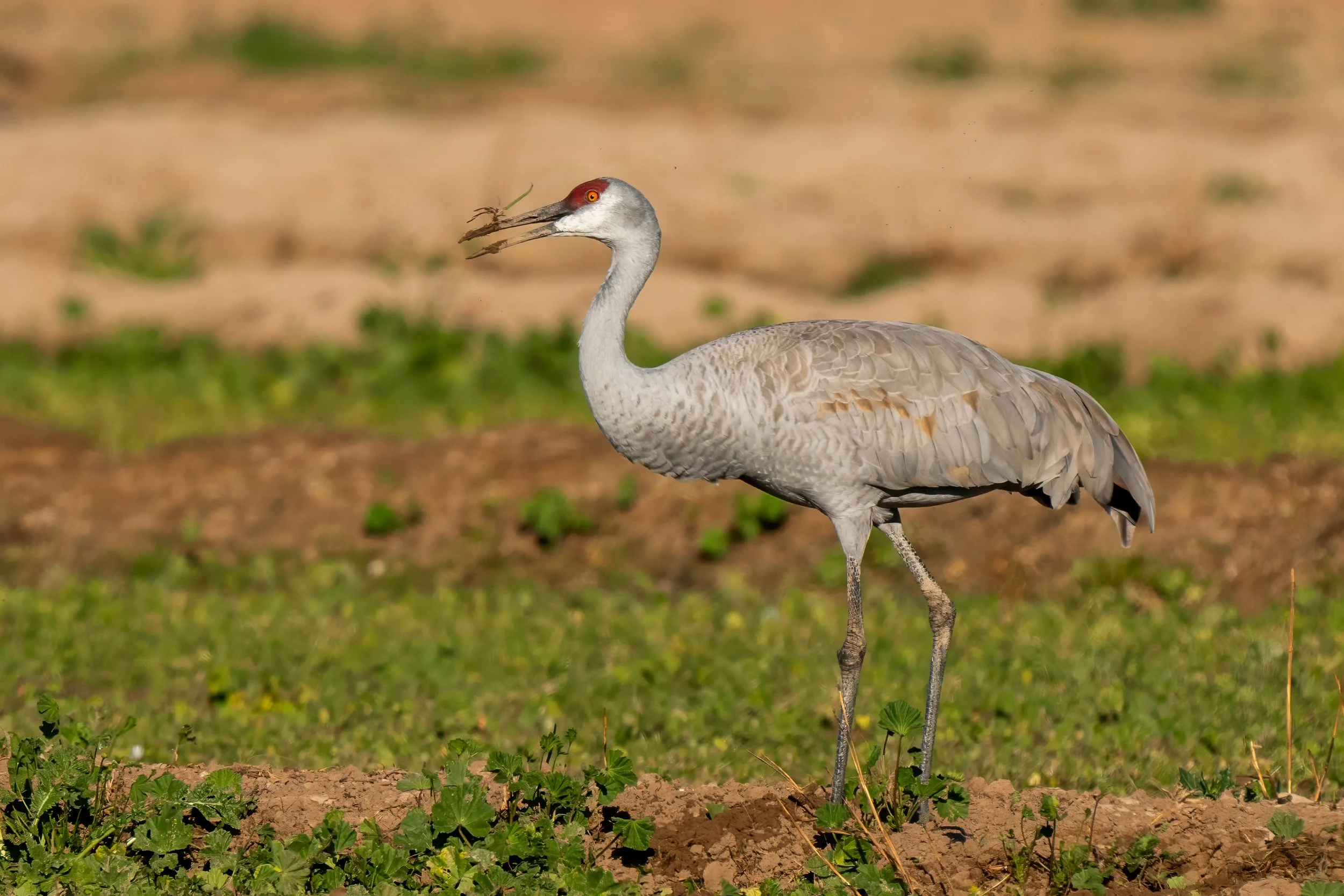
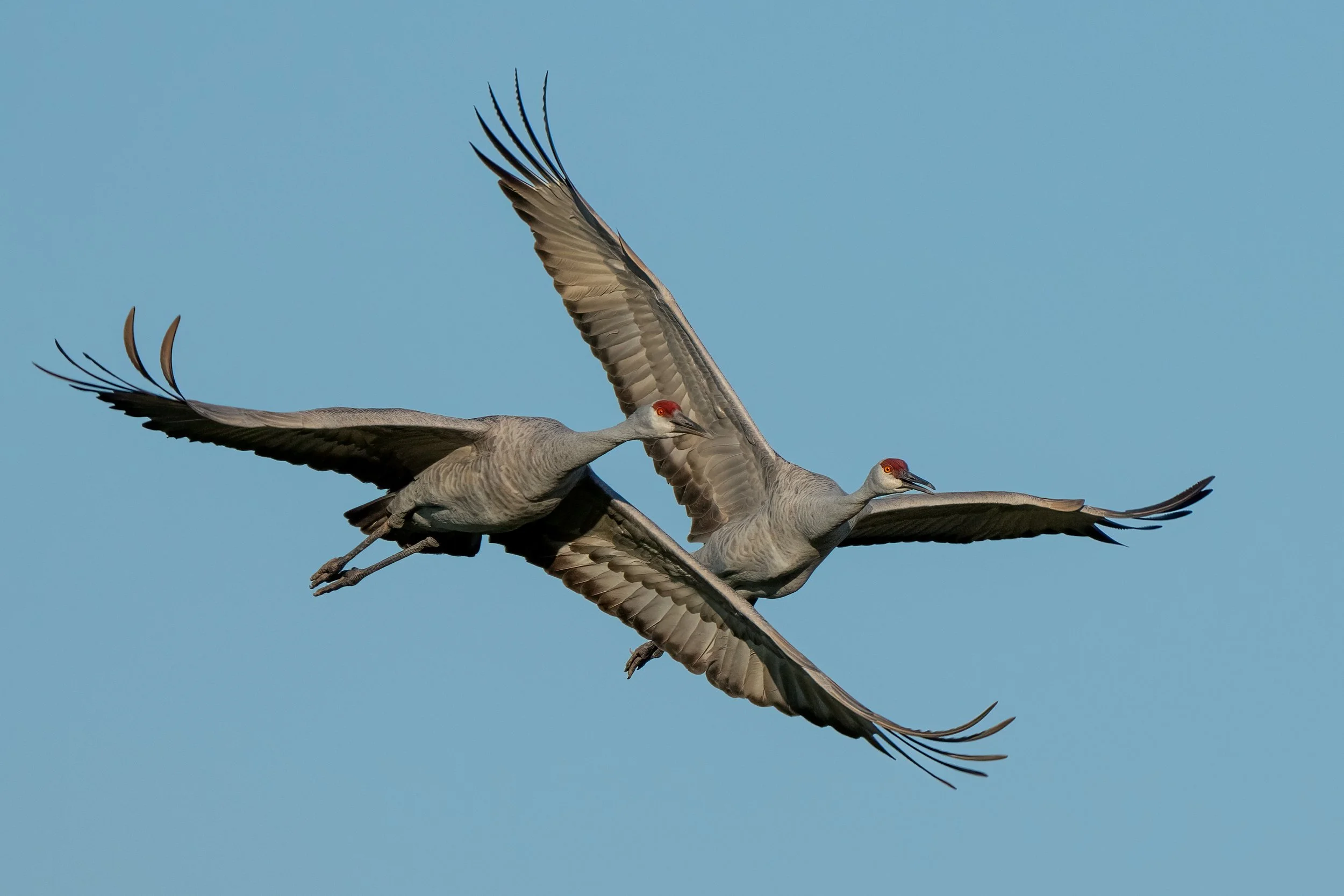
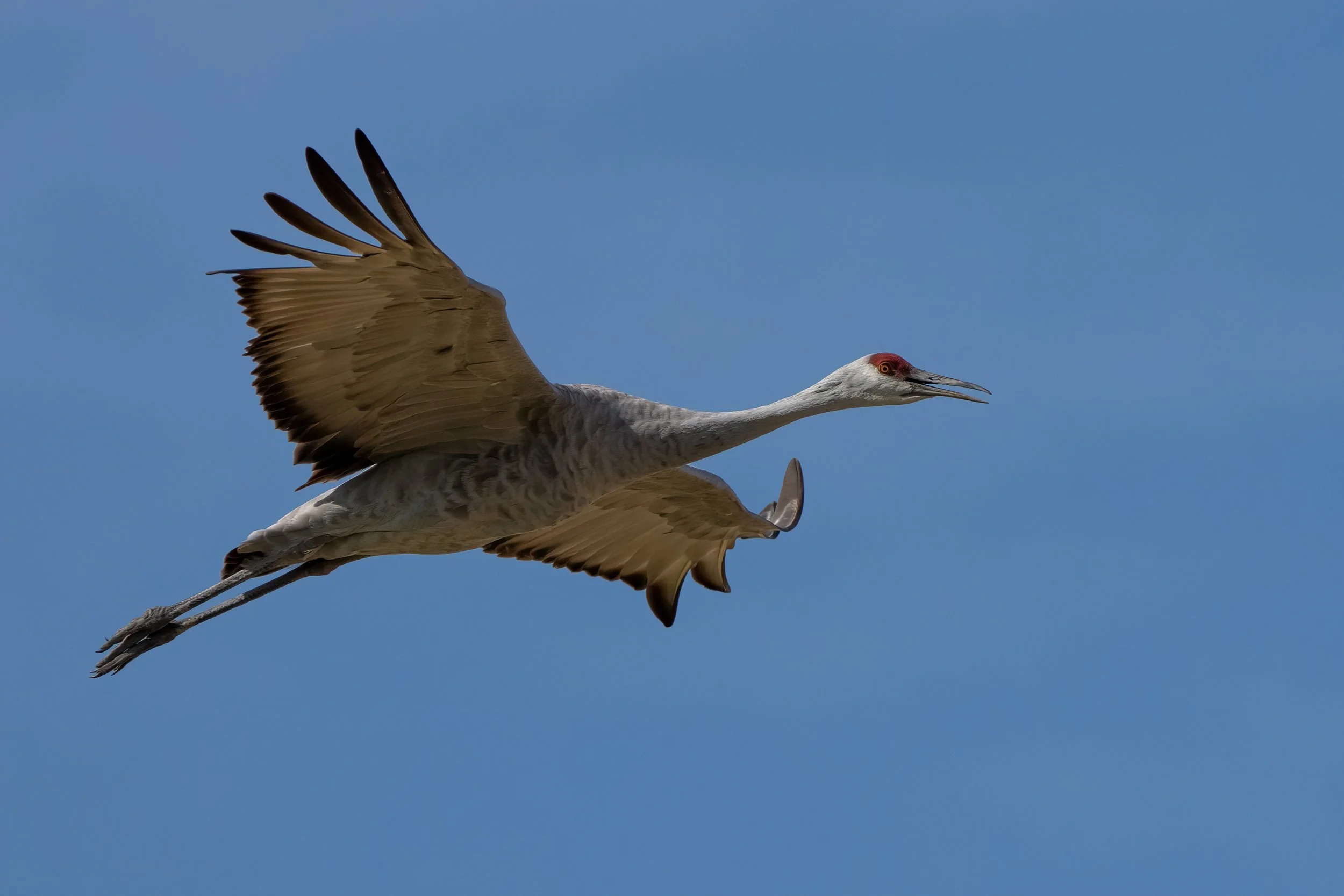
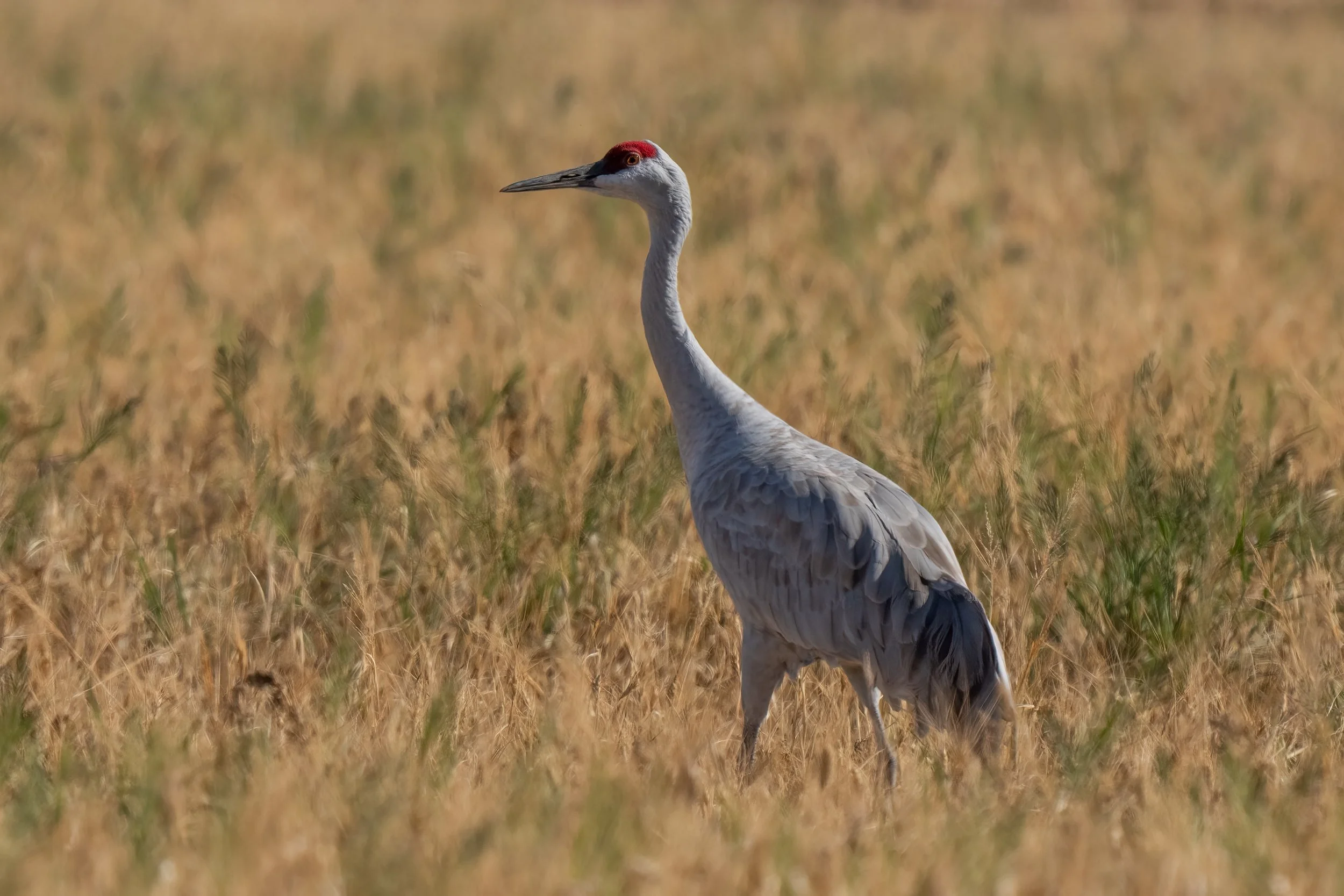
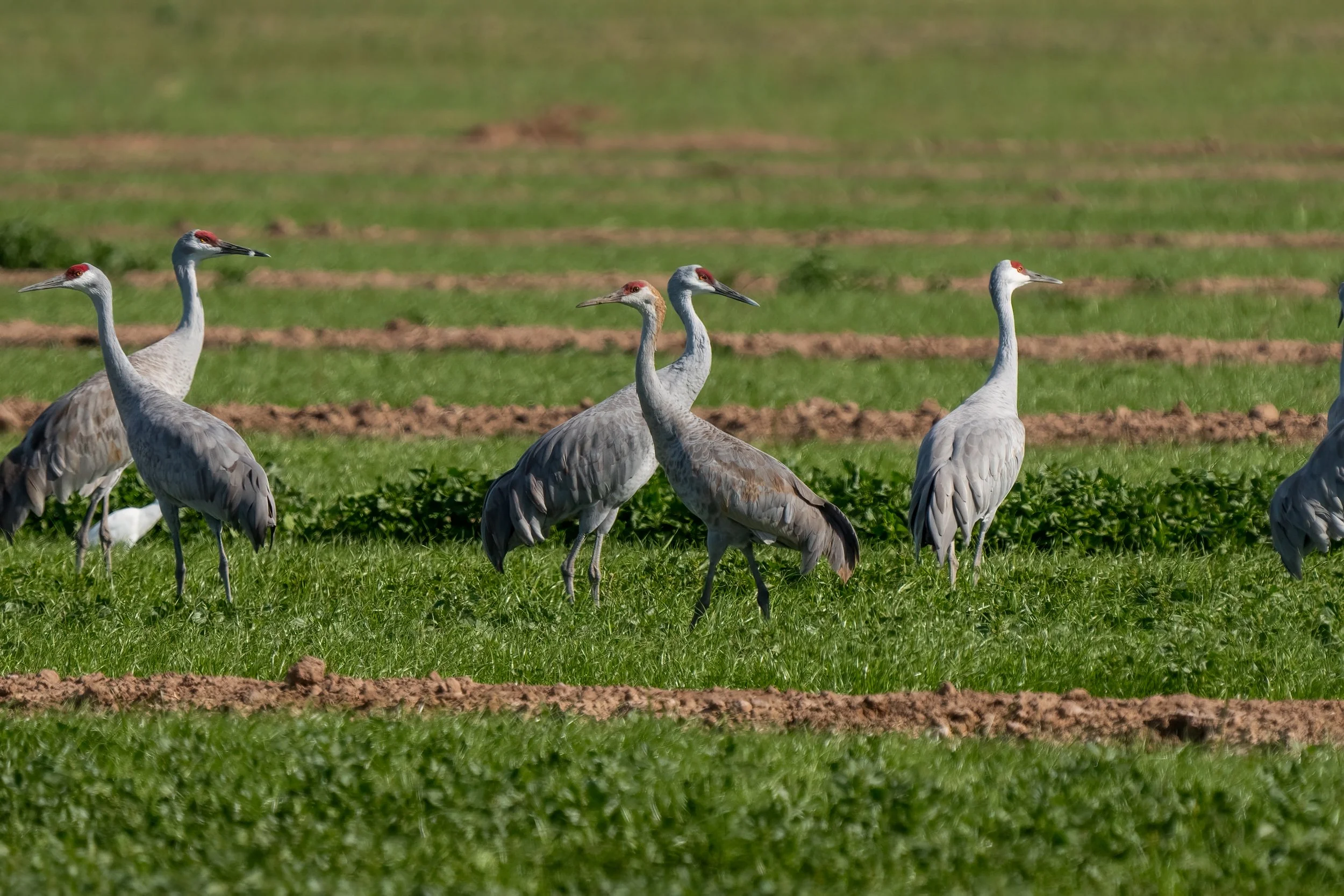
Sandhill Crane
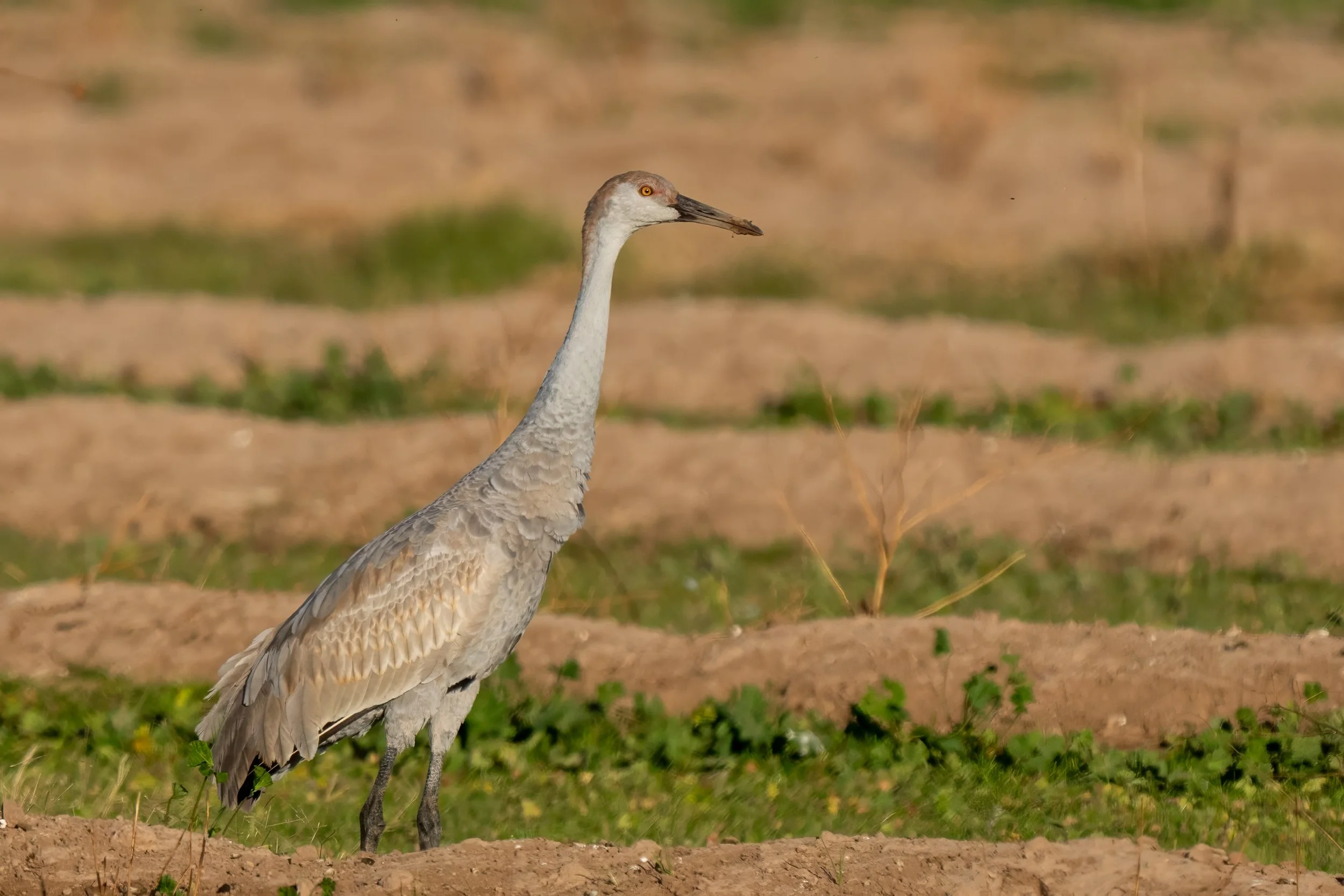
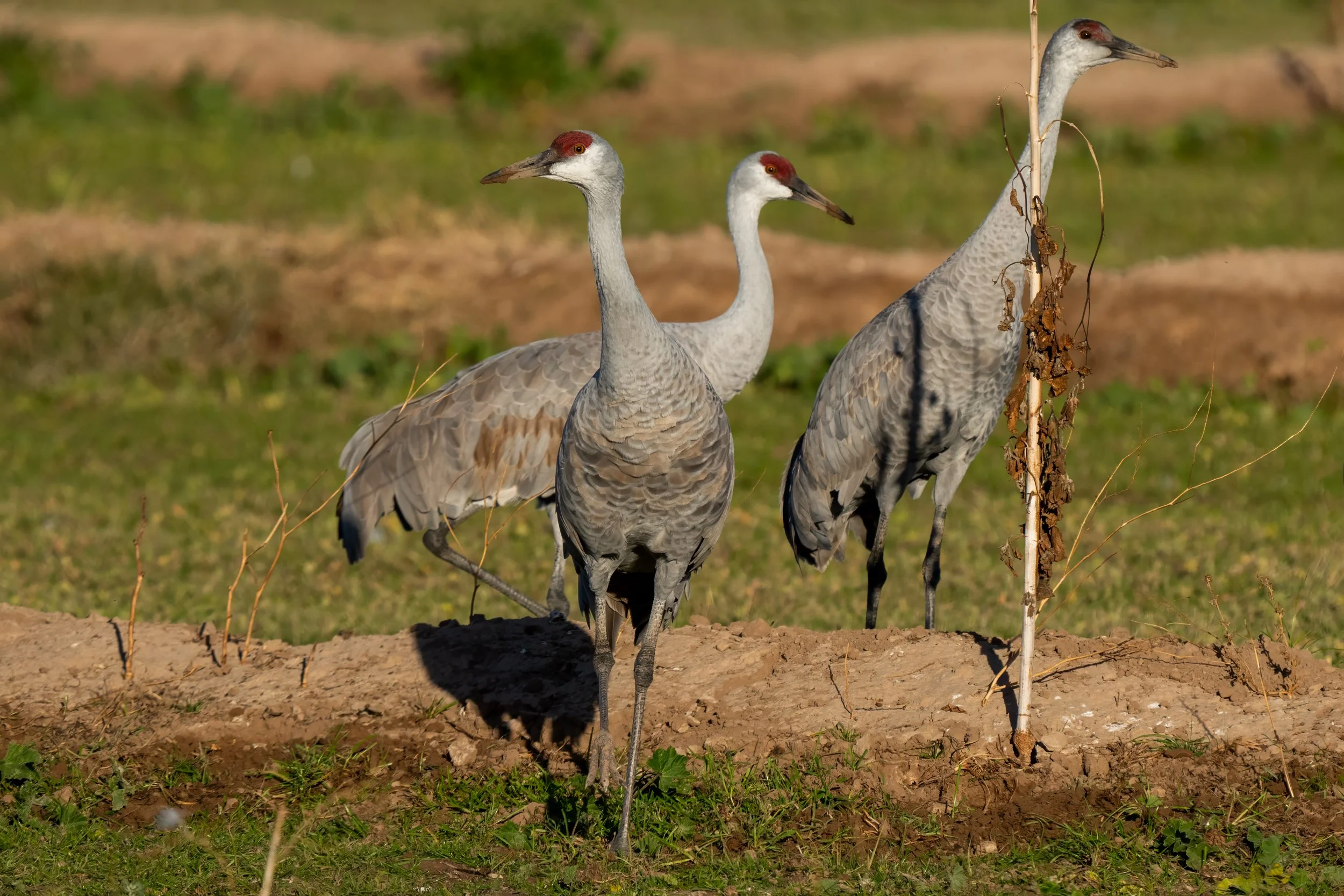
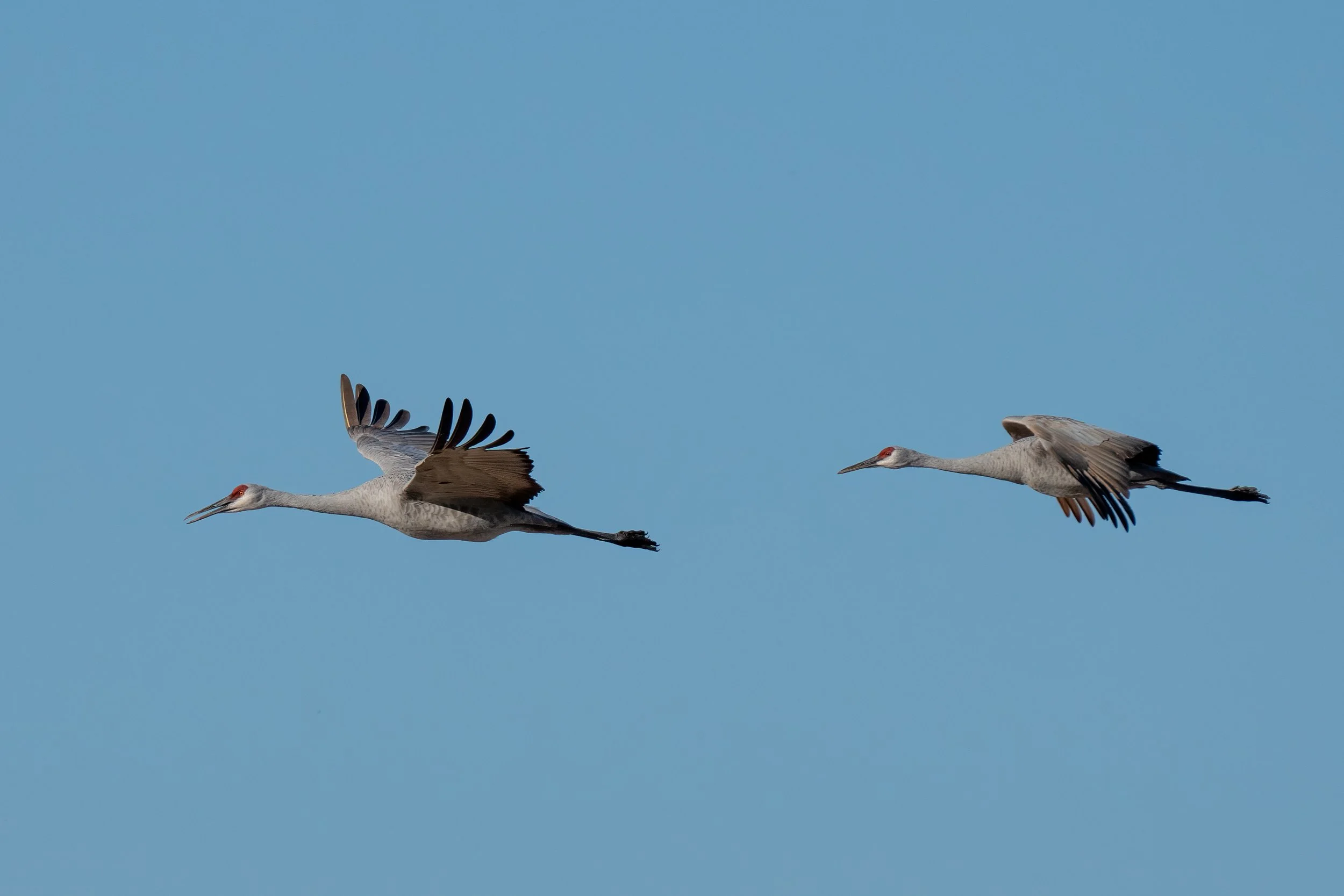
Tall, gray, and ancient-looking, Sandhill Cranes move through the Salton Sea area in winter with a dignity that makes everything else on the ground look like it's in a hurry. Sandhill Cranes are among the oldest living bird species on Earth. Fossils of a nearly identical crane date back 2.5 million years, making them one of the longest-surviving bird lineages we know of.
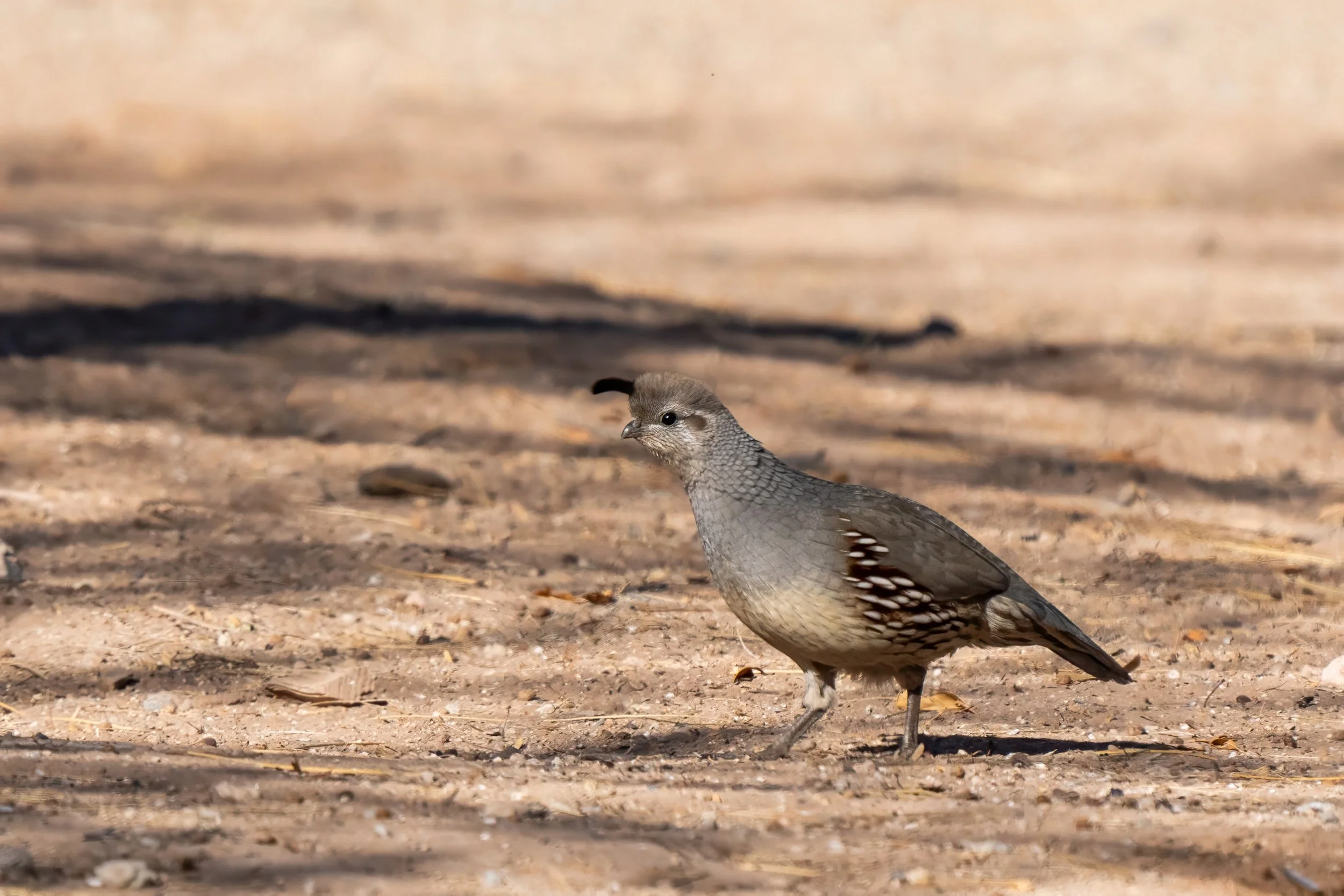
Gambel's Quail
The Sonoran Desert's most charismatic resident - small, round, and topped with a bouncy teardrop plume that bobs as they scurry through the scrub in fast-moving family groups.
Great Blue Heron
North America's largest heron, standing nearly four feet tall and fishing the shallows with the patience of something that has absolutely no concept of time.
Cattle Egret
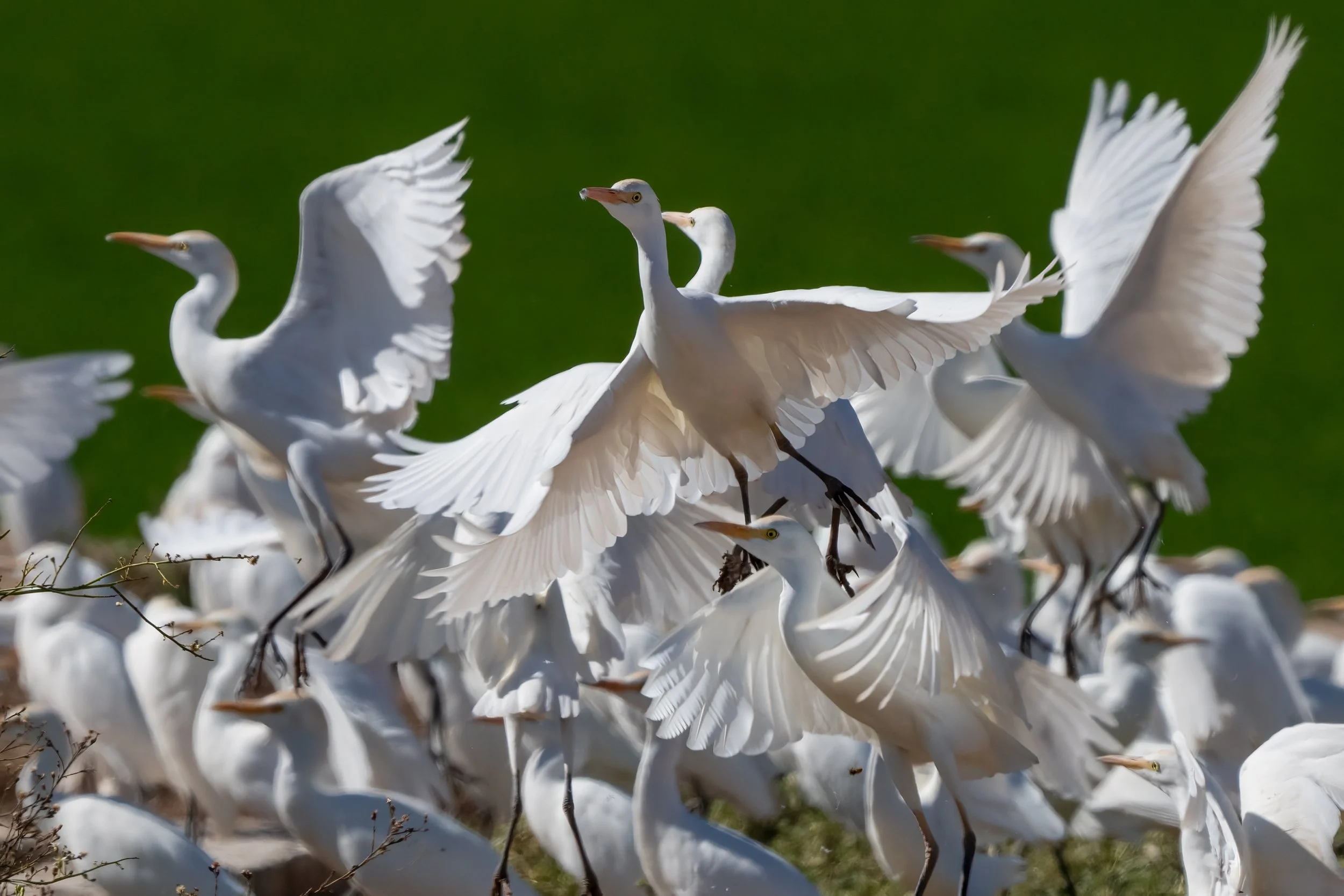
The scrappiest egret on the list — compact, stocky, and more likely to be found following farm equipment through a field than wading the shallows like its more refined cousins.
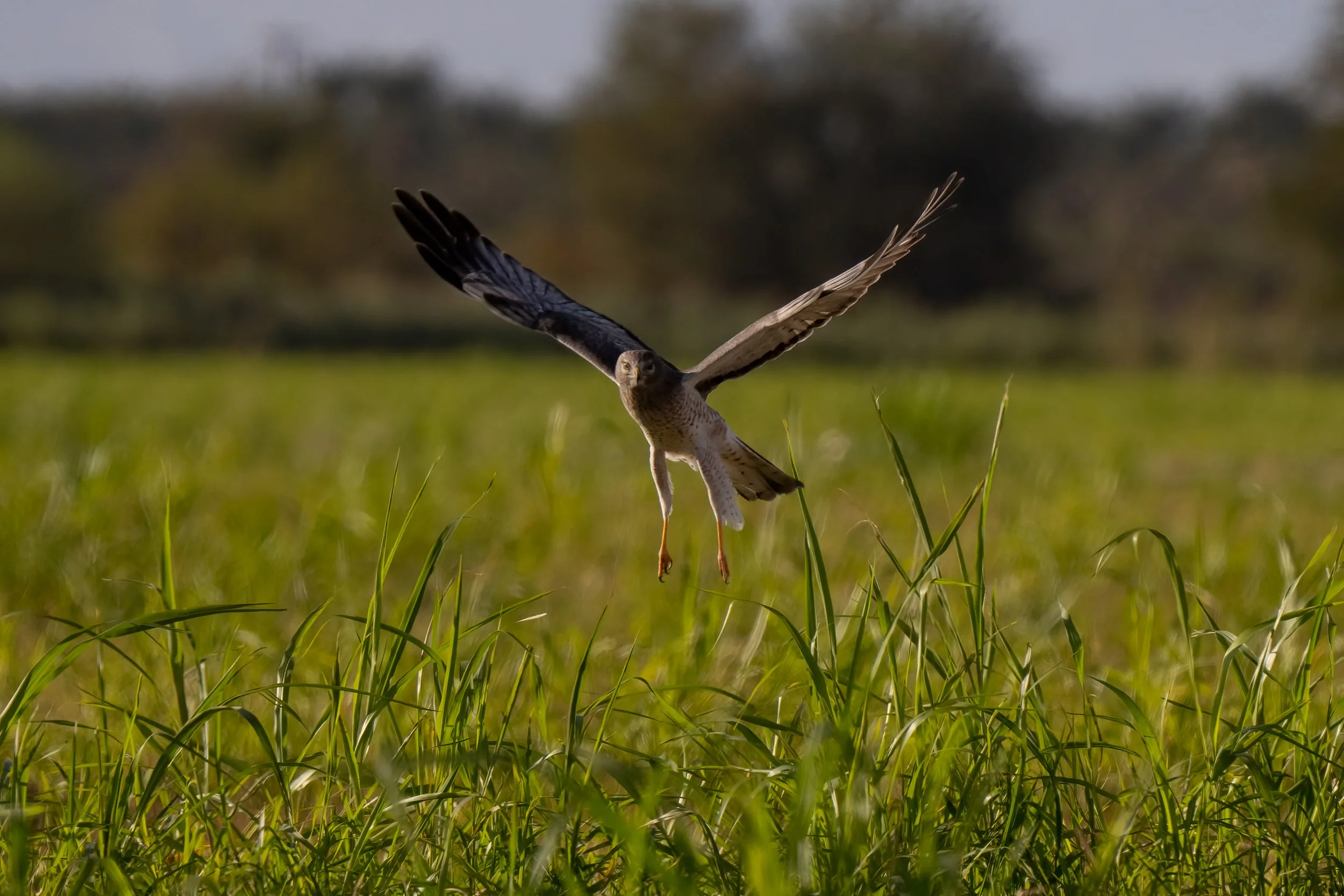
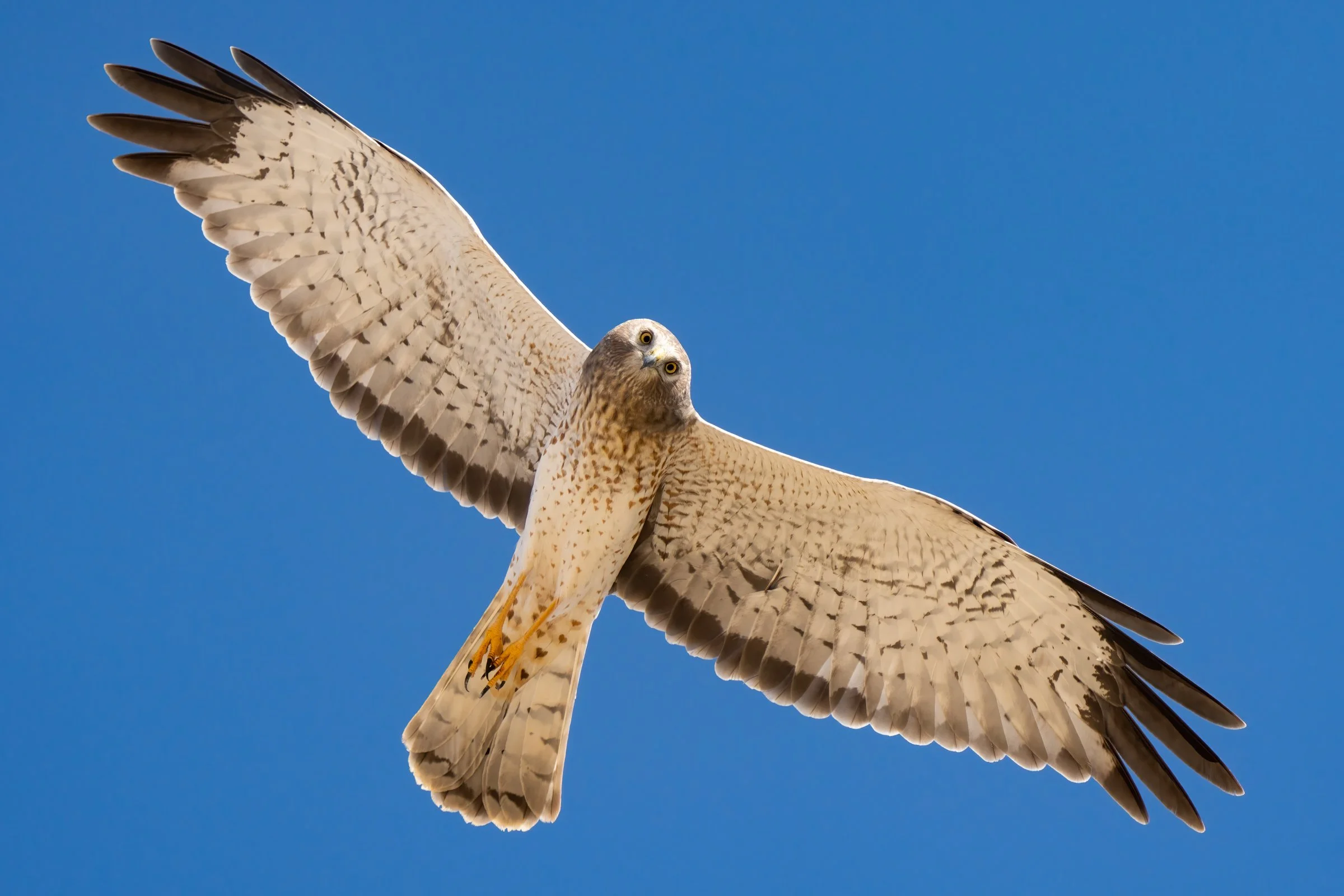
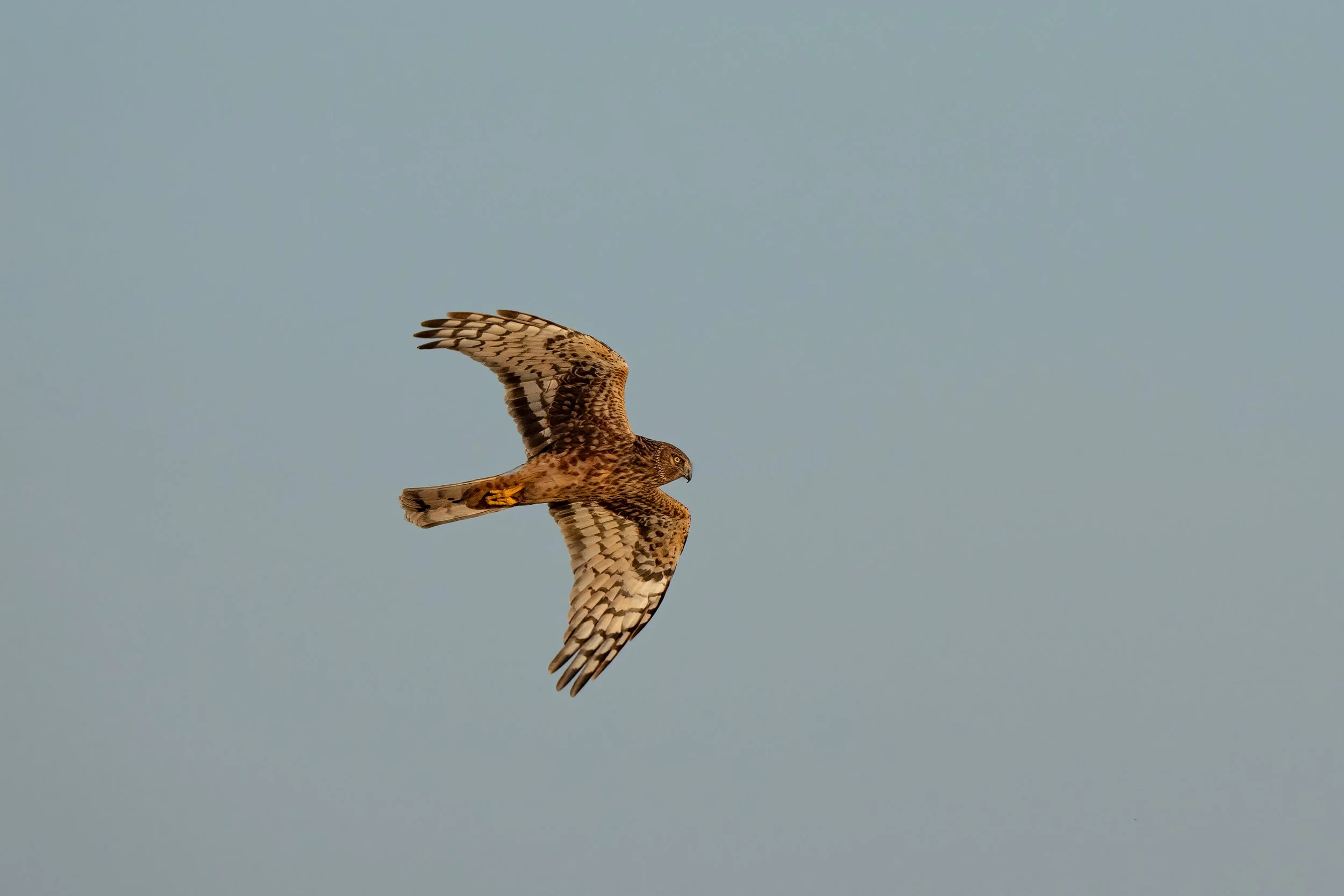
Northern Harrier
Low, buoyant, and methodical — the Northern Harrier hunts by quartering slowly over open marsh and agricultural fields, tilting on the wind with those distinctive white rump patches flashing as it goes. The female is a beautiful cinnamon brown raptor while the male (”Grey Ghost”) has a pale silver-grey plumage giving it the appearance of a floating gray ghost over the marsh.
Black-necked Stilt
Bold, noisy, and impossible to overlook, these striking black-and-white waders stalk the shallows on improbably long pink legs, loudly announcing their displeasure at anything that comes too close.
American Avocet
One of the more elegant shorebirds in North America, with a long upswept bill it sweeps side to side through the water in a beautifully graceful motion. In breeding season the head and neck turn a rich cinnamon-orange; by winter they fade to pale gray — the same bird looks almost completely different depending on the time of year.
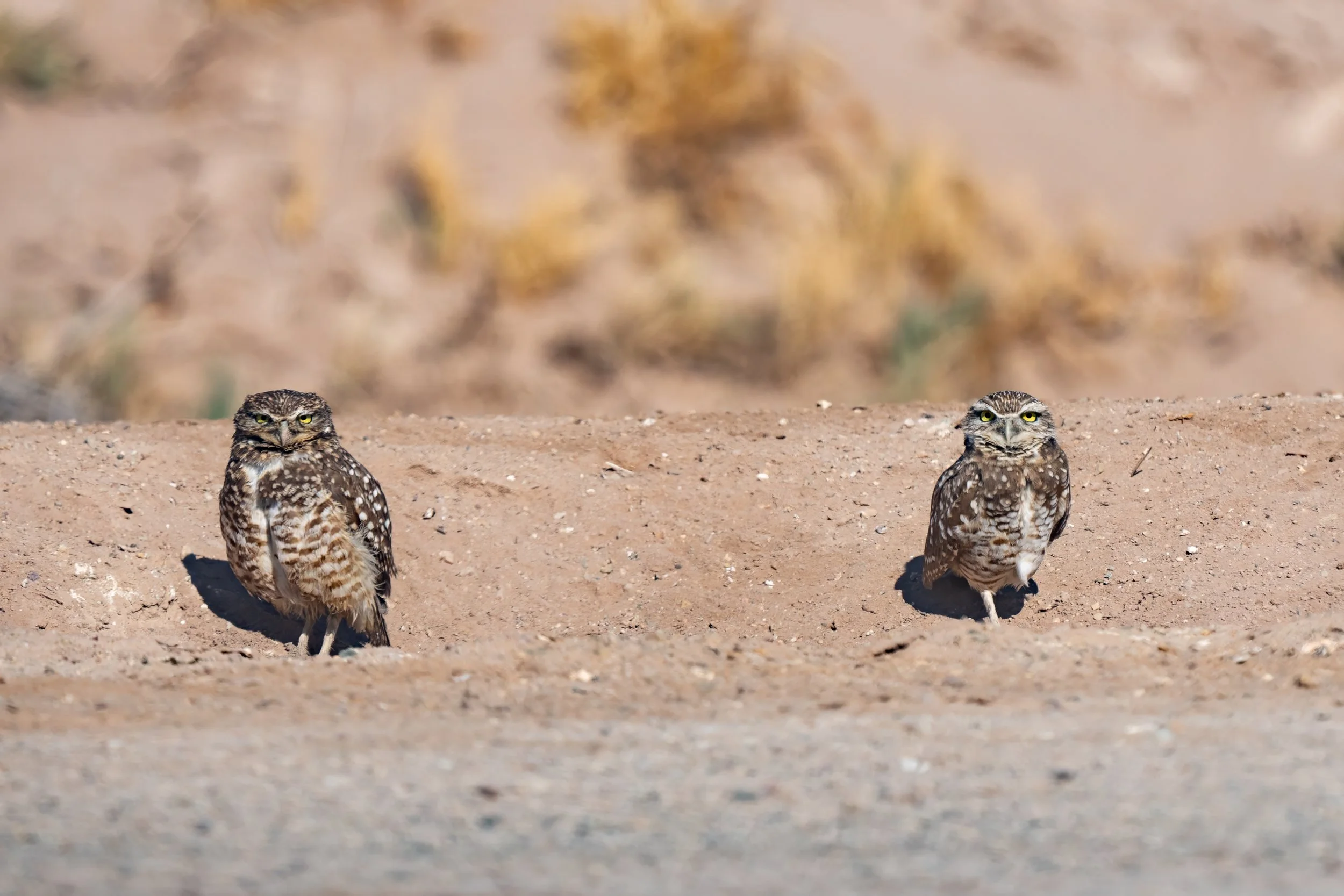
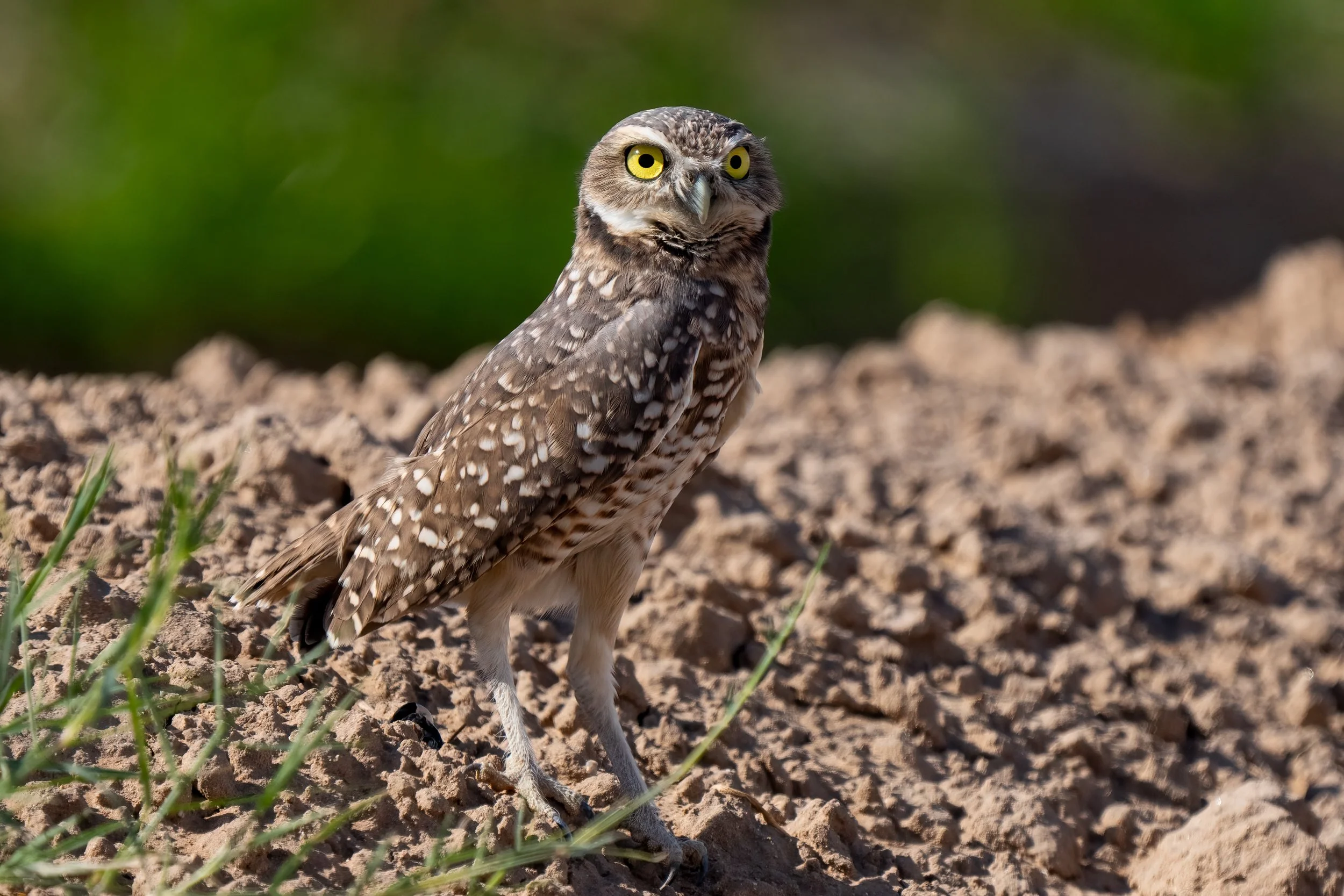
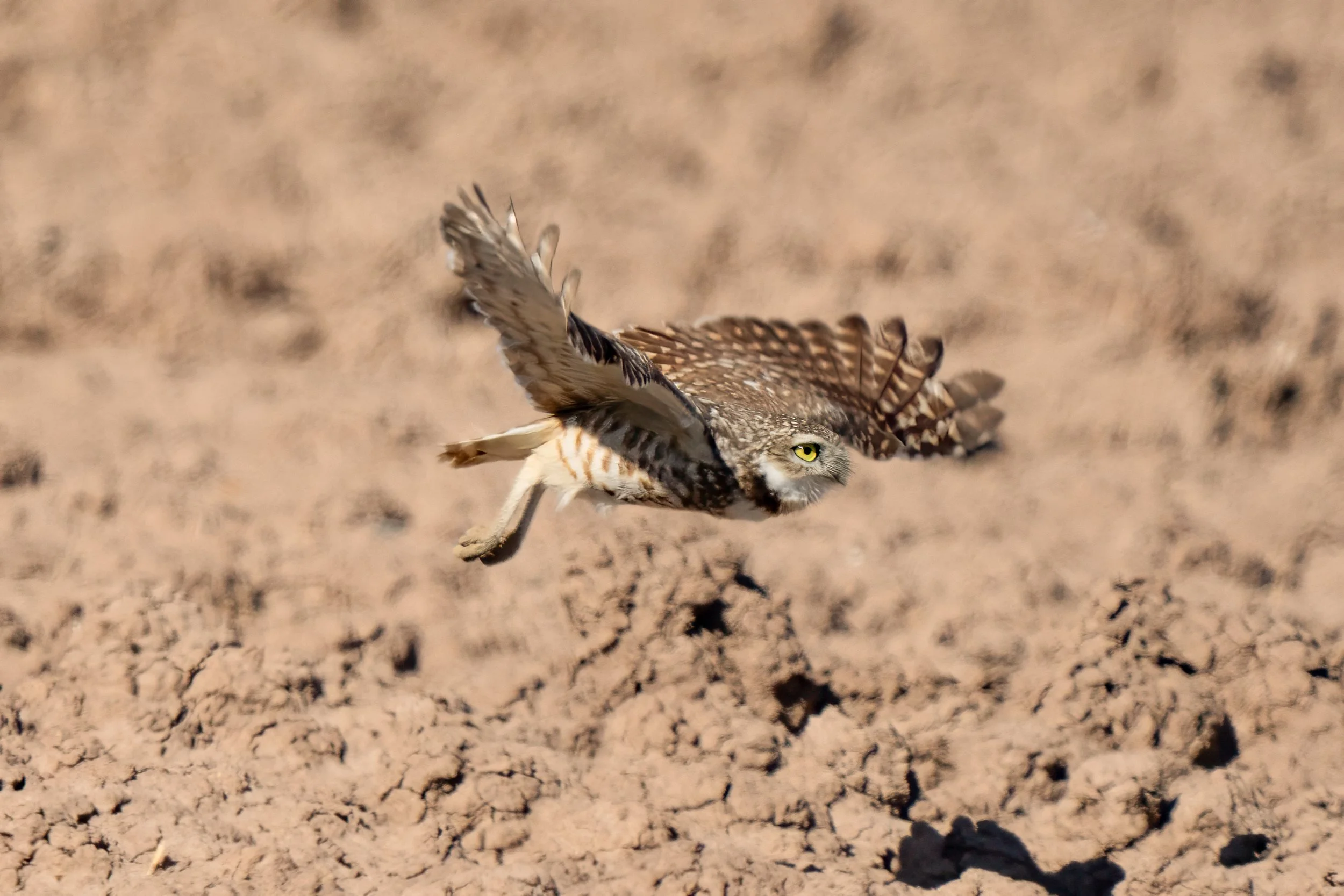
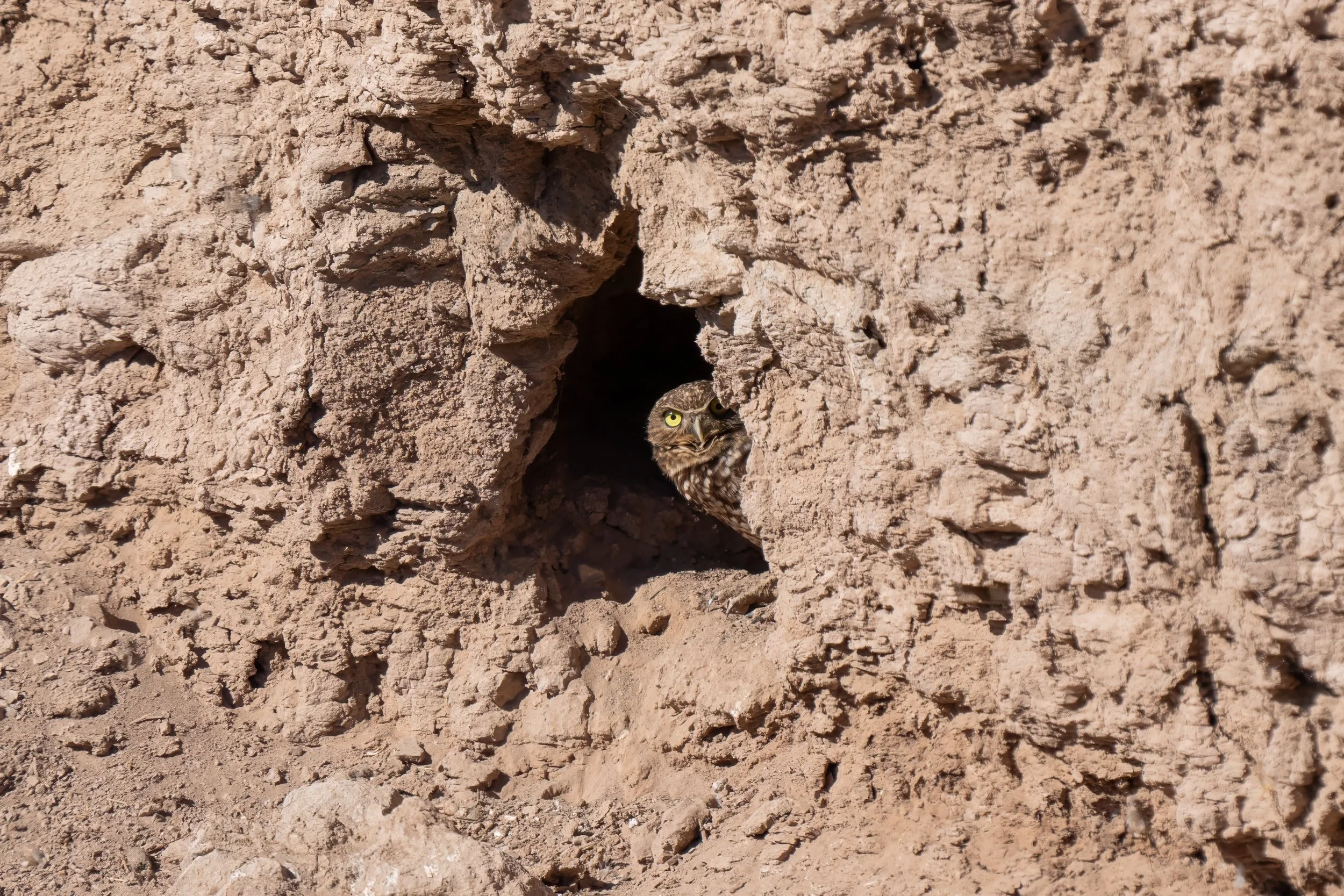
Burrowing Owl
Small, diurnal, and completely endearing until it fixes you with that flat yellow stare - Burrowing Owls are one of the Salton Sea area's well known and entertaining birds to watch. Unlike most owls, Burrowing Owls are active during the day and nest underground — they line the entrance to their burrows with animal dung to attract dung beetles, which they eat.
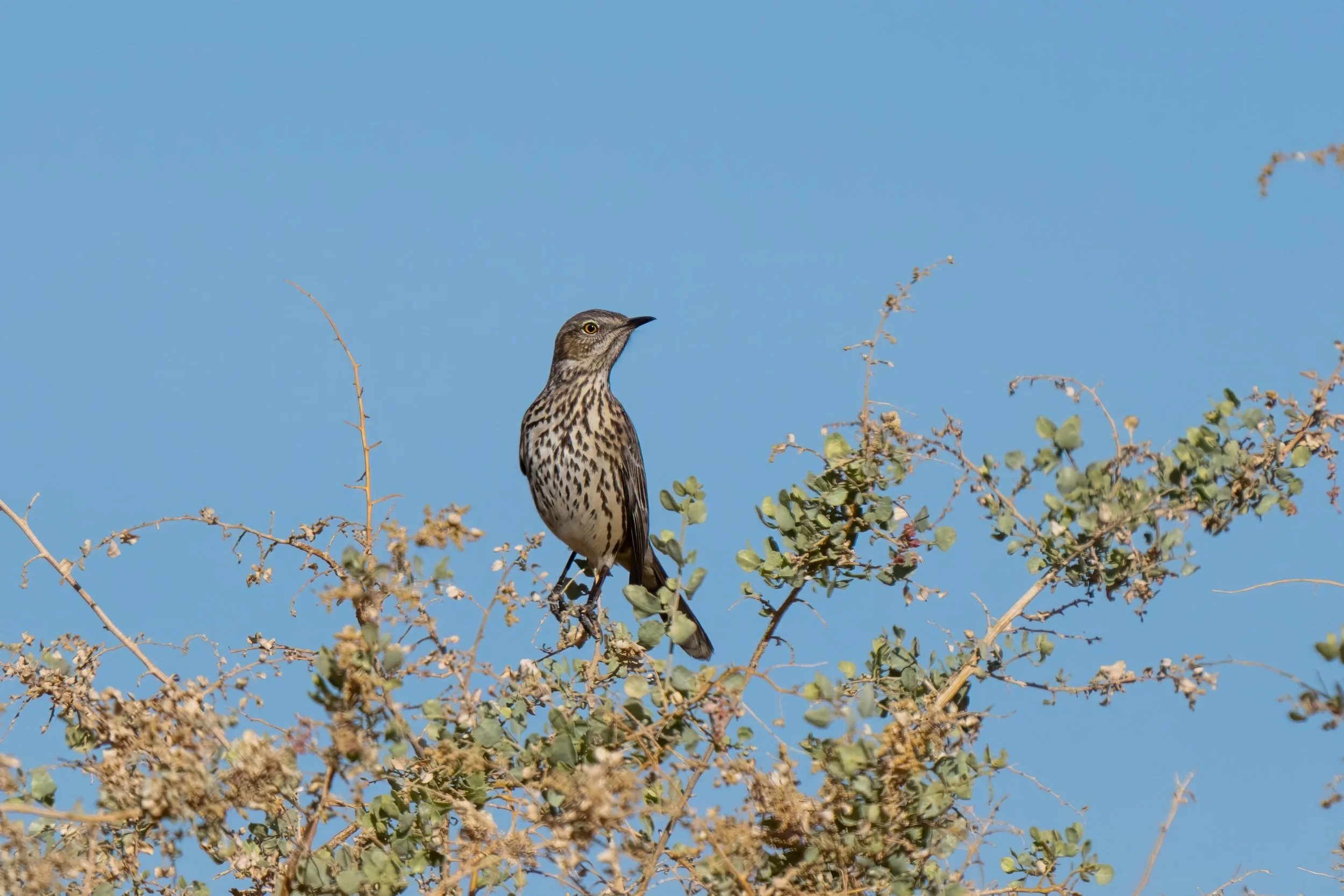
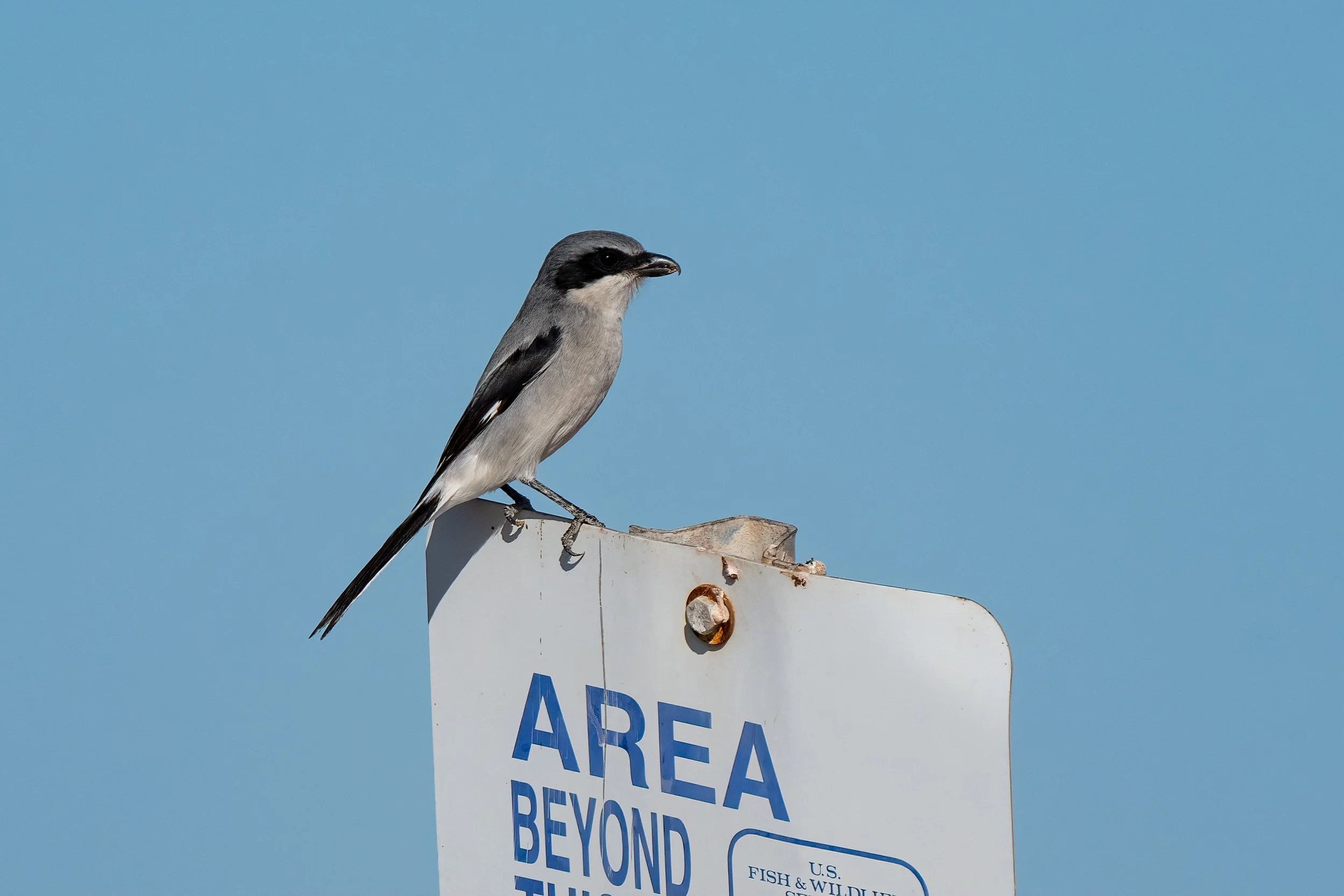
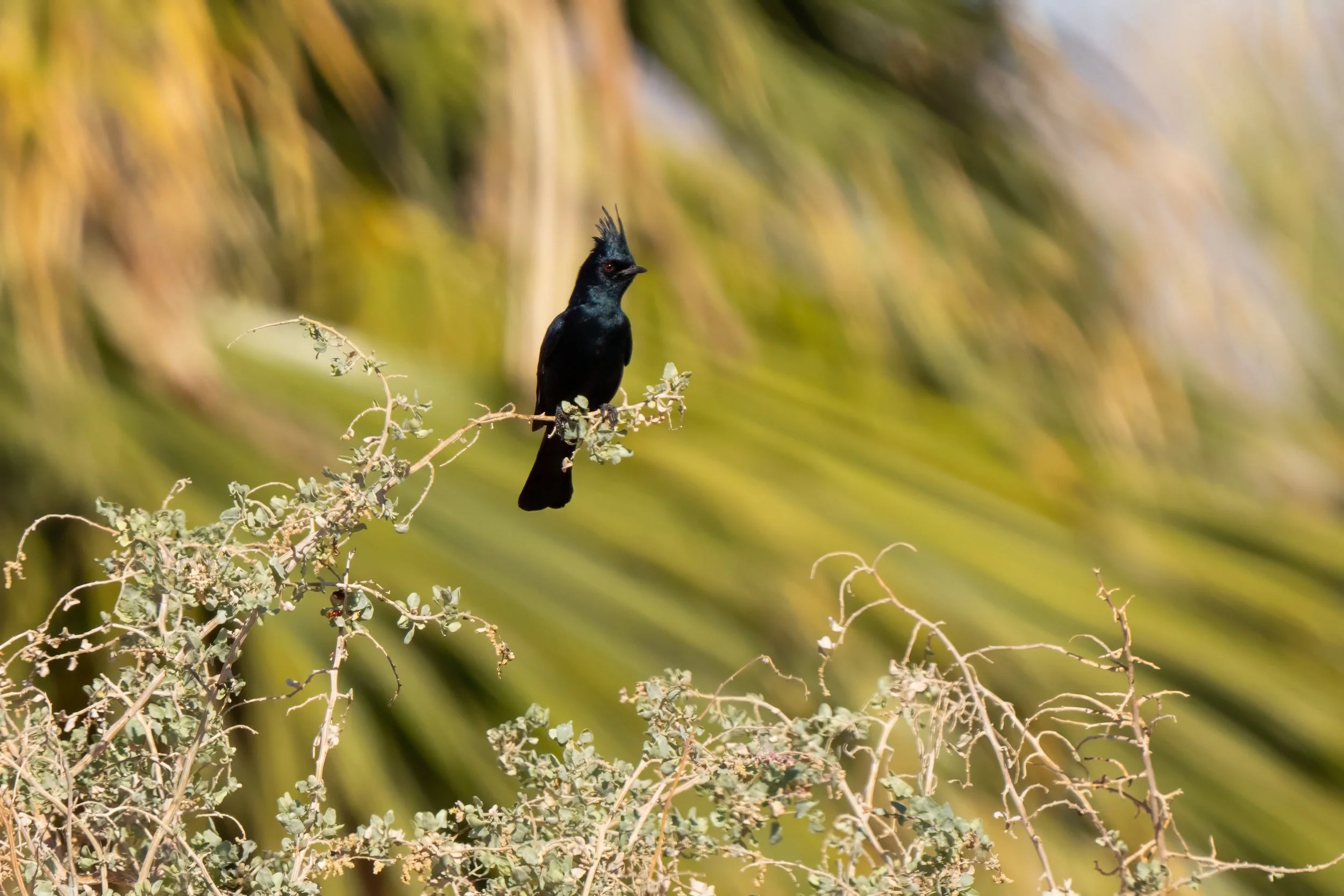
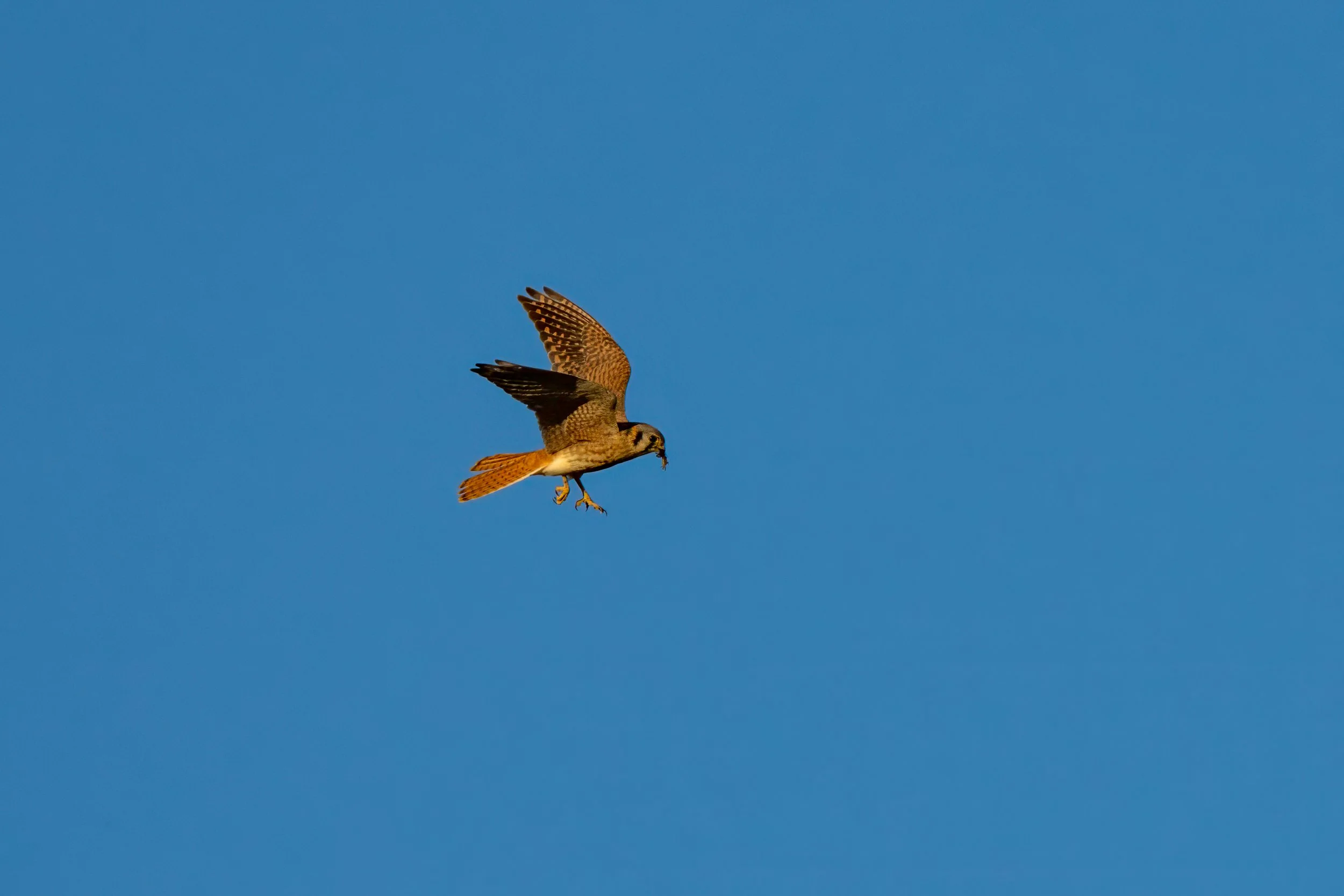
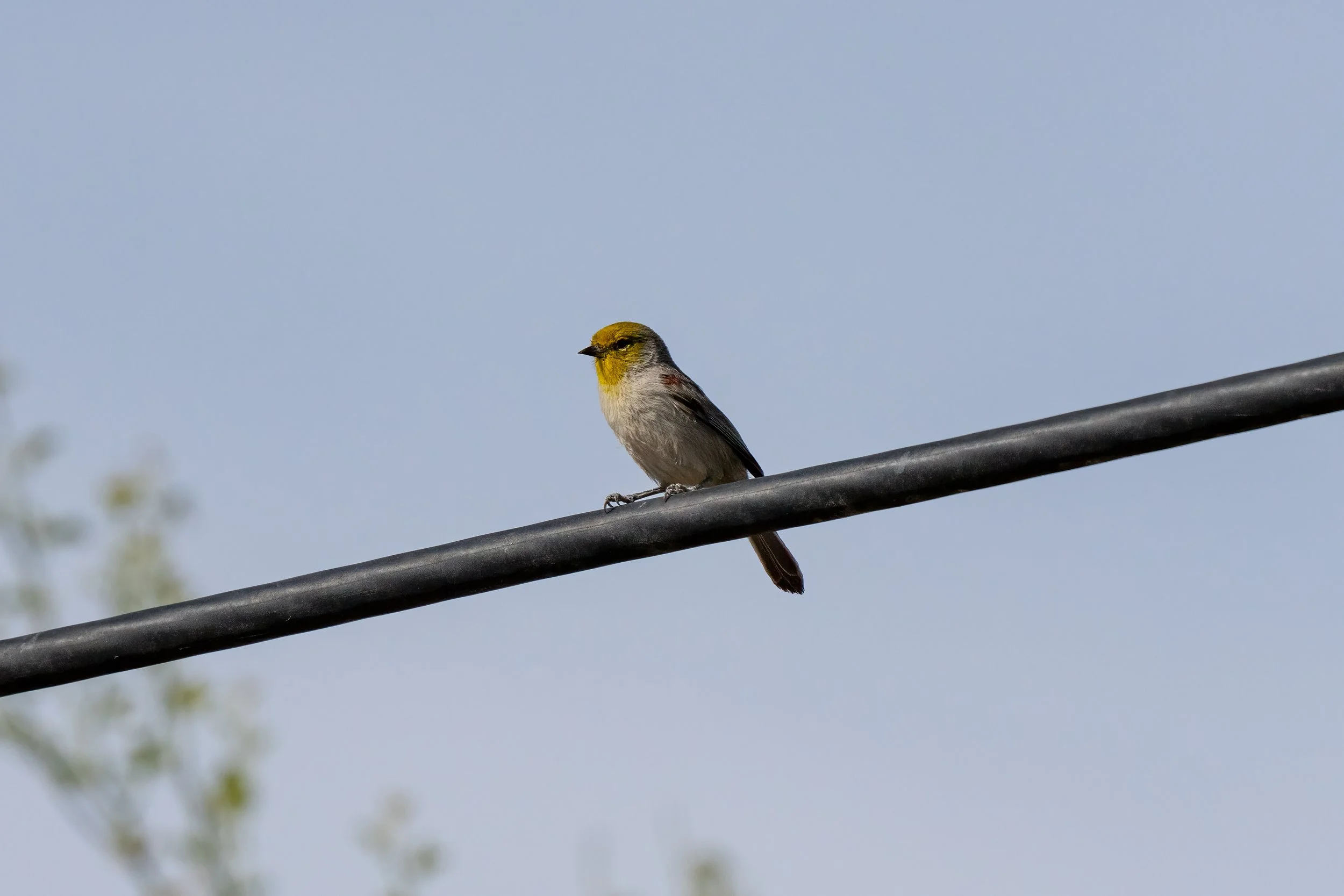
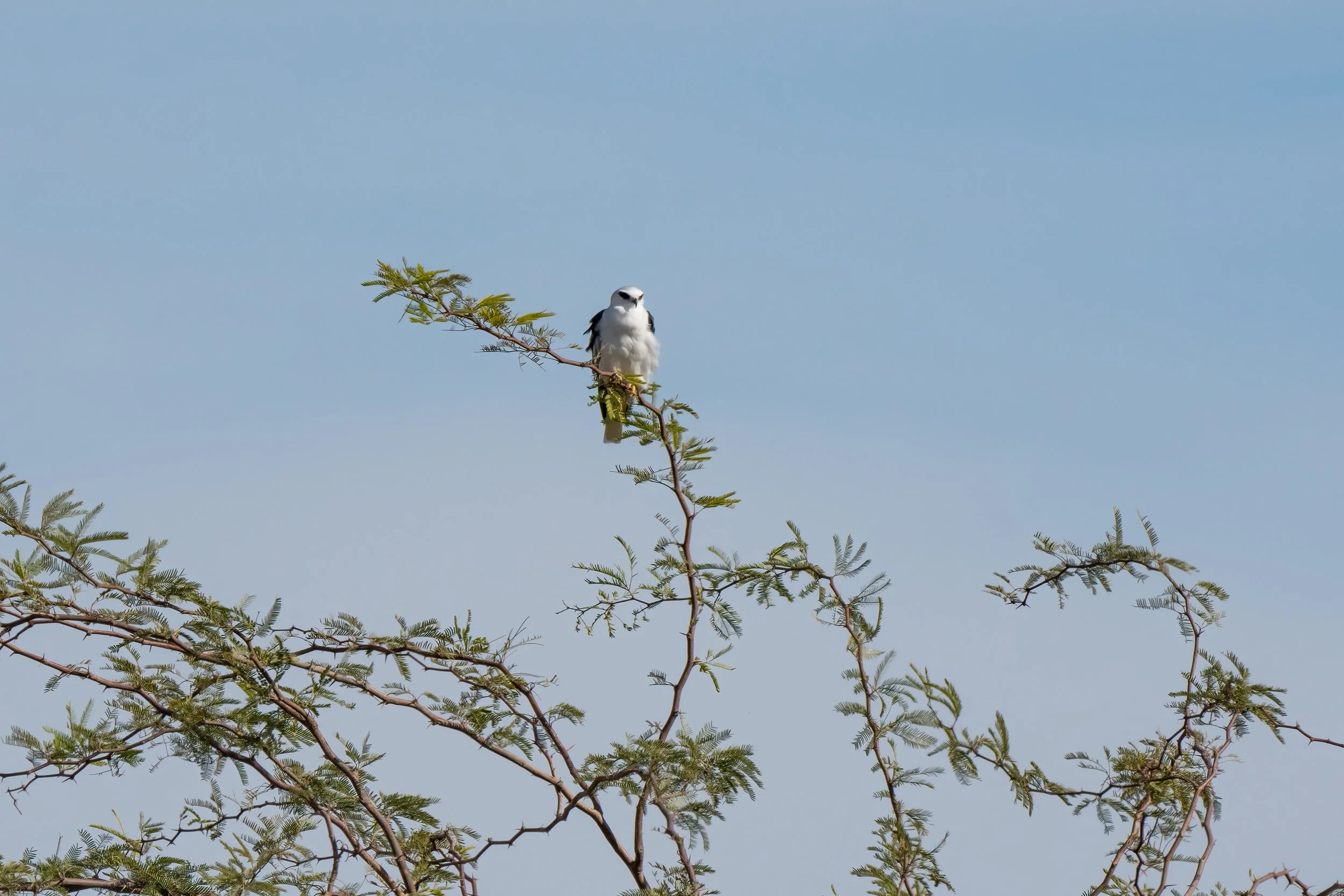
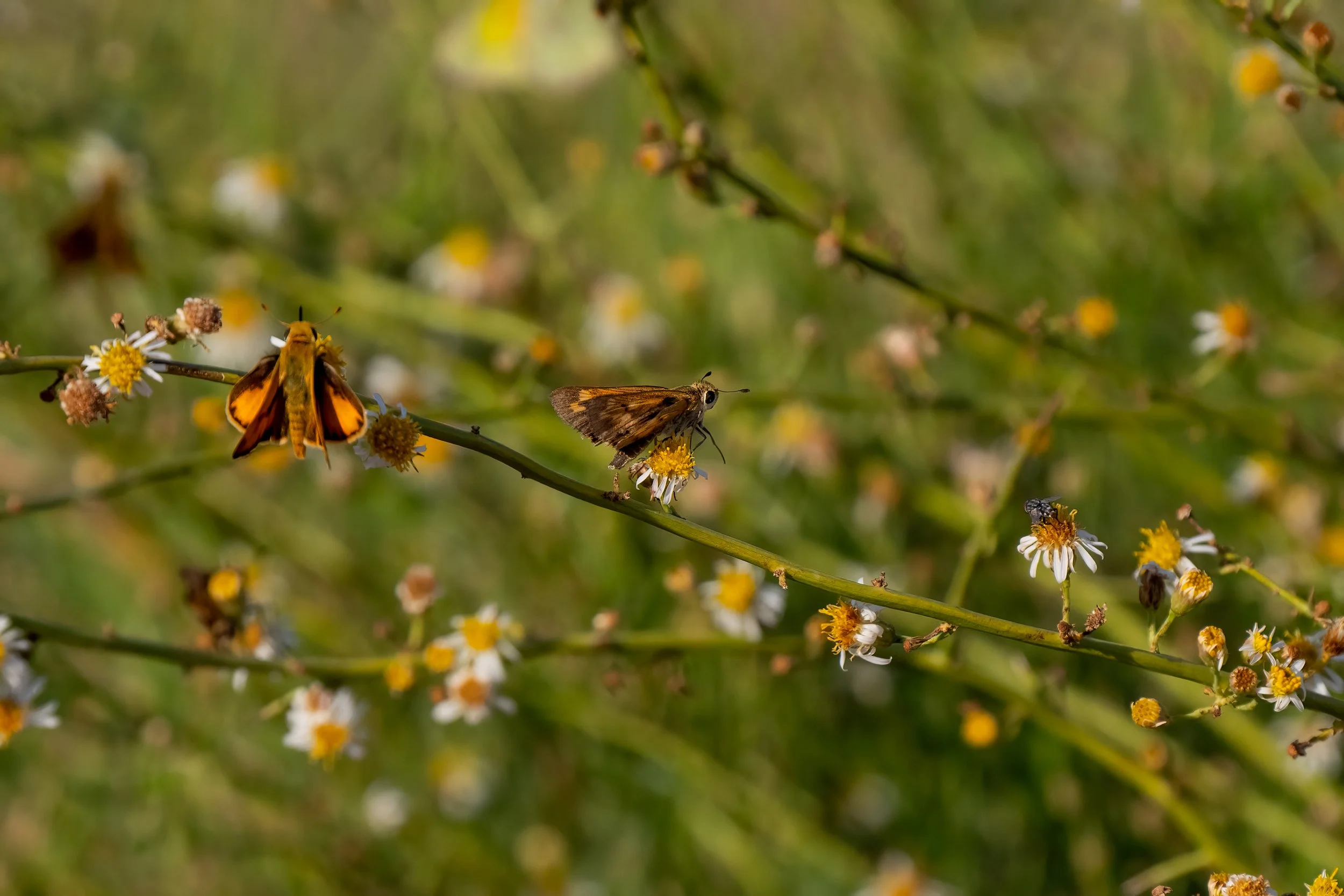
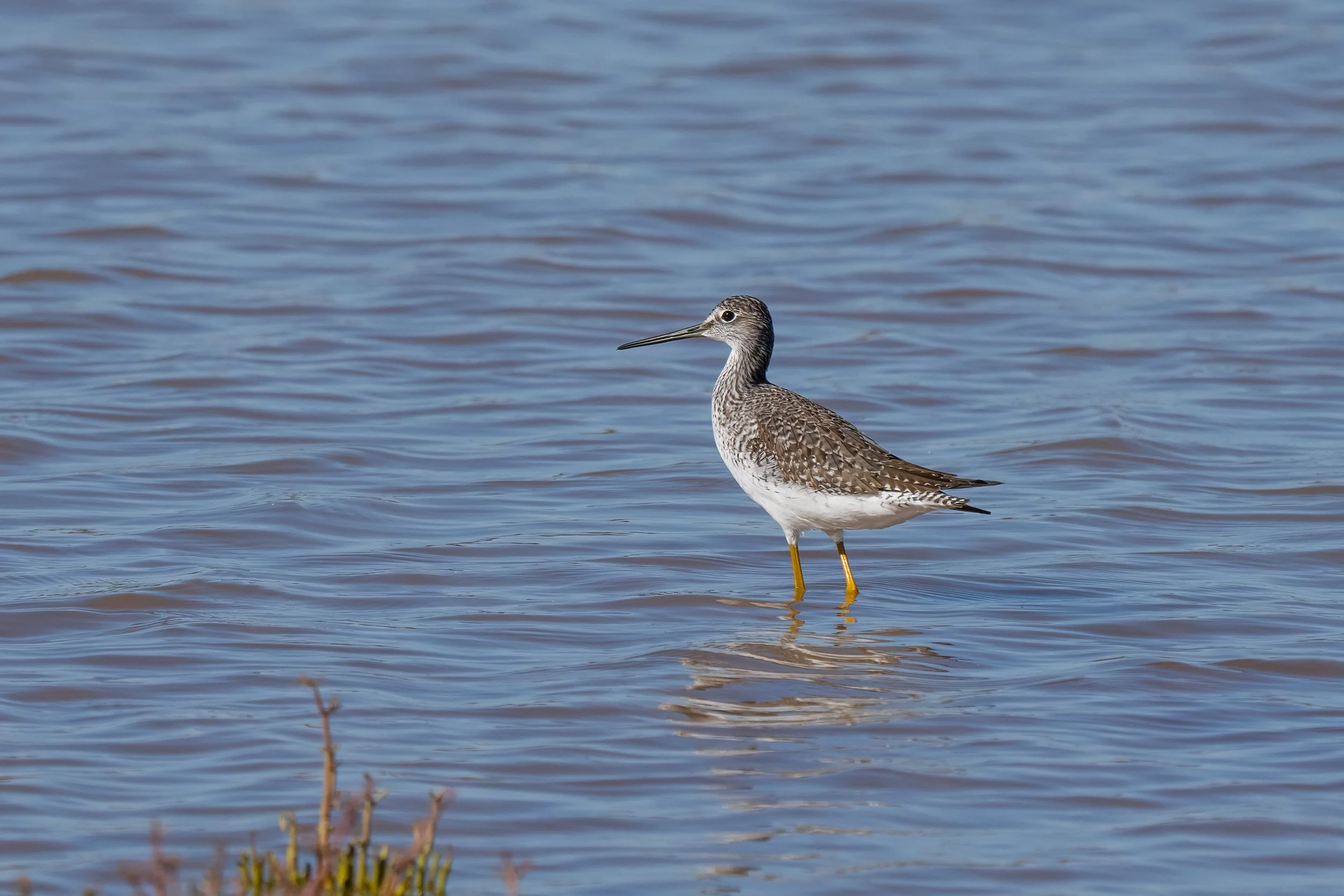
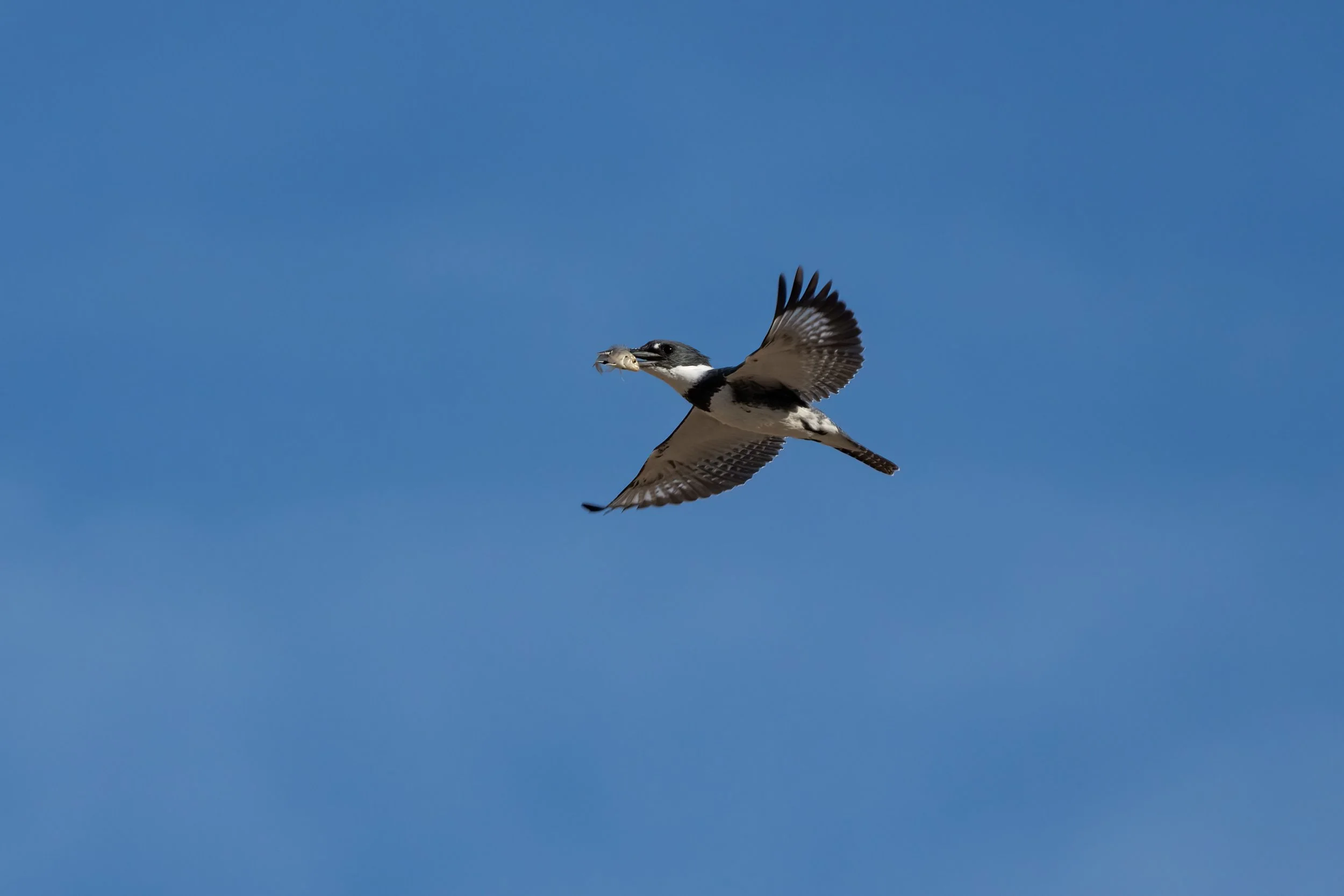
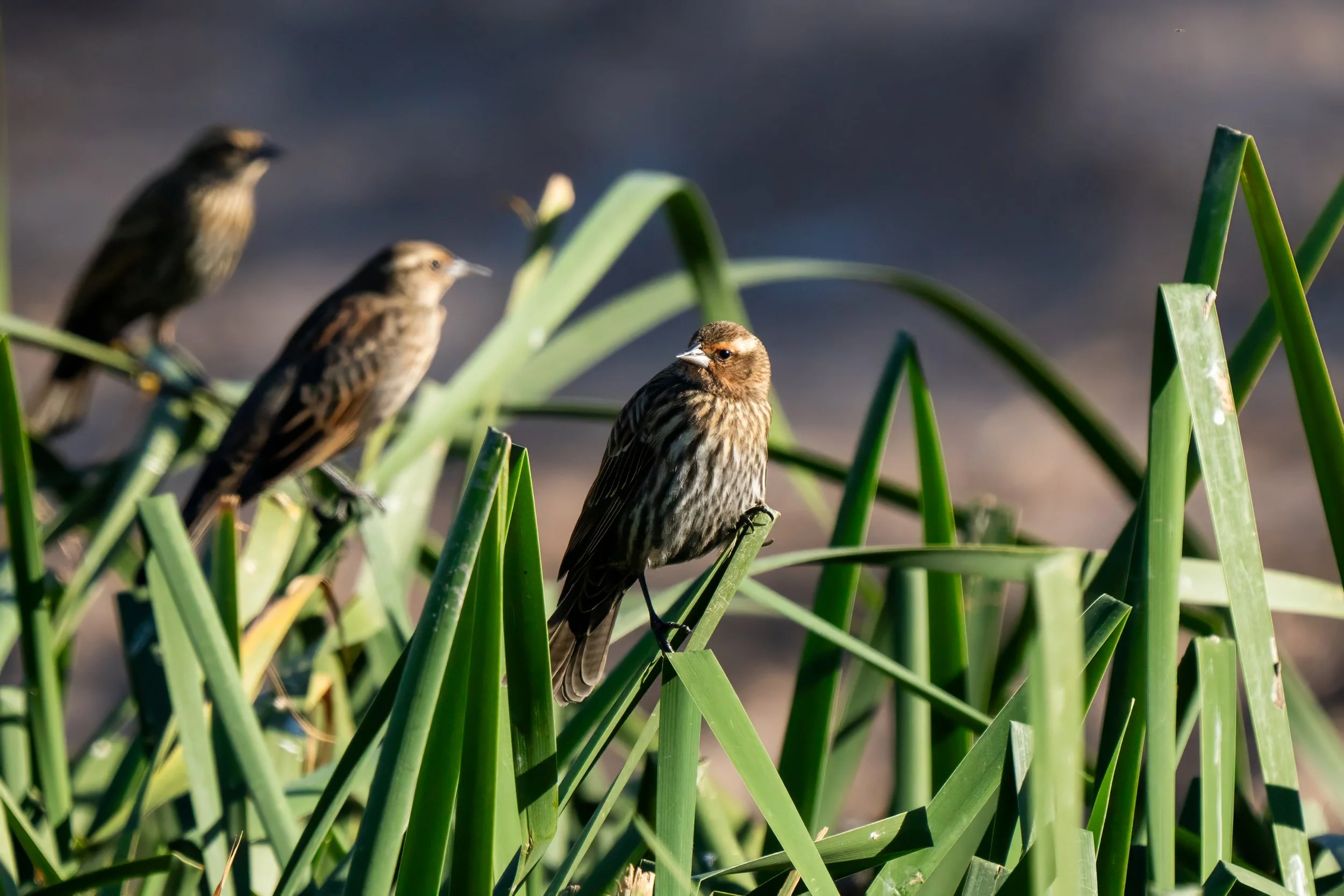
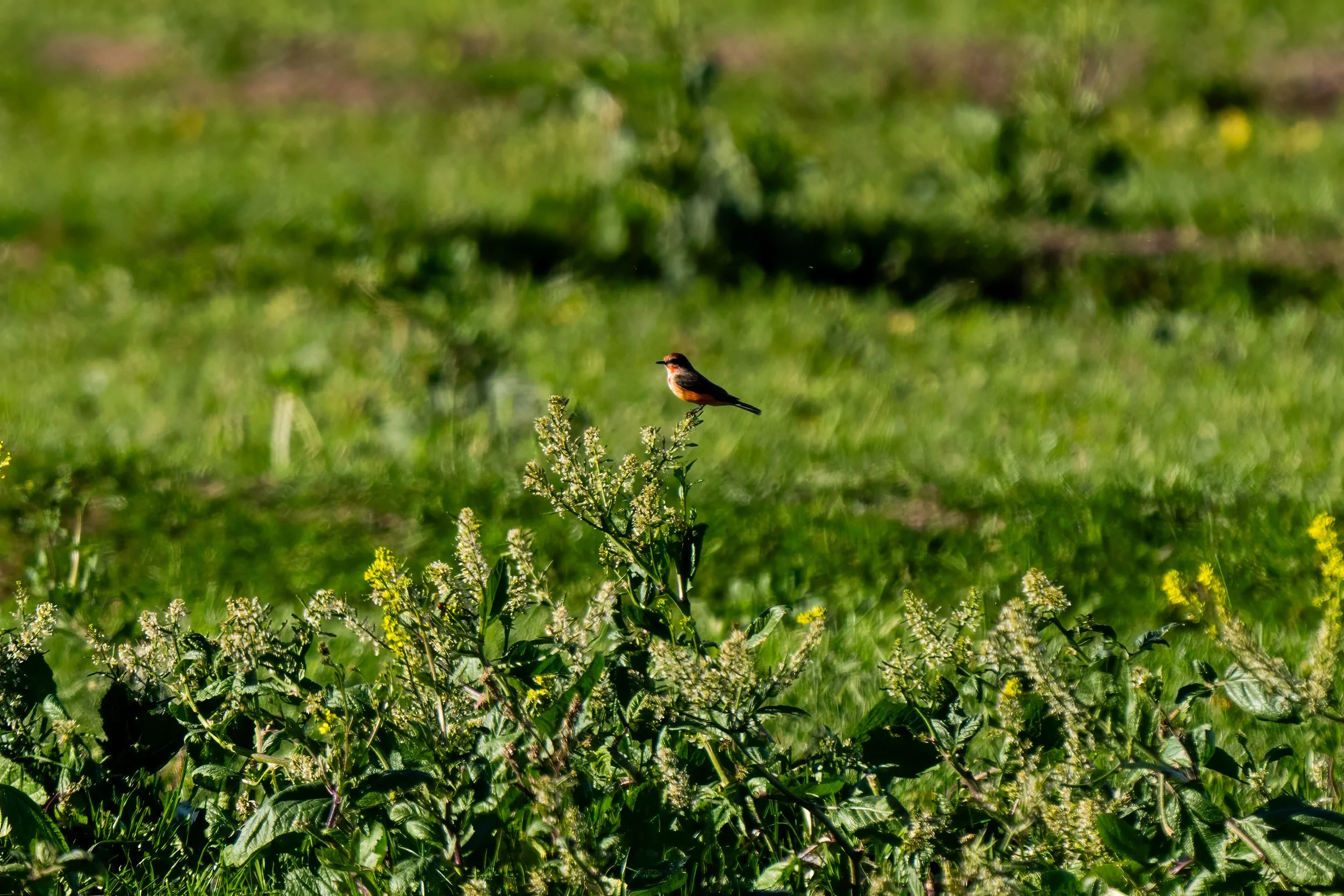
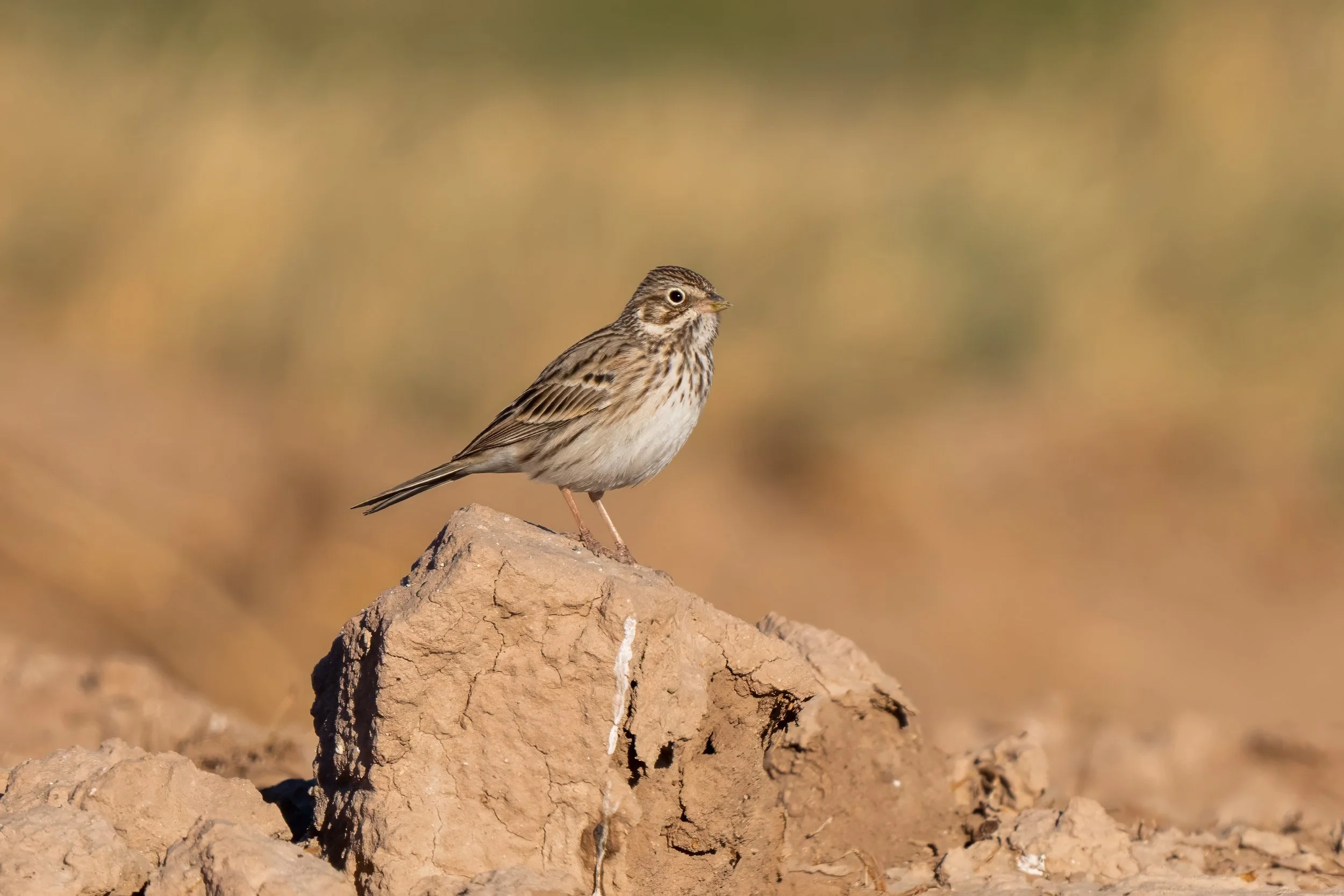
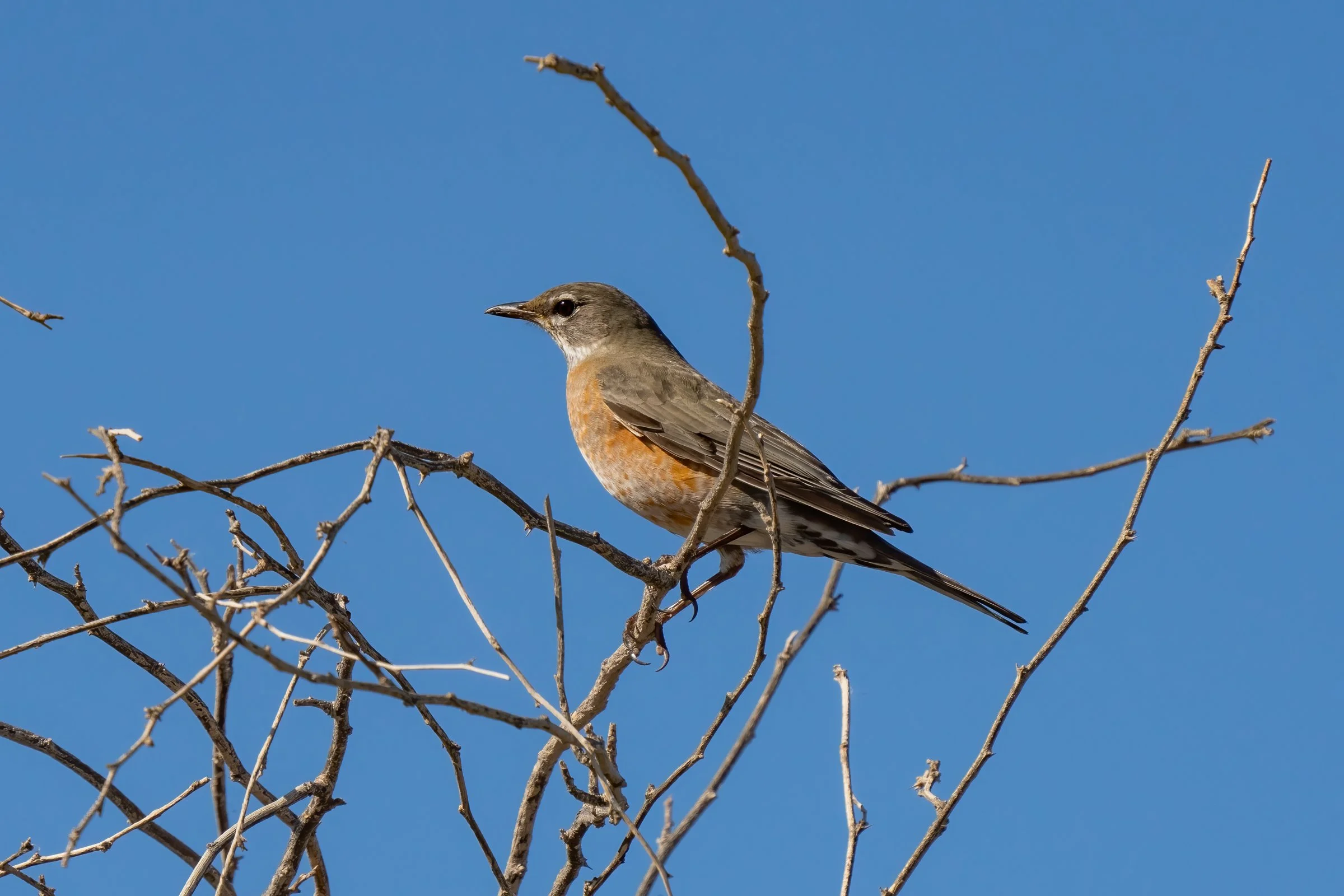
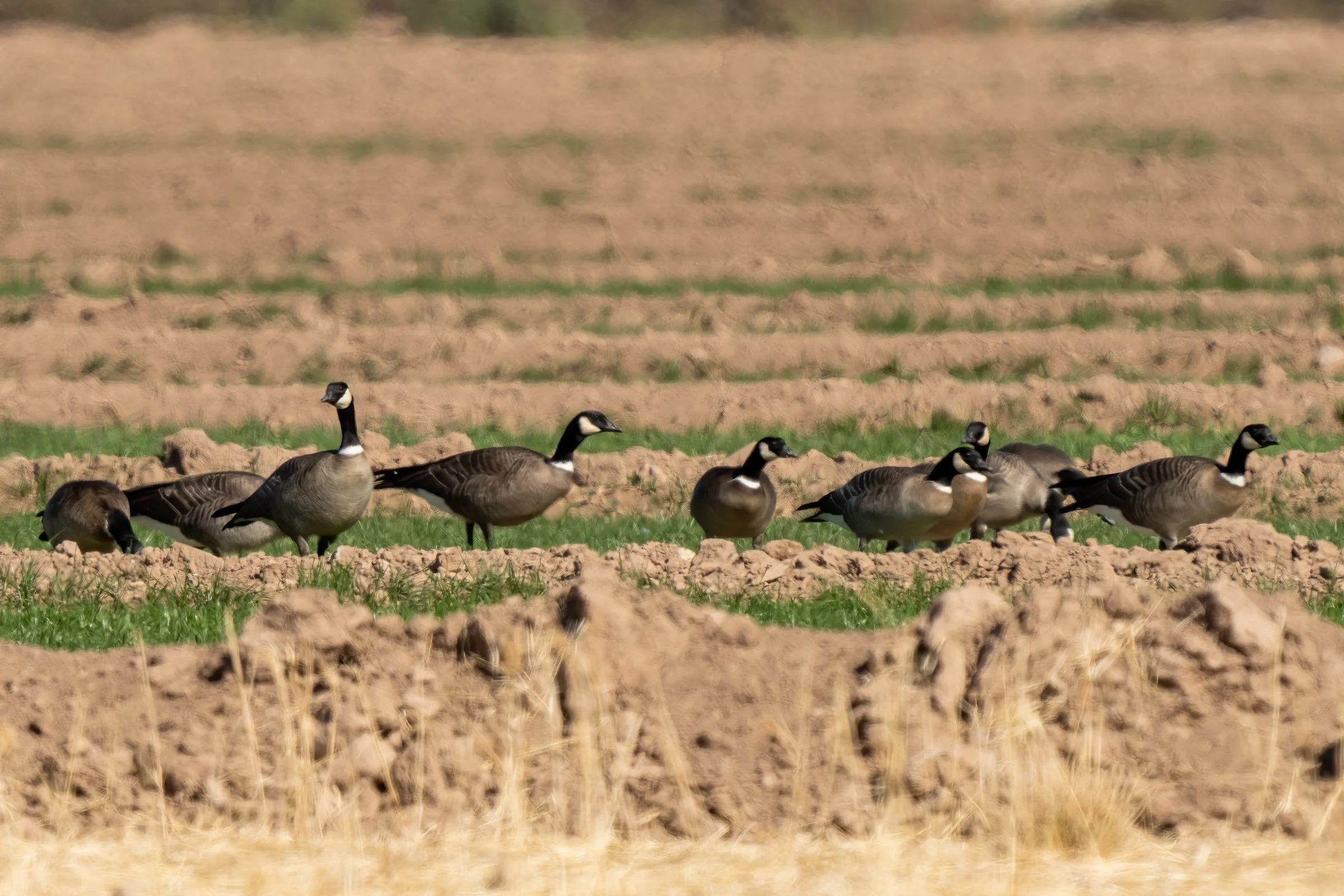
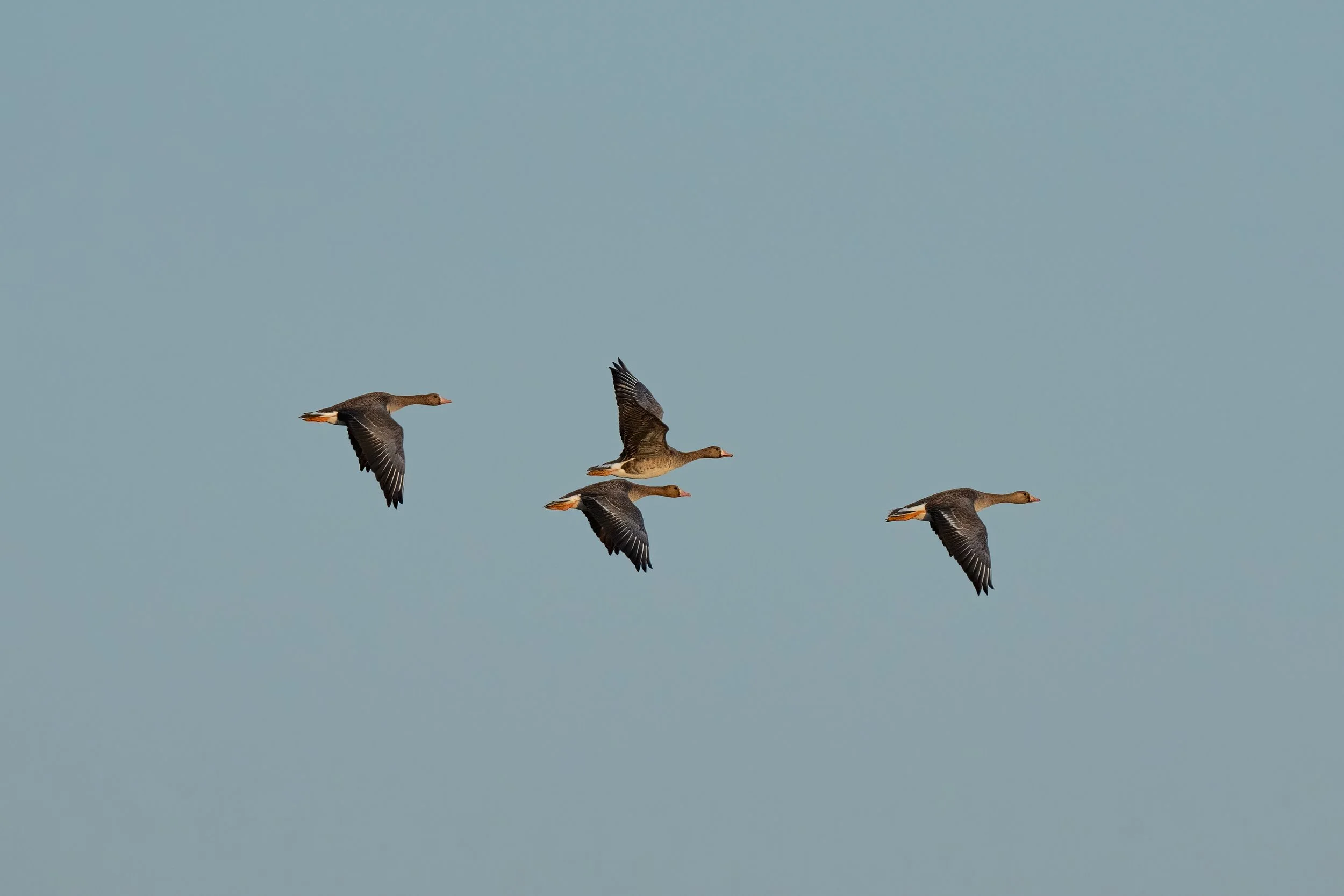
Other Birds of the Salton Sea
The Future of the Salton Sea
The conservation situation at the Salton Sea has been serious for decades, but 2025 has brought the most meaningful progress the site has ever seen. The centerpiece of current efforts is the Species Conservation Habitat Project, the flagship initiative of California's Salton Sea Management Program, which is creating a network of ponds, nesting islands, and wetland habitat on the receding lakebed to support Pacific Flyway bird species and suppress the toxic dust that has plagued surrounding communities.
The project has expanded from an initial 4,100 acres to more than 9,000 acres thanks to state and federal investment. On May 22, 2025, state officials began filling the East Pond Expansion, bringing the total restored habitat to over 2,000 acres with additional ponds currently in design. The longer term goal is habitat restoration and dust suppression across nearly 30,000 acres of exposed lakebed.
For the birds, the communities, and the Pacific Flyway, water flowing into newly built habitat at the Salton Sea is something genuinely worth celebrating after a very long wait.
Sources: California Salton Sea Management Program, California Natural Resources Agency, Audubon California