Desert Birding at Big Morongo Canyon Preserve

After driving Highway 62 toward Joshua Tree National Park as many times as we have, we had passed the signs for Big Morongo Canyon Preserve and Sand to Snow National Monument without stopping. Once I started birding, places like this began catching my attention. A small preserve with shady trails, reliable water, and plenty of birds was more than enough reason to pull off the highway.
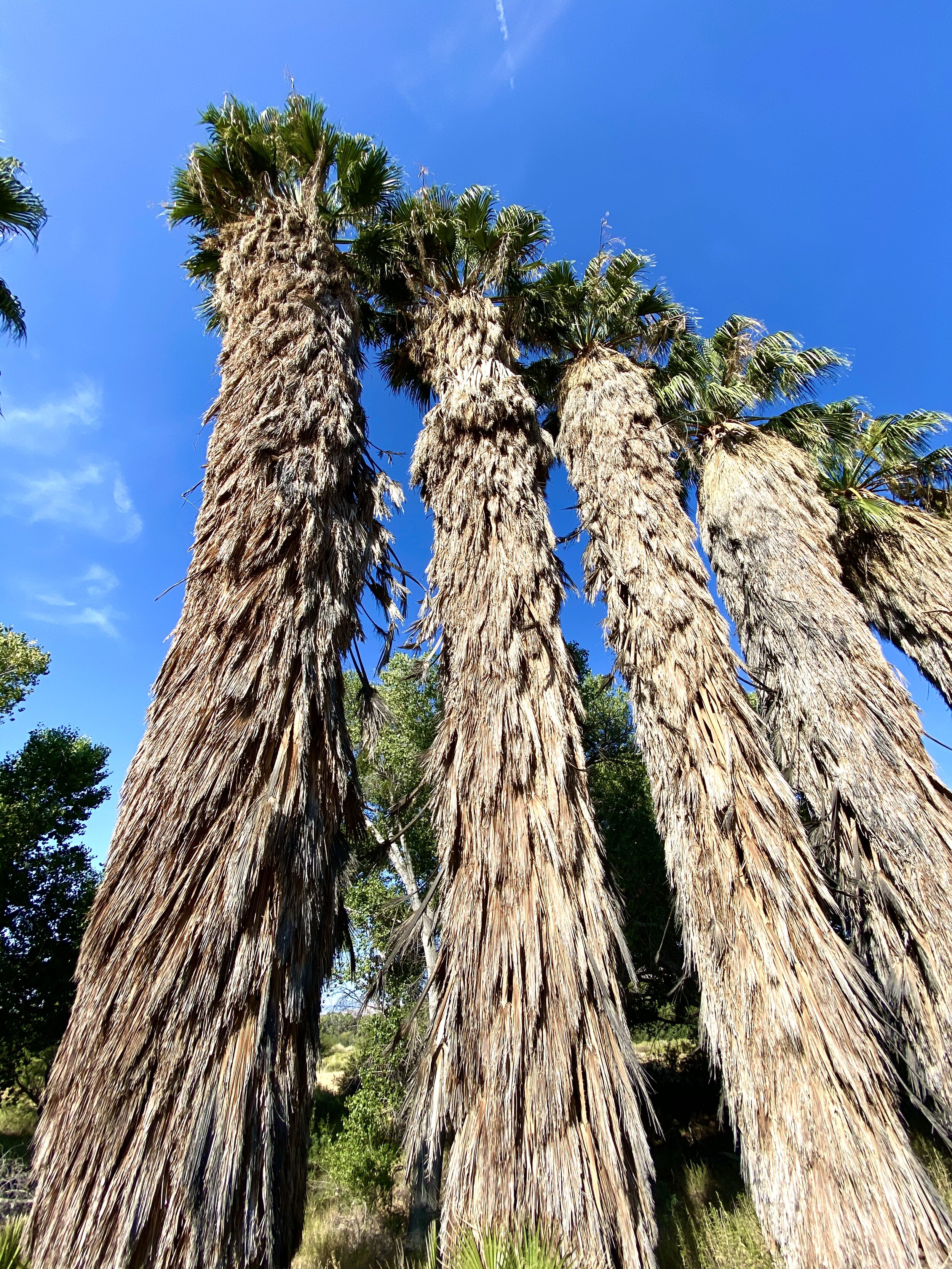
On our way to camp at Indian Cove in late September, we finally stopped at Big Morongo Canyon Preserve to see if any fall migrants were moving through. The morning became much warmer than we expected, but we still found a few fun birds and enjoyed an easy walk beneath the cottonwoods, willows, and mesquite.
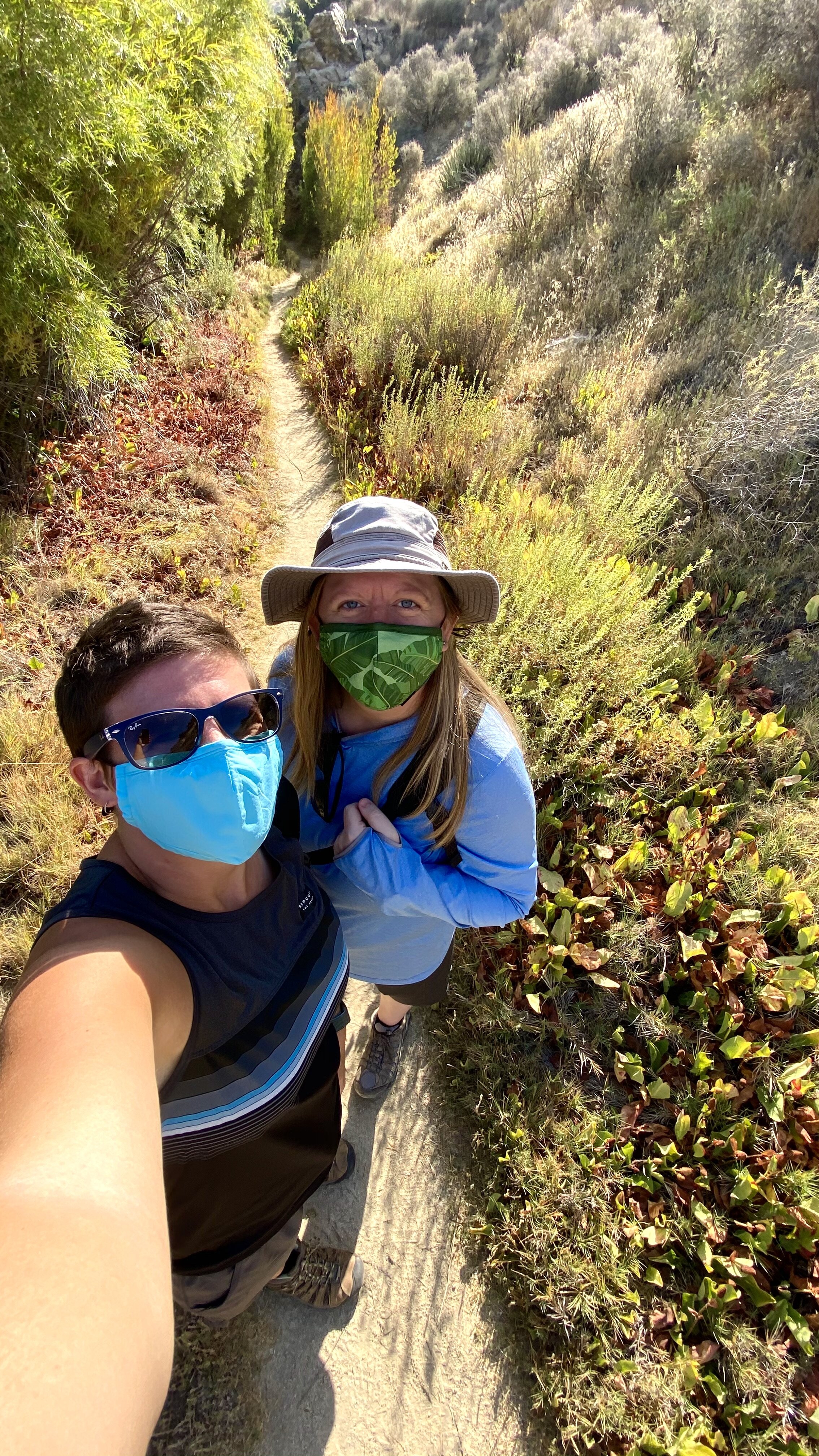
At the time of our visit, the preserve had temporarily made its trails one-way to help with traffic flow during COVID-19. We arrived around 9:30 a.m. on a Sunday and found only about ten other cars in the parking lot, so the trails never felt crowded.
The information booth near the entrance was staffed by helpful hosts who explained the one-way route and answered questions about the preserve. Maps and brochures were also available, including information about the wildlife we might encounter along the trails.
Starting from the parking lot, we followed the boardwalk counterclockwise along the Marsh Trail. We continued onto the Mesquite Trail before reconnecting with the Marsh Trail for the return to the parking lot.
Our route covered about 1.25 miles and took us around an hour, including plenty of pauses to watch birds. Most of the walk passed through dense vegetation, where the trees provided welcome shade as the temperature climbed. The Yucca Ridge and Desert Willow trails extend into more open desert terrain, with considerably less protection from the sun.


During our short time on the trails, we saw a nice variety of birds and had one much less anticipated encounter with a snake.
We were walking along the boardwalk when a California striped racer suddenly came up from the vegetation and slipped across in front of us. We are never especially thrilled to encounter snakes, but this one seemed equally unhappy to see us. It paused just long enough to look back before shooting into the brush on the other side.
California Striped Racer
By then, the temperature had already climbed into the high 80s and was continuing to rise. The birds seemed quieter as the morning warmed, but we still caught glimpses of movement among the branches and leaves. Even without a major migration fallout, the contrast between the dry surrounding desert and this dense ribbon of green made the preserve an interesting place to explore.


Our first visit was brief, but it was easy to see why Big Morongo Canyon Preserve is such a well-known birding destination. The permanent water and riparian habitat provide food, shade, and shelter for resident birds as well as migrants passing through the desert.
We left wanting to return in cooler weather, when we could spend more time listening and watching along the shaded trails. This little desert oasis had been sitting just off our usual route to Joshua Tree all along, and now we had another reason to stop whenever we passed through Morongo Valley.
Planning a Visit
This post describes our visit when temporary one-way trail rules were in place during COVID-19. Trail conditions and access have changed since then, so check the official Big Morongo Canyon Preserve website and current trail information before visiting.
The preserve is open daily from 7:30 a.m. to sunset. Admission is free, although donations are welcomed. The Marsh Trail includes an accessible boardwalk through the riparian habitat, and dogs are not permitted anywhere in the preserve.