Wild Water and Albatrosses: A Pelagic Trip to the Farallon Islands
As the California coastline slowly disappeared behind us, I realized this pelagic trip was going to be unlike any I'd taken before. The Pacific was in no mood to make things easy. I had dreamed of taking a pelagic trip to the Farallon Islands for years, and it somehow exceeded every expectation while being one of the more frightening pelagic trips I’d ever been on.
Pelagic birding simply means heading offshore to look for birds that spend most of their lives far from land.
There is a particular kind of optimism that gets you onto a pelagic boat before dawn. You have read the trip reports, you know what might be out there, and you have decided that whatever the ocean decides to do on the day is a reasonable price to pay for what you might find. That optimism gets tested fairly quickly when the fog is thick, visibility is low, and the boat is working through a short-spaced wind swell that won't allow much forward speed. It was bumpy, dark, and honestly, barfy. Somehow, it usually ends up being worth it.
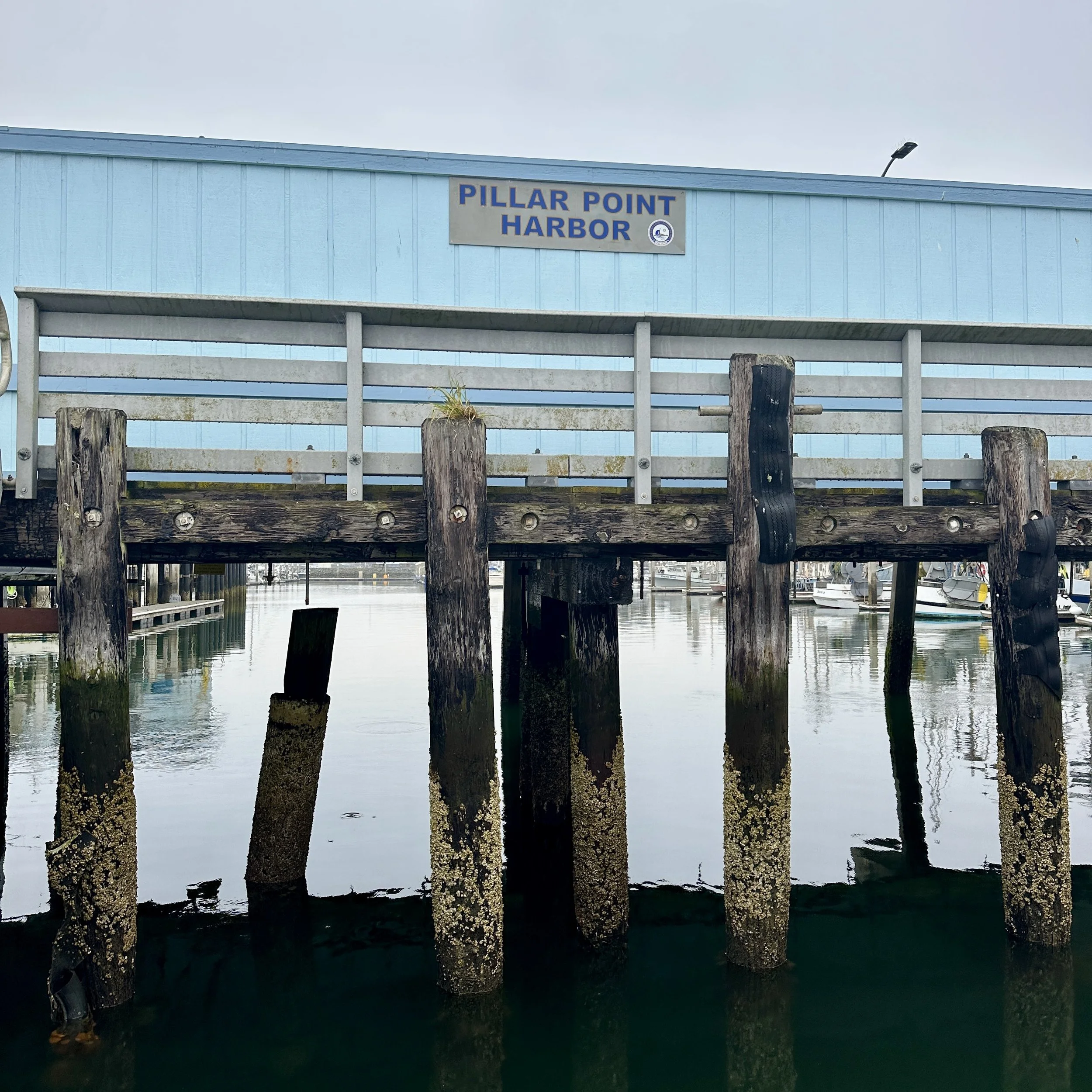
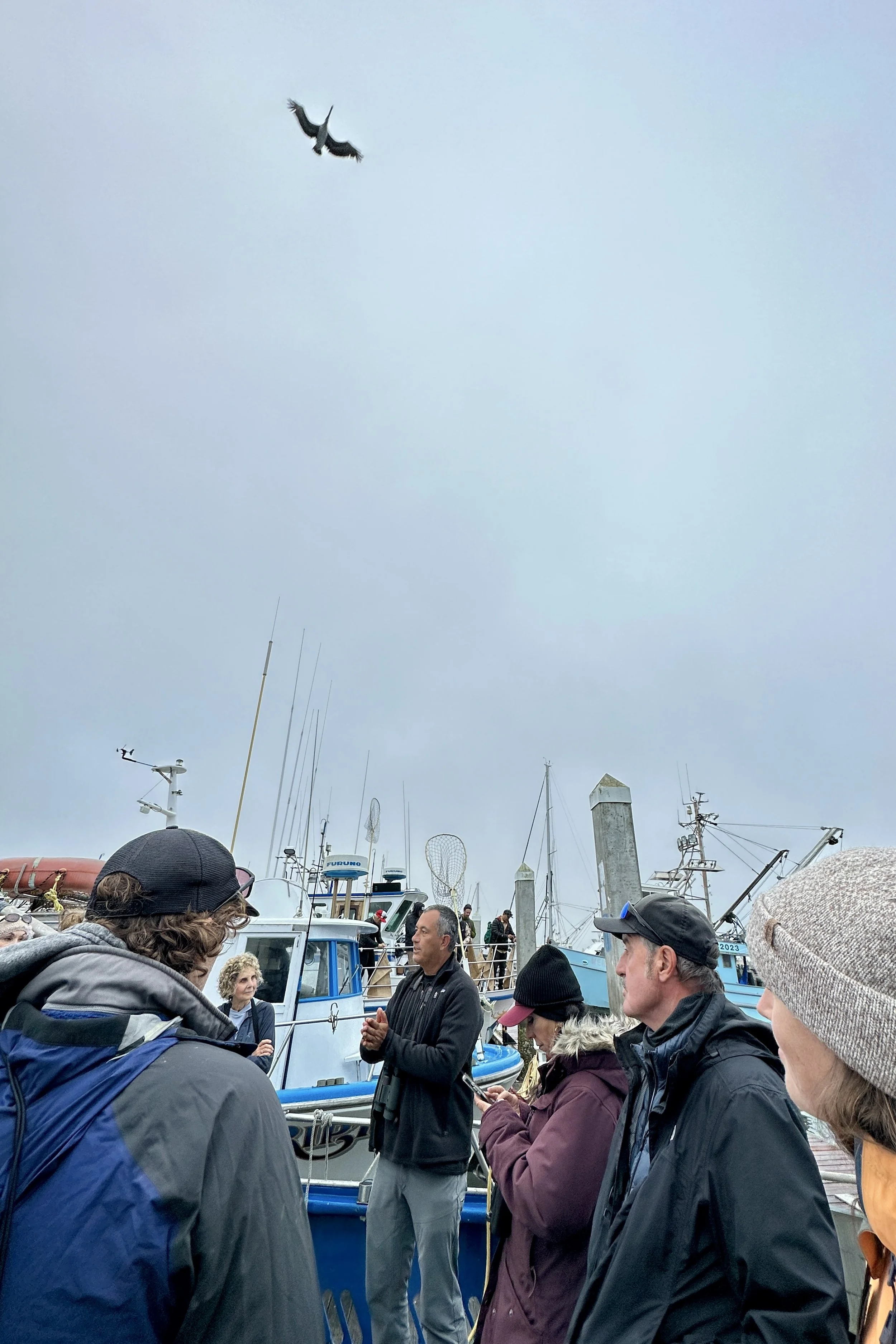
The conditions on departure were marginal. Fog sat heavy over Pillar Point Harbor and the first hour of the crossing was slow, the short steep chop limiting how quickly the boat could move and making life uncomfortable for most people on board. Cameras stayed in bags. People stayed inside the tiny cabin. Gradually, though, the wind eased, the wave spacing opened up, and the boat began to move with more purpose toward the islands. Some of the swells made our boat feel impossibly small. It was quite a ride. By the time the South Farallons came into view, the conditions had improved slightly, and the relief on board was palpable.
The Farallon Islands
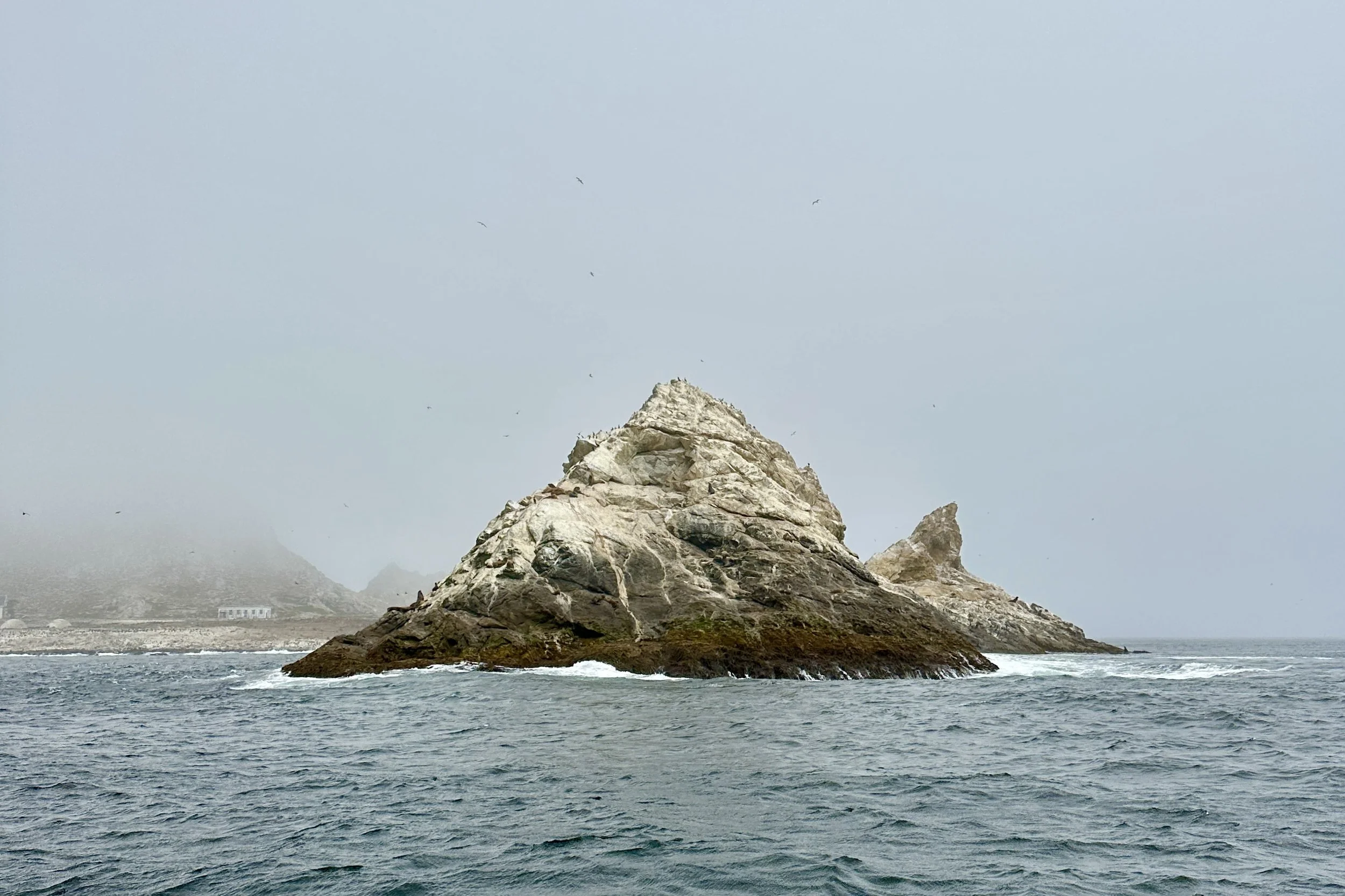
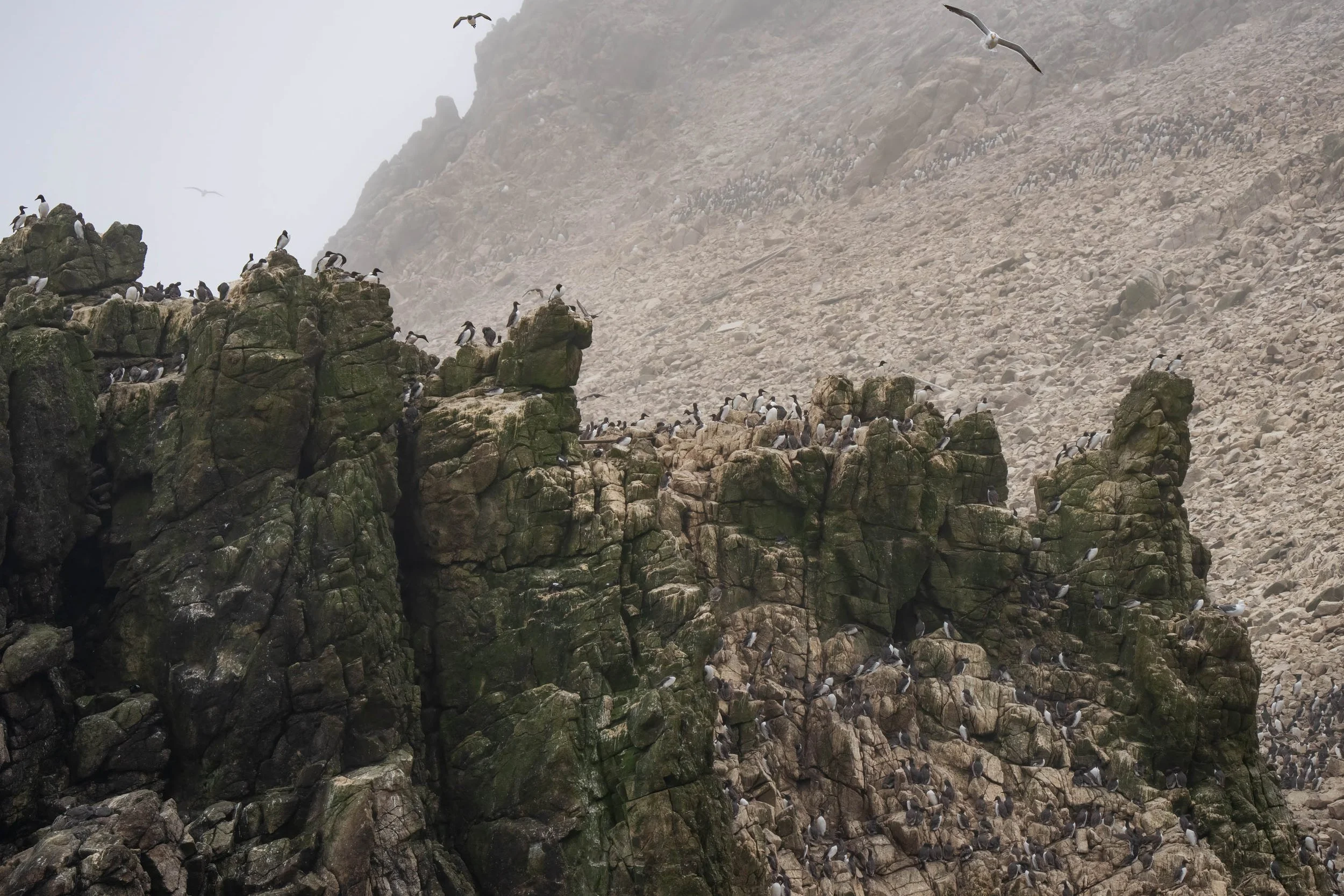
The South Farallon Islands sit 27 miles west of the Golden Gate, a cluster of rocky wind-scoured islets that rise abruptly from the Pacific and support one of the most significant seabird breeding colonies on the West Coast of North America. Managed as a National Wildlife Refuge and closed to the public, the boat view is the only view most people ever get, and on this visit the visibility at the islands was good enough to make the most of it. I'd seen photos of these colonies, but nothing prepares you for the sheer number of birds packed onto every ledge.
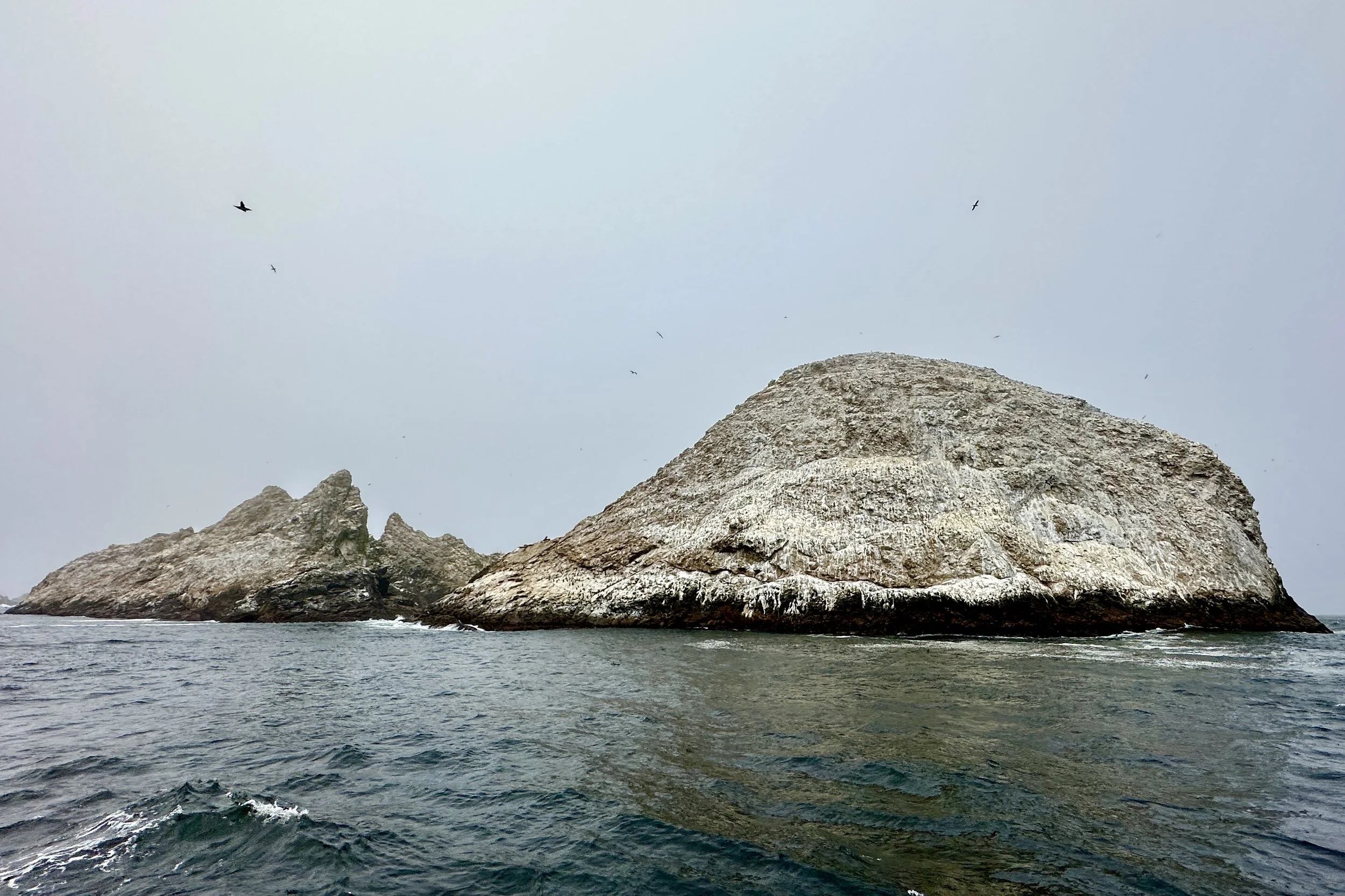
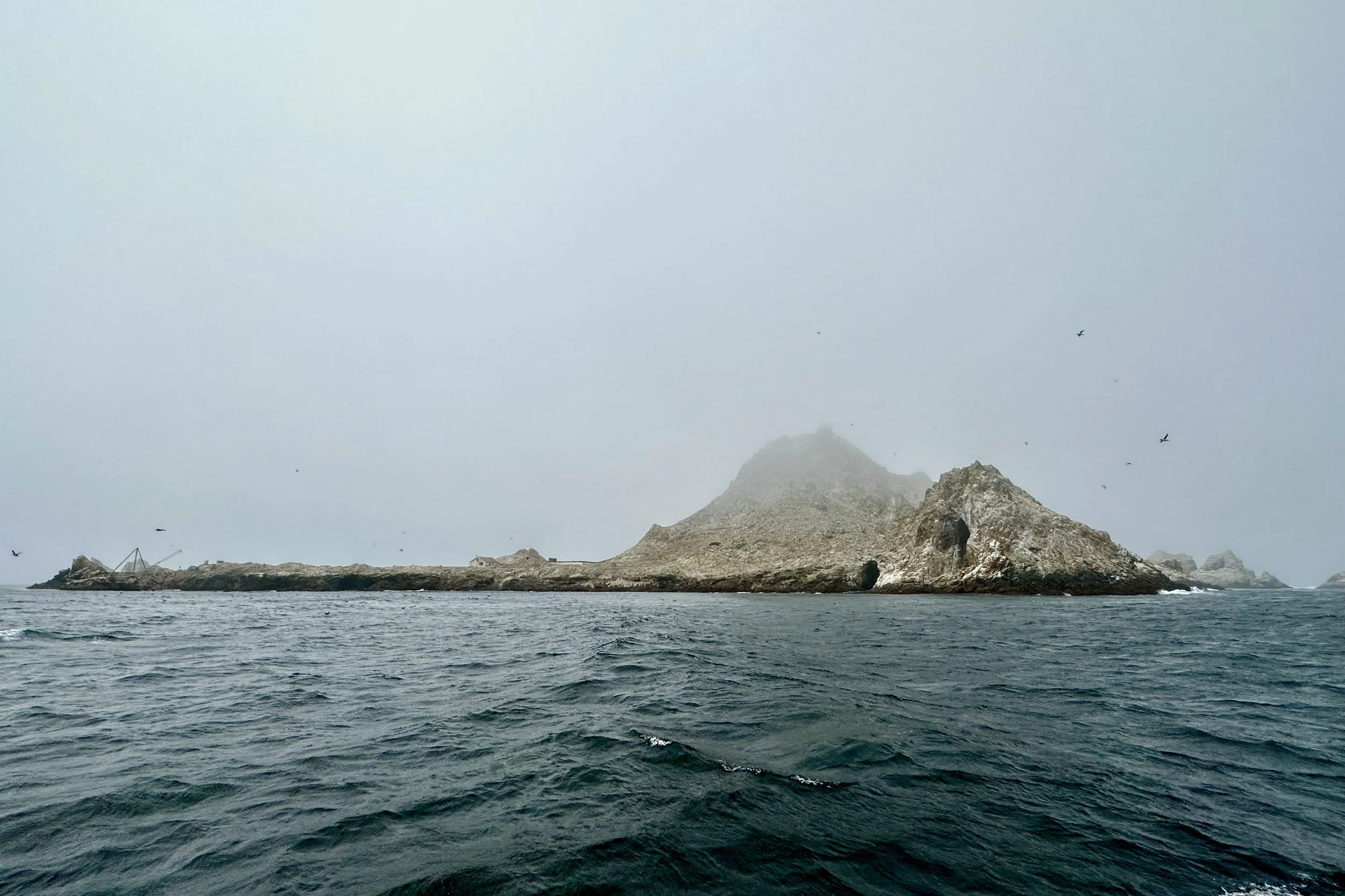
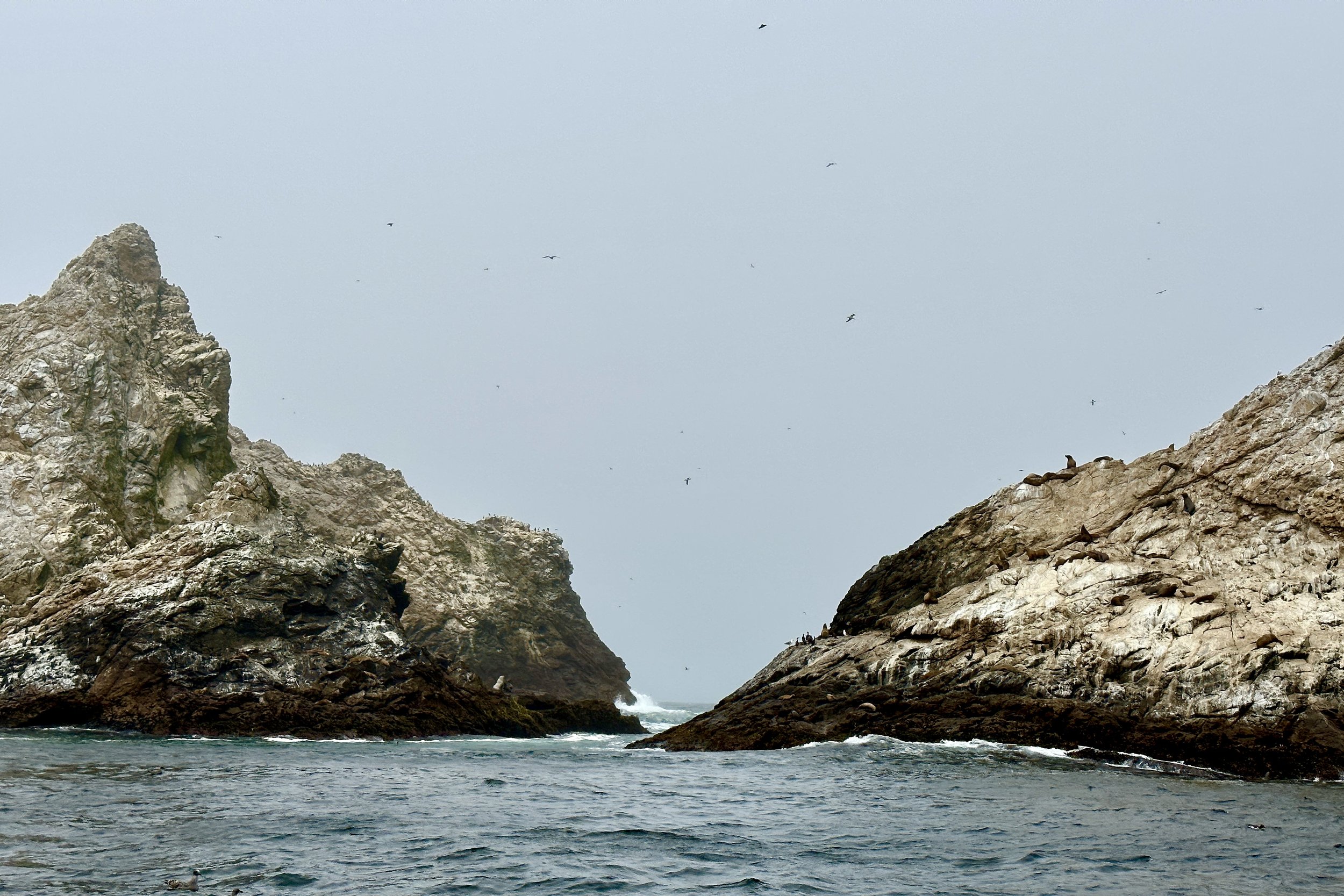
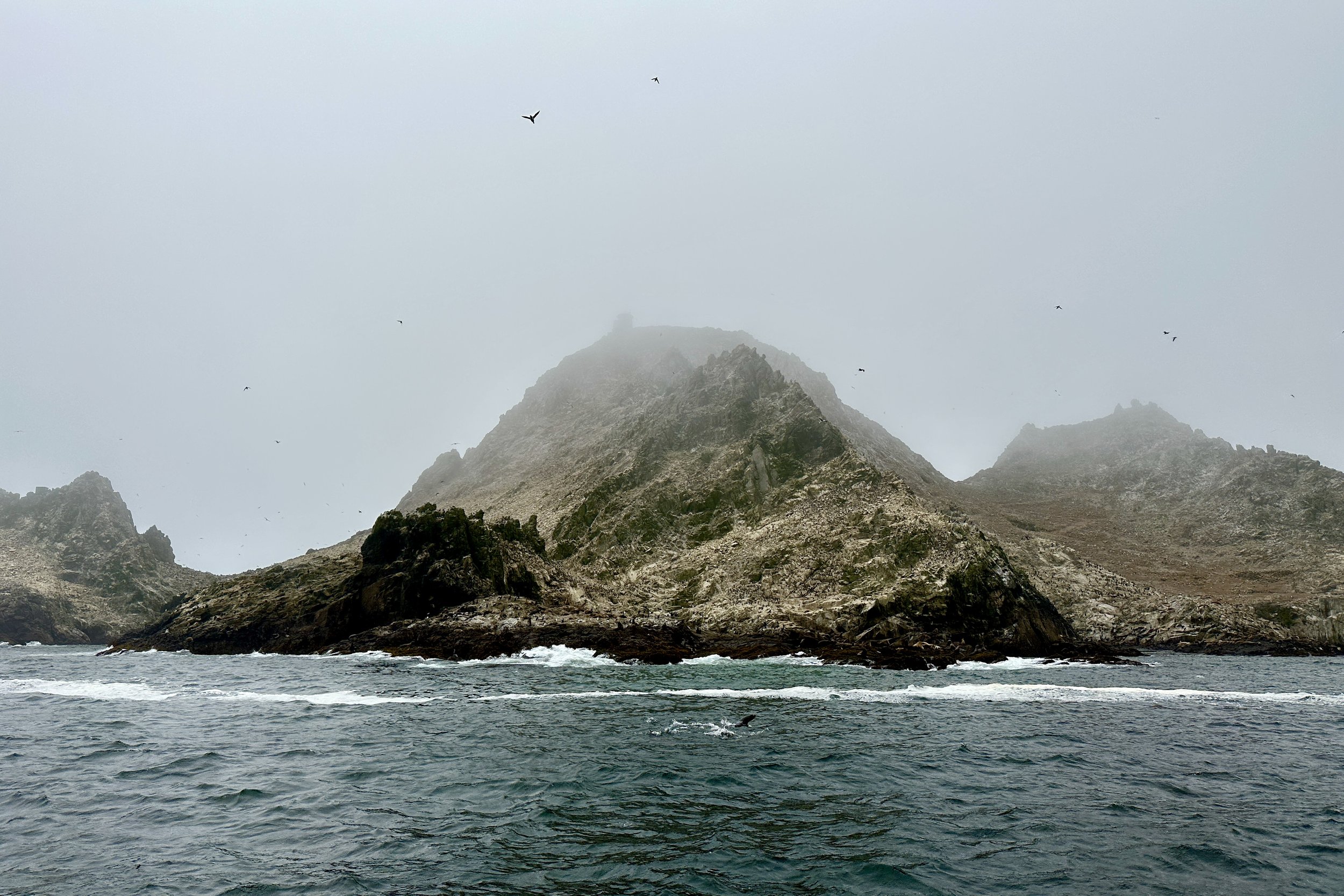
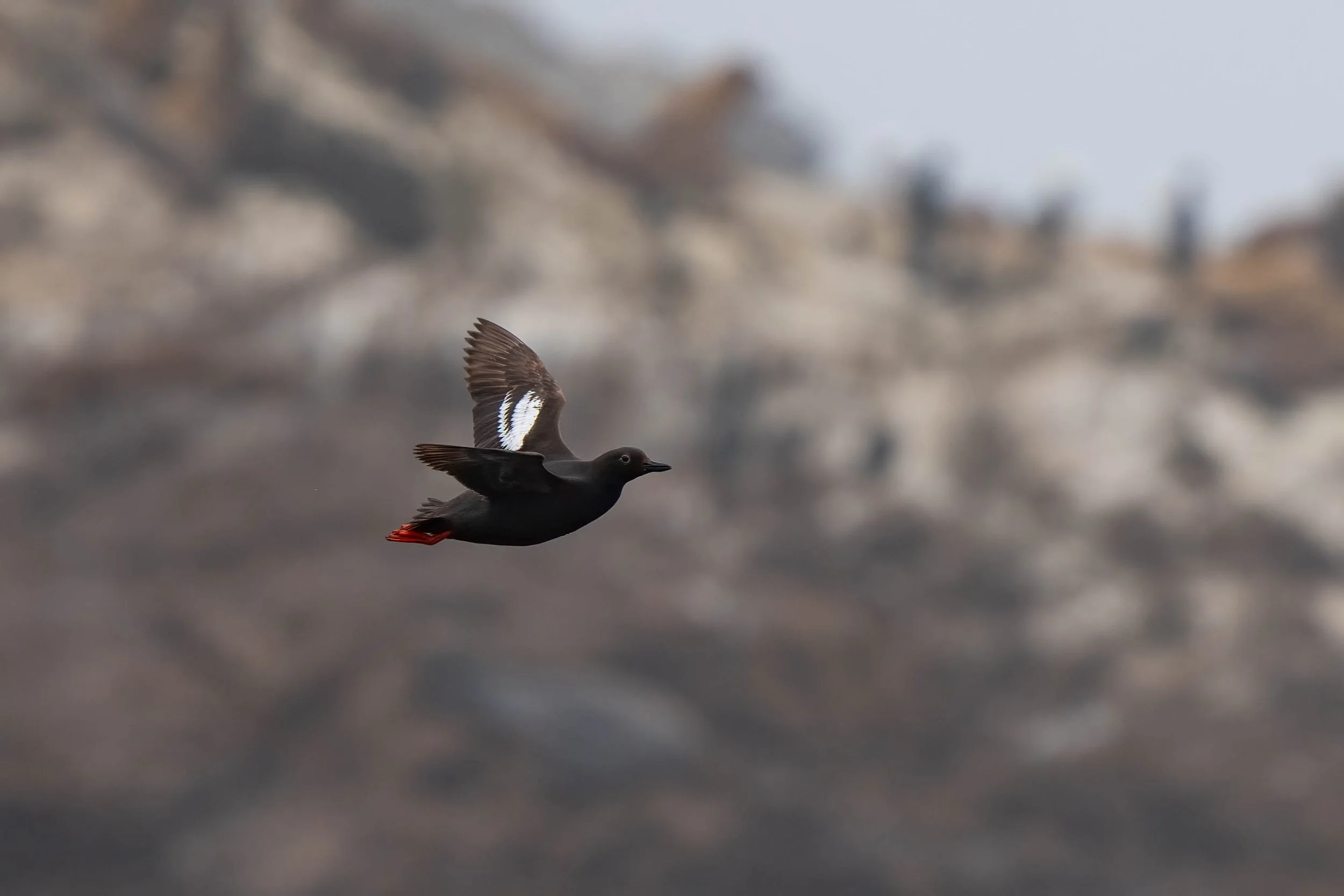
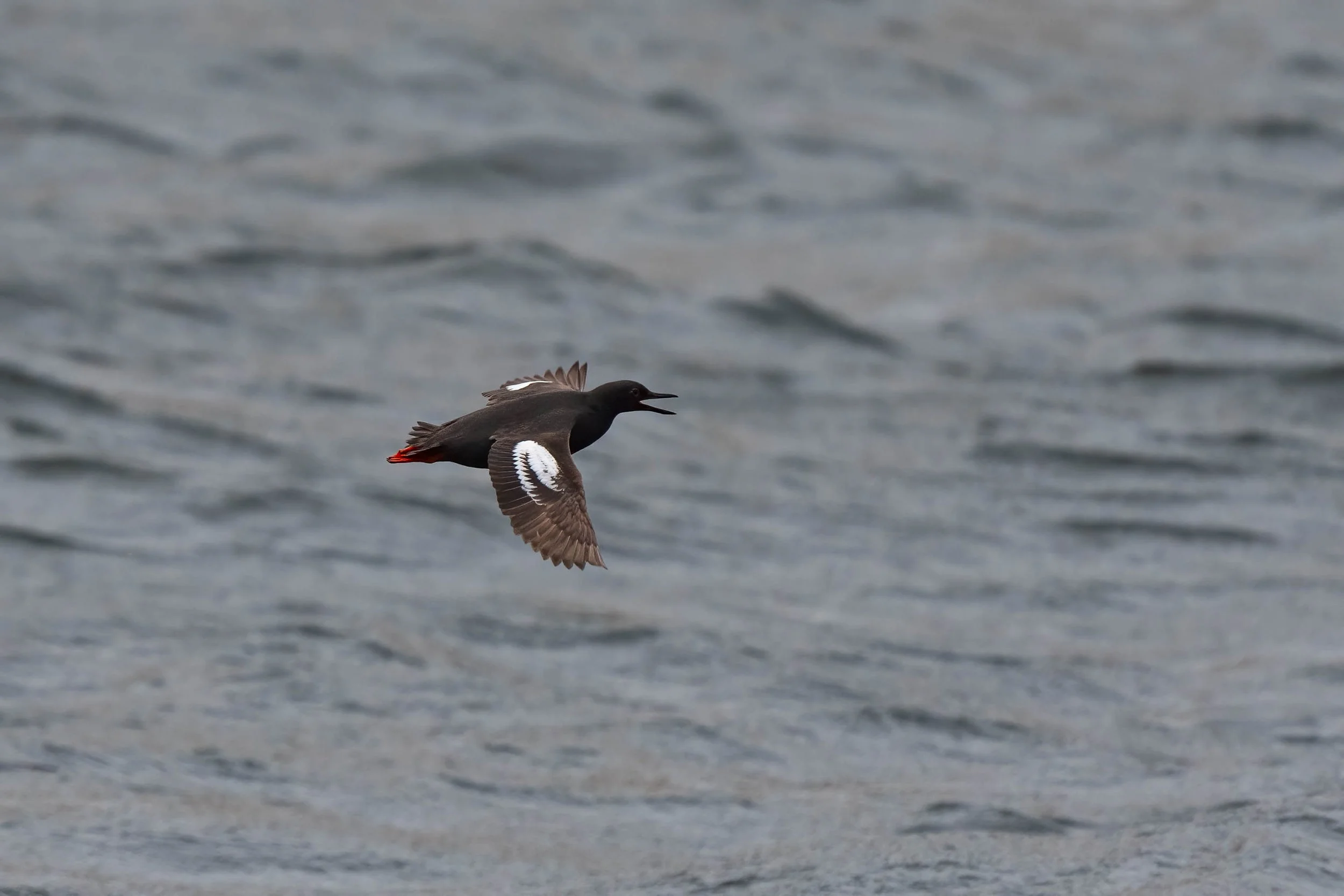
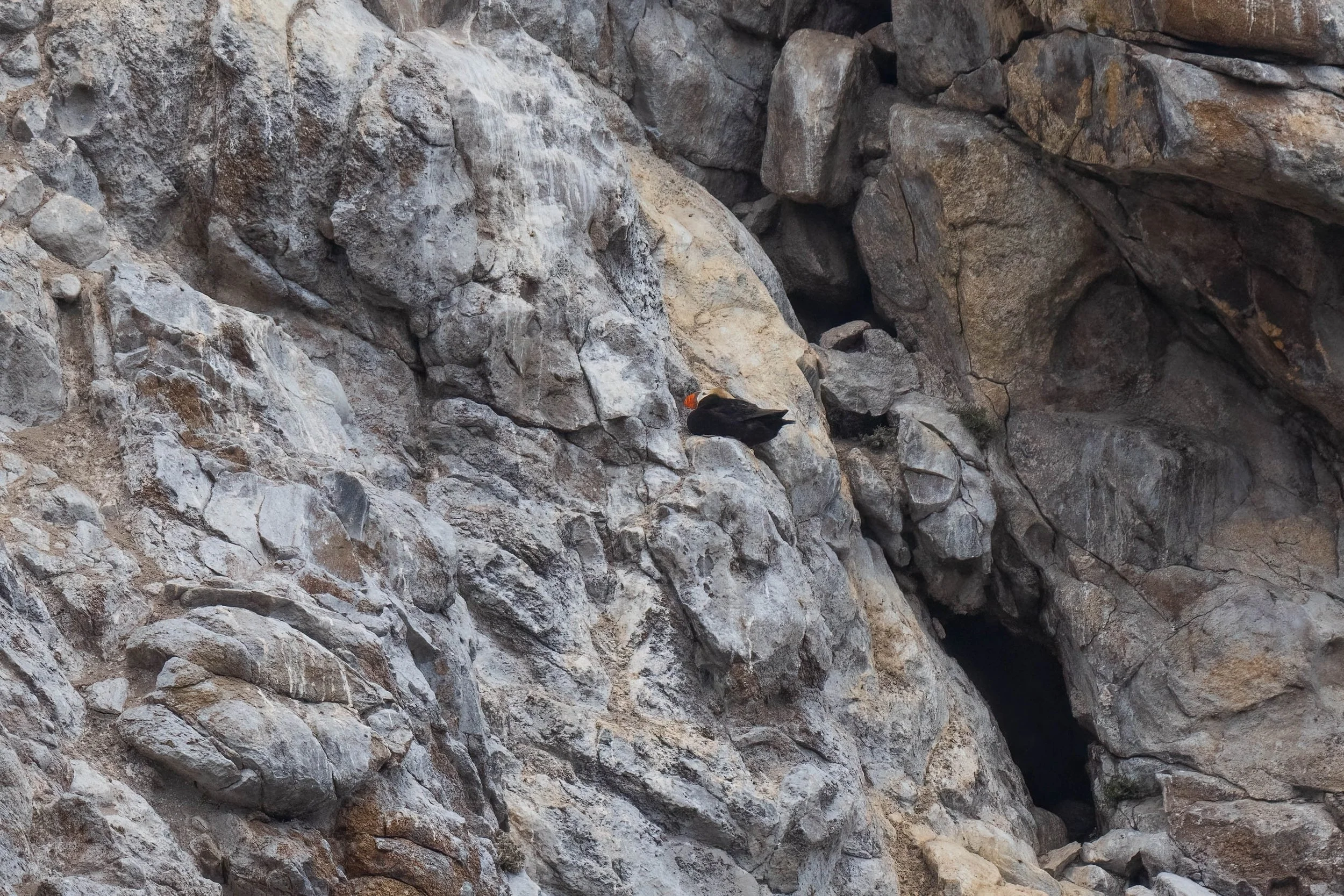
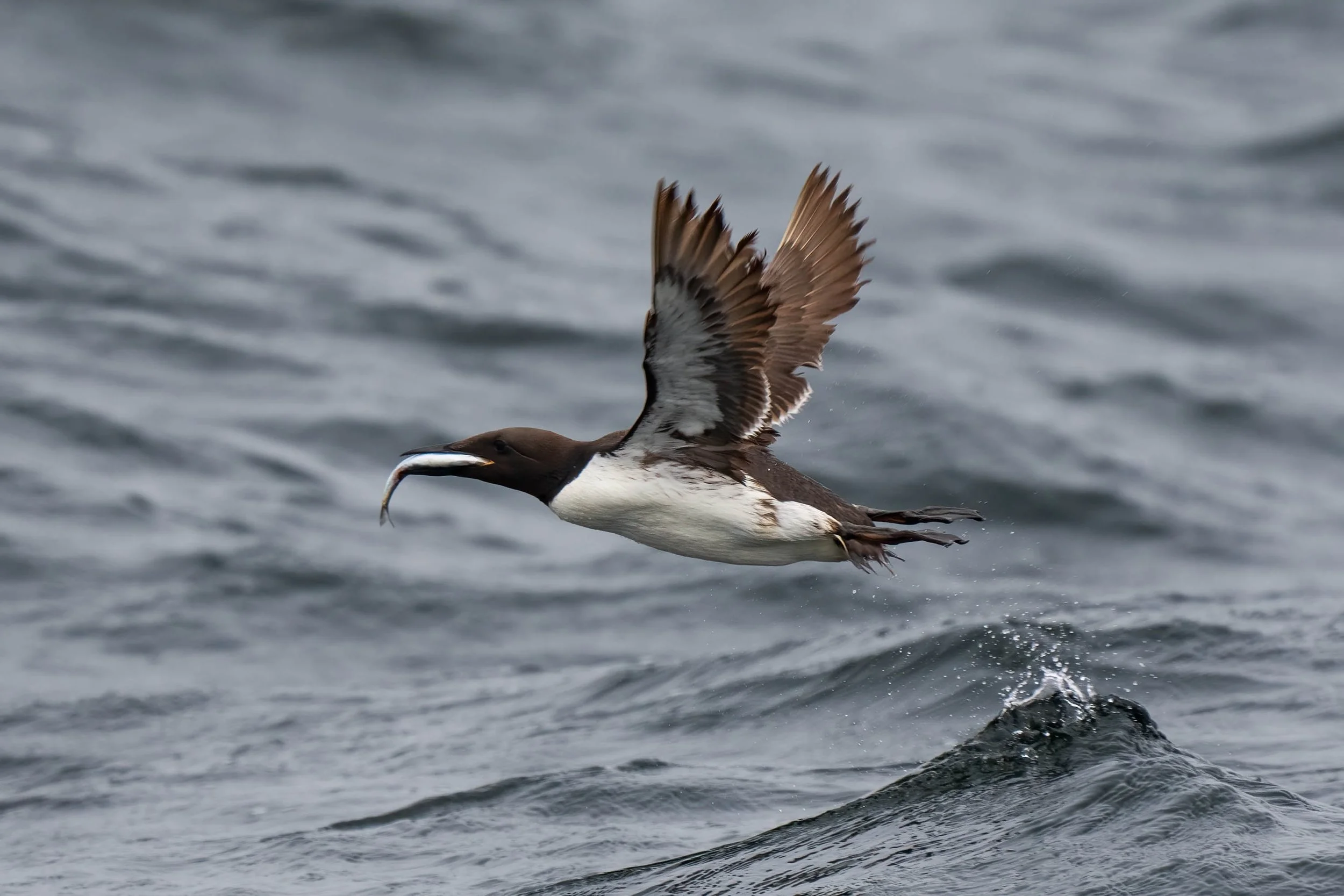
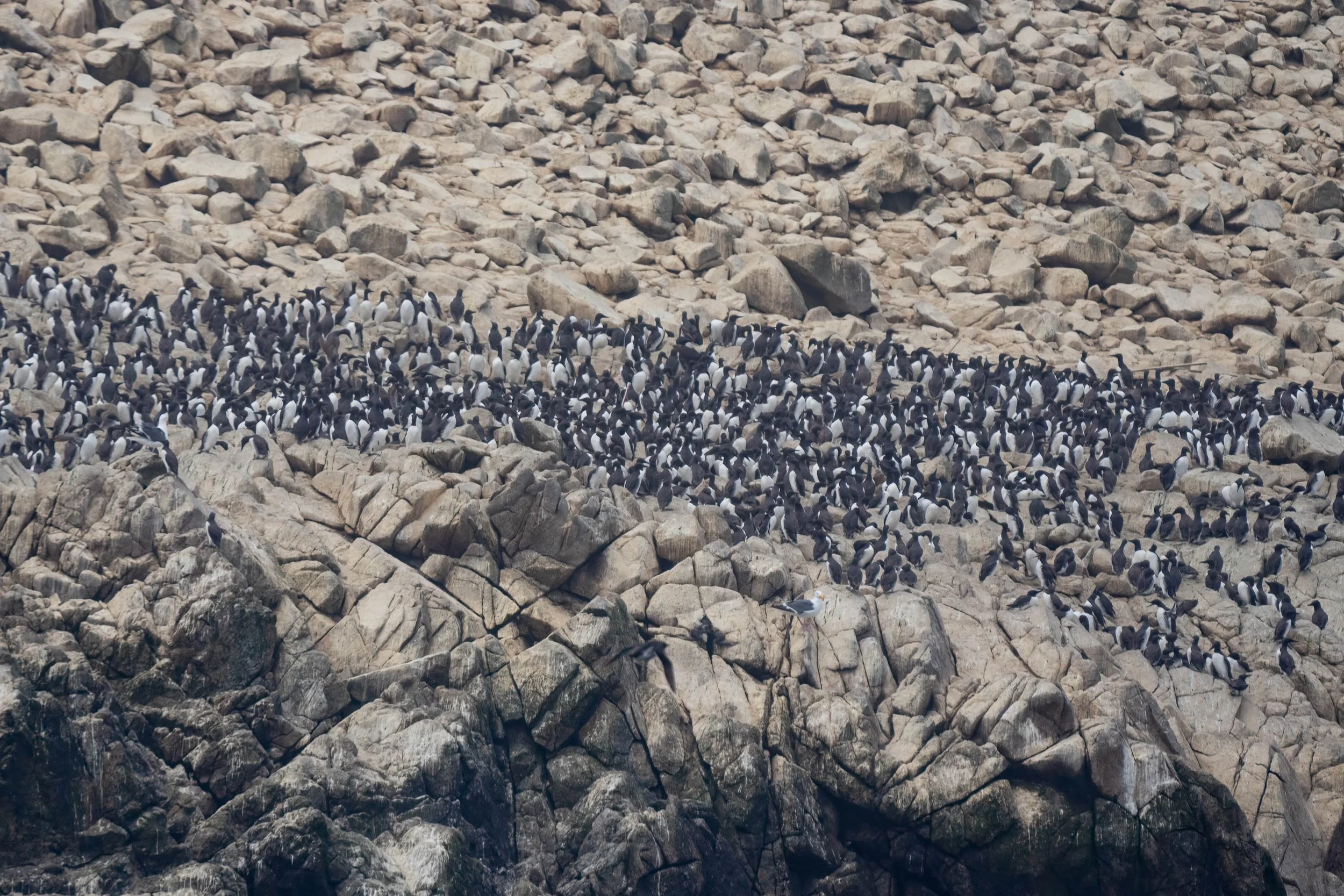
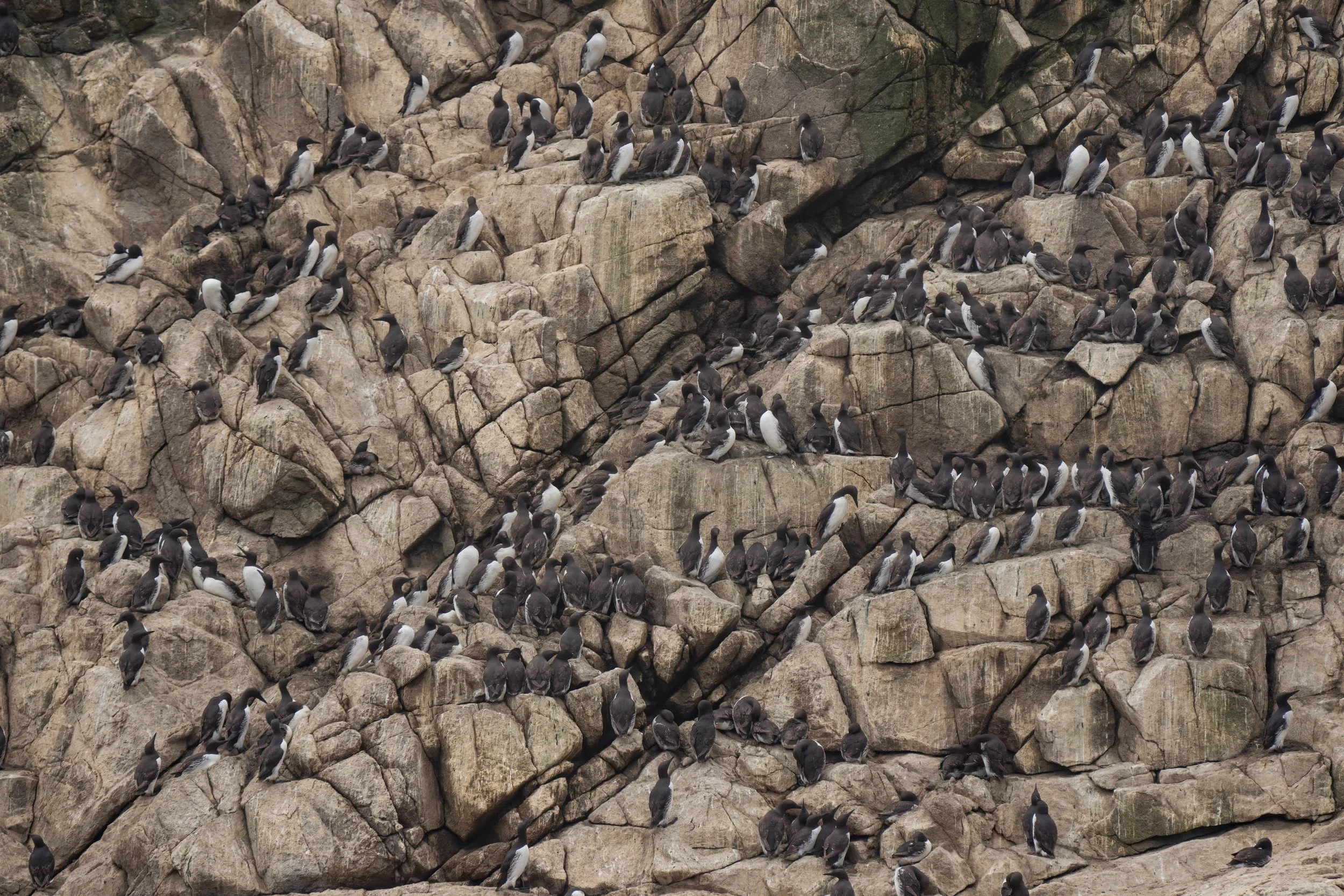
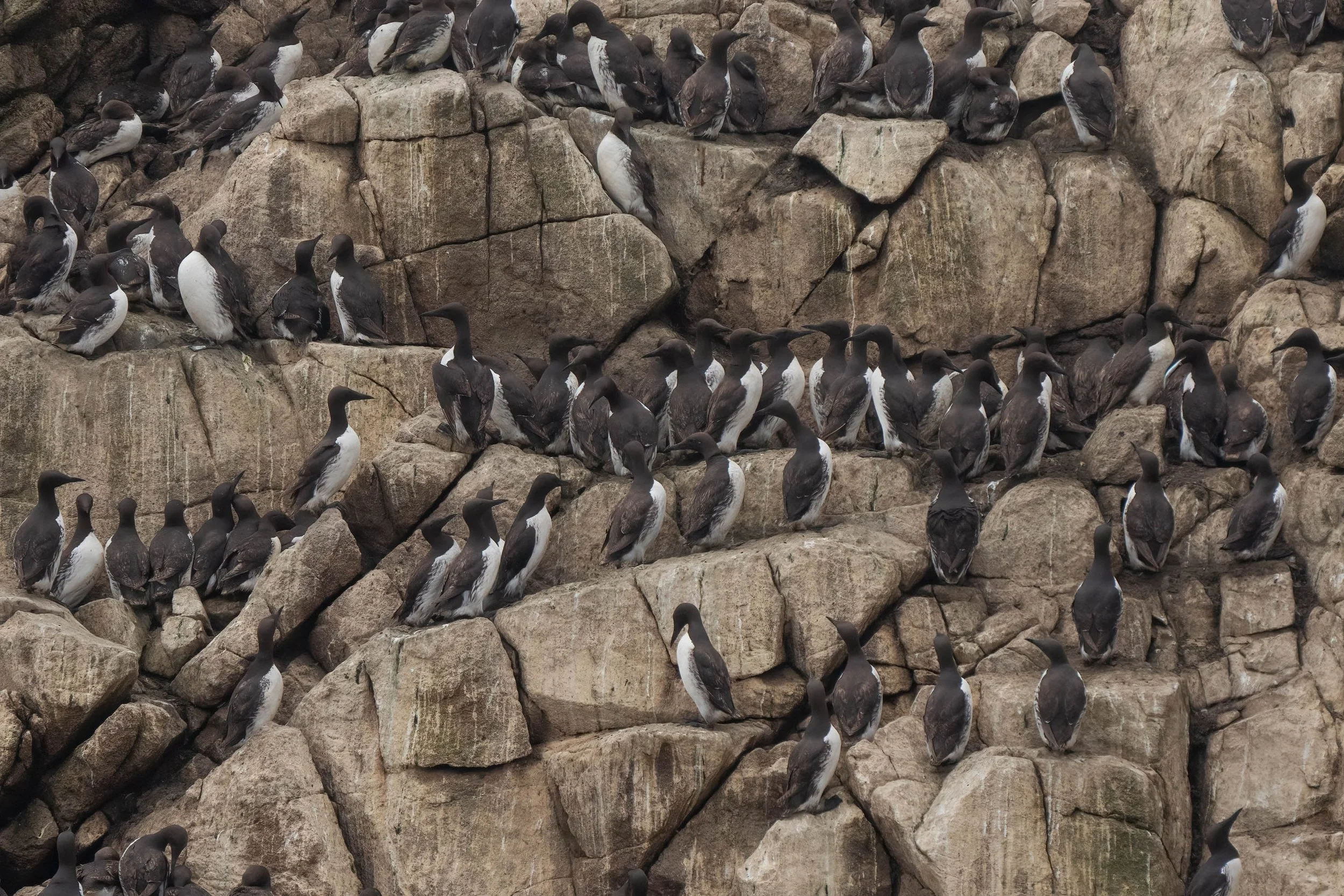
Common Murres dominated the scene, nesting in dense colonies packed shoulder to shoulder on every available rock ledge in the way that murre colonies always are - thousands of birds in a space that seems impossibly crowded and yet functions with efficient chaos. Pigeon Guillemots flew back and forth between the water and the island in small groups, the bold white wing patches and bright red feet distinctive in flight. Tufted Puffins on the upper slopes were among the most striking birds at the islands, their large orange bills and white facial plumes visible even at boat distance. Rhinoceros Auklets moved through the water around the island, and a few Cassin's Auklets added to an already strong alcid showing.
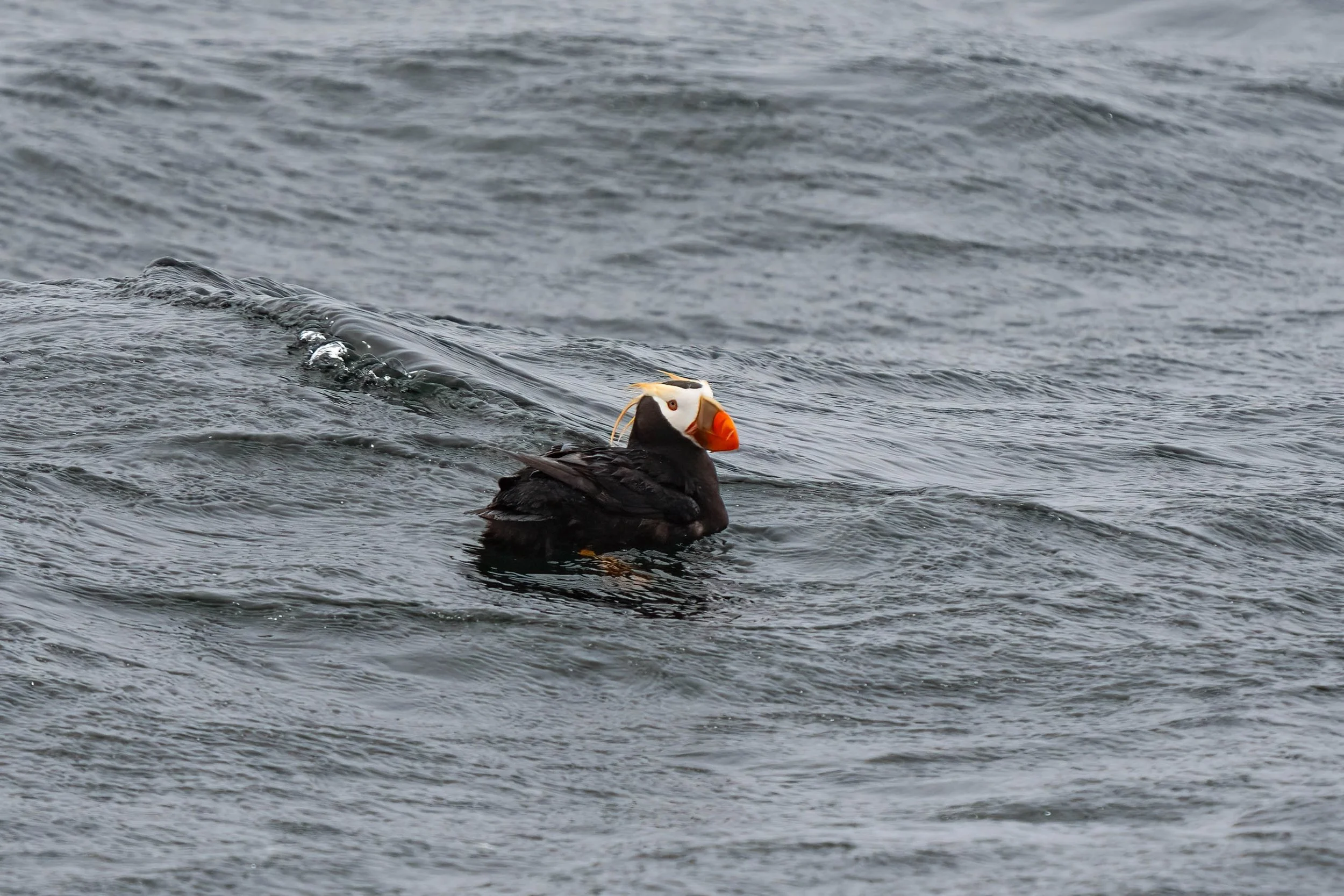
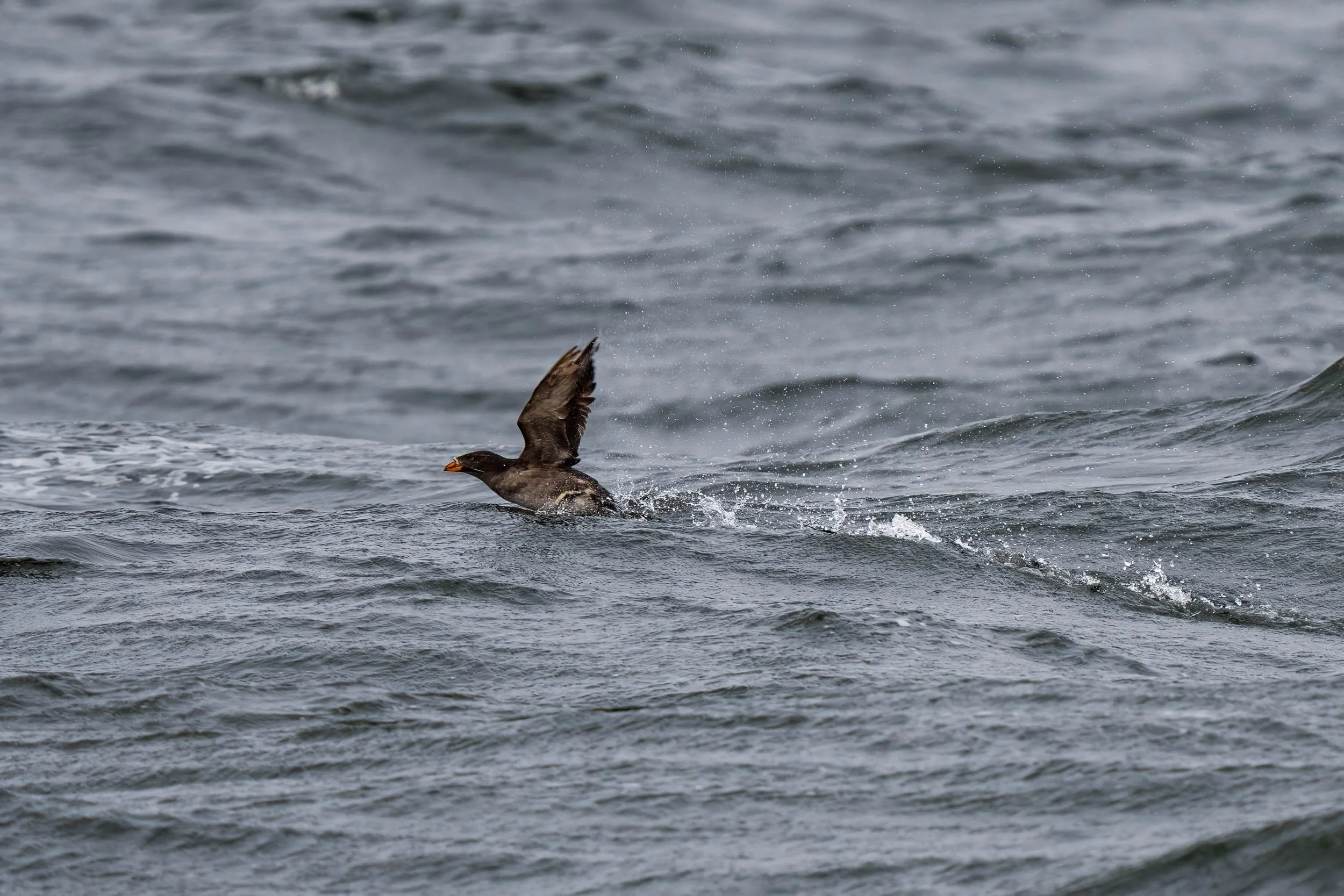
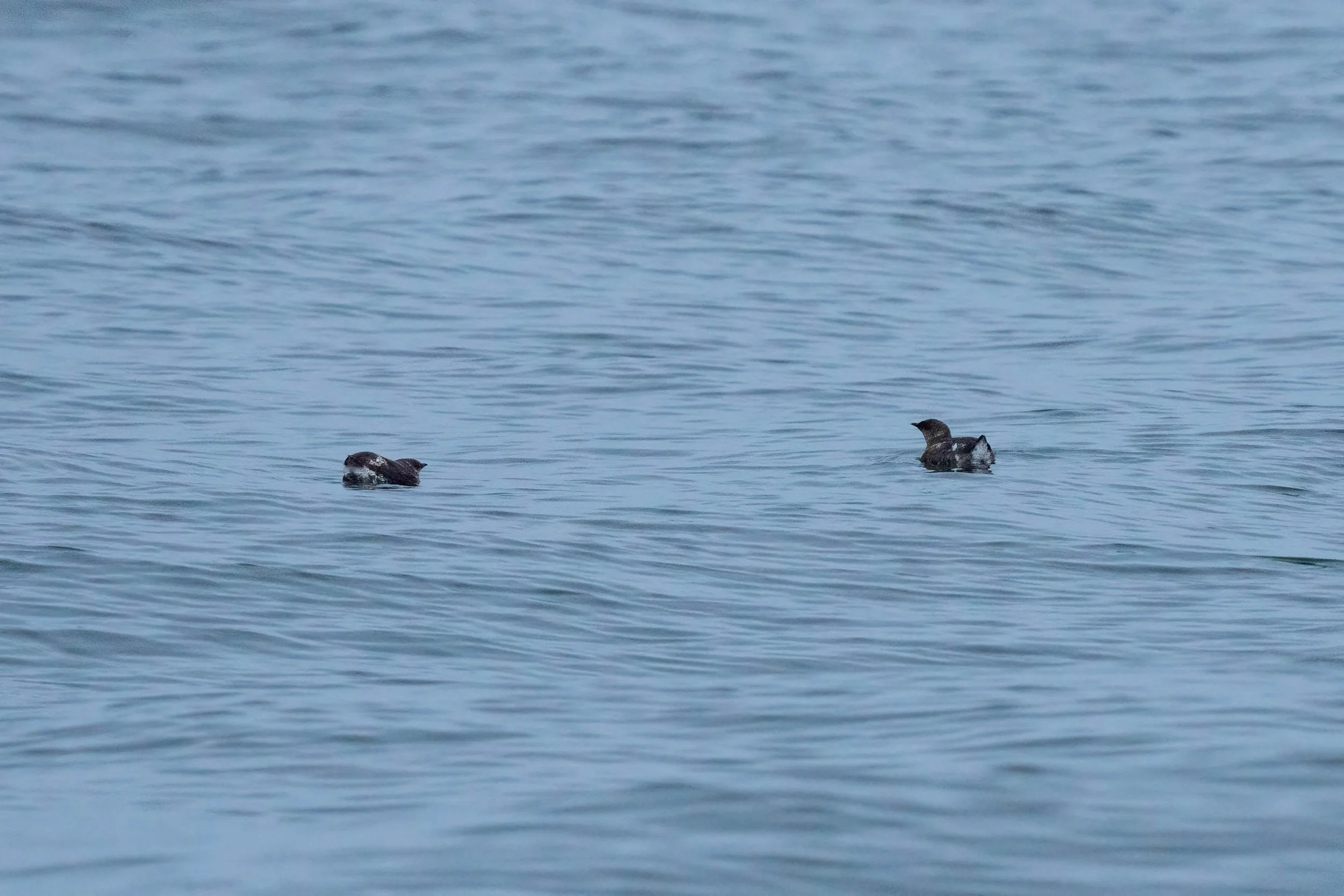
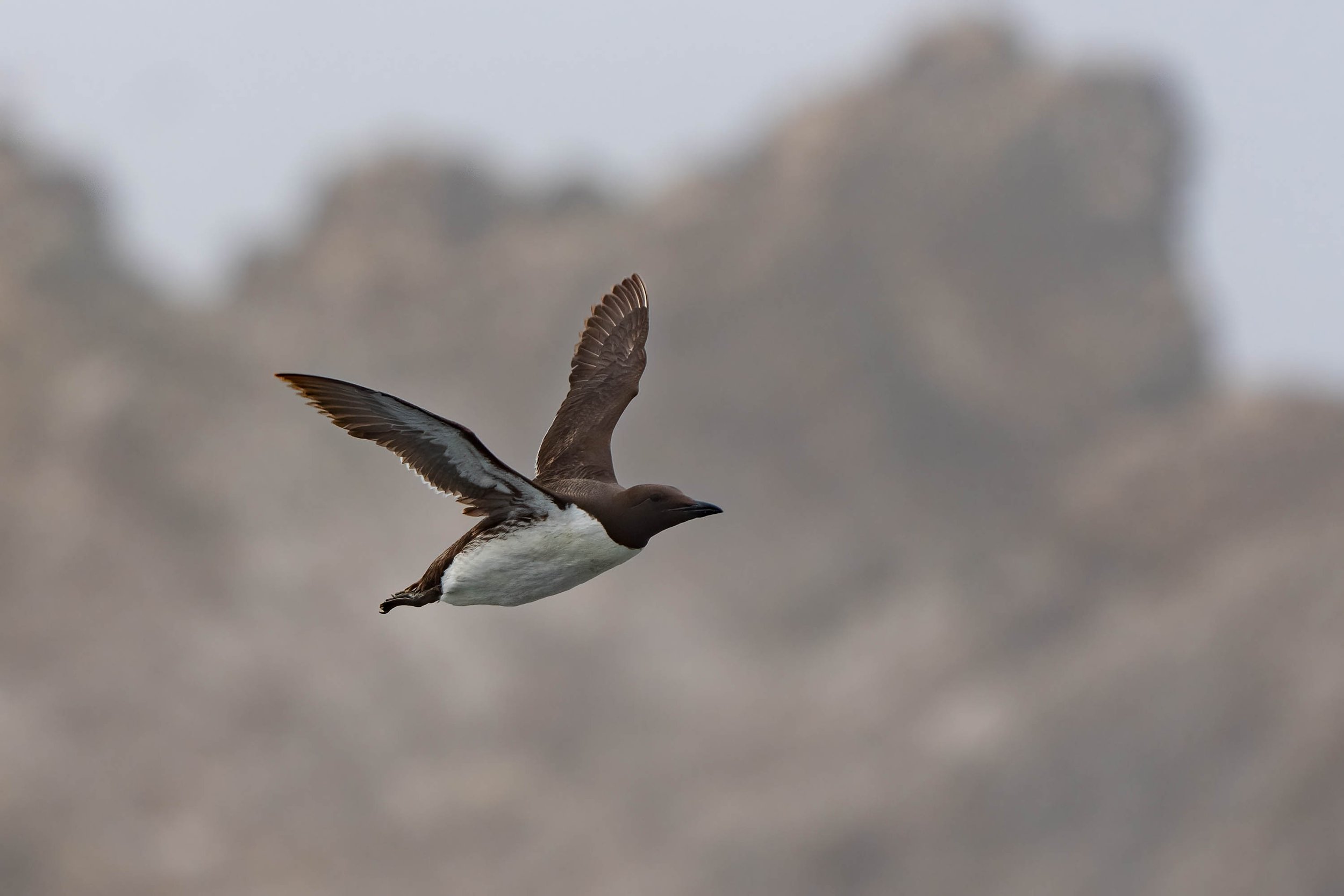
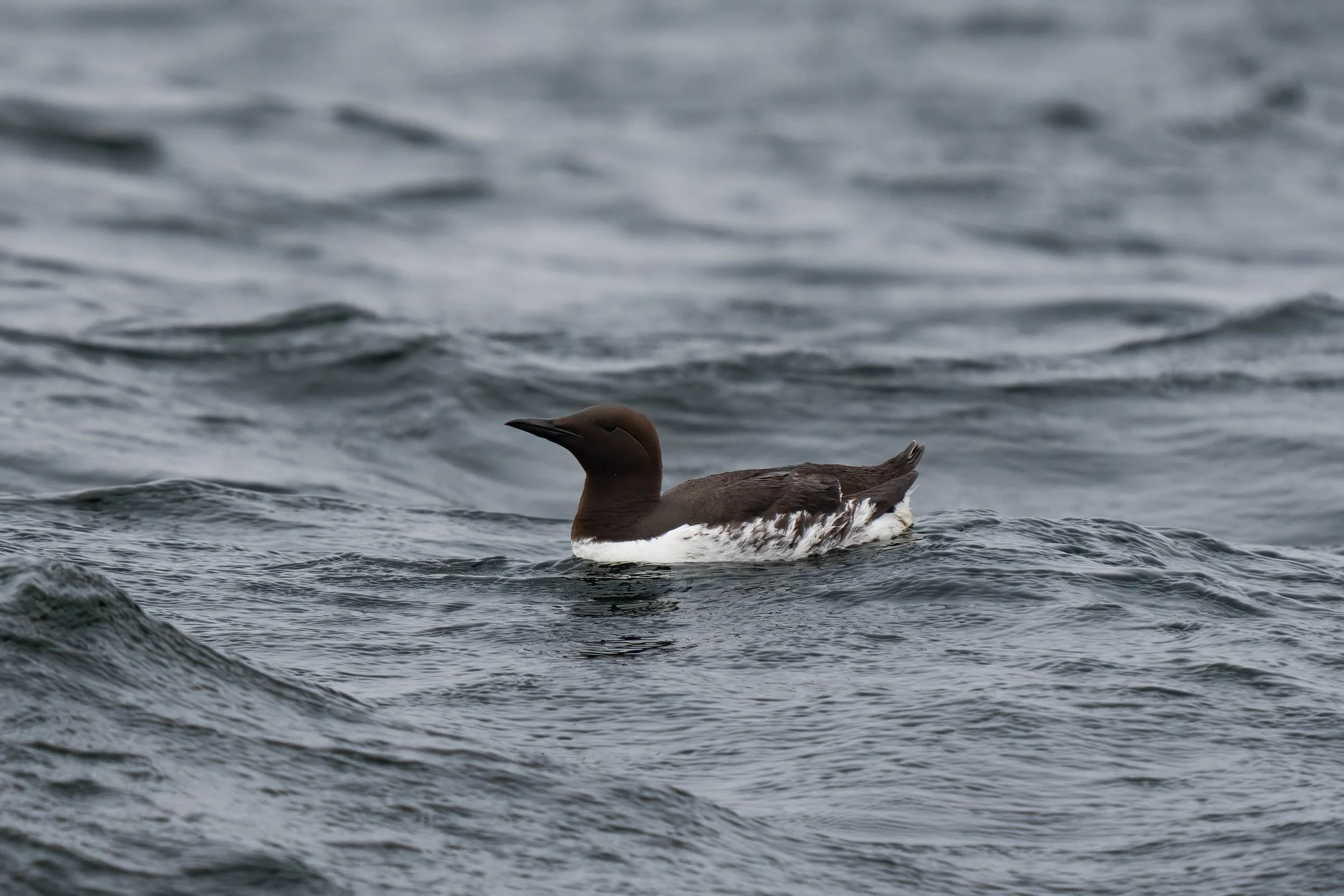
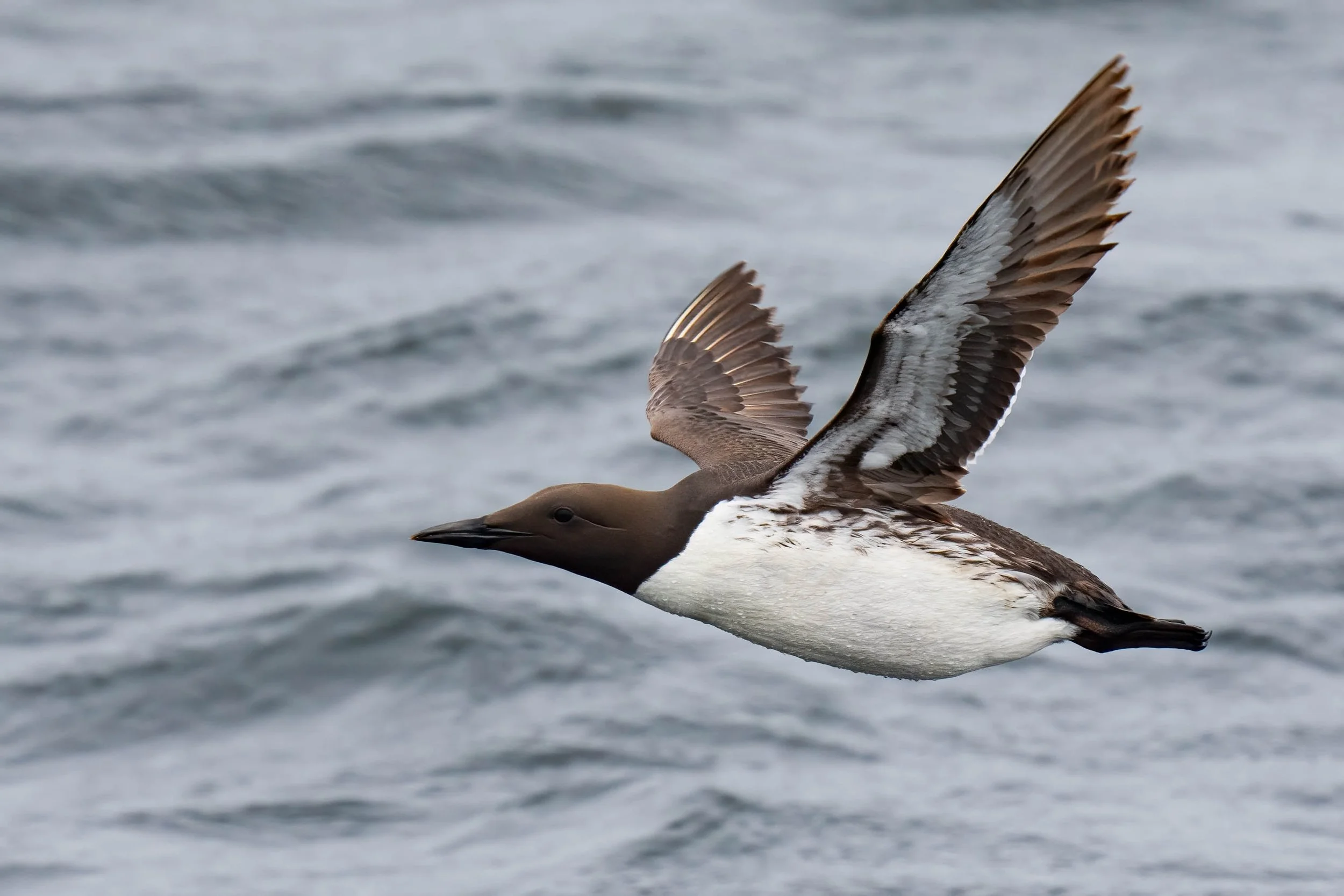
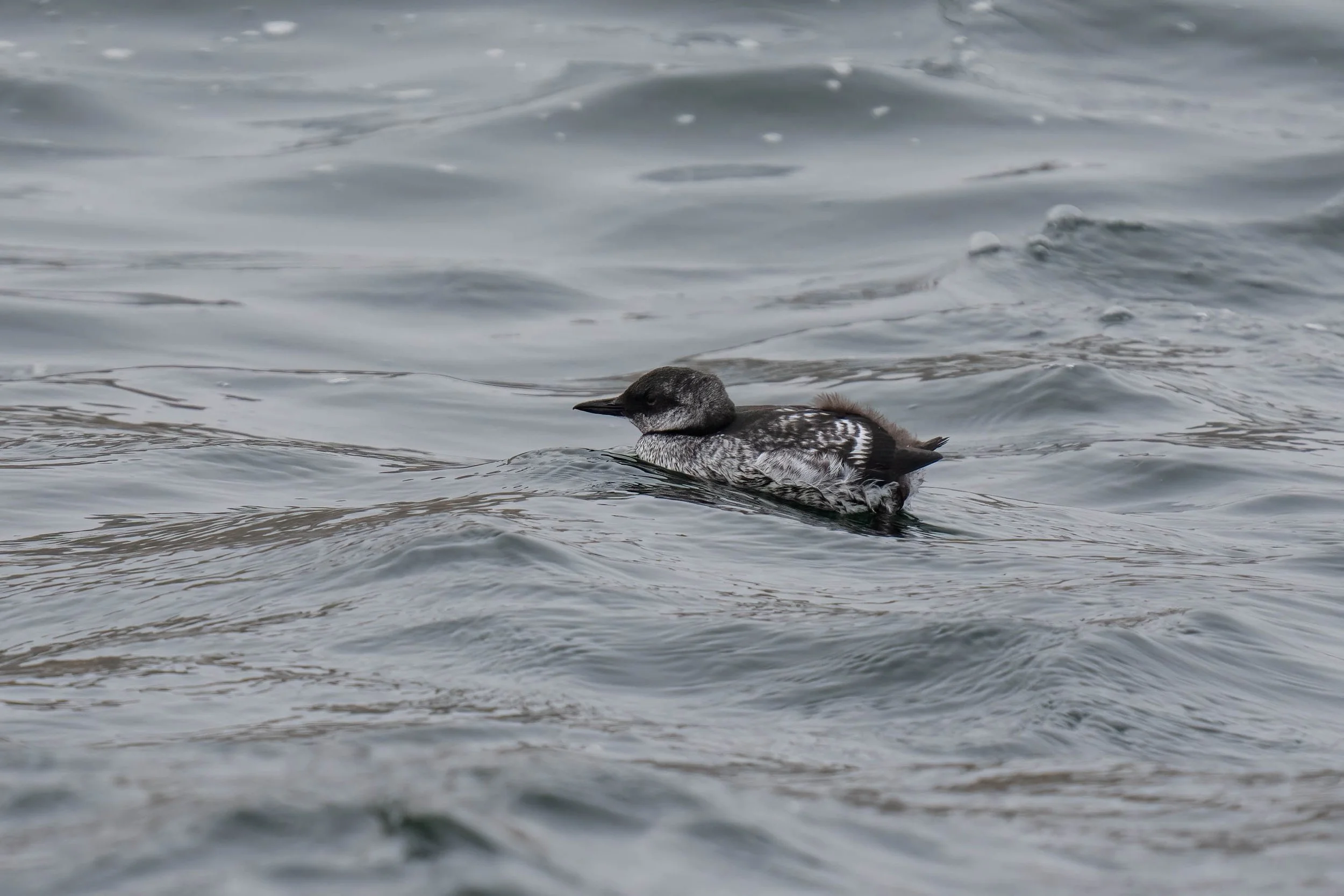
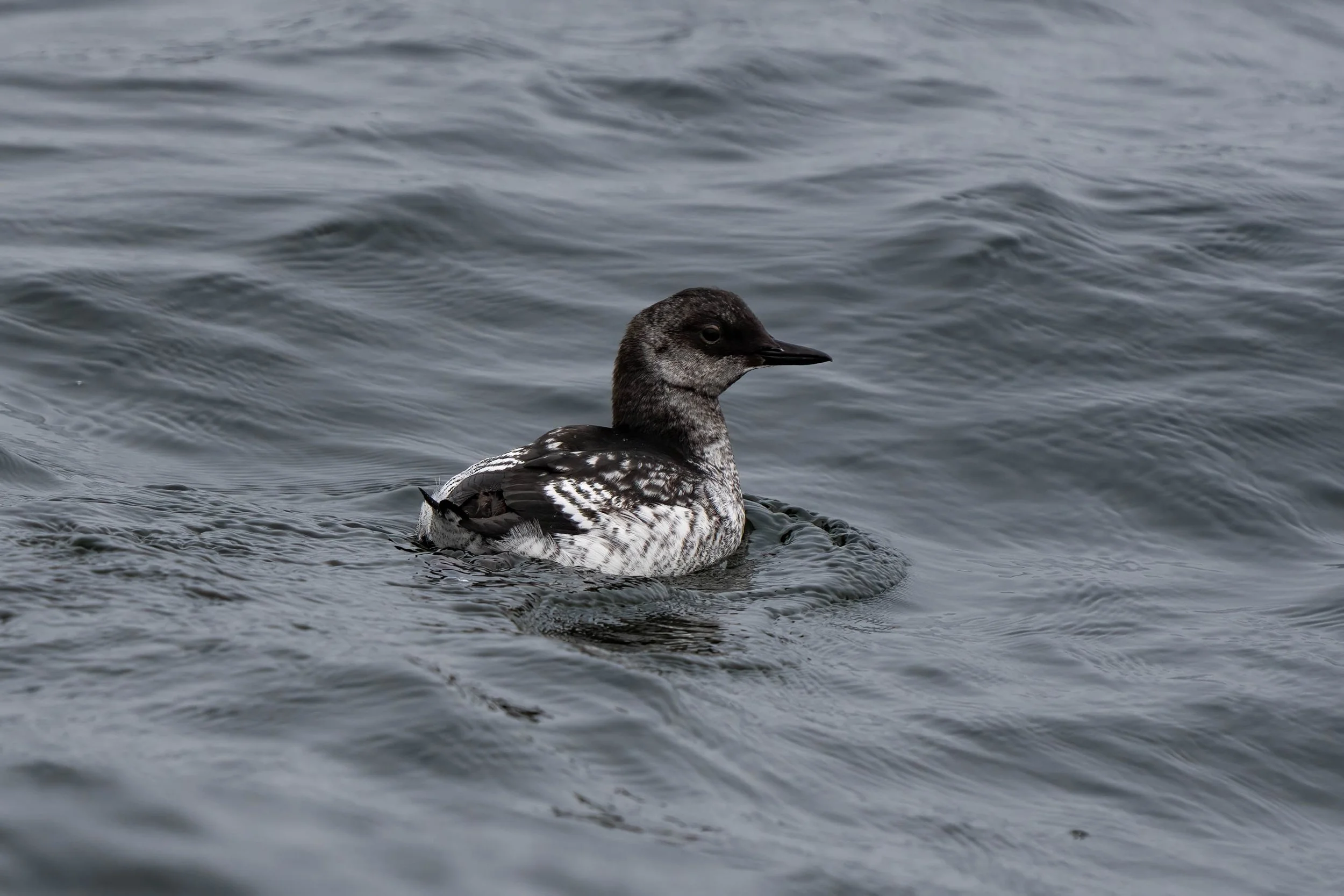
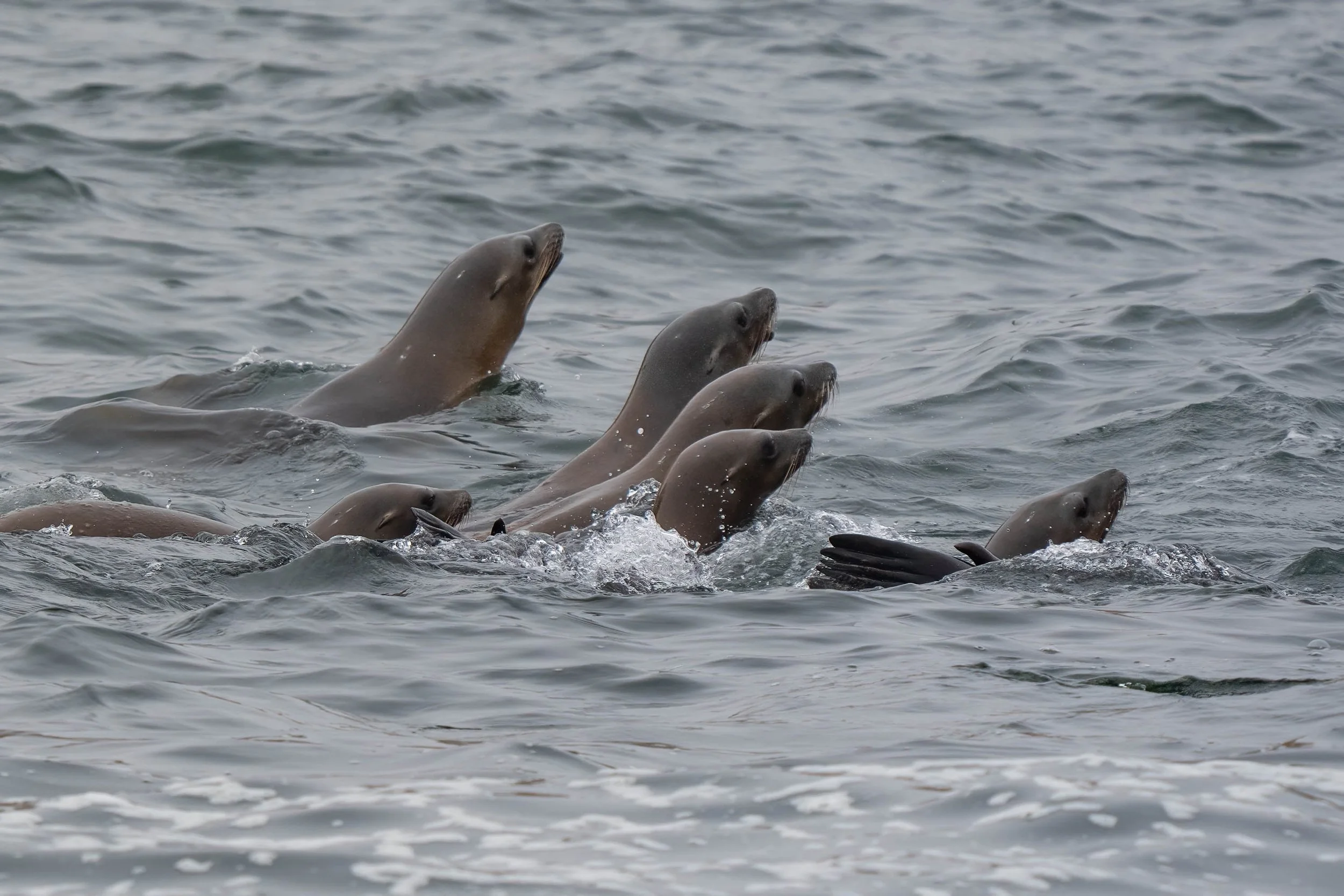
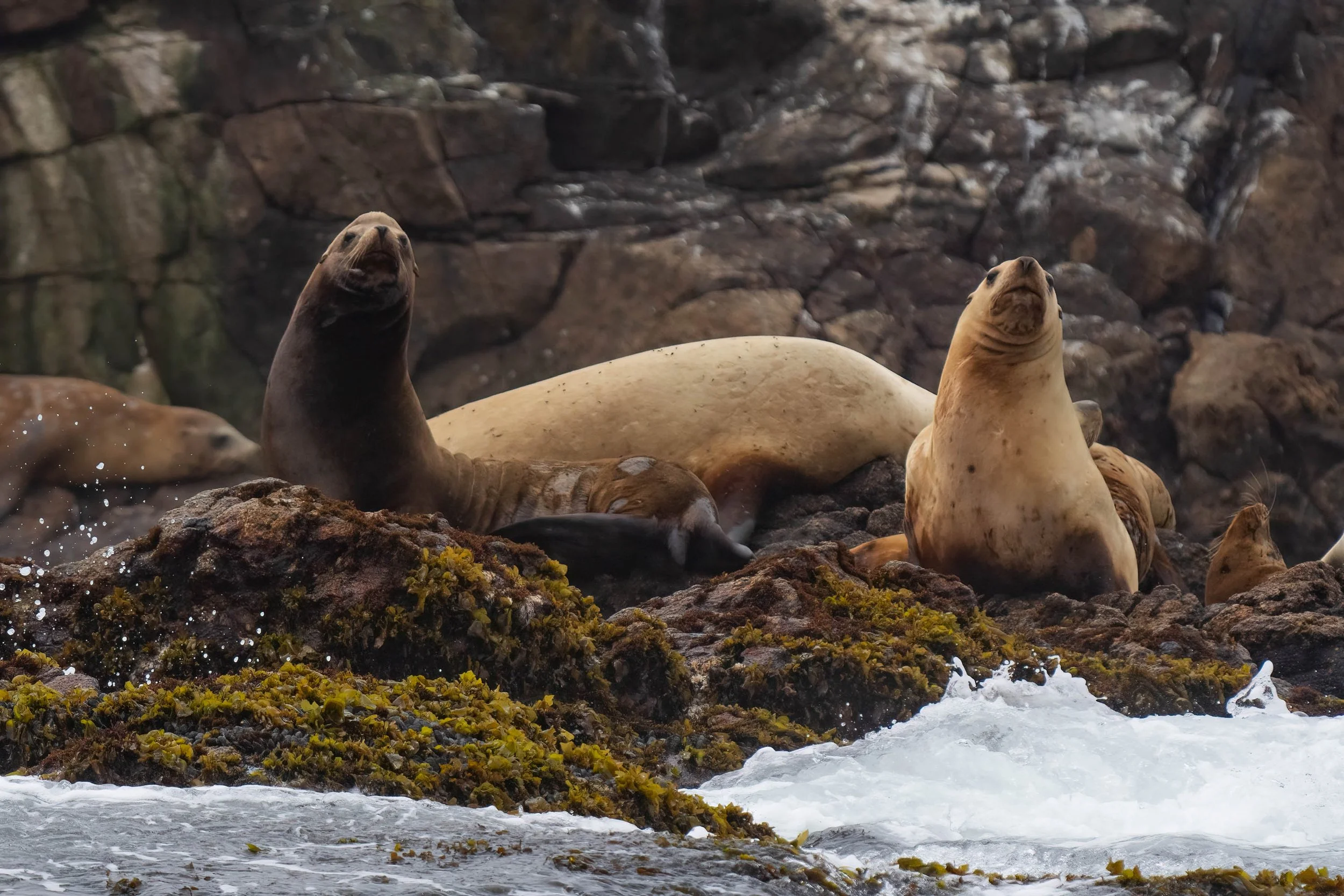
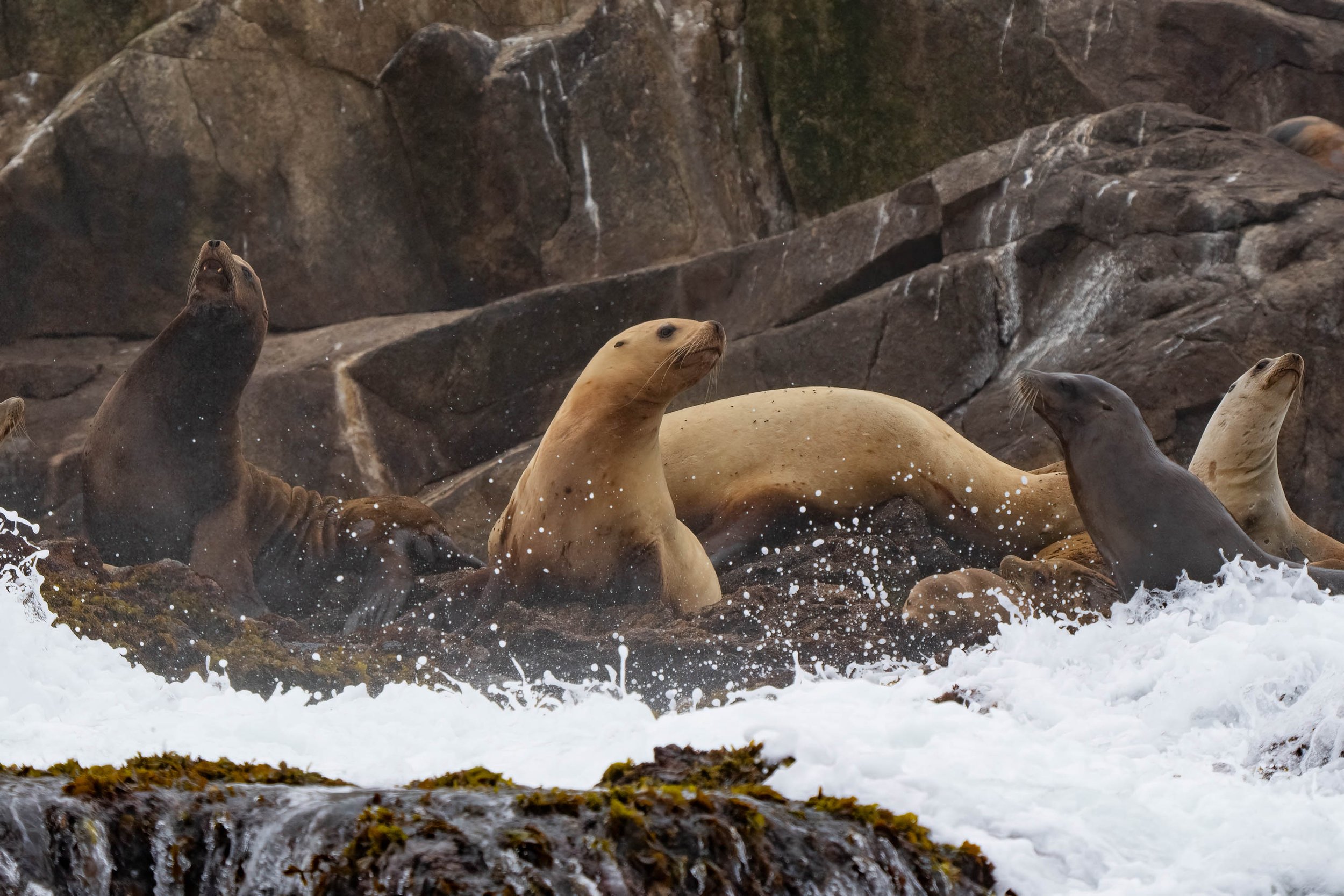
The marine mammal viewing at the islands was exceptional. California Sea Lions and Steller's Sea Lions hauled out on the rocks in good numbers, and Northern Fur Seals added to the pinniped spectacle. Photos did not prepare me for just how enormous the Steller's Sea Lions looked standing beside California Sea Lions.
On the outbound crossing two Humpback Whales surfaced in the fog, briefly visible in the low visibility before disappearing again - a promise of what was to come on the return.
The Continental Shelf
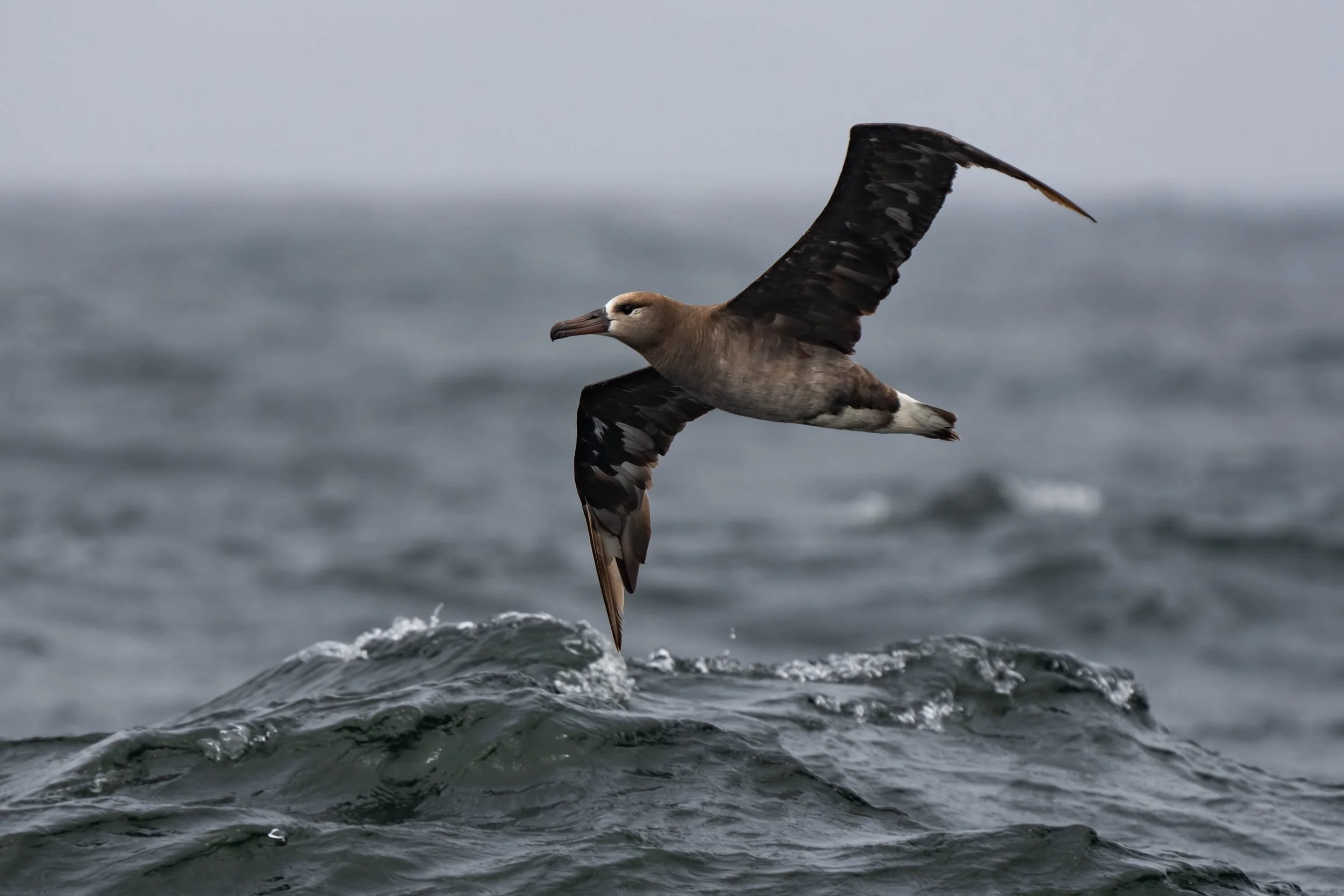
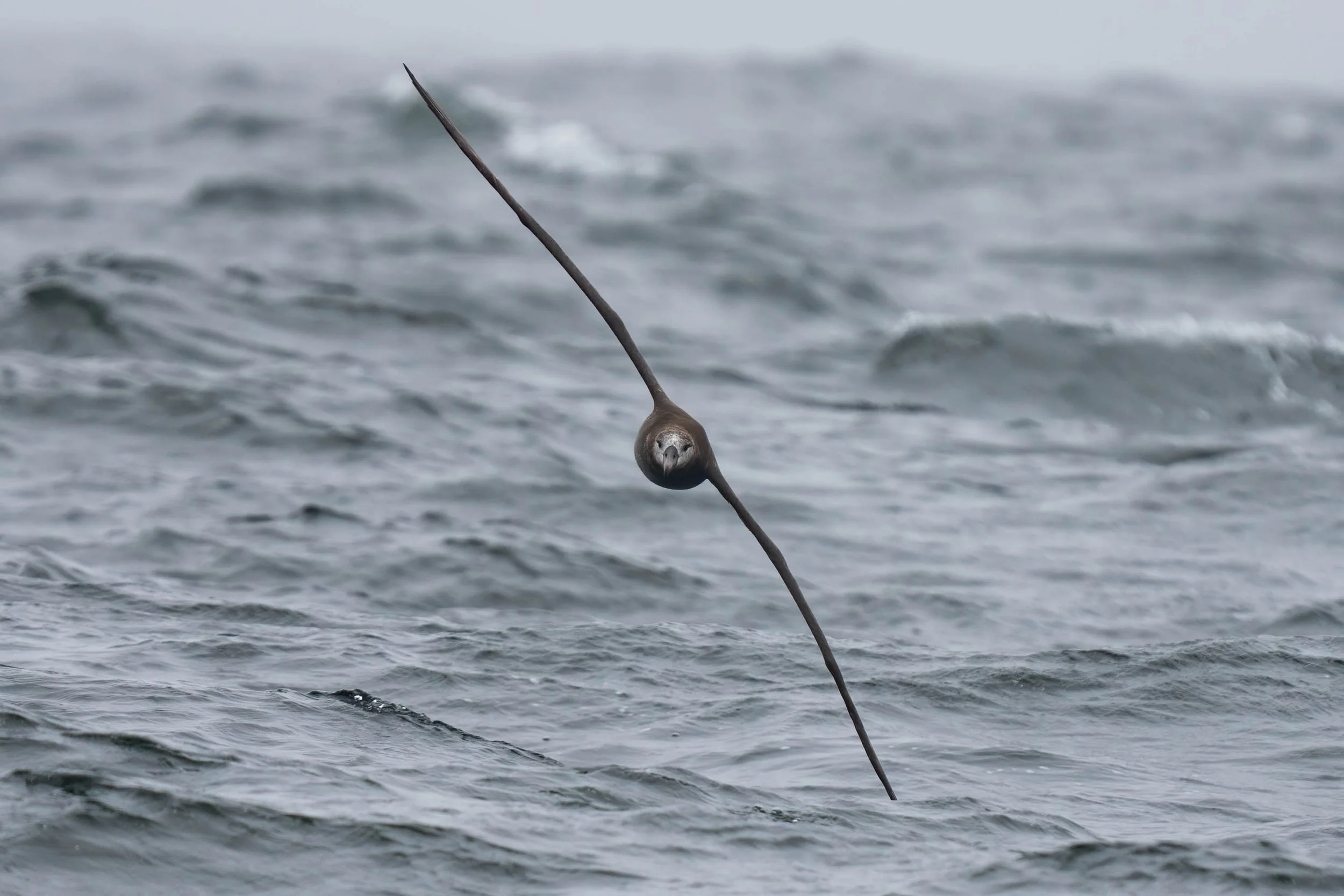
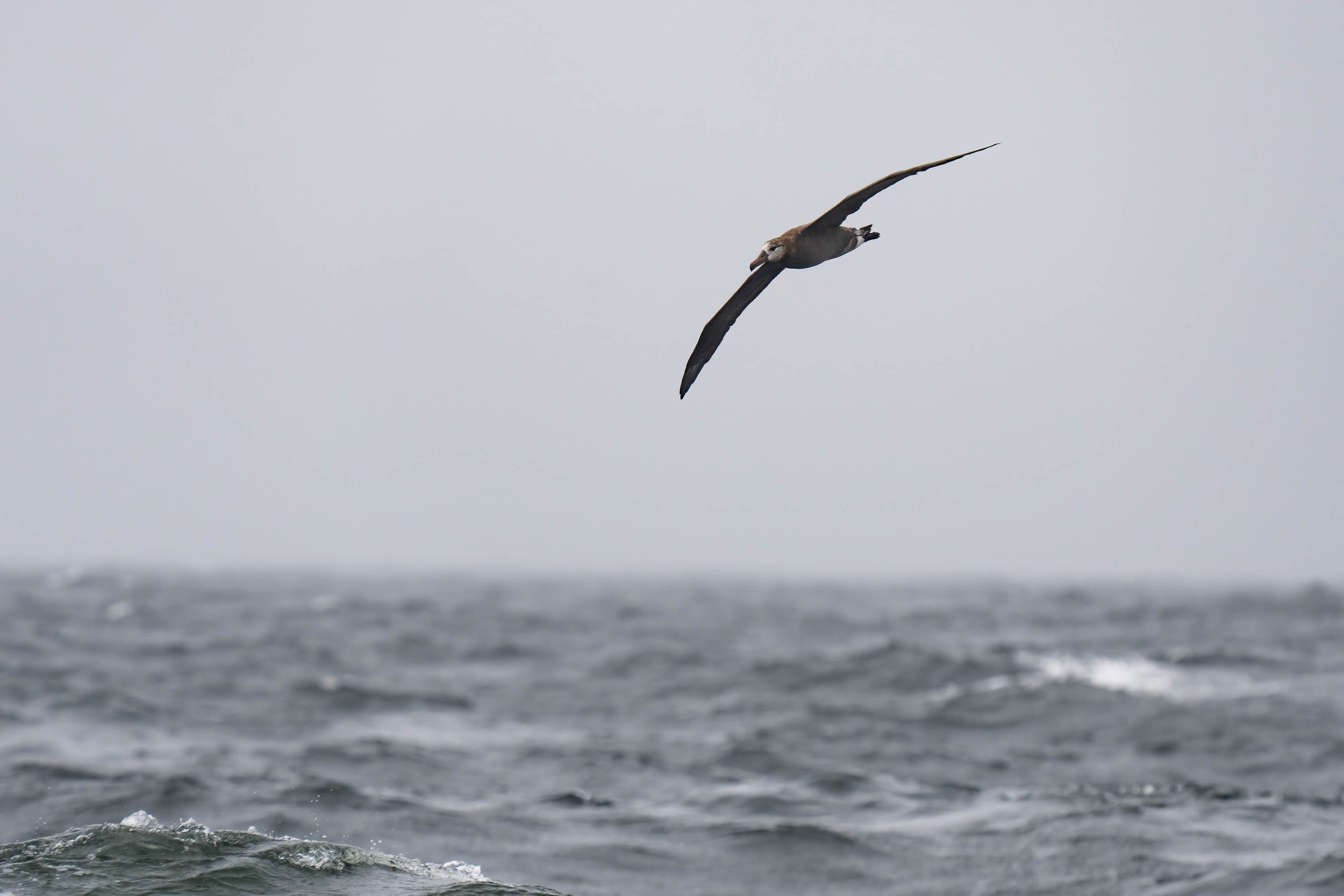
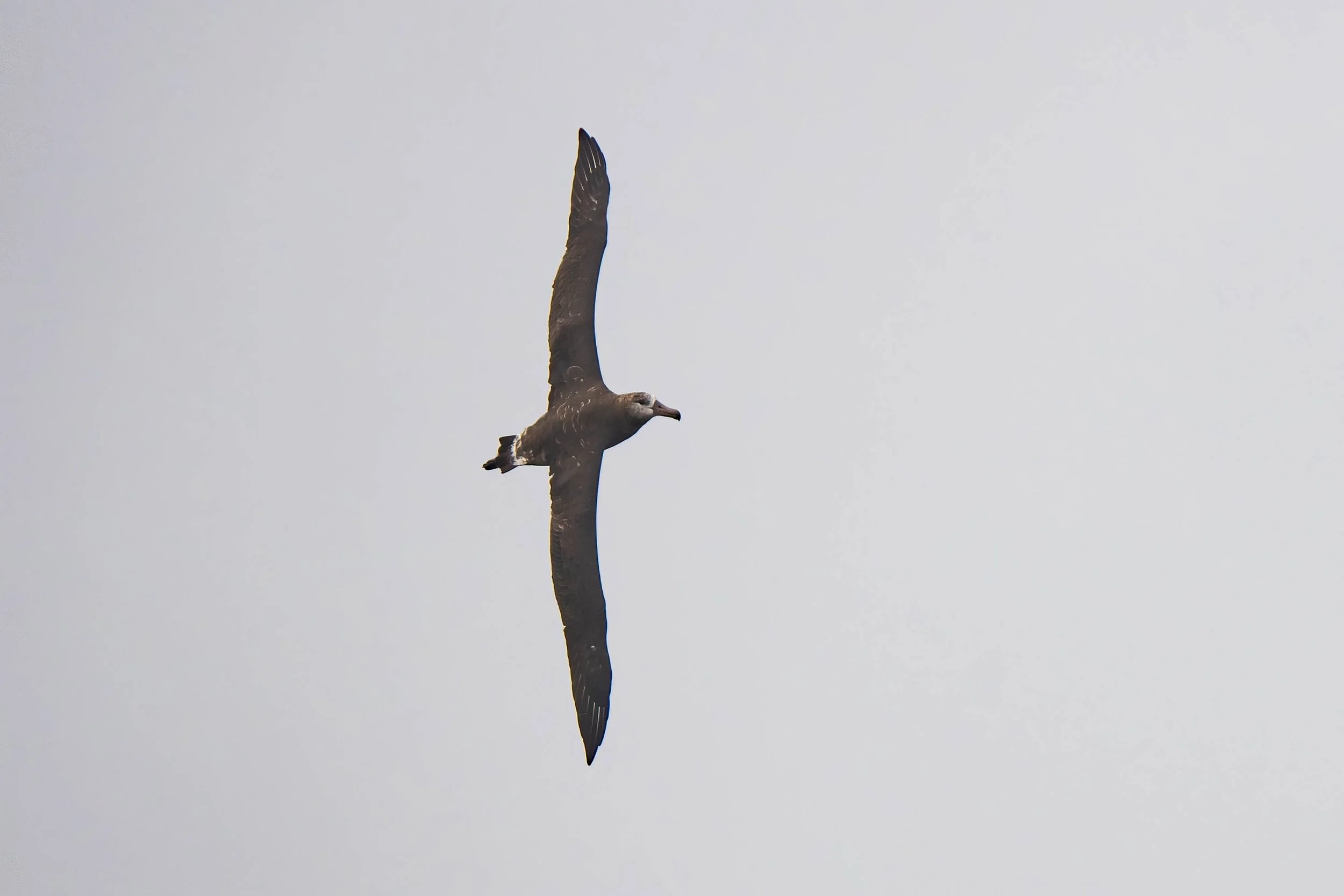
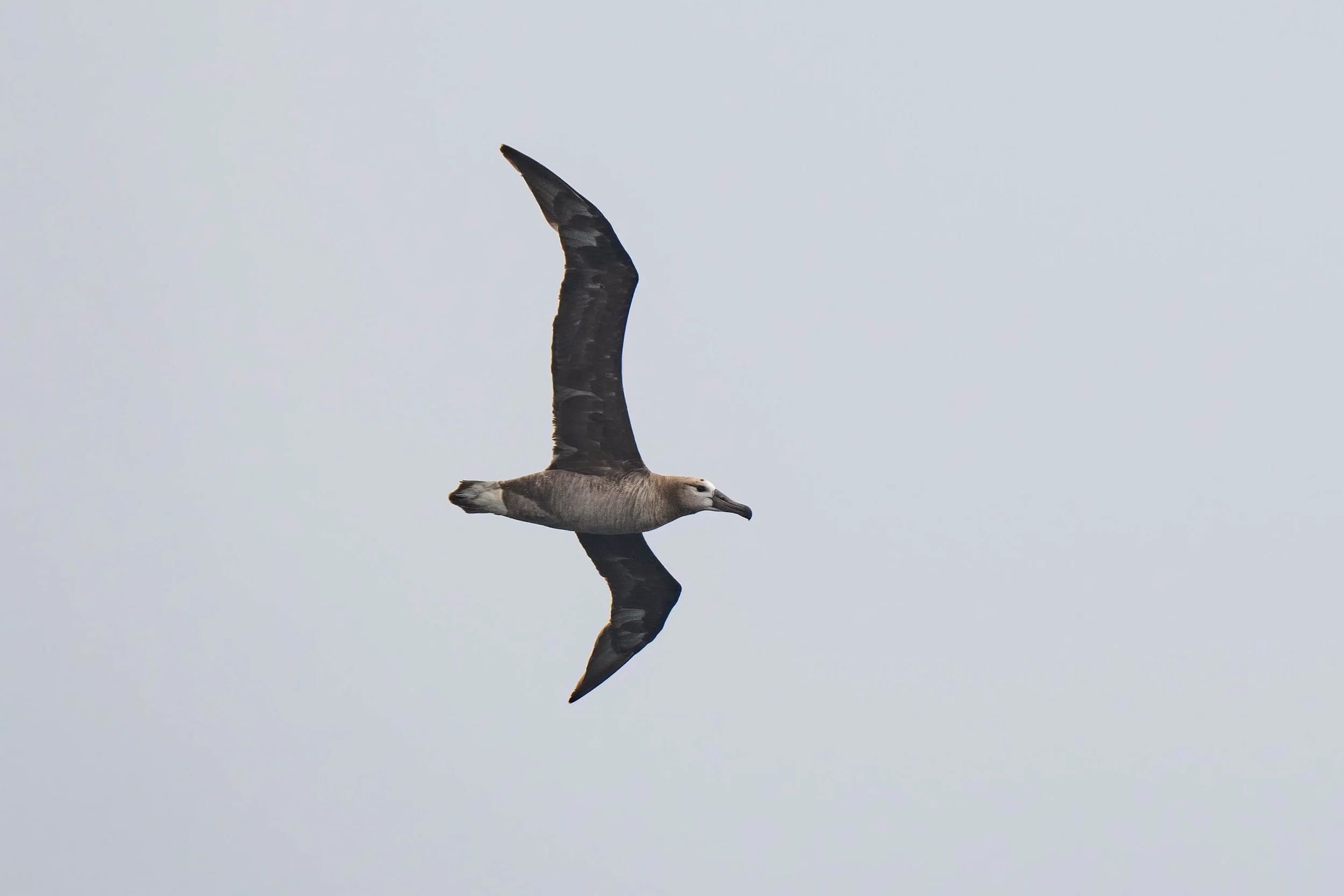
Leaving the islands, the conditions held well enough to allow a run to the continental shelf, where the deep water offshore produces a completely different suite of pelagic species than the shallower waters. The late arrival at the islands meant time was limited, but the shelf delivered quickly. A Black-footed Albatross found the boat almost immediately, banking low over the deep-water swell with that extraordinary effortless flight style that uses wind and wave surface in a way that seems to defy the energy involved. Watching one work the troughs between swells, wings nearly touching the water on the downstroke. Watching my first Black-footed Albatross glide effortlessly over the swells was everything I'd hoped it would be. At least five Black-footed Albatrosses greeted our boat out on these deep waters.
The Return
The trip home produced the best wildlife spectacle of the day. The Humpback Whales that had been distant shapes in the fog on the outbound leg were a completely different proposition on the return, foraging actively at the surface and breaching with their whole bodies. Multiple animals working the same area, the sound of their exhalations carrying across the water, and the occasional full breach against the clearing sky made most of us wish we could just stop the boat and watch.
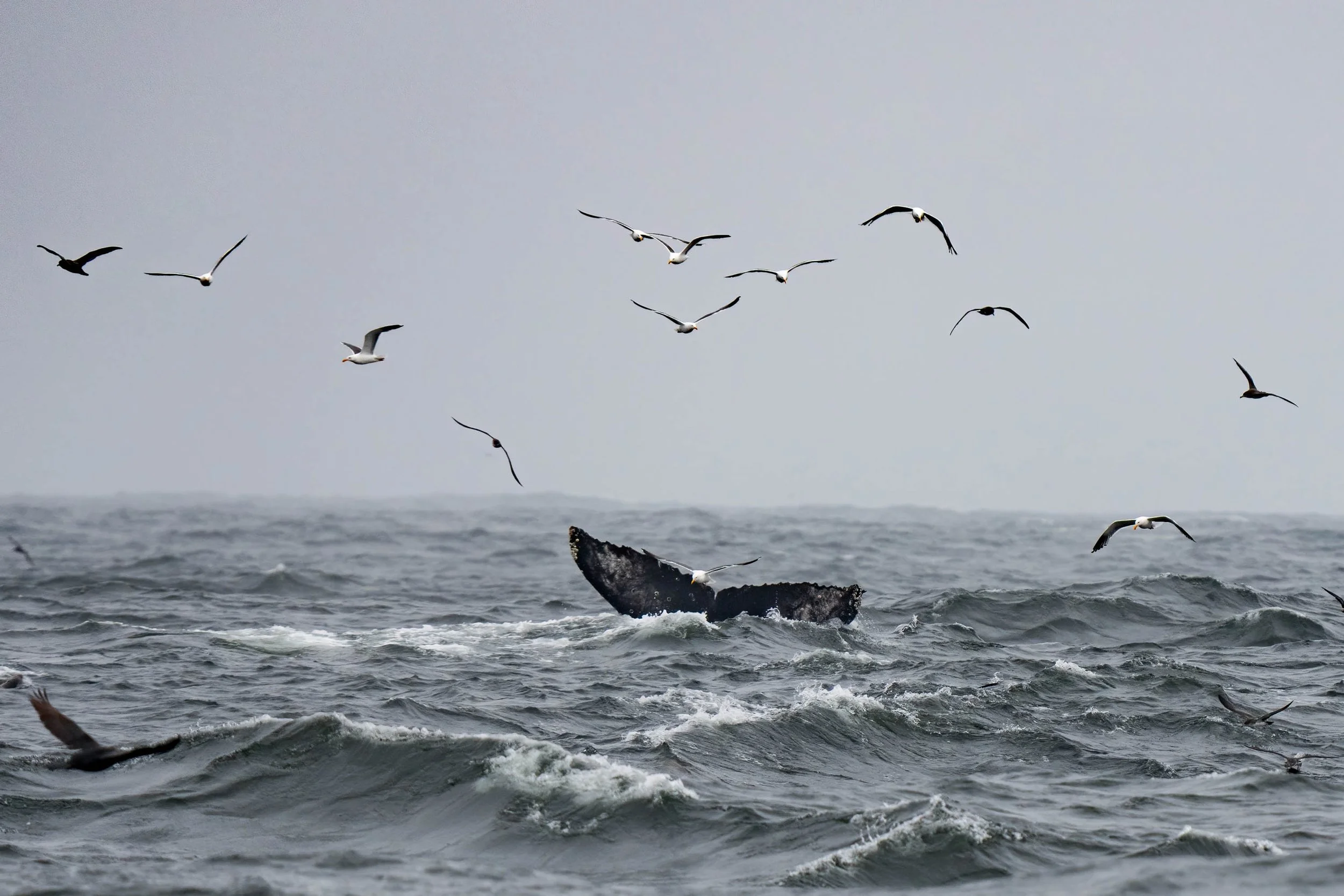
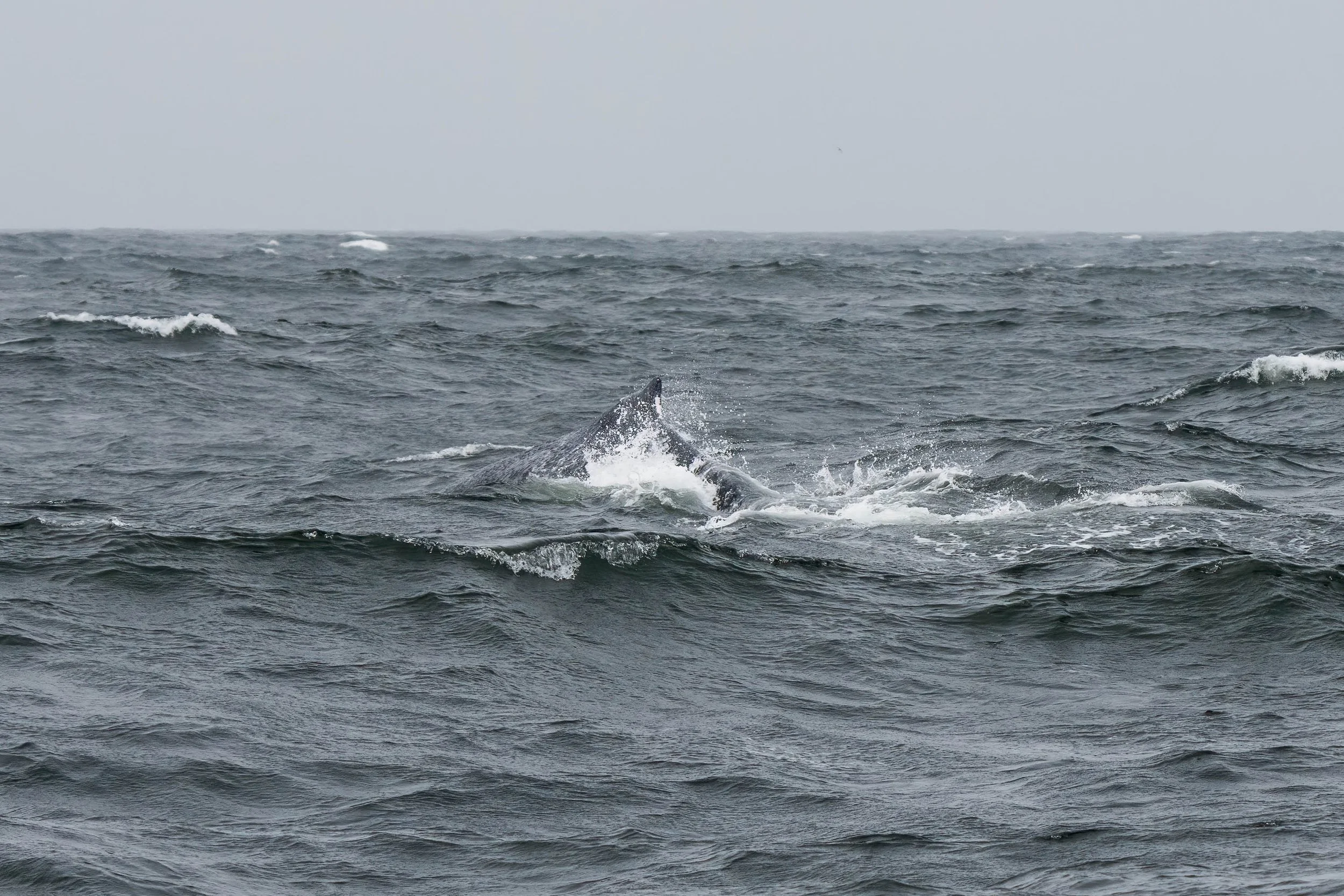
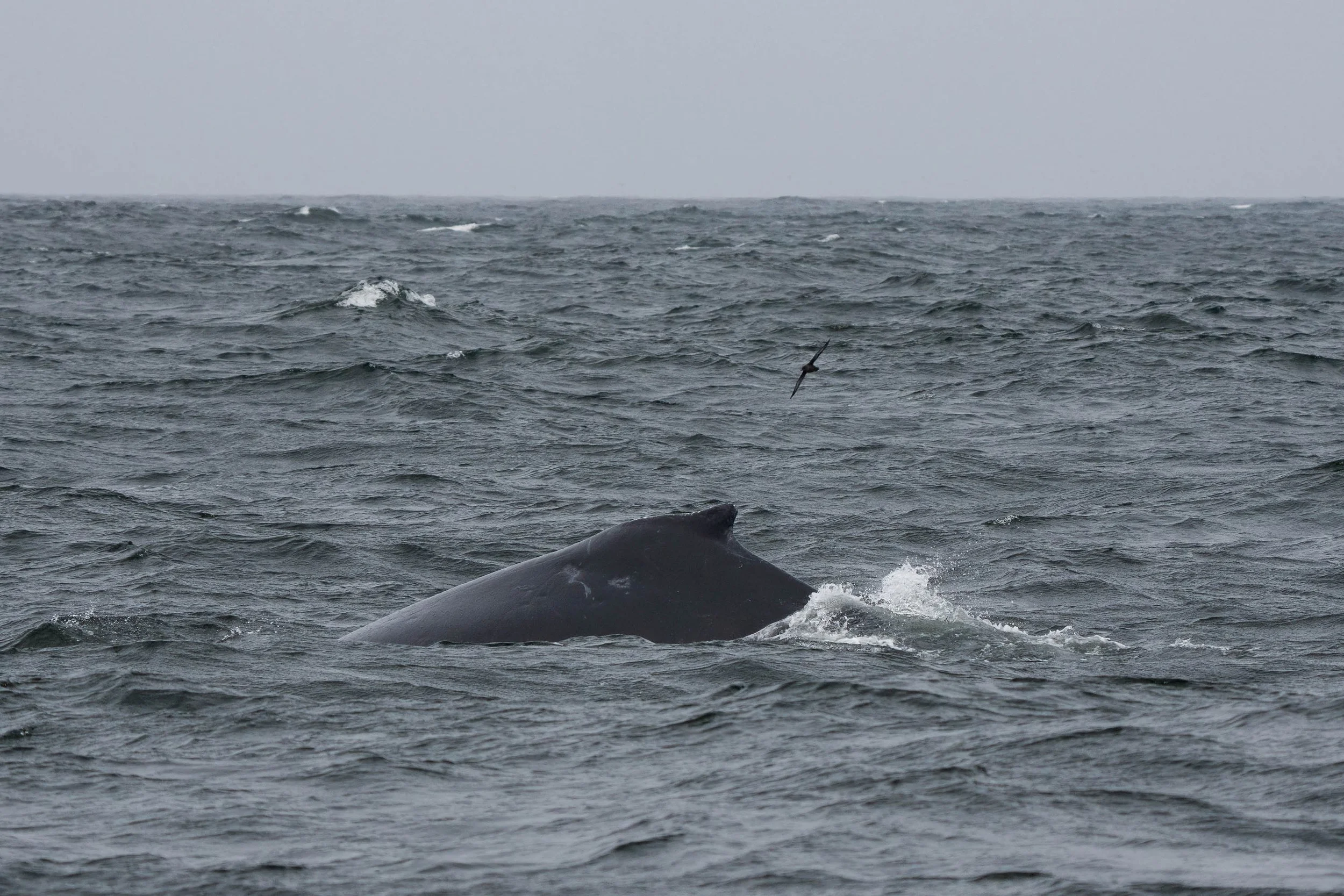
Alas, we had to return to the shore… Sooty Shearwaters filled the water nearer to shore in the kind of numbers that the central California coast produces in season, moving in dense flocks across the surface. After a day that had started in fog and rough water, the return leg felt like the ocean making amends.
The guides told us afterward how lucky we had been. If the wind had increased much more, we likely wouldn't have reached either the islands or the continental shelf. That context added weight to what had already felt like a significant day on the water.
The Black-footed Albatross, the murre colony, the breaching Humpbacks, and the safe return to Pillar Point Harbor added up to exactly the kind of trip that brings people back to the dock at Half Moon Bay. I was thrilled to find my wife waiting for me, along with a delicious barbecue dinner just down the street!
Have you taken a pelagic trip to the Farallon Islands?
Whether your crossing was smooth or as bumpy as this one, the islands deliver something that is uniquely beautiful on the California coast. Share your experiences in the comments!