Tumacácori National Historical Park and The Anza Trail
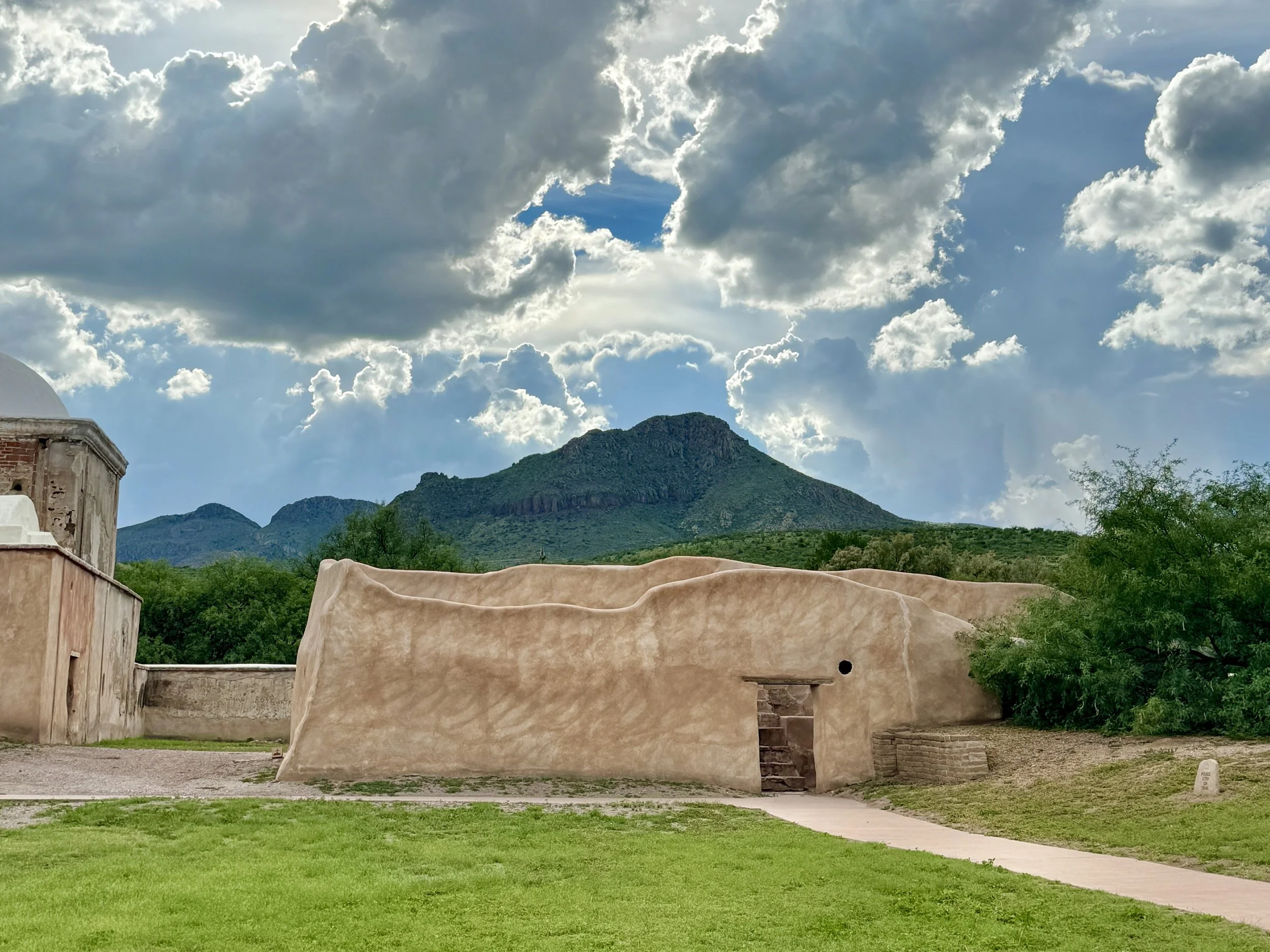
The Santa Cruz River valley south of Tucson feels very different from the surrounding desert. Cottonwoods and willows follow the river corridor, creating a ribbon of shade and greenery that attracts birds, butterflies, and other wildlife throughout the summer monsoon season.
Our visit began at Tumacácori National Historical Park before following the river to Saint Gertrudis Lane. We had a few target birds in mind, mainly a Gray Hawk, but by the end of the day it was the butterflies that put on a show.
Tumacácori National Historical Park
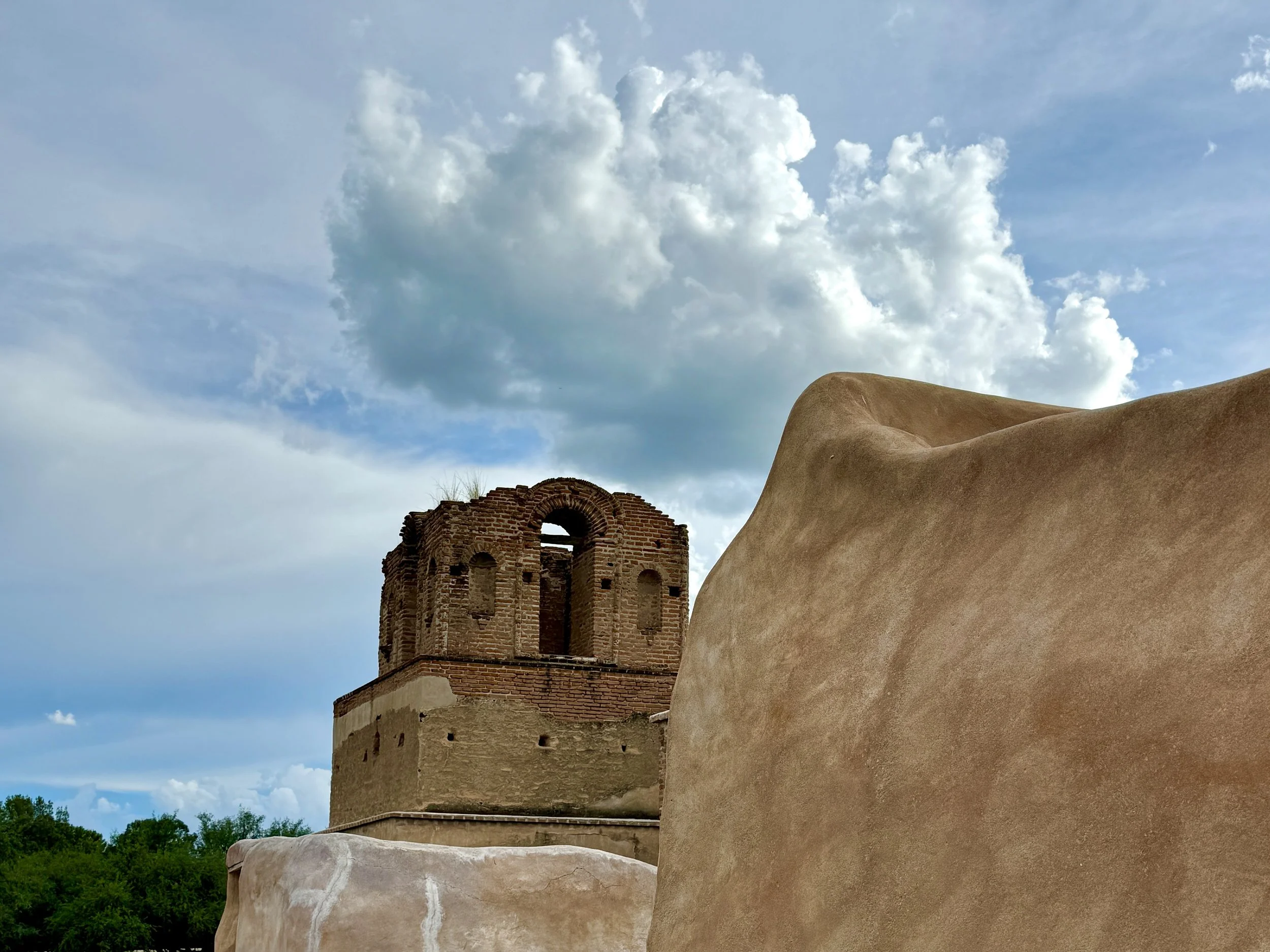
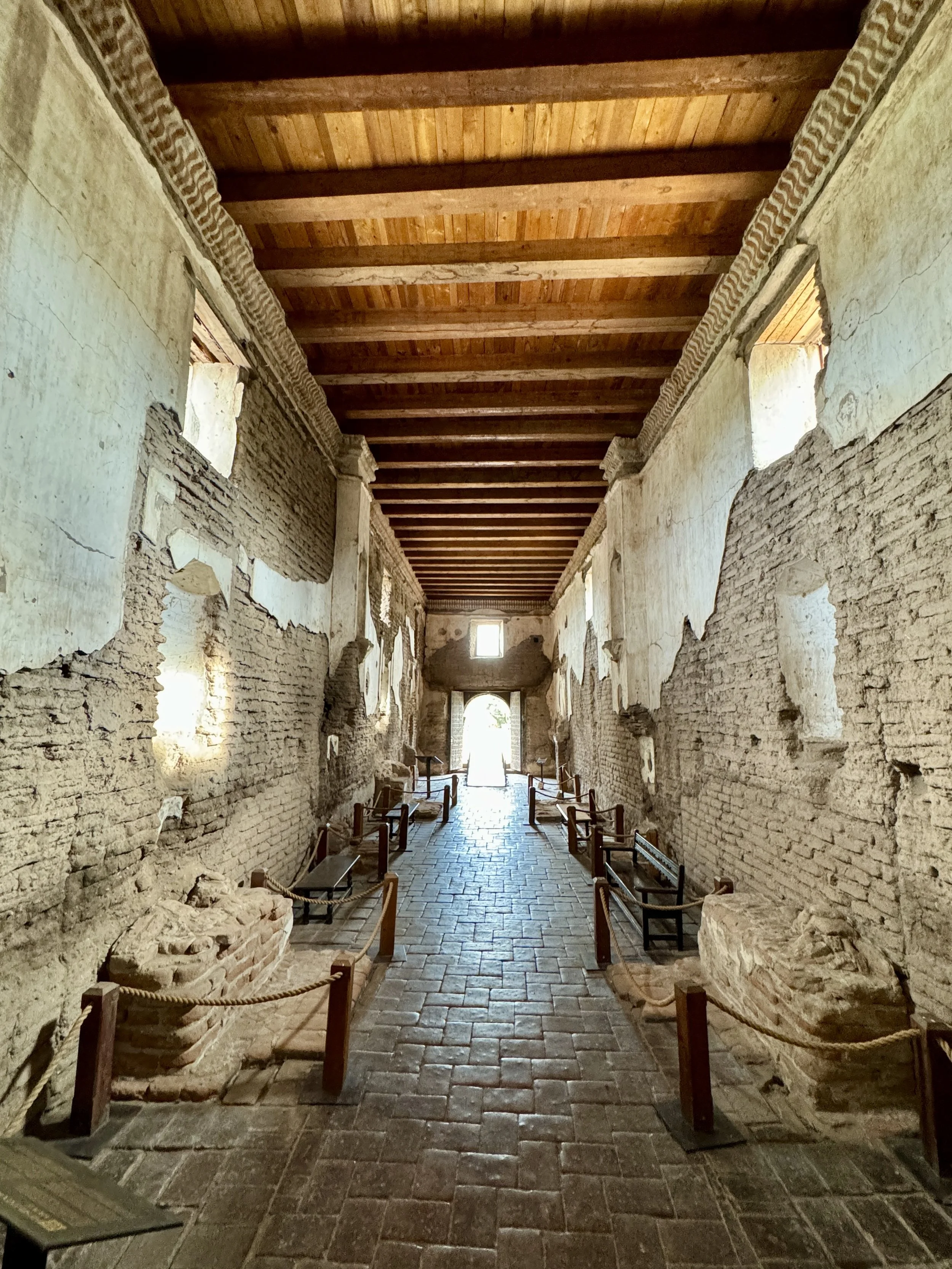
Tumacácori preserves the remains of a Spanish colonial mission first established in the late 1600s. Adobe walls rise from the surrounding desert landscape, and over the centuries the grounds have become just as much a haven for wildlife as a place to learn about the area's history.
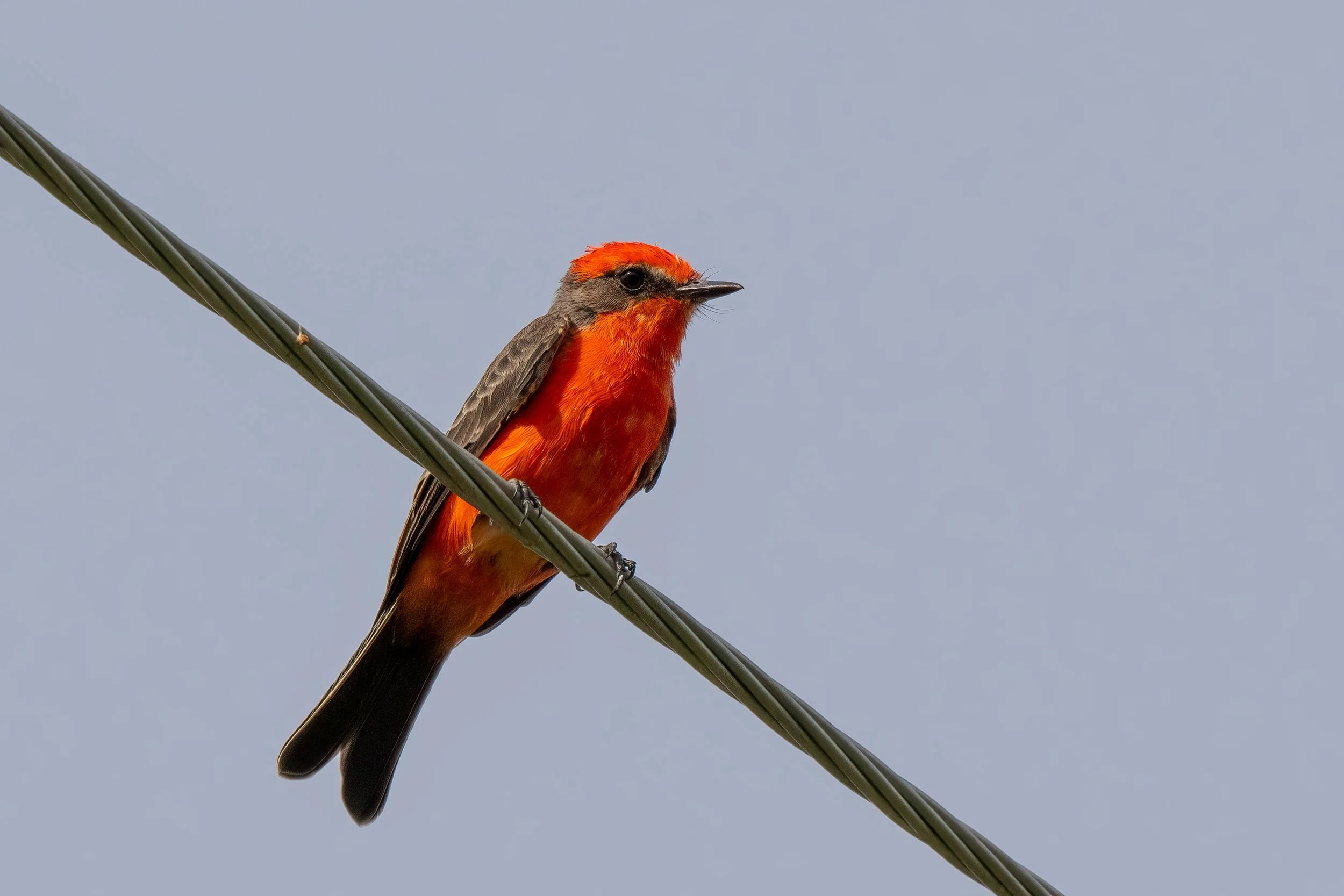
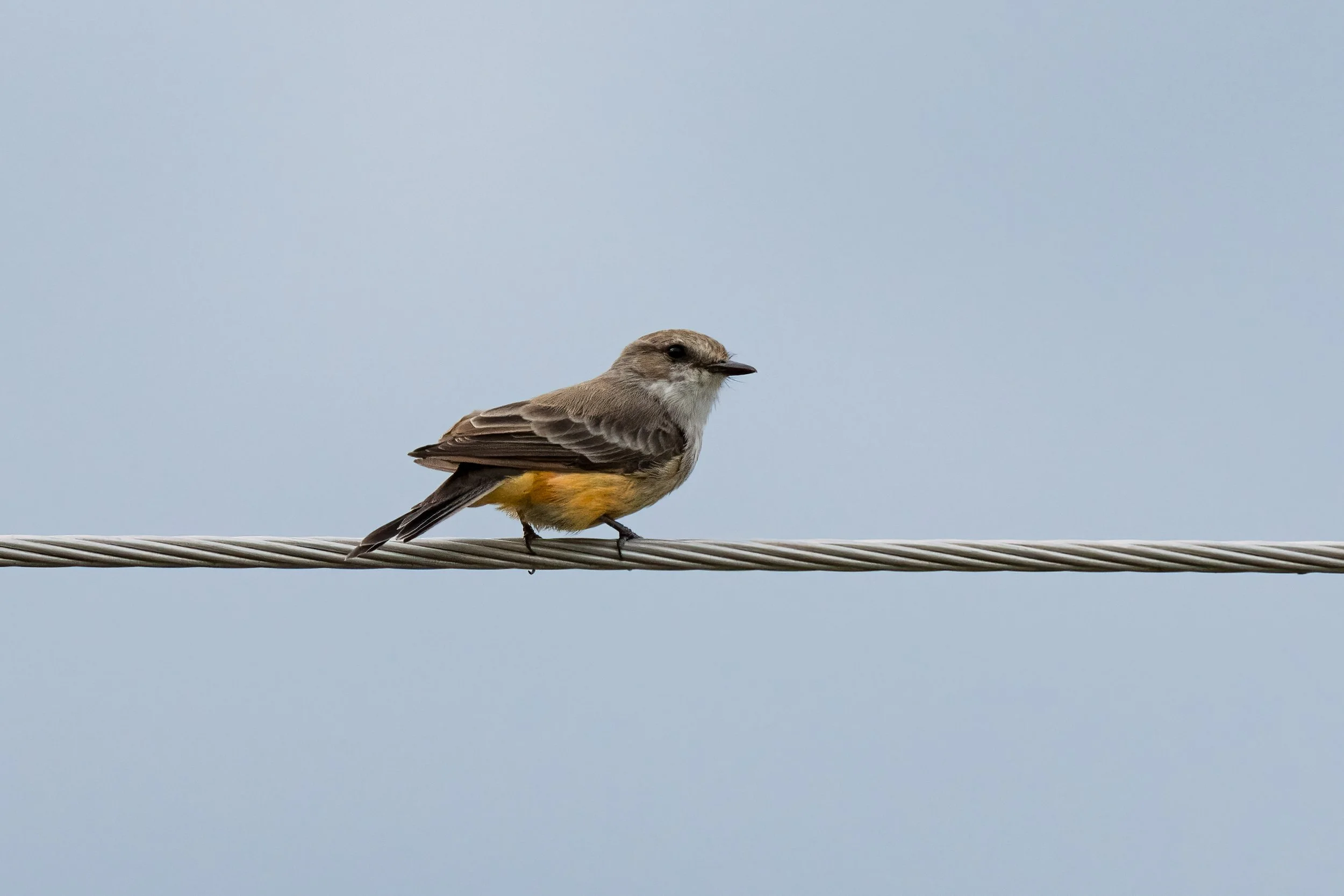
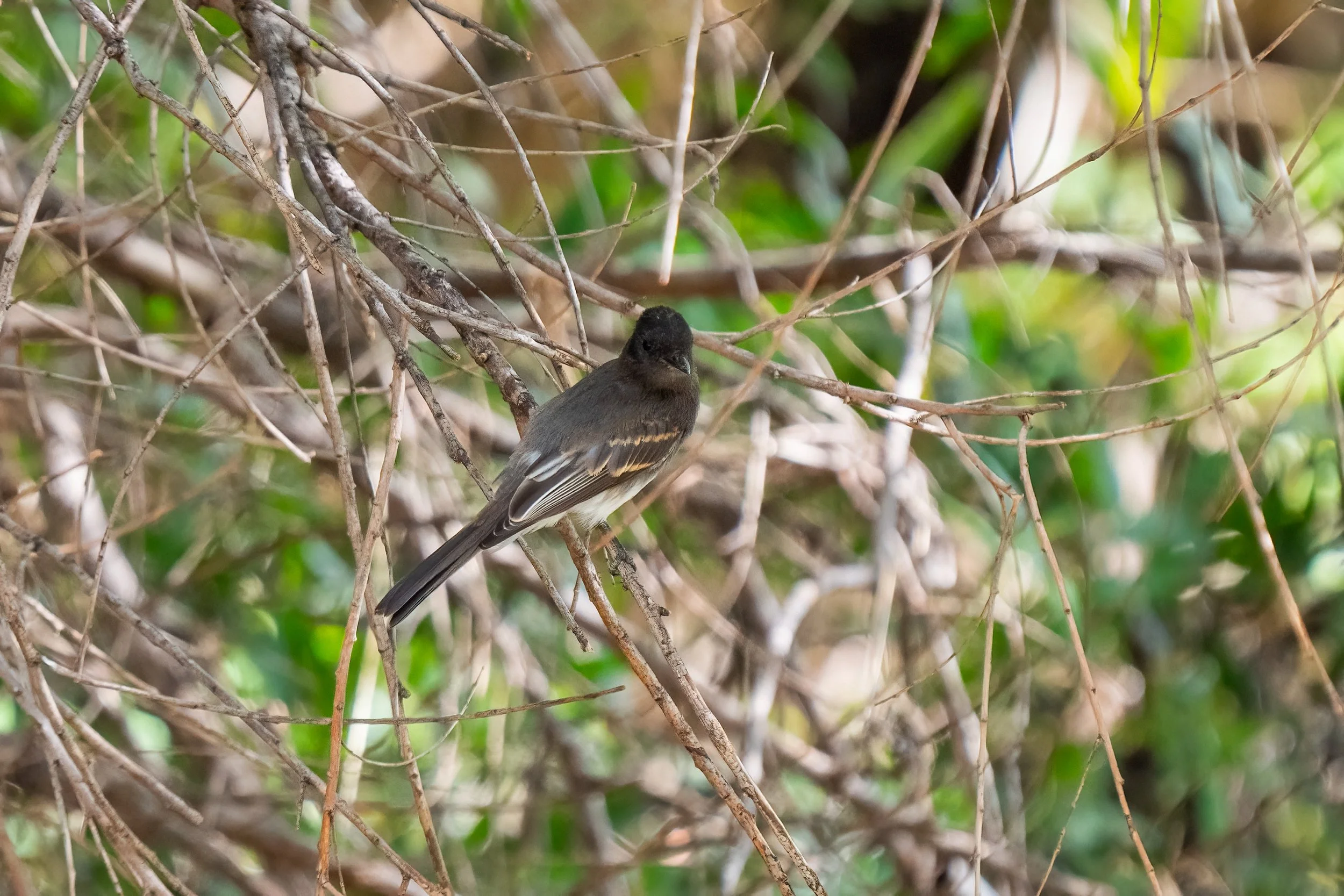
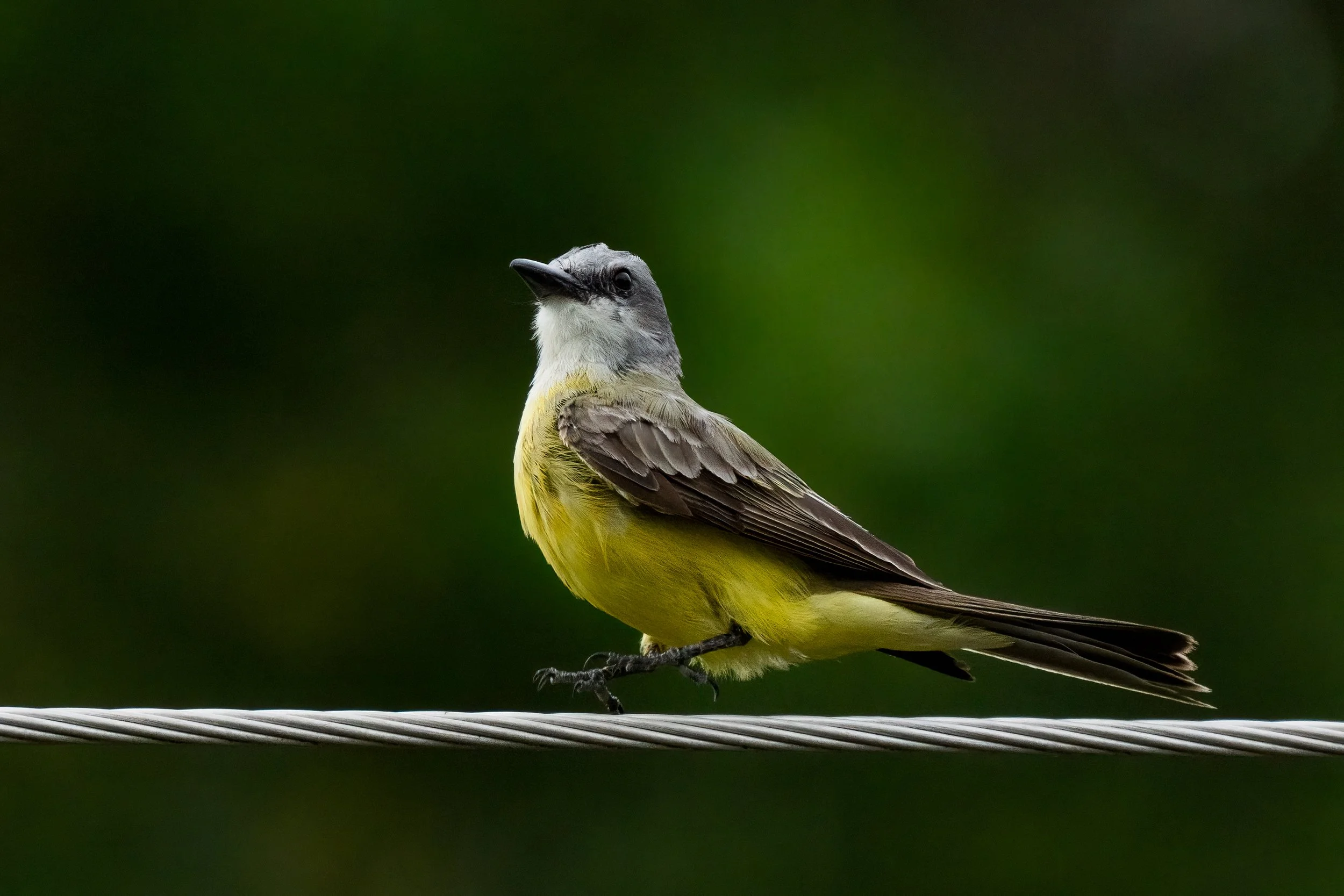
One of the first birds to greet us was a male Vermilion Flycatcher perched out in the open, stalking bugs from a wall and power line. Several other flycatchers, including a female Vermilion, a juvenile Black Phoebe, and some Tropical Kingbirds were in the area snapping bugs out of the sky!
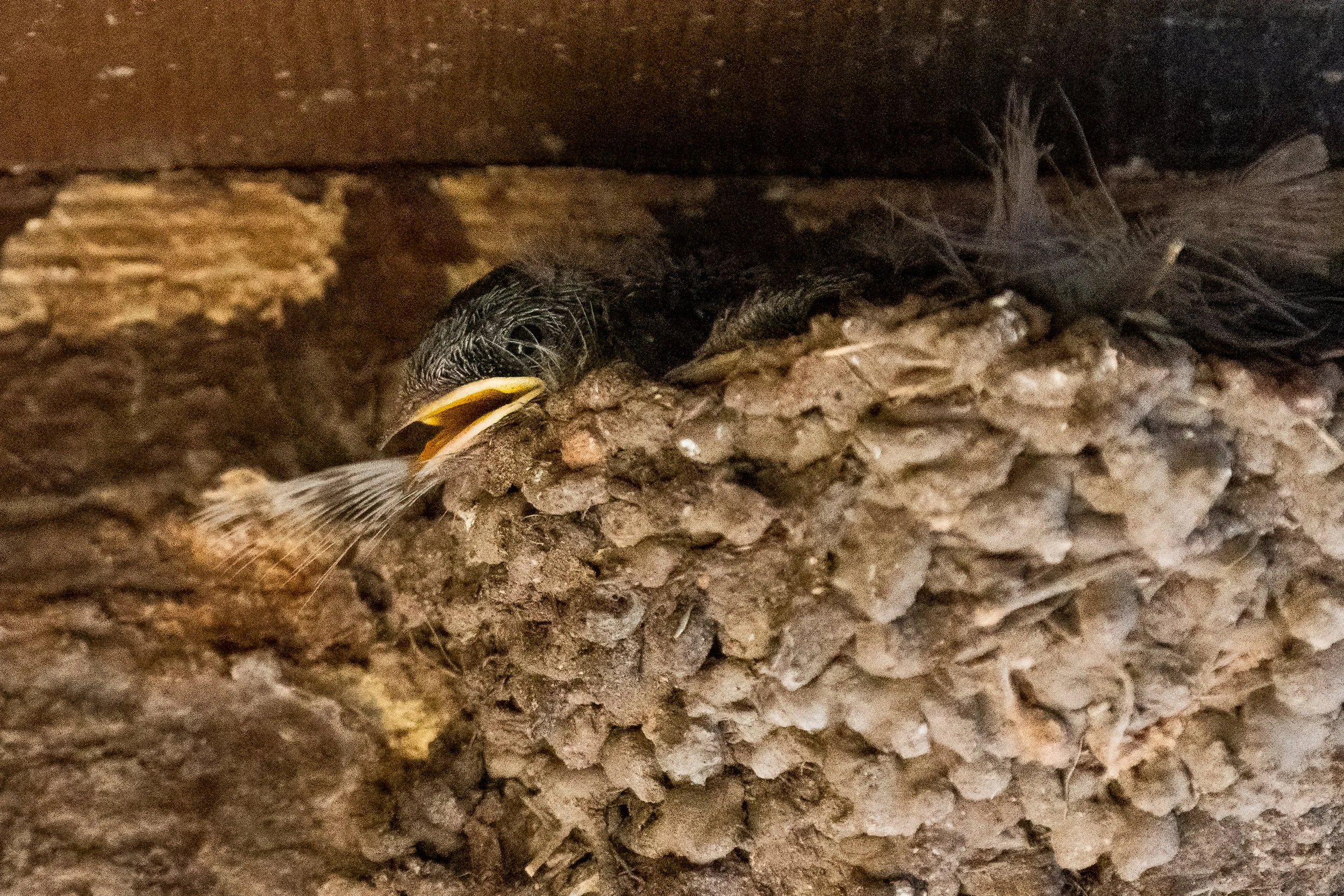
Barn Swallows had tucked a mud nest beneath one of the covered walkways. We watched the adults make repeated trips back and forth, disappearing into the shaded corner before reappearing moments later to continue feeding their growing family.
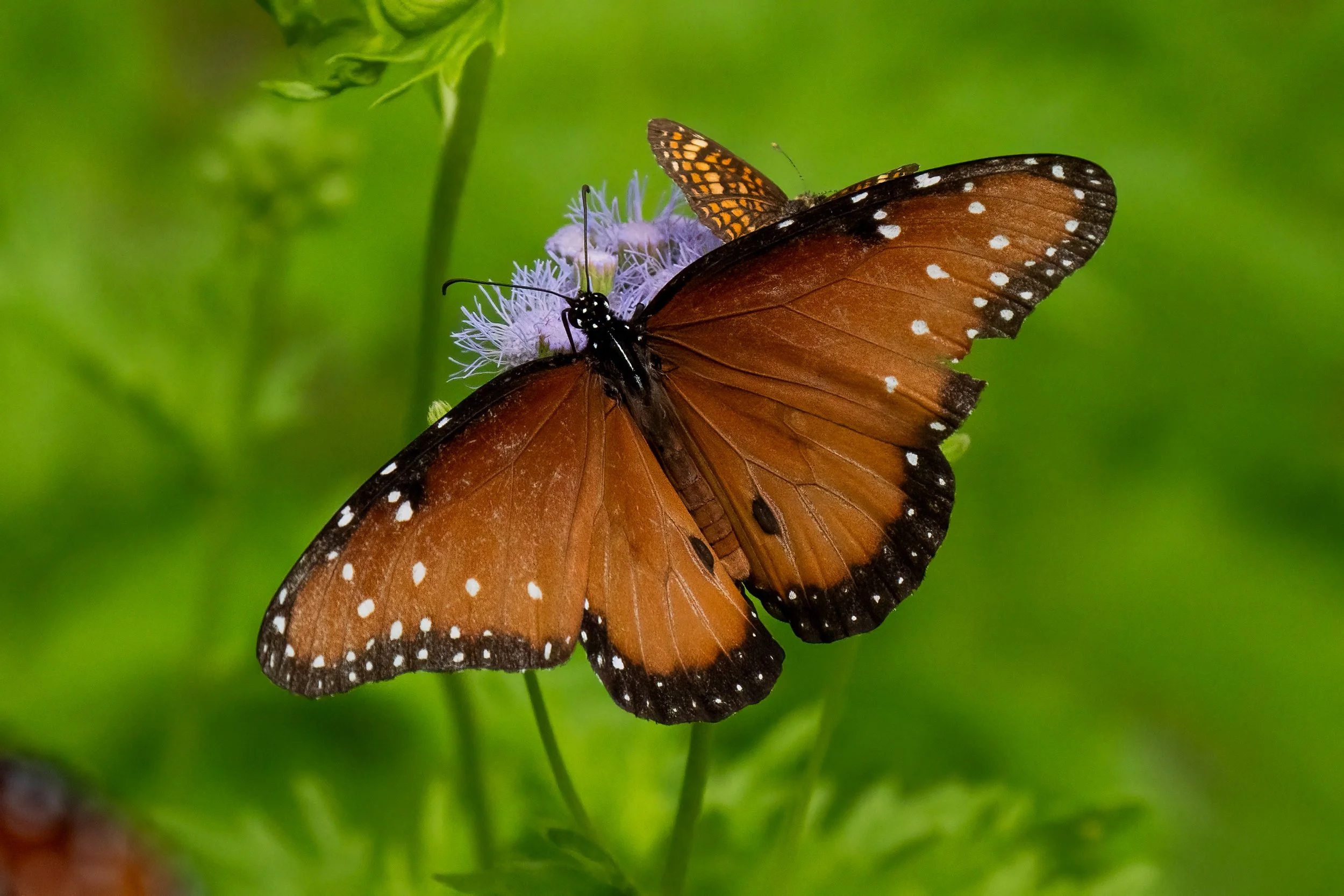
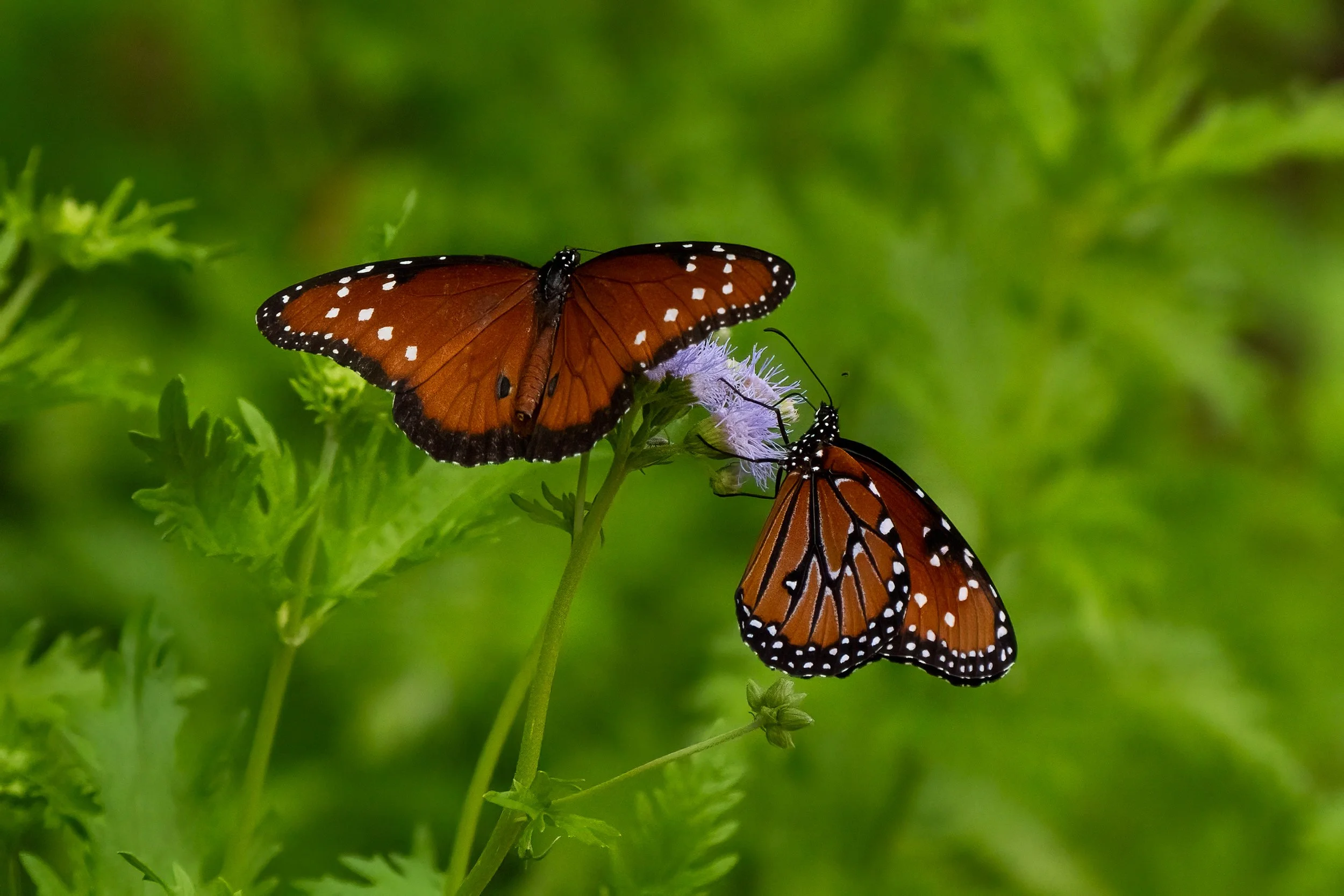
Queen butterflies drifted through the gardens, pausing at flowers before continuing across the mission grounds.
The Anza Trail at Saint Gertrudis Lane
From the mission, we continued to Saint Gertrudis Lane, to the Anza Trail (formally known as Juan Bautista de Anza National Historic Trail), where cottonwoods and willows line the Santa Cruz River.
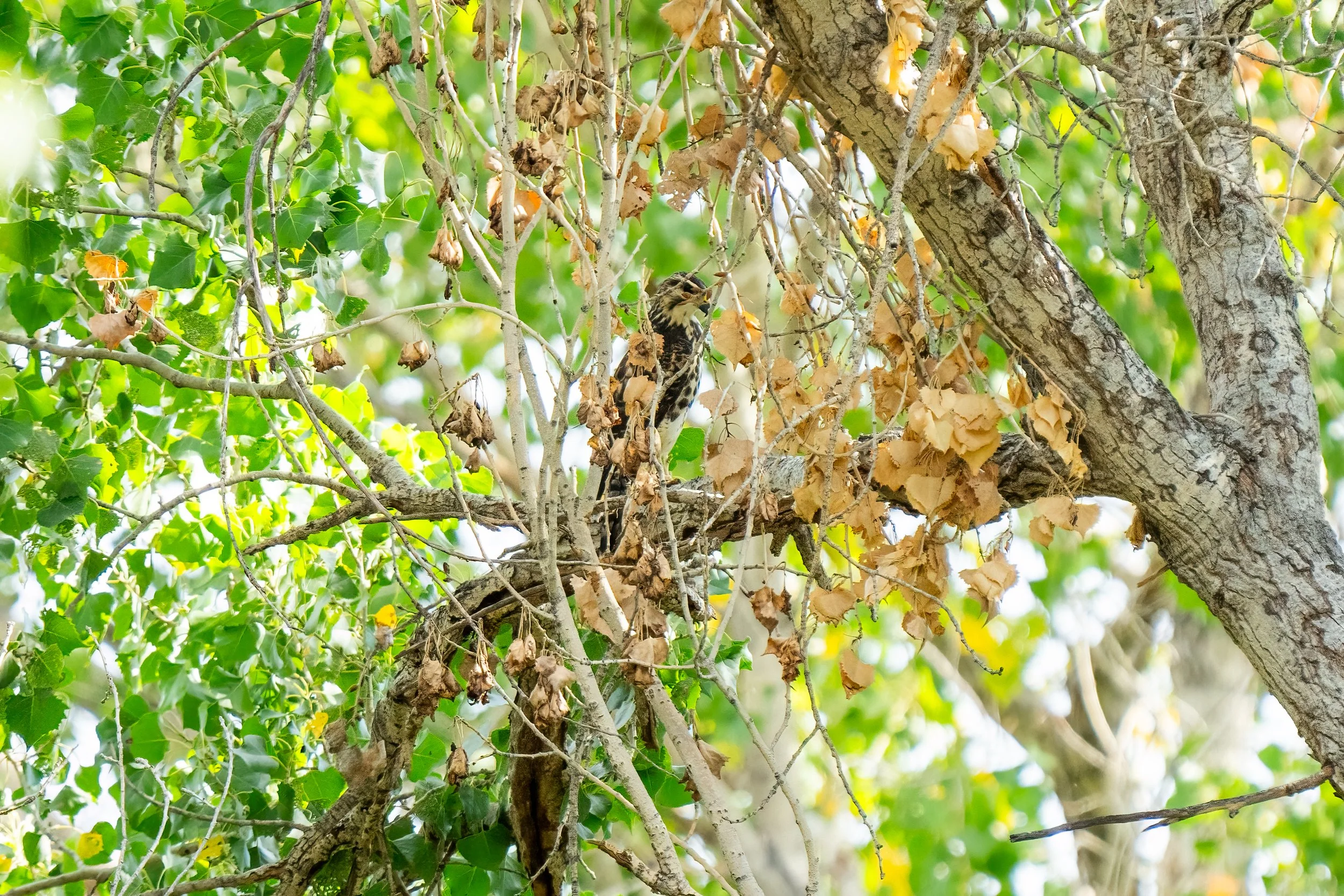
We hadn't been there long before loud calls drew our attention into the canopy. After a little searching, we found what we'd come for: an adult Gray Hawk and a juvenile moving through the trees together. Thick leaves often blocked our view, but simply watching the pair interact was worth the patience it took to keep track of them.
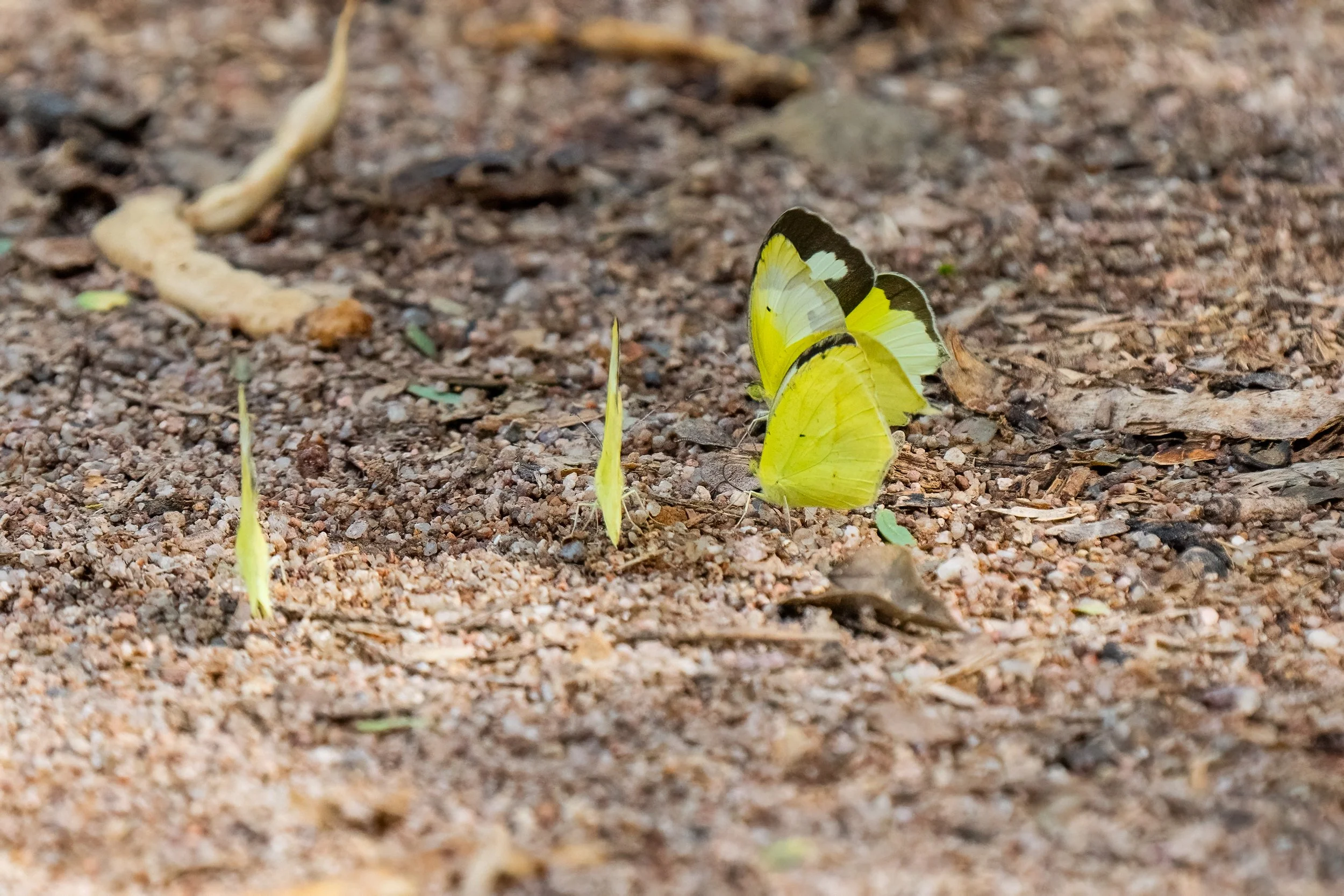
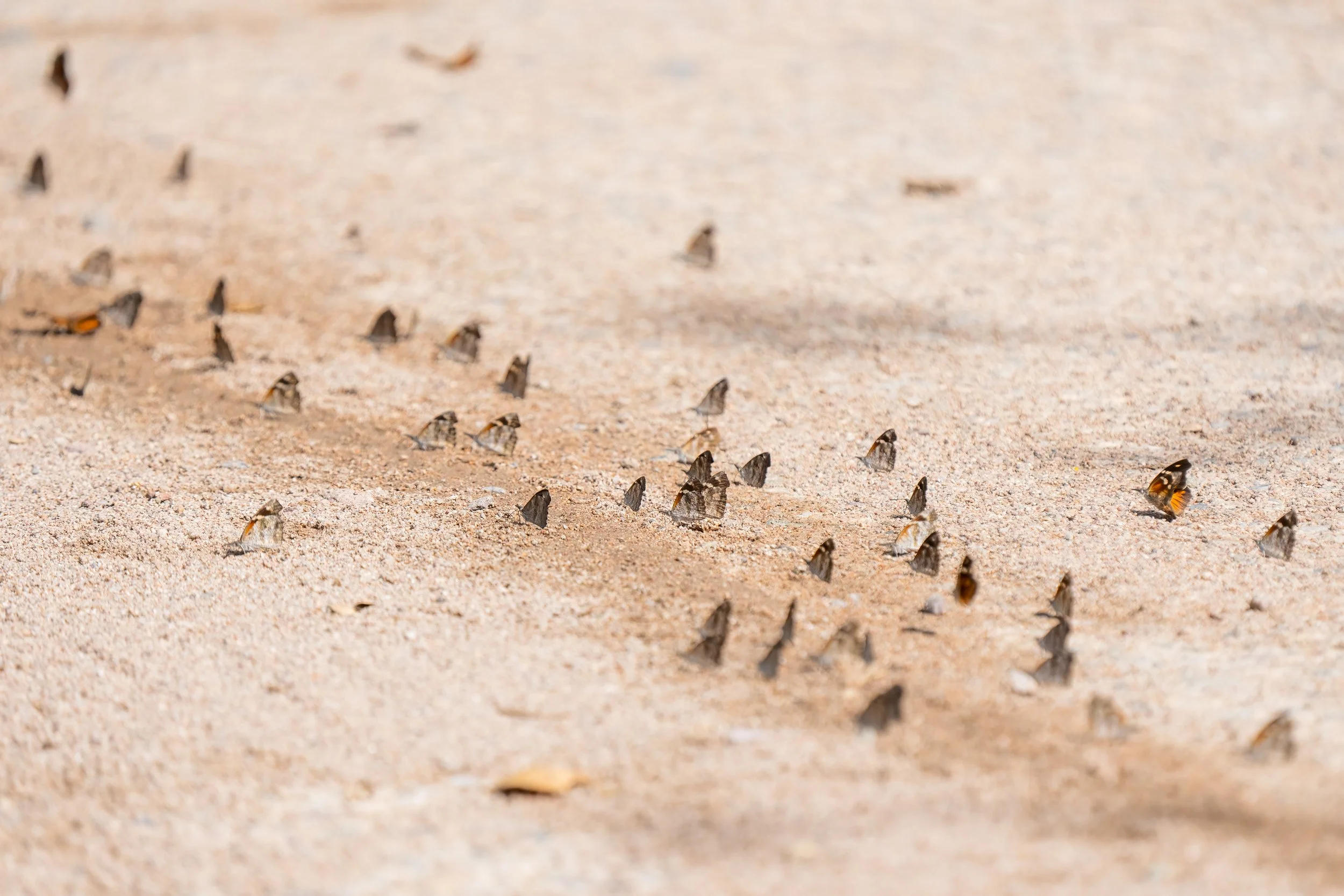
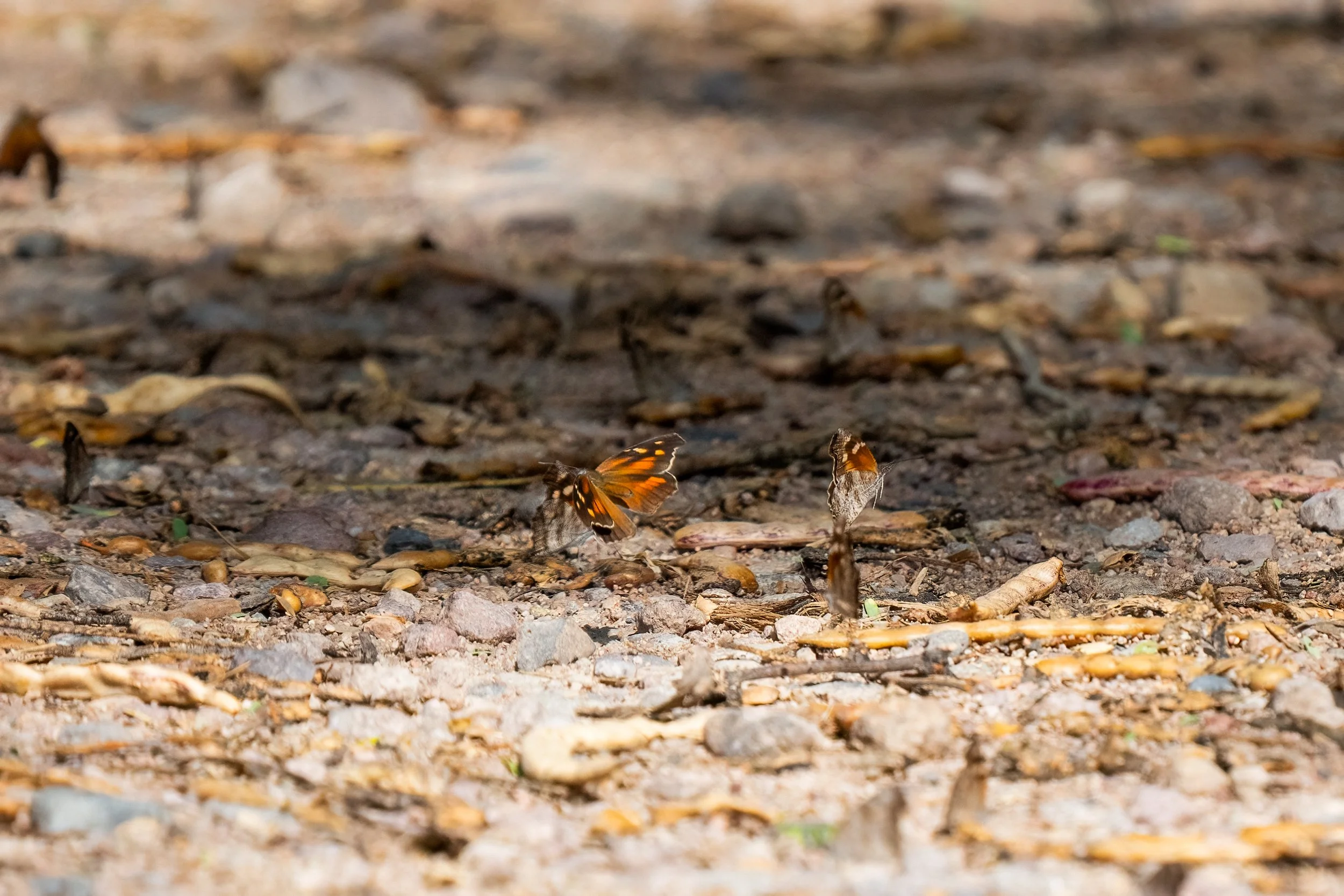
Then the butterflies stole the show. Along the edge of the creek, hundreds of American Snouts and Mexican Yellows gathered on the damp mud, drawing minerals from the soil. Every time we stepped a little too close, the entire group lifted into the air before settling back onto the creek bank moments later.
I ended up crouching beside the water for quite a while, watching the butterflies spread across the mud again until the ground seemed almost carpeted with orange, yellow, and brown wings.
We came to the Santa Cruz River hoping to find Gray Hawks, and we did. What I remember most, though, is kneeling beside the creek while hundreds of butterflies slowly settled back onto the mud around us. It was one of those unexpected moments that quietly becomes the highlight of the day.