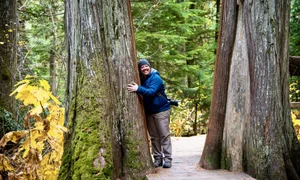
A One-Night Adventure in Tuolumne Meadows
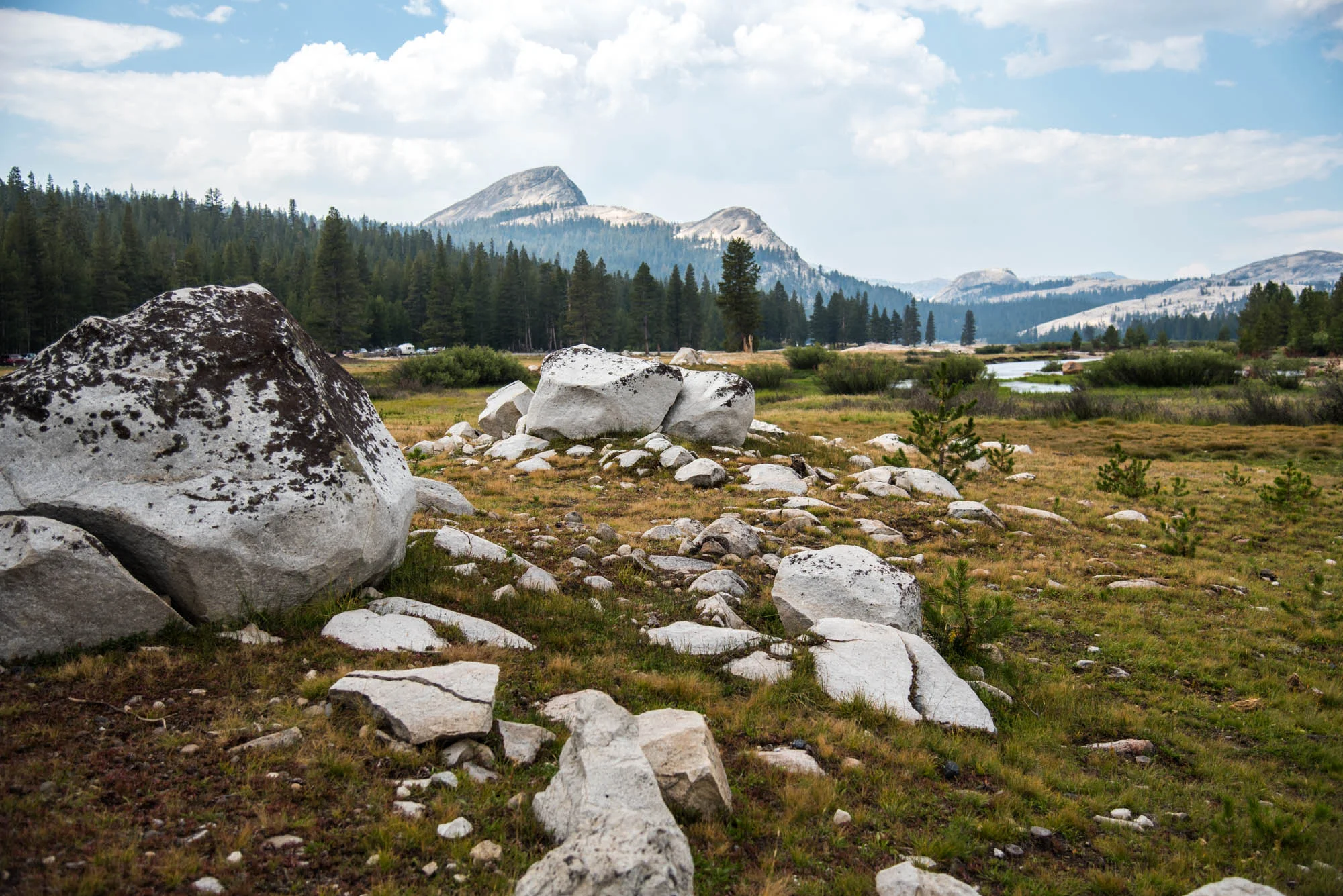
We had a wild idea to try to reserve a campsite in Tuolumne Meadows, despite Yosemite’s famously competitive reservation process. Campsites disappeared almost as soon as they became available, and getting one for a summer weekend seemed unlikely.
Kim checked the reservations one evening and somehow found a single Saturday night that no one had claimed. She booked it for about two weeks later, and we tried to convince ourselves that driving six hours each way for one night in Yosemite was not completely ridiculous.
The drive from Southern California took us through Los Angeles and Lancaster before joining Highway 395 for the beautiful trip north along the eastern Sierra. It was a long drive, but Highway 395 was part of the experience, with mountains rising beside us and the scenery getting better as we moved north.
We wanted to make the most of our one-night reservation, so we woke up at 4 a.m. and were on the road by 4:30. We made it through the heaviest Los Angeles traffic before the sun was up.
We had planned a couple of hikes for the afternoon, but the early wake-up and long drive drained our energy sooner than expected. Instead of forcing ourselves through the original agenda, we slowed down and spent the afternoon wandering through the meadow and along the river.
Tuolumne Meadows, Soda Springs, and Parsons Memorial Lodge
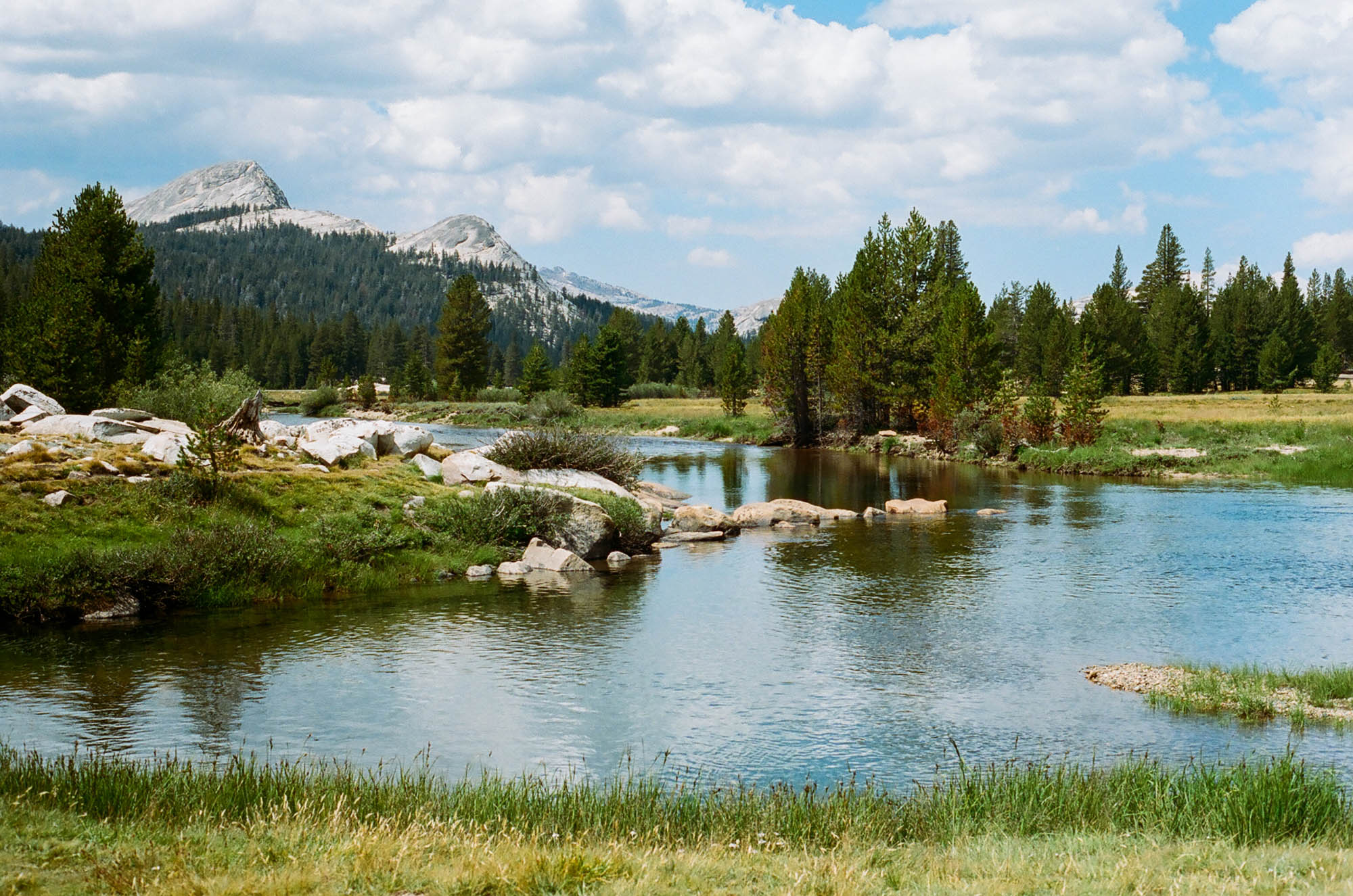


The walk to Soda Springs and Parsons Memorial Lodge was a mostly flat, 1.5-mile round-trip through Tuolumne Meadows. Lembert Dome, Cathedral Peak, and other granite formations rose around the broad meadow, giving us something beautiful to look at in every direction.
We parked along the road and joined a trail marked for Glen Aulin and Soda Springs. Glen Aulin was an adventure for another trip, so we followed the meadow trail toward the river instead. We crossed the bridge, continued to Parsons Memorial Lodge, and then walked over to Soda Springs.
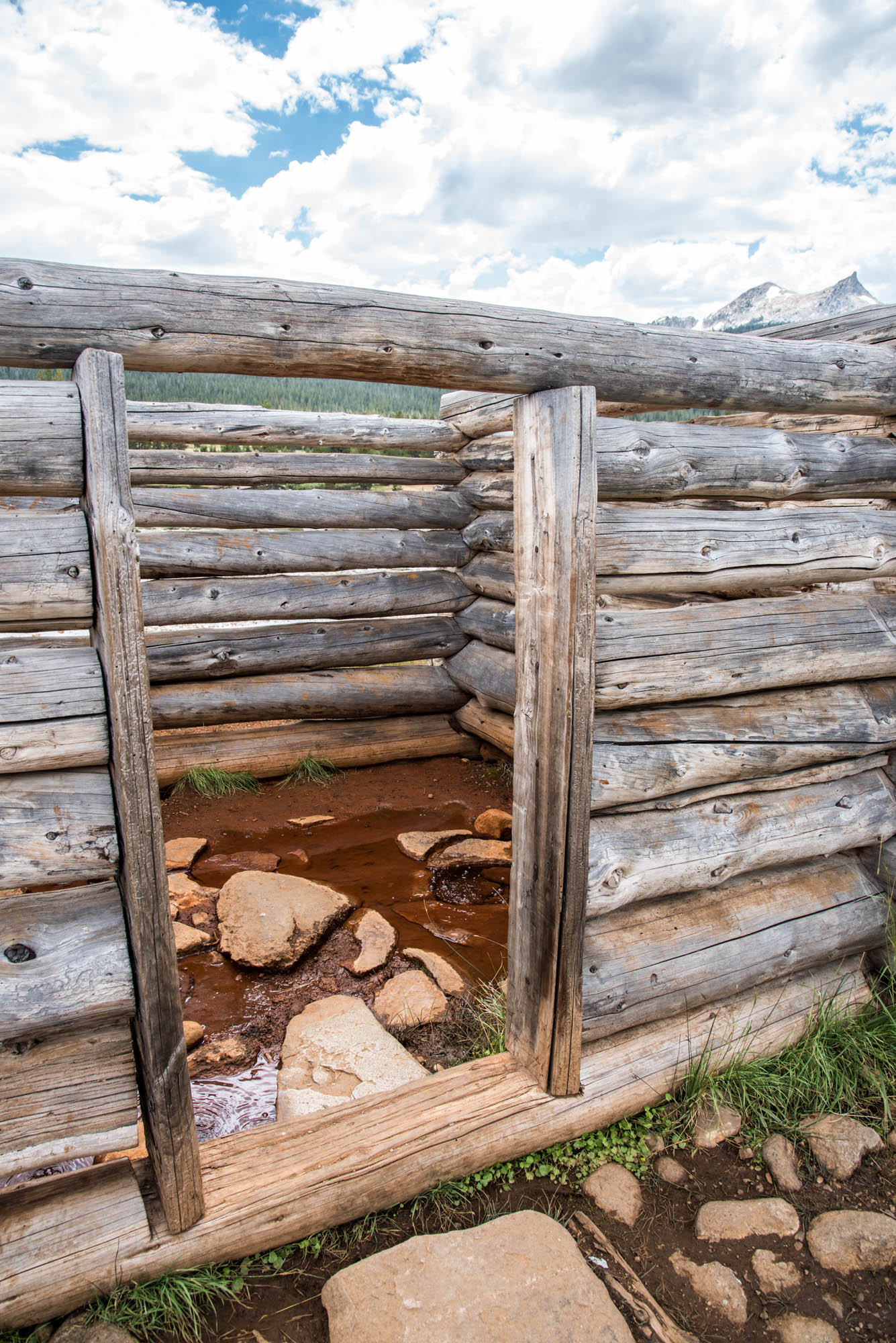


Cold, carbonated water bubbled from the ground at Soda Springs, leaving rusty mineral stains across the surrounding soil. A small historic log enclosure protected one of the most active springs, but we could see other places nearby where water percolated through the meadow.
The roofless enclosure looked weathered and simple against the open landscape. It had originally been built to protect the spring from livestock, and more than a century later, water was still bubbling from the earth inside it.
The walk was exactly what we needed after spending most of the morning in the car. We could stretch our legs without committing to a strenuous hike, stop whenever a view caught our attention, and begin settling into the slower pace of Tuolumne Meadows.
Tuolumne Meadows Campground
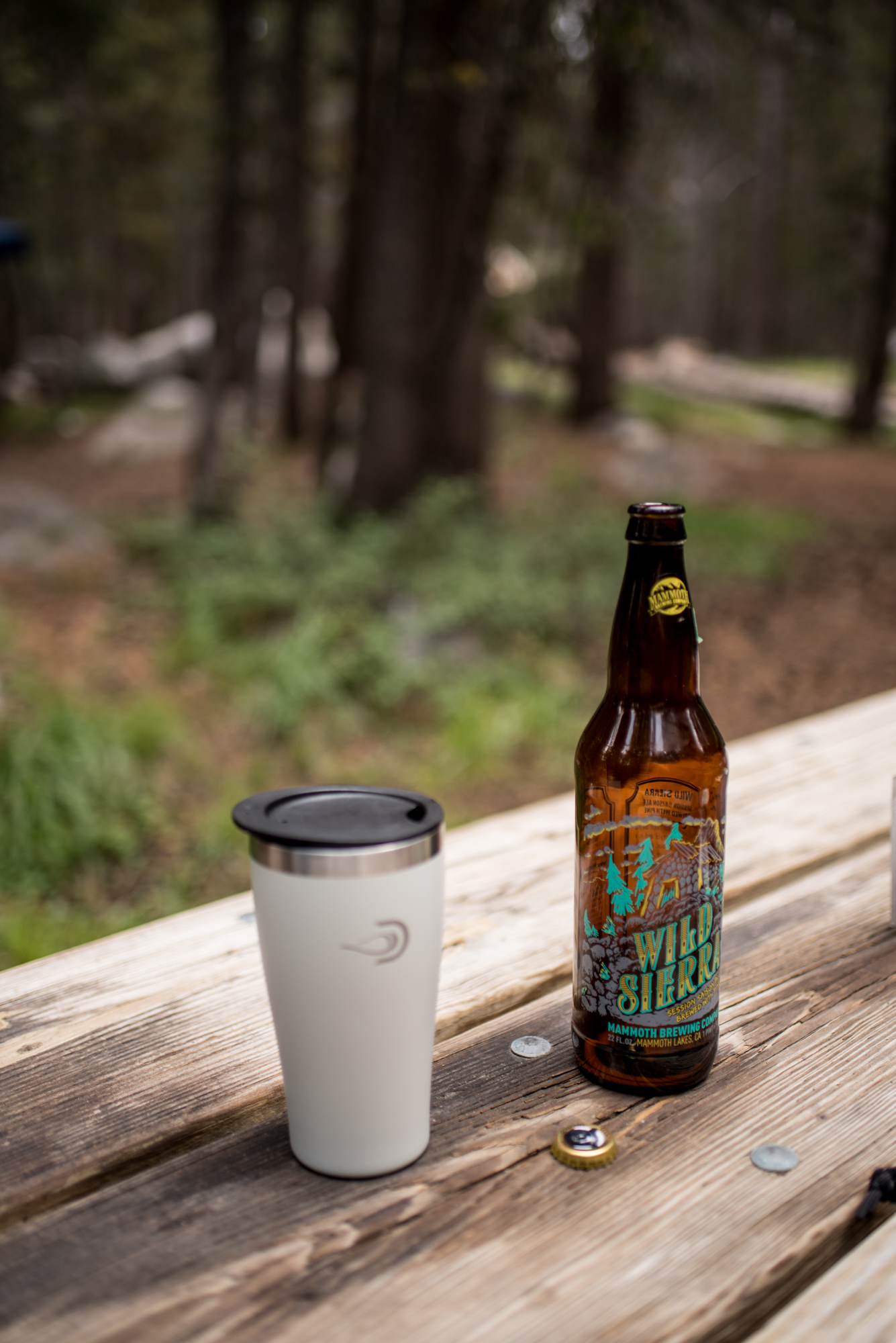

Our campsite had a small parking area for the Subaru and a surprisingly large space with a picnic table and fire ring. We were close to a restroom without being close enough for the noise to bother us. Woods bordered one side of the site, and the river was just across the campground road.
We slept in the Subaru on this trip. My fear of bears played a role in that decision, but it was also the easiest setup for such a short visit. We wanted to sleep, wake up early, and get back onto the trails without spending much of our limited time setting up and taking down a tent.
We stopped at the small market near the campground and treated ourselves to Mammoth Brewing beer and ice cream. PCT hikers were picking up resupply packages nearby, carrying on with journeys far longer than our one-night visit.
Back at camp, we ate our ice cream, drank some coffee, and rested for a while. The combination revived us enough to head out for another walk before dinner.
The Tuolumne River and Lyell Fork
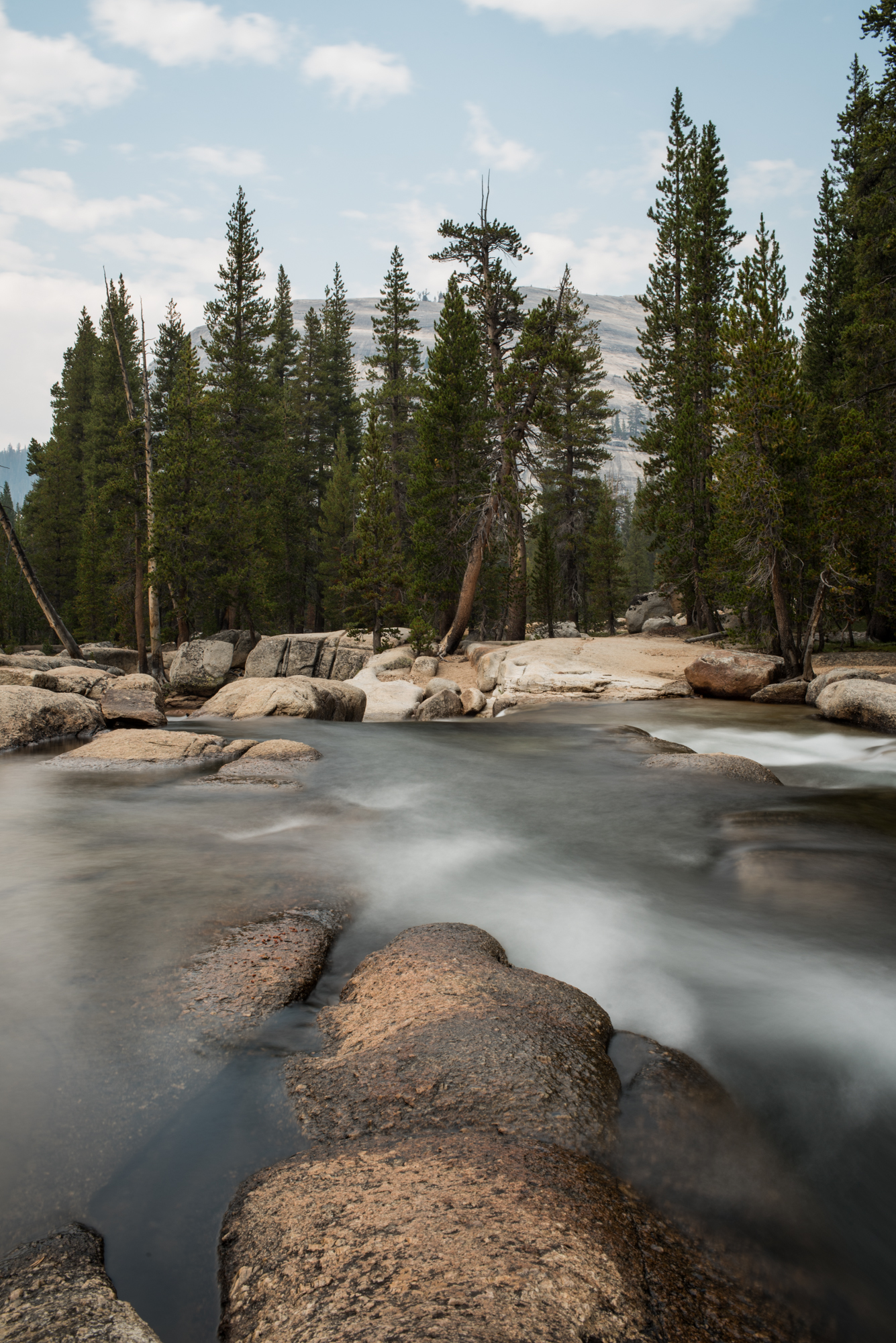


Instead of driving to another trailhead, we left the campground on foot and followed the John Muir Trail for a short distance. The river kept pulling our attention away from the main path, so we eventually cut over to the smaller paths used by people fishing along the bank.
The water was remarkably clear. We watched several people swimming before finding a shallow fork where we could wade. The water was cold enough to make us move carefully, but it felt wonderful after the drive and our walk through the meadow.
We hopped across a few narrow channels, splashing ourselves along the way, and found a large boulder where we could sit for a while. We could hear the water moving around the rocks, with a cool breeze crossing the meadow and granite peaks rising beyond the trees.
This was the Tuolumne Meadows I had imagined before the trip. Clear water, cool mountain air, enormous boulders, and a beautiful view every time I turned my head. We spent a few hours beside the river without needing to reach a destination or complete a particular trail.
Dinner Under the Stars


By the time we left the river, we were hungry and ready to settle in for the night. Back at camp, we heated cans of chili and opened a couple of crowlers from Gunwhale Ales, one of our favorite breweries back home in Costa Mesa.
We had brought cans of chili but somehow left home without a can opener. Thankfully, a better-equipped van camper at the neighboring site came to our rescue.
We ate dinner at the picnic table, drank our beer, and sat beneath the stars for a while before curling up in the Subaru. We needed another early start the next morning for our hike to Gaylor Lakes.
Driving Tioga Road

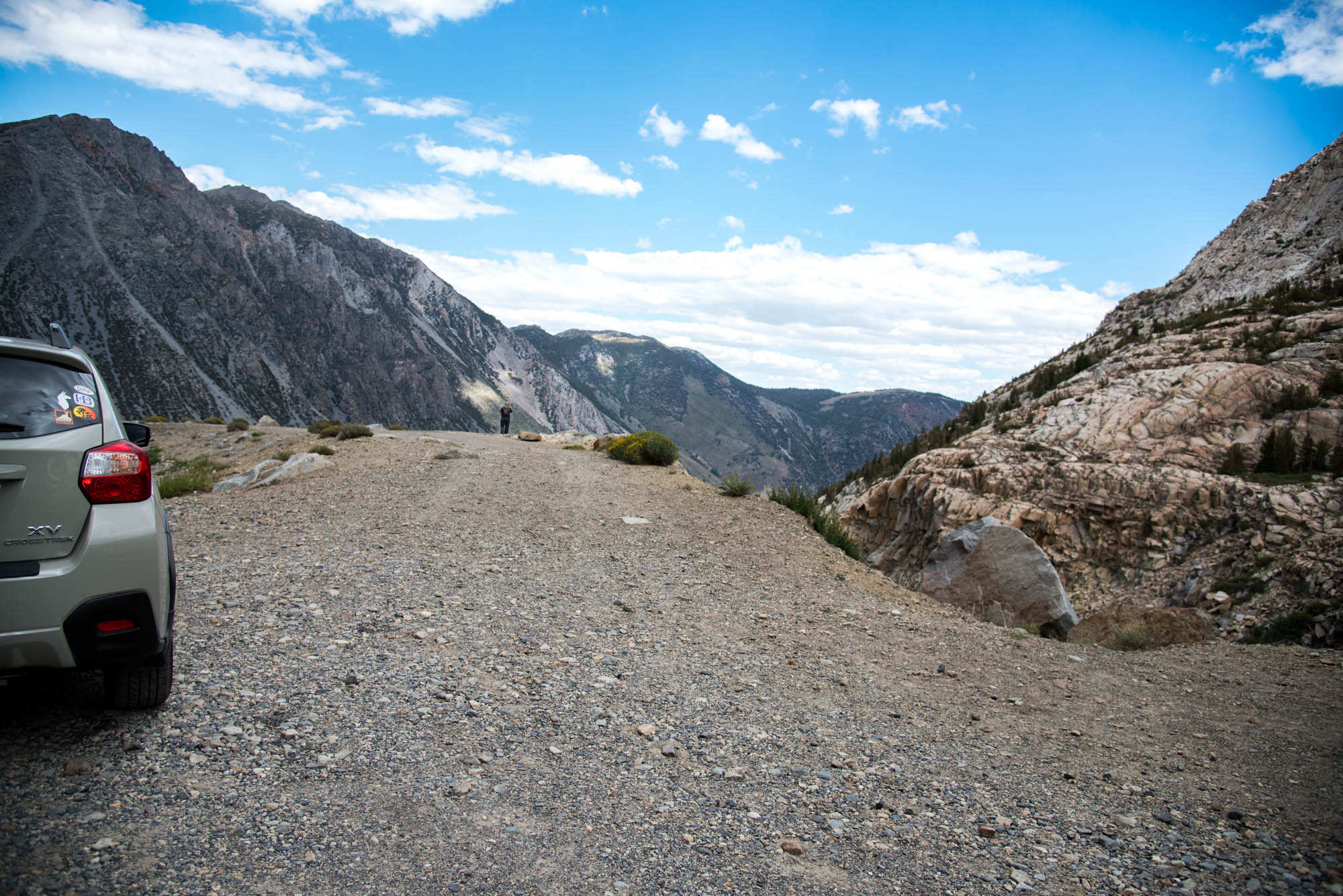


Tioga Road is only accessible by car during part of the year, but when it is open, the drive through Yosemite’s high country is beautiful. Beyond the park’s eastern entrance, Highway 120 descends through Inyo National Forest toward Lee Vining and Highway 395, with wide views across the eastern Sierra.
We stopped often because the landscape kept giving us reasons to pull over. Granite peaks, high-elevation lakes, open meadows, and distant mountain slopes appeared around nearly every curve.
Yosemite Valley can become intensely crowded during summer. Tuolumne Meadows was quieter during our visit, with enough space to wander beside the river and sit on a boulder without feeling rushed. It was farther from the park’s famous valley landmarks, but it never felt like a lesser version of Yosemite.
There were trails leading toward lakes, peaks, climbing areas, and miles of backcountry in nearly every direction. Even with only one campsite reservation and part of an afternoon, we found far more than we could explore.
Before we had crossed the park boundary on our way home, we were already talking about what we wanted to do the next time we returned.