Santa Clara River Estuary: Pelican Roost and Osprey Buffet
The Santa Clara River Estuary sits at the point where the Santa Clara River meets the Pacific Ocean just south of Ventura, and it is a very productive estuarine birding spot on the Southern California coast. The shifting sandbars, shallow tidal channels, and open beach at the river mouth create a mosaic of habitats that attracts an impressive range of shorebirds, waterbirds, and raptors, and the estuary's protected status as a natural preserve means the habitat remains intact enough to support species that have largely disappeared from more disturbed stretches of the Southern California coastline.
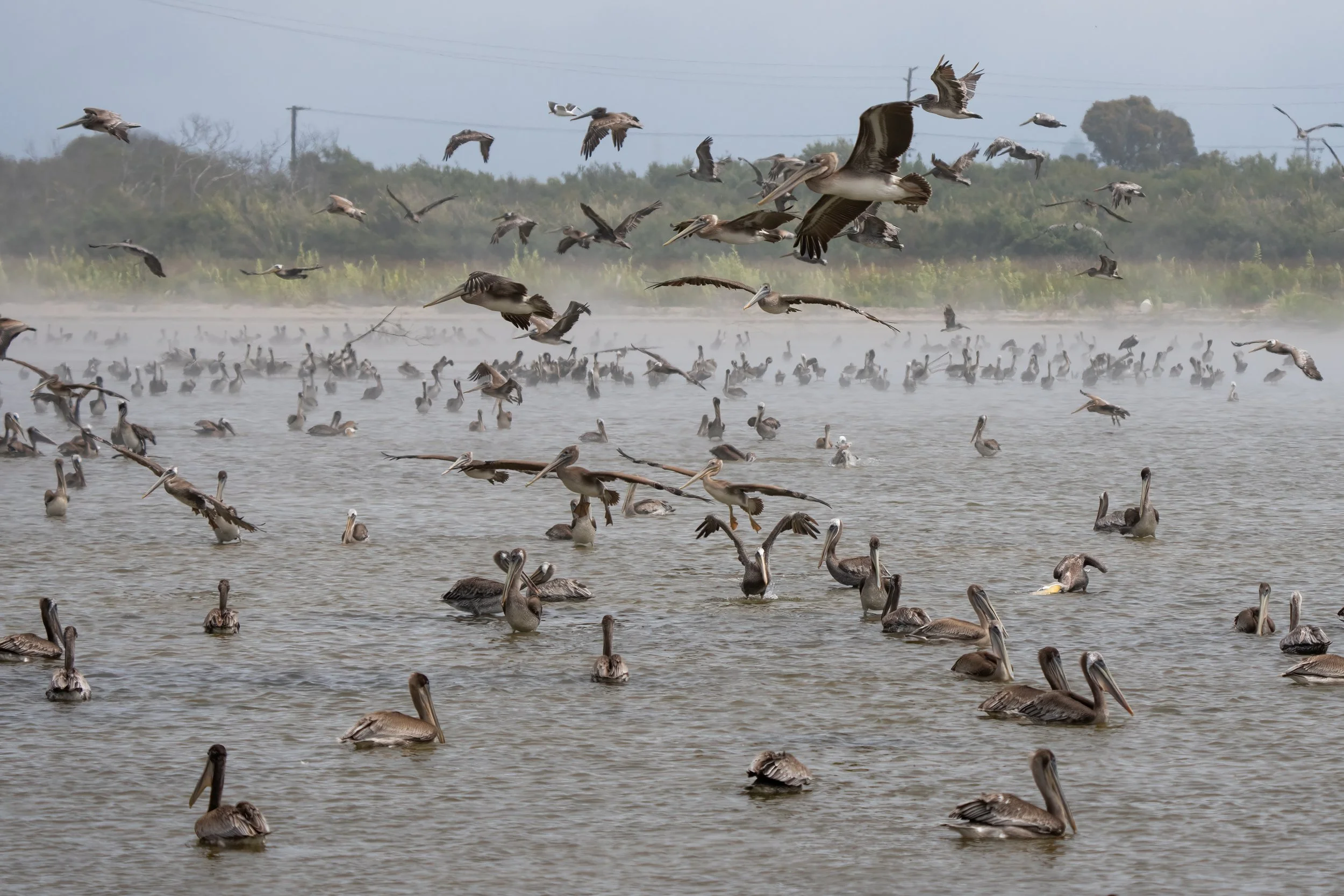
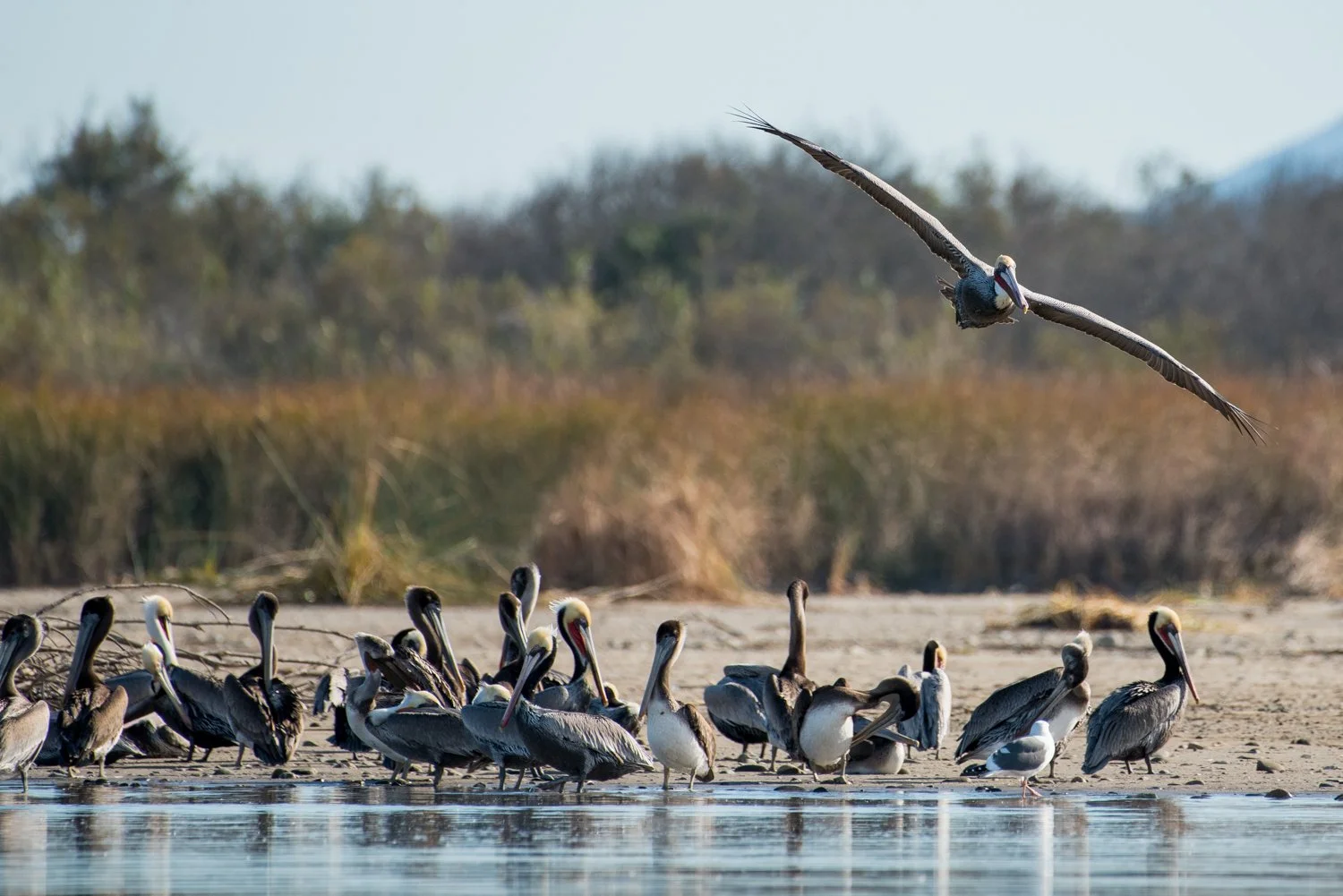
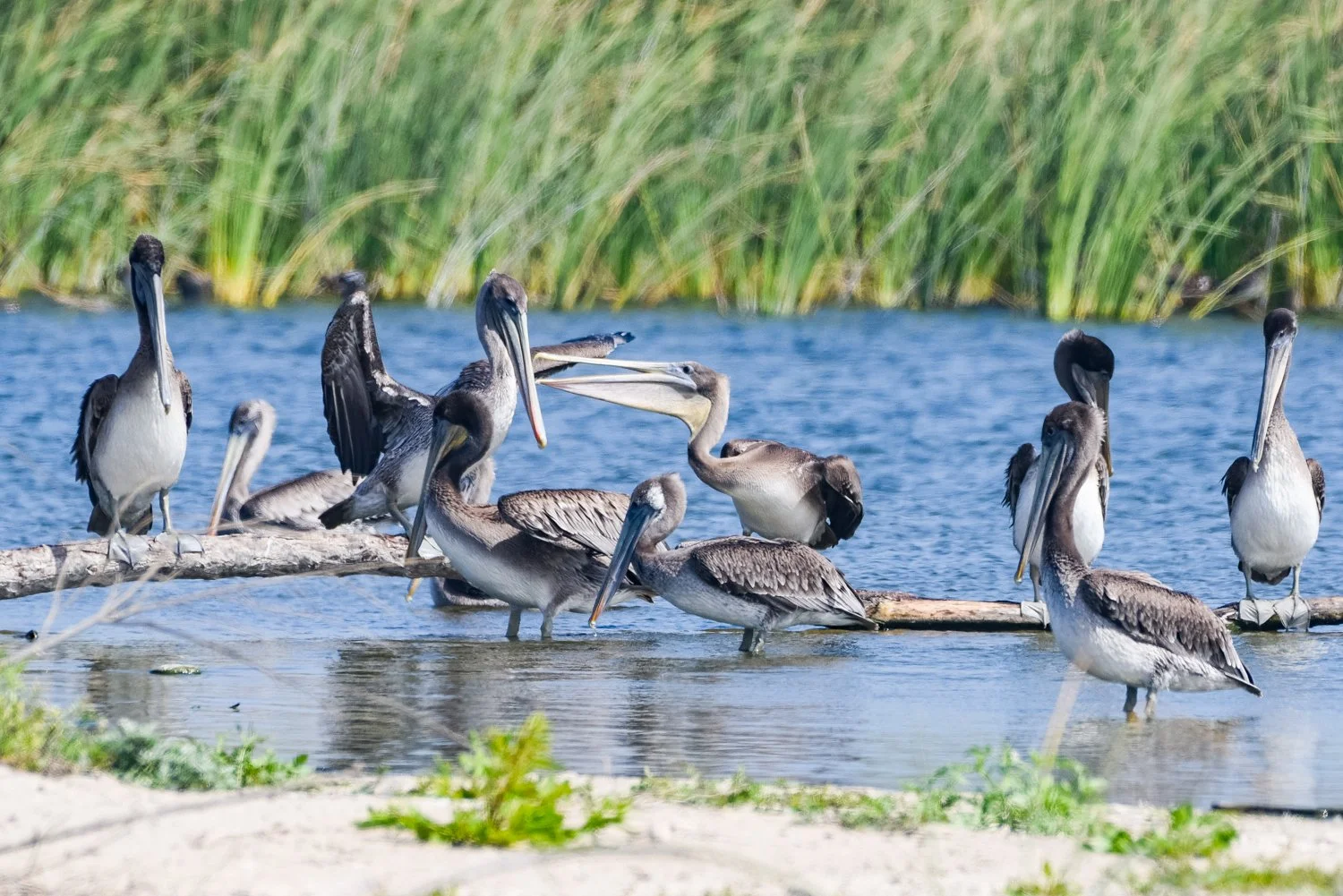
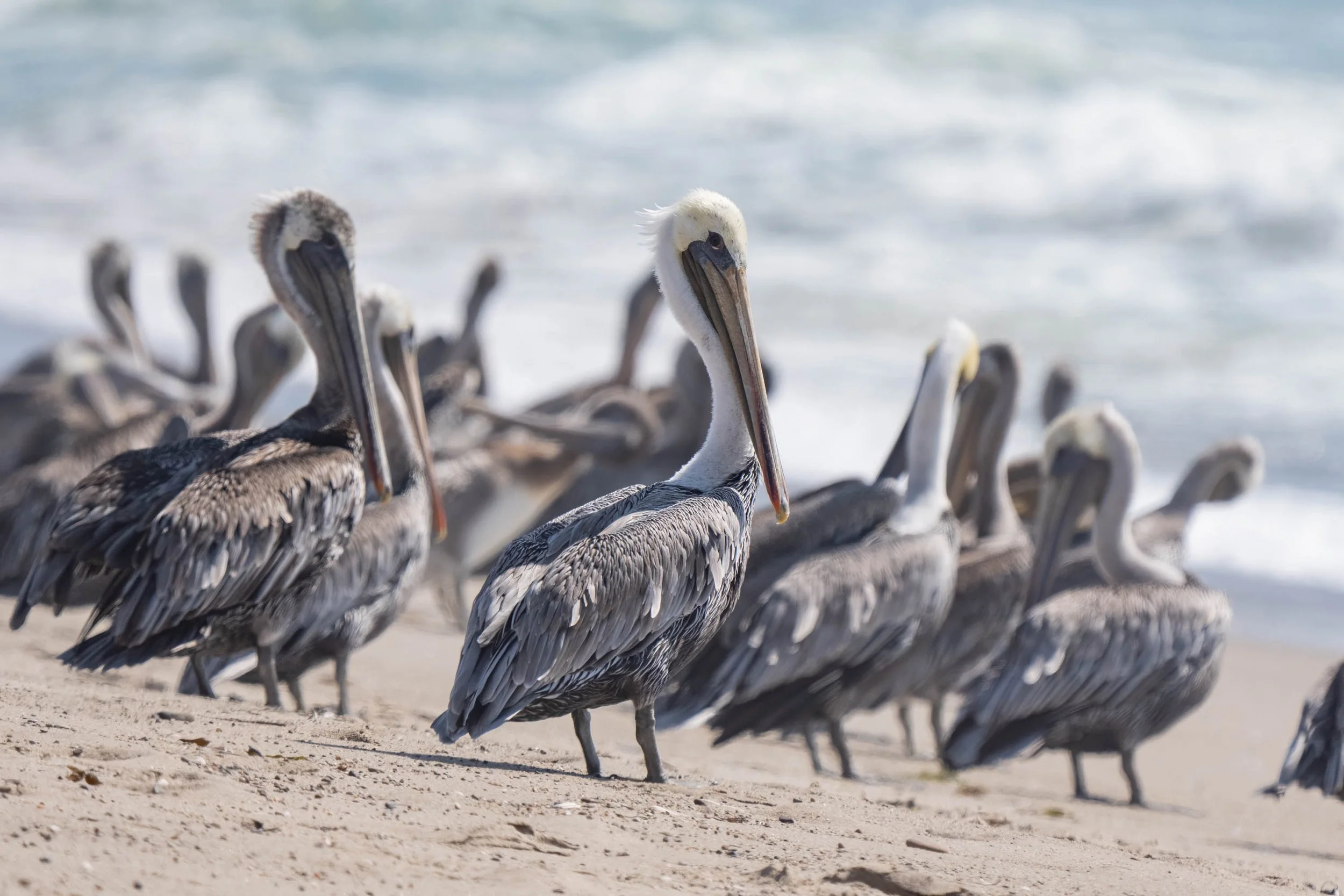
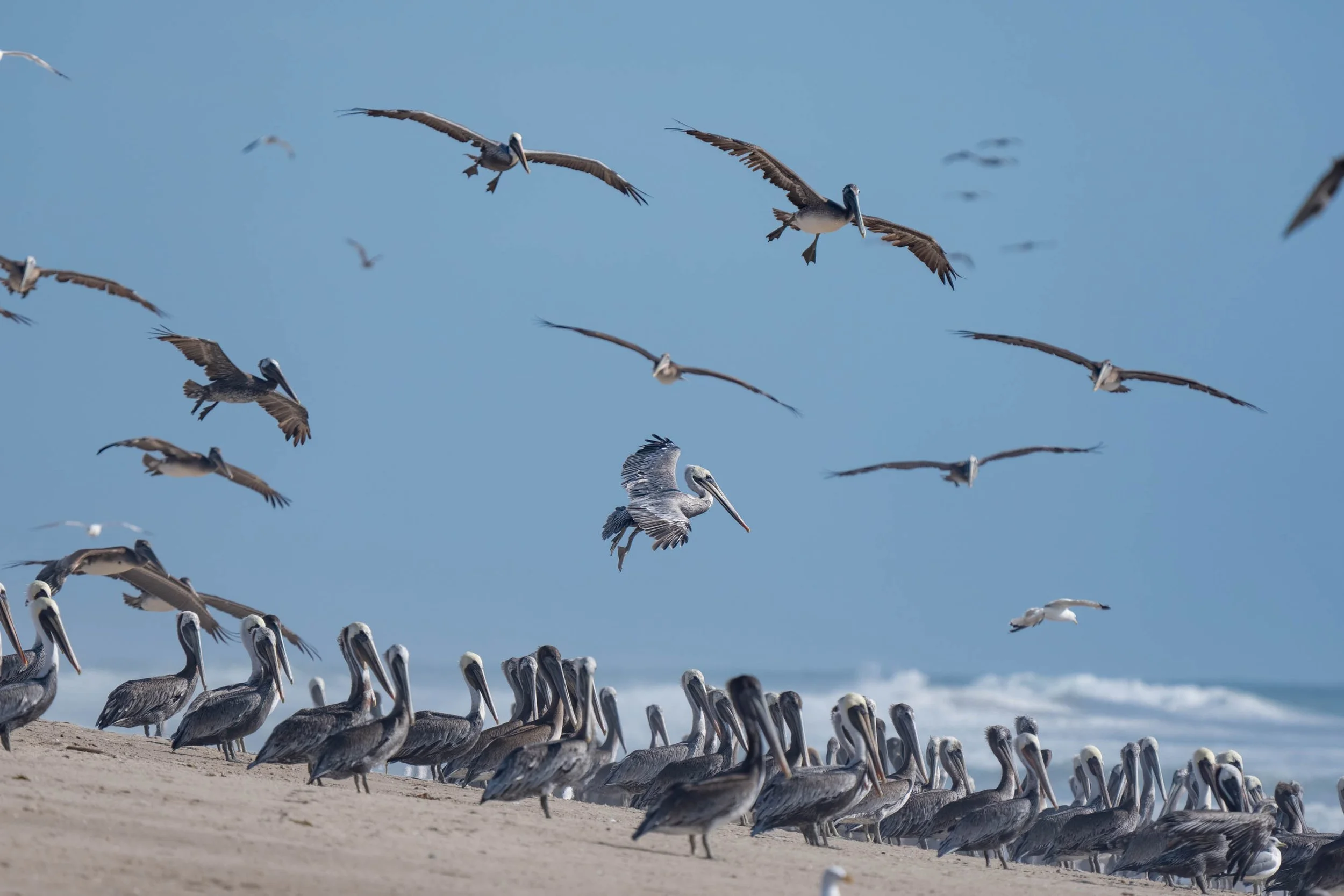
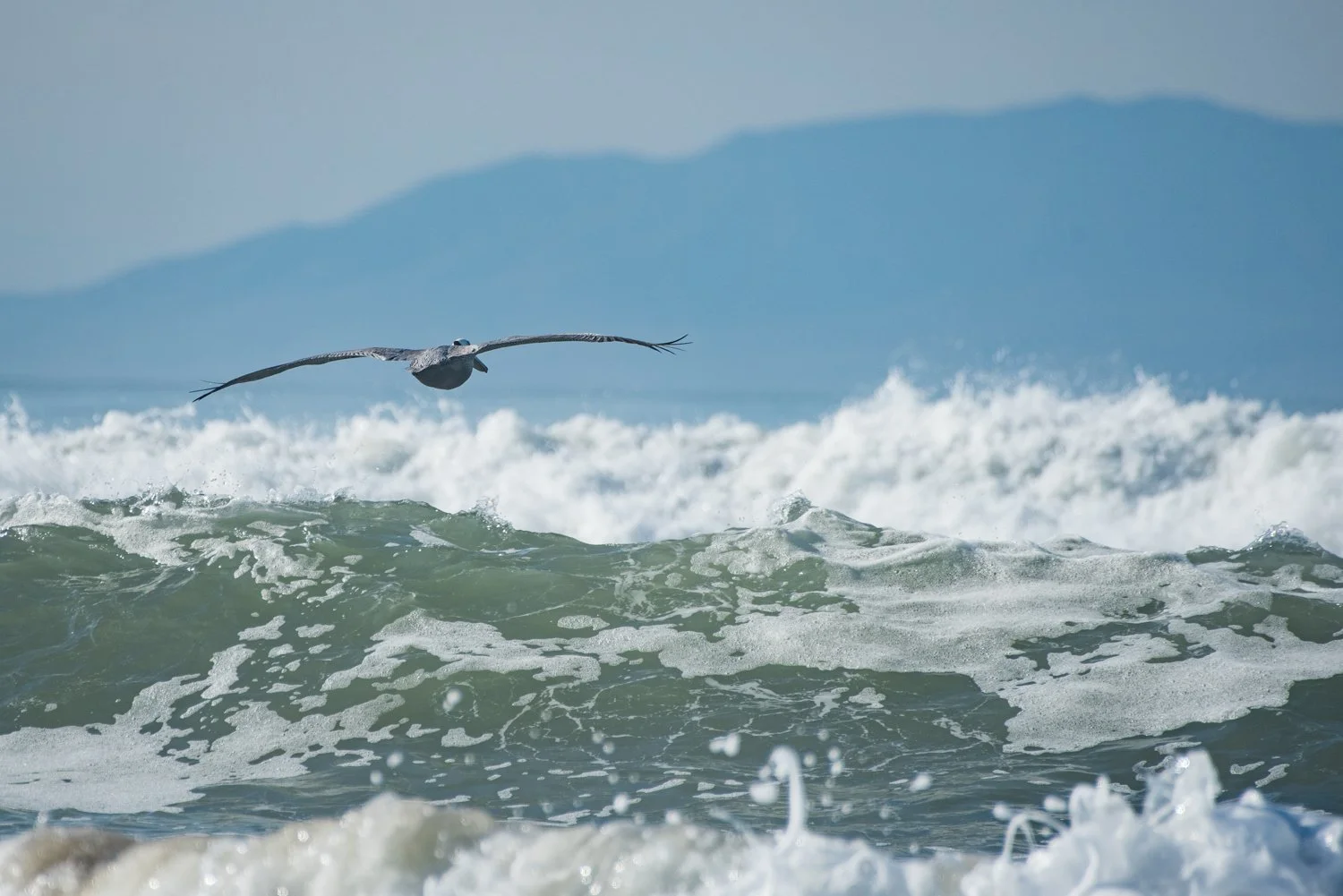
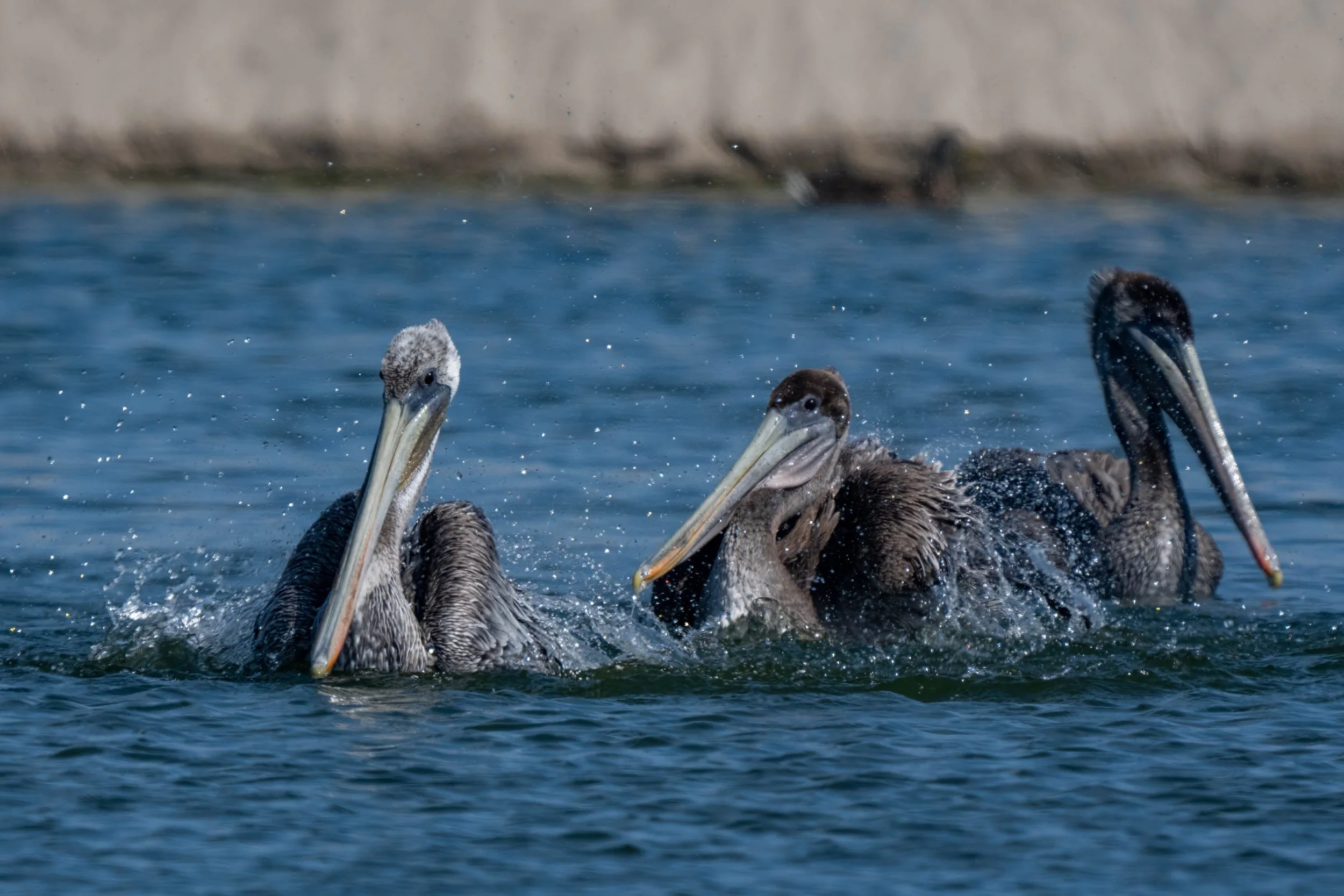
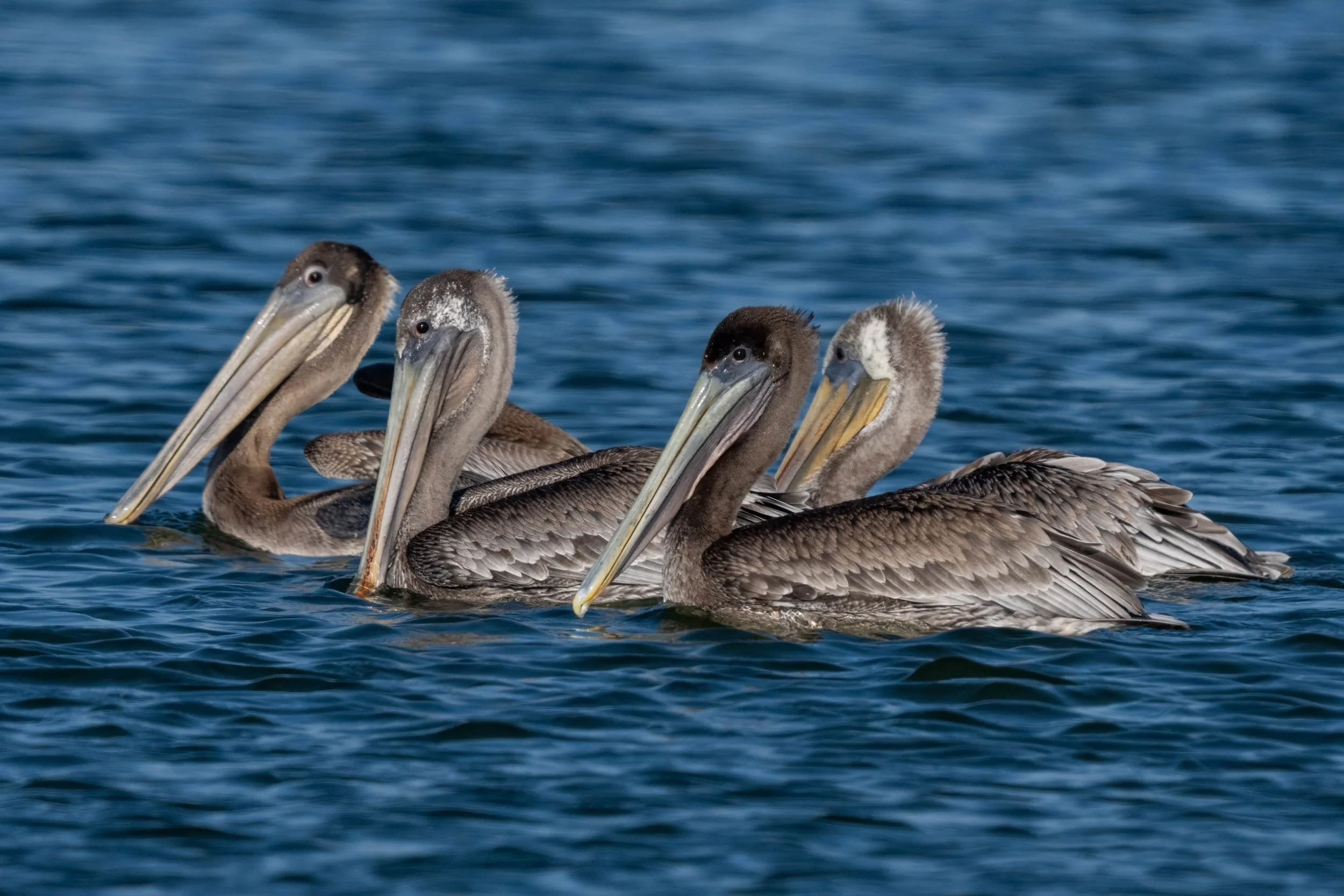
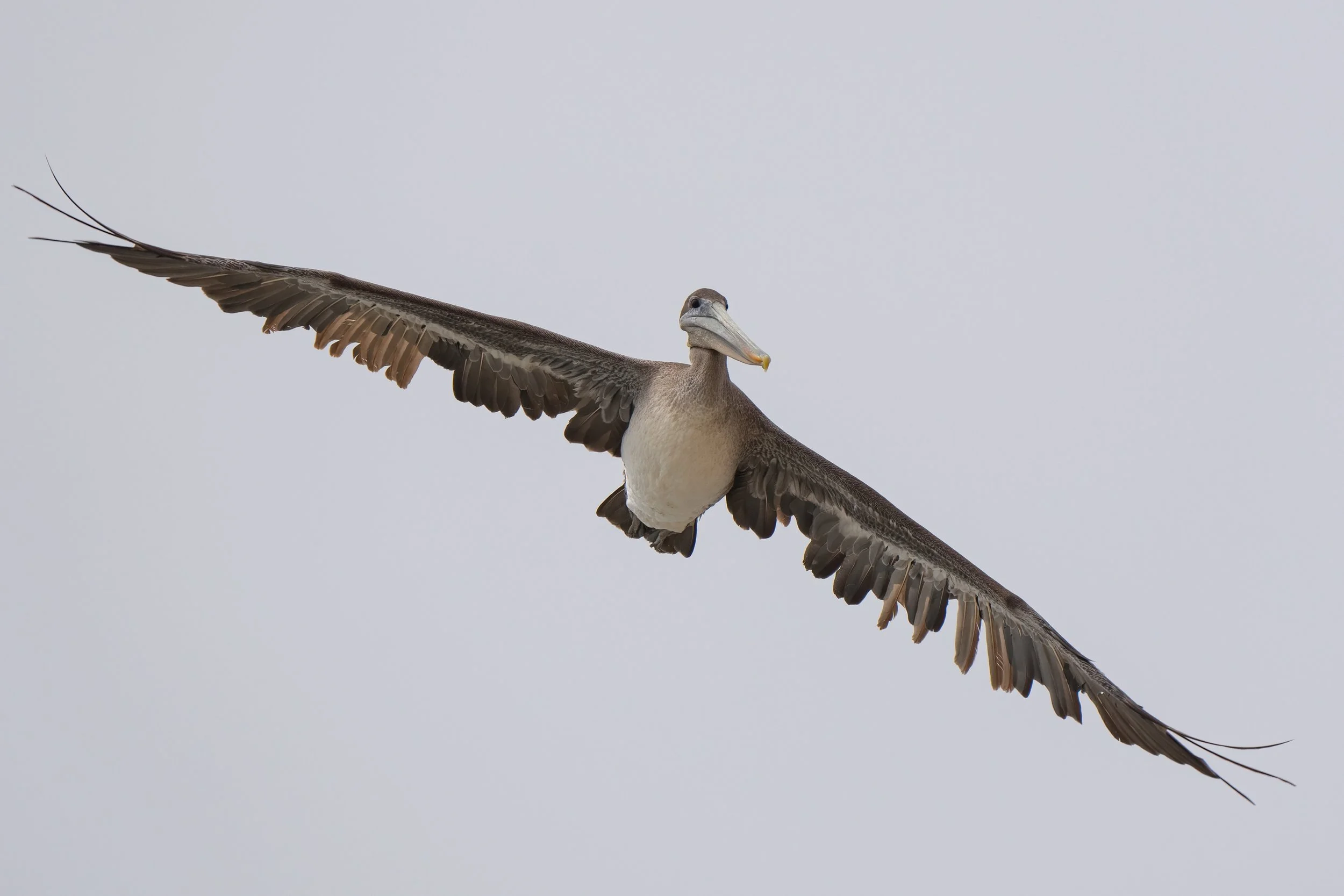
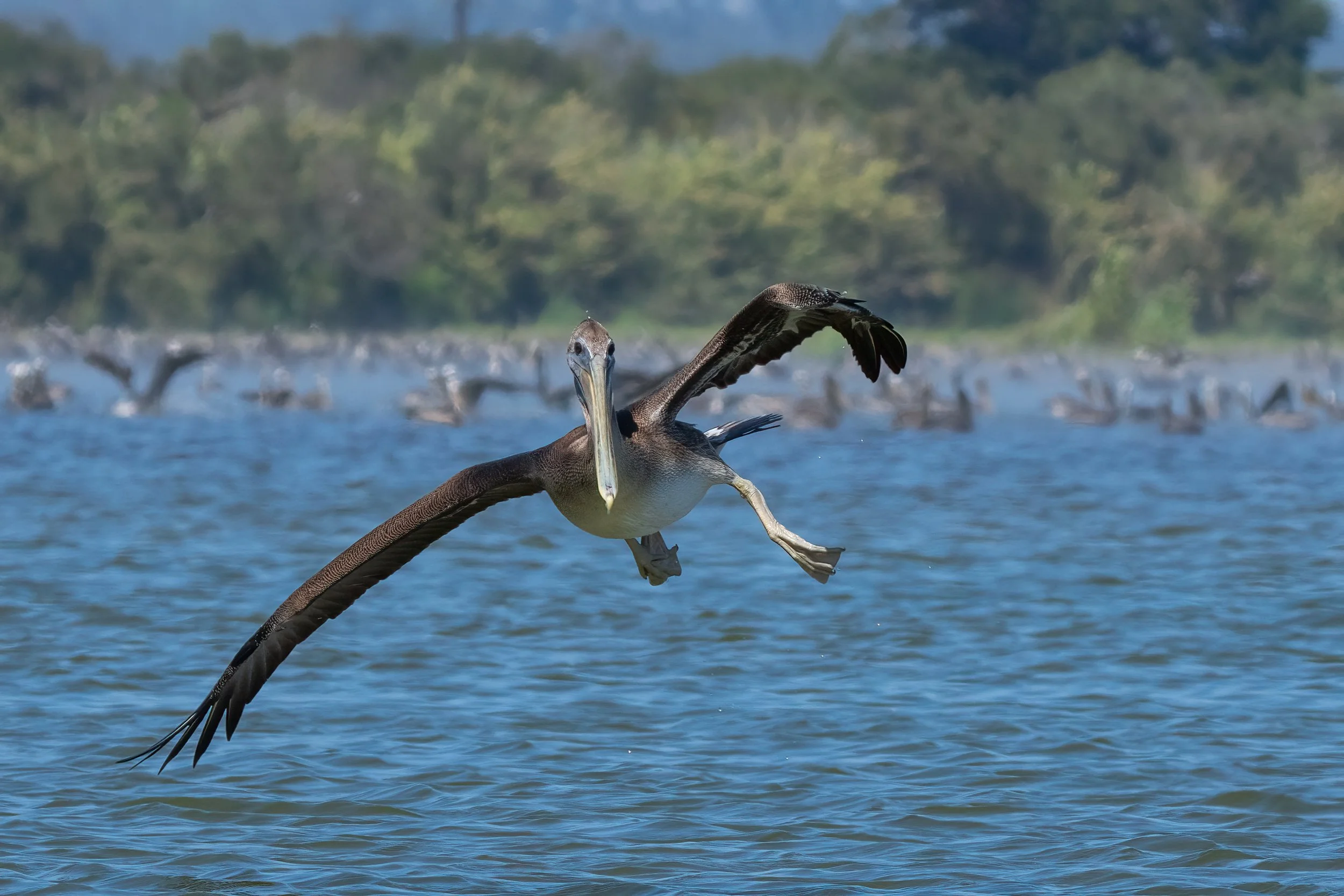
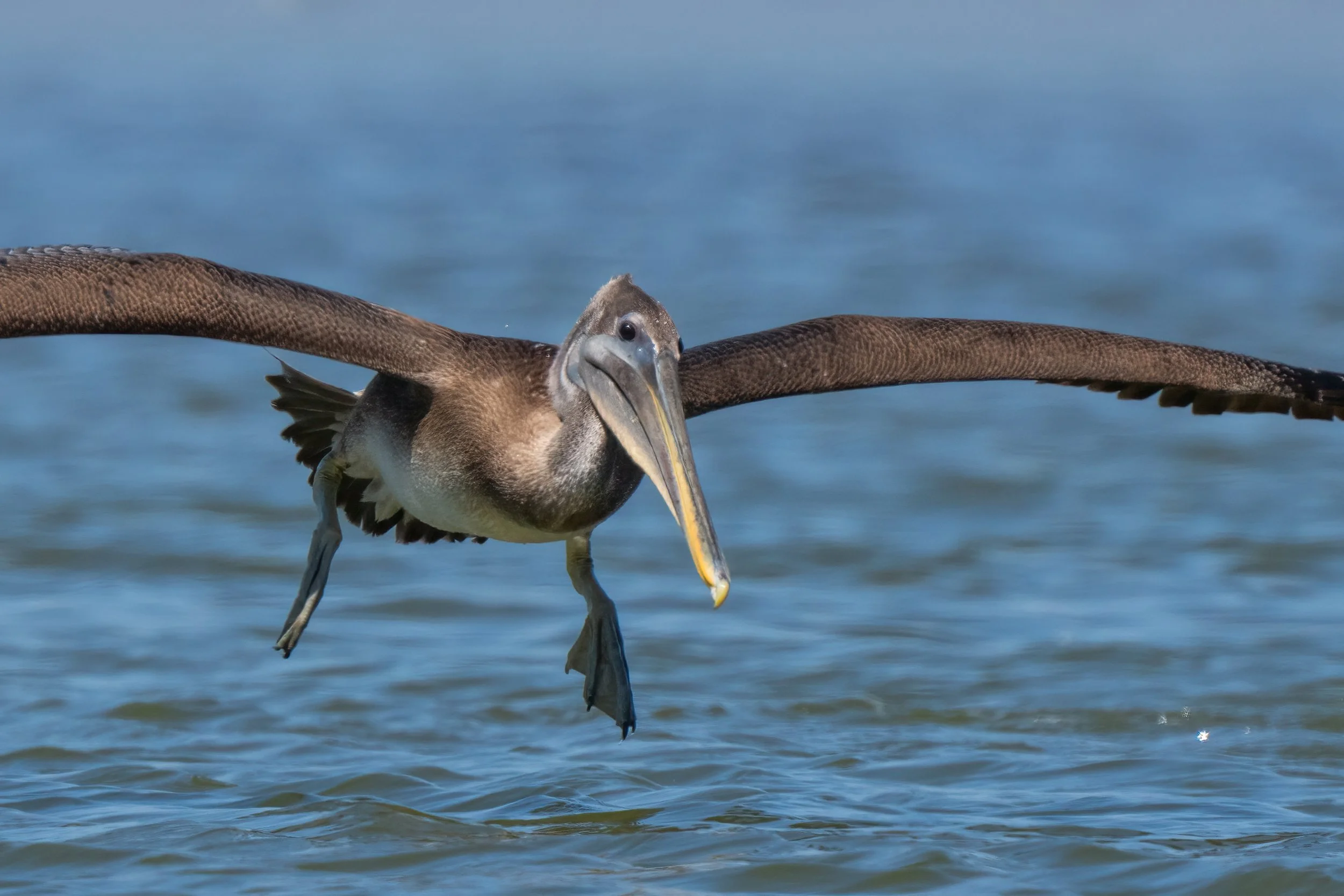
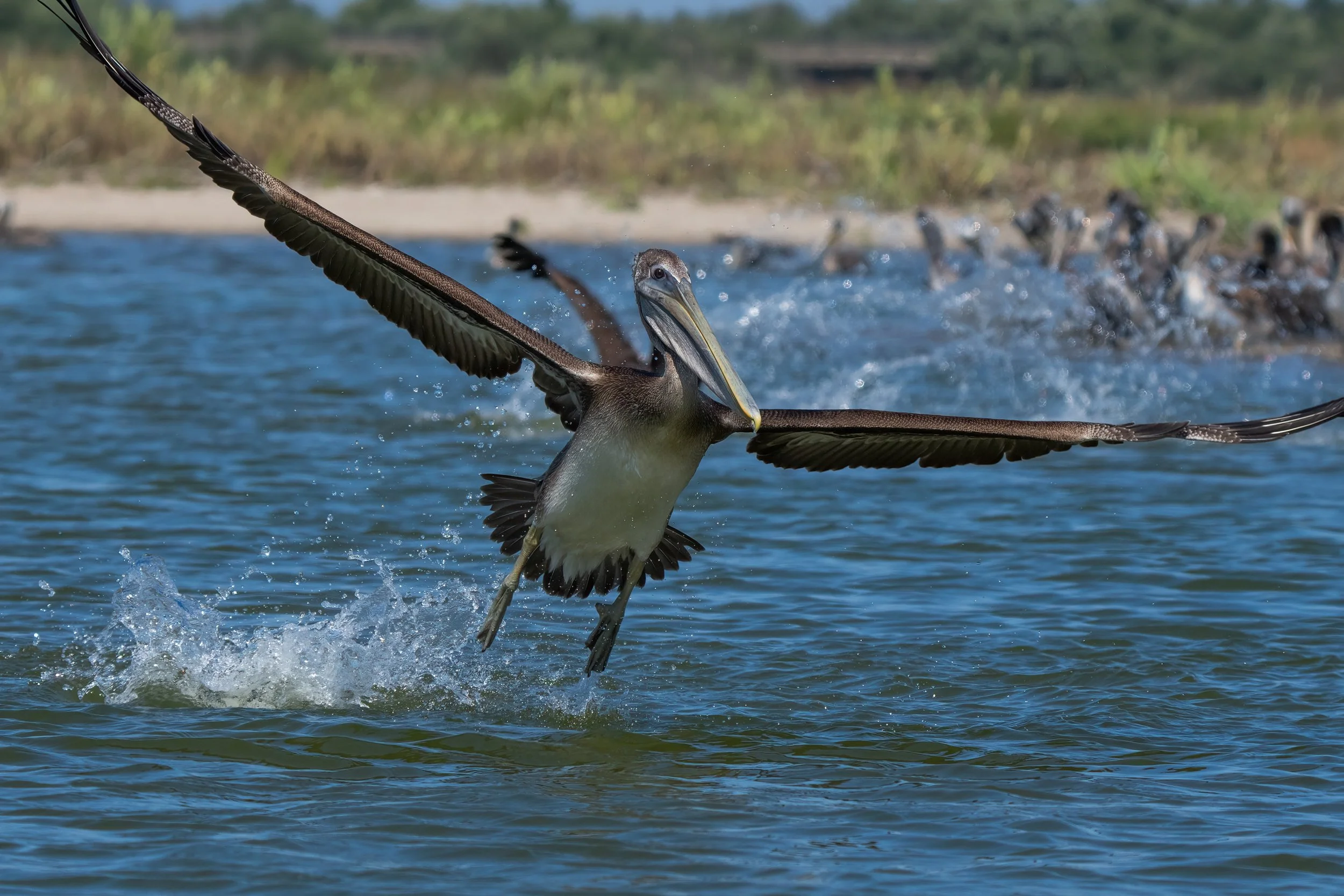
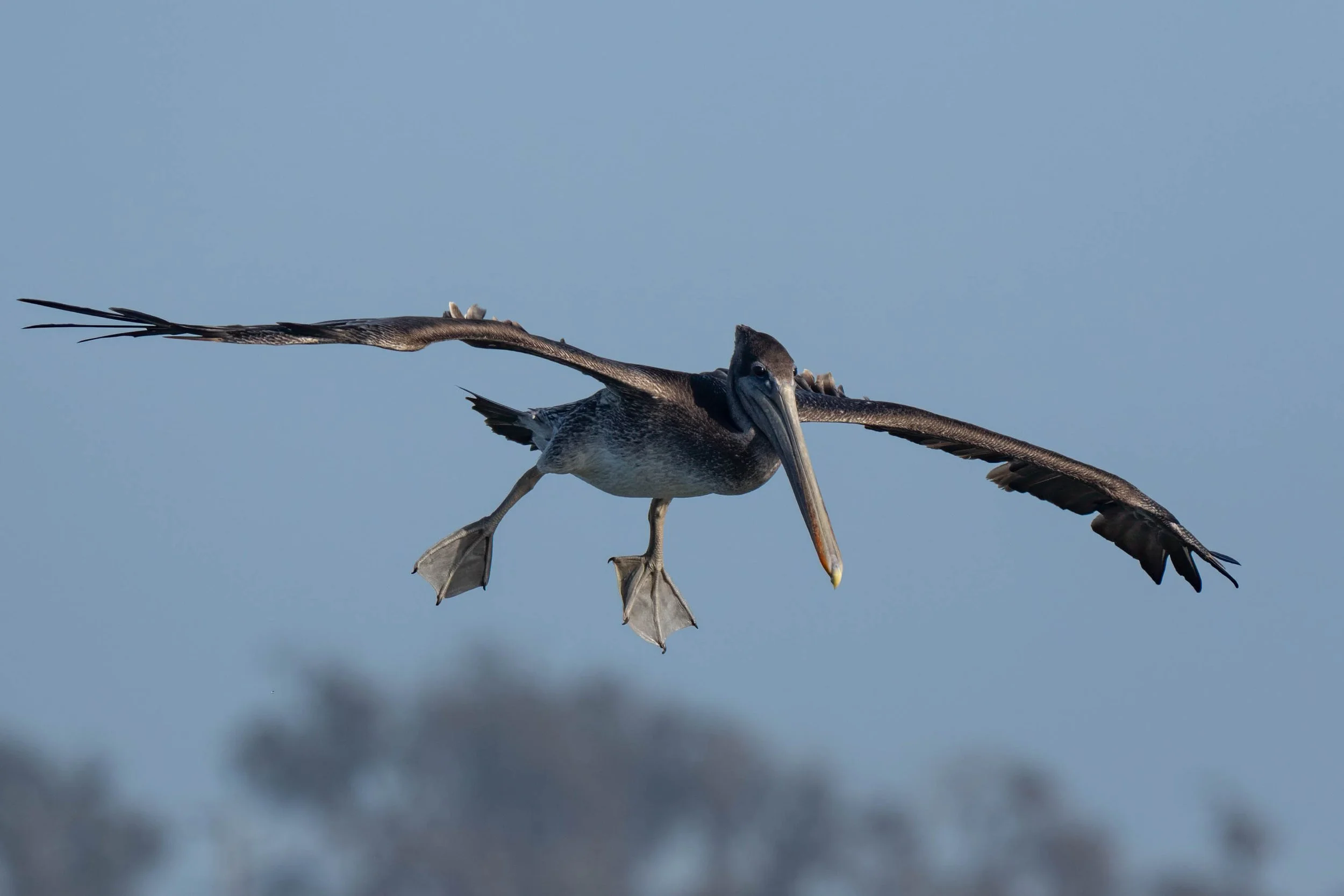
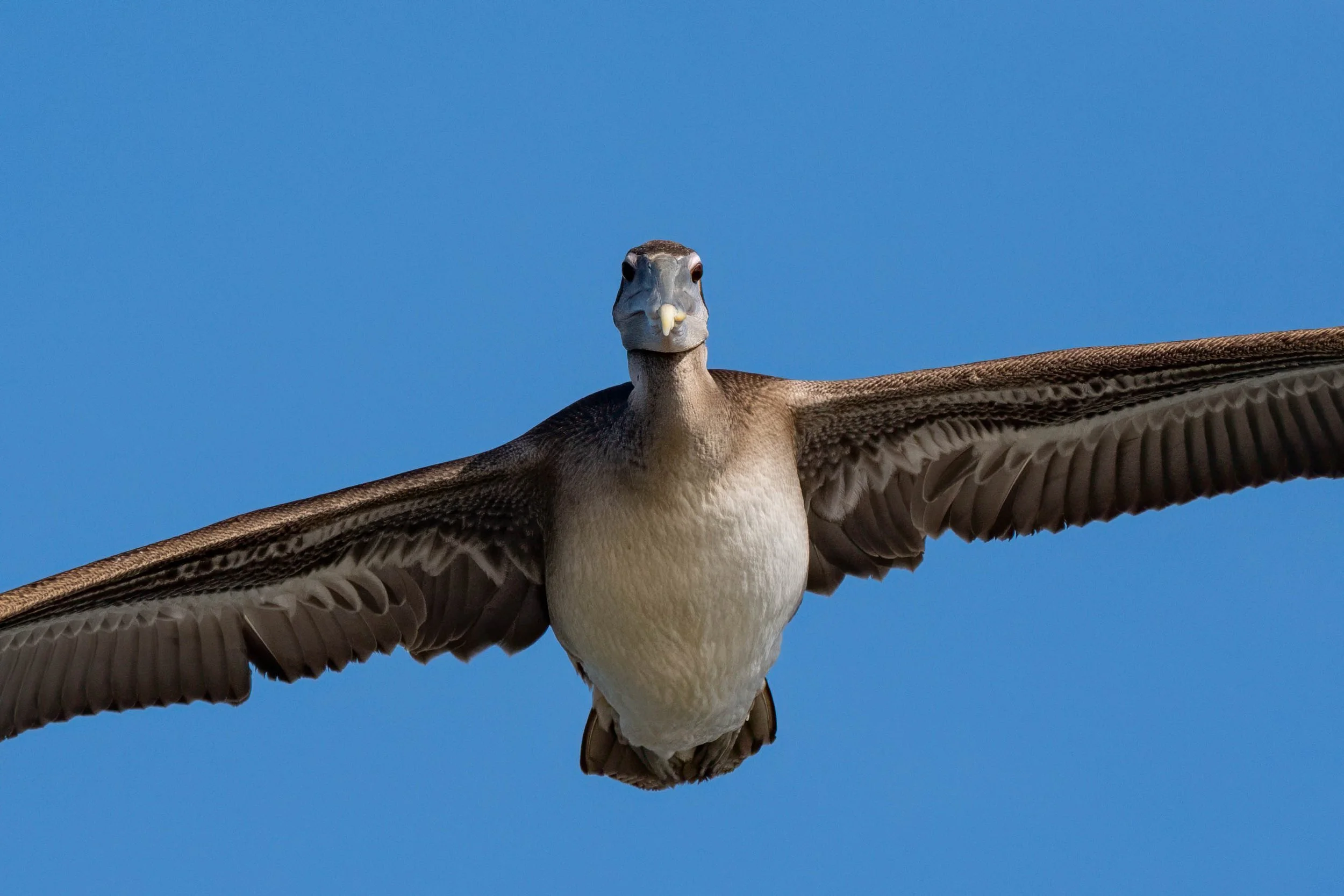
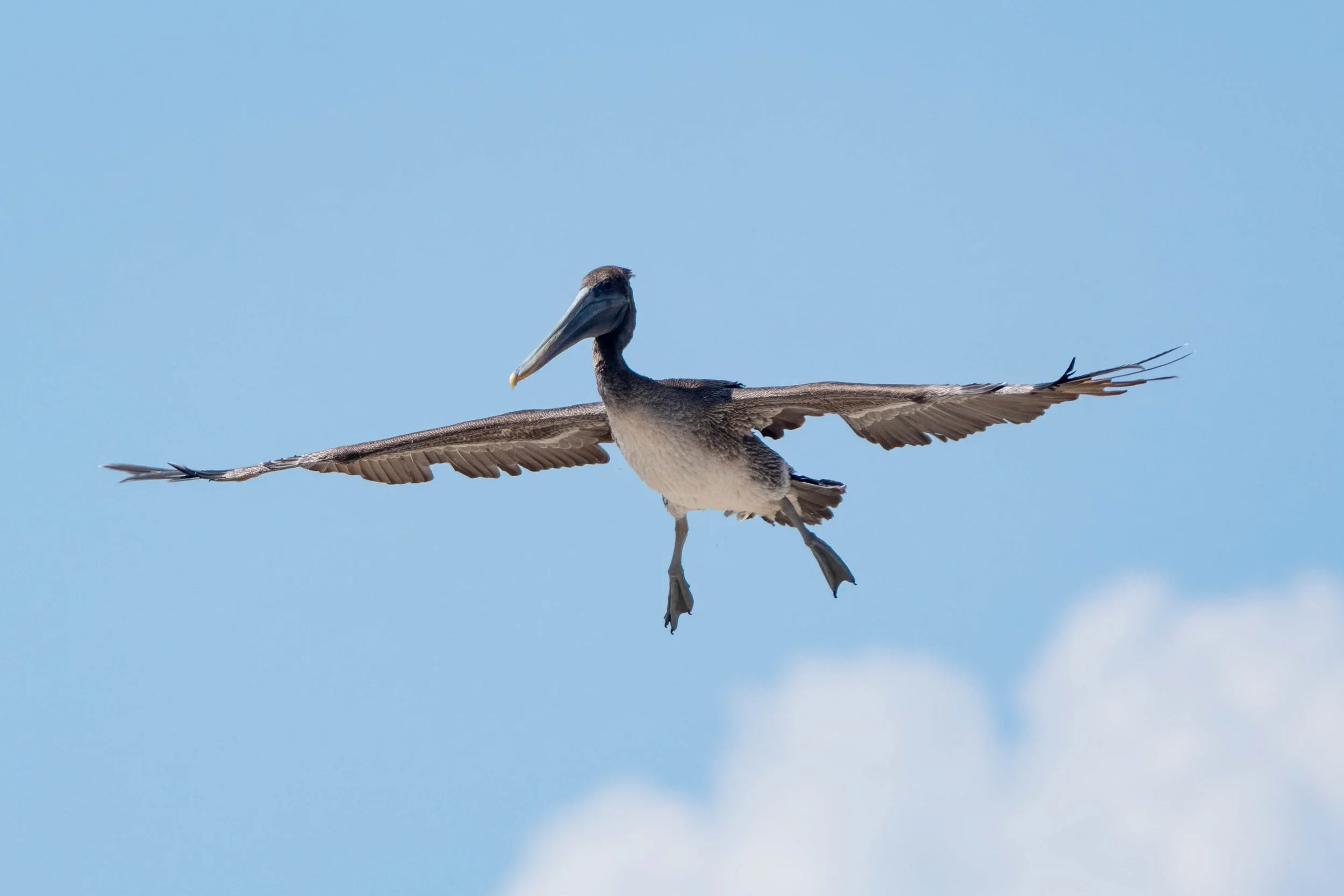
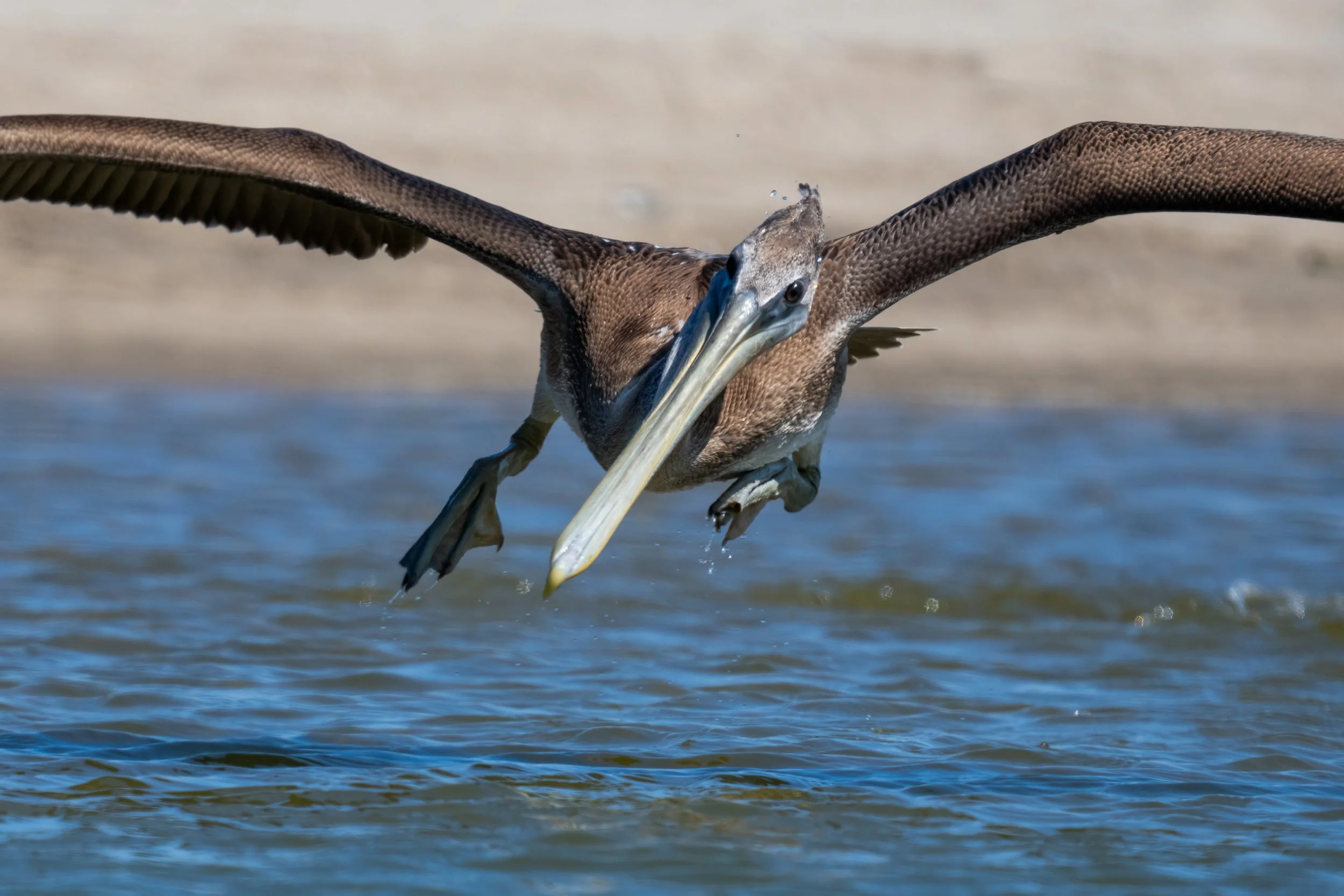
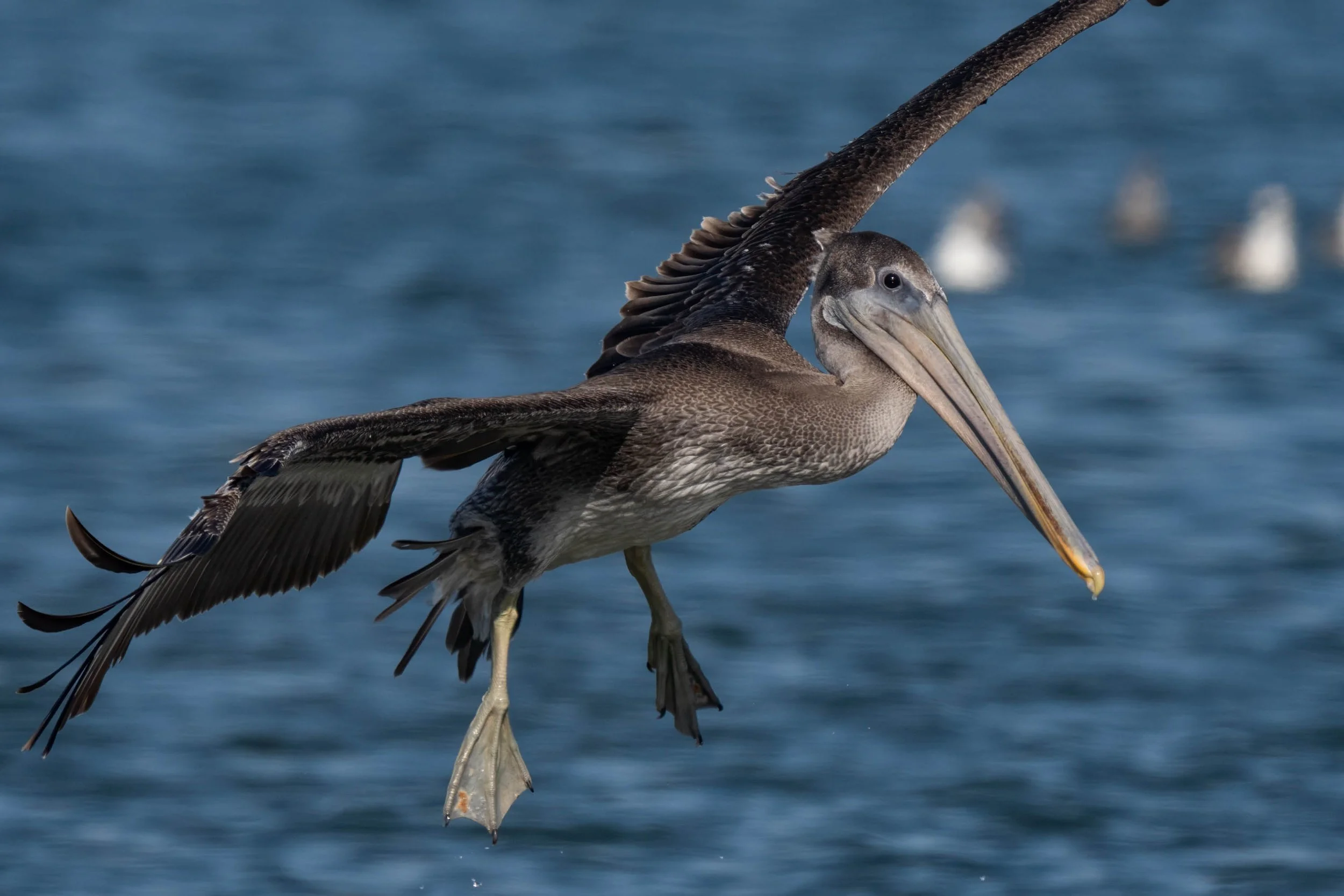
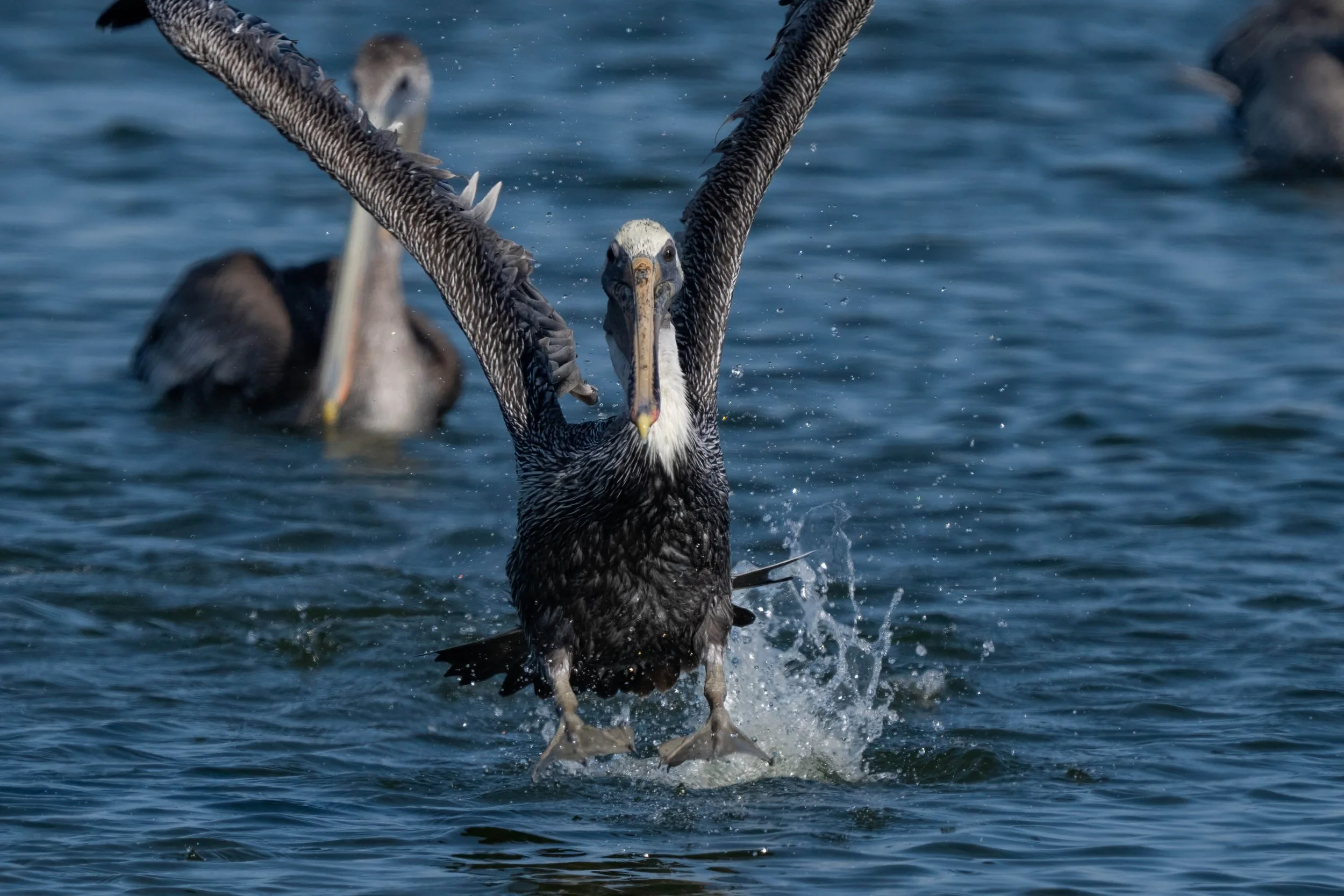
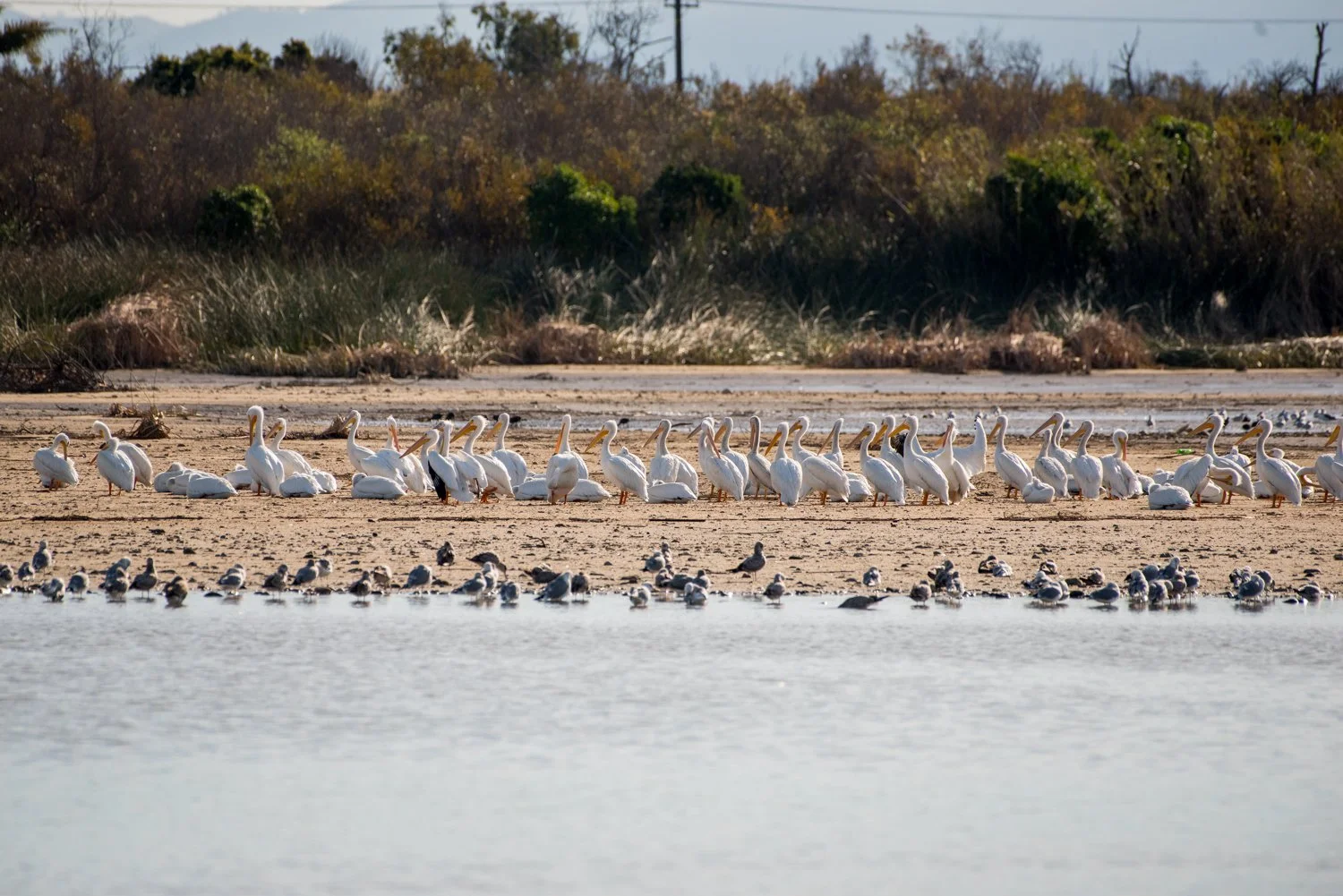
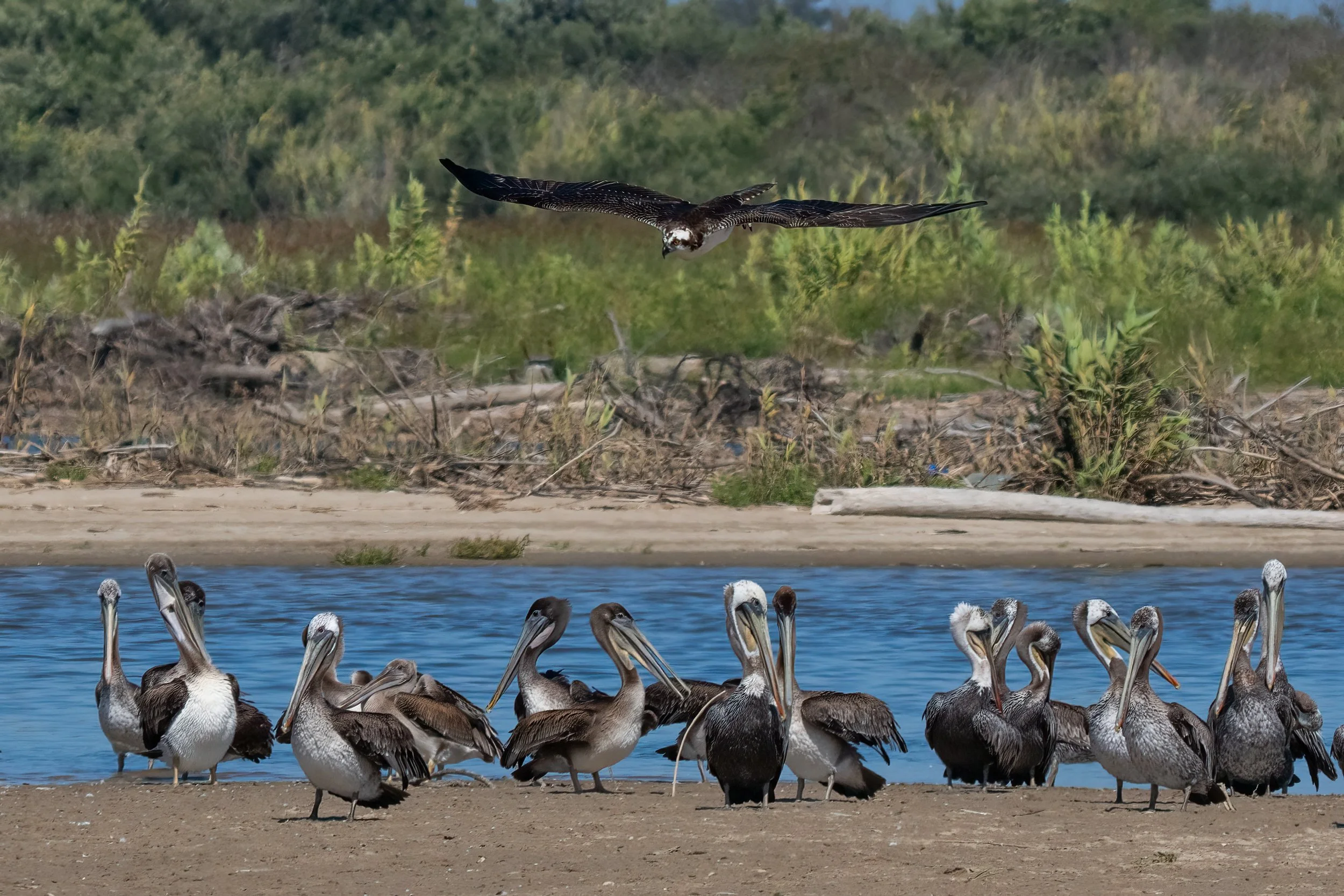
The Brown Pelicans are the first thing that are noticed on any visit. The numbers here are consistently exceptional. Pelicans roost on every available sandbar, loaf in dense groups at the river mouth, and cruise the coast in the low lines just above the wave tops. Brown Pelicans are such a constant and delightful presence on the California shore. After the species' dramatic recovery from DDT-driven near-extinction, a gathering like this still carries a significance that makes you appreciate the numbers rather than simply scanning through them.
The Birds
Brown Pelican The undisputed centerpiece of any visit to the estuary, present in numbers that make them difficult to count. Watching a dense roost of Brown Pelicans, the size and prehistoric quality of the birds fully apparent, is one of those experiences that will never get old. I love a Brown Pelican.
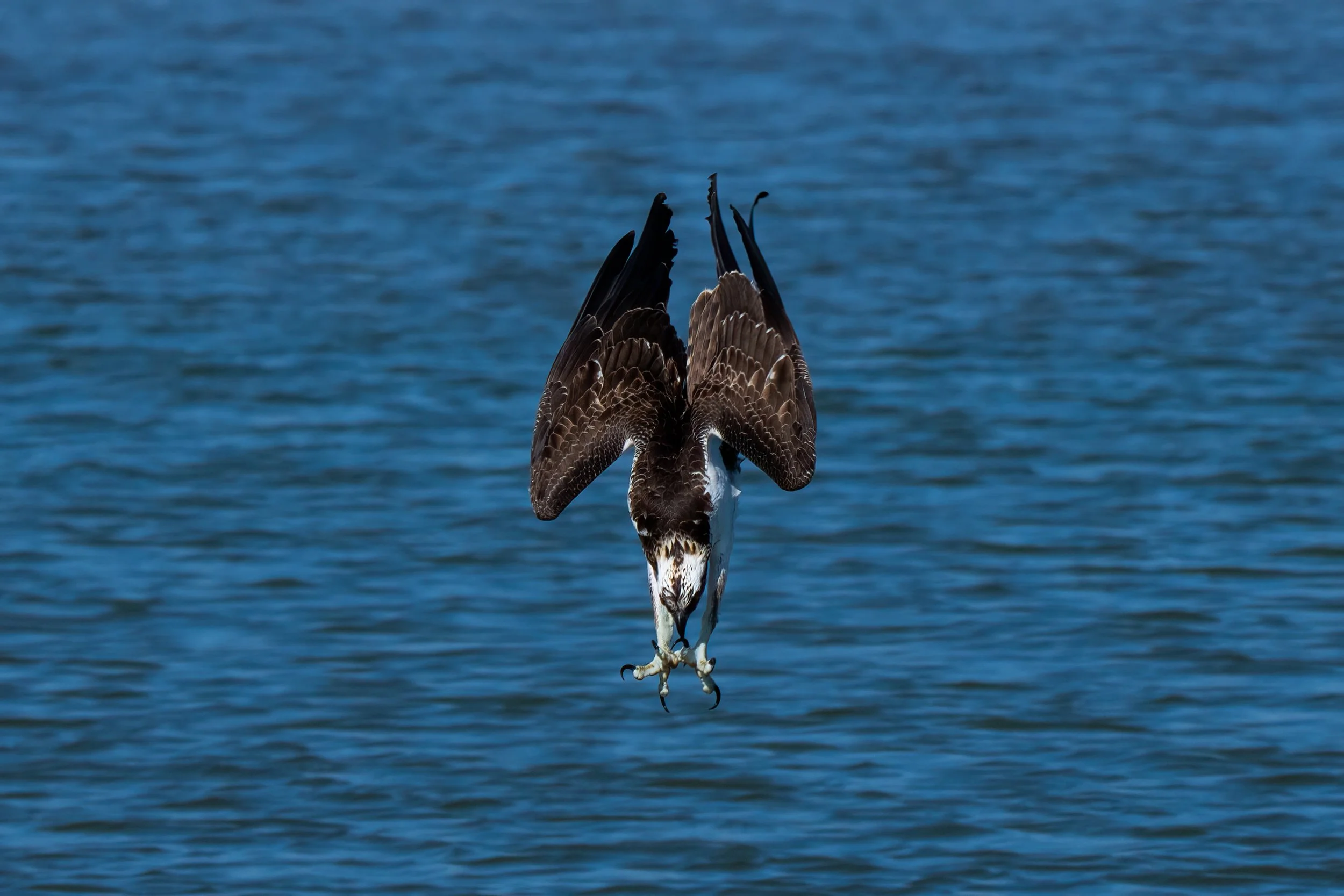
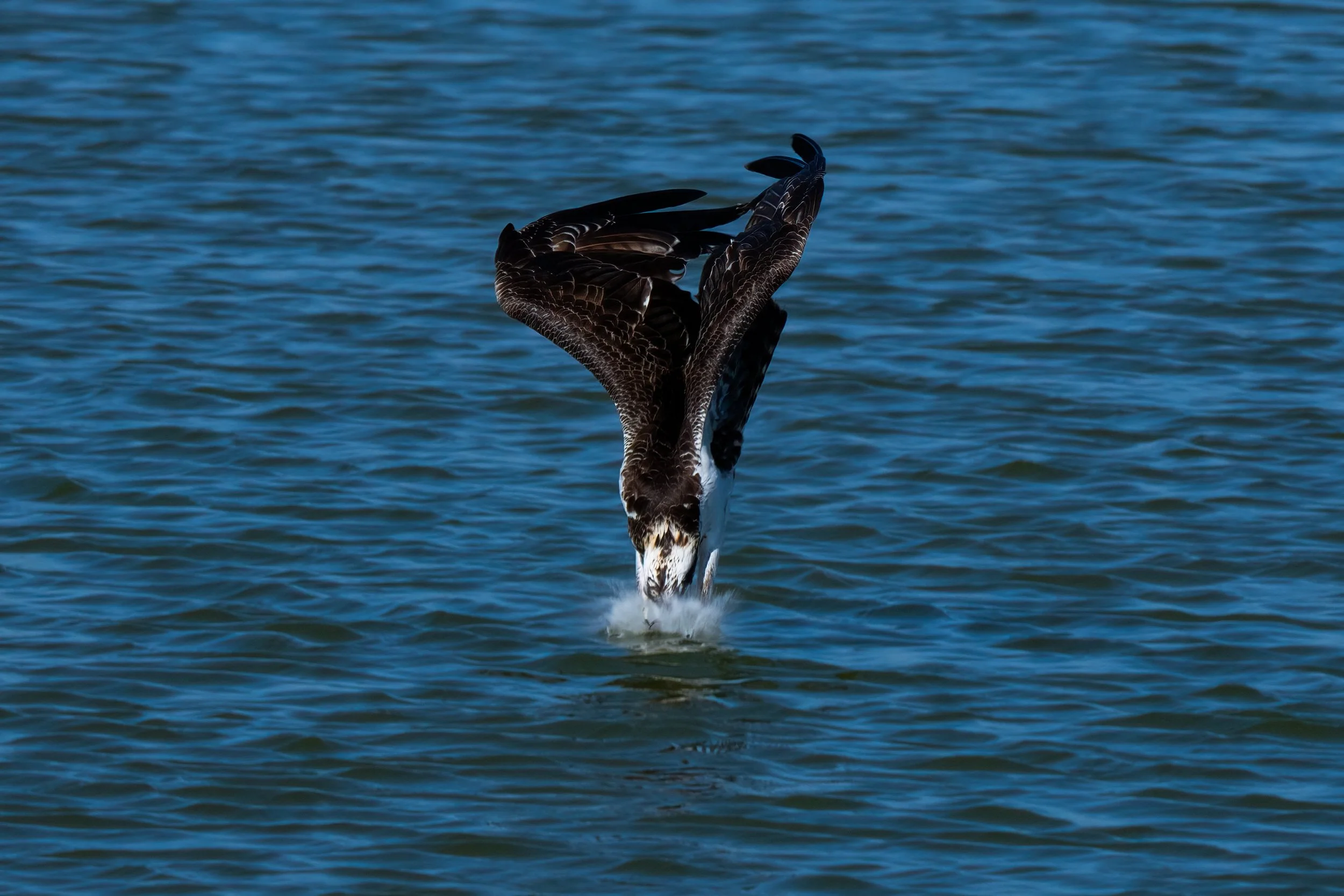
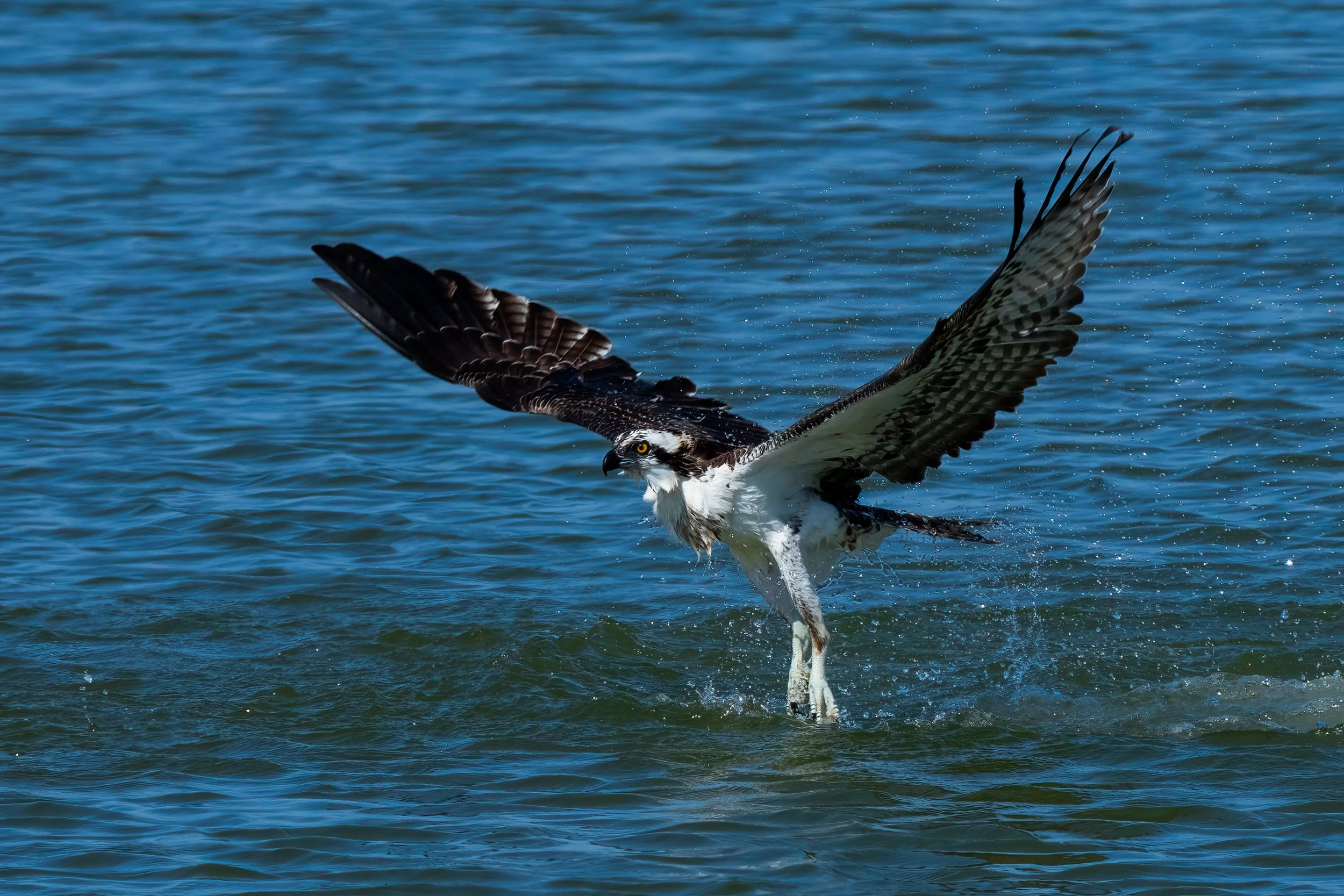
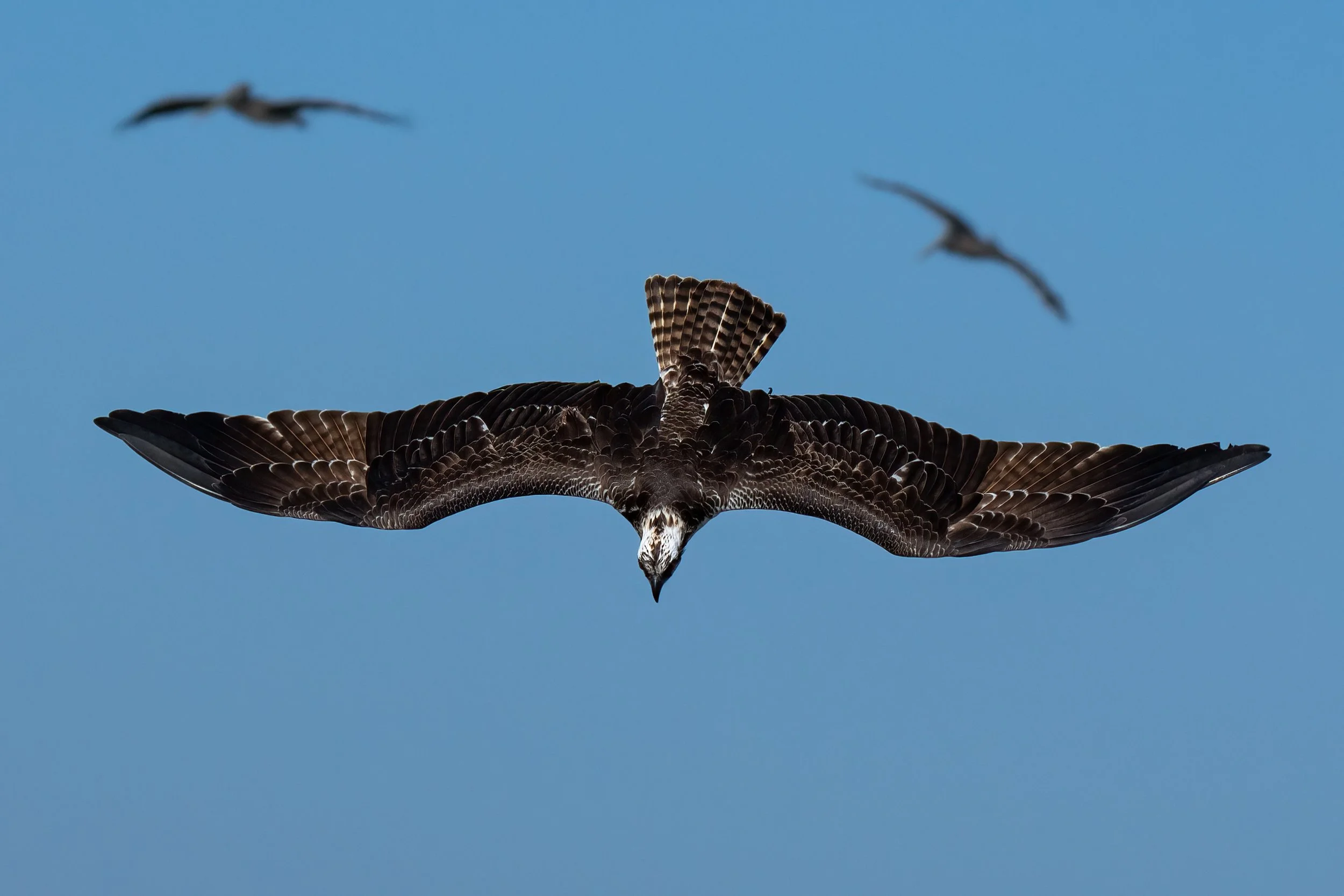
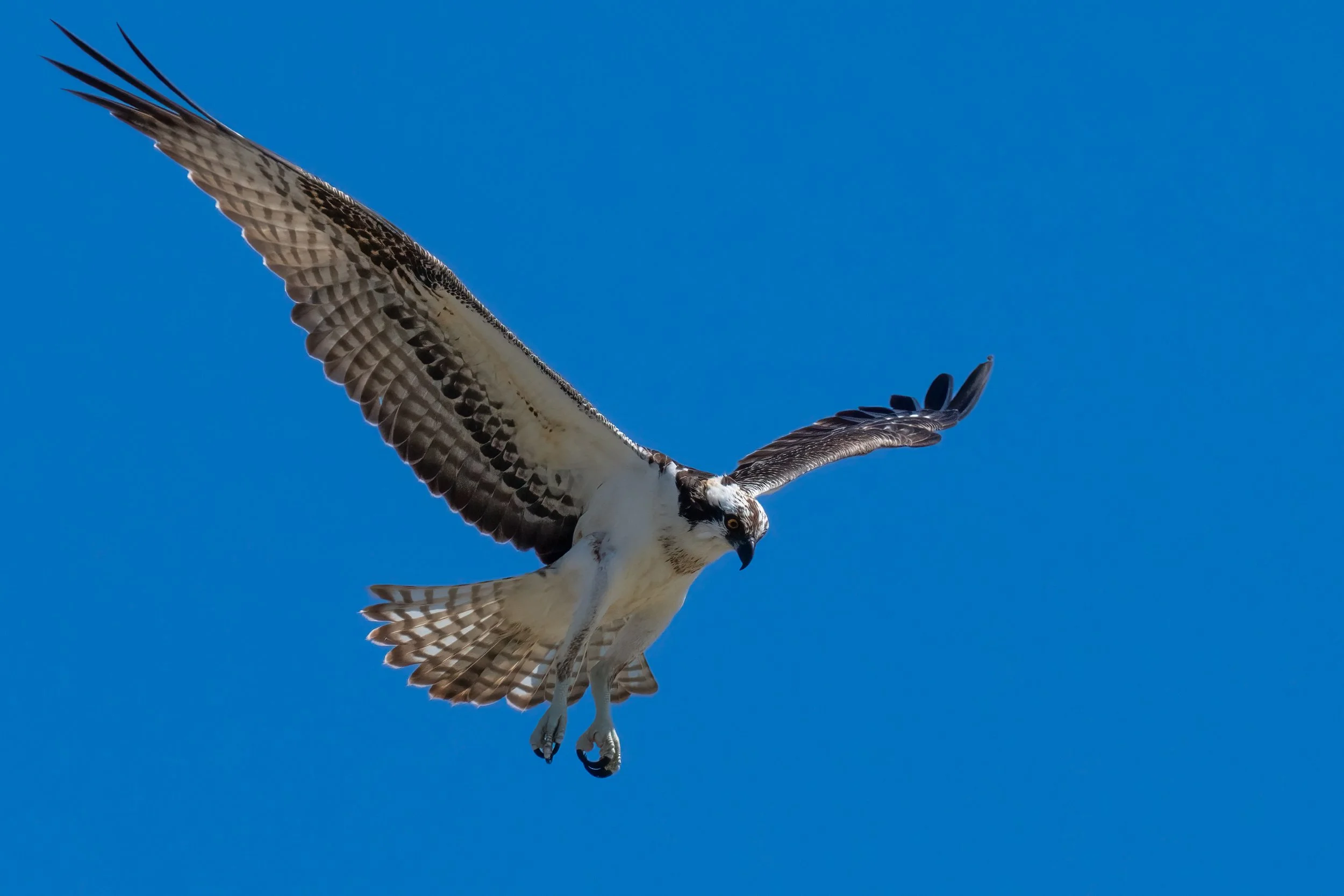
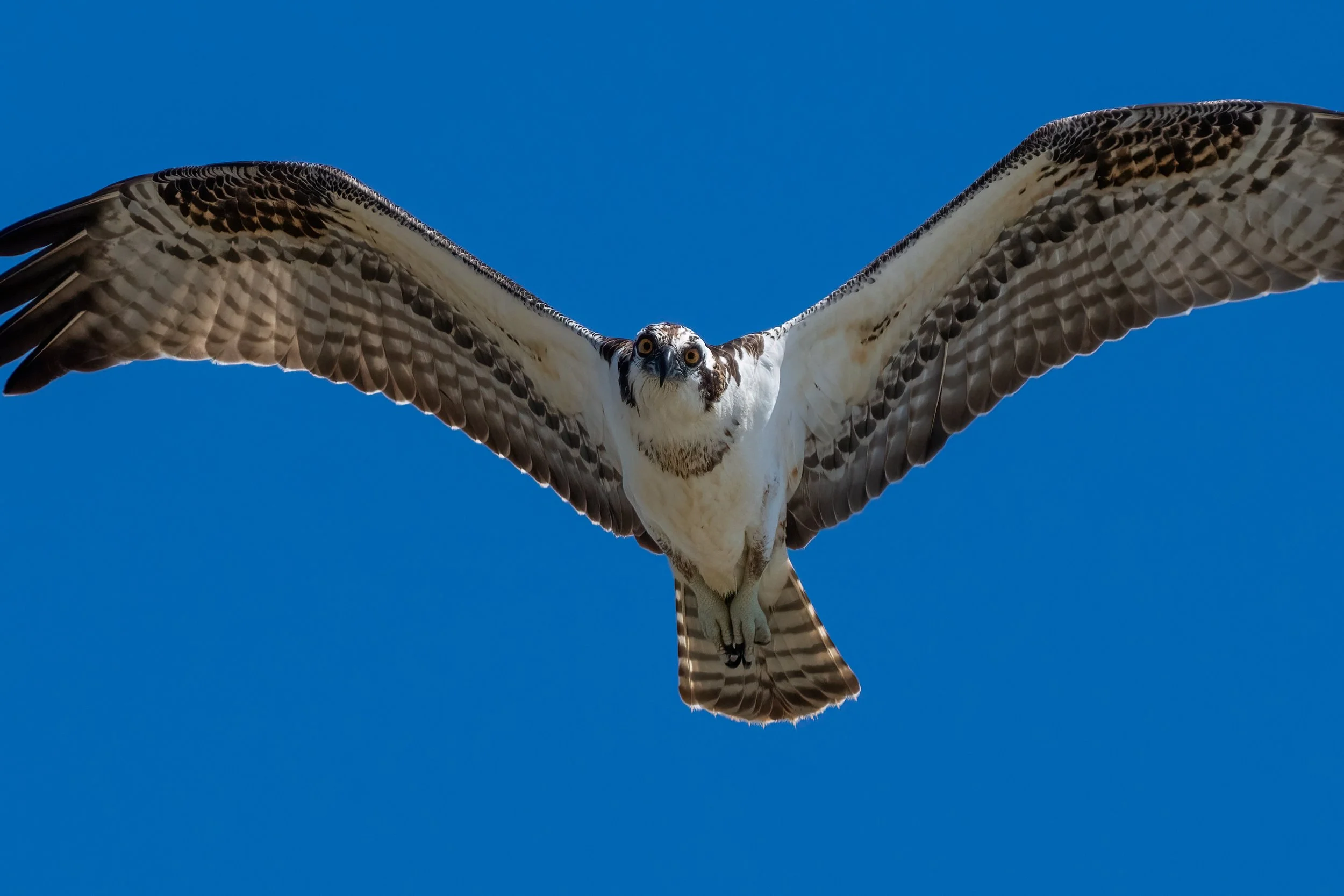
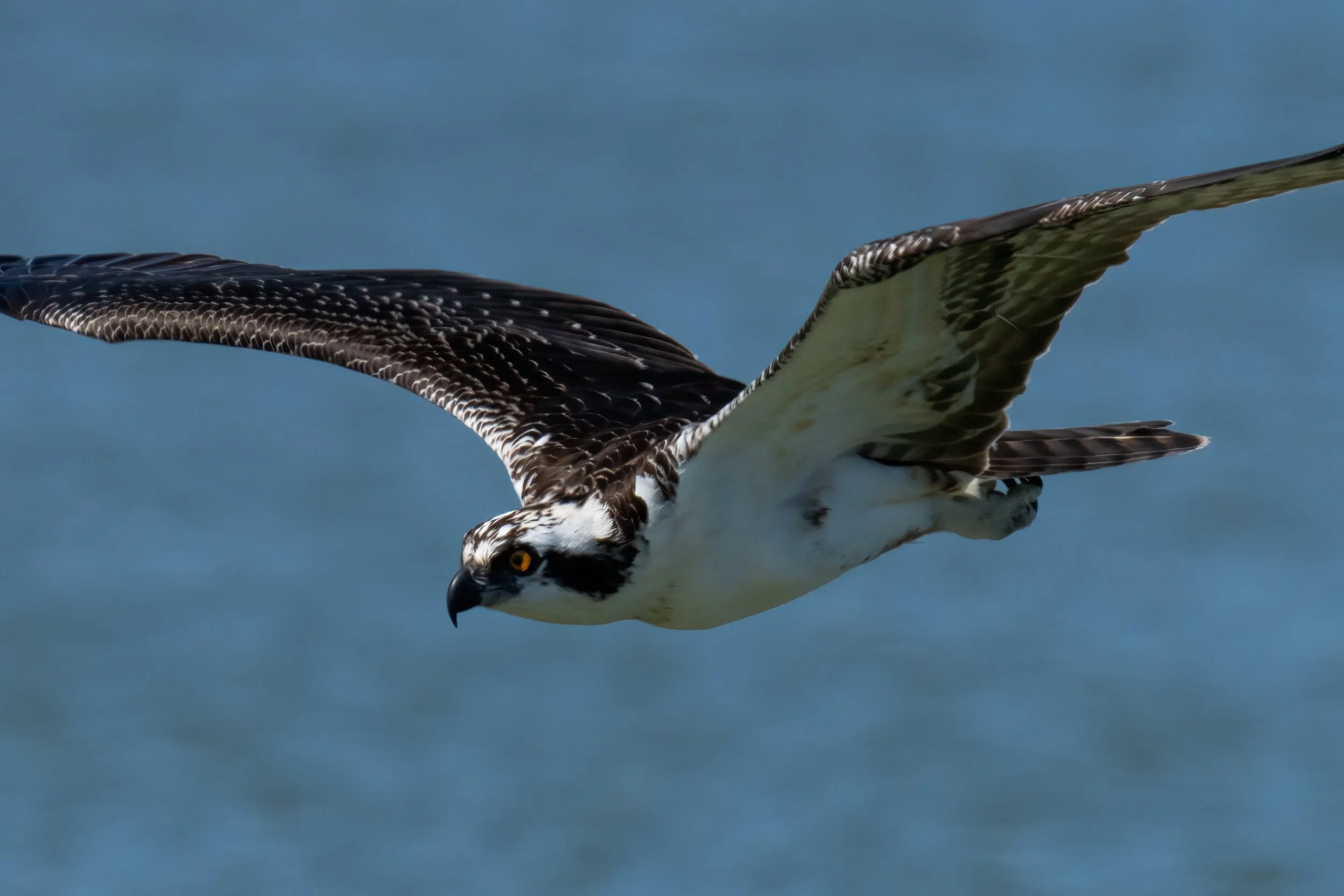
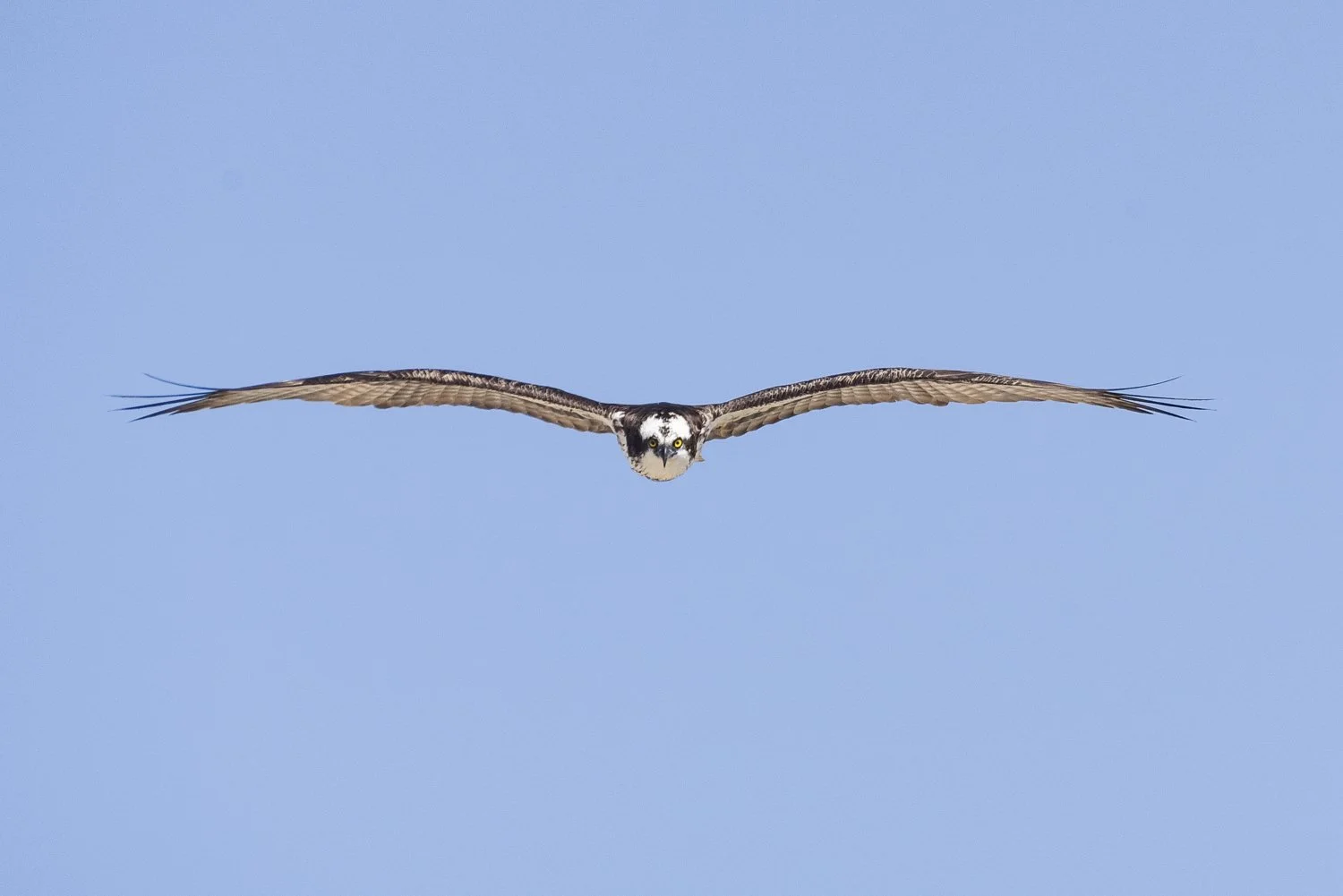
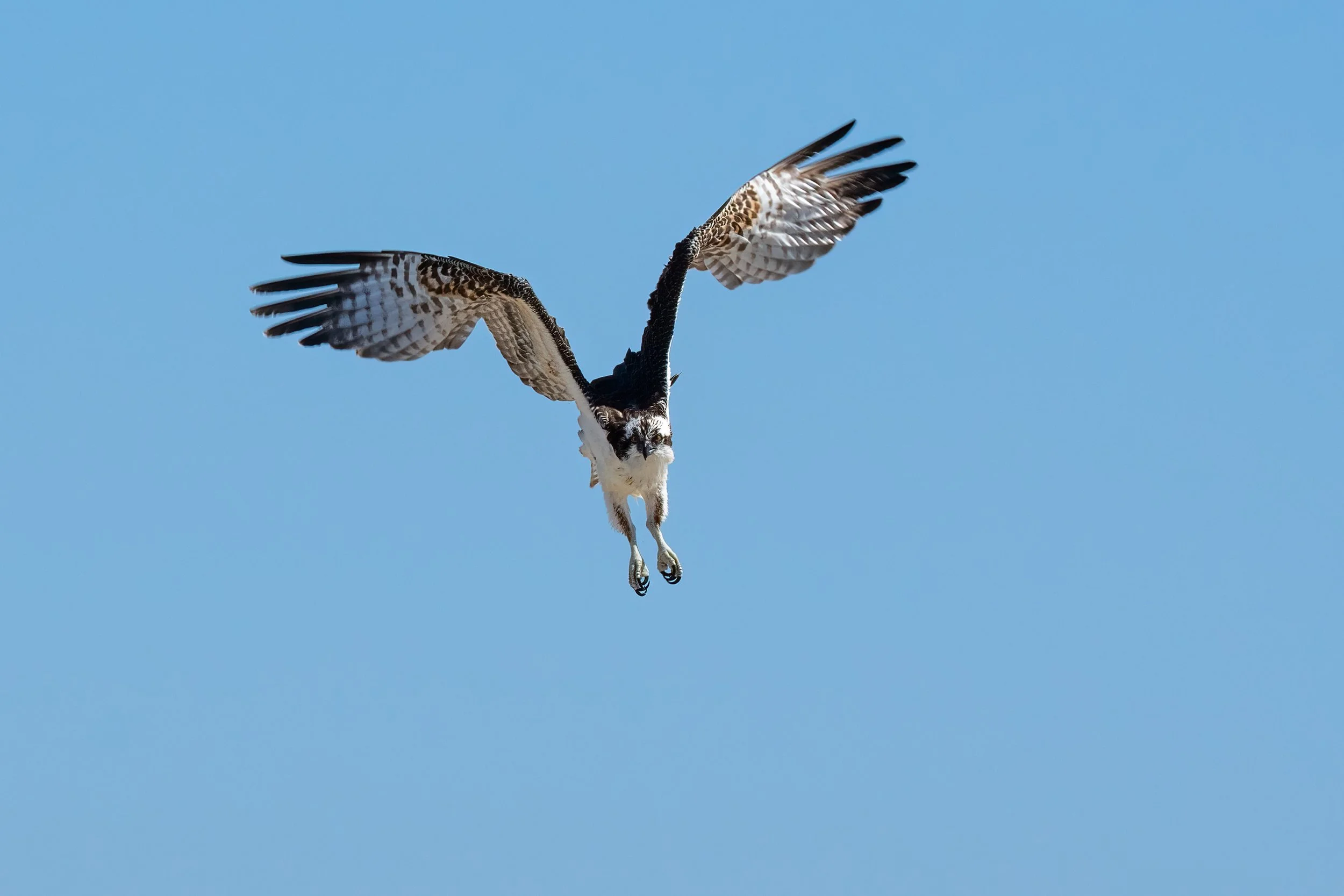
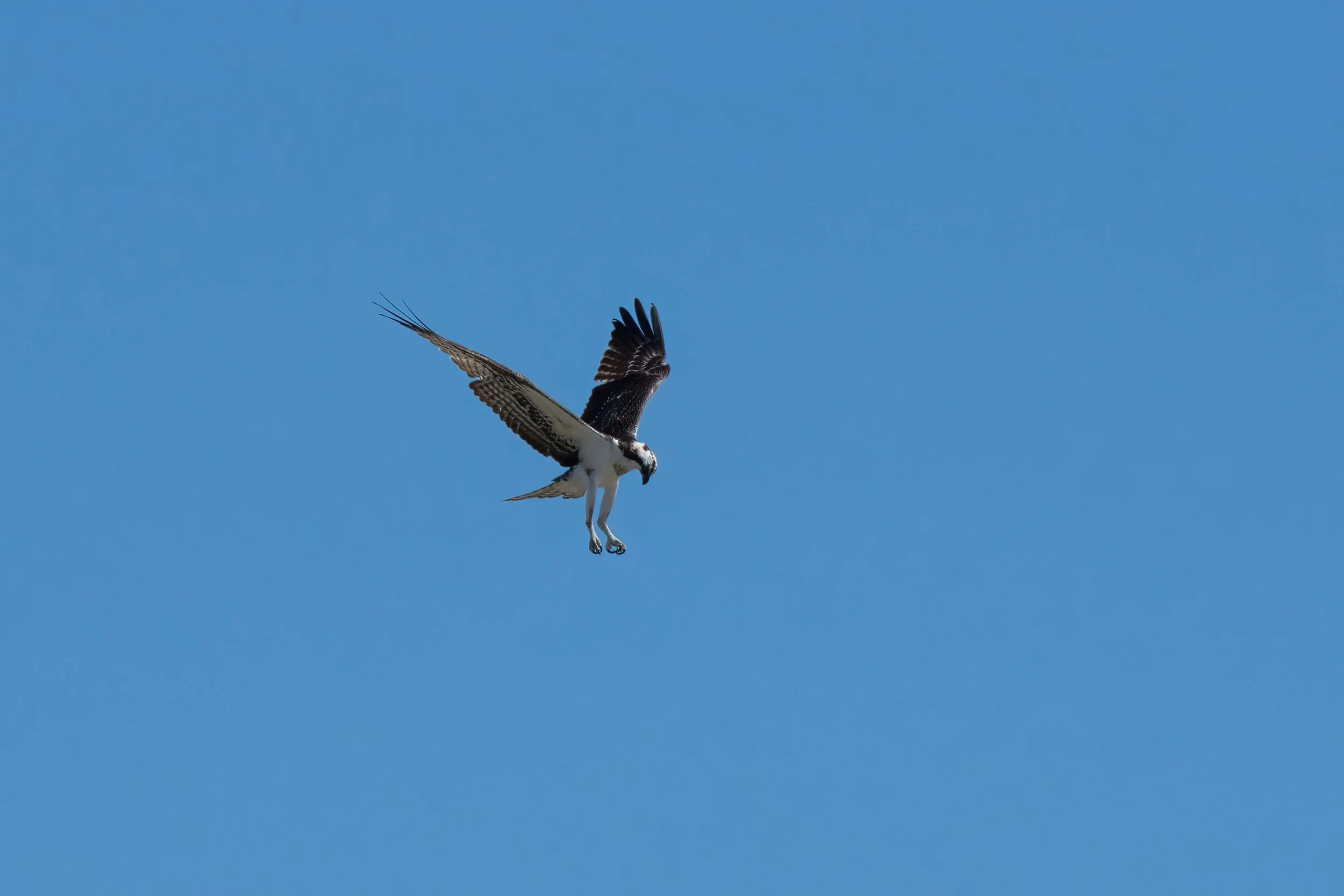
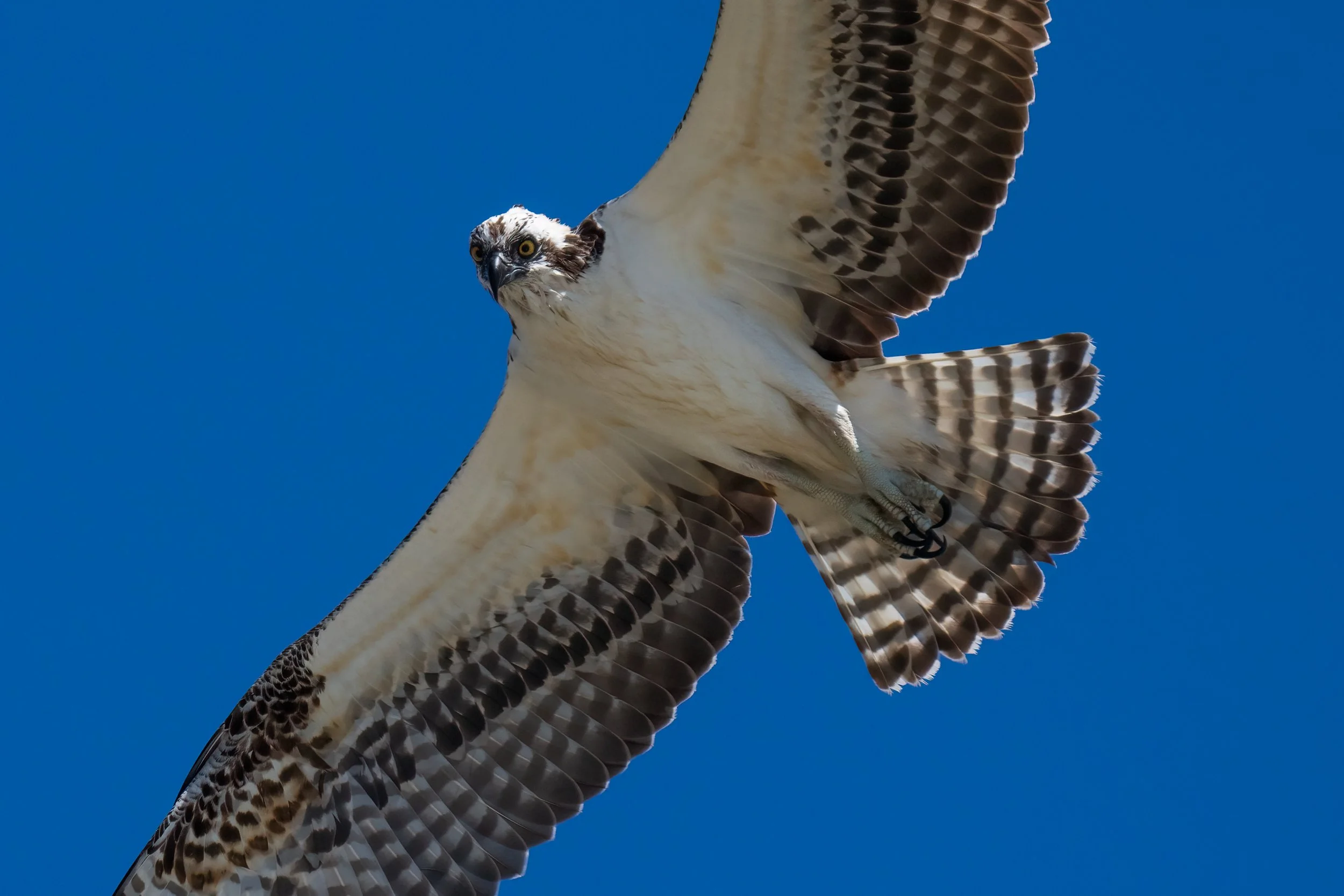
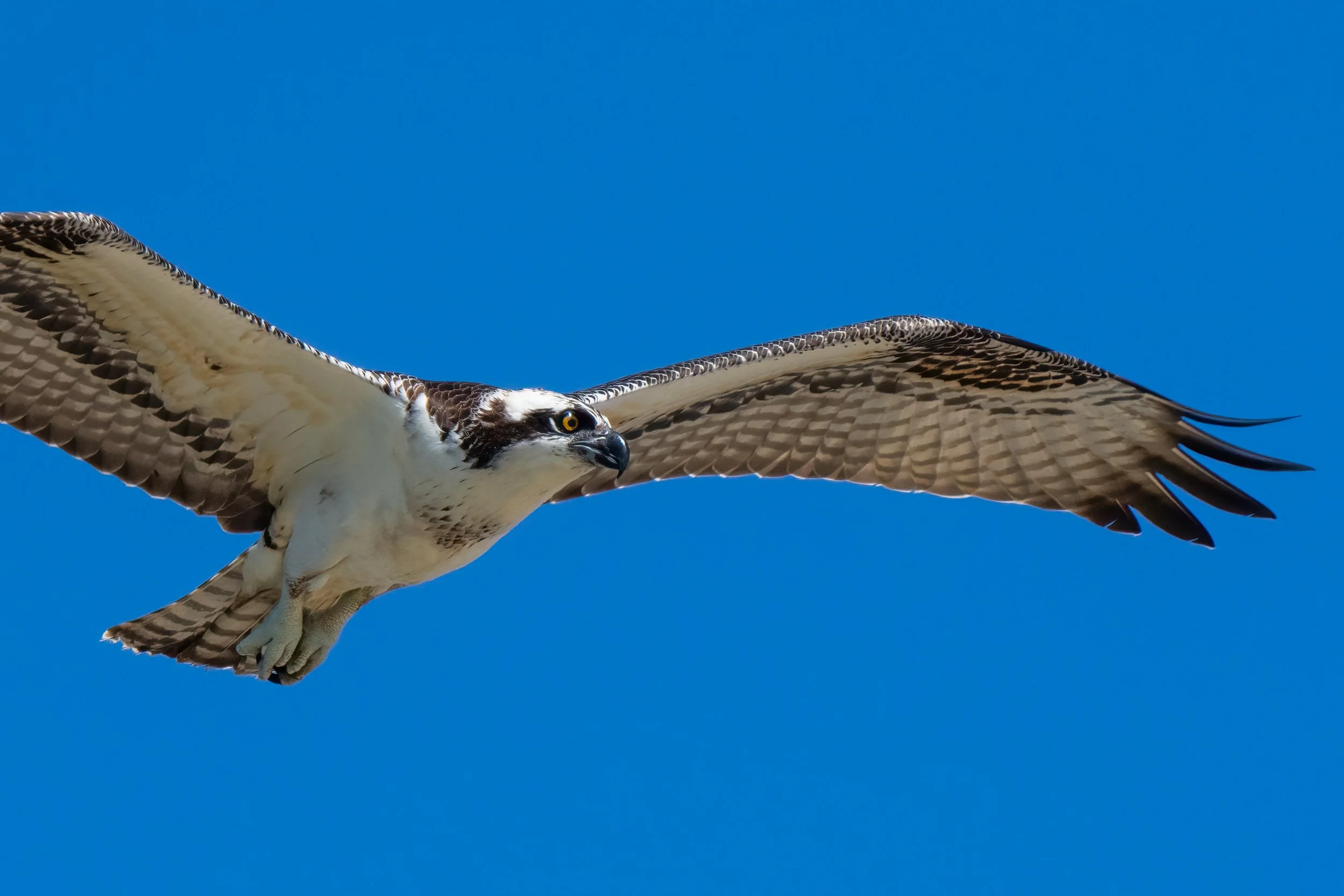
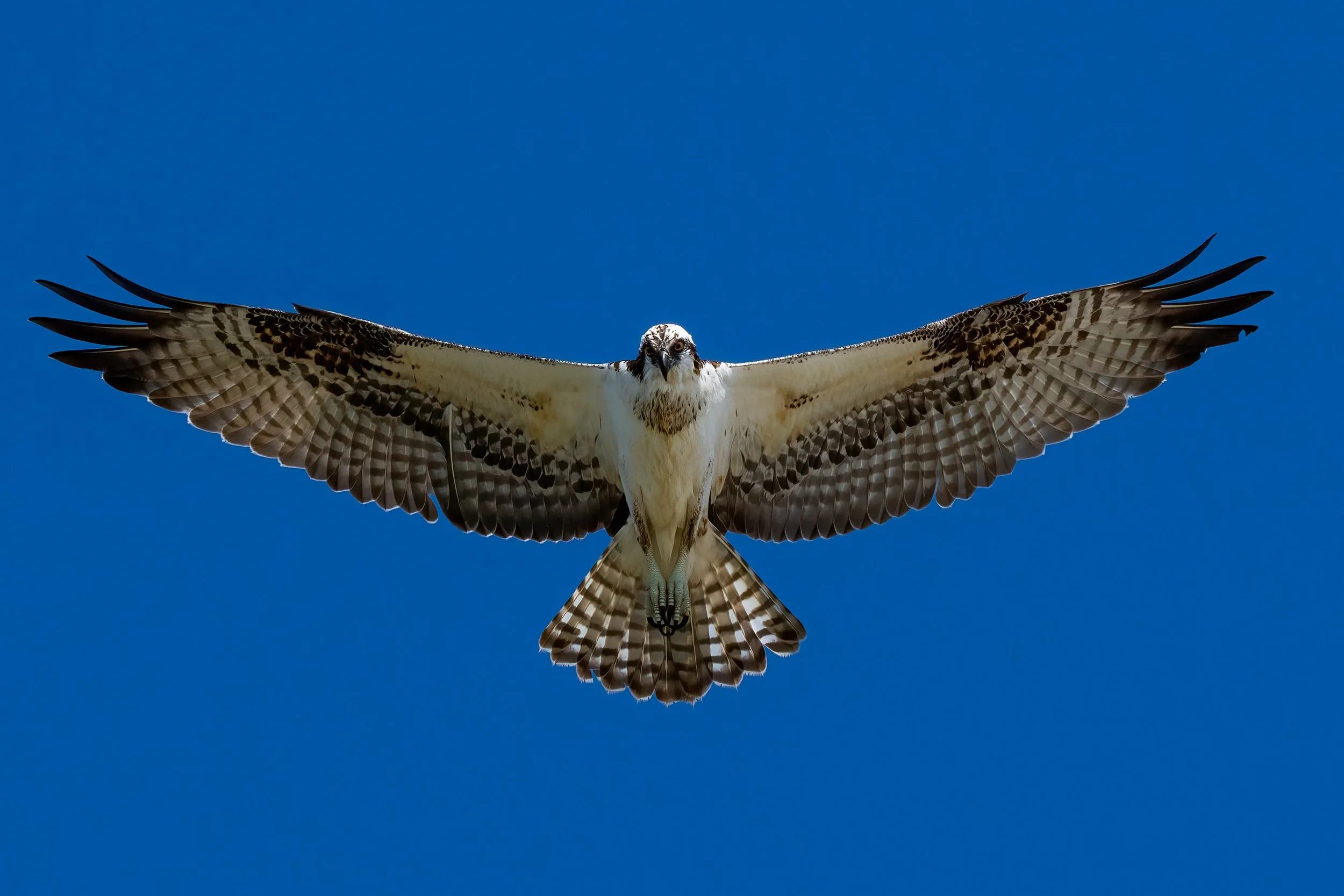
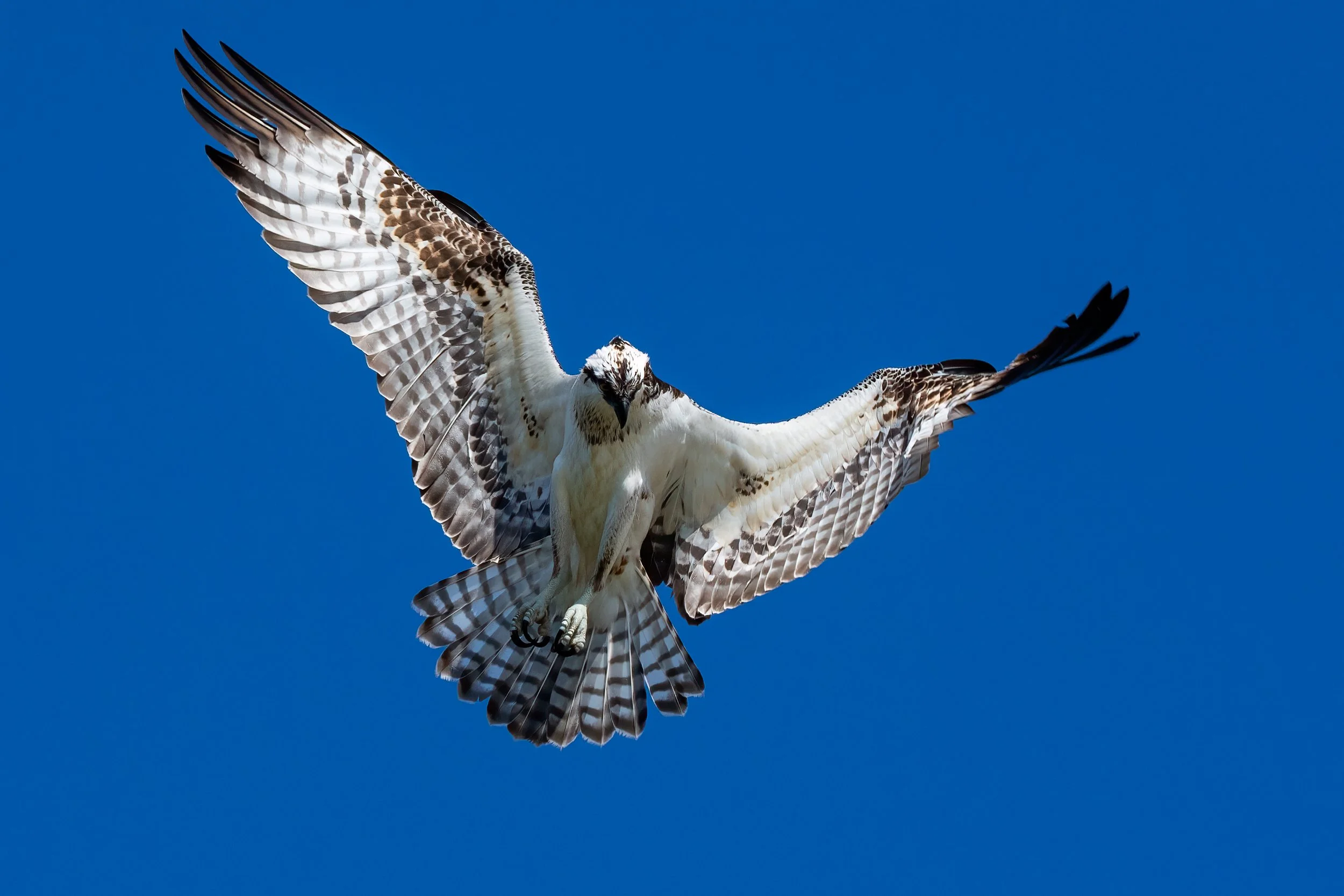
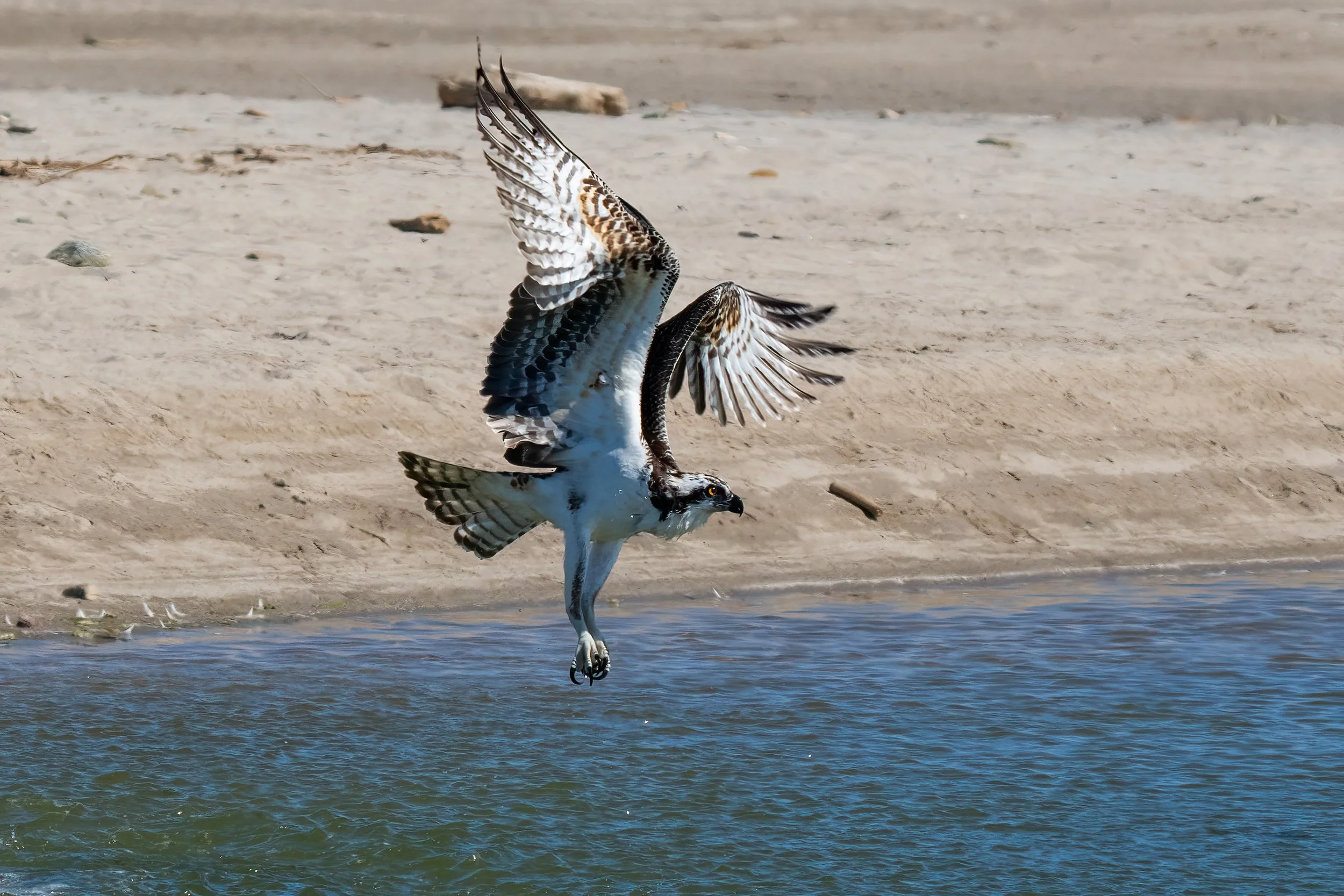
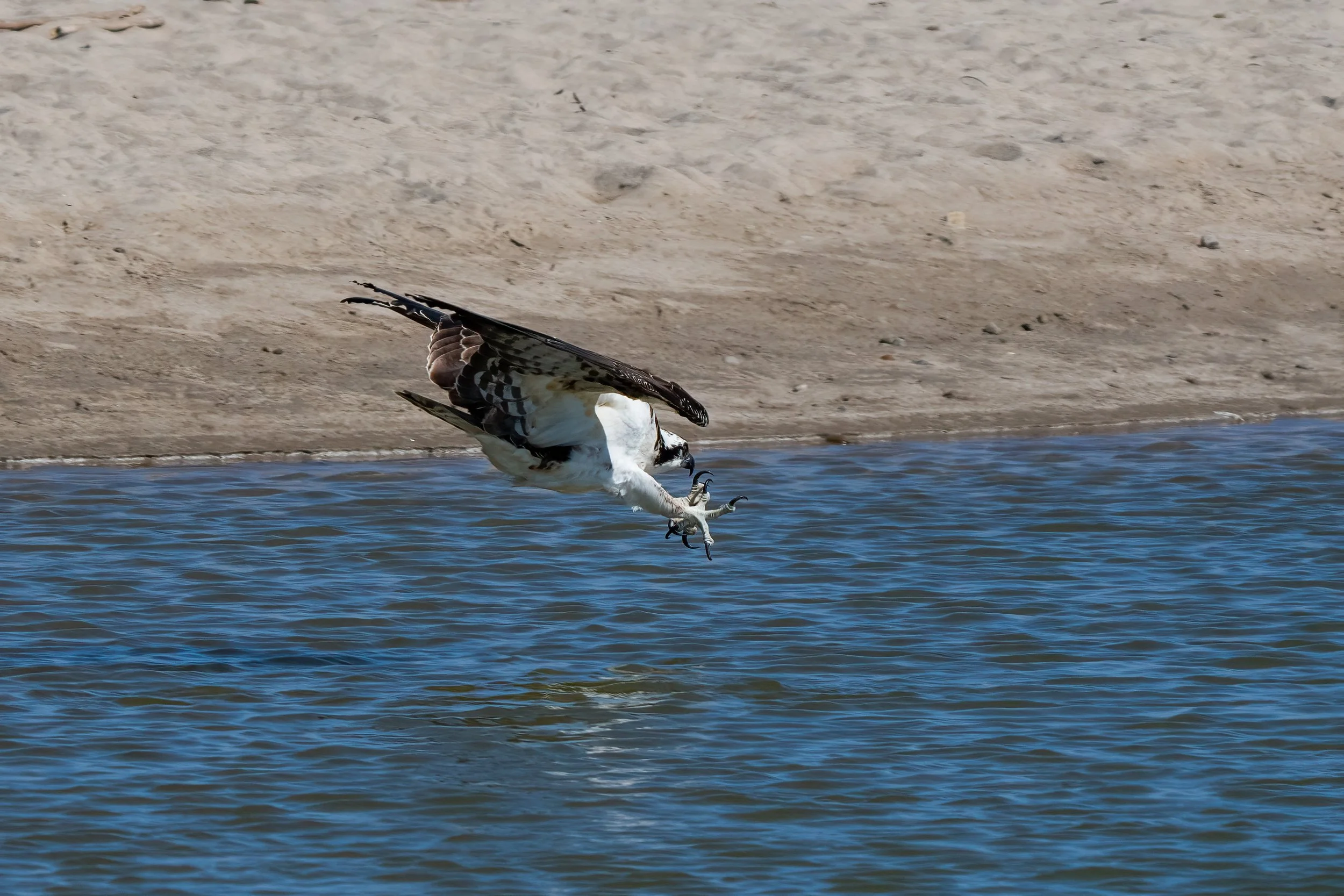
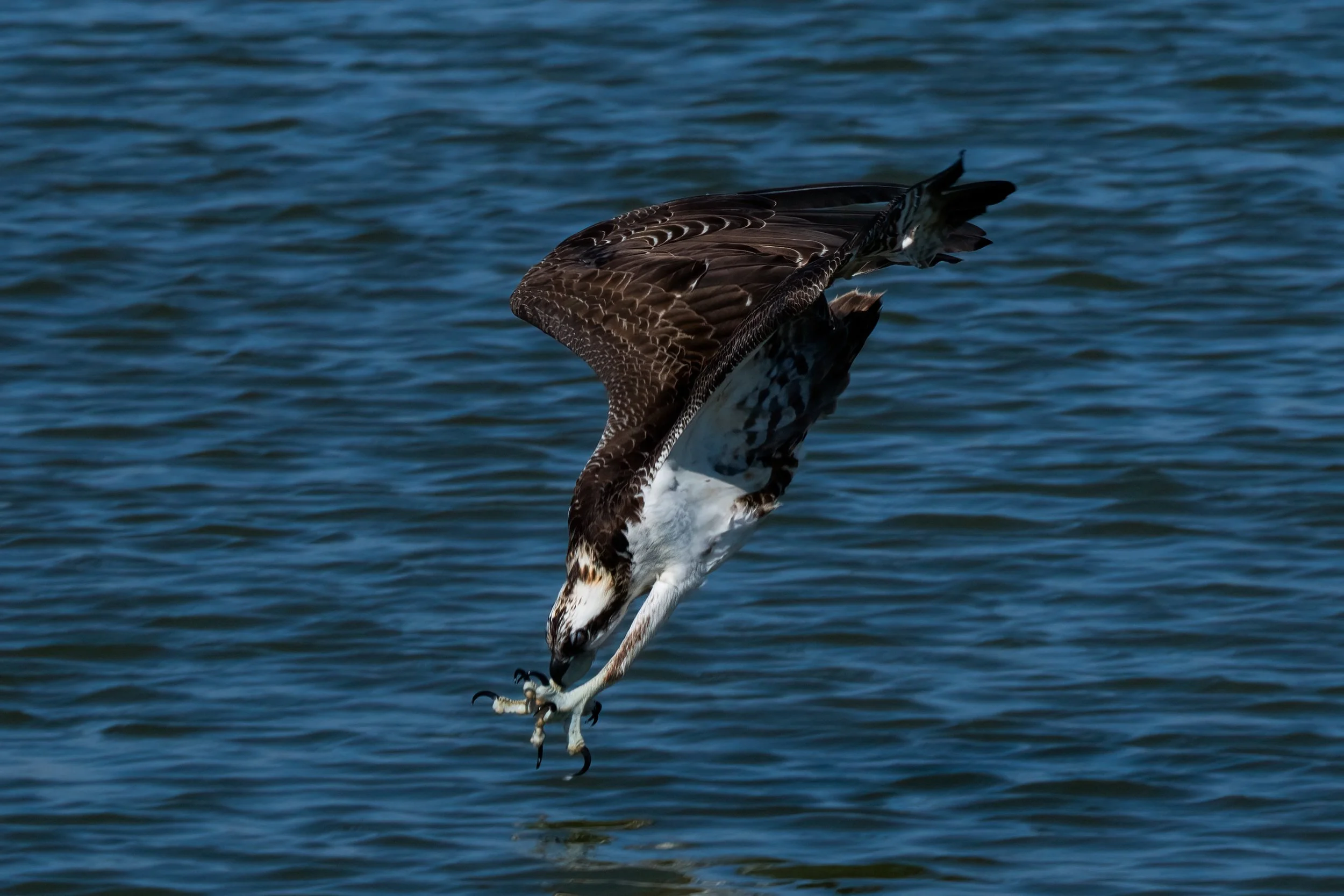
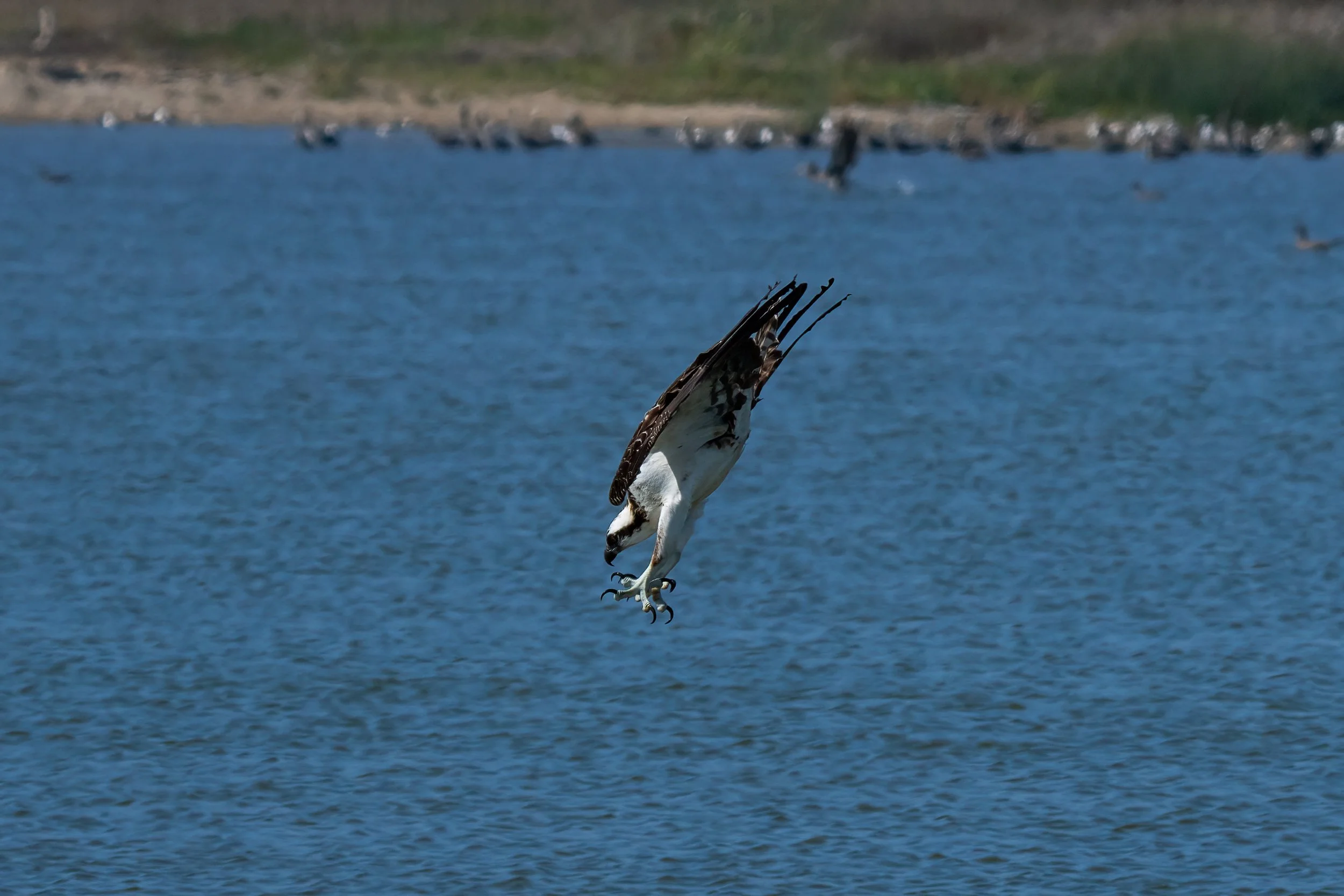
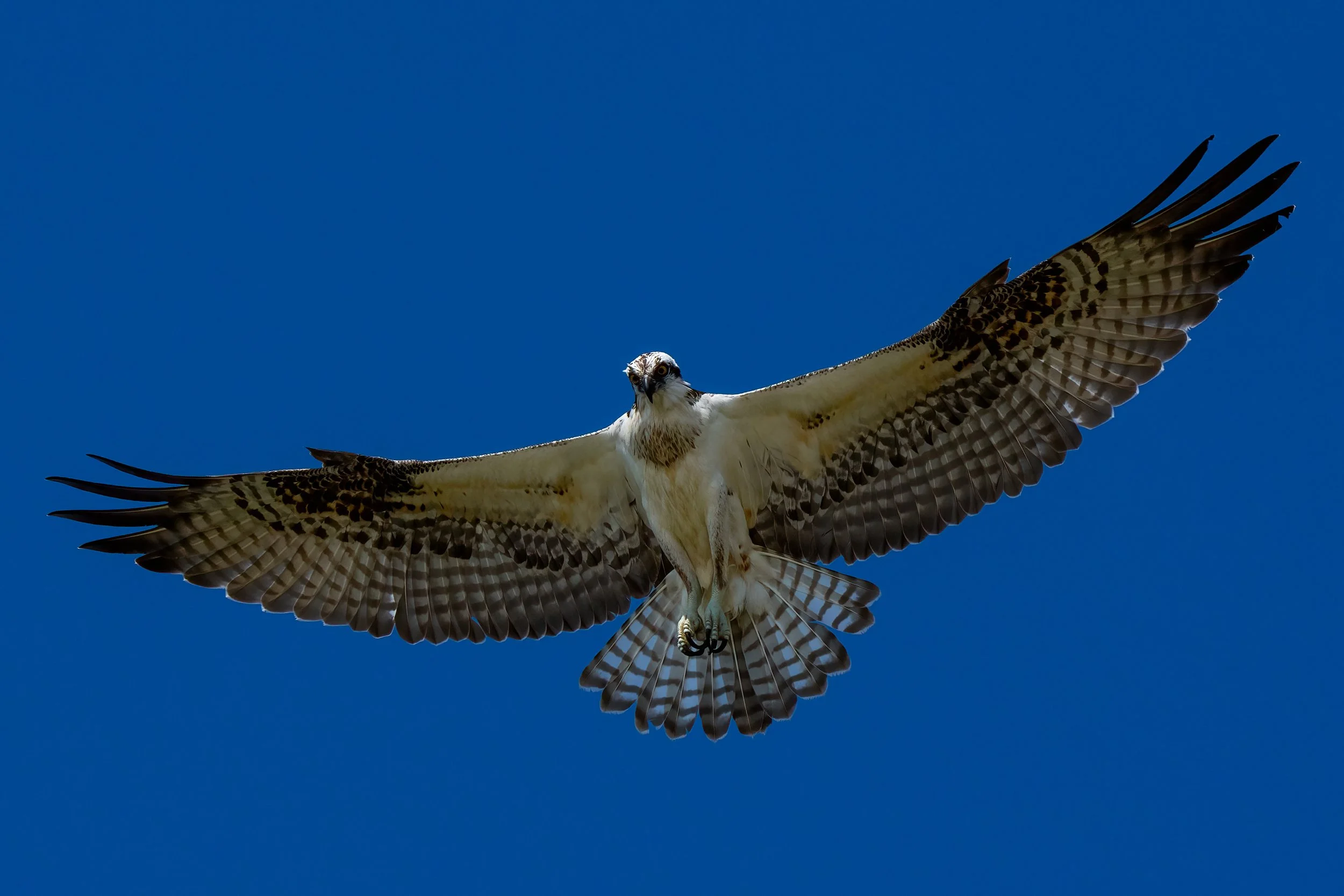
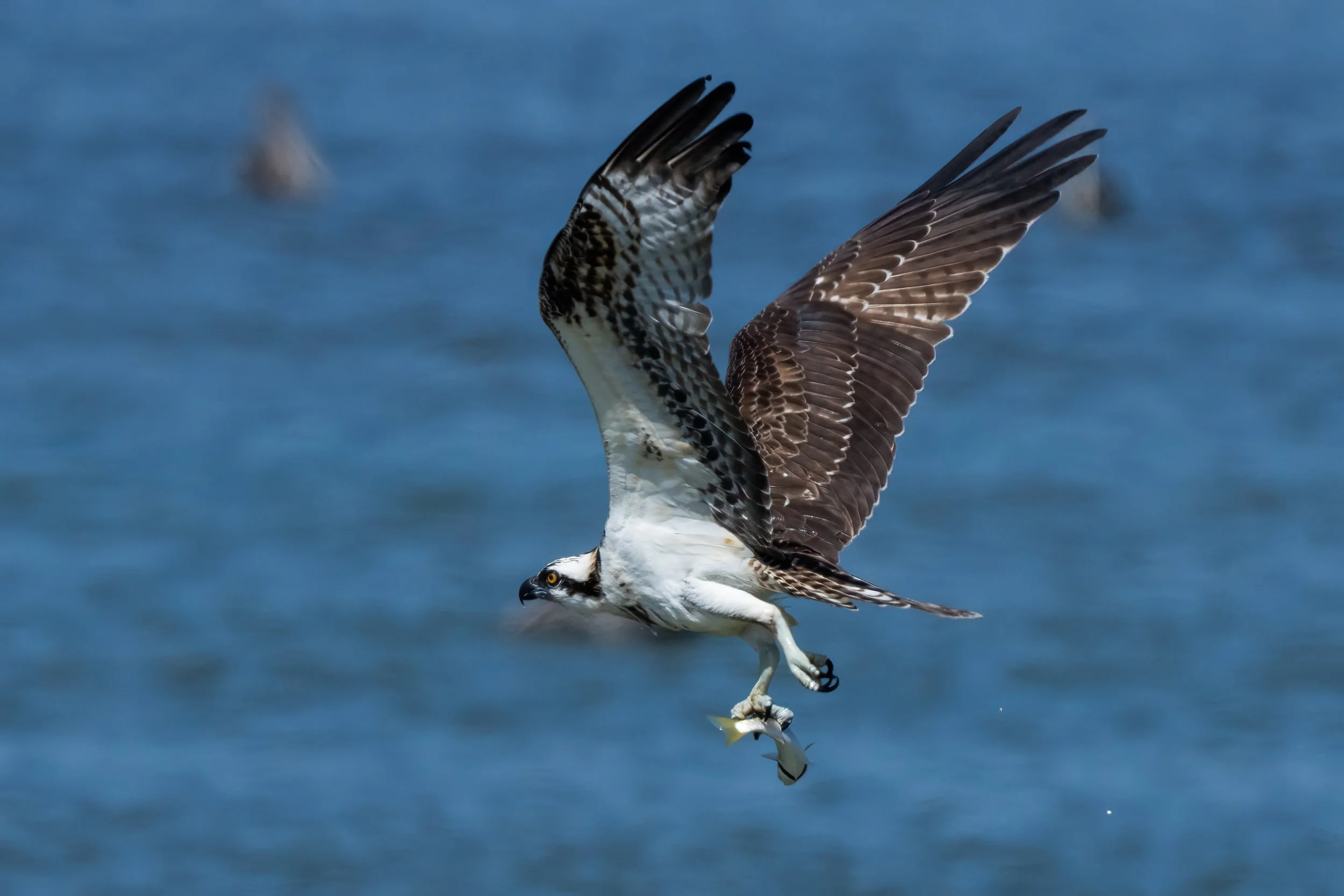
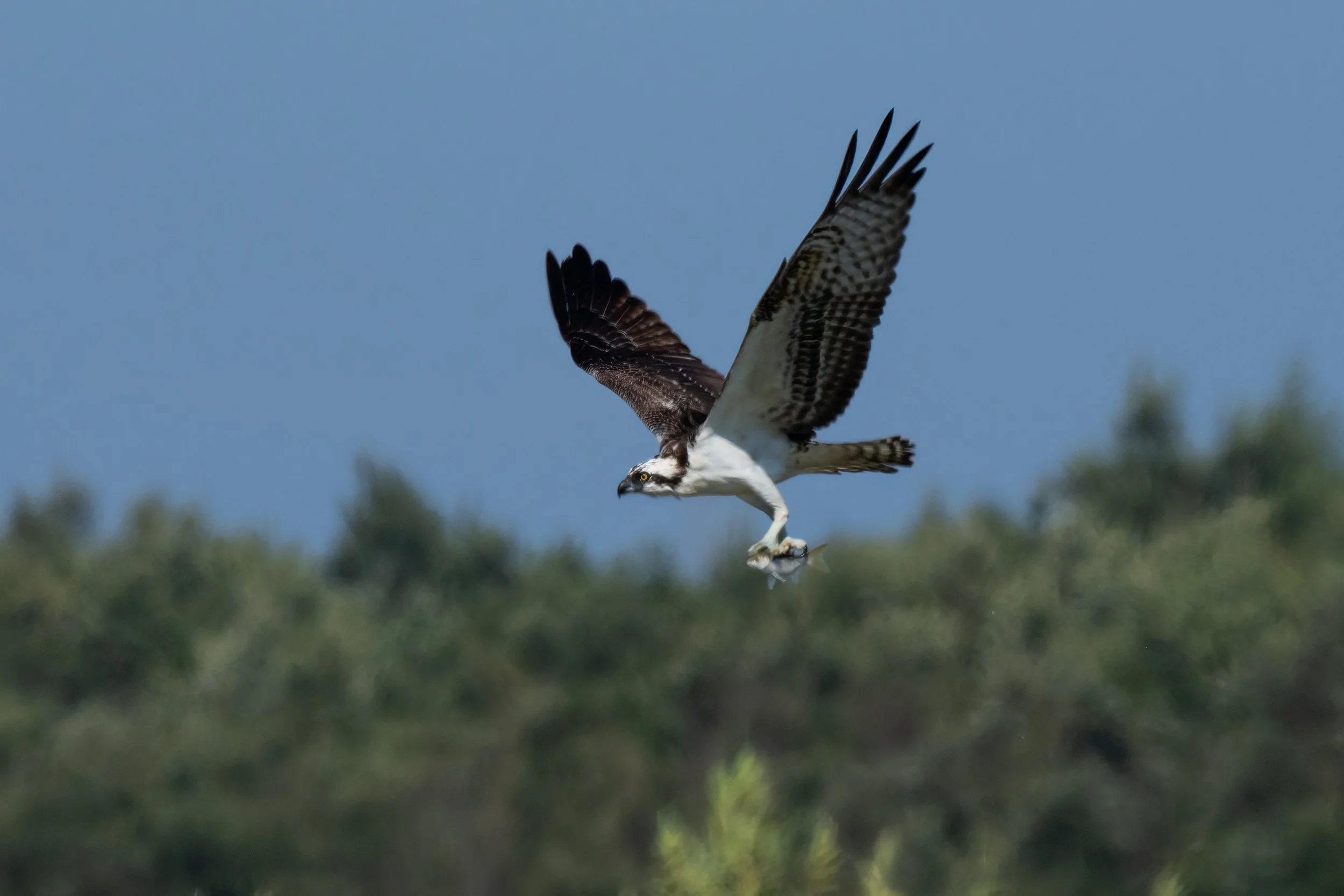
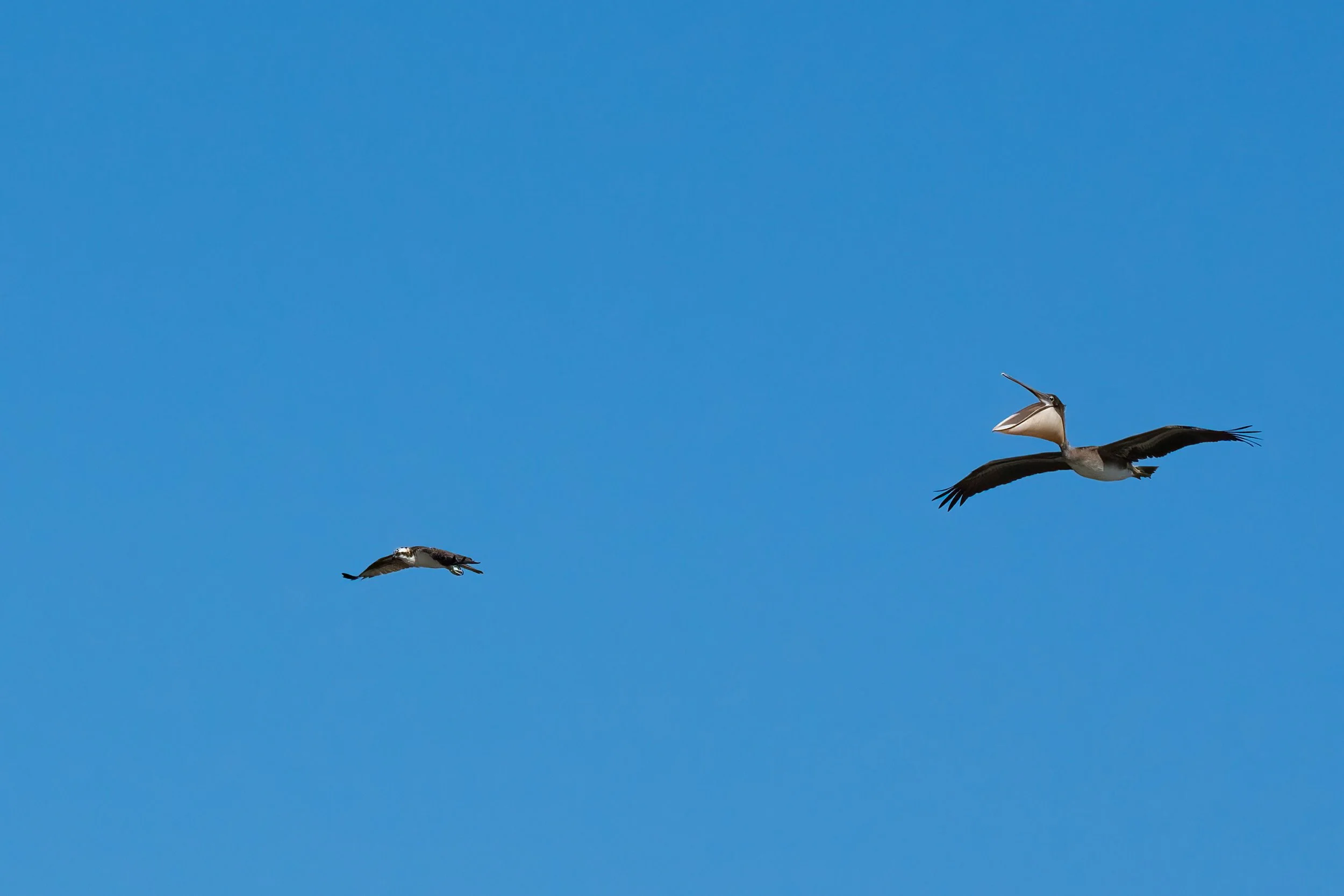
Osprey The Ospreys are usually here, but on one particular visit, we sat and watched a juvenile who appeared to be learning how to osprey. An adult was fishing the river channel, circling high, pausing in a hover, then folding and dropping feet-first into the water. A younger bird would circle high, pause, and start to drop, bailing out at the last minute. This went on long enough that Kim took a nap, and I took hundreds of photos.
The juvenile Ospreys following the adults work through the same sequence with considerably less certainty. The hovering is less controlled, the commitment to the dive more hesitant, and the entry into the water more splashy and less surgical than the adult's. But the intention is clear and the persistence is admirable, and watching a young Osprey work out the mechanics of a skill that will define its survival for the next twenty years is one of those wildlife observations that will stay with me for a long time.
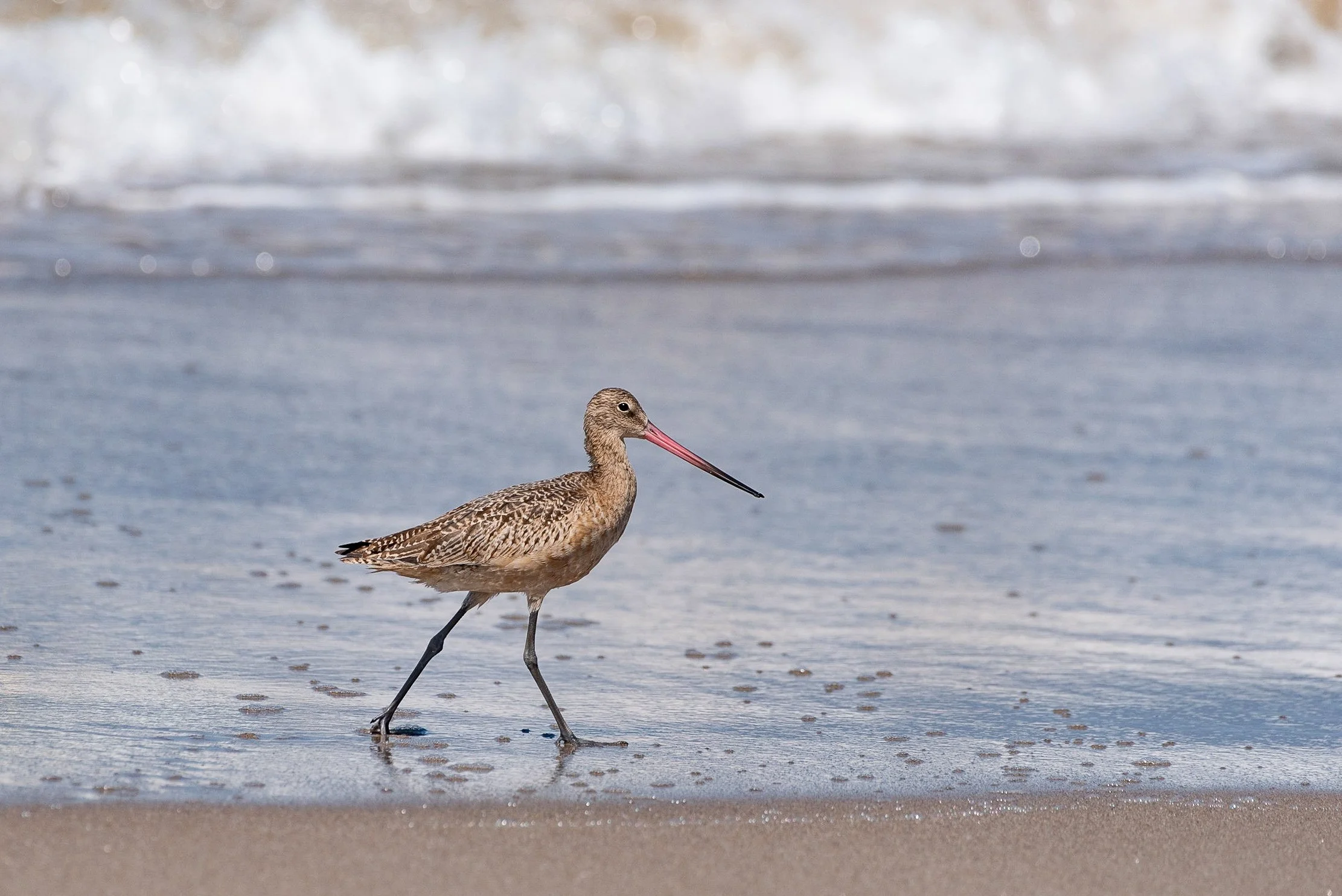
Long-billed Curlew The largest shorebird in North America and one of the more striking presences at the estuary, the Long-billed Curlew's extraordinary decurved bill, sometimes exceeding eight inches, probing the wet sand at the river margins is always fun to watch. The warm buffy-brown plumage and cinnamon wing linings visible in flight make it distinctive from a long distance.
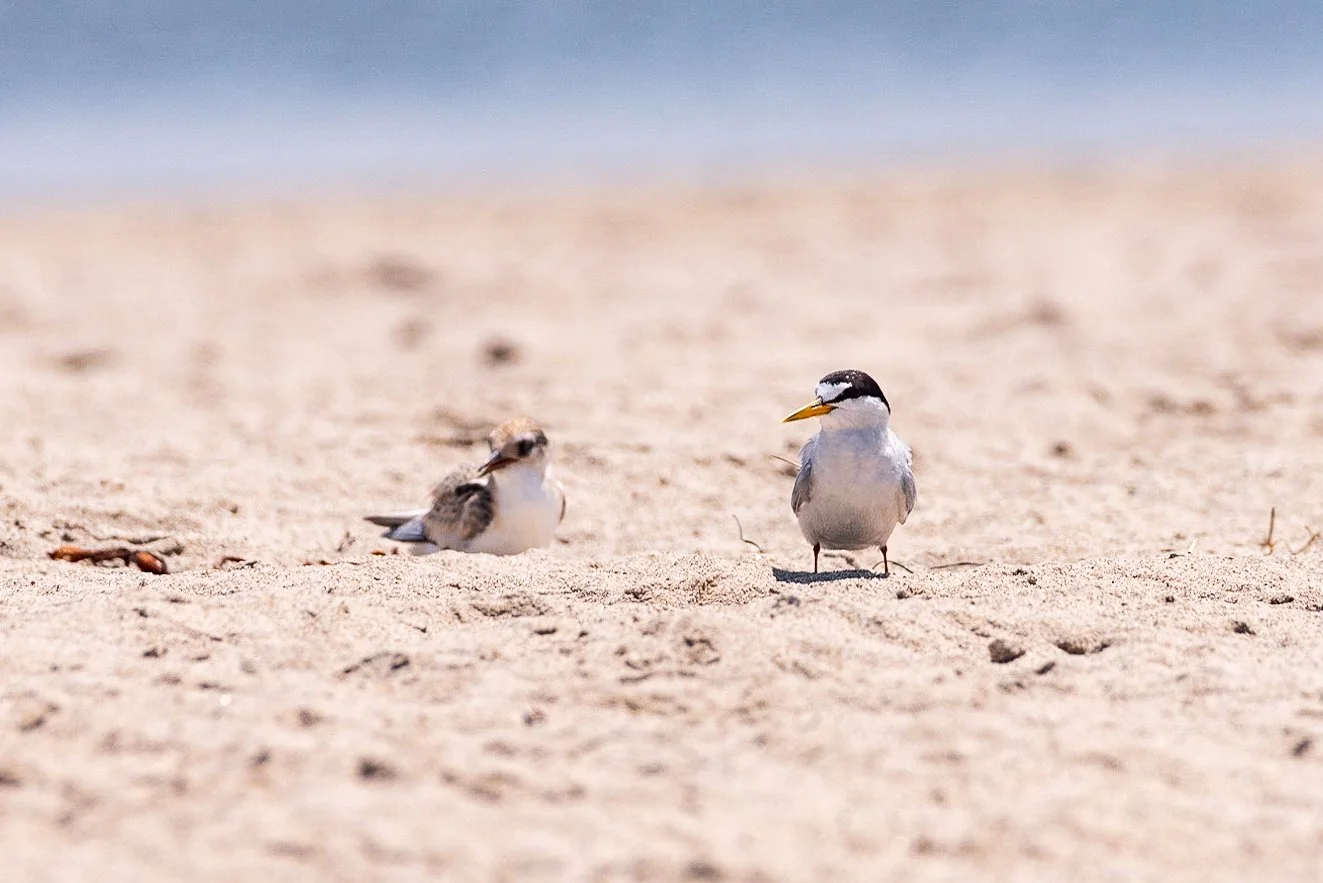
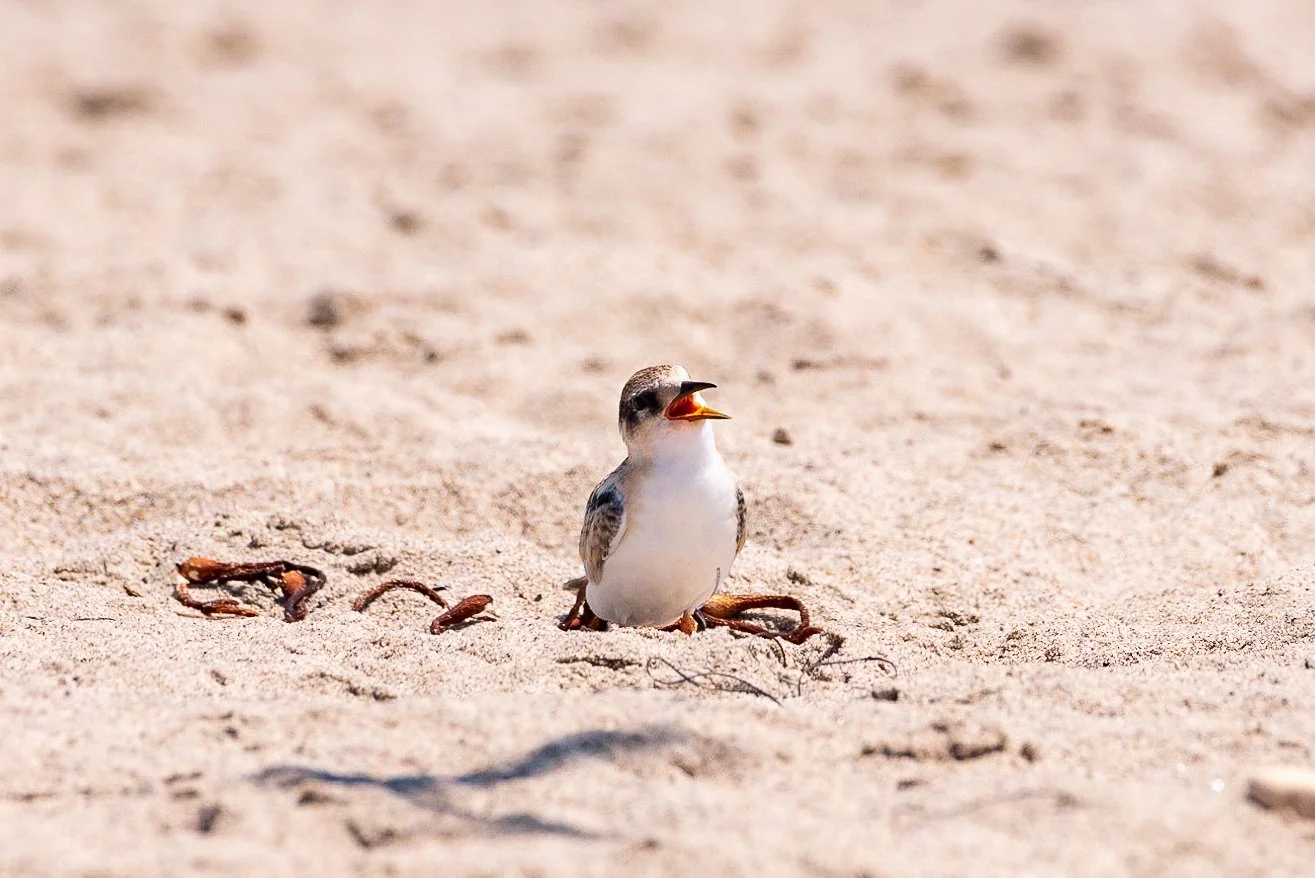
California Least Tern One of the most endangered seabirds in California, the California Least Tern nests on the (protected, closed to the public) open sandy areas near the river mouth and is closely monitored through the breeding season. The smallest tern in North America, its rapid wingbeats and sharp insistent calls make it easy to pick out even among a busy mix of larger tern and shorebird species. The Santa Clara River Estuary is one of the important remaining nesting sites in Southern California.
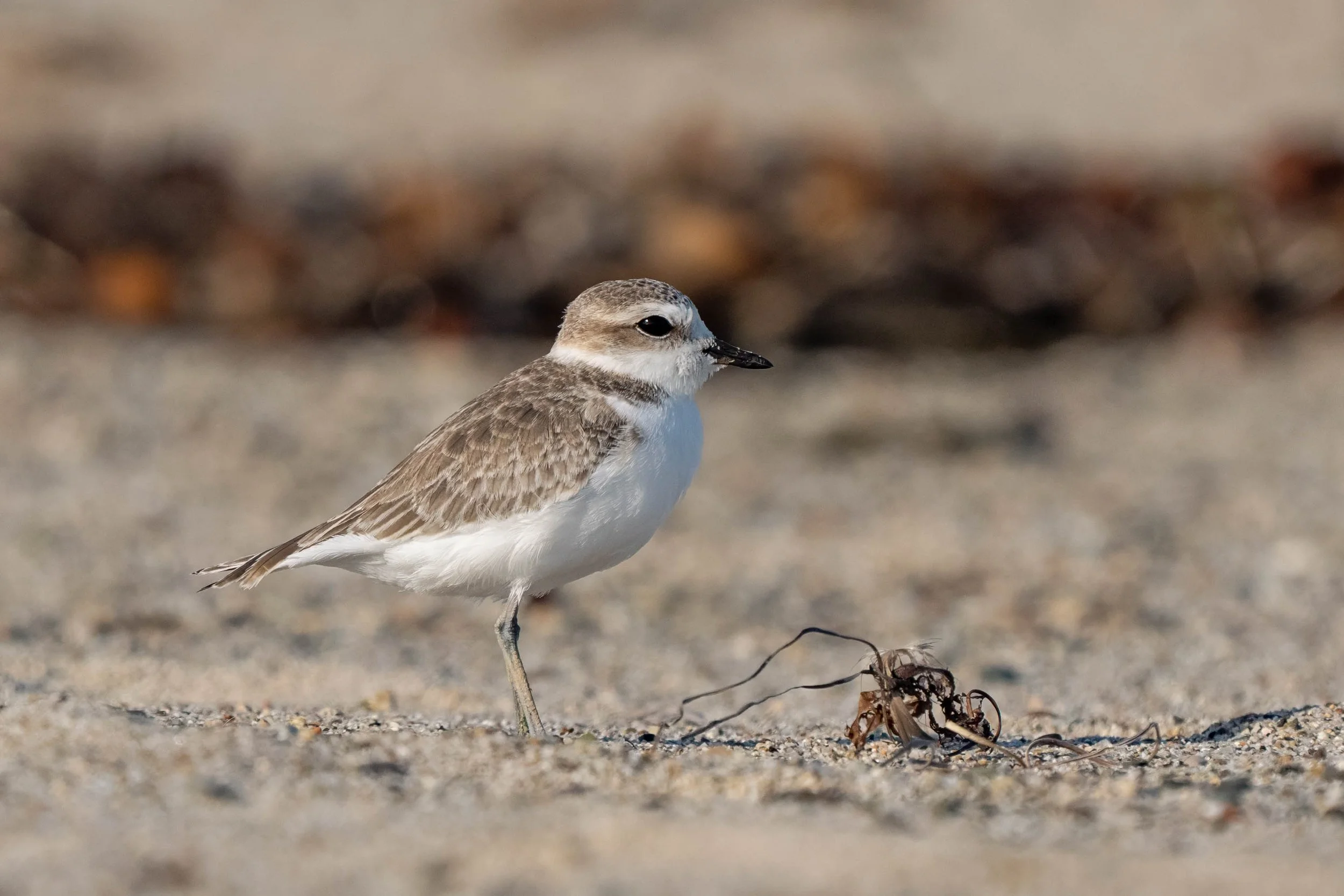
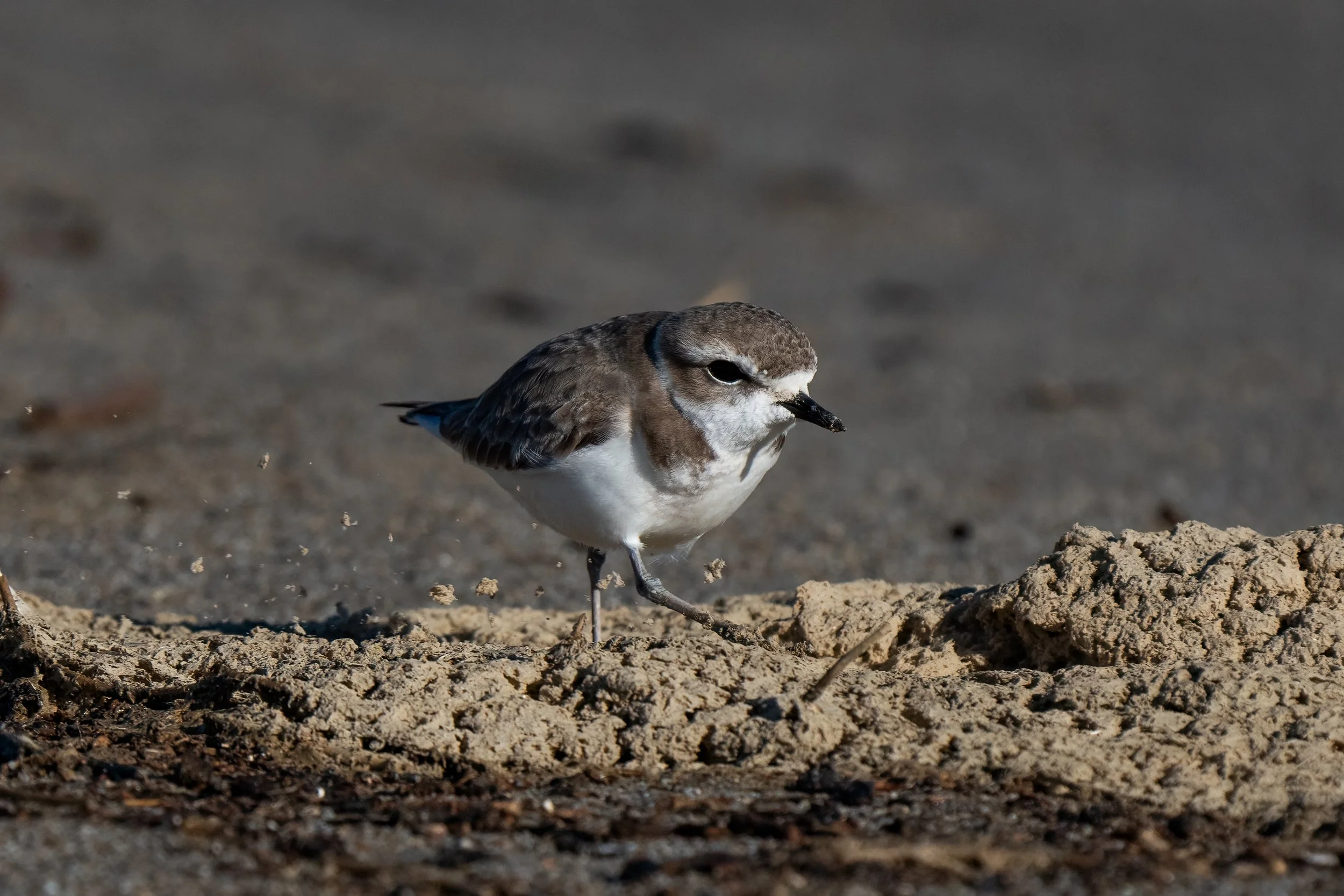
Western Snowy Plover A small, pale plover of open sandy beaches and estuary margins, the Western Snowy Plover is a species of conservation concern along the California coast, where human disturbance on nesting beaches has significantly reduced breeding populations. The open sandbars at the river mouth provide some of the more protected habitat remaining in the region.
Willet A large, stocky shorebird that transforms from a relatively plain grey-brown bird at rest into something considerably more striking in flight, when those bold black and white wing stripes flash with every wingbeat.
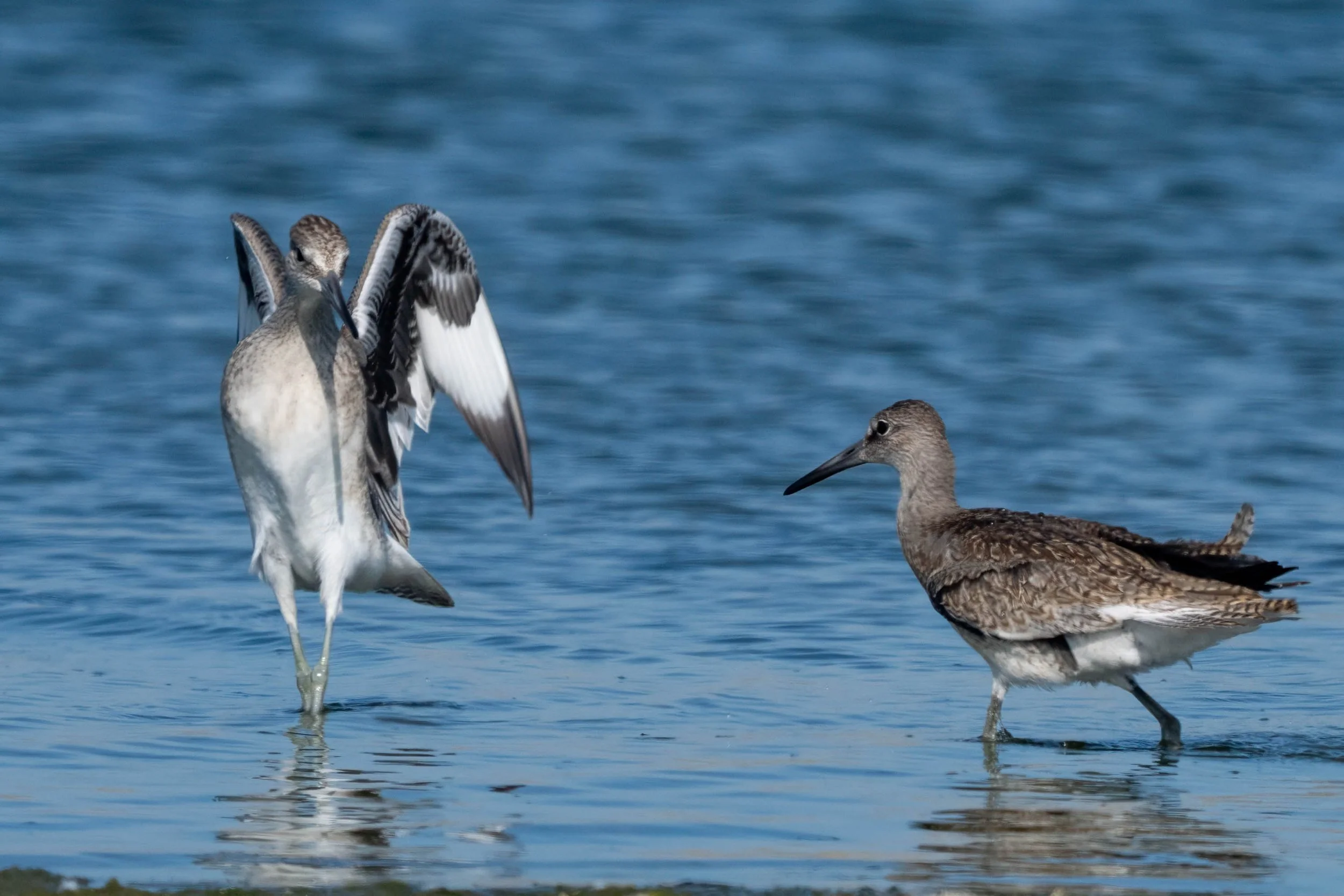
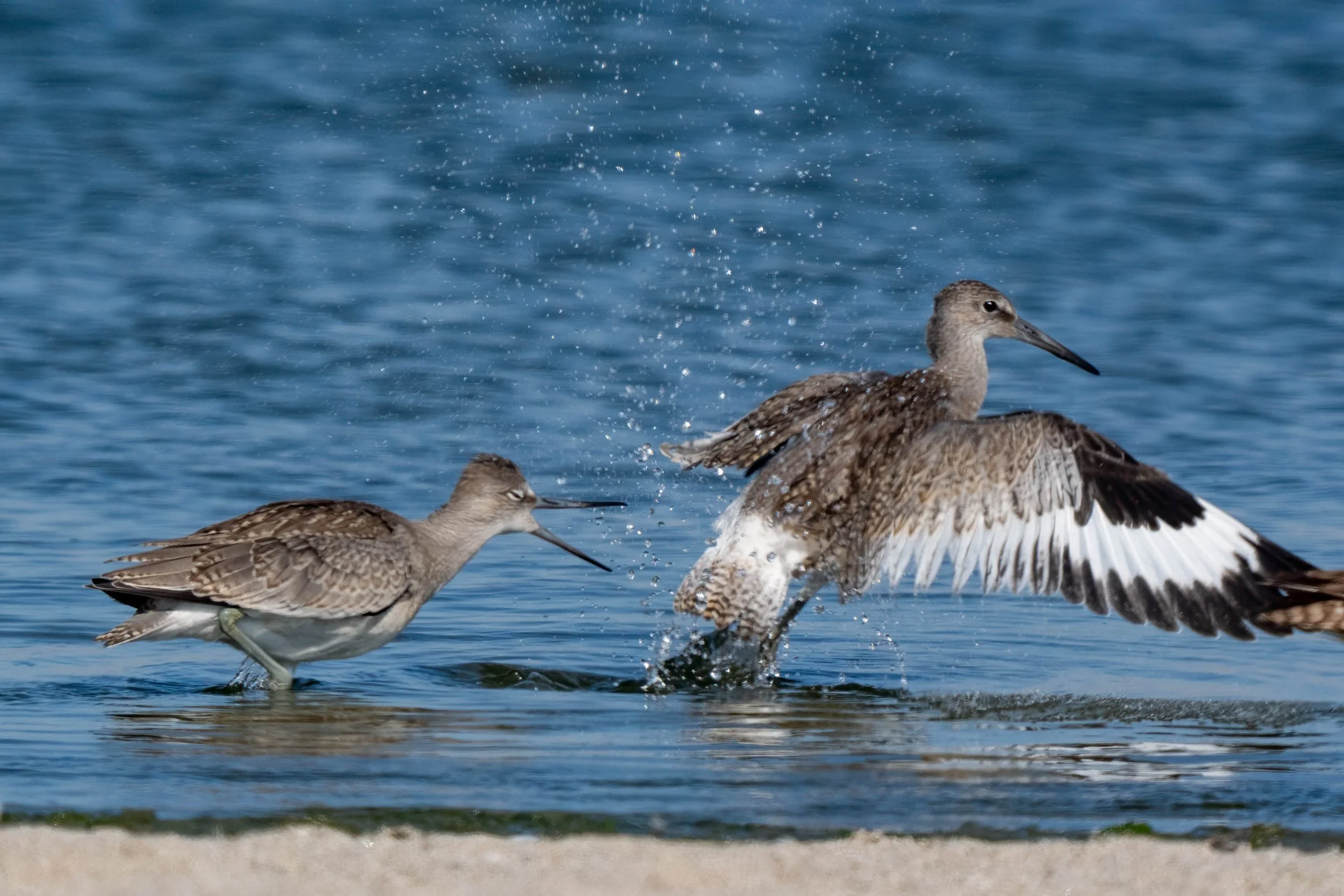
Sanderling The classic wave-chaser of the open beach, Sanderlings work the wash zone in tight groups, running ahead of each wave and back behind it in a perpetual back-and-forth that looks frantic but is in fact highly efficient foraging behavior.
Snowy Egret Active and animated in the shallow tidal channels, the Snowy Egret brings a frenetic energy to the estuary margins that contrasts with the stillness of the larger herons sharing the same habitat. They shuffle their bright yellow feet to stir up food in the shallow water, then snap to grab it with their big bill.
Turkey Vulture A consistent overhead presence at the estuary, riding thermals above the river mouth and coastline with that characteristic tilting, wobbly flight and wings held in a shallow V. They are a reliable fixture in the airspace above the estuary regardless of season, and sometimes land on the sandy beaches to sun themselves.
Some Other Fun Sightings:
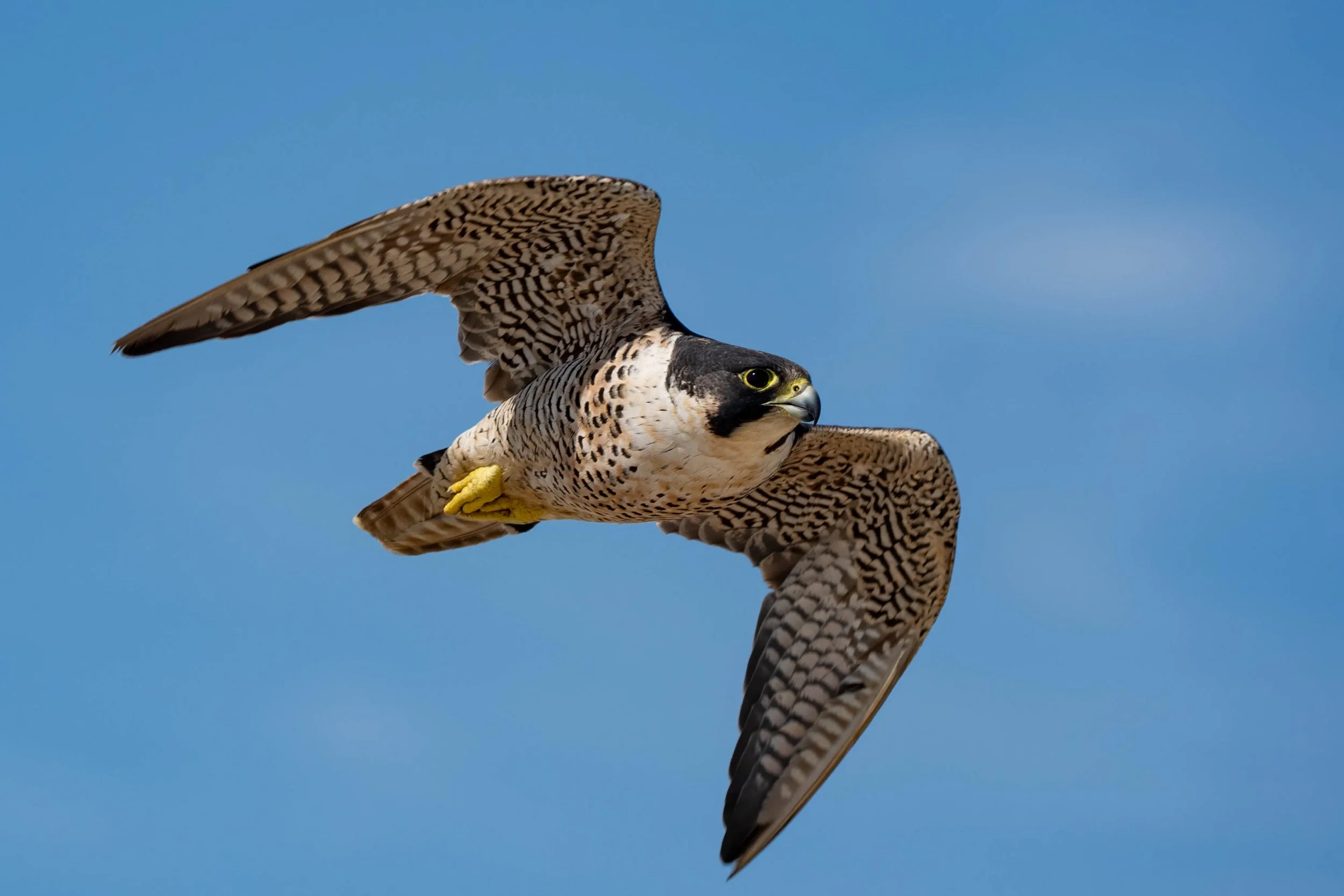
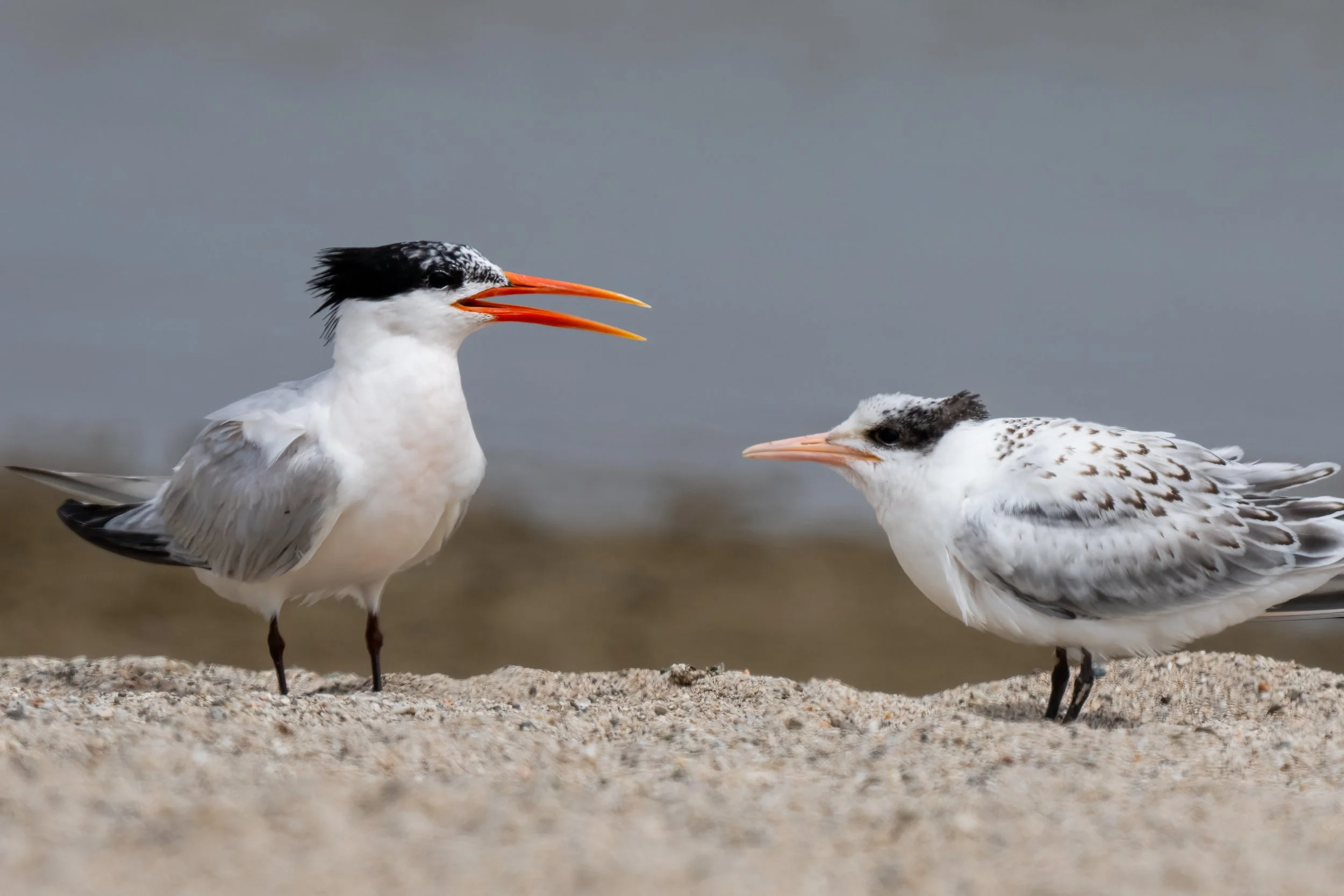
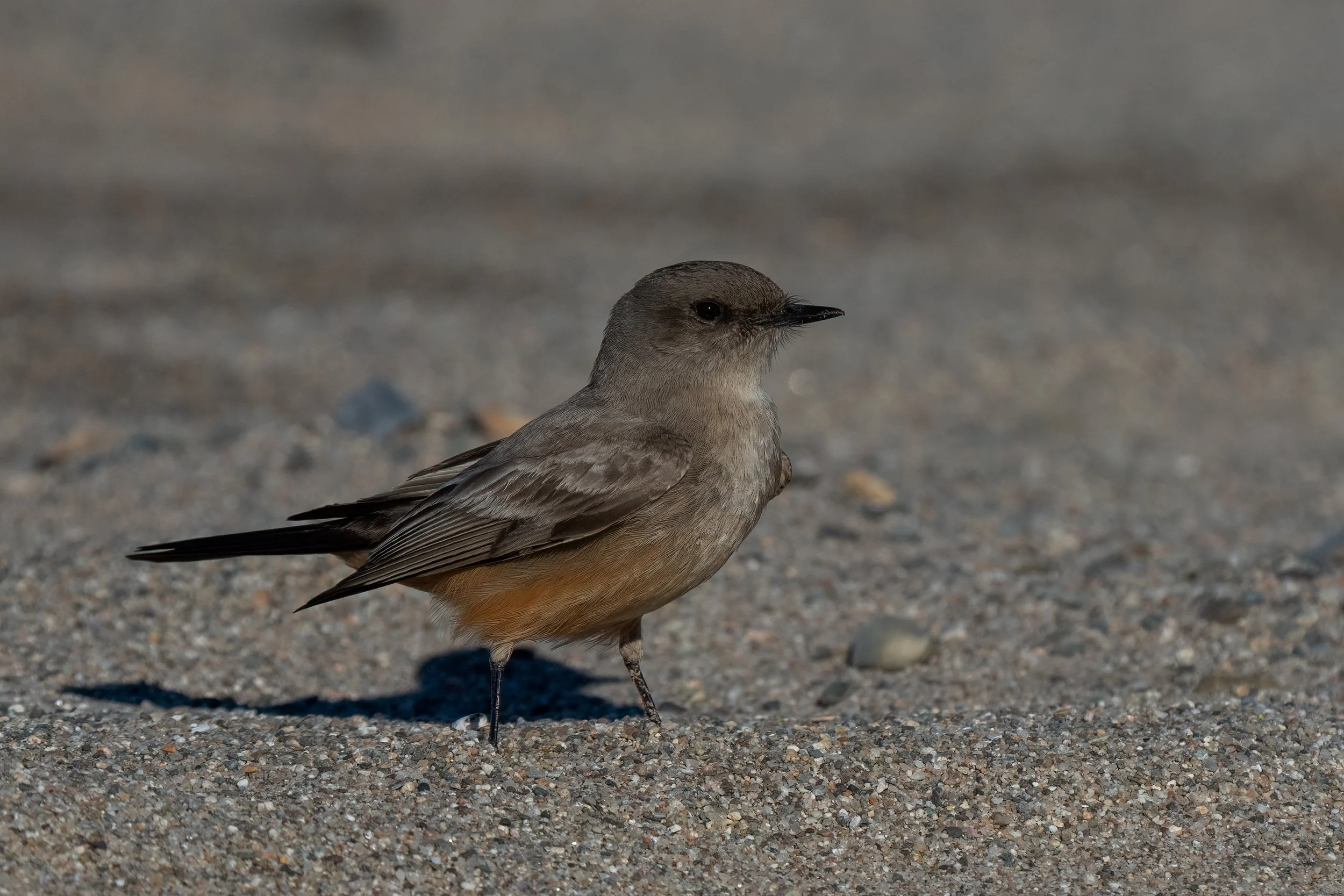
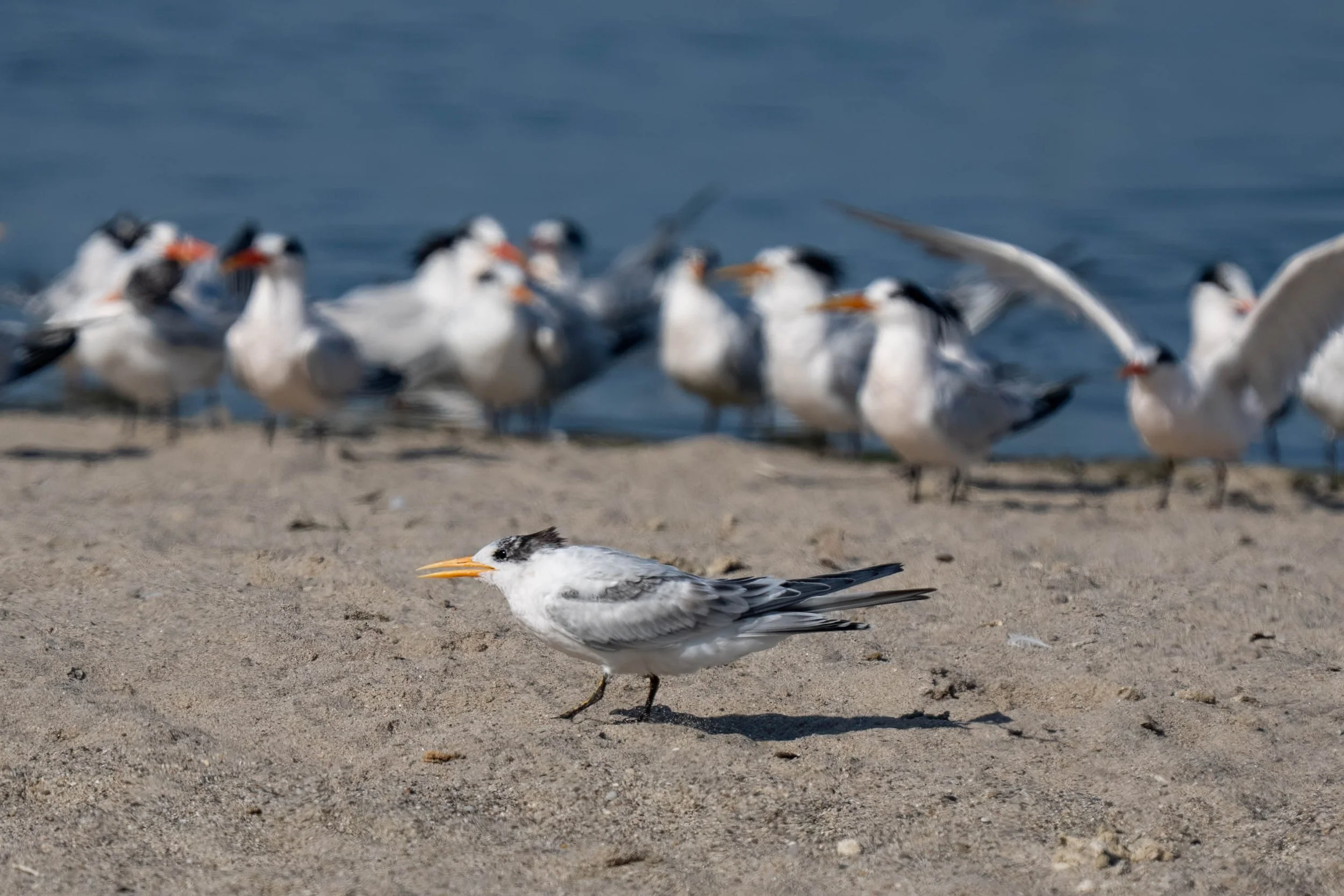
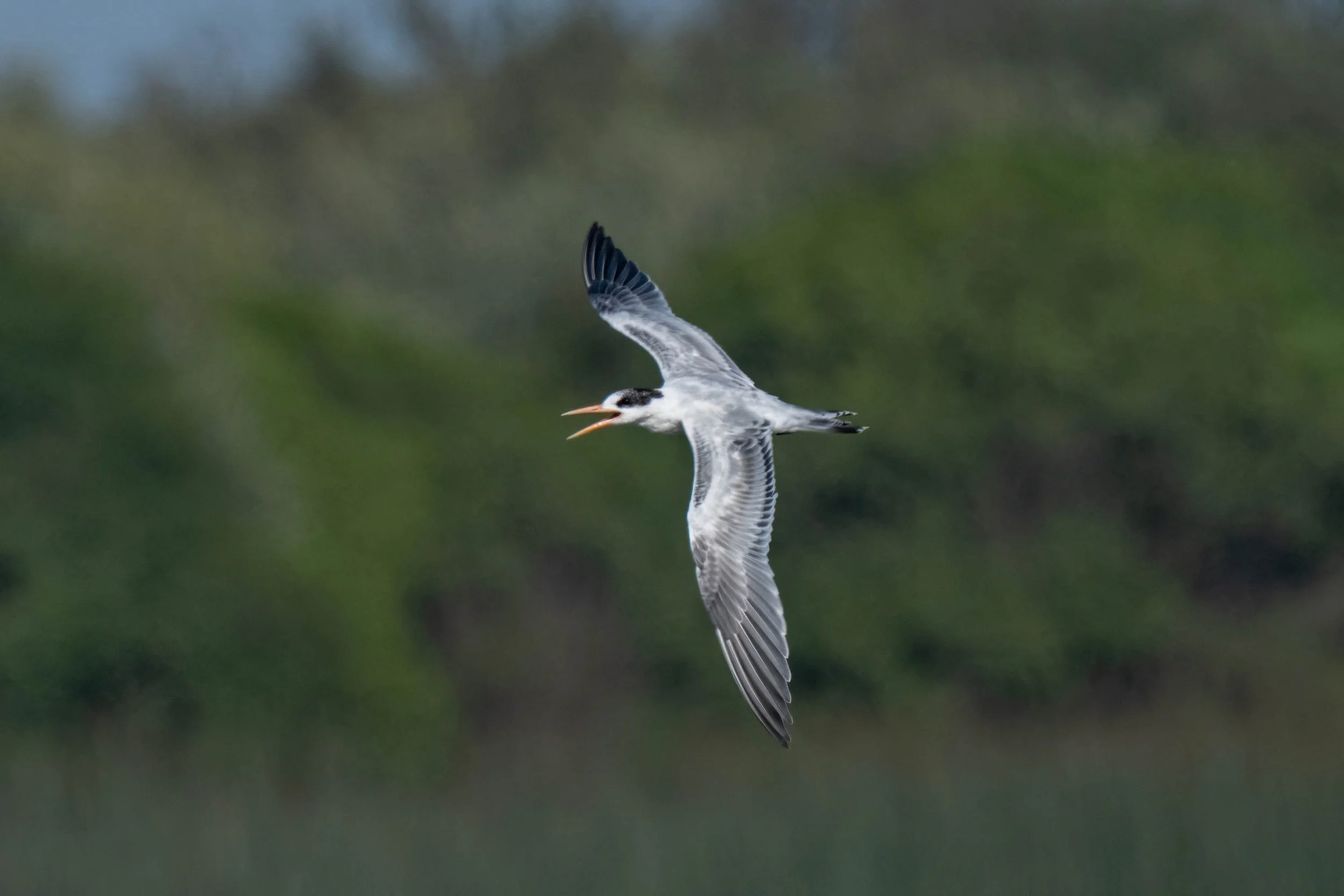
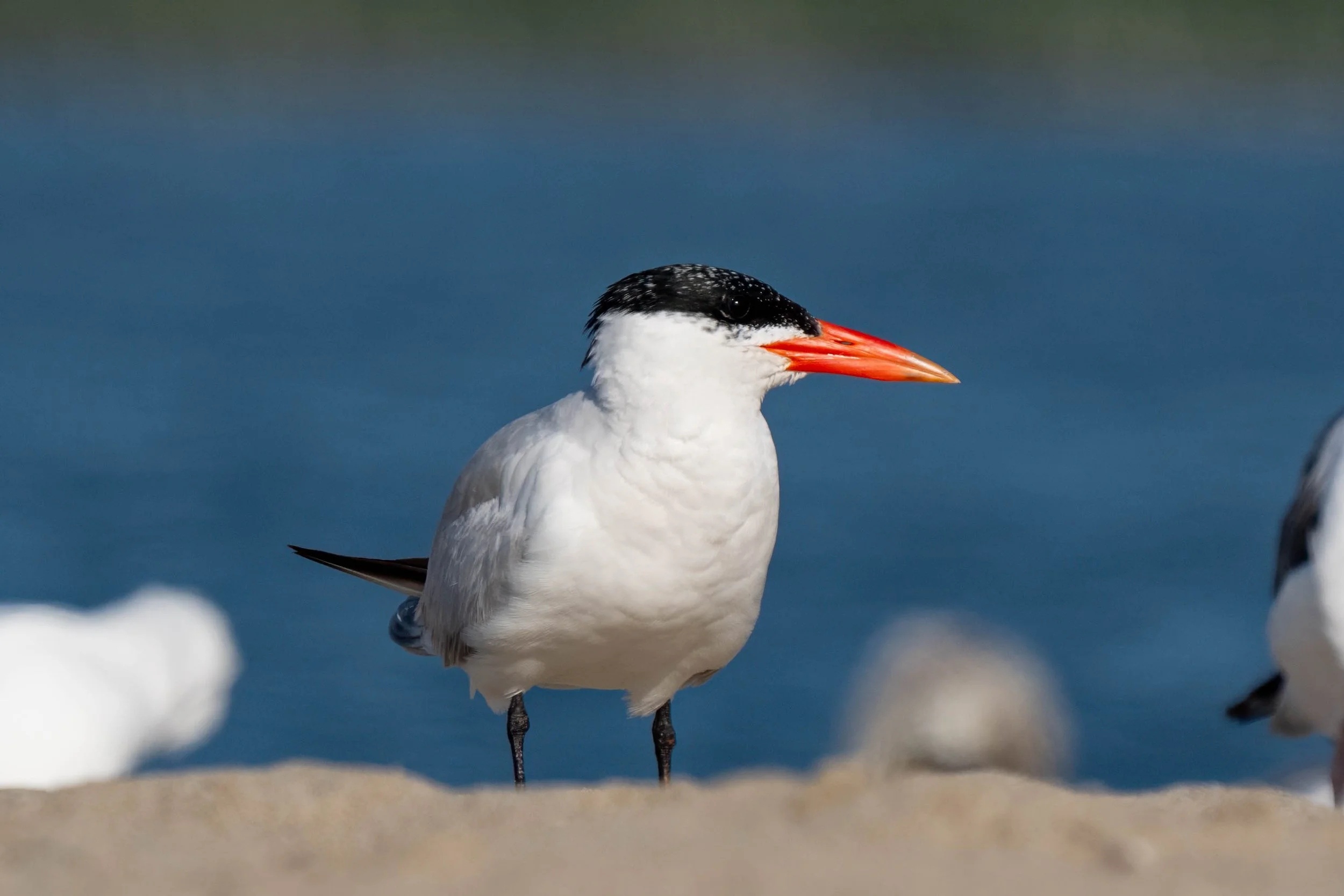
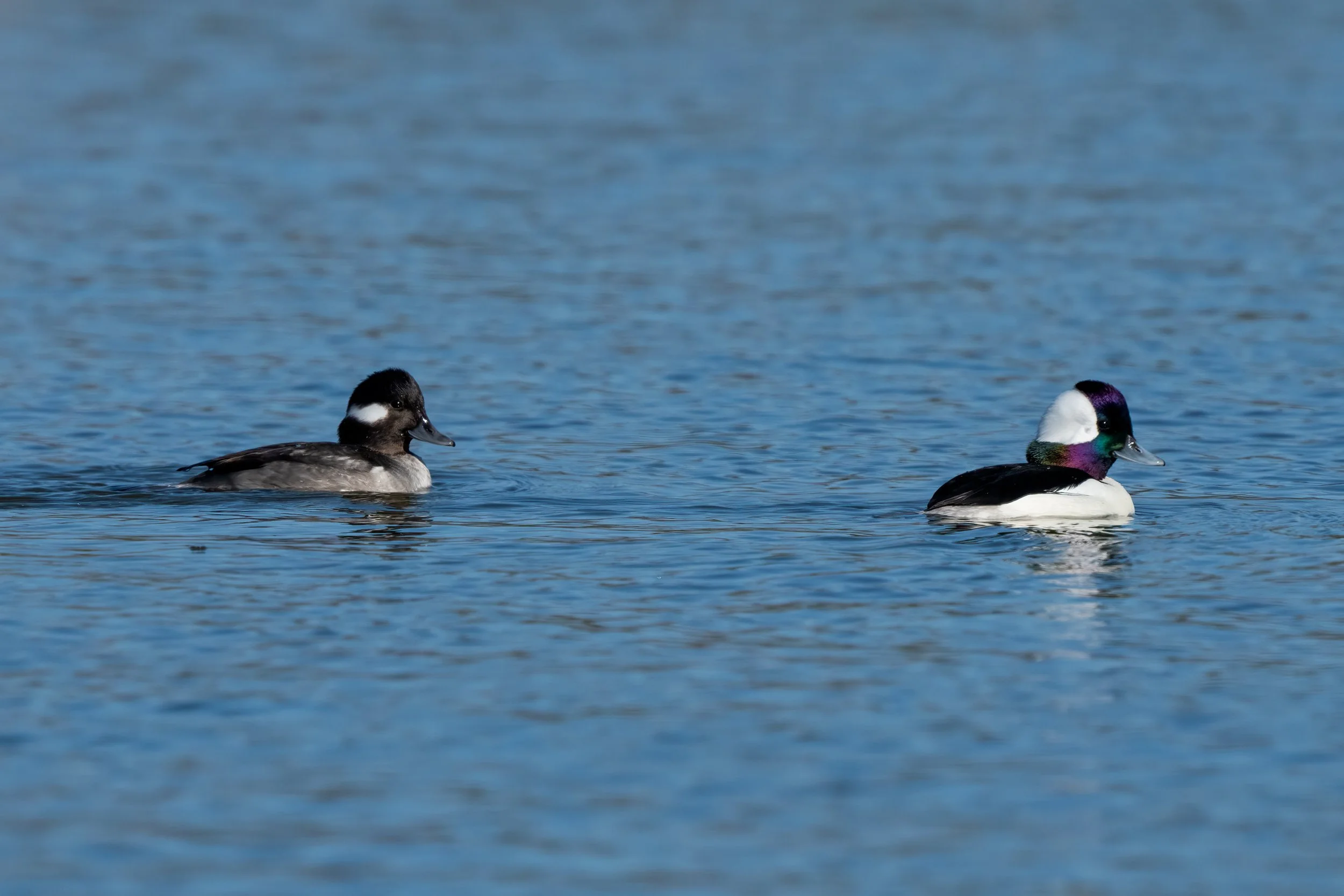
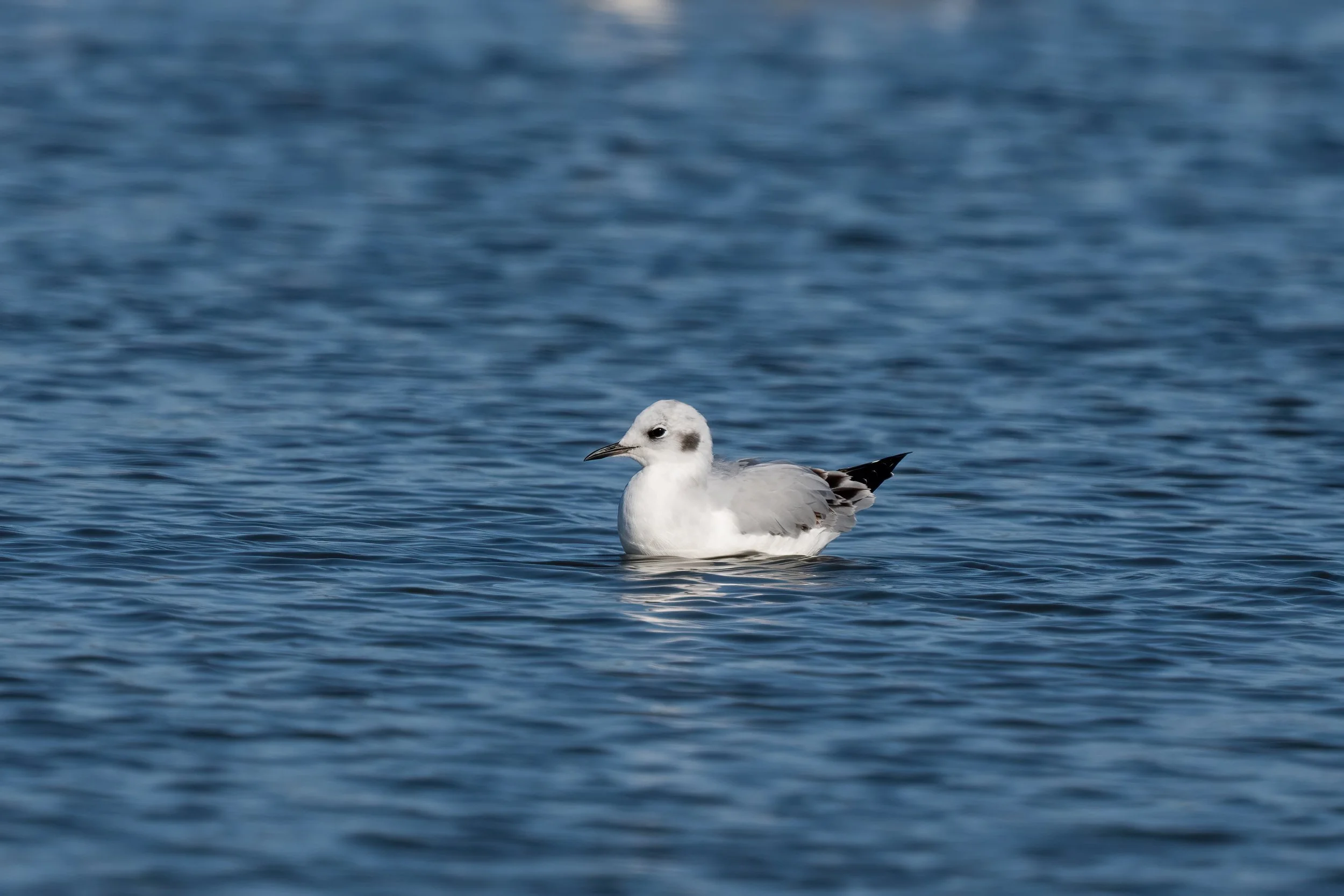
The Santa Clara River Estuary rewards regular visits across the seasons, with the bird composition shifting substantially between winter, spring migration, and the breeding season. The pelicans are a near-constant, the Ospreys a reliable draw when juvenile birds are present, and the shorebird diversity on a good tide makes it one of the more complete estuarine birding experiences on the Southern California coast.
This is one of the more important and rewarding coastal sites in Ventura County - have you visited this beach?