A Bird Walk At San Joaquin Wildlife Sanctuary

The San Joaquin Wildlife Sanctuary feels like one of Orange County's best-kept secrets. Hidden among busy streets, office buildings, and the constant traffic of Irvine, it's hard to believe that a peaceful network of ponds and walking trails exists just a few minutes from the 405 Freeway. We had probably driven past it countless times without realizing it was there.
The sanctuary covers roughly 300 acres and offers about 12 miles of easy walking trails that wind between freshwater ponds, marshes, and native habitat. It doesn't take long before the sounds of traffic fade behind birdsong and rustling reeds. For a place surrounded by city, it feels surprisingly wild.
The Sea and Sage Audubon Society maintains the sanctuary and operates the Audubon House near the main parking area. There's a small native plant and butterfly garden nearby, information about local wildlife, and trail maps to help navigate the network of paths.
A Morning Among the Ponds
We wandered through nearly every pond during our visit, walking about three miles at an easy pace while stopping constantly to watch birds.
There was something happening almost everywhere we looked.
Ducks drifted across the water while American White Pelicans rested on distant islands. Swallows darted low over the ponds catching insects, a Red-tailed Hawk patrolled overhead, and hummingbirds and wrens moved through the surrounding vegetation. We heard owls calling from deeper within the trees but never managed to find them, and the chorus of frogs added another soundtrack to the morning.
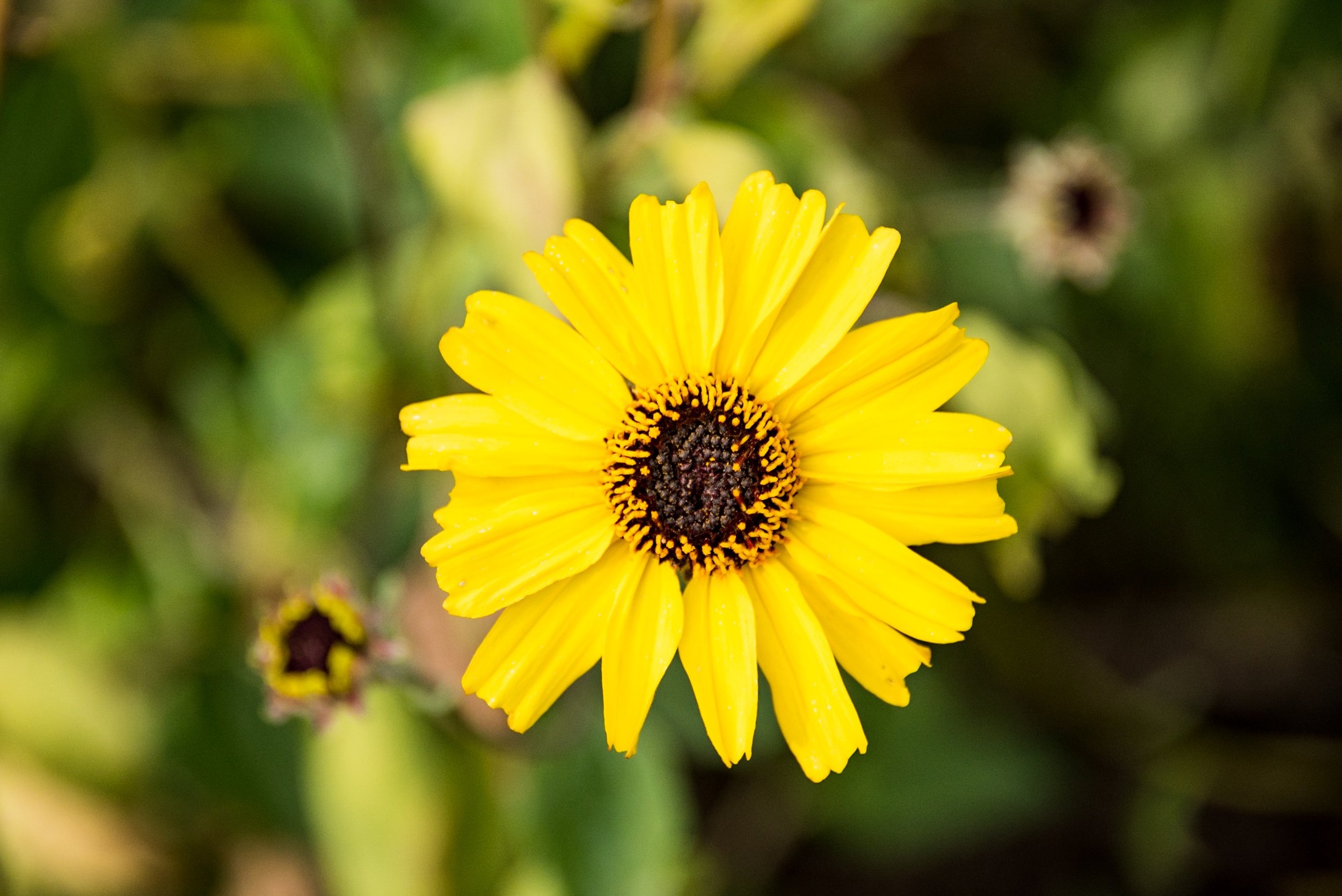
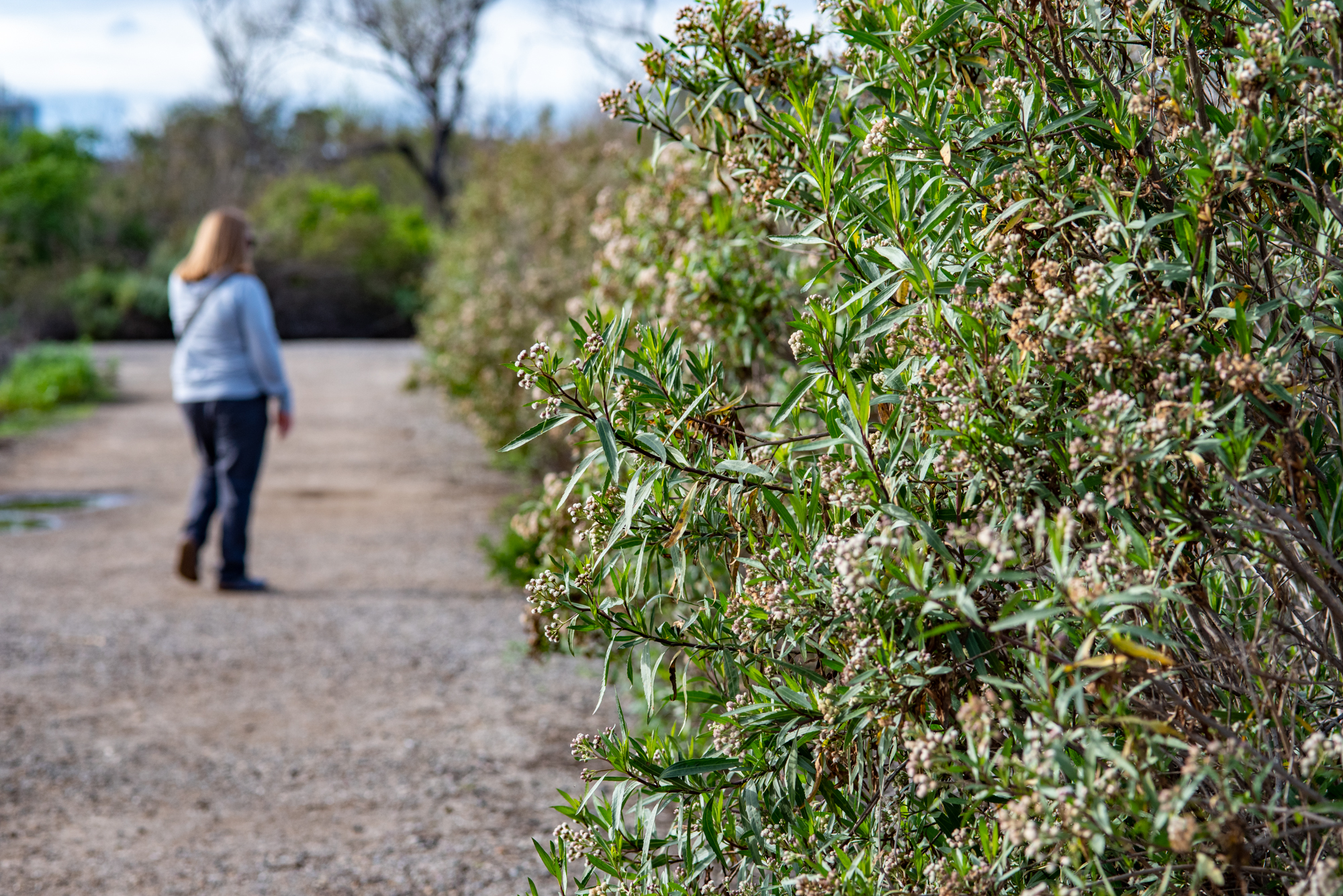
Thanks to the rainy winter of 2018 and 2019, the sanctuary was especially green during our visit. Wildflowers were blooming, the sagebrush was lush and fragrant, and the ponds were full. It was one of those rare Southern California seasons when everything seemed alive at once.




A Great Place After Winter Rain
One of the reasons we chose the sanctuary was because many of Orange County's dirt trails were closed after the heavy rains.
Those closures help protect the trails from damage, and we always try to respect them, but they also make it harder to spend time outside.
San Joaquin Wildlife Sanctuary turned out to be the perfect alternative.
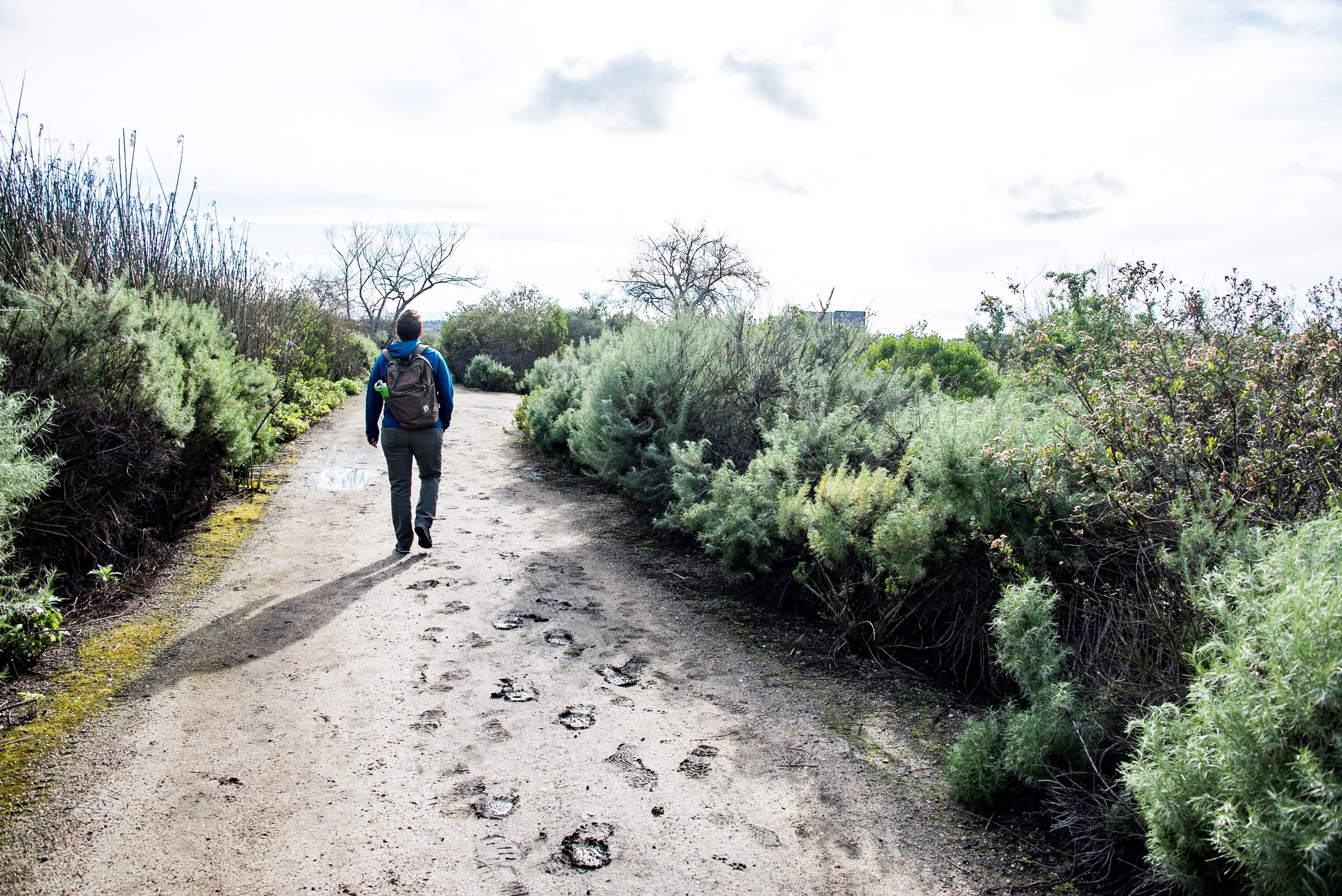
The trails are mostly flat and easy to walk. They were a little muddy in places after the rain, but they remained accessible and offered plenty to see. Since the trail system branches in several directions, picking up a map at the Audubon House or trailhead is helpful.
If you own binoculars, definitely bring them. If not, the Audubon House often has binoculars available to borrow, making this a great place for new birders to get started.
Bikes, dogs, drones, and fishing are not permitted, helping keep the sanctuary quiet for both wildlife and visitors.
A Place With History
Long before it became a wildlife sanctuary, this area was home to a duck hunting club. Today the ponds serve a very different purpose, providing habitat for hundreds of species of birds and other wildlife in the middle of one of Southern California's busiest urban areas.
It's hard to imagine such a peaceful place sitting quietly between freeways and office buildings, but that's exactly what makes the sanctuary so special.
Looking back now, this visit carries even more meaning than it did at the time. This was where my fascination with birds really began. I couldn't have known then how much time I'd eventually spend birding, photographing wildlife, and returning to places like this, but this quiet walk around the ponds was the start of that journey.






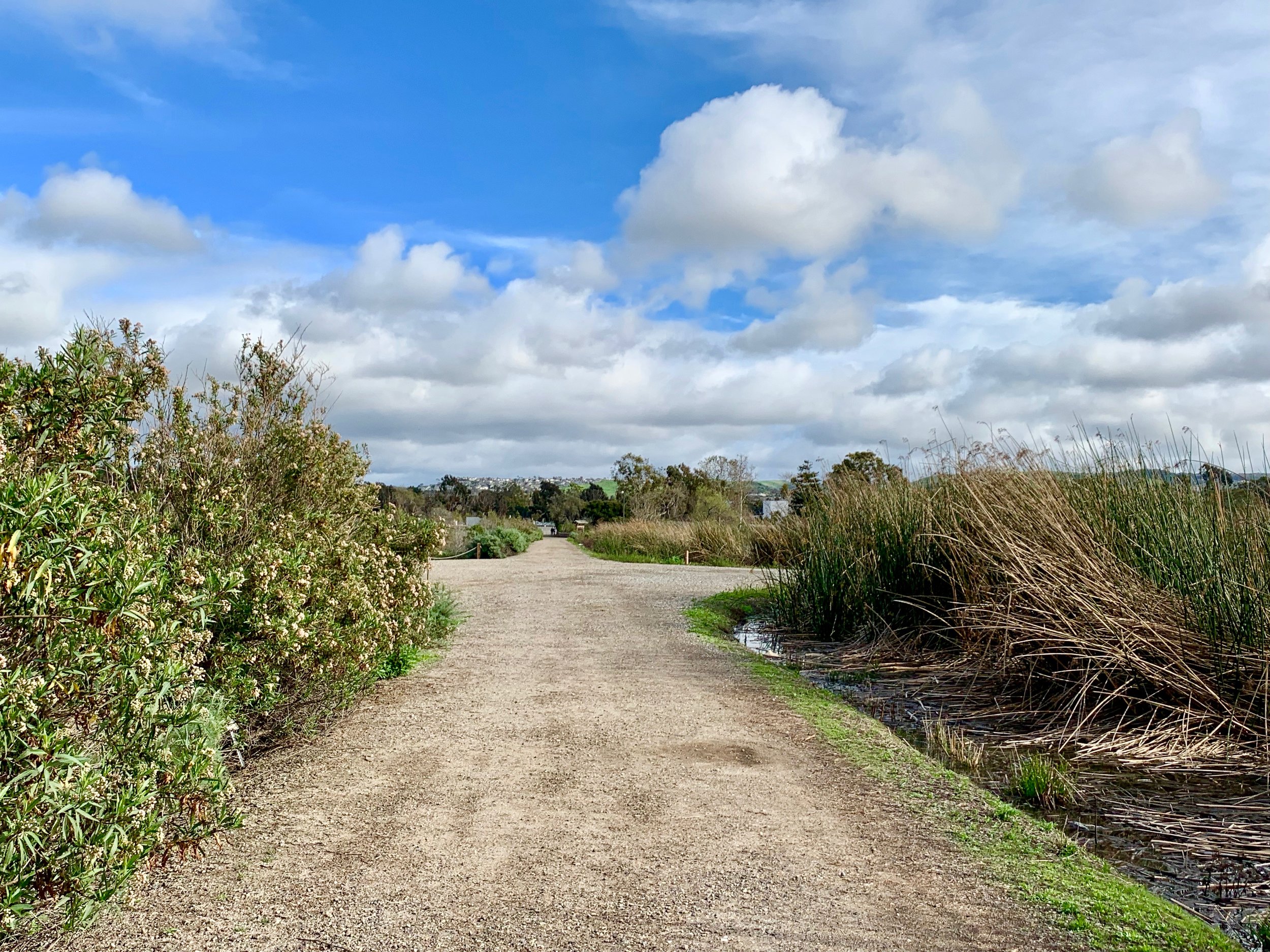


We'll always have a soft spot for the San Joaquin Wildlife Sanctuary, and it continues to be one of our favorite places for an easy walk or a relaxing morning with the birds.
Current Visitor Information
The San Joaquin Wildlife Sanctuary remains open daily from dawn to dusk and is free to visit. The sanctuary contains approximately 12 miles of flat walking trails through freshwater wetlands managed by the Sea and Sage Audubon Society and the Irvine Ranch Water District.
Trail maps, seasonal bird information, and educational exhibits are available at the Audubon House. Binocular loans may be available during open hours. Dogs, bicycles, drones, fishing, and other activities that disturb wildlife are not permitted.