Hiking Sprague Lake in Rocky Mountain National Park

Sprague Lake was the first hike of our second trip to Rocky Mountain National Park. We arrived the day before, set up camp at Glacier Basin Campground, and took the evening easy to adjust to the elevation after a full day of travel. The campground is just down the road from Sprague Lake, and you can even hike to the lake directly from camp.
The next morning, we climbed out of our icy tent and tried to warm up. Even at the end of May, Rocky Mountain National Park can be surprisingly cold. We chose Sprague Lake as our "warm-up" hike to see how our bodies handled the elevation before tackling longer trails. I was also still recovering from a leg injury, so it was the perfect way to ease into the trip.
Although it's often listed as a half-mile trail, our GPS measured closer to 0.8 miles. The trail is nearly flat, follows a wide, packed surface, and begins at a large parking area with restrooms. It's an easy walk for just about anyone.
The path circles the lake, offering constantly changing views. Some sections are shaded by tall pines, while others are completely exposed, so don't forget sunscreen. At nearly 8,700 feet, the mountain sun is no joke.
About halfway around the lake, the view really opens up. Snow-covered peaks rise behind the water, and on a calm morning, their reflections create one of the prettiest scenes in the park.


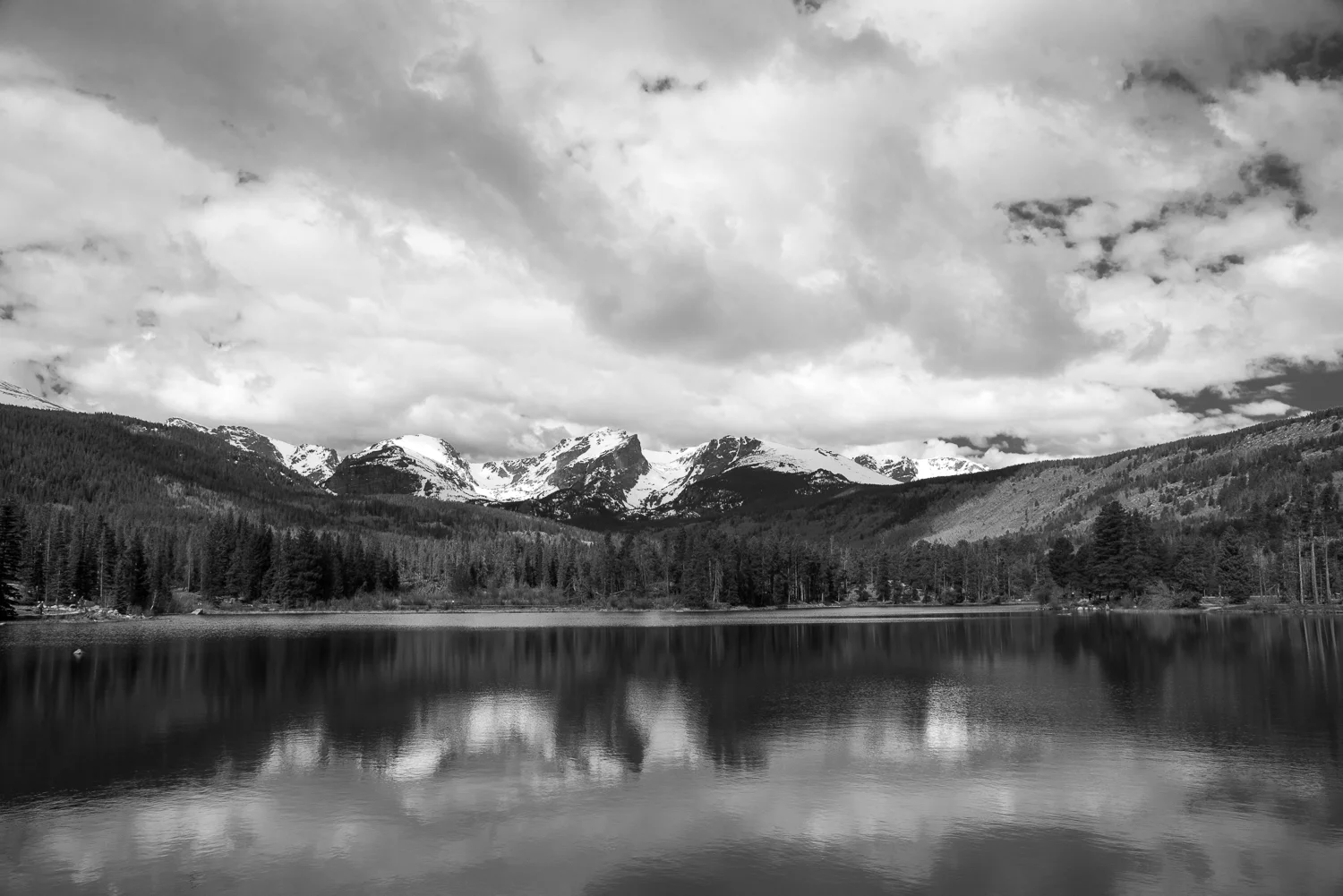
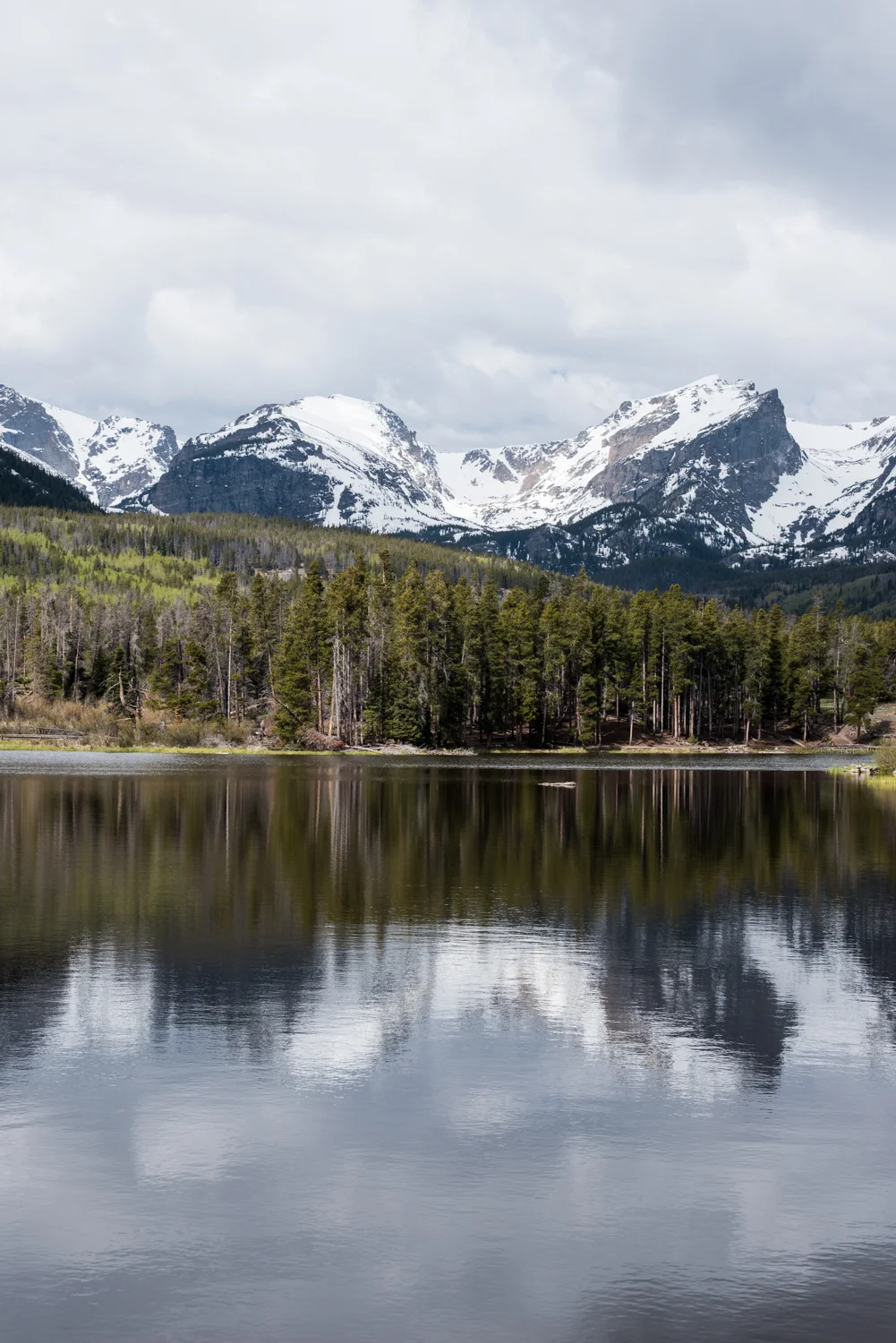

Despite its short length, Sprague Lake is absolutely worth the stop. Several benches around the shoreline invite you to slow down and enjoy the scenery, making it a great first hike, a relaxing afternoon walk, or an easy way to experience Rocky Mountain National Park without a strenuous climb.
Sprague Lake is named after Abner Sprague, an early Estes Park resident who operated a resort here before the area became part of Rocky Mountain National Park. Today, it's simply one of the park's most accessible and scenic lakes, and a wonderful place to begin exploring.