A Desert Oasis at Big Morongo Canyon Preserve
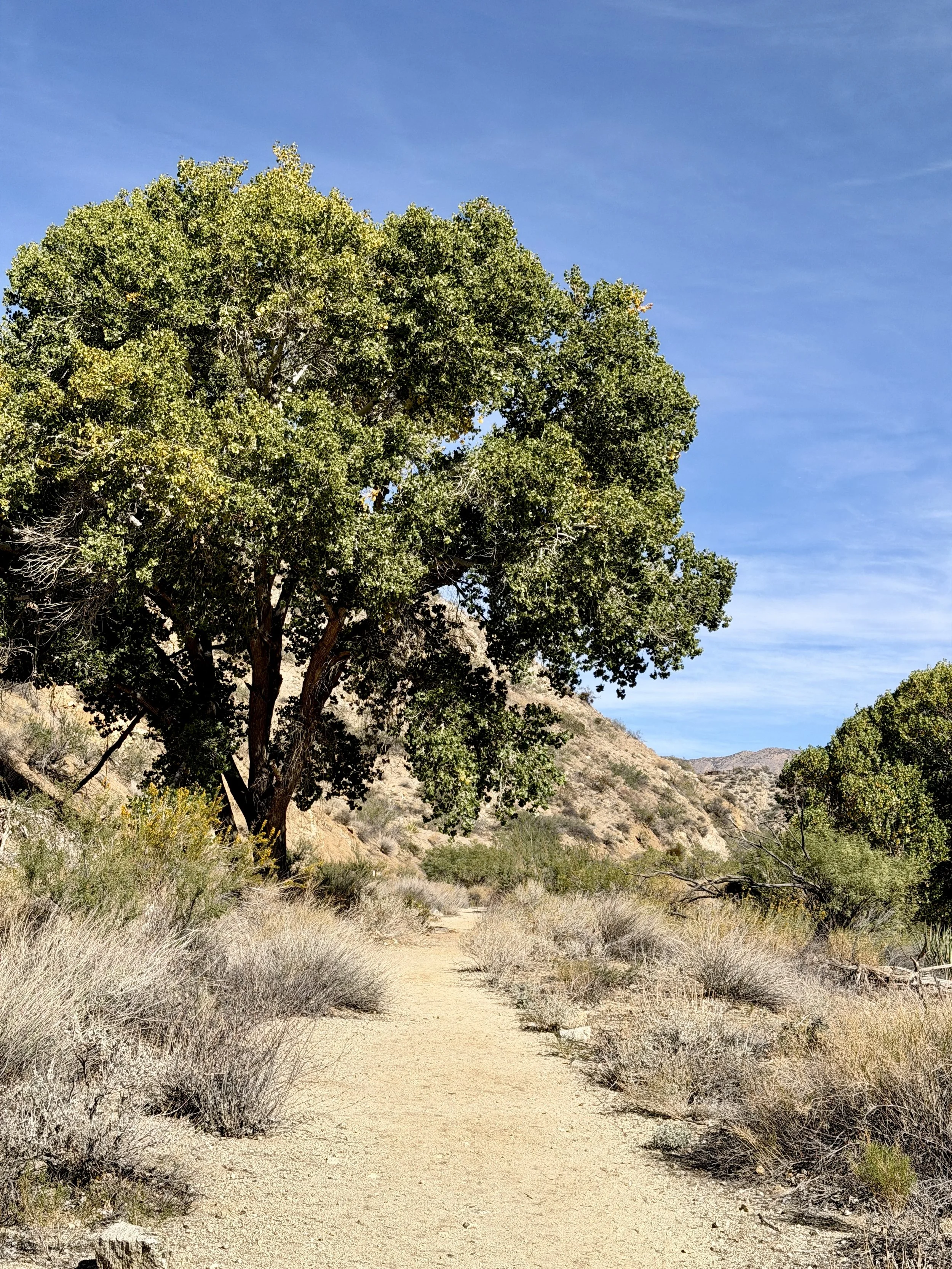
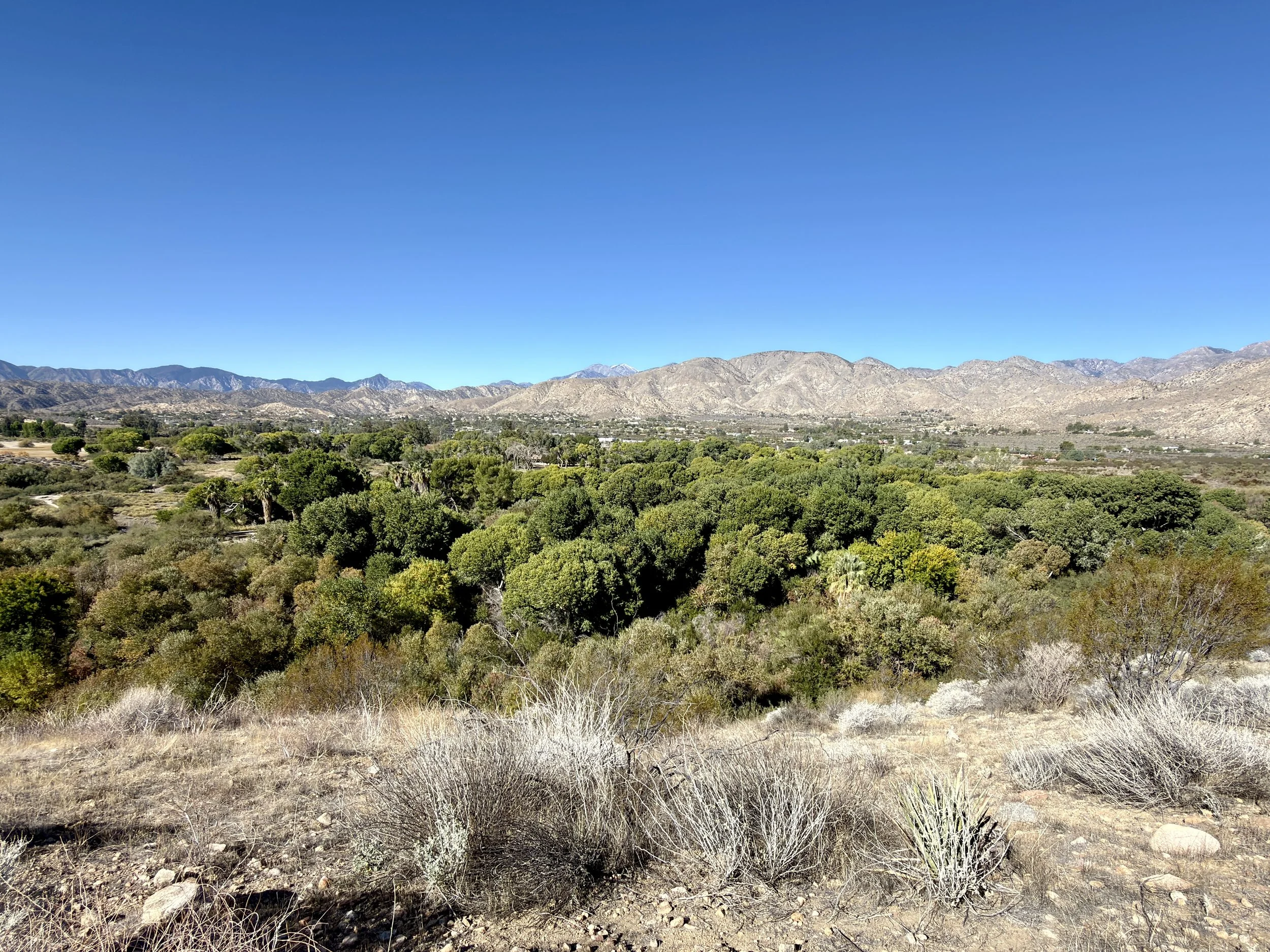
Big Morongo Canyon Preserve sits where the Mojave and Colorado deserts meet near Morongo Valley. A natural spring feeds a narrow ribbon of cottonwoods, willows, and mesquite through an otherwise dry landscape. That reliable water concentrates birds, especially during migration, and makes the preserve feel like a green pocket tucked into the desert.
San Bernardino County manages the preserve with help from volunteer stewards who maintain its trails and boardwalks. Admission is free, though donations help care for the habitat. Summer temperatures can be intense, so cooler mornings and the spring migration season are especially pleasant times to visit.
Walking the Preserve
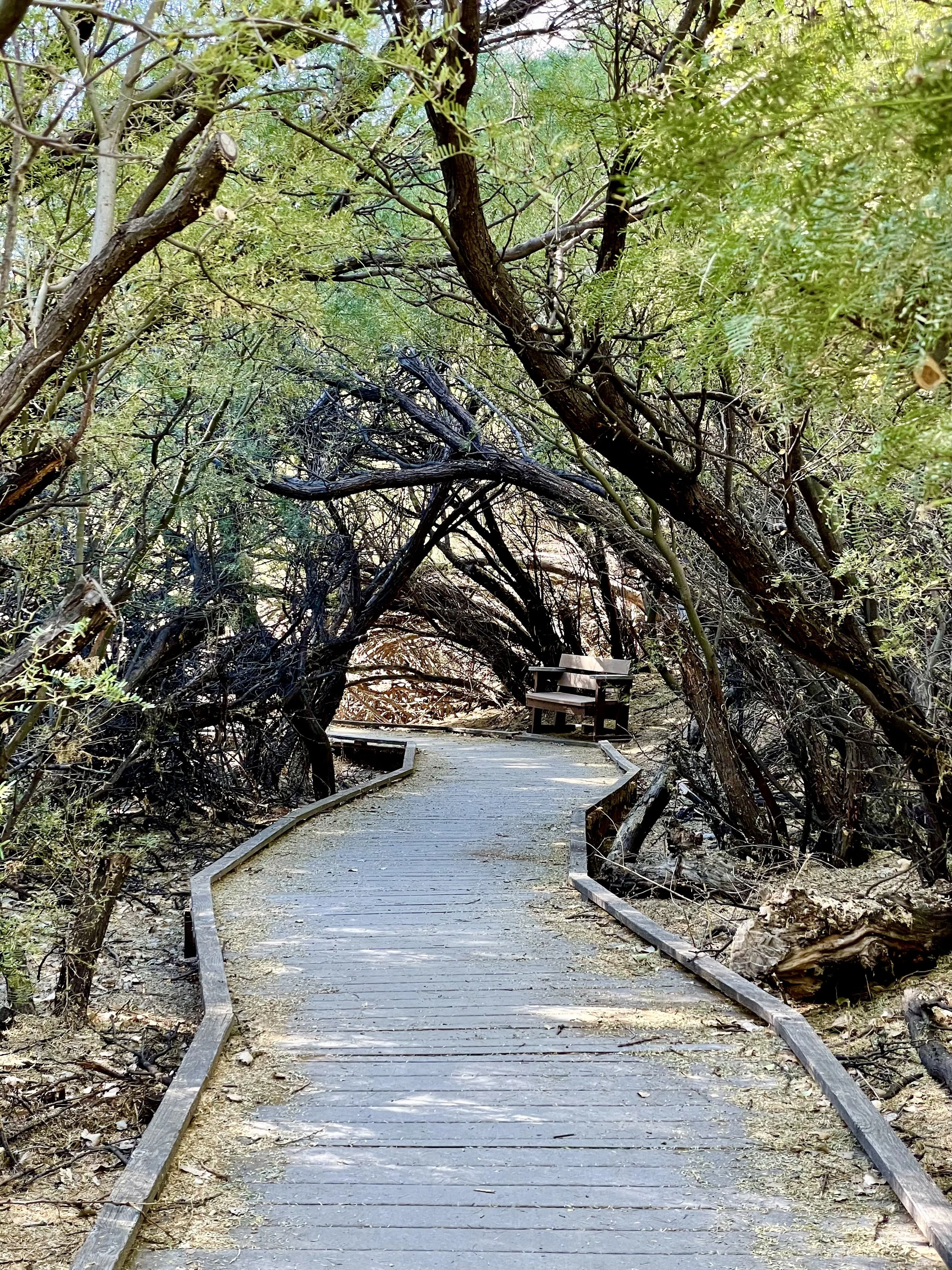
The boardwalk leads through the wettest part of the preserve, beneath trees dense enough to make the light feel entirely different from the open desert outside. Other trails continue into mesquite thickets, sandy washes, and drier scrub. Moving between those habitats is part of what makes a visit so productive. The birds change with the vegetation.
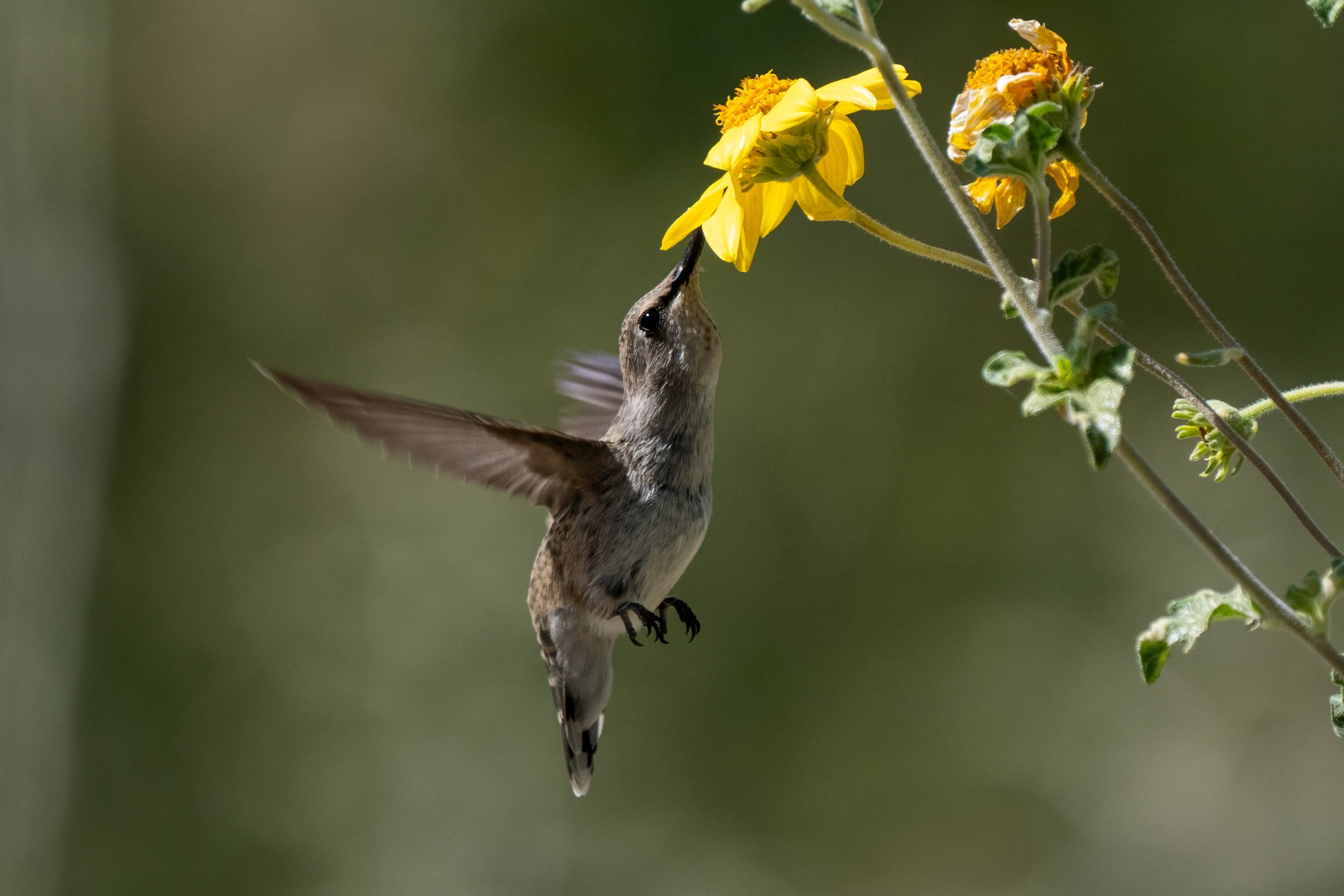
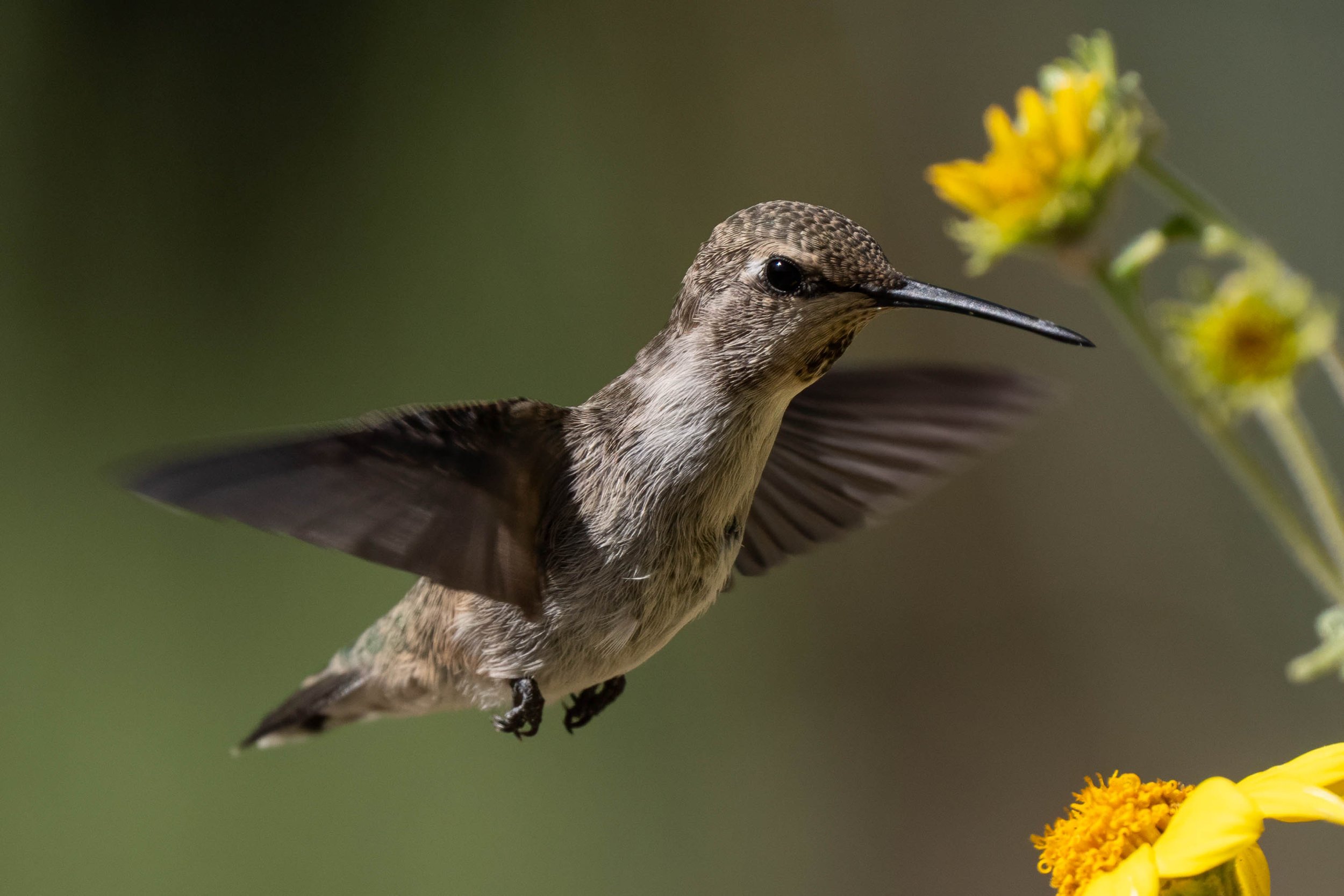
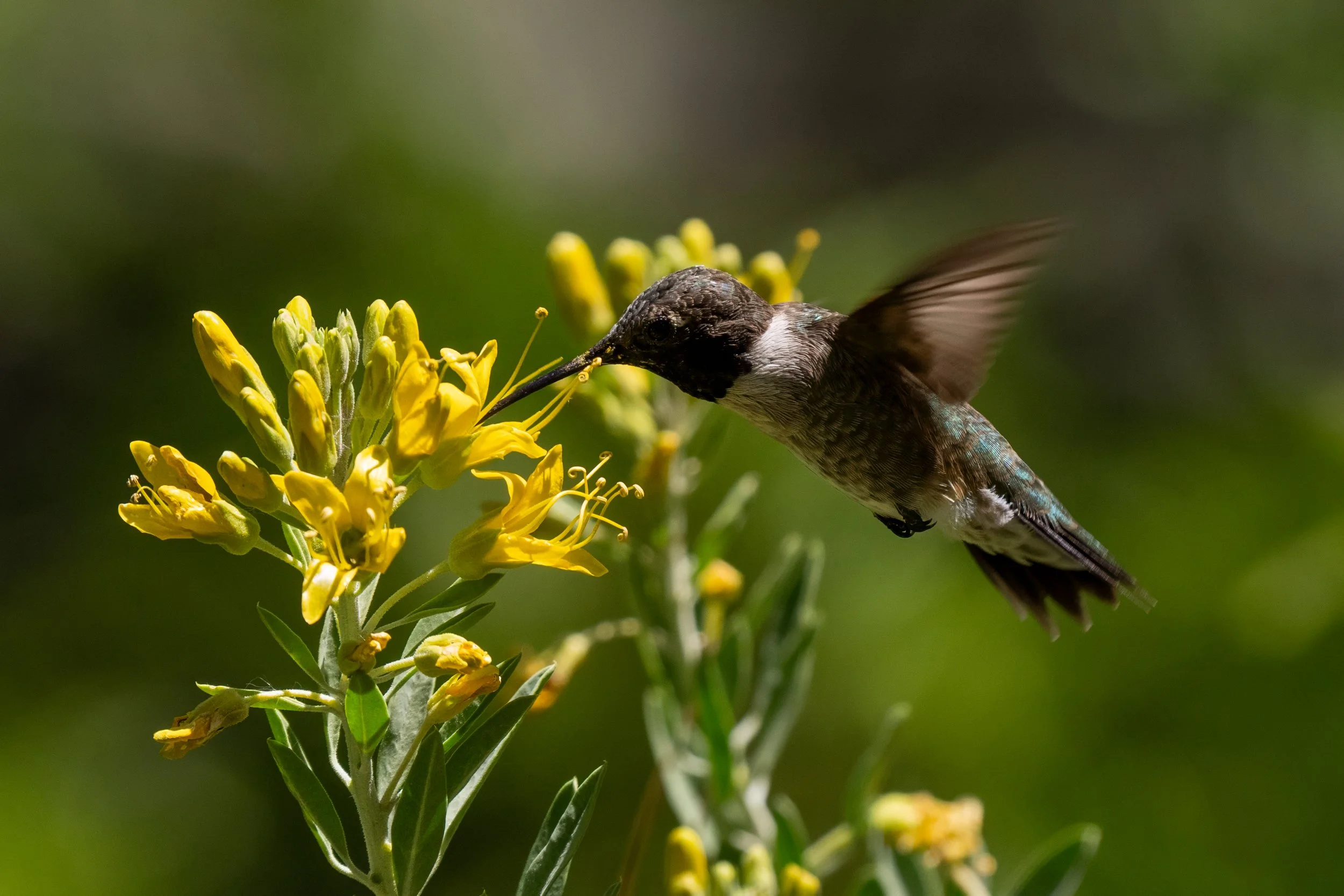
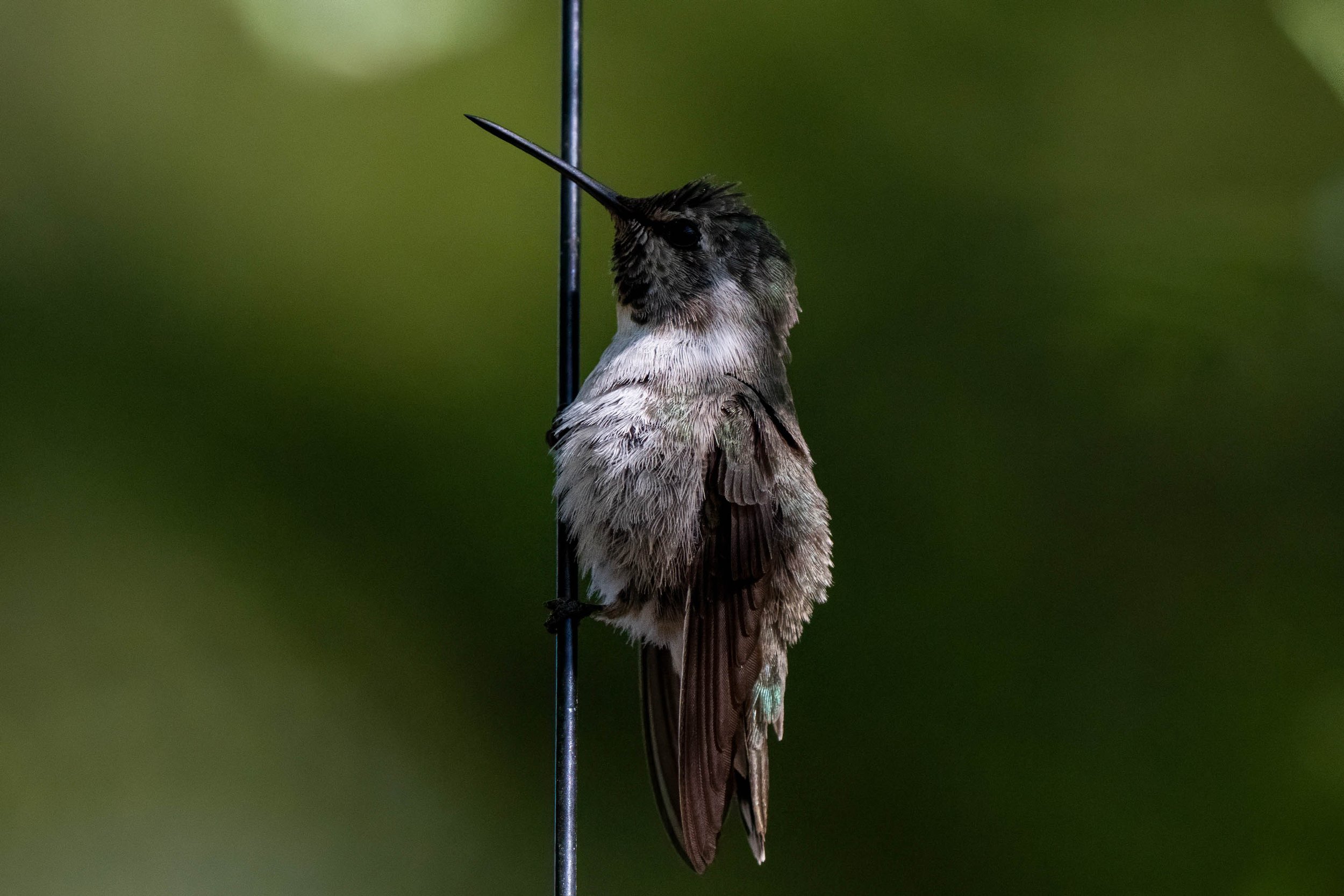
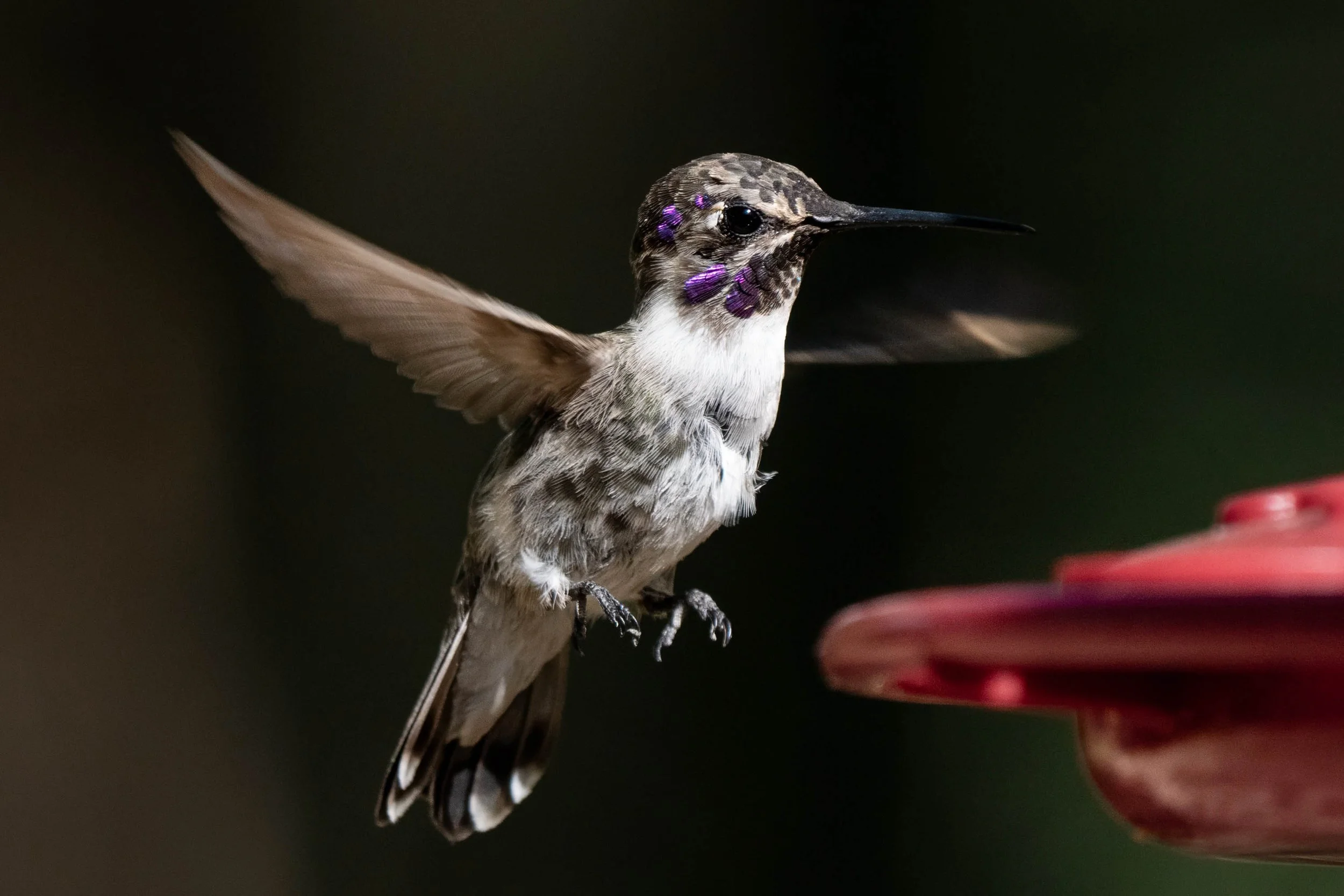
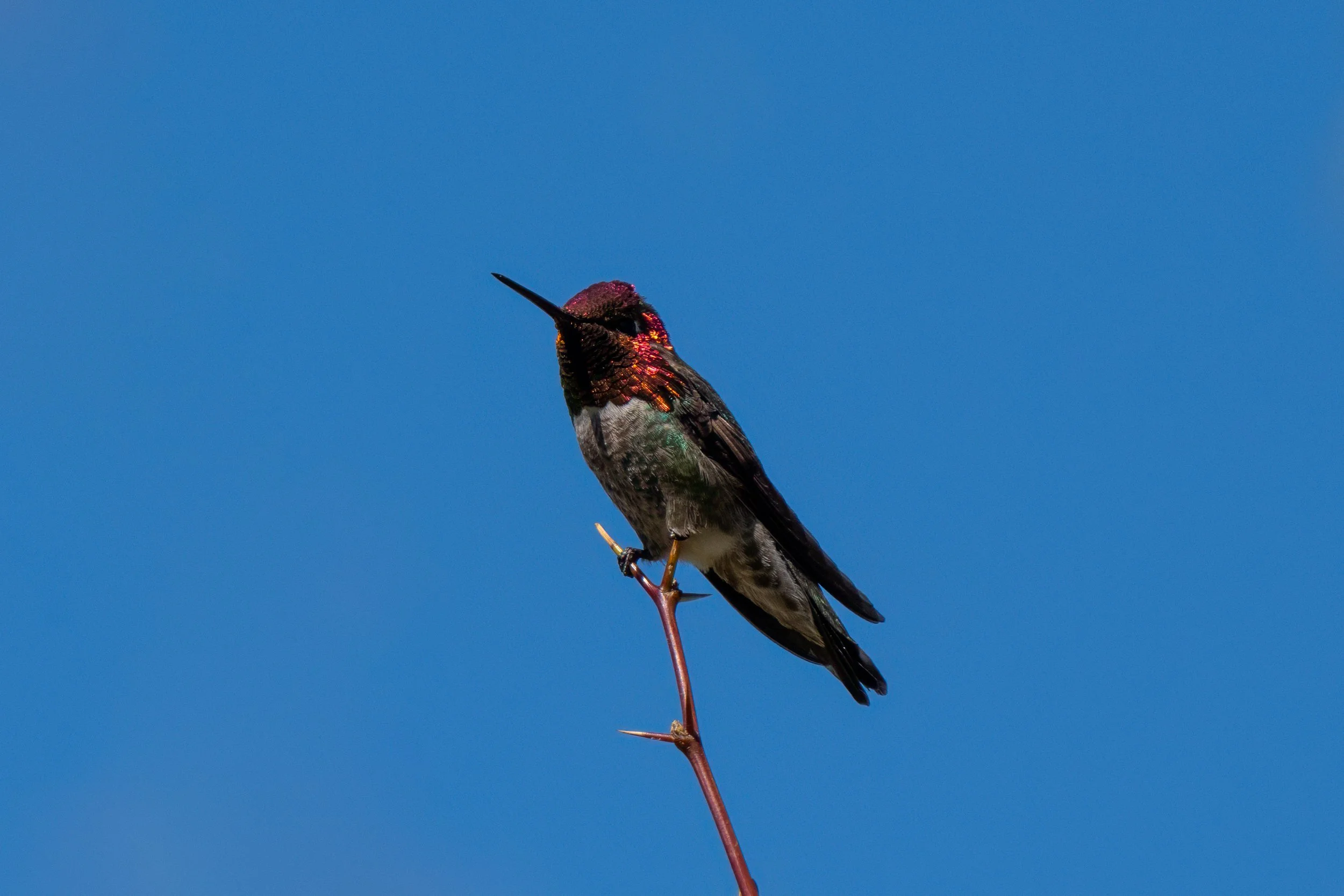
Hummingbirds work the feeders and flowering plants near the entrance. Anna's Hummingbirds are present throughout the year, while Black-chinned Hummingbirds arrive for the warmer months. Costa's Hummingbirds favor the drier edges, and the male's violet crown and long gorget feathers can glow when he turns into the light.
Birds in the Cottonwoods
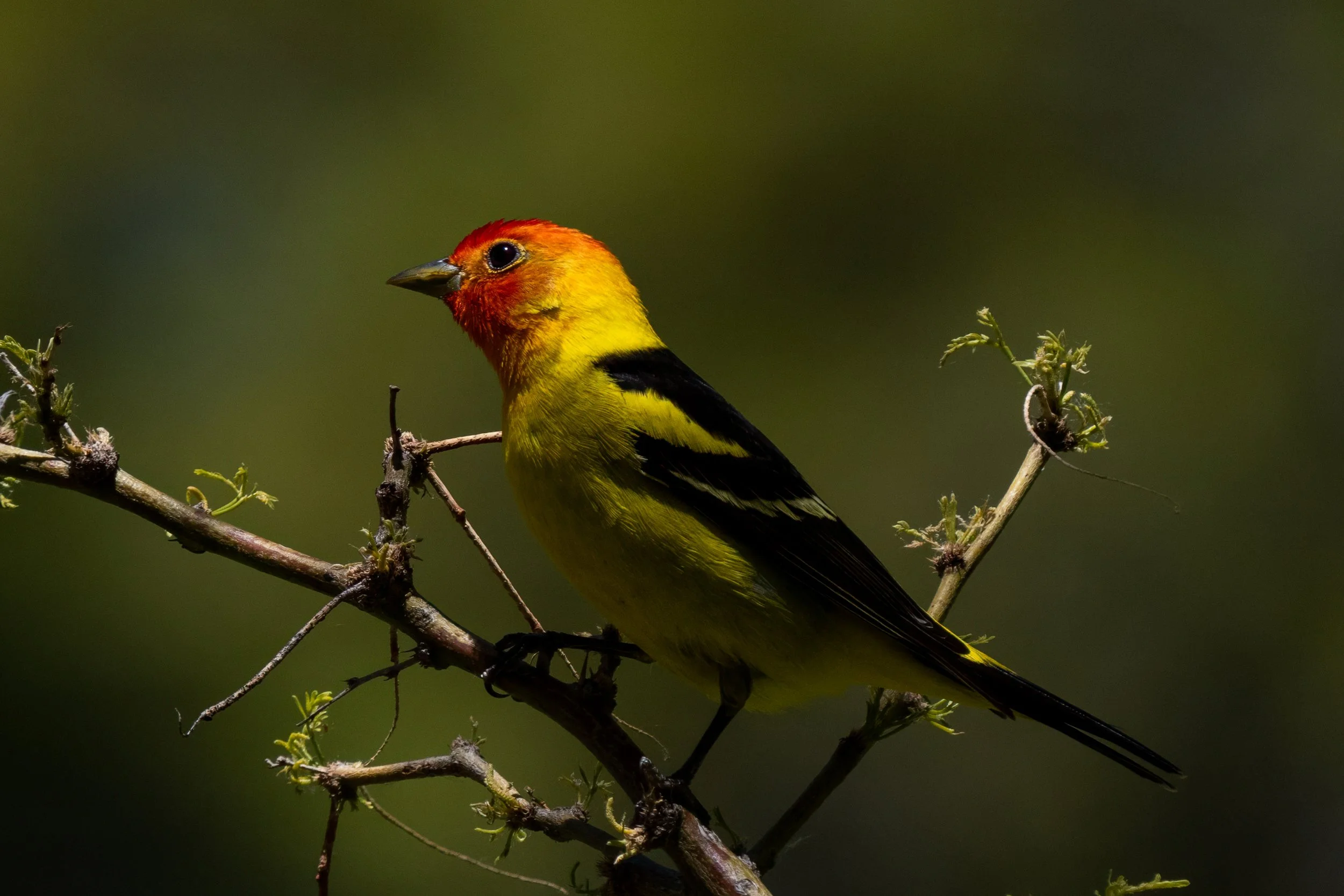
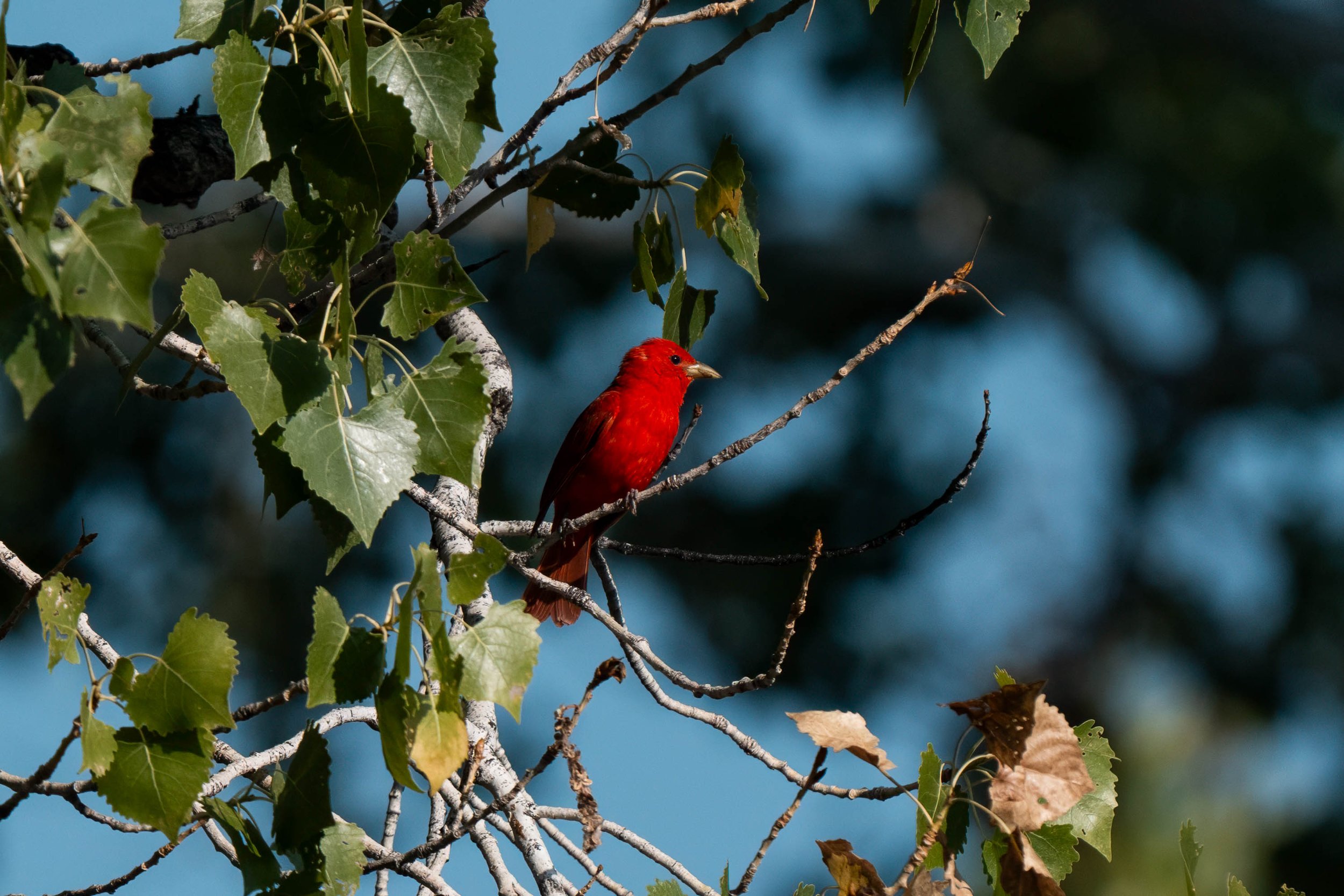
Spring fills the canopy with movement. Western Tanagers pass through during migration, their yellow bodies and dark wings easy to lose among sunlit leaves until a male's red head comes into view. Summer Tanagers also use this desert riparian corridor near the northwestern edge of their breeding range. A solid red bird moving through green cottonwoods is hard to miss.
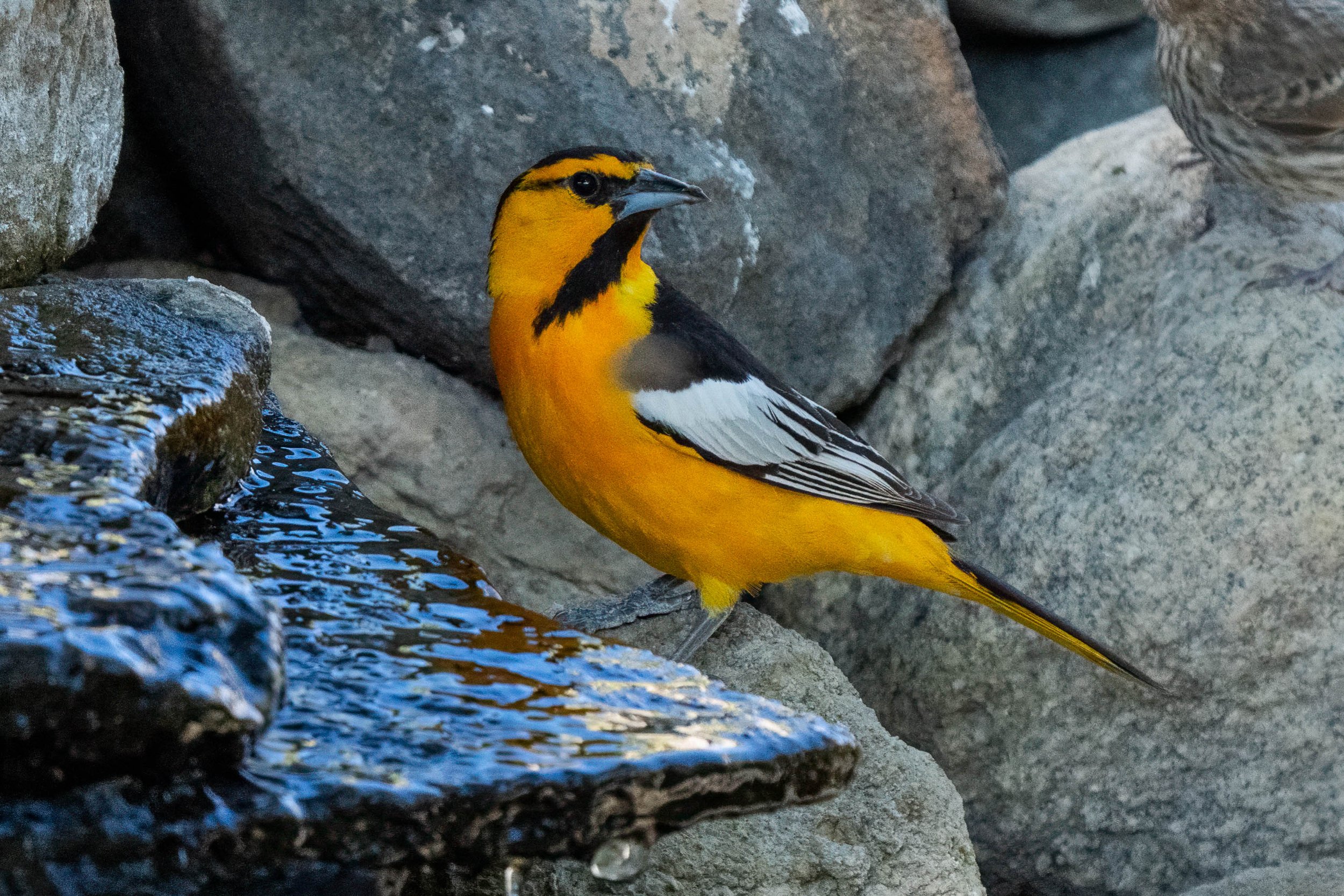
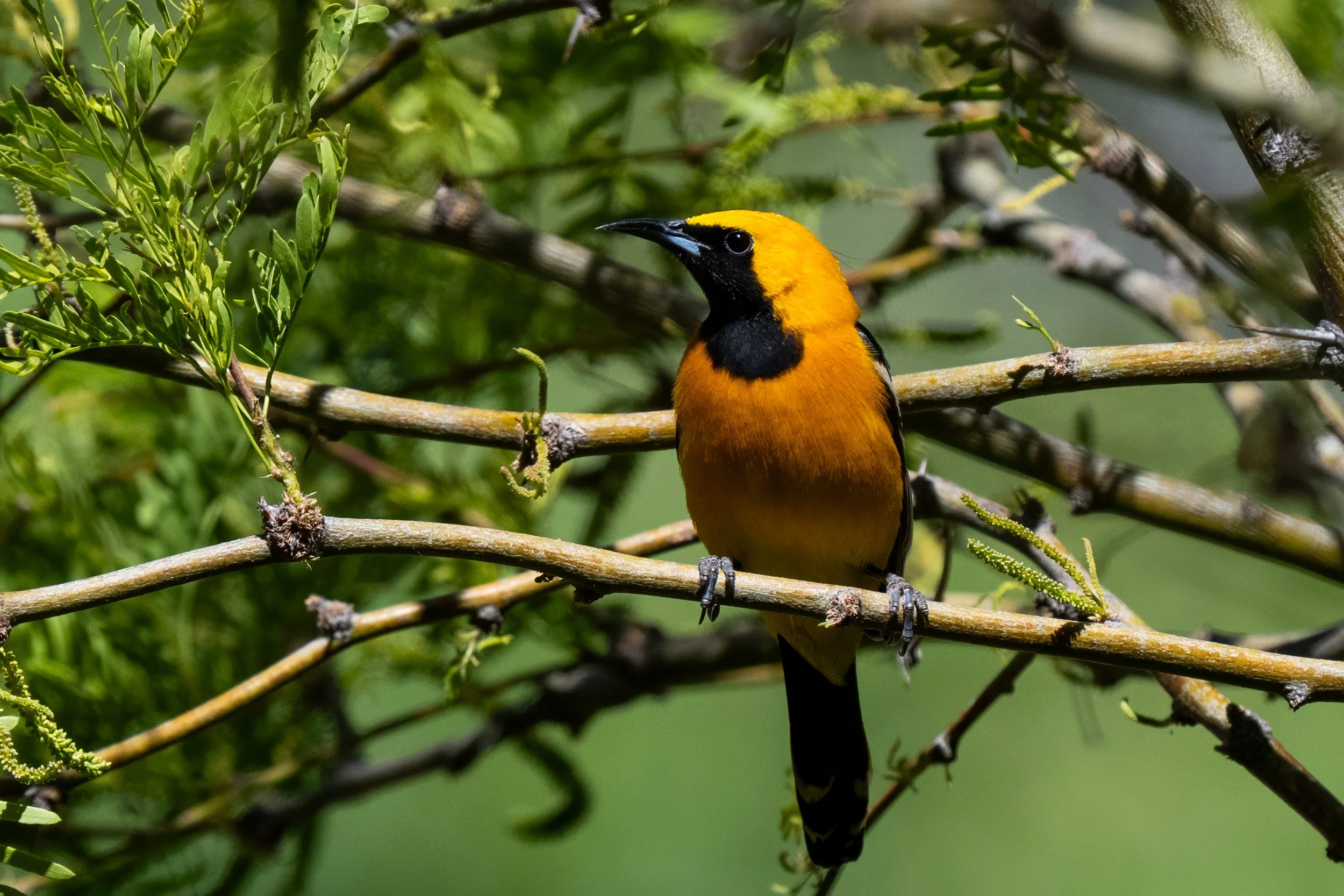
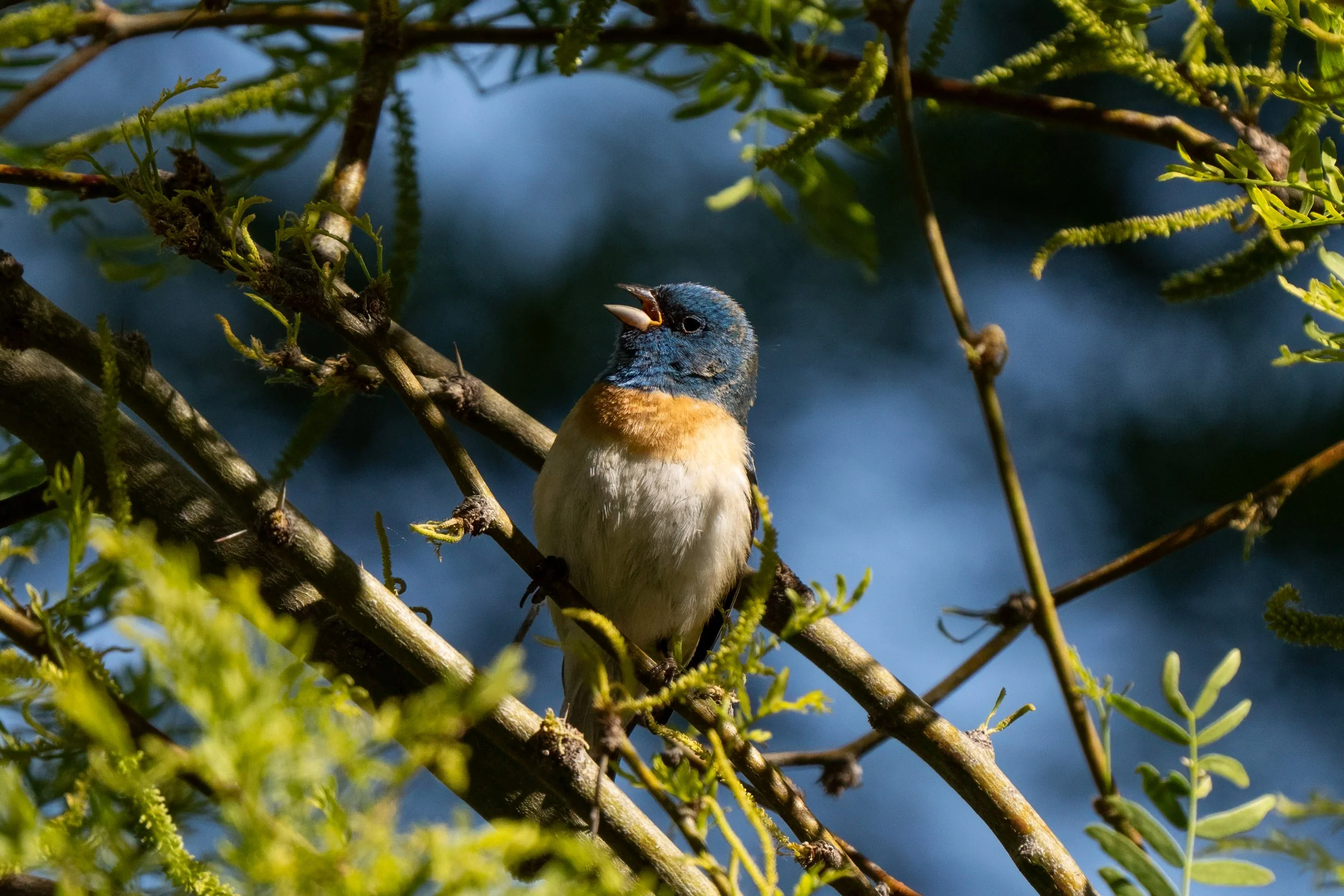
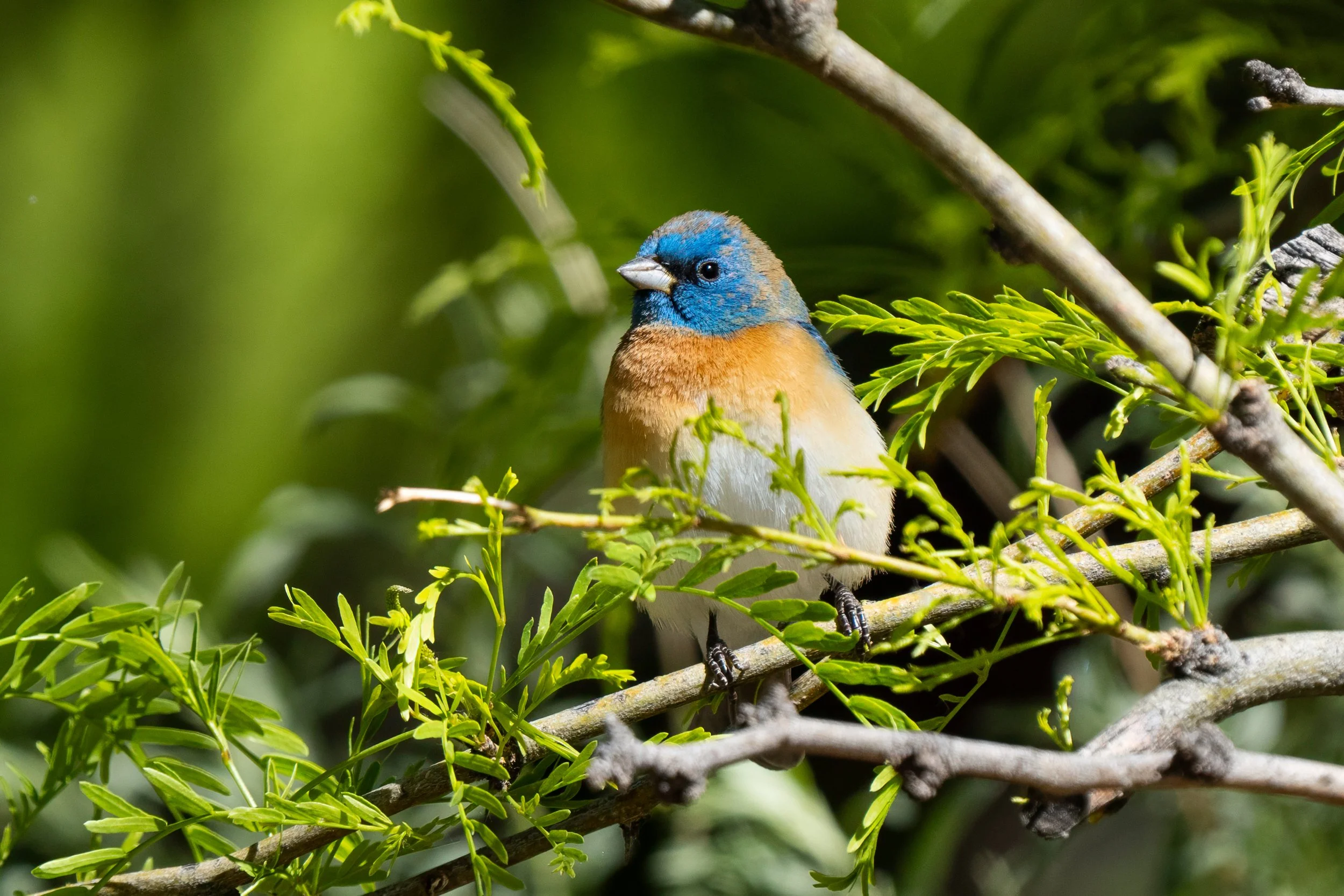
Orioles add more color. Hooded Orioles weave their hanging nests beneath palm fronds, while Bullock's Orioles tend to stay high in the taller trees. Lazuli Buntings may appear along brushy edges during migration.
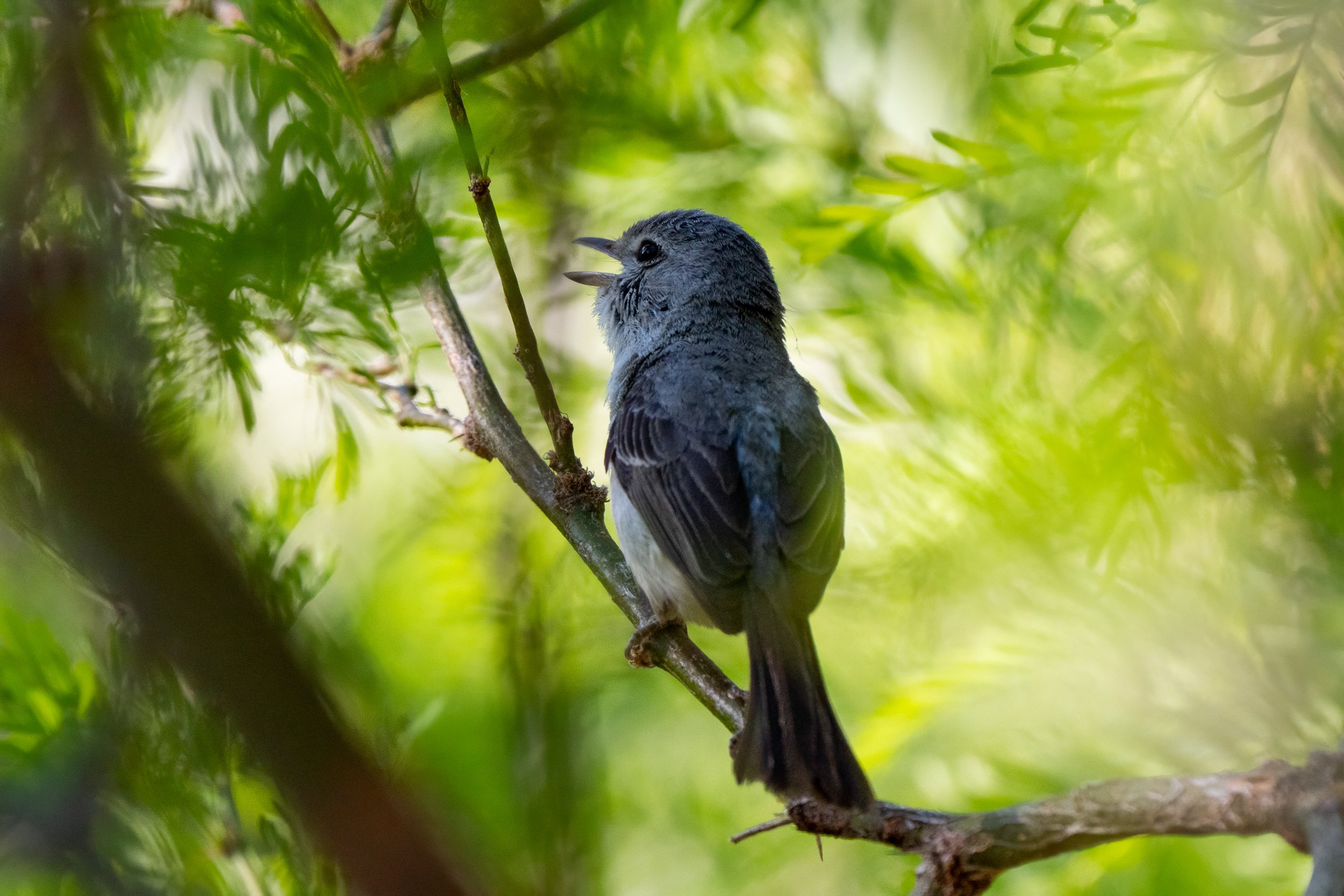
Bell's Vireos are less visually obvious, but their persistent song carries from dense vegetation. Their presence is one reason places like Big Morongo matter. Riparian habitat loss and nest parasitism by Brown-headed Cowbirds have reduced the species across much of Southern California.
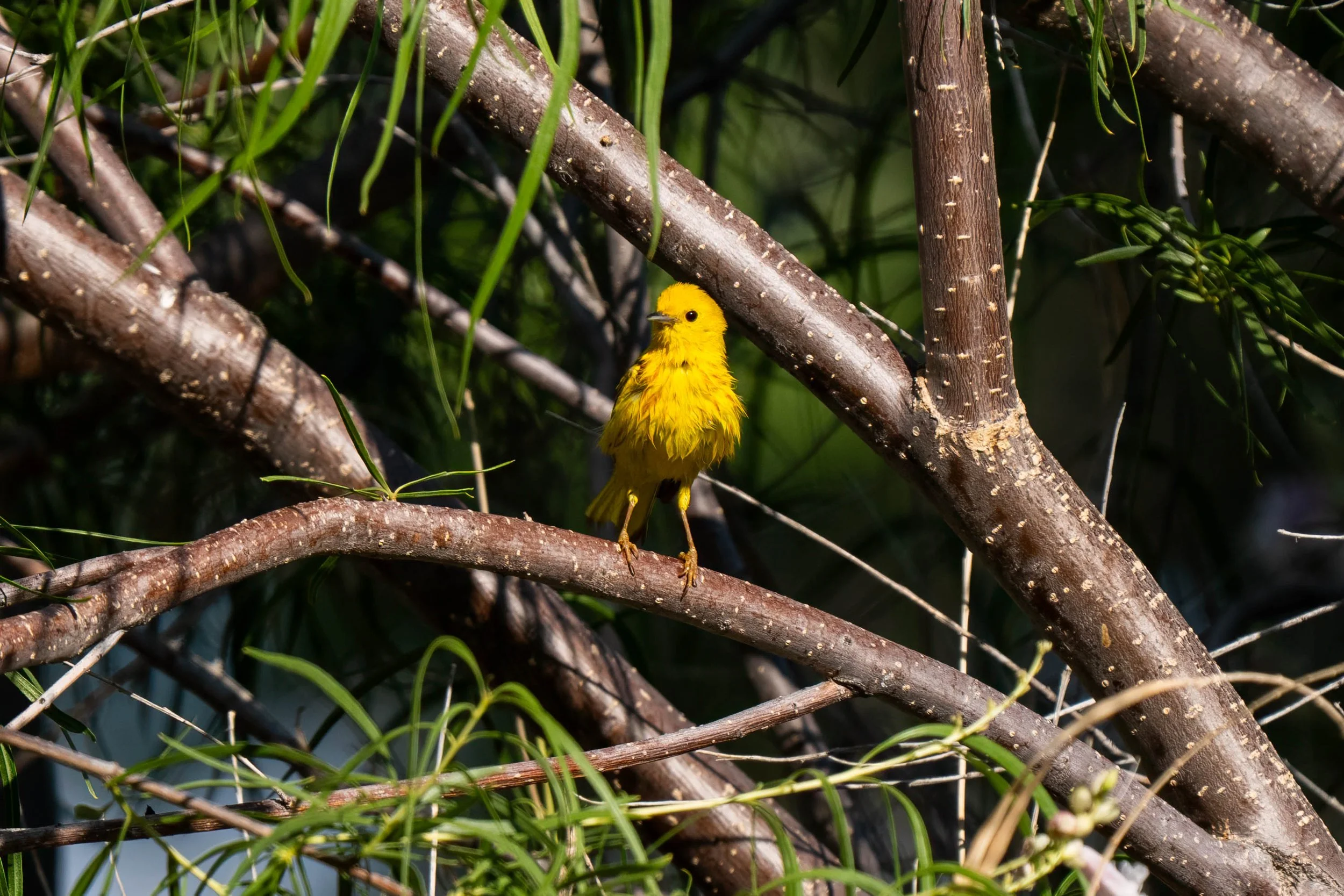
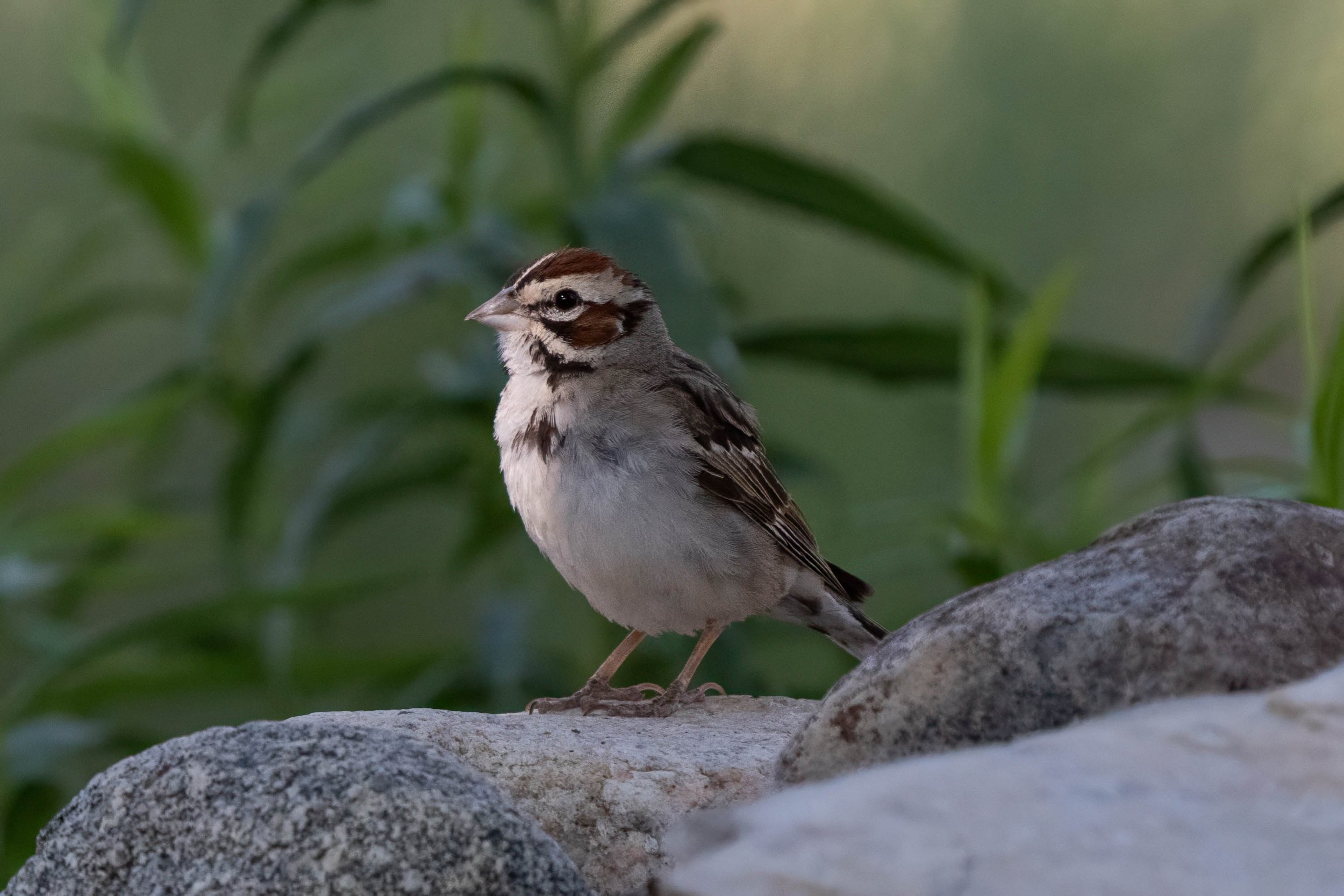
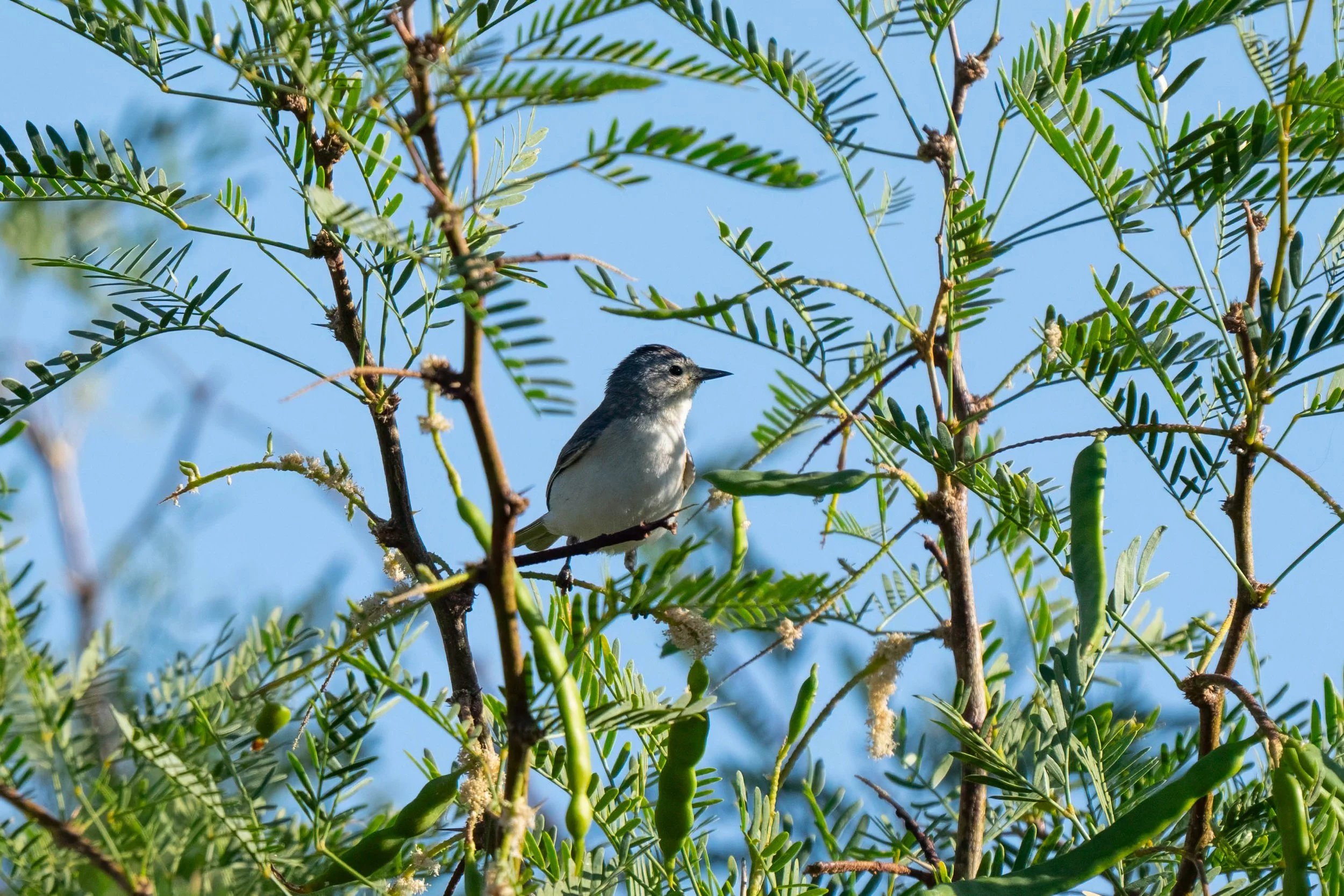
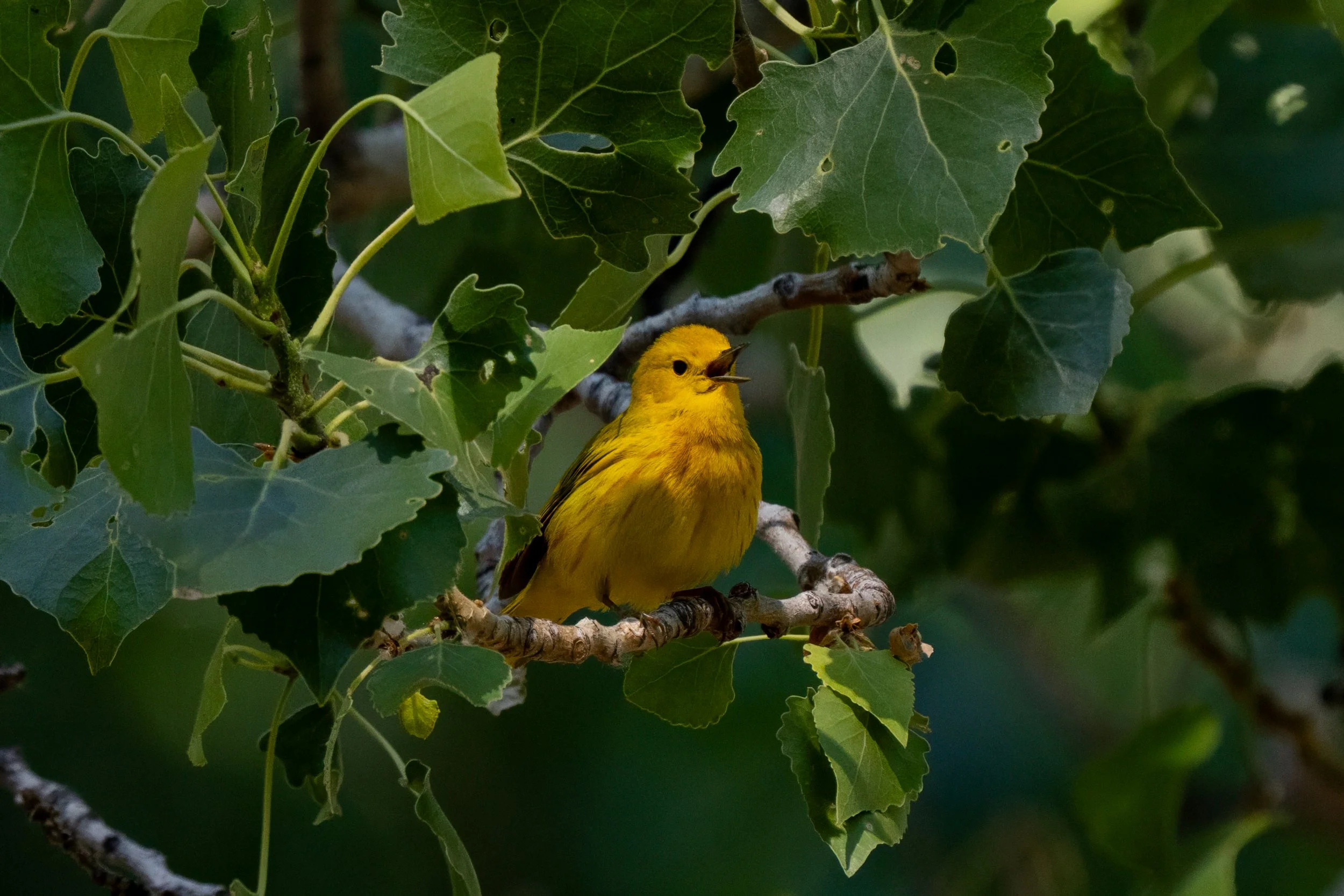
The Desert Edges
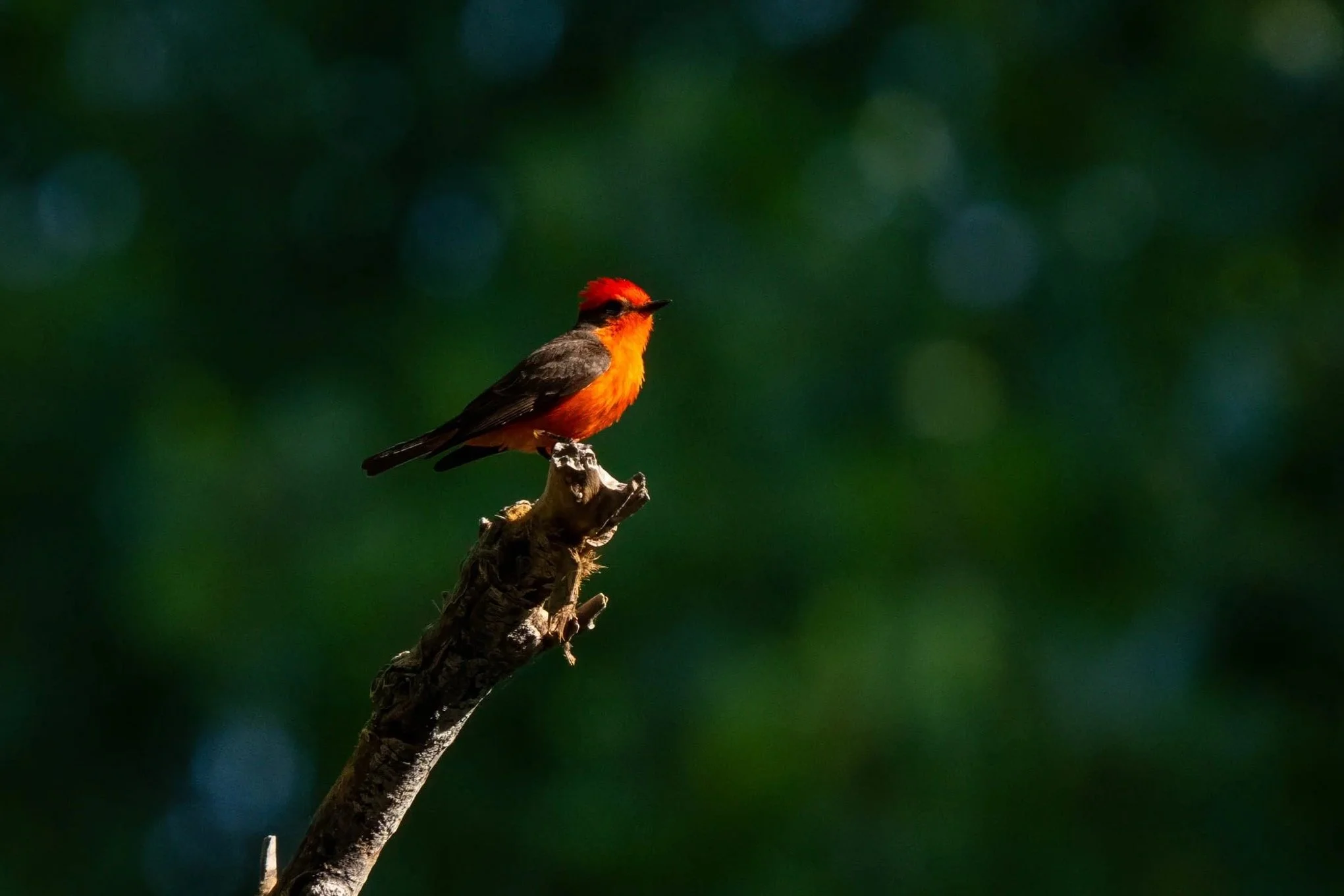
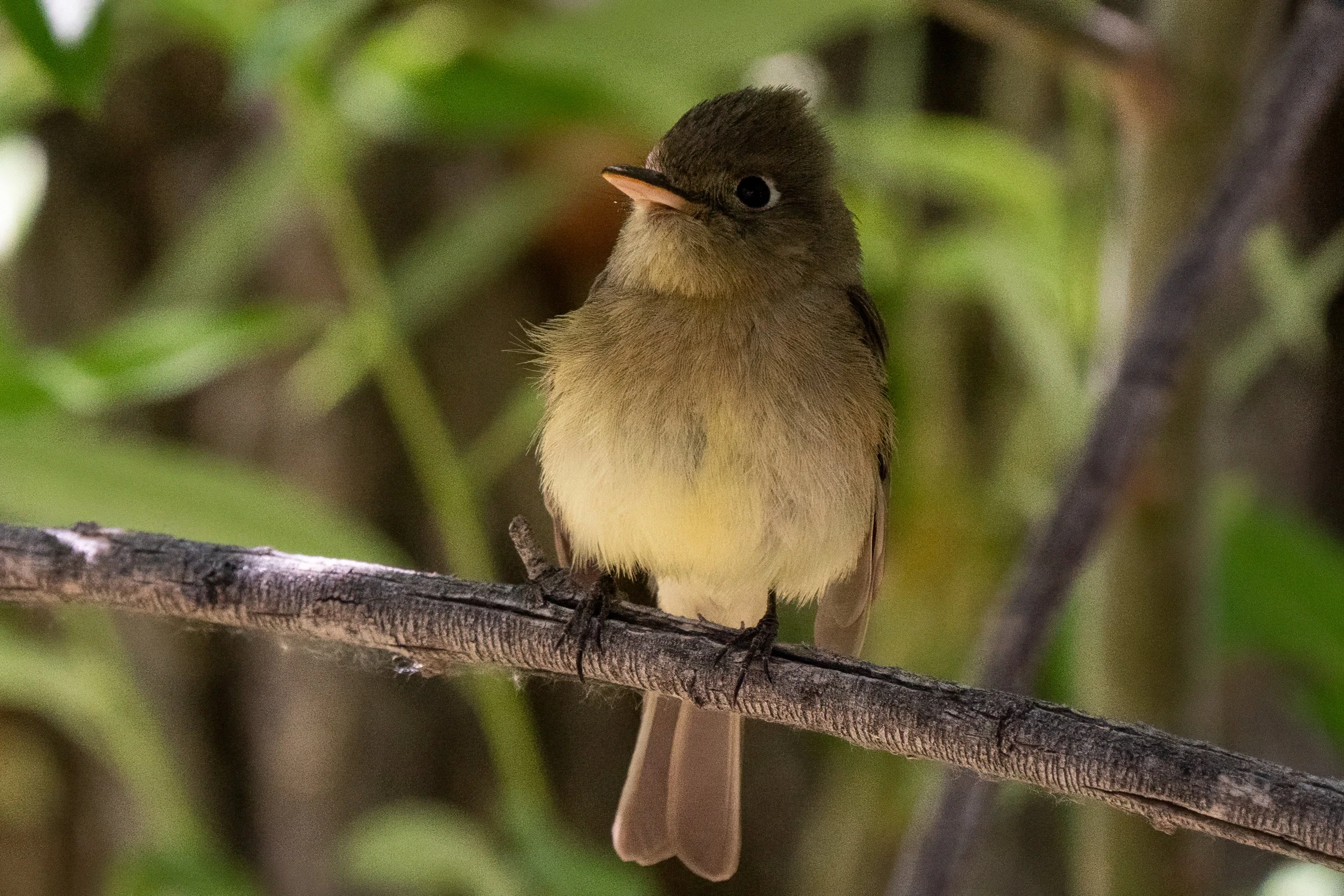
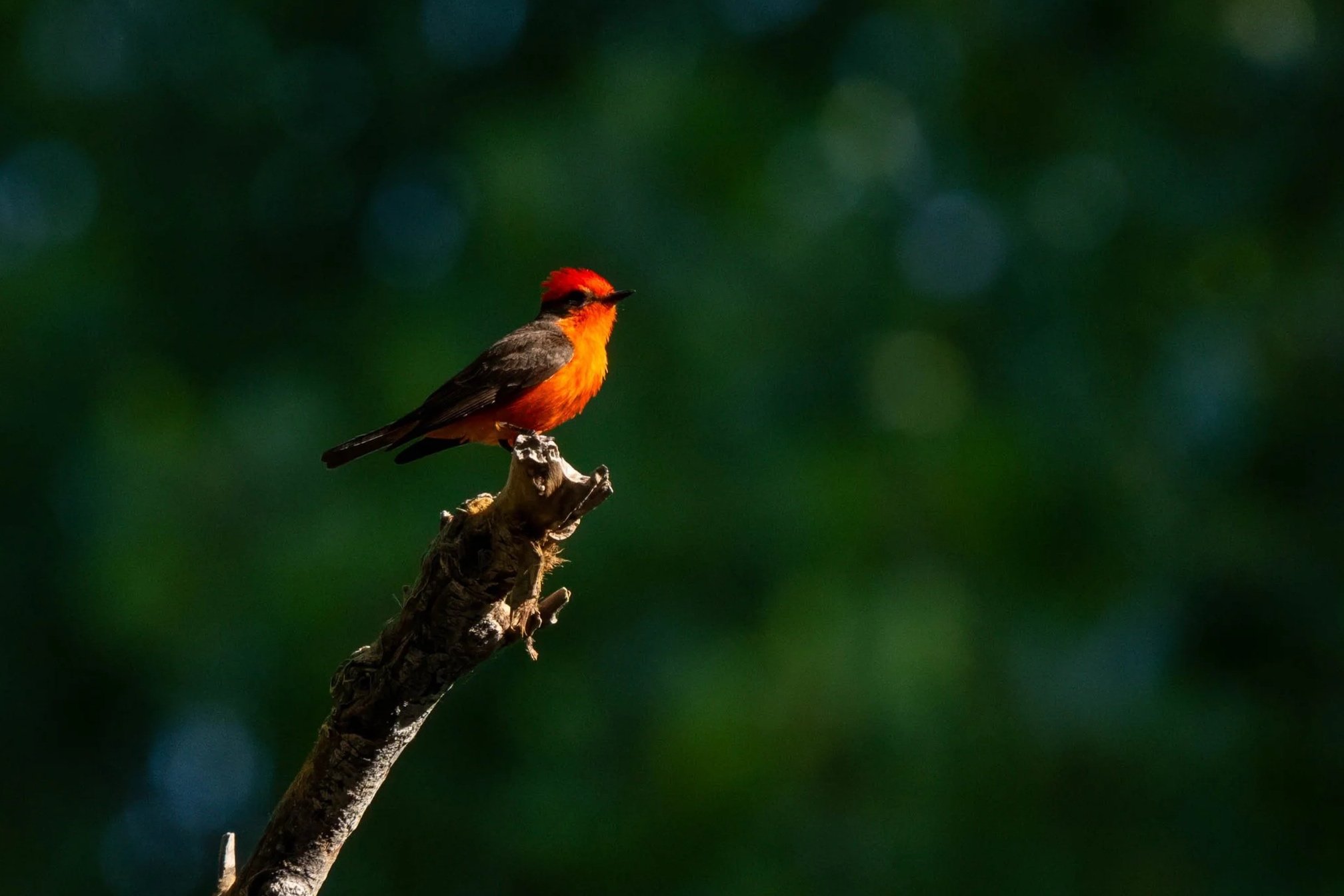
The drier sections hold some of my favorite desert birds. Ash-throated Flycatchers perch above the scrub and announce themselves with a call that reminds me of a gym whistle. Vermilion Flycatchers make short flights from low perches, the males flashing red, or orange according to Kim, against the muted desert.
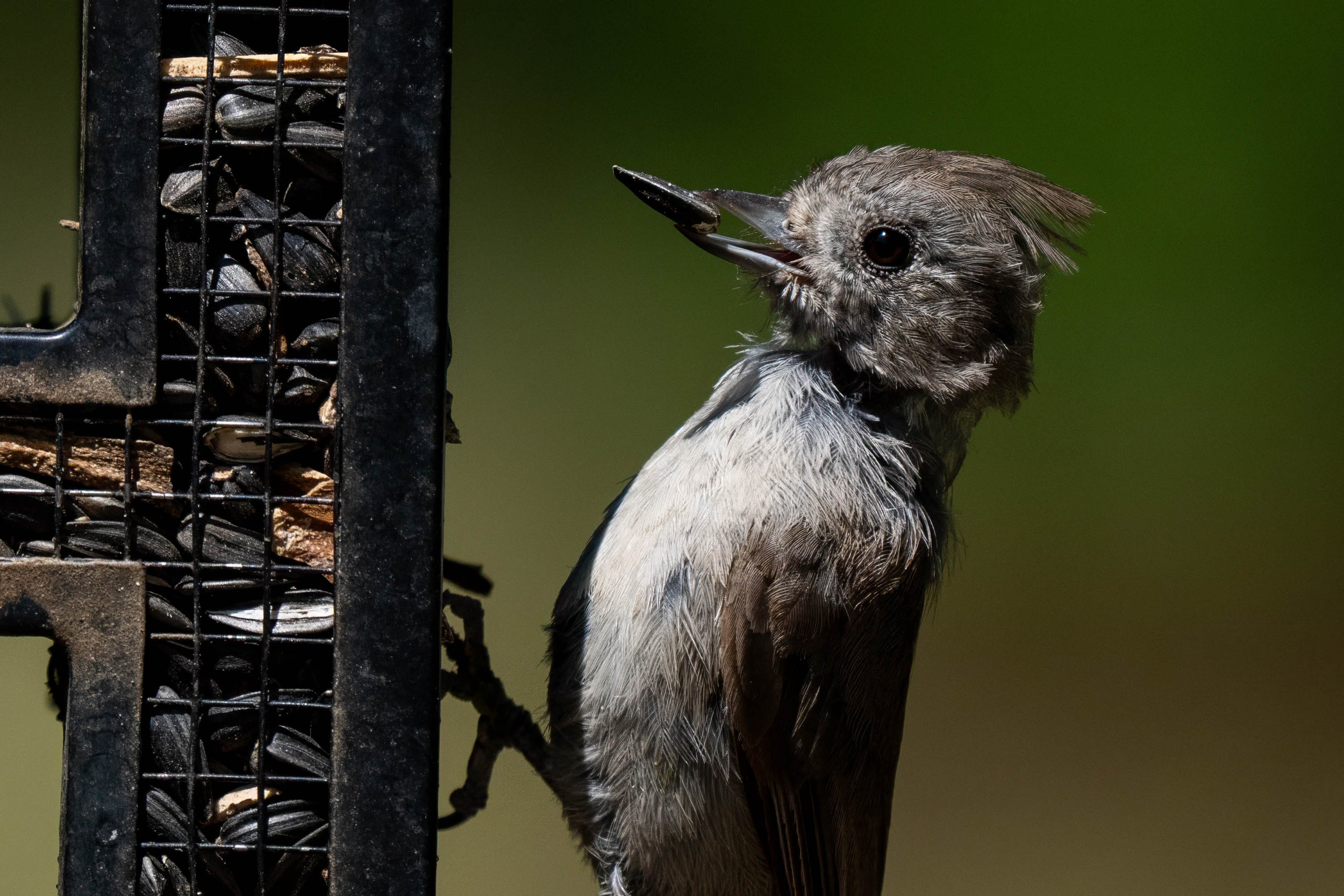
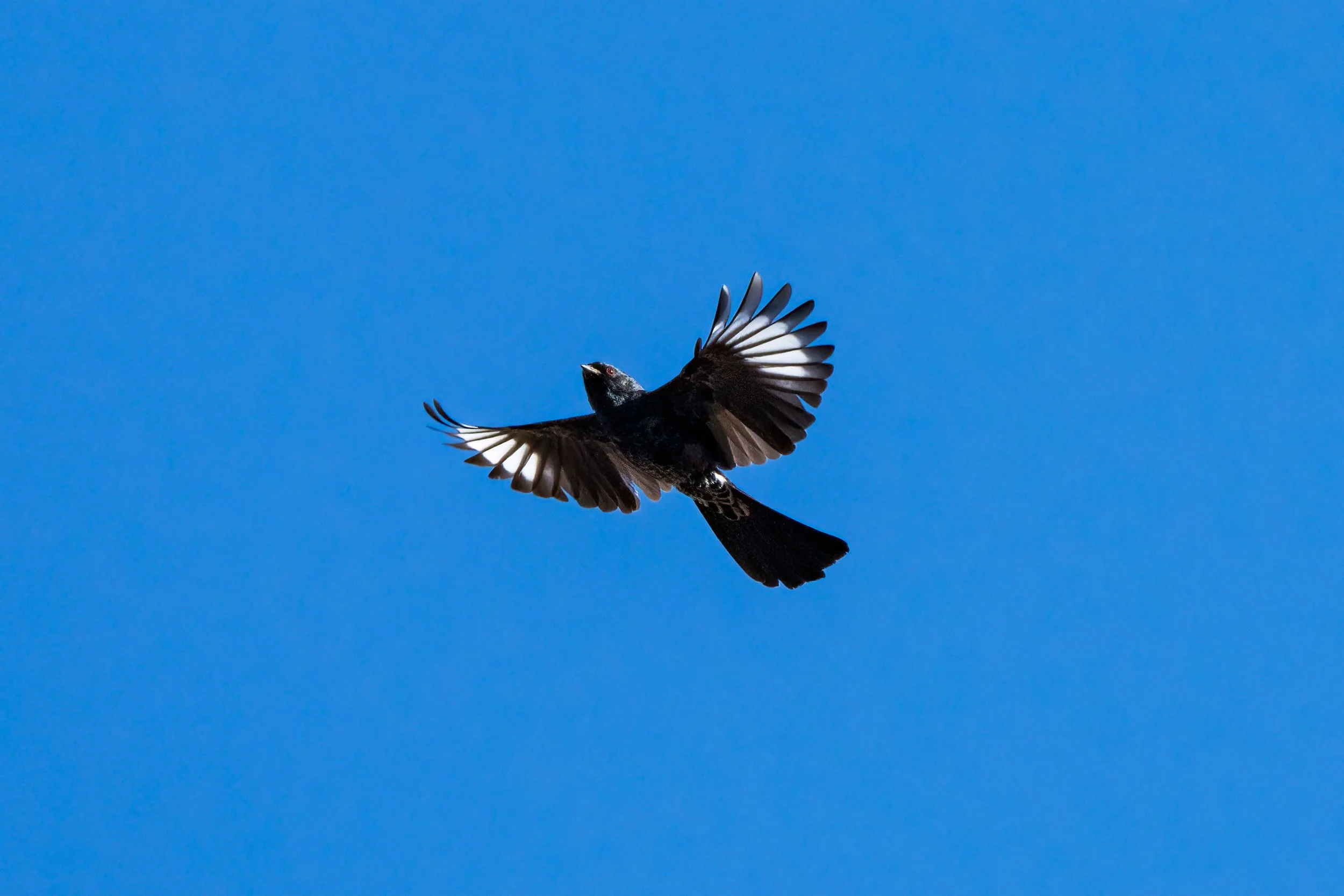
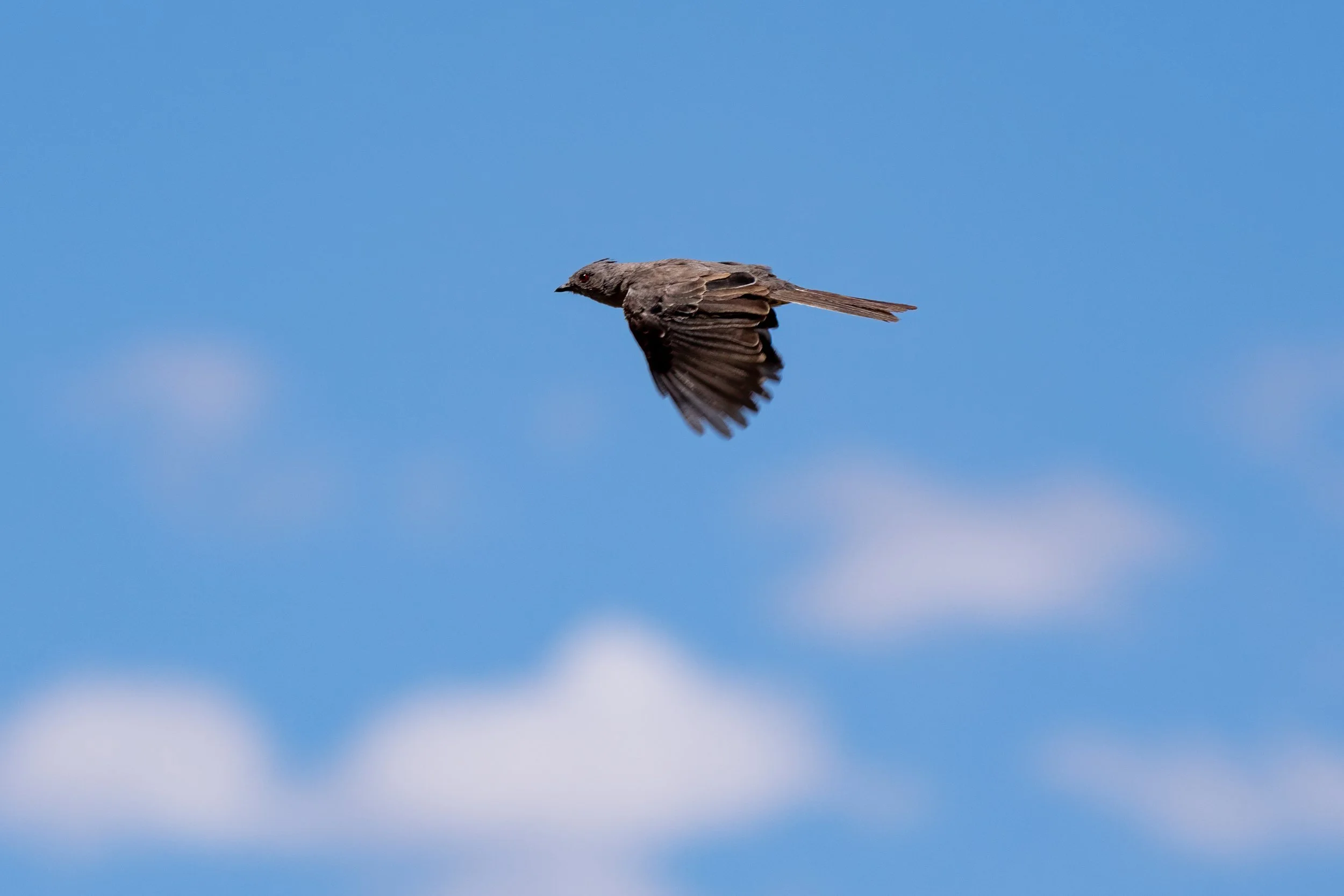
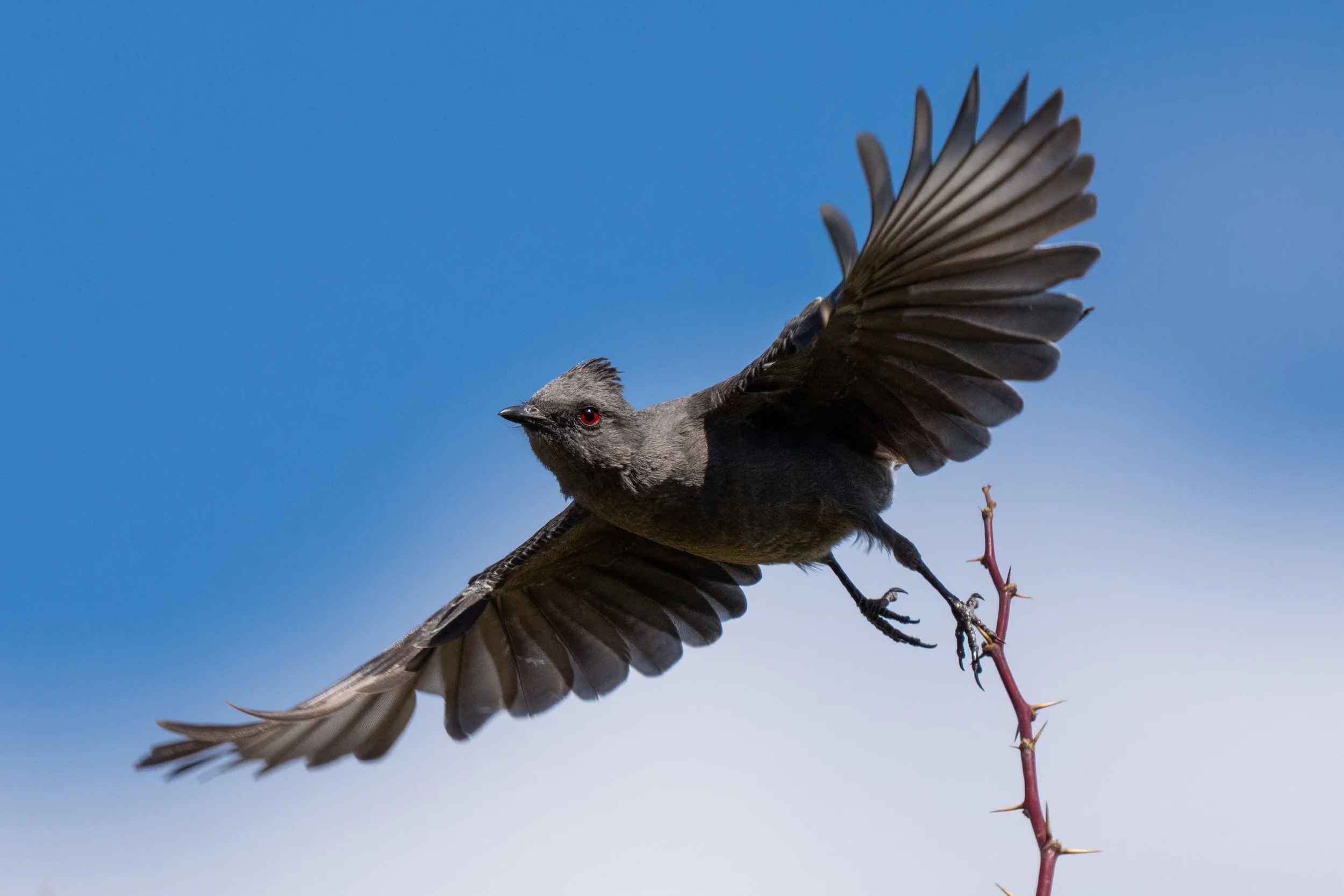
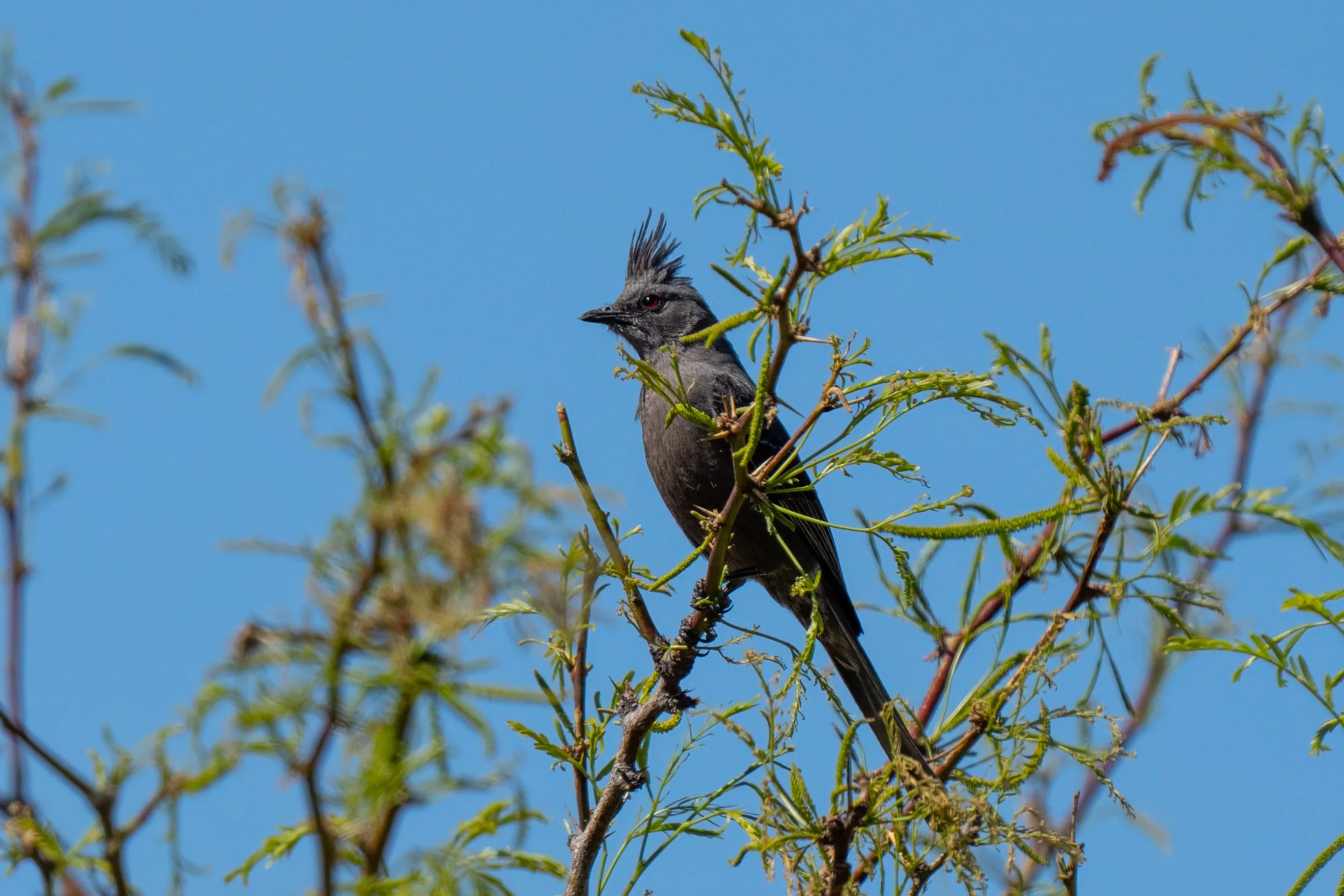
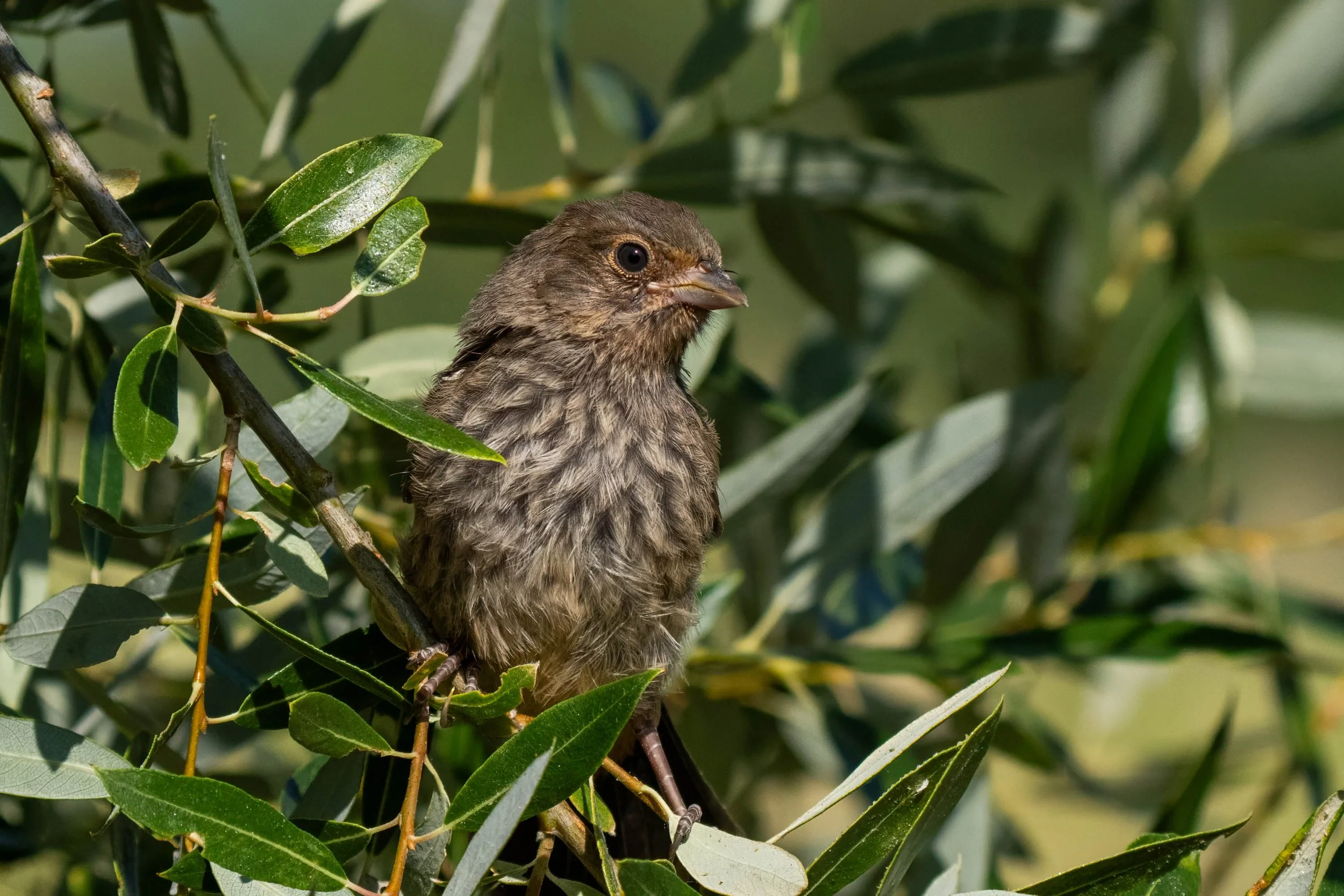
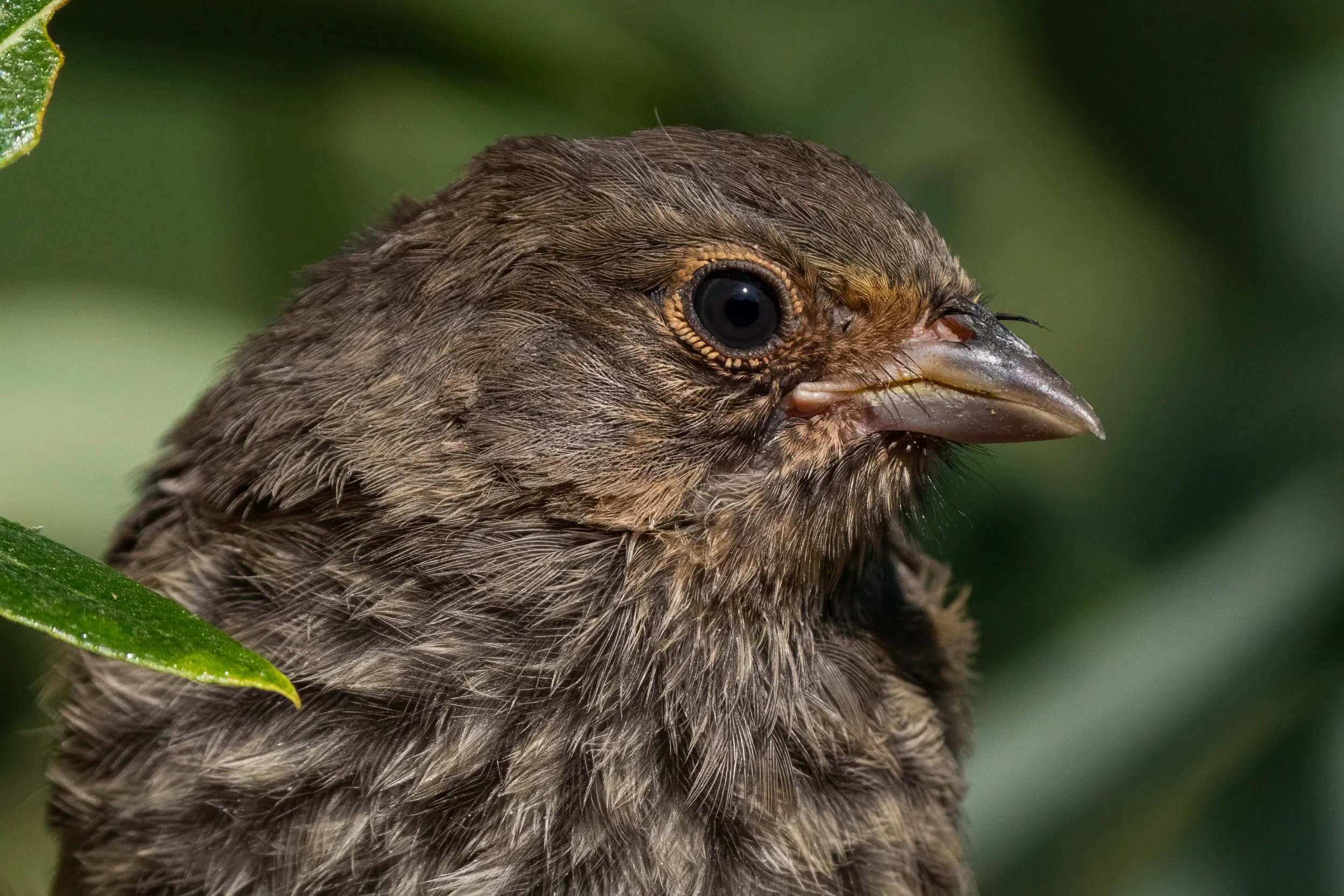
Phainopeplas sit conspicuously at the tops of shrubs, and Verdins move quickly through thorny branches. Ladder-backed Woodpeckers work the mesquite, while California Towhees stay closer to the ground, often keeping in touch with a soft chip note. Sometimes a young bird will pop out and pose, like a California Towhee did for me here!
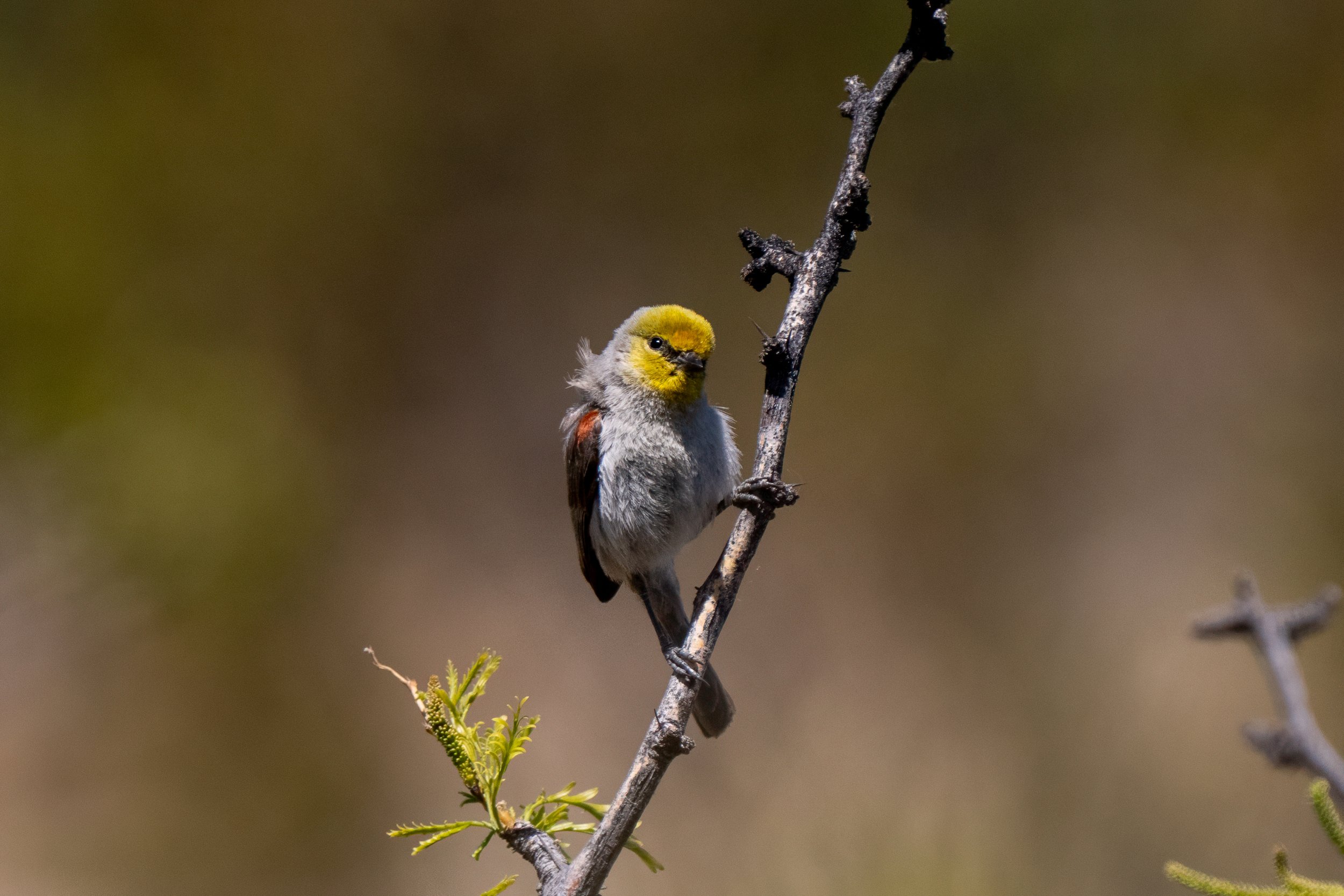
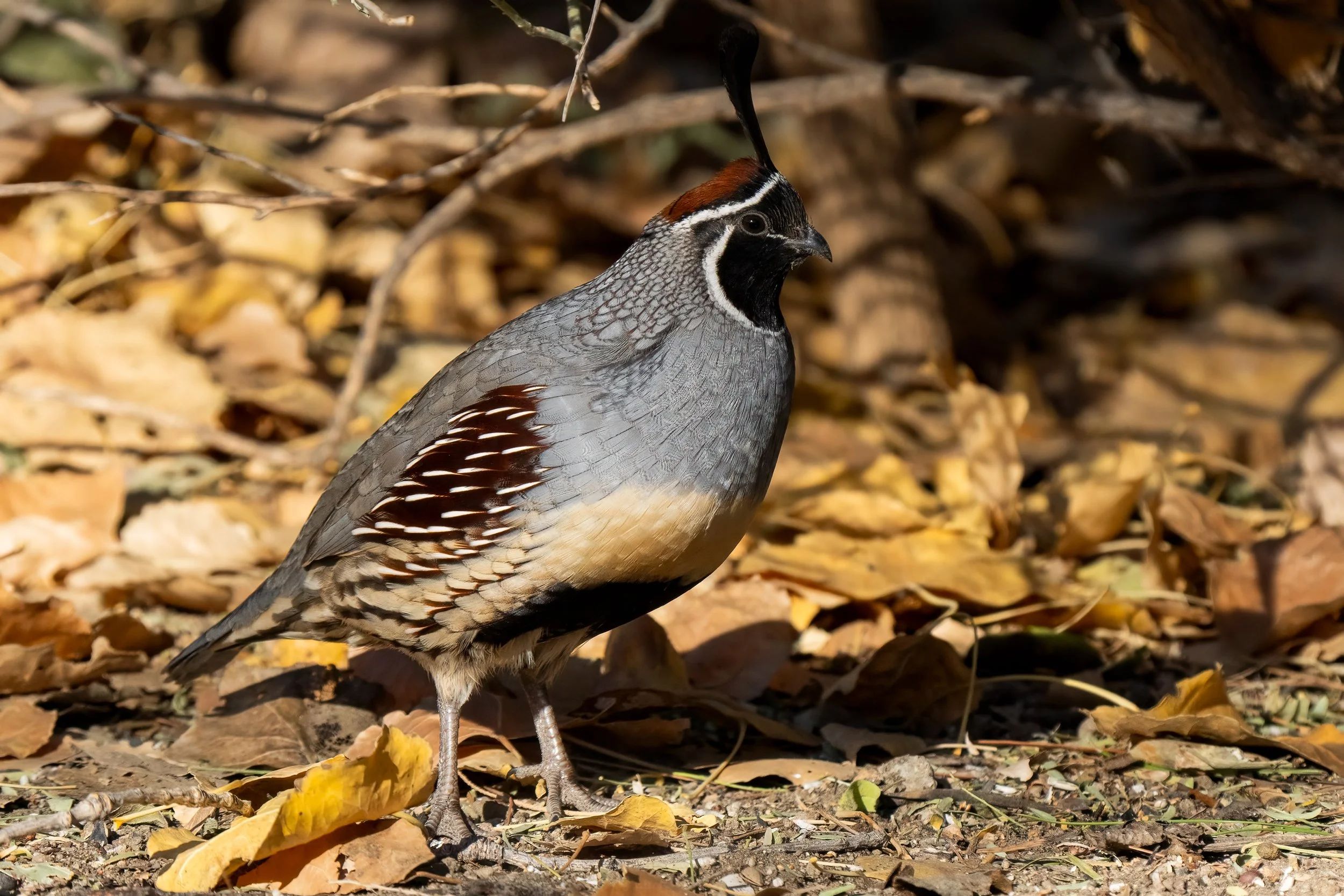
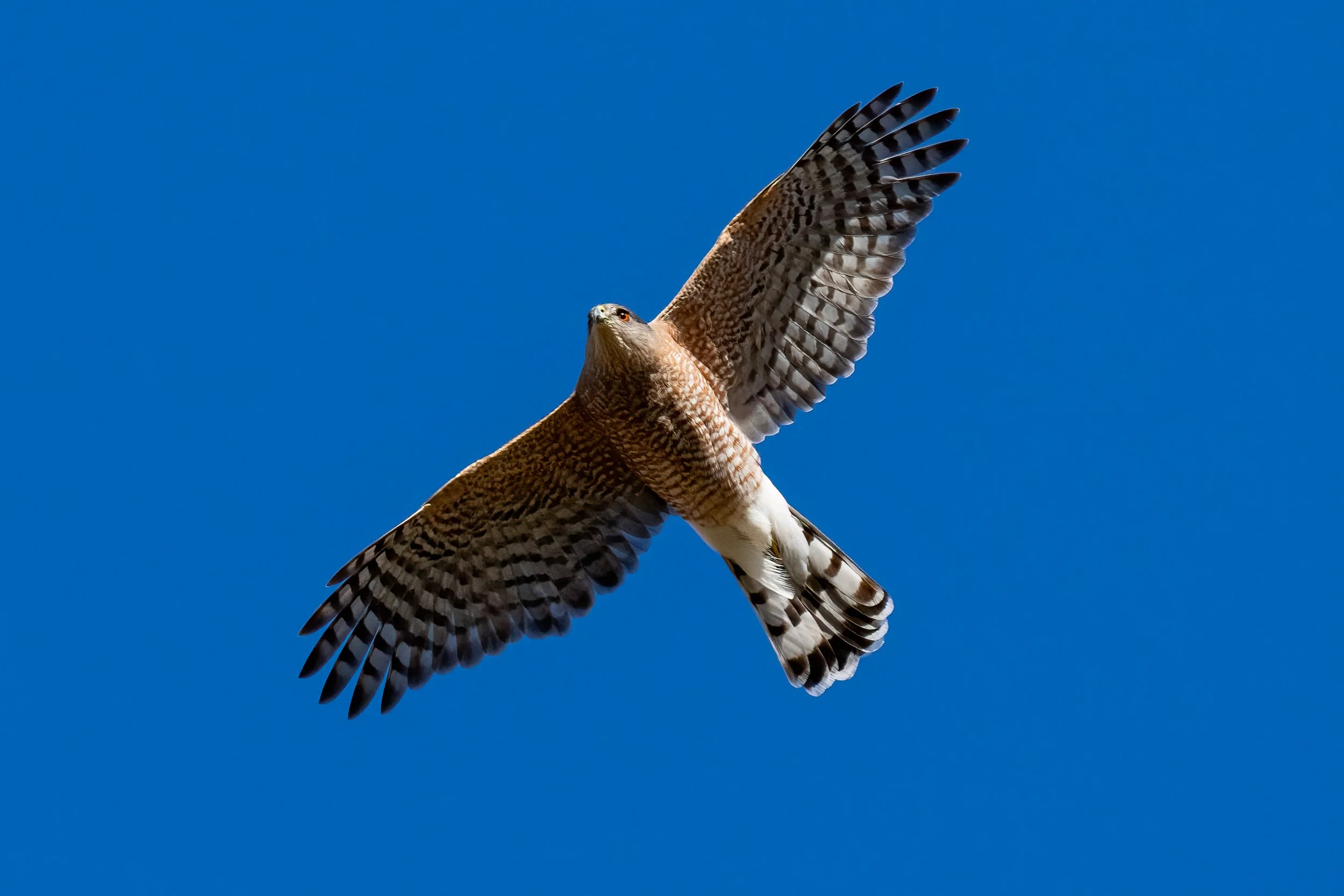
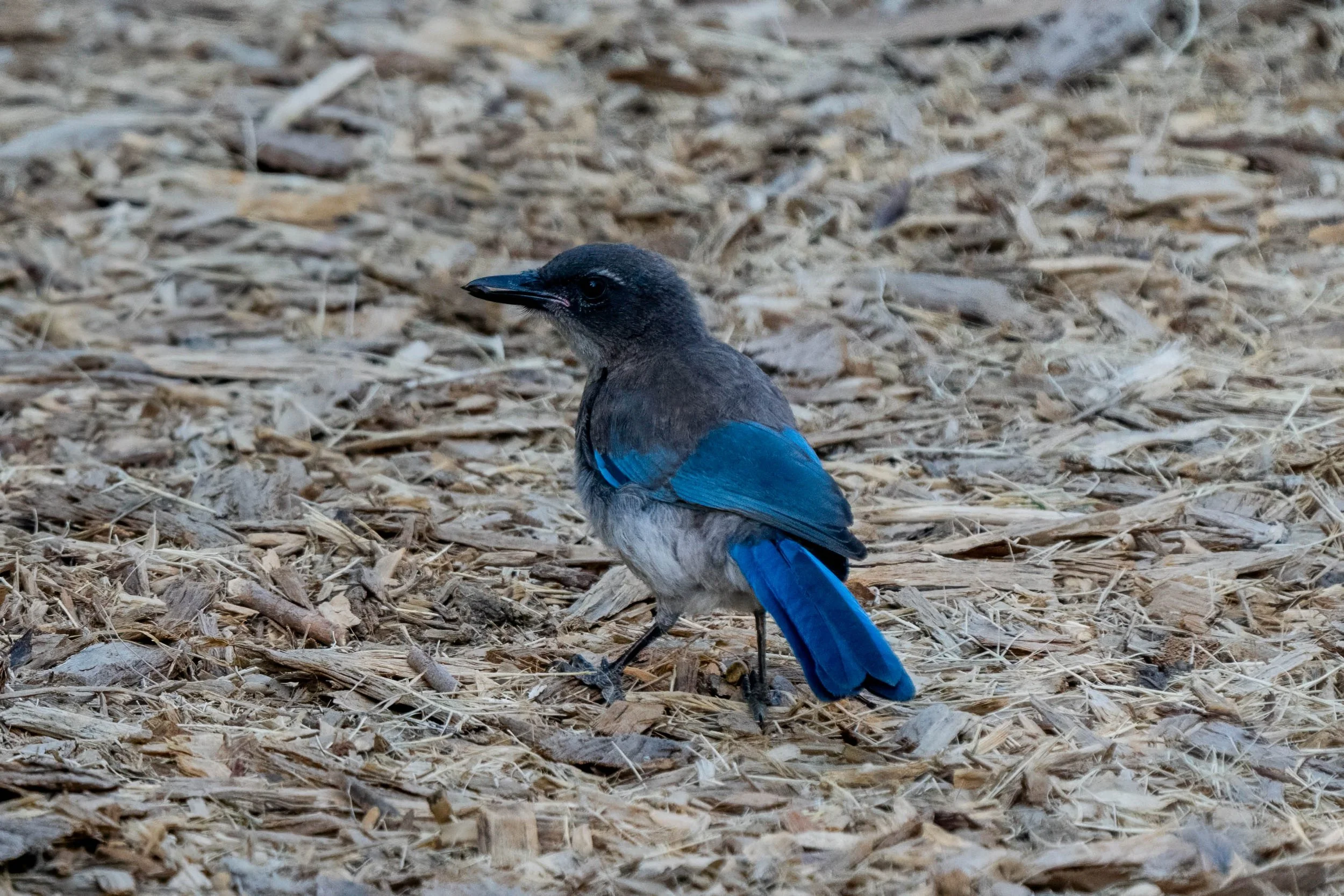
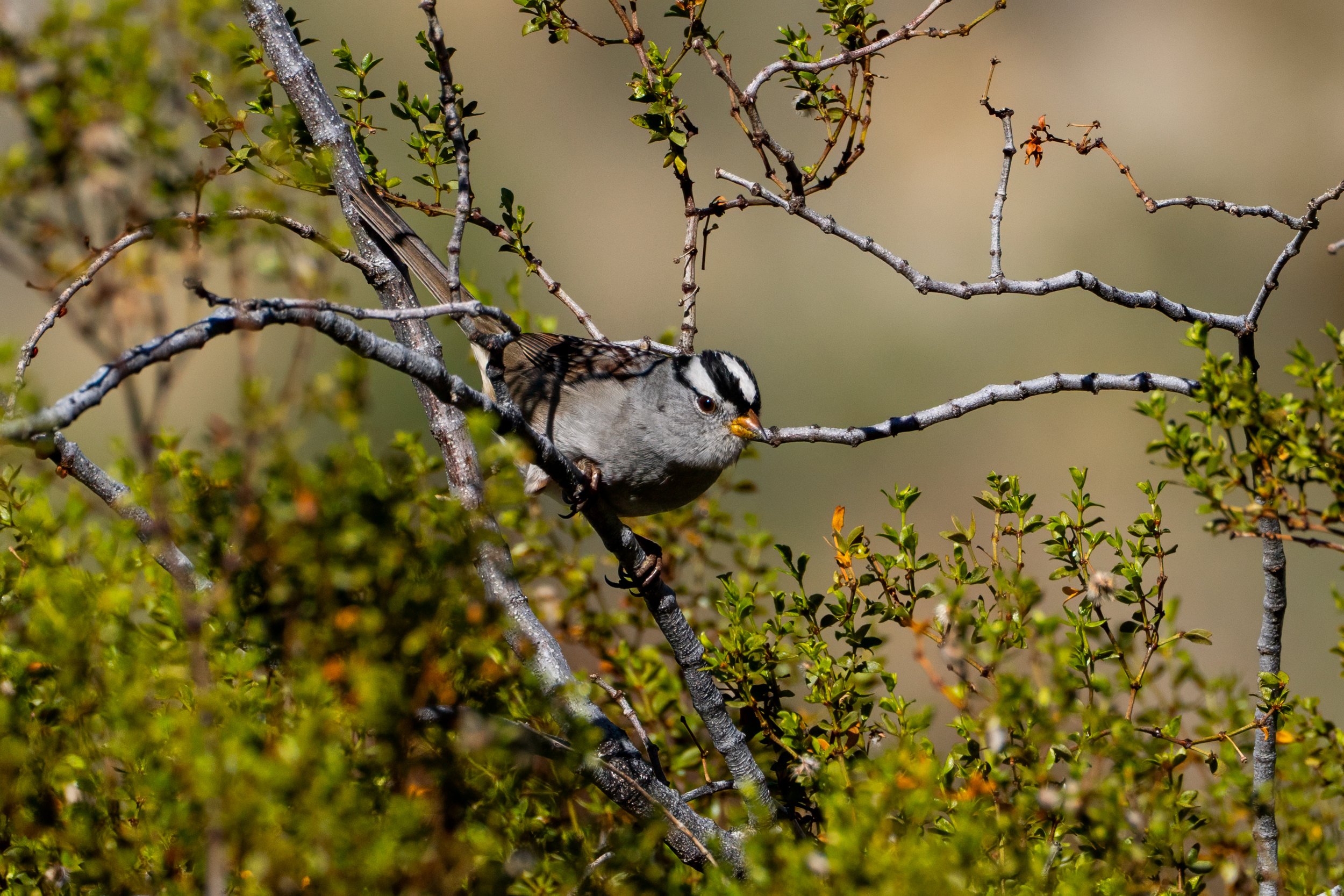
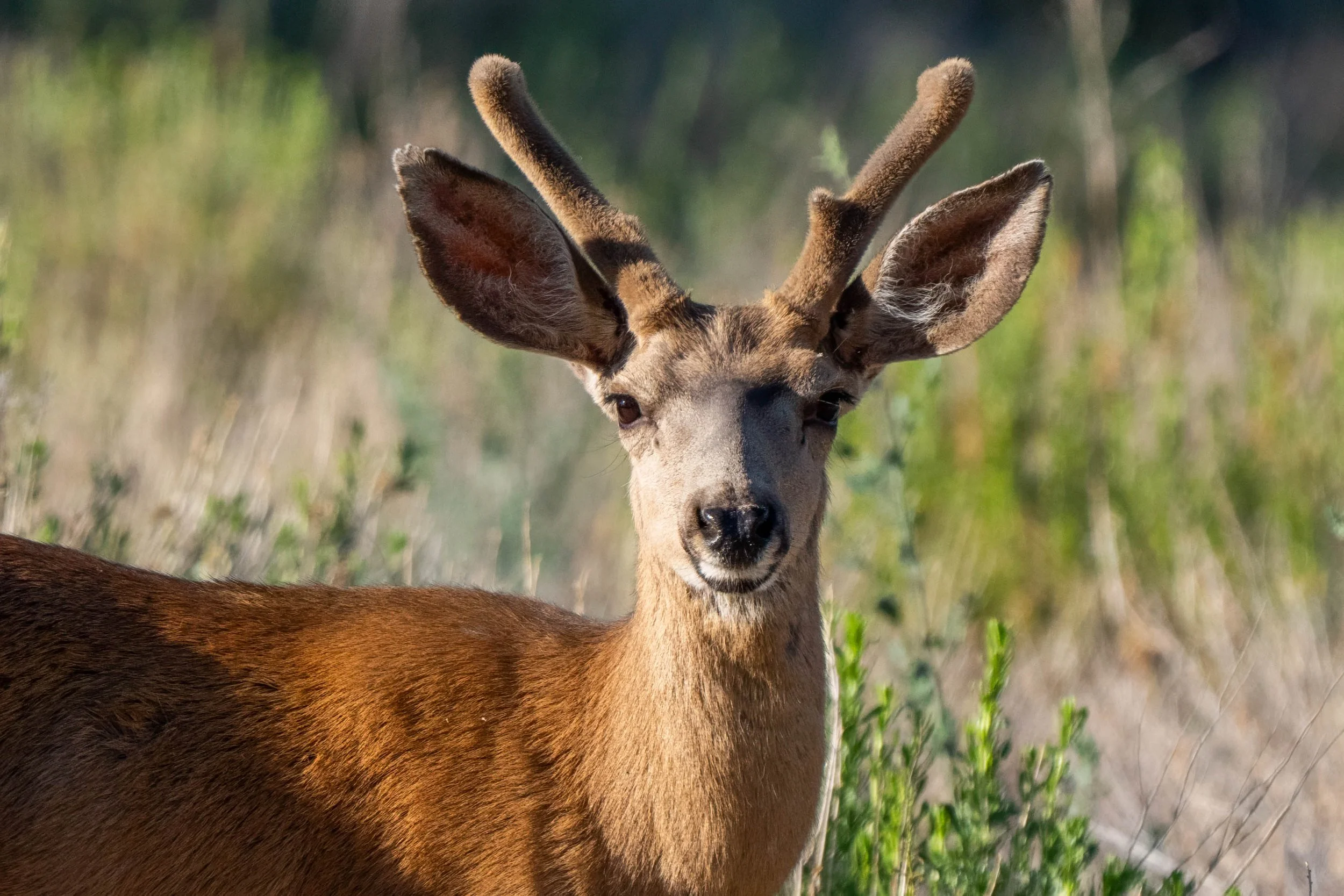
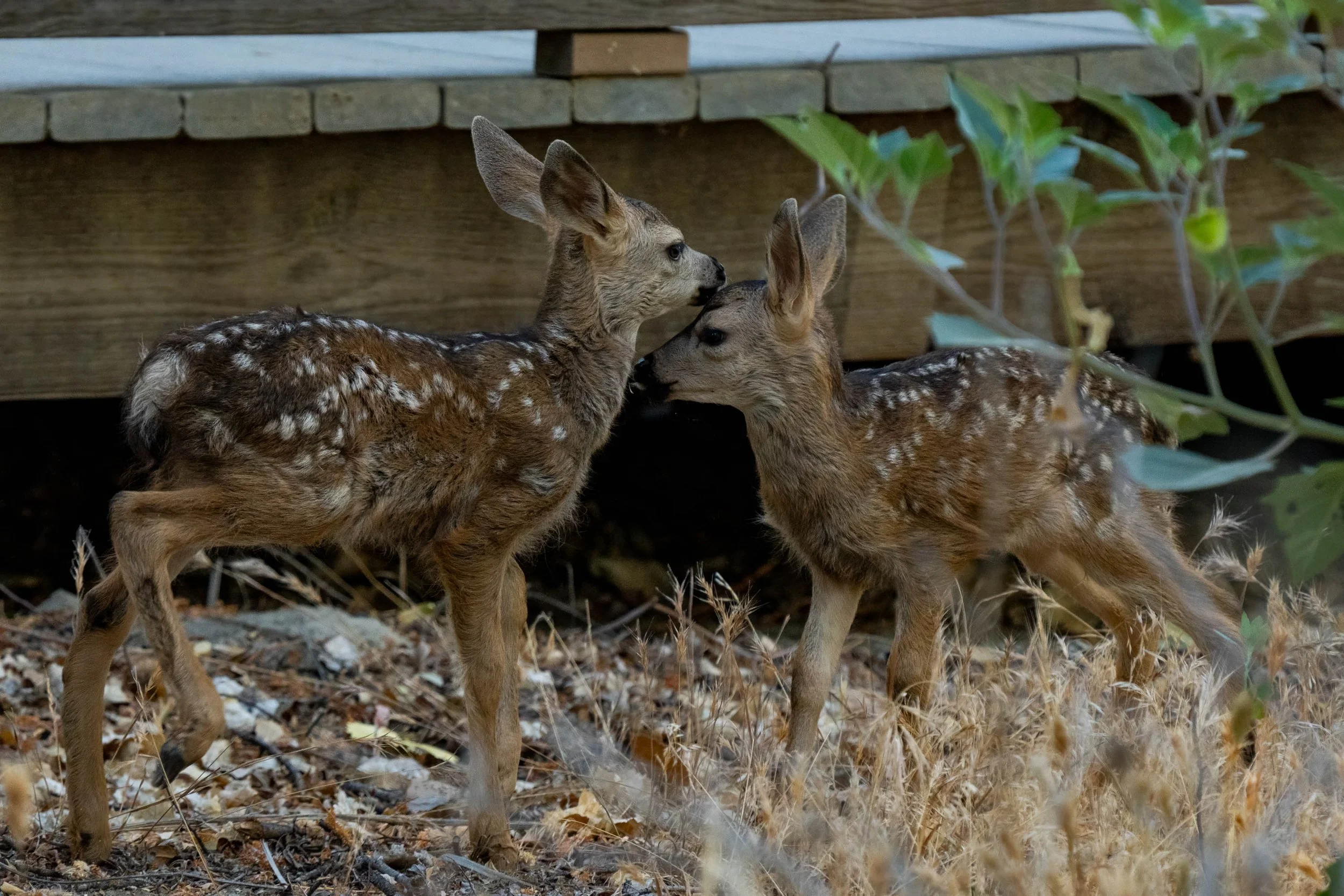
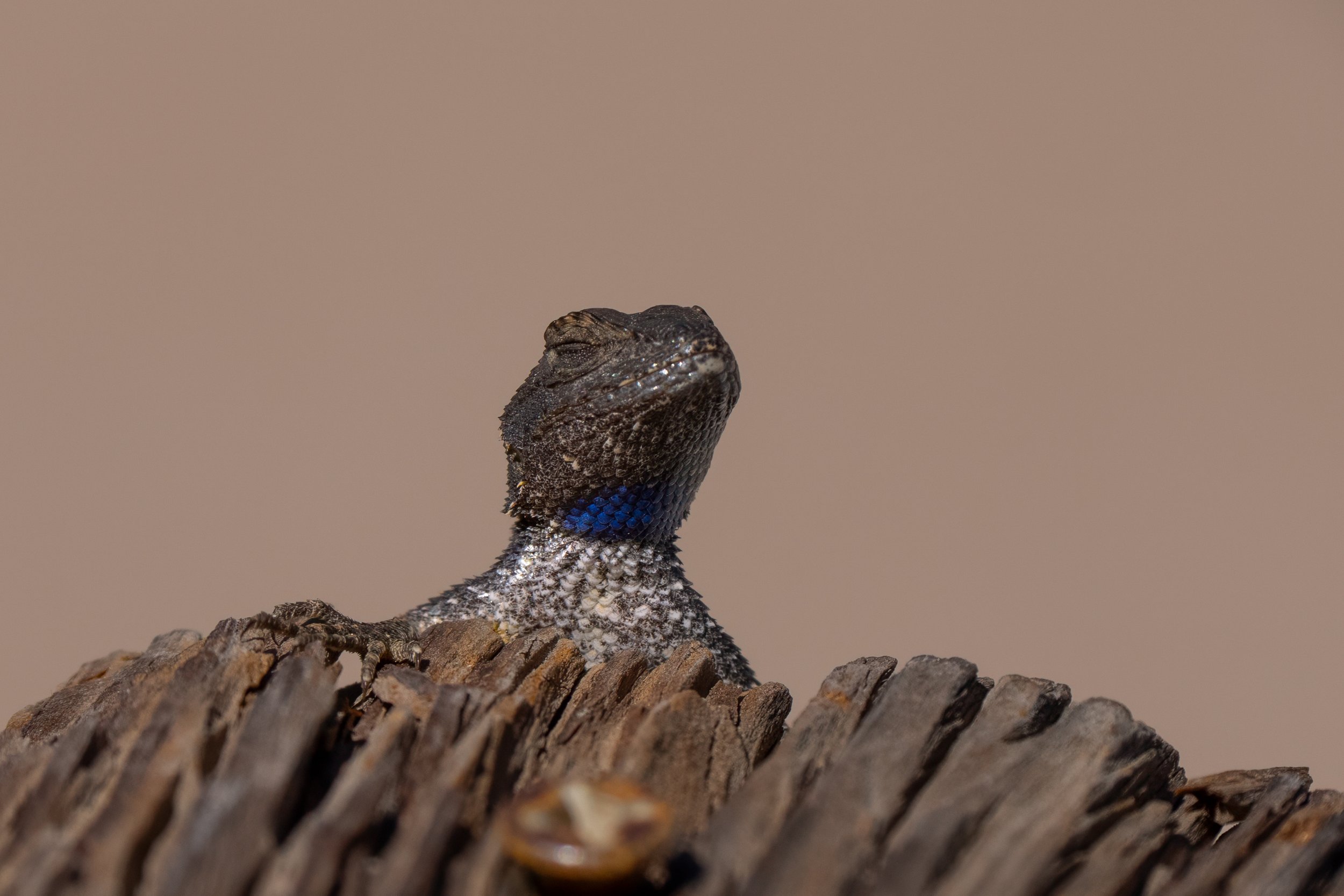
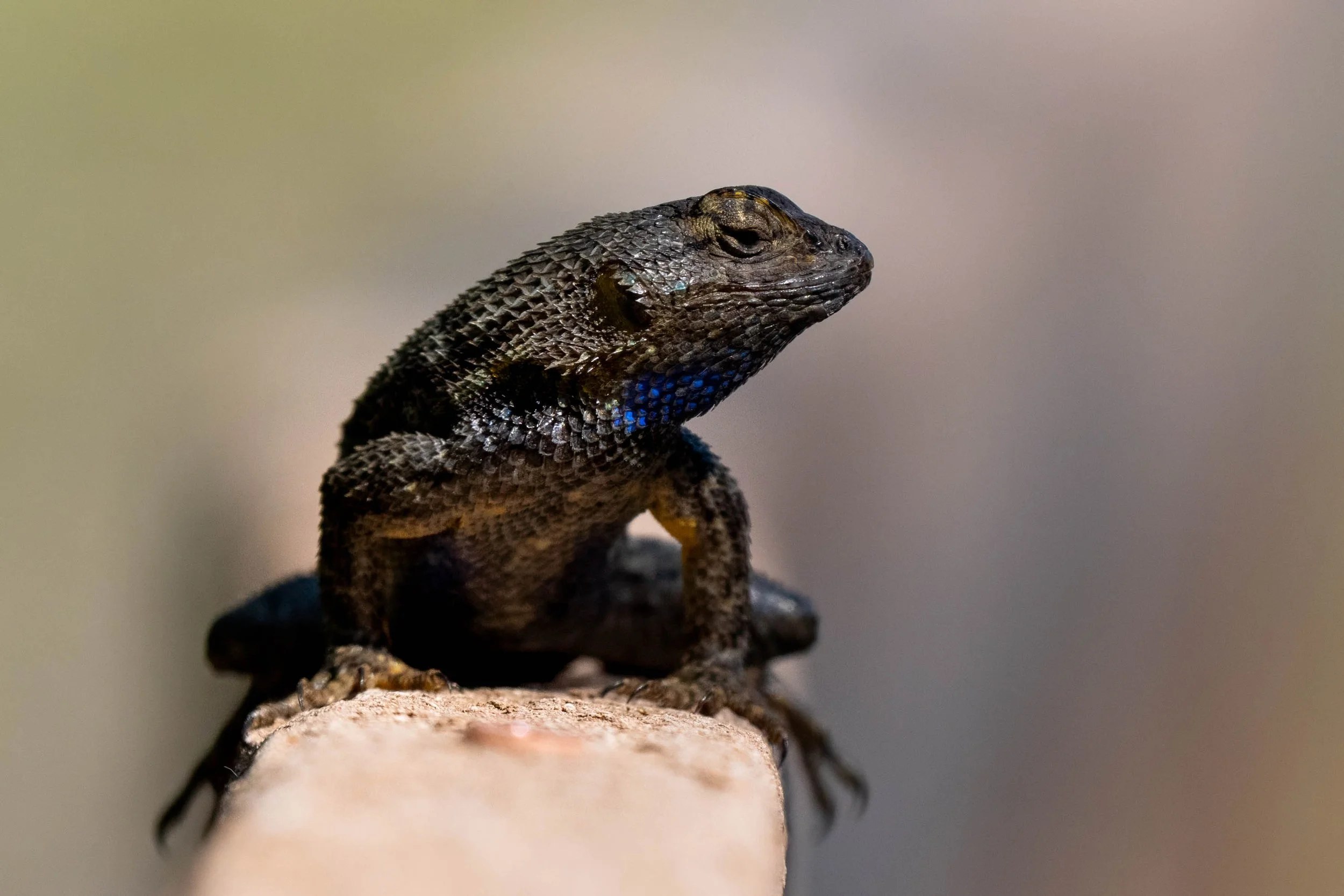
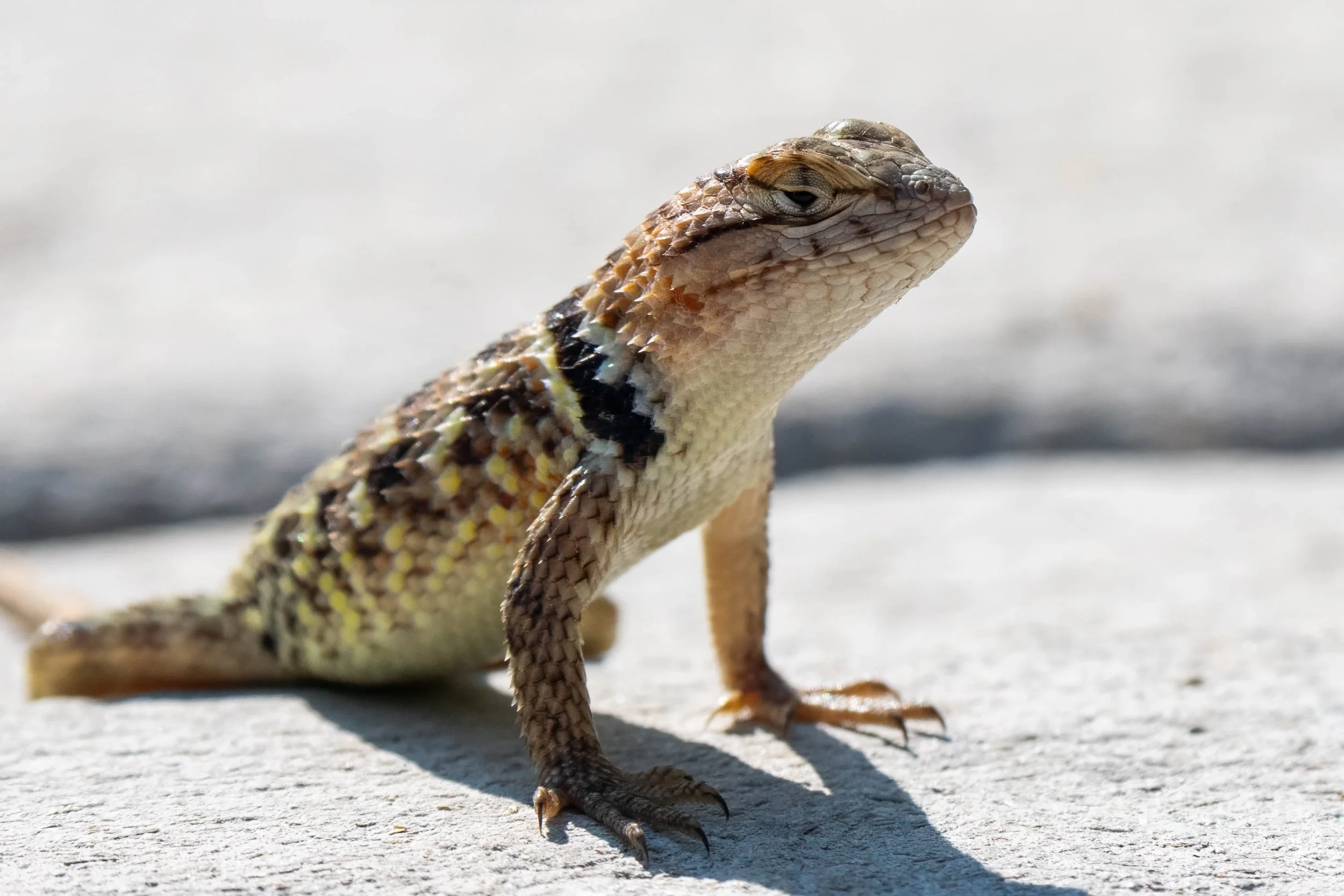
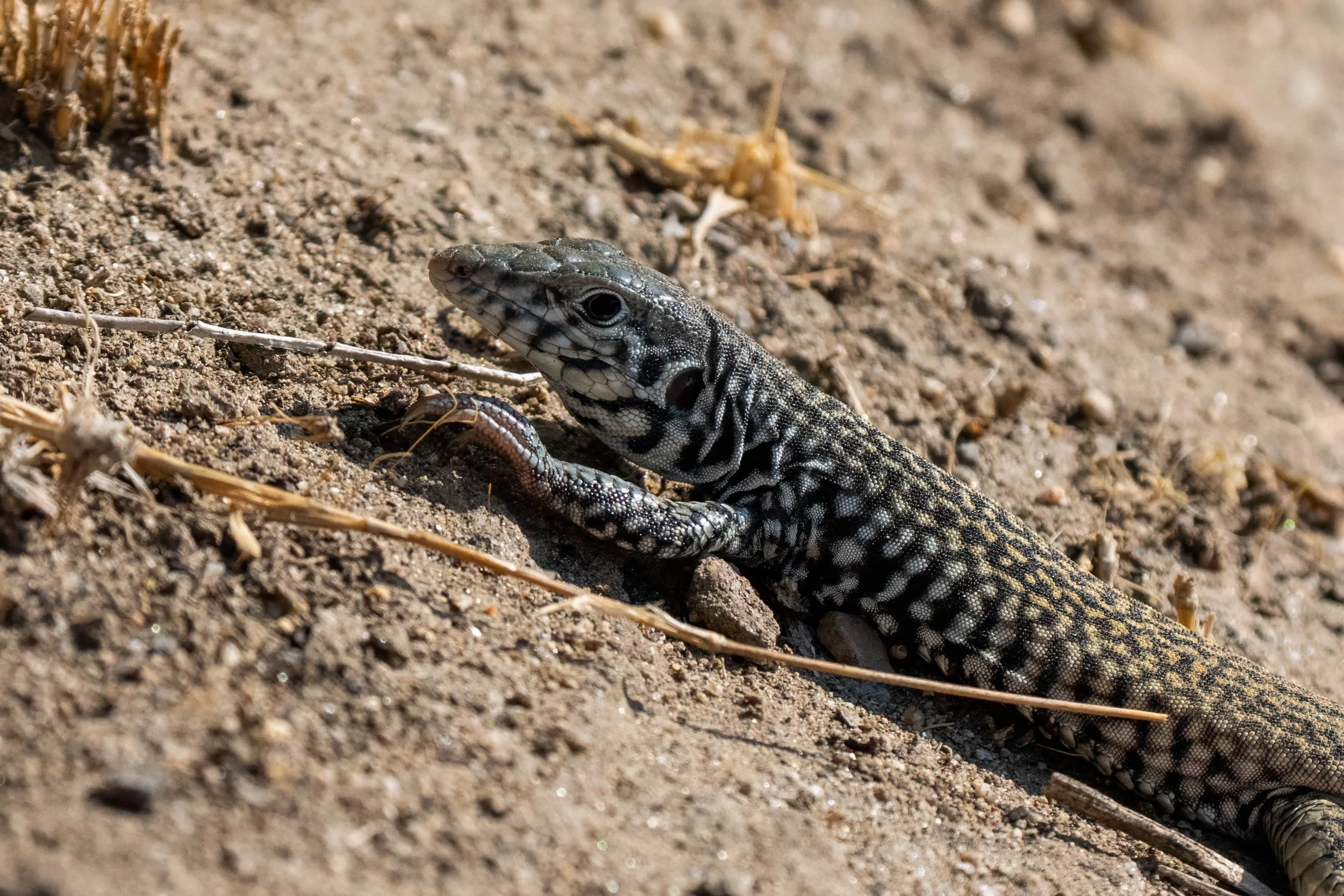
I never know exactly what will be moving through Big Morongo, which is part of the appeal. A boardwalk through cool shade can produce a tanager overhead, while a few minutes in the open scrub may bring an Ash-throated Flycatcher onto a creosote branch. A variety of lizards use the boardwalk to warm on sunny days, and often, Mule Deer are seen moving along the trails, sometimes with their fawns! The variety here never disappoints and the contrast between the habitats keeps me looking in every direction when I visit!